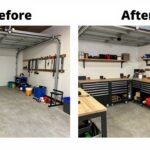
A well-organized garage isn’t just about aesthetics—it’s about efficiency, safety, and making the most of your valuable space. When tools are properly organized, you’ll spend less time searching and more time doing. This comprehensive guide will walk you through transforming your cluttered garage into a functional workshop where every tool has its place. From assessing your current situation to implementing smart storage solutions, we’ll cover everything you need to know about garage tool organization.
This Website contains affiliate links. That means I may earn a small commission if you purchase through my links, at no extra cost to you.
Phase 1: Assess Your Space and Tools
Before purchasing any storage solutions, take time to evaluate what you’re working with. Understanding your space constraints and tool inventory will help you create an organization system that truly works for your needs.
Take Inventory of Your Tools
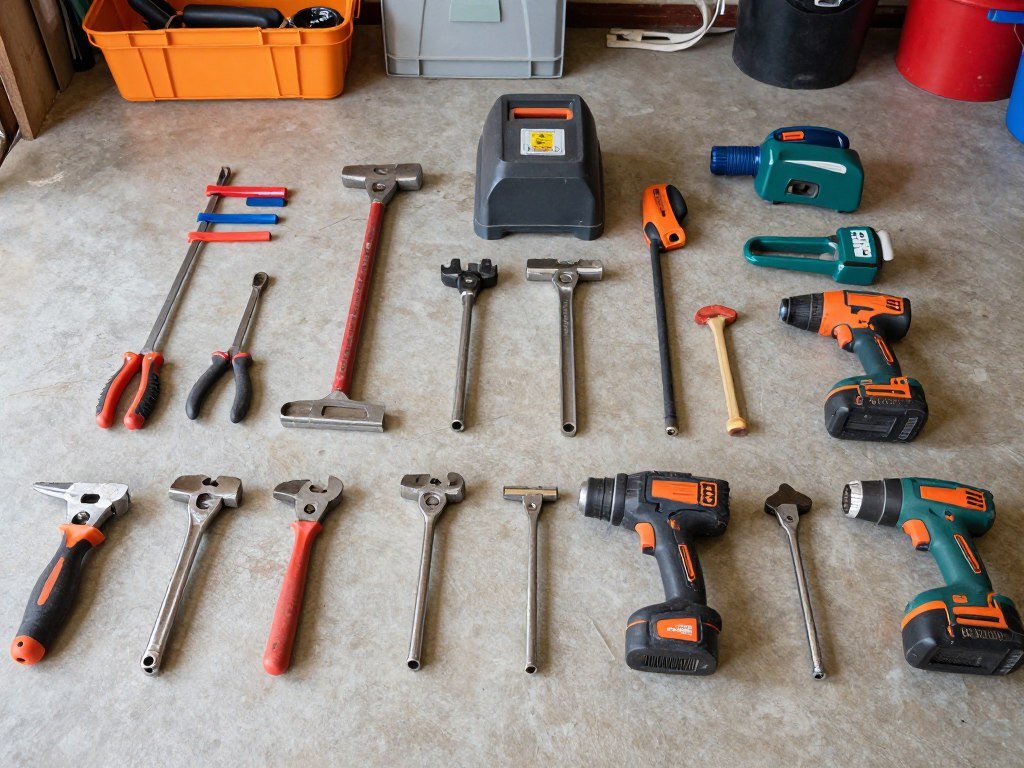
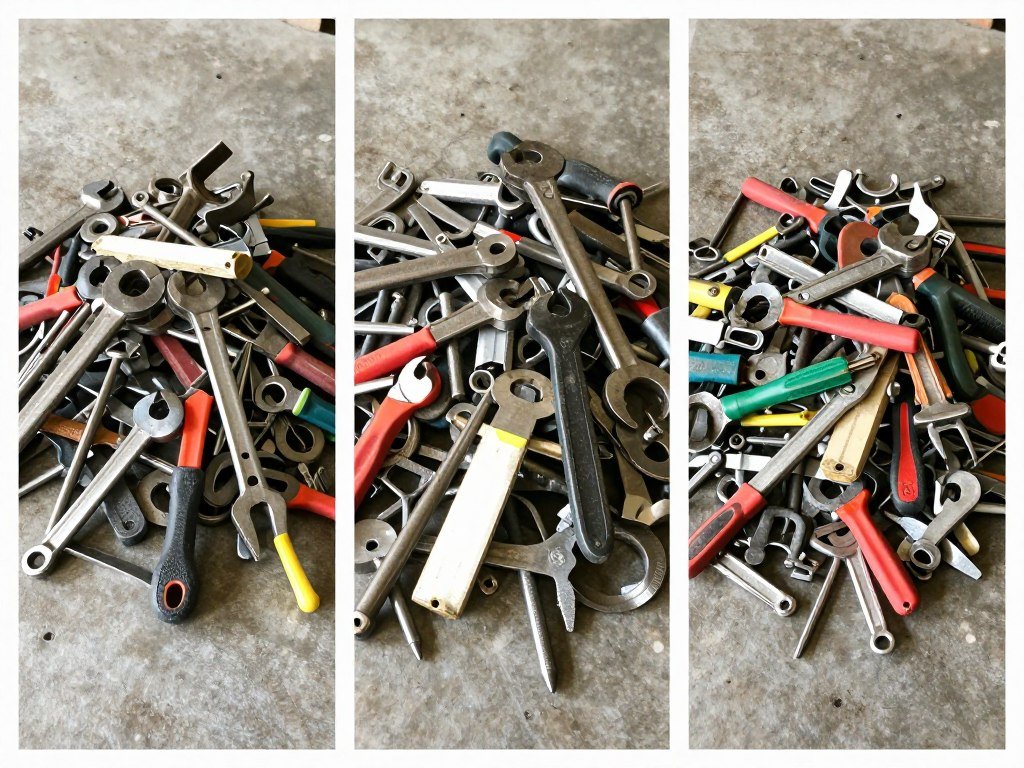
Start by gathering all your tools in one place. Sort them into categories such as hand tools, power tools, gardening equipment, and automotive supplies. This process helps you visualize how much storage you’ll need for each category and identify duplicates or items you no longer use.
The Purge: Keep, Donate, Discard
Be honest about which tools you actually use. For items you haven’t touched in years, consider whether they’re worth the space they occupy. Create three piles: keep, donate, and discard. Local tool libraries or community workshops often welcome donations of tools in good condition.
Measure Your Available Space
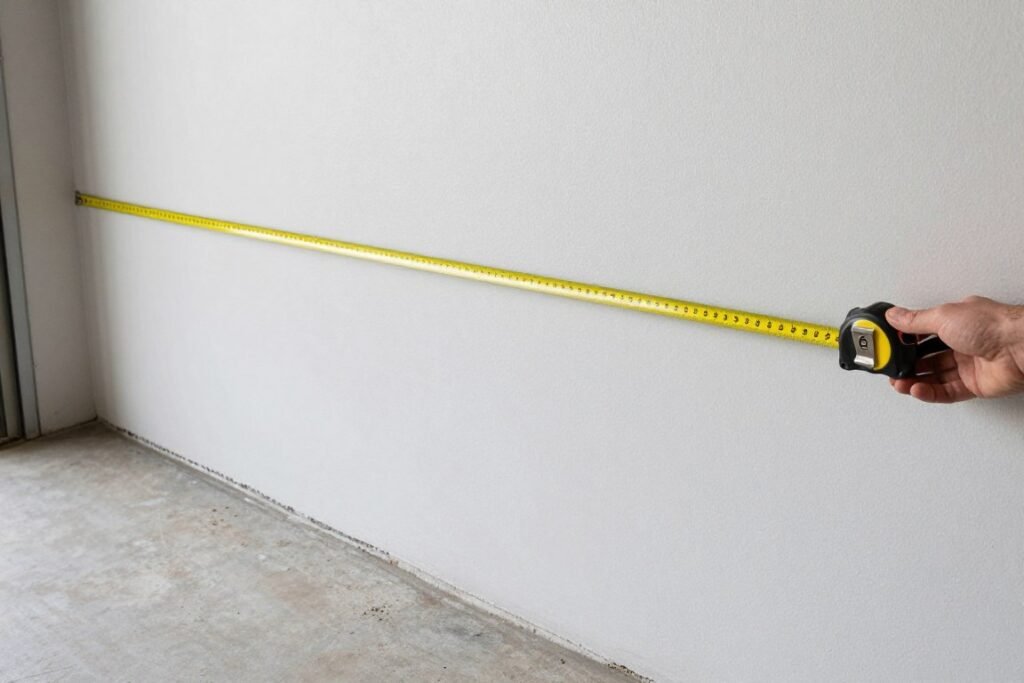
Take detailed measurements of your garage, noting the dimensions of walls, ceiling height, and any architectural features that might impact your storage options. Don’t forget to account for the space your vehicles will occupy if you plan to park in the garage.
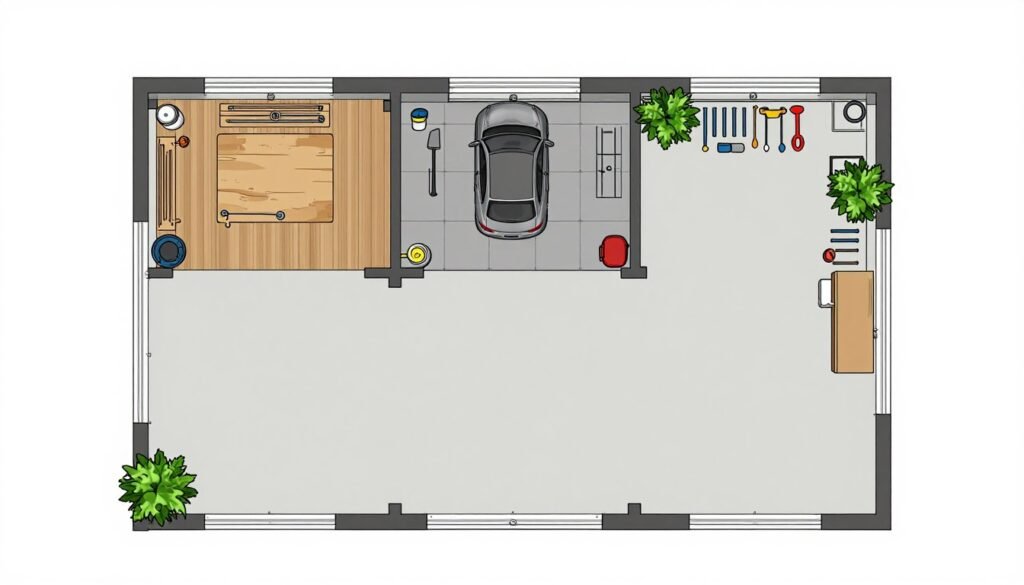
Create Functional Zones
Divide your garage into zones based on activities and tool categories. Common zones include woodworking, automotive maintenance, gardening, and general repairs. This zoning approach keeps related tools together, improving workflow efficiency.
Related Posts:





Ready to Start Organizing?
Before diving into storage solutions, get your measuring tools ready. A good tape measure and level will ensure your installations are precise.
Phase 2: Maximizing Vertical Space with Wall Storage
Wall storage is the cornerstone of effective garage tool organization. By utilizing vertical space, you free up valuable floor area while keeping tools visible and accessible.
Pegboard Systems: Versatile and Visual
Pegboards remain one of the most popular and versatile wall storage options for good reason. They allow you to create a customized tool display that can be easily reconfigured as your needs change. Metal pegboards offer superior durability compared to their hardboard counterparts, especially in humid garage environments.
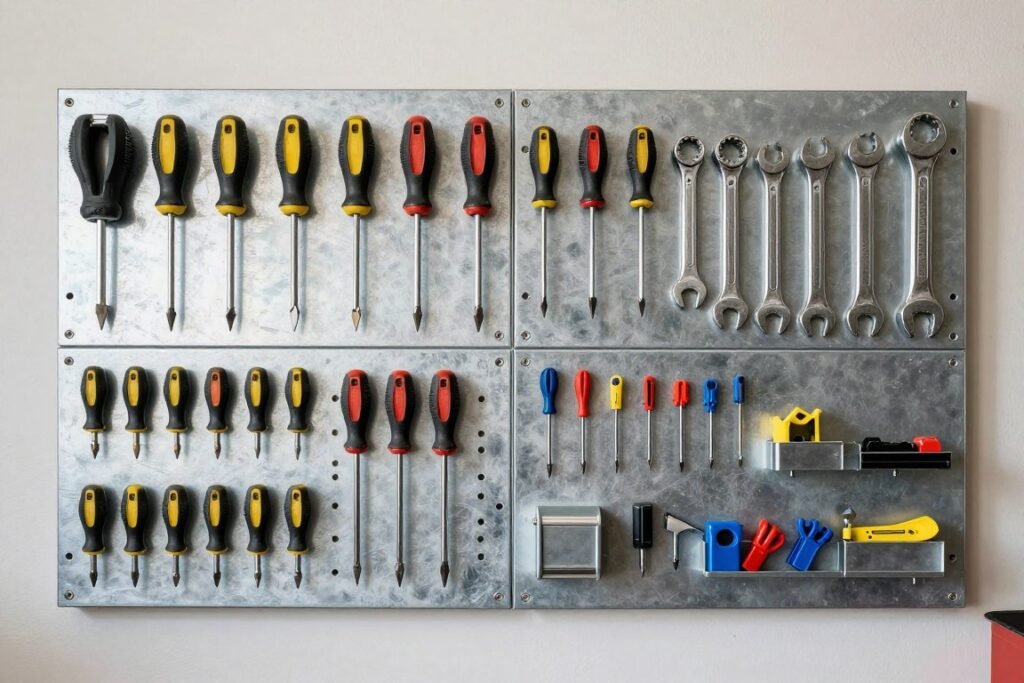
For maximum functionality, invest in a variety of pegboard accessories such as hooks of different sizes, brackets, and small bins. Consider color-coding your pegboard hooks or drawing tool outlines to make it obvious when something is missing and where it belongs.
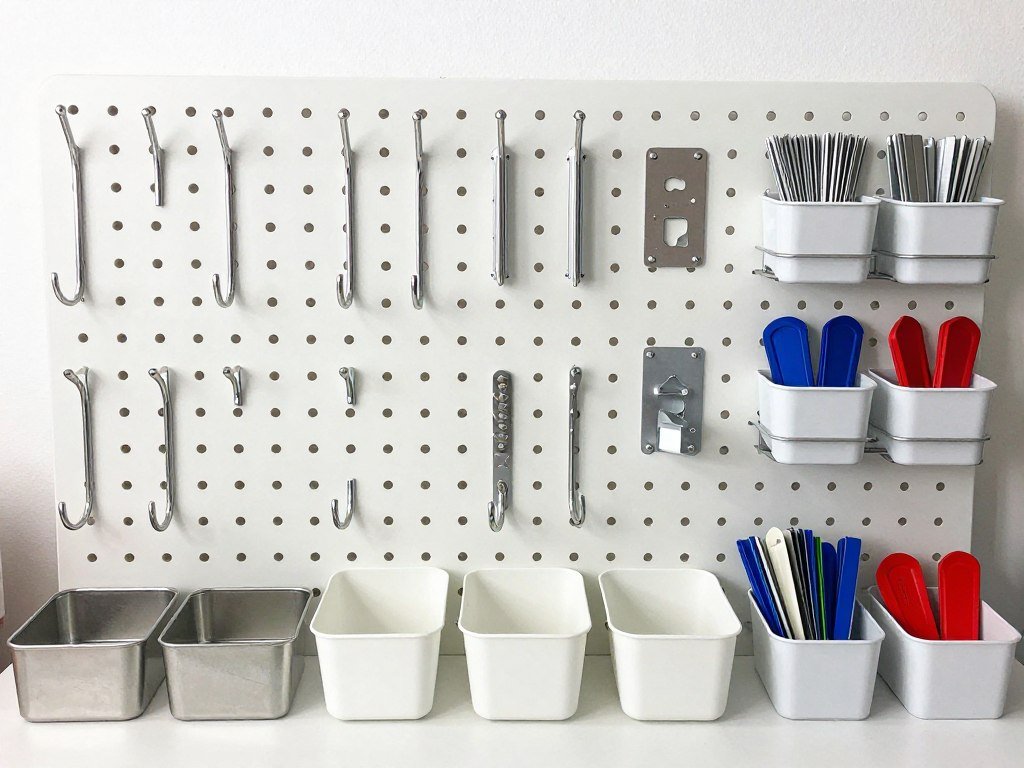
Create Your Perfect Pegboard System
Durable metal pegboards provide years of reliable tool storage and organization.
Slatwall Panels: Strength and Flexibility
Slatwall systems offer even greater strength than pegboards, making them ideal for heavier tools and equipment. These horizontal-grooved panels accept a wide range of accessories, from simple hooks to shelves and baskets.
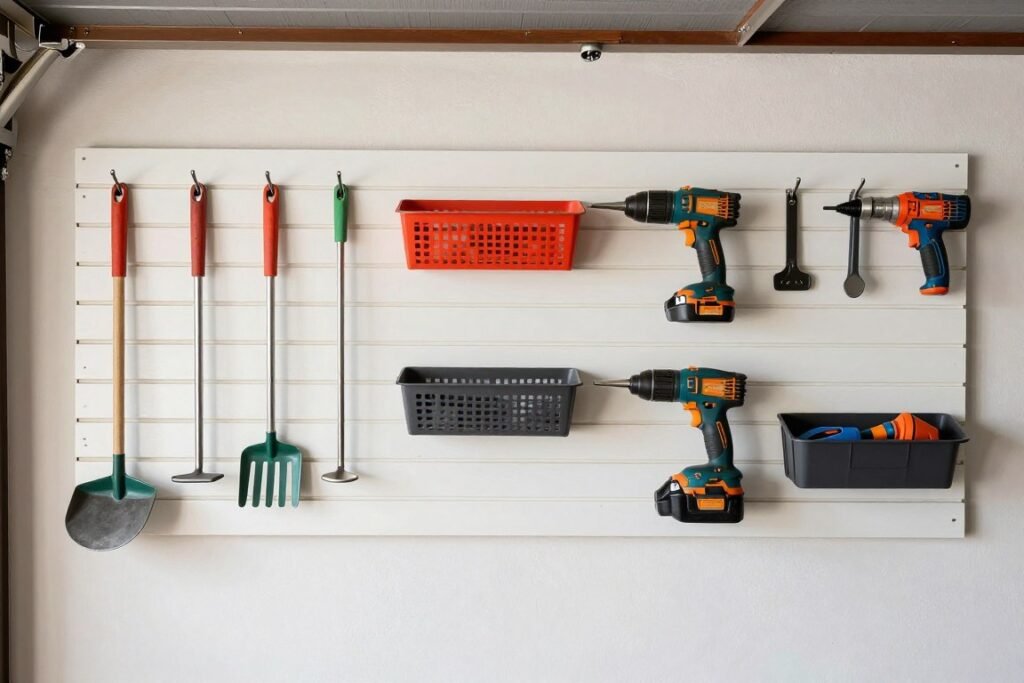
PVC slatwall panels are particularly well-suited for garage environments as they resist moisture, mold, and mildew. They’re available in various colors and finishes, allowing you to create an attractive and functional tool wall.
Upgrade to Slatwall Organization
Slatwall systems can support heavier tools and offer more configuration options than standard pegboards.
French Cleat Systems: DIY-Friendly Strength
For the ultimate in customization and weight capacity, consider a French cleat system. This consists of beveled wood strips mounted to the wall that interlock with matching bevels on storage accessories. The beauty of this system is that you can build custom holders for specific tools.
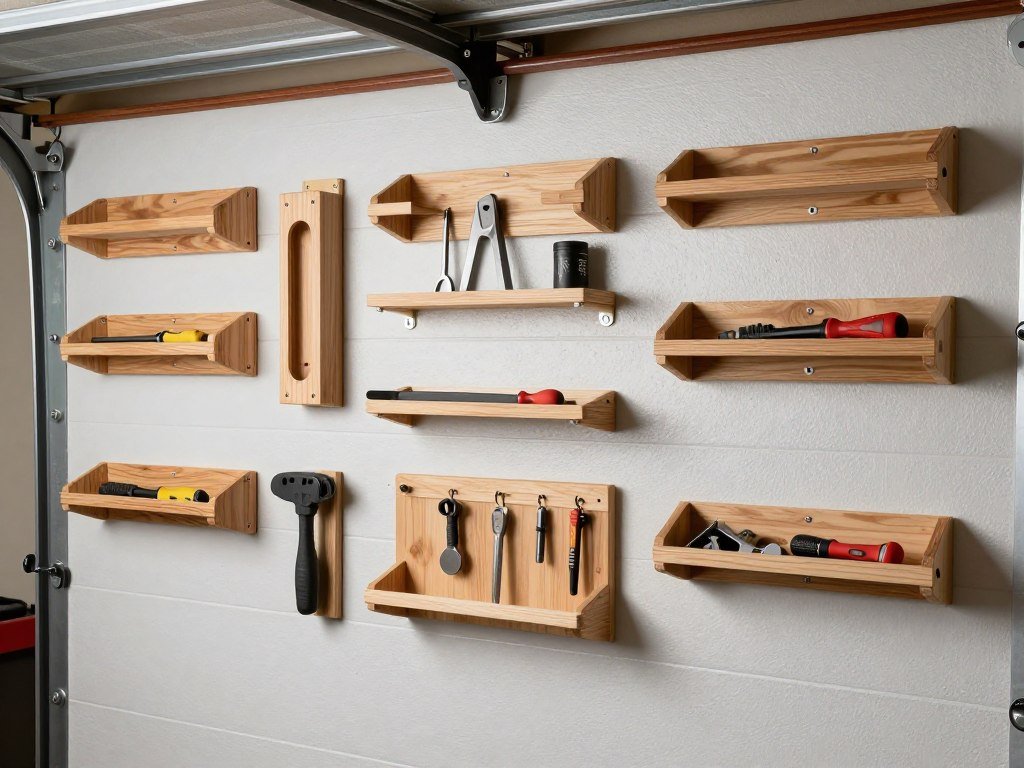
French cleats are particularly good for awkwardly shaped tools that don’t fit standard storage solutions. With basic woodworking skills, you can create holders perfectly sized for specific power tools, lawn equipment, or specialty items.
Build Your Custom French Cleat System
Get started with the basic hardware and create a fully customized tool organization system.
Magnetic Tool Holders: Simple and Effective
Magnetic strips or bars provide a sleek, space-efficient way to store metal tools like wrenches, screwdrivers, and pliers. They keep frequently used tools visible and instantly accessible without any hooks or holders.
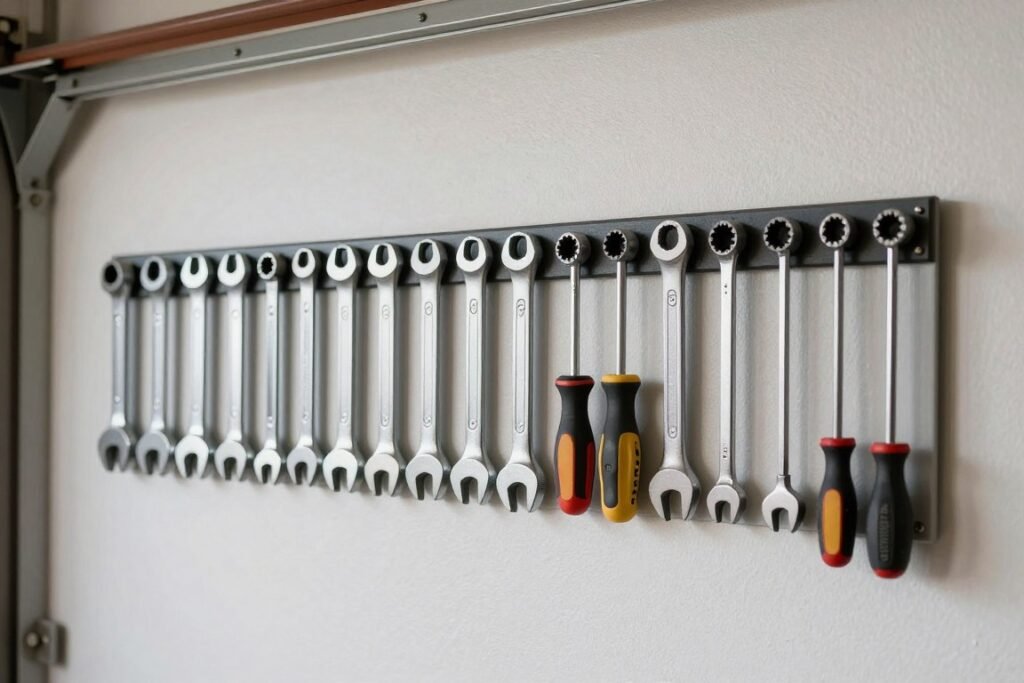
Simplify with Magnetic Organization
Magnetic tool holders provide instant access to your most-used metal tools without hooks or holders.
Phase 3: Freestanding Storage Solutions
While wall storage maximizes vertical space, freestanding units provide flexible organization that can be reconfigured as your needs change. These solutions are perfect for tools that don’t easily hang on walls or require more protected storage.
Rolling Tool Cabinets: Mobile Organization
A quality rolling tool cabinet combines storage capacity with mobility, allowing you to bring your tools to your project rather than the other way around. Look for cabinets with ball-bearing drawer slides that can support heavy loads of hand tools.
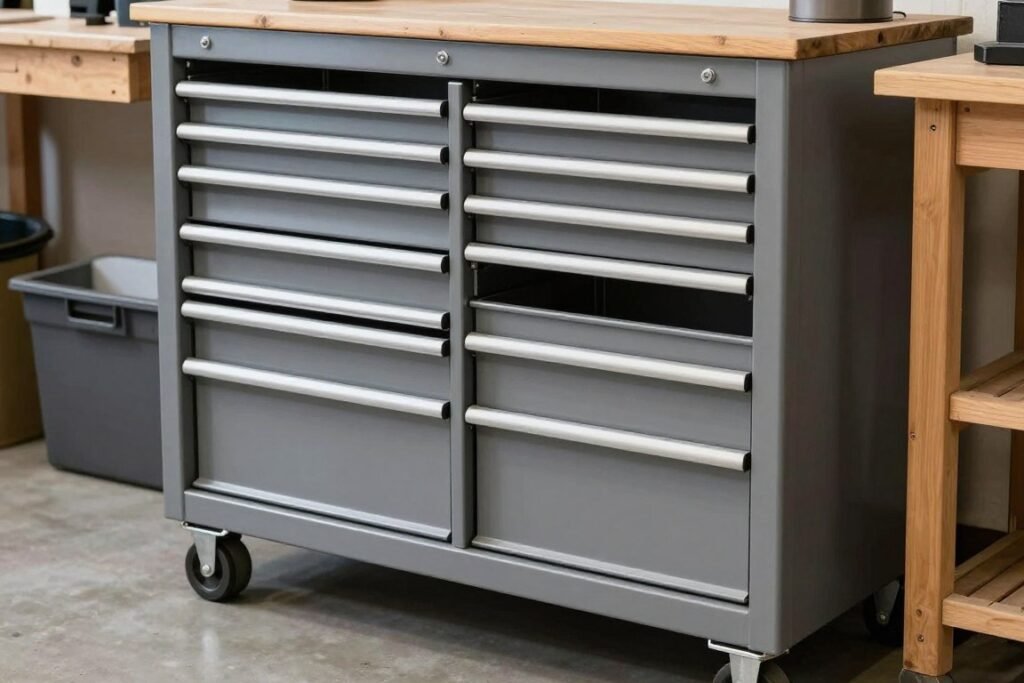
Consider cabinets with a mix of shallow and deep drawers to accommodate different tool sizes. Drawer liners and organizers keep tools from sliding around and make it easier to find what you need quickly.
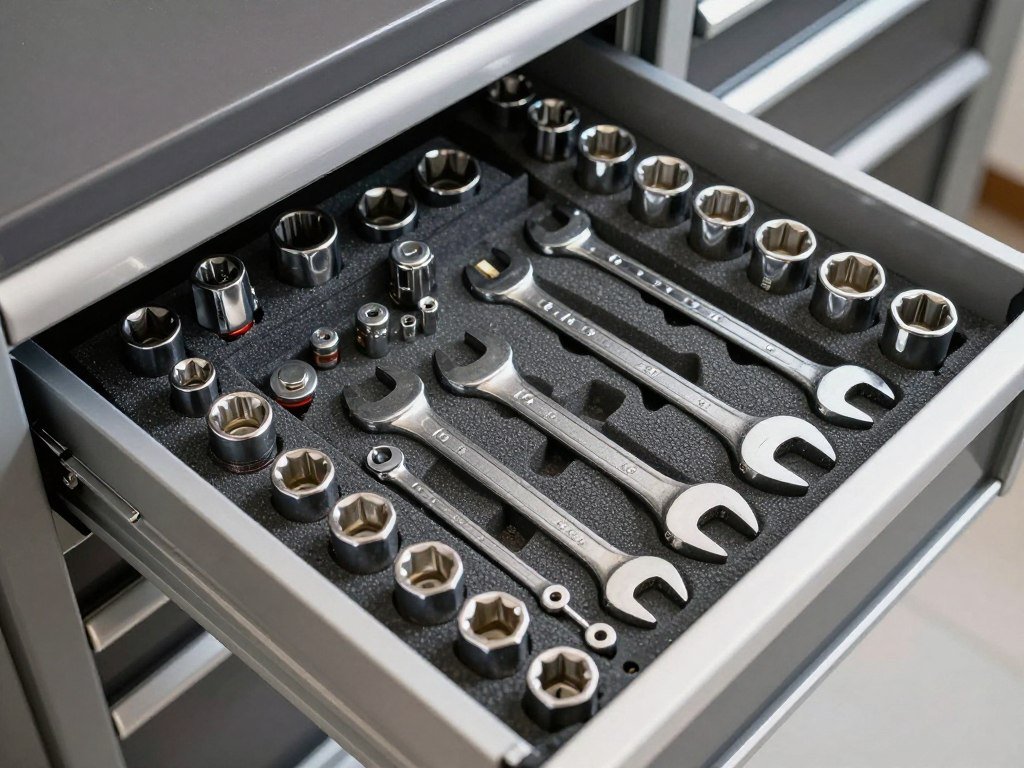
Upgrade Your Tool Storage
A quality rolling tool cabinet keeps your tools protected, organized, and mobile.
Workbenches with Storage: Dual-Purpose Solutions
Combine your work surface and storage needs with a workbench that includes drawers, shelves, or cabinets. This maximizes your garage’s functionality by serving two essential purposes in one footprint.
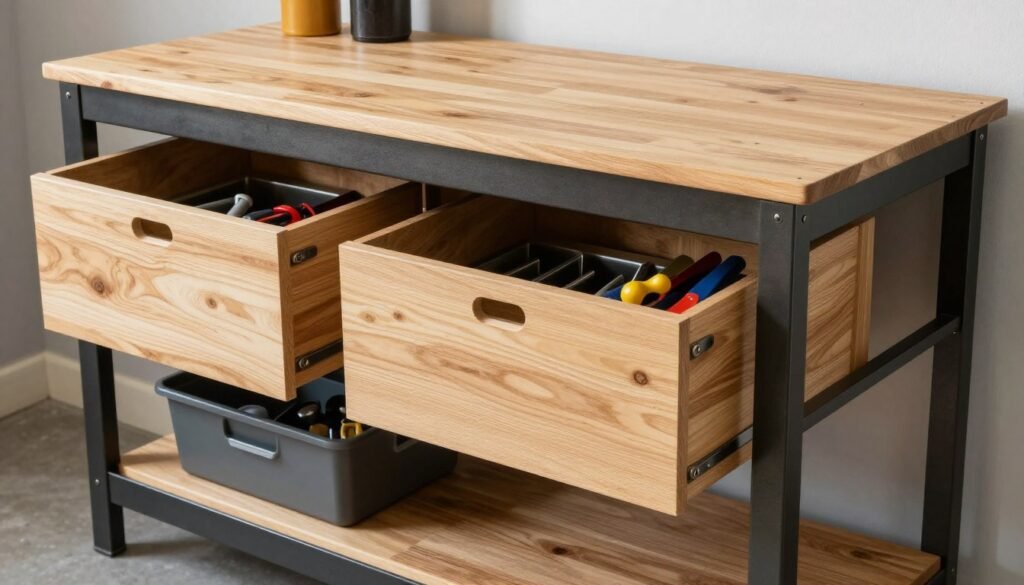
For smaller garages, consider a folding workbench that can be collapsed when not in use. Many models include pegboard backs or side panels for additional tool storage.
Work and Store in One Space
A workbench with integrated storage gives you a place to work and store your tools in one efficient unit.
Heavy-Duty Shelving Units: Versatile Storage
Industrial-grade shelving units provide flexible storage for larger items, power tools, and storage bins. Look for units with adjustable shelves and weight capacities appropriate for your heaviest items.
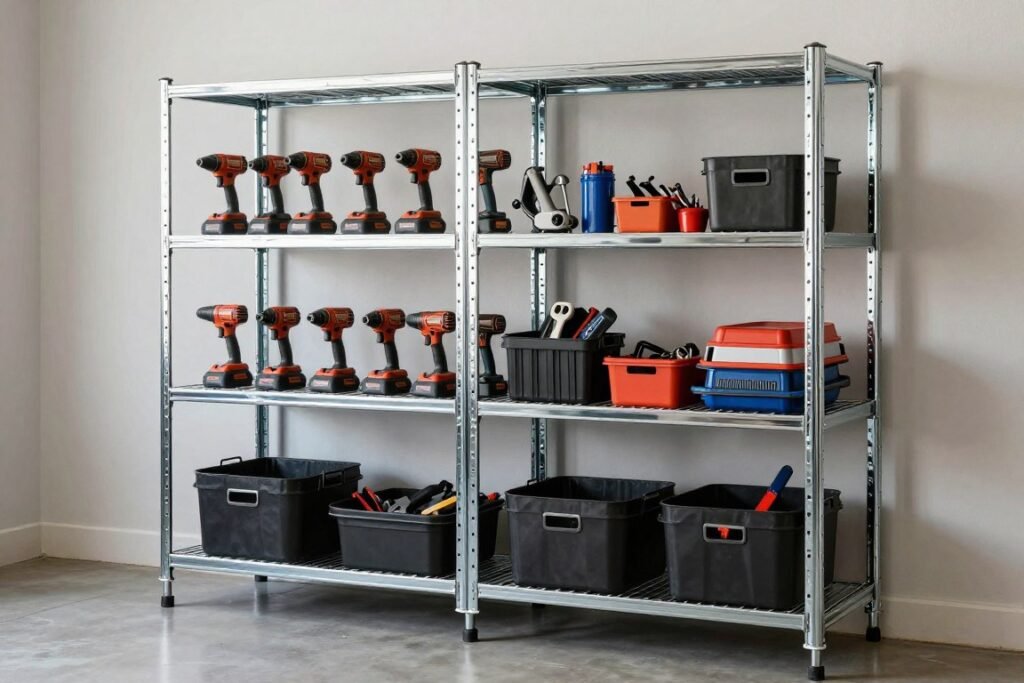
Consider wire shelving for areas where dust accumulation is a concern, as the open design allows for better airflow and easier cleaning. For storing small parts or chemicals, solid shelving may be more appropriate.
Add Versatile Storage Space
Heavy-duty shelving units provide flexible storage for items of all sizes.
Phase 4: Small Parts and Hardware Organization
The smallest items in your garage often create the biggest organizational challenges. Nails, screws, washers, and other hardware can quickly become a jumbled mess without proper storage solutions.
Multi-Drawer Storage Cabinets
Small parts organizers with multiple drawers are perfect for sorting and storing hardware by type, size, and use. Clear drawers allow you to quickly identify contents without opening each compartment.
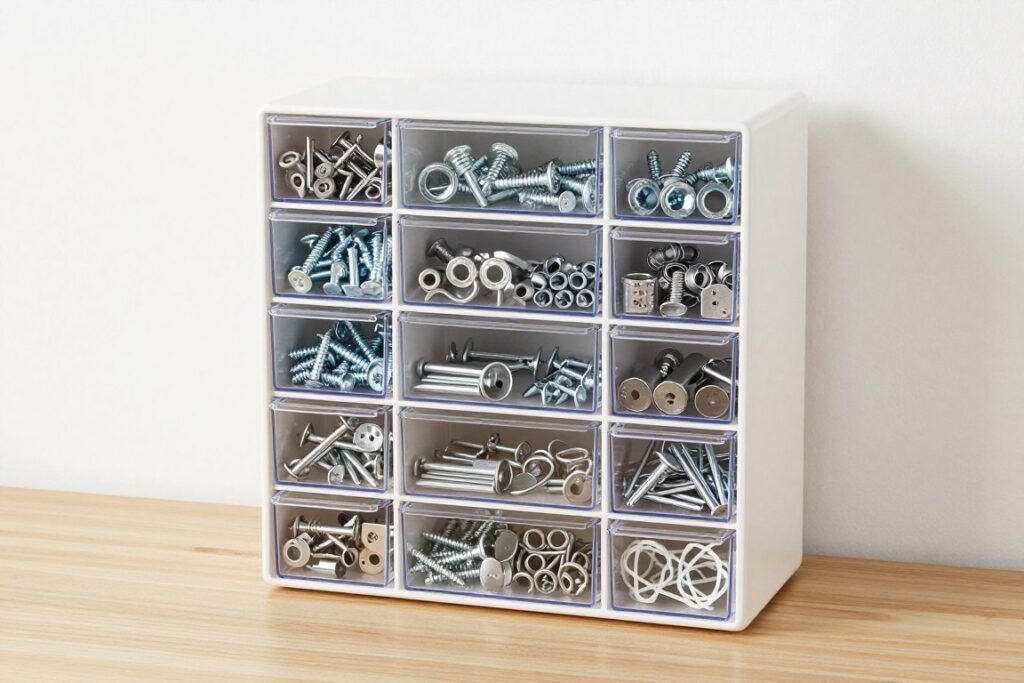
Consider stackable systems that can grow with your collection. Label each drawer clearly, and consider using a color-coding system for different hardware types.
Organize Your Small Hardware
Multi-drawer organizers keep small parts sorted, visible, and easily accessible.
Portable Hardware Organizers
For hardware you frequently use around the house or take to job sites, portable organizers with secure latching lids keep everything contained and mobile. Look for models with customizable compartments that can be reconfigured as needed.
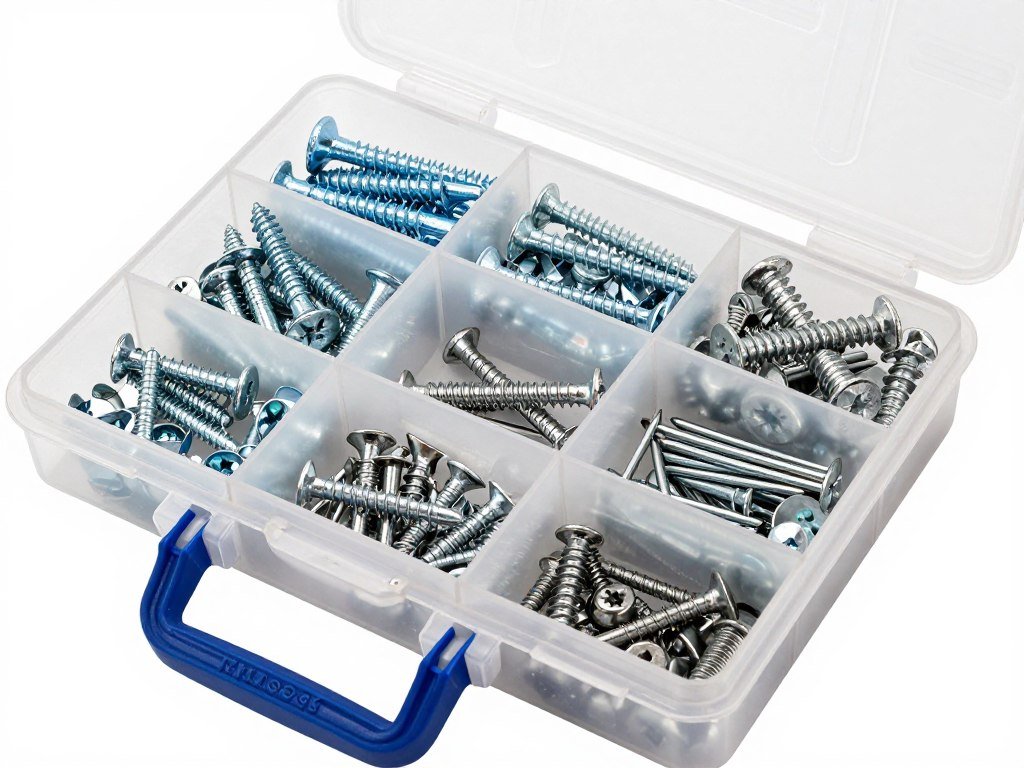
Take Your Hardware Anywhere
Portable organizers keep your most-used hardware sorted and ready to go wherever you need it.
Mason Jar Storage Systems
For a budget-friendly and visually appealing solution, consider mounting mason jars under shelves or cabinets. Simply screw the lids to the underside of a shelf, fill the jars with hardware, and twist them into place.
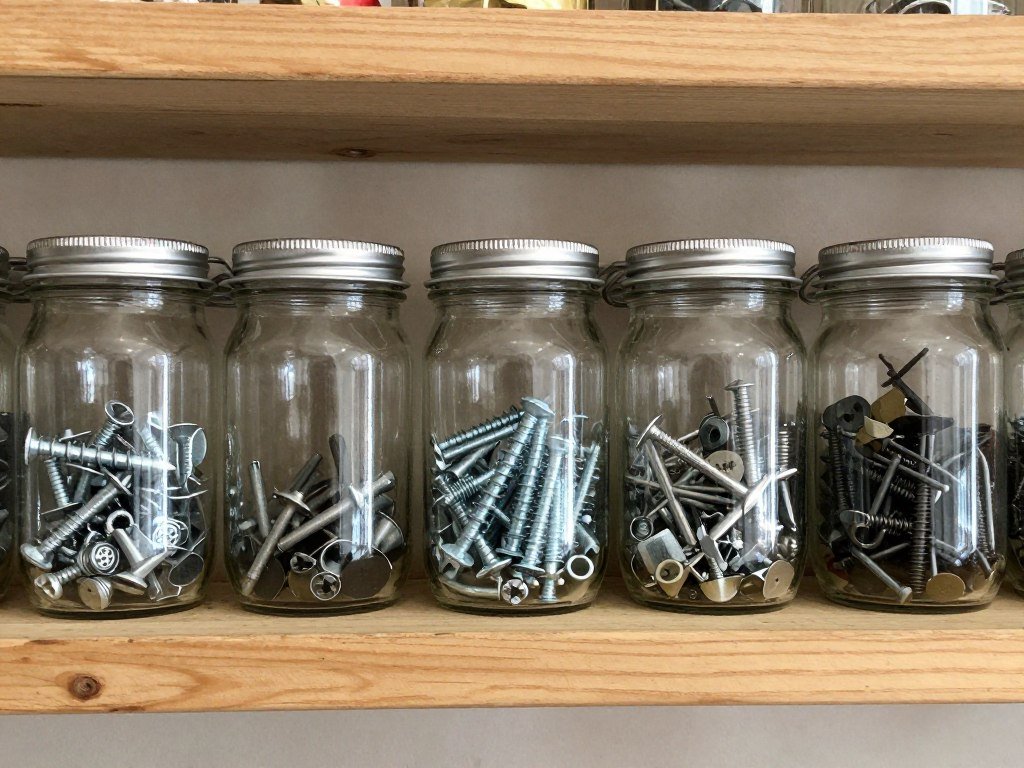
This system works best for items you use frequently, as the transparent jars make it easy to see contents at a glance. Label the jar bottoms for even quicker identification.
Create a DIY Storage System
Mason jars and mounting hardware create an affordable, customizable storage solution.
Phase 5: Long-Handled Tool Storage
Garden tools, brooms, rakes, and other long-handled implements present unique storage challenges. These solutions keep them organized and accessible without taking up valuable floor space.
Wall-Mounted Tool Racks
Dedicated tool racks with individual slots keep long-handled tools separated and easily accessible. Look for racks with adjustable grips that can accommodate handles of different diameters.
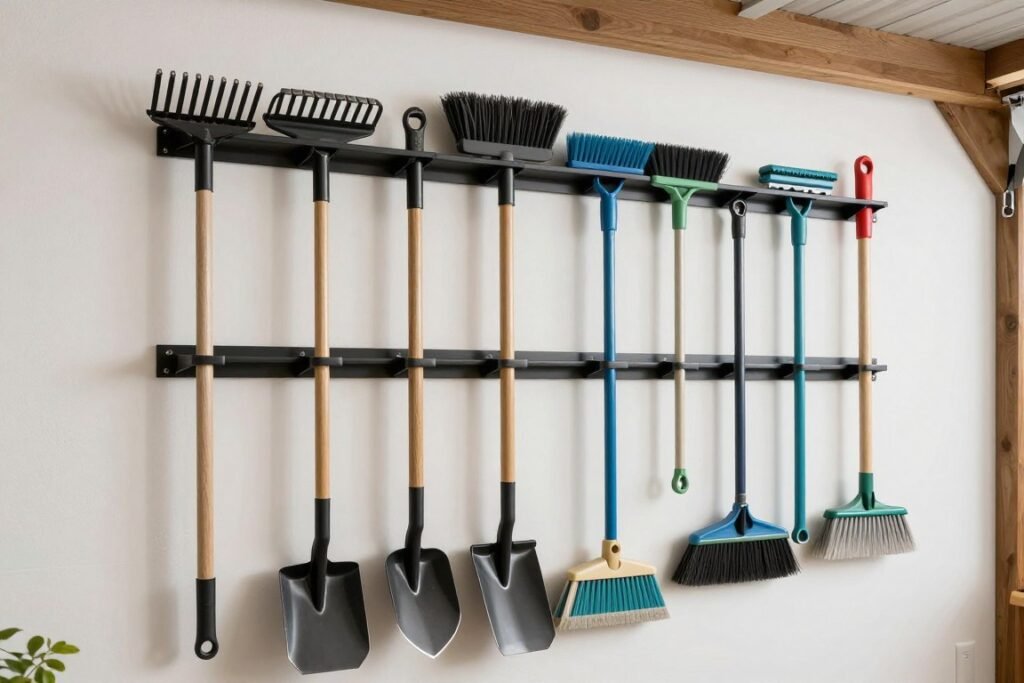
Organize Your Long-Handled Tools
Wall-mounted racks keep garden and cleaning tools neatly organized and off the floor.
Ceiling-Mounted Storage
For garages with limited wall space, ceiling-mounted racks provide an excellent alternative. These systems use overhead space that would otherwise go unused.
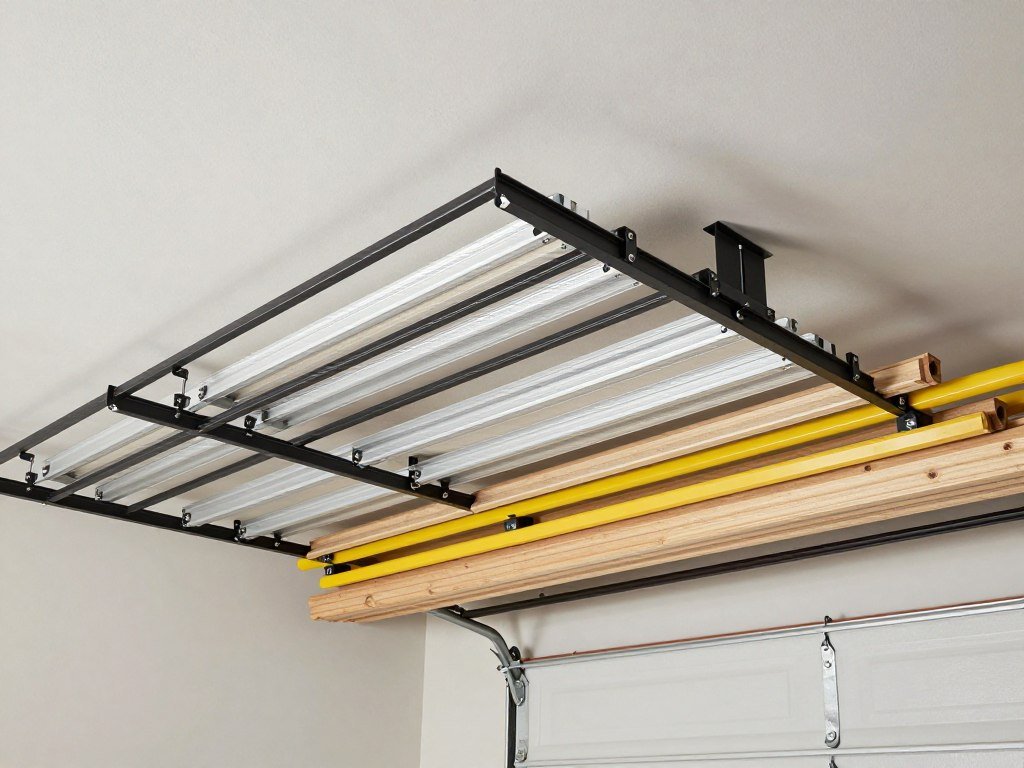
Be sure to install ceiling racks where they won’t interfere with garage door operation. Always mount into ceiling joists for proper support, especially for heavier items.
Utilize Overhead Space
Ceiling storage systems make use of often-overlooked space in your garage.
Corner Tool Organizers
Corner organizers make use of often-wasted space while keeping long-handled tools secure and accessible. These free-standing units are ideal if you prefer not to drill into walls or if you rent your home.
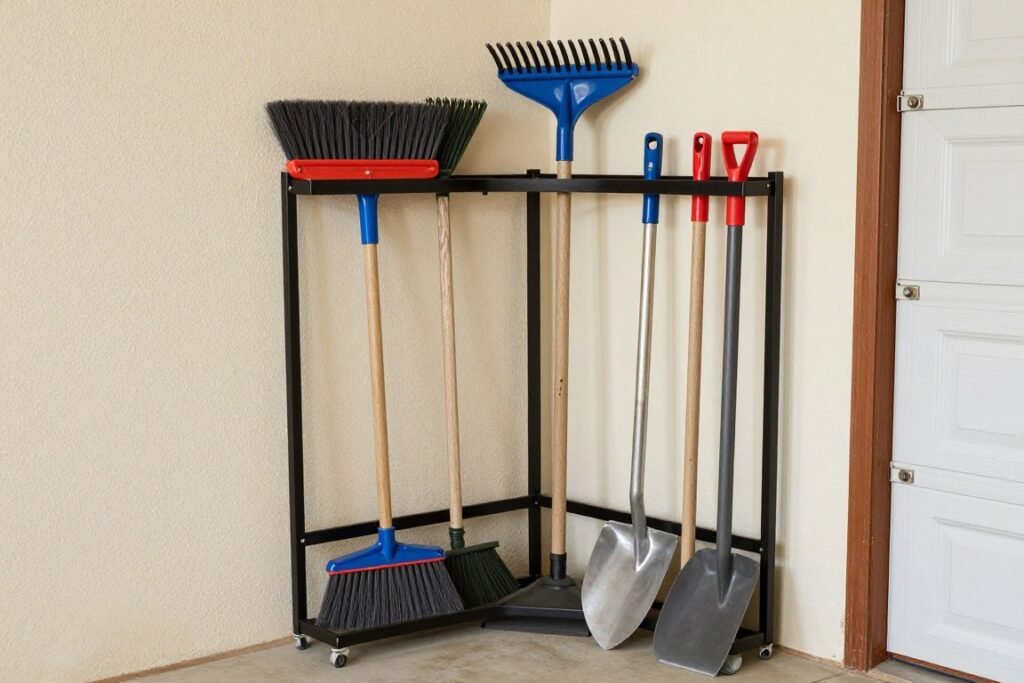
Maximize Corner Spaces
Corner organizers turn unused spaces into valuable storage areas.
Phase 6: DIY and Budget-Friendly Organization Ideas
Creating an organized garage doesn’t have to break the bank. These DIY solutions use common materials to create effective storage at a fraction of the cost of commercial systems.
PVC Pipe Tool Organizers
PVC pipes can be cut and mounted to create custom holders for specific tools. Use different diameters to accommodate various handle sizes, and angle the cuts for easier insertion and removal.
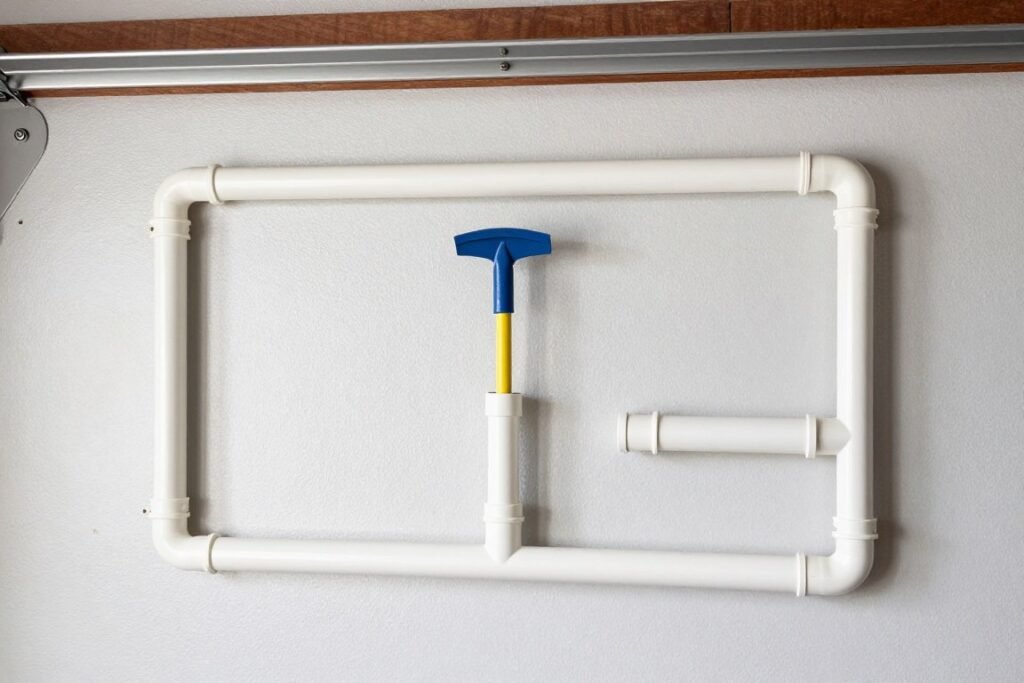
For a more finished look, paint the PVC pipes to match your garage color scheme. Consider adding labels or color-coding for different tool categories.
Build Your Own PVC Organizer
Create a custom tool storage solution with basic plumbing supplies.
Repurposed Pallet Projects
Wooden pallets can be transformed into versatile storage solutions with minimal modification. Mount them whole on walls for instant tool storage, or disassemble them to build custom shelves and organizers.
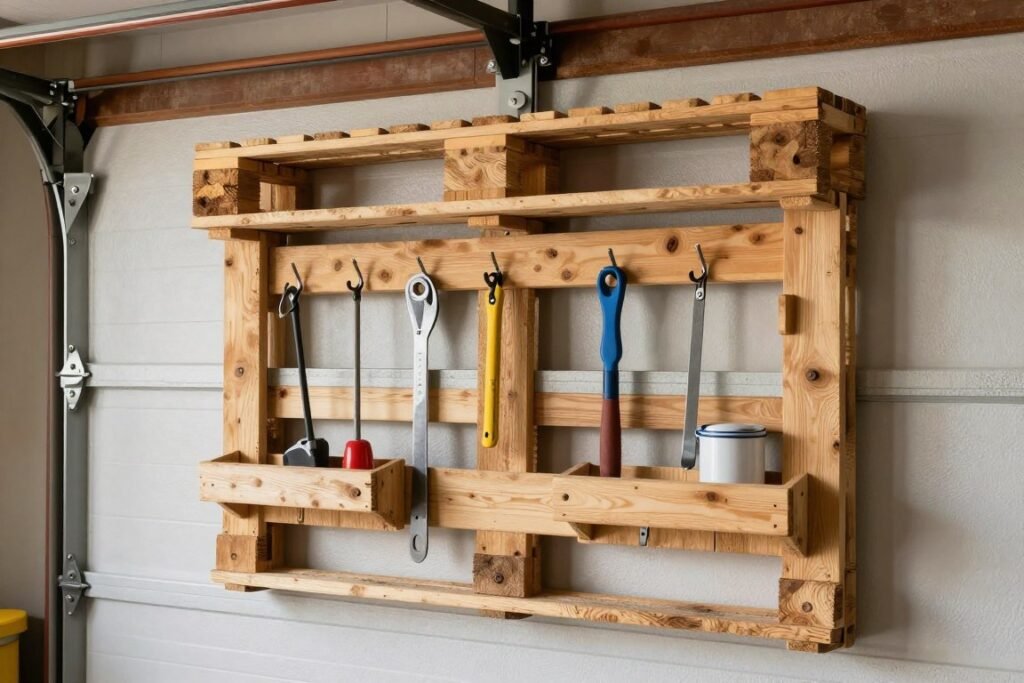
Sand rough edges and consider applying a sealer or paint to prevent splinters and extend the life of the wood. Add hooks, small shelves, or bins to customize your pallet organizer.
Create with Pallets
Transform free or low-cost pallets into custom garage storage with basic tools.
Upcycled Container Storage
Give new life to everyday containers as small parts organizers. Coffee cans, plastic food containers, and even muffin tins can be repurposed to sort and store hardware, small tools, and accessories.
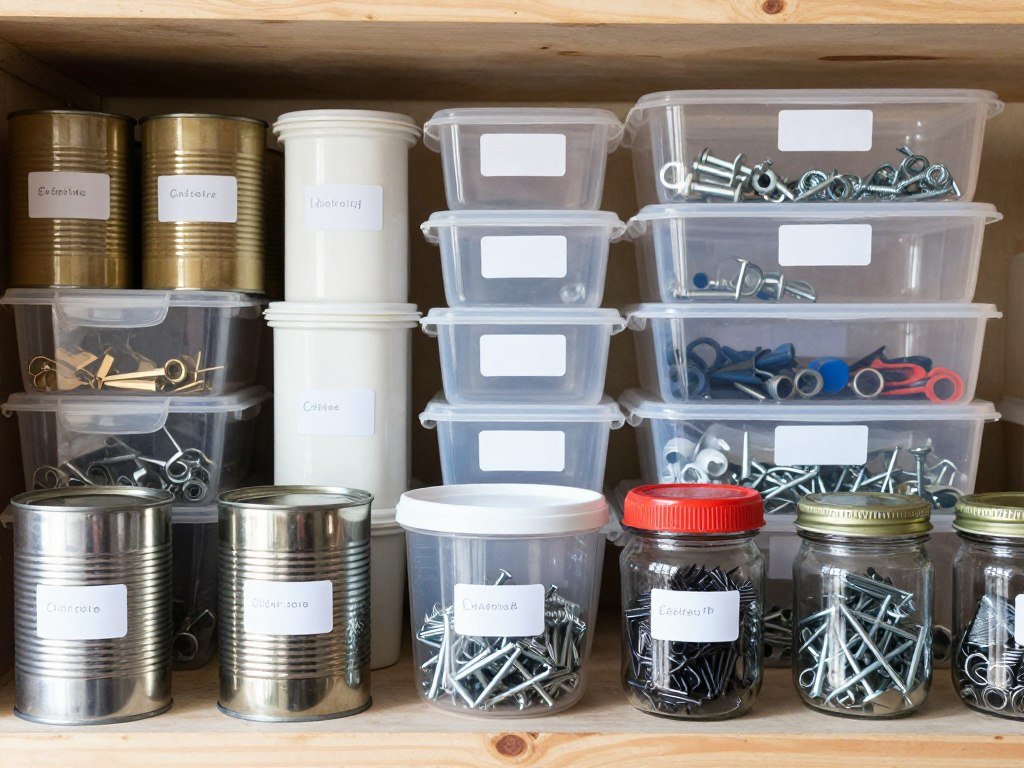
Clear containers work best as they allow you to see contents without opening. Add labels for quick identification, and consider mounting containers to walls or under shelves to save space.
Label Your Storage
Clear labels make any storage system more effective, especially for upcycled containers.
Phase 7: Maintaining Your Organized Garage
Creating an organized garage is only half the battle—keeping it that way requires ongoing maintenance and good habits. These strategies will help you maintain your new system for the long term.
The “One-Touch” Rule
Adopt the principle that you should only handle a tool once when putting it away—directly back to its designated spot. This eliminates the “I’ll put it away later” pile that often accumulates on workbenches.
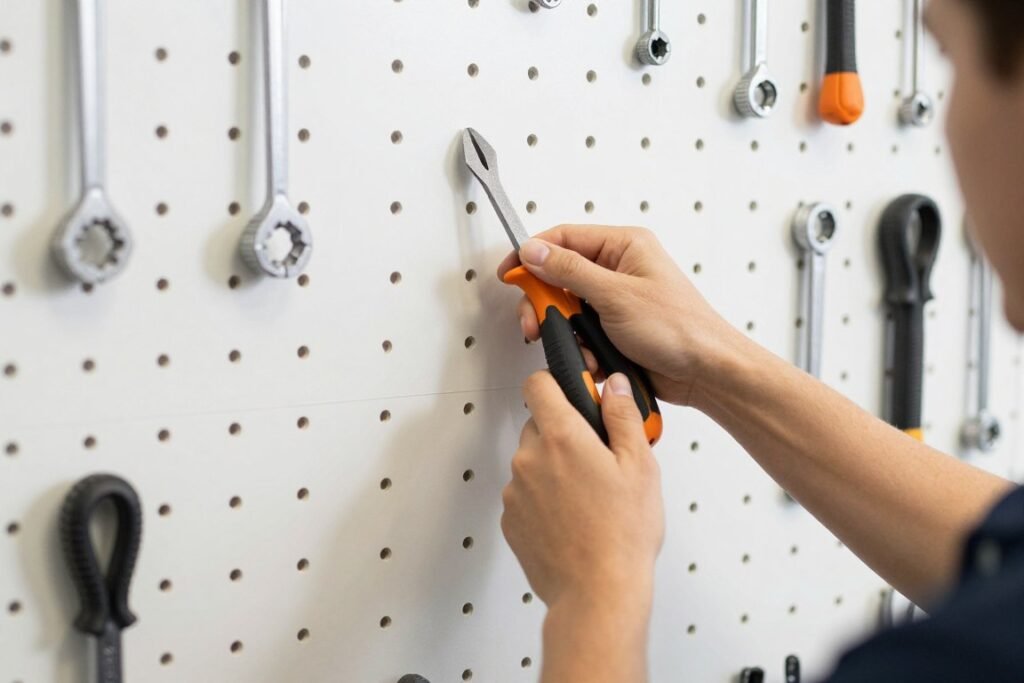
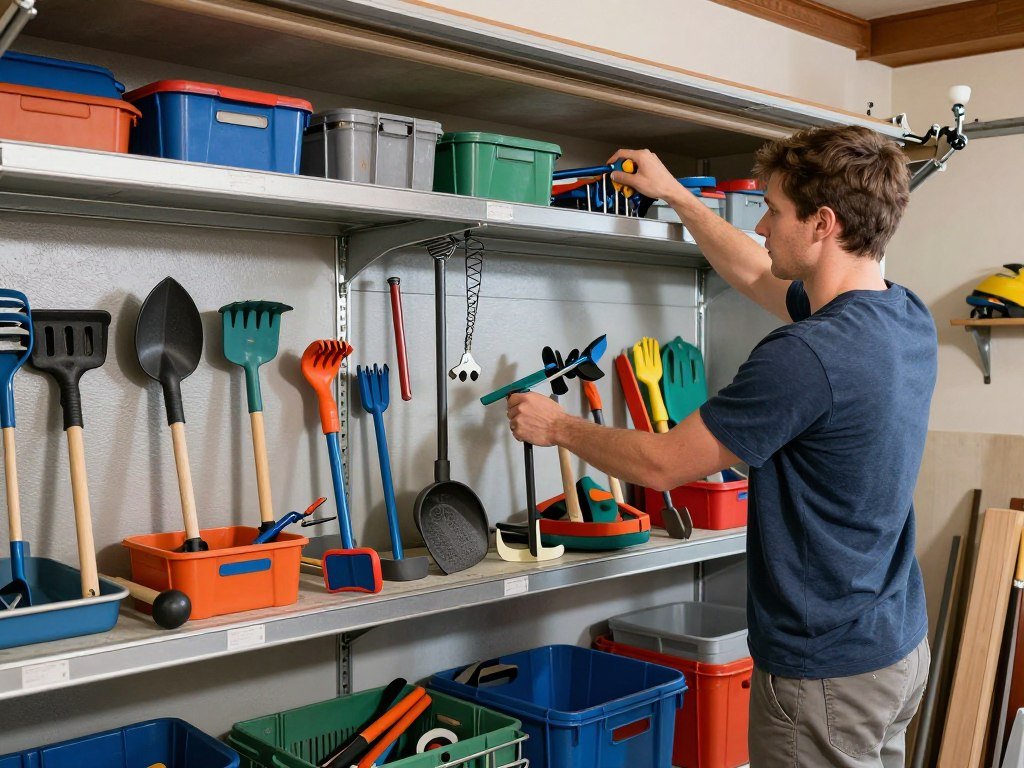
Seasonal Reassessment
Every few months, evaluate your organization system and make adjustments based on changing needs. Move frequently used seasonal tools to more accessible locations, and relocate rarely used items to less prime real estate.
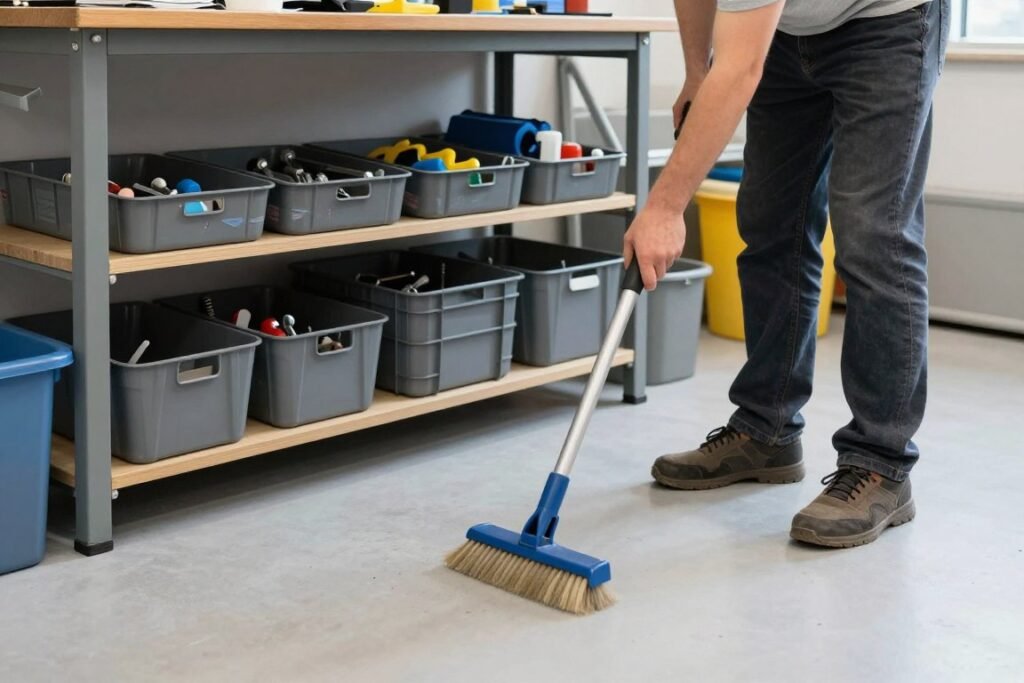
10-Minute Cleanup Routine
Implement a regular quick cleanup session after completing projects. Just ten minutes of putting tools away and sweeping up can prevent the gradual slide back into disorganization.
Keep Your Space Clean
A good shop vacuum makes cleanup quick and thorough, helping maintain your organized space.
Documentation and Labeling
Take photos of your organized spaces as reference points. This visual documentation helps maintain your system and makes it easier for family members to return items to their proper places.
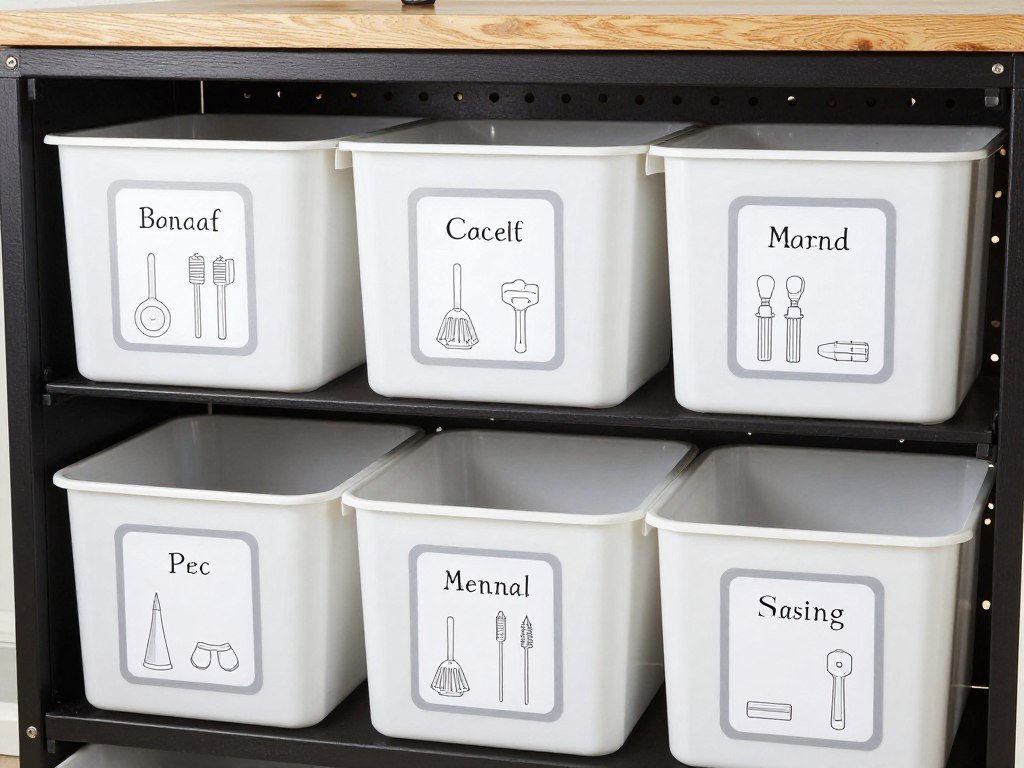
Refresh labels as needed to ensure they remain legible. Consider using a label maker for professional-looking, durable labels that resist garage dust and moisture.
Create Durable Labels
A good label maker creates professional, long-lasting labels for your storage system.
Transform Your Garage, Transform Your Projects
An organized garage is more than just a tidy space—it’s a foundation for efficiency, creativity, and safety in all your projects. By implementing the strategies in this guide, you’ll create a functional workshop where tools are protected, accessible, and ready when you need them.
Remember that garage tool organization is an ongoing process rather than a one-time project. Start with the basics, add specialized storage as needed, and continuously refine your system to match your evolving needs and work habits.
The time you invest in organizing your garage will pay dividends in saved time, reduced frustration, and more successful projects. Your future self will thank you every time you reach for a tool and find it exactly where it should be.
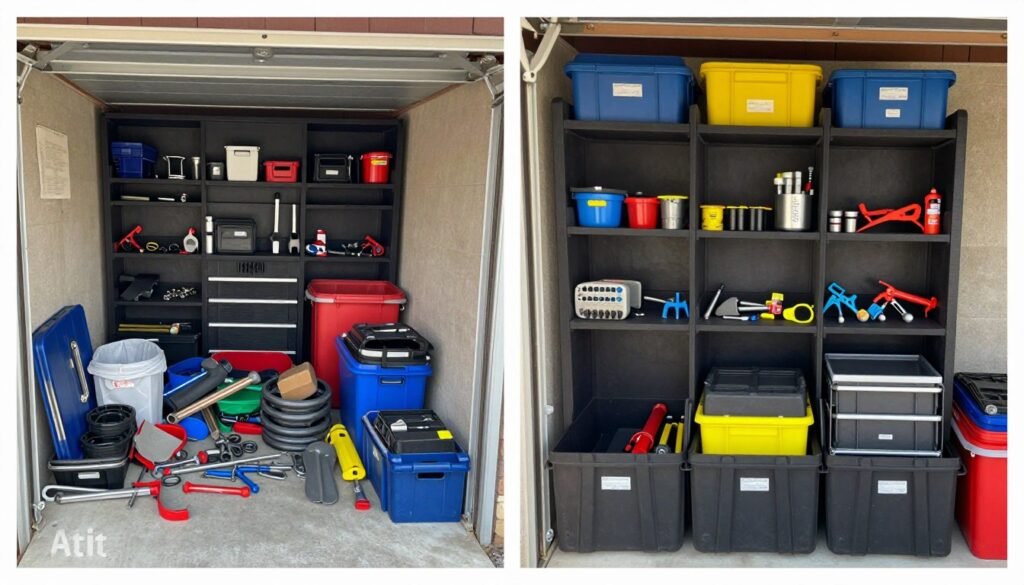
Ready to Transform Your Garage?
Start with the right storage solutions and watch your garage become the organized workspace you’ve always wanted.