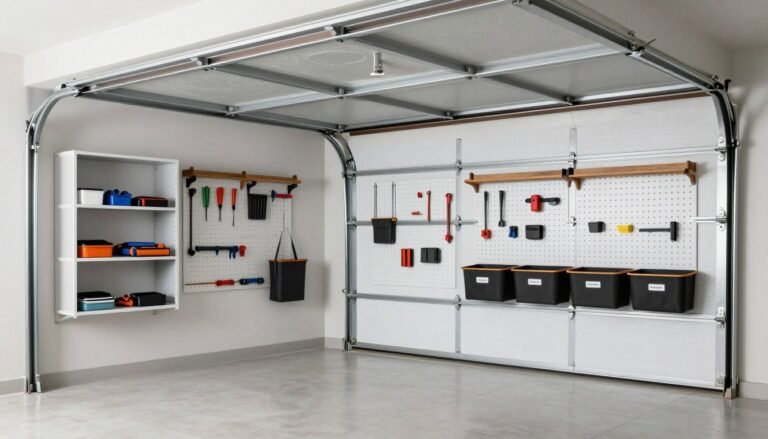
Turning your unwanted items into cash through a garage sale is both rewarding and practical. Whether you’re decluttering, downsizing, or simply clearing space, a well-organized garage sale can help you find new homes for your belongings while putting extra money in your pocket. This comprehensive guide will walk you through every step of planning, organizing, and executing a successful garage sale that attracts crowds and maximizes your profits.
This Website contains affiliate links. That means I may earn a small commission if you purchase through my links, at no extra cost to you.
Planning Your Garage Sale: The Foundation for Success
The difference between a mediocre garage sale and a wildly successful one often comes down to planning. Starting your preparations at least 2-3 weeks in advance gives you ample time to organize inventory, price items appropriately, and create effective advertising.
Choosing the Perfect Date and Time
Timing can significantly impact your garage sale’s success. Weekends, particularly Saturday mornings, typically draw the largest crowds. Early birds often arrive before your official start time, so be prepared to begin sales as early as 7:00 AM. Spring and fall months generally offer the most comfortable weather for outdoor sales.
Consider checking your local community calendar to avoid scheduling conflicts with major events that might draw potential customers elsewhere. Many neighborhoods experience increased garage sale activity during certain months, so timing yours to coincide with this peak period can increase foot traffic.
Essential Planning Supplies
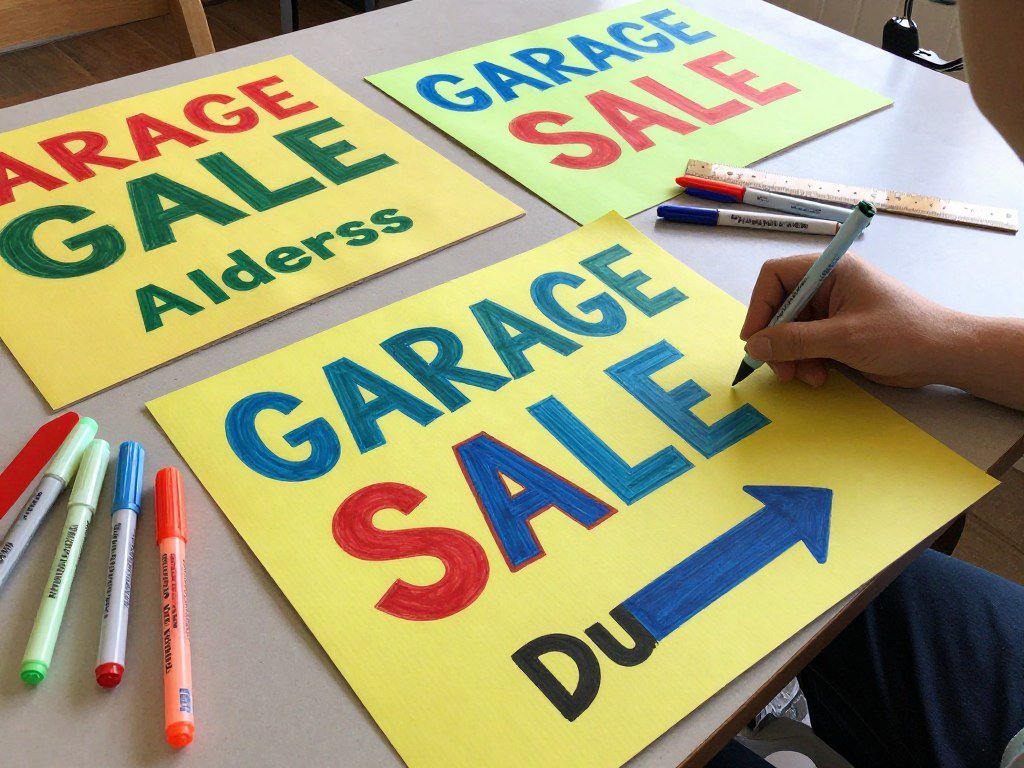
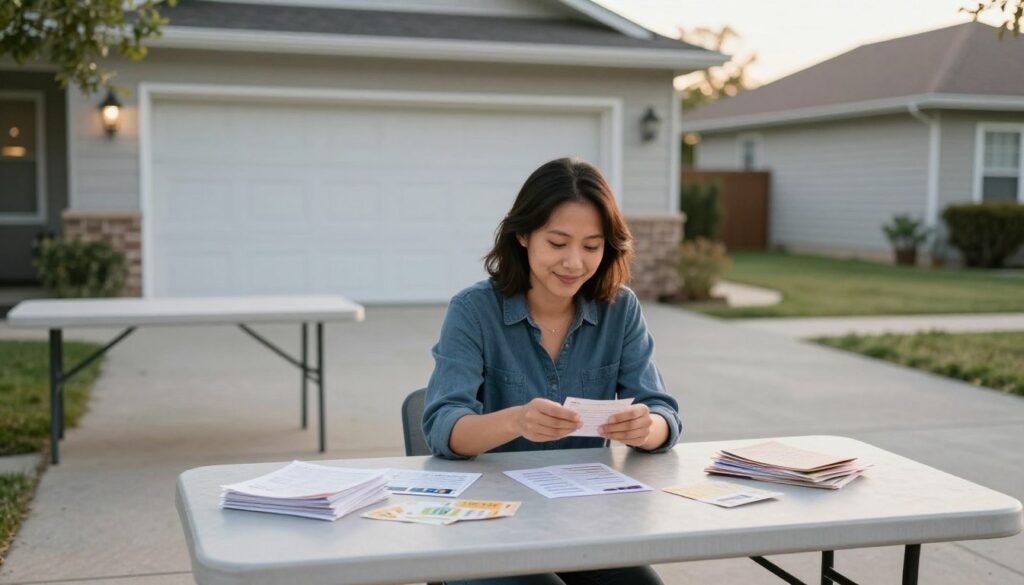
Get organized with the right planning tools. A good calendar, inventory sheets, and colorful markers will help you stay on track with your garage sale timeline.
Begin by methodically going through your home, room by room, collecting items you no longer need or use. Create designated sorting areas with clear categories: definite sales, maybes, donations, and trash. This systematic approach prevents feeling overwhelmed and ensures you don’t miss potential sale items.
Consider these popular garage sale categories that tend to sell well:
Kitchen items and small appliances
Tools and gardening equipment
Furniture in good condition
Children’s toys and games
Baby items and equipment
Books, DVDs, and video games
Sporting equipment
Seasonal decorations
Clothing (especially children’s)
Collectibles and vintage items
While sorting, be realistic about what will actually sell. Items that are broken, heavily worn, or outdated may be better suited for donation or disposal. Clean everything thoroughly – dust-free, stain-free items command higher prices and create a better impression of your sale.
Pricing Strategies That Maximize Profits
Pricing can make or break your garage sale. Price items too high, and customers walk away; too low, and you leave money on the table. The general rule of thumb is to price items at 10-30% of their original retail value, depending on condition, age, and desirability.
Creating a Consistent Pricing System
Develop a simple, consistent pricing system using color-coded stickers or tags. This makes it easier for both you and your customers to identify prices quickly. Consider creating price groups – all items with blue stickers are $1, red are $5, etc. – to simplify your setup.
Pricing Supplies
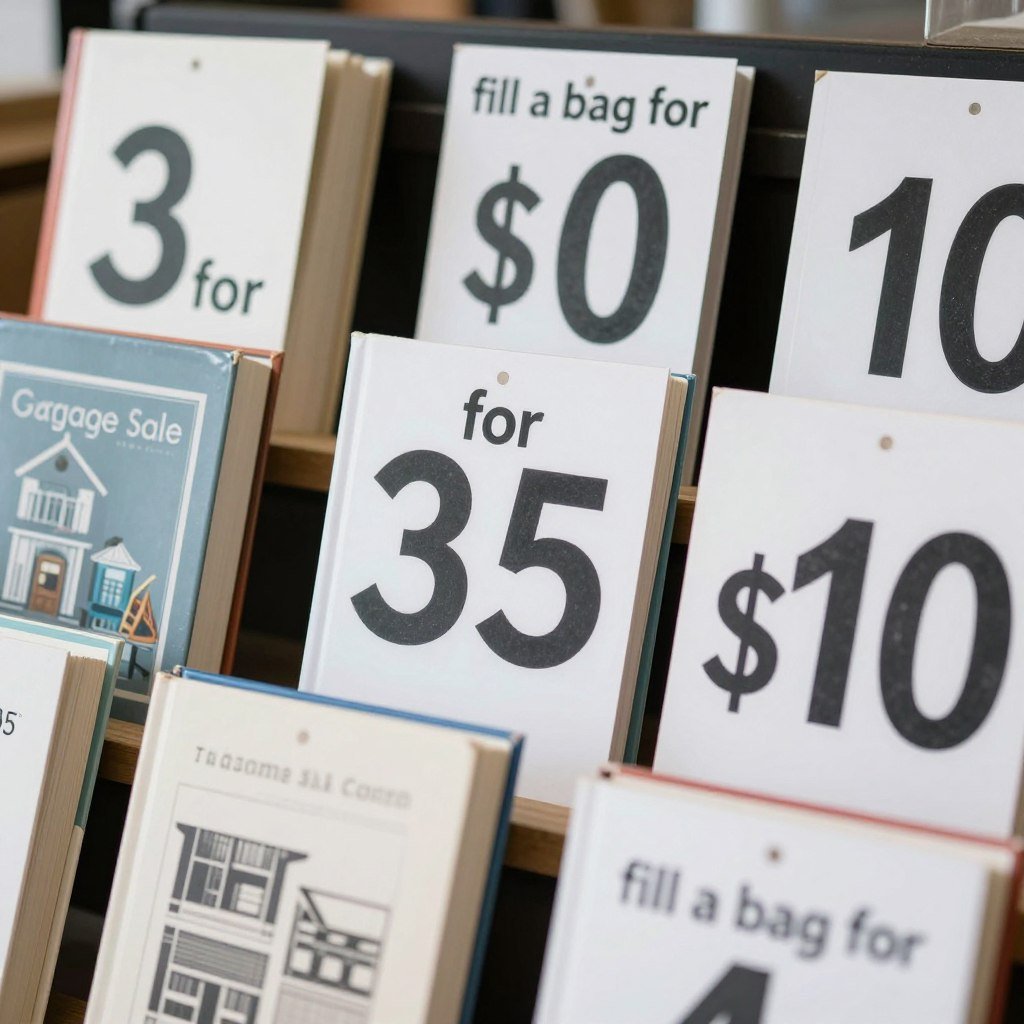
Make pricing easier with color-coded stickers, tags, and labels that help customers quickly identify prices.
Consider these proven pricing strategies to maximize your profits:
Price items slightly higher than your minimum acceptable price to allow room for haggling
Use whole dollar amounts to make transactions faster (avoid prices like $1.25)
Group similar low-value items together for a single price (3 books for $5)
Create “fill-a-bag” deals for clothing or small items
For higher-value items like furniture or electronics, research comparable used items online to establish a fair market price. Be prepared to justify your pricing if customers ask – mentioning original cost, condition, or special features can help maintain your asking price.
“Price everything. Items without price tags are often passed over because customers don’t want to ask about the price or feel pressured into negotiating.”
Consider implementing progressive discounts as the day advances – items full price until noon, 25% off until 3 PM, and 50% off for the final hour. This strategy helps clear inventory while maximizing revenue throughout the day.
Advertising Your Garage Sale Effectively
Even the best-organized garage sale will fall flat without proper advertising. Effective promotion ensures a steady stream of customers throughout your sale day. Start advertising about a week before your sale to build awareness without allowing people to forget.
Creating Eye-Catching Signs
Signs remain one of the most effective ways to draw in local traffic. Create bold, readable signs with large lettering that can be seen from a moving vehicle. Include essential information: the words “GARAGE SALE,” your address, date, time, and directional arrows.
For maximum visibility:
Use fluorescent poster board or bright colors that stand out
Make letters at least 6 inches tall for main text
Use simple, clear fonts – avoid cursive or decorative styles
Weatherproof your signs with clear packing tape or lamination
Place signs at major intersections and throughout your neighborhood
Signage Supplies
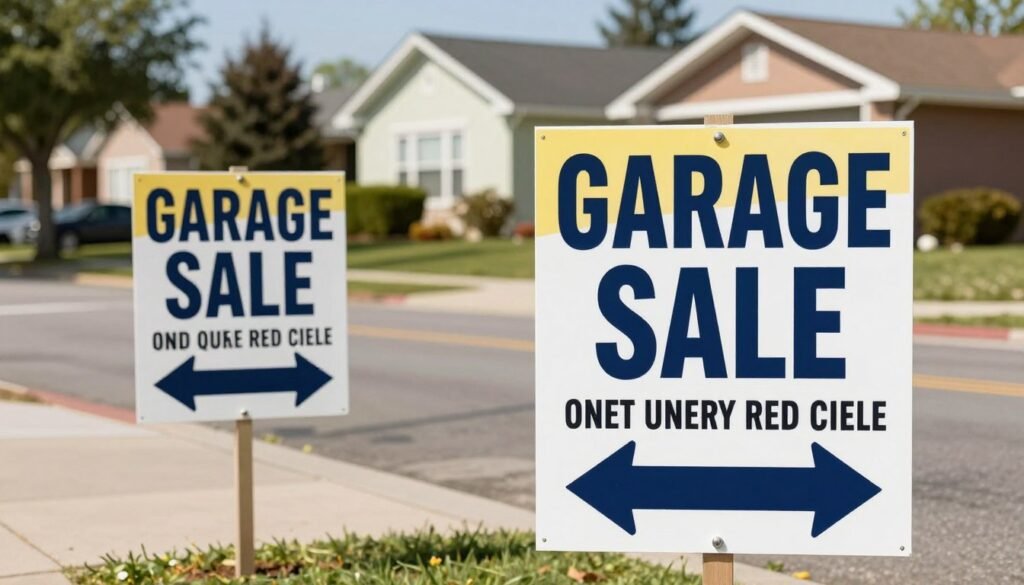
Create attention-grabbing signs with bright poster boards, weatherproof markers, and sturdy stakes to direct customers to your sale.
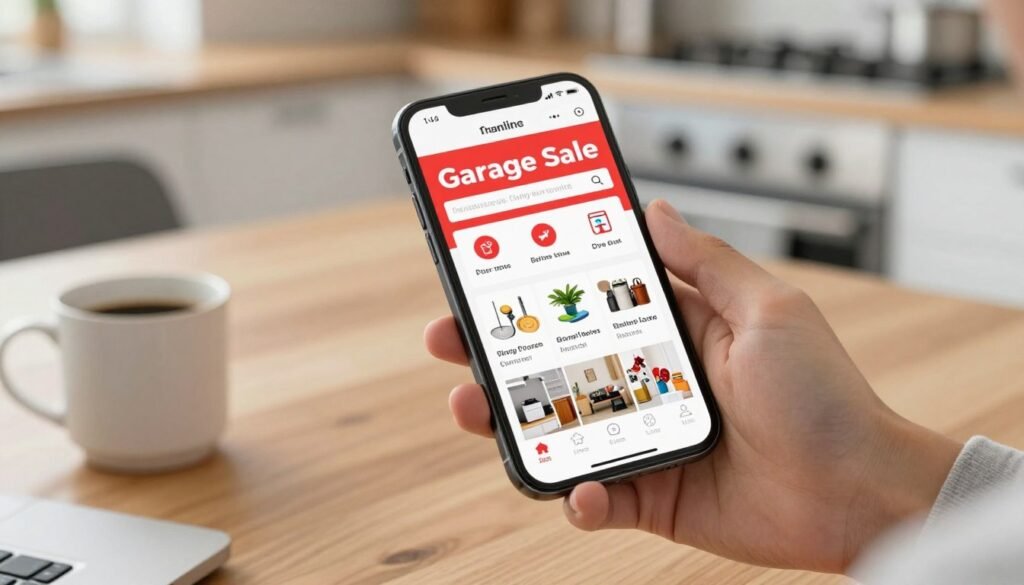
Complement physical signs with digital promotion to reach a wider audience. Many online platforms allow you to advertise your garage sale for free:
Facebook Marketplace and local buy/sell groups
Nextdoor app for targeting nearby neighbors
Craigslist’s garage sale section
Specialized apps like Yard Sale Treasure Map
Local community bulletin boards and forums
When creating online listings, include multiple photos of your best items, comprehensive details about what you’re selling, and clear information about date, time, and location. Mention any special categories or high-value items to attract interested buyers.
Consider creating a simple digital flyer that can be shared via email or social media with friends and family. Word-of-mouth remains a powerful advertising tool, especially for reaching people in your immediate community.
Setting Up Your Garage Sale for Maximum Appeal
The layout and presentation of your garage sale significantly impact customer experience and sales. An organized, attractive display encourages browsers to become buyers. Start setting up early – at least an hour before your advertised start time to accommodate early birds.
Creating an Inviting Layout
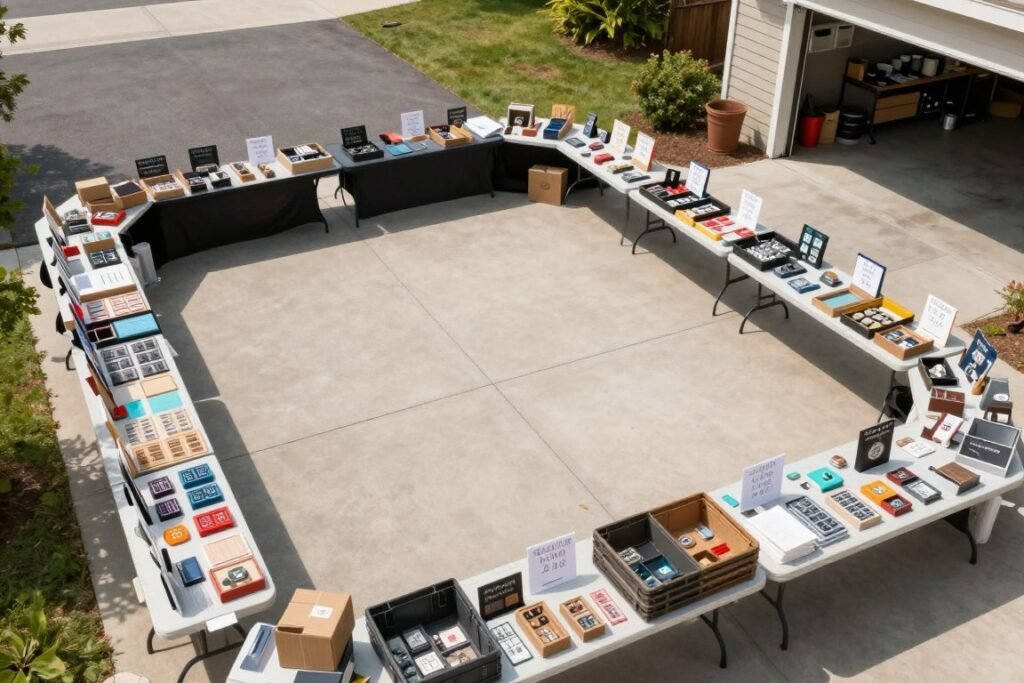
Design your space with customer flow in mind. Place eye-catching items near the street to draw people in, and position your checkout area where you can easily monitor all merchandise. Ensure there’s enough space between tables for multiple people to browse comfortably.
Essential display equipment includes:
Folding tables for most merchandise
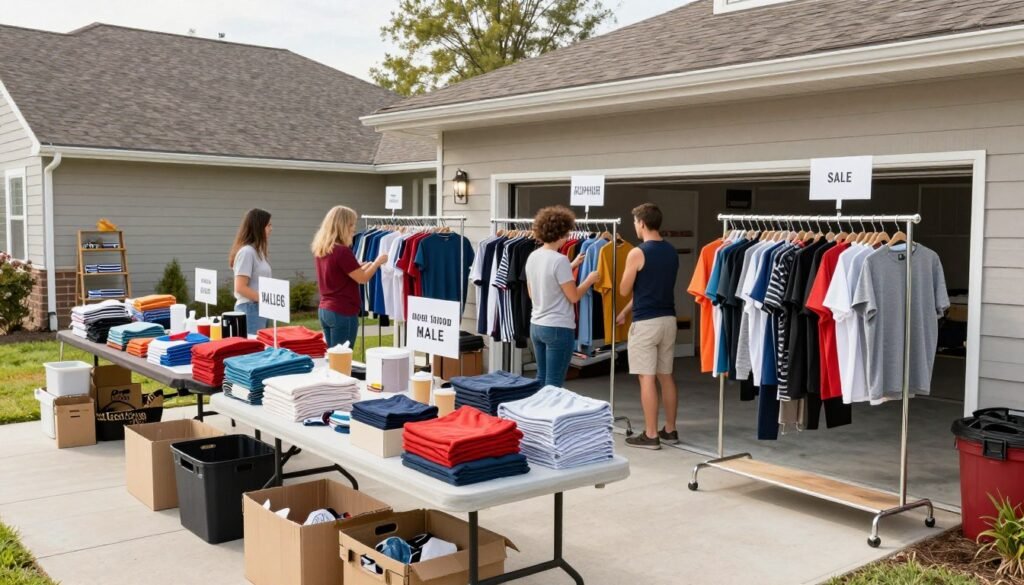
Clothing racks or clotheslines for apparel
Bookshelves or crates for books and media
Blankets for floor displays of larger items
Clear plastic bins for organizing small items
Display Equipment
Create professional-looking displays with folding tables, clothing racks, and organizational bins that showcase your items effectively.
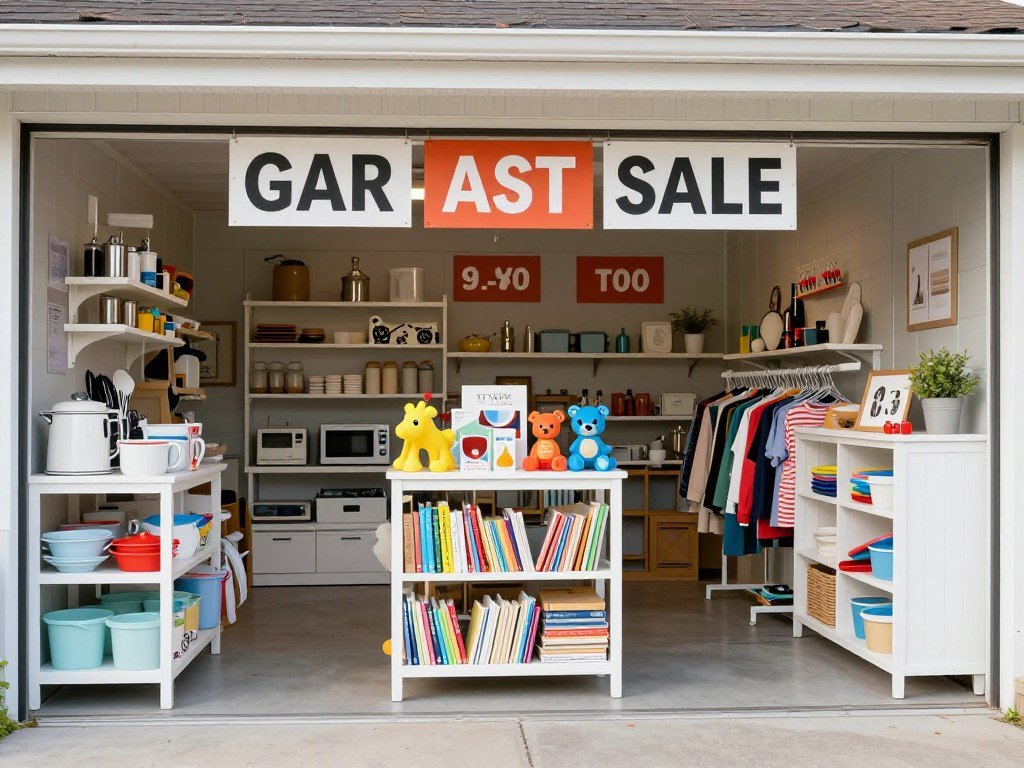
Group similar items together to create logical shopping sections. This organization helps customers find what they’re looking for and can increase sales through complementary purchases. Consider these common category groupings:
Kitchen and household
Tools and hardware
Books and media
Children’s items and toys
Clothing (sorted by size/gender)
Seasonal and holiday
Electronics and gadgets
Furniture and large items
Collectibles and specialty
Use clear signage for each section and consider creating a “featured items” table near the entrance for your most desirable merchandise. This strategy draws customers in and creates immediate interest in your sale.
“Display items at their best – plug in electronics to show they work, assemble furniture, and hang clothing rather than piling it in boxes.”
For clothing, consider organizing by size, gender, or type rather than dumping everything in boxes. Hung clothing sells better and commands higher prices than folded or piled items. For books and media, alphabetizing or sorting by genre makes browsing easier for serious buyers.
Running Your Garage Sale Like a Pro
The day of your garage sale requires preparation, patience, and strategy. How you manage transactions, interact with customers, and handle the flow of the day directly impacts your success and stress level.
Managing Money and Transactions
Set up an organized cash management system before your first customer arrives. Start with a cash box containing plenty of small bills and coins for making change – about $50-75 in various denominations is typically sufficient.
For smooth transactions:
Keep your cash box in a secure location, never unattended
Consider using a money apron for mobility
Have a calculator handy for totaling multiple purchases
Consider accepting digital payments like Venmo or Cash App
Keep a notepad for tracking large sales or holds
Money Management Tools
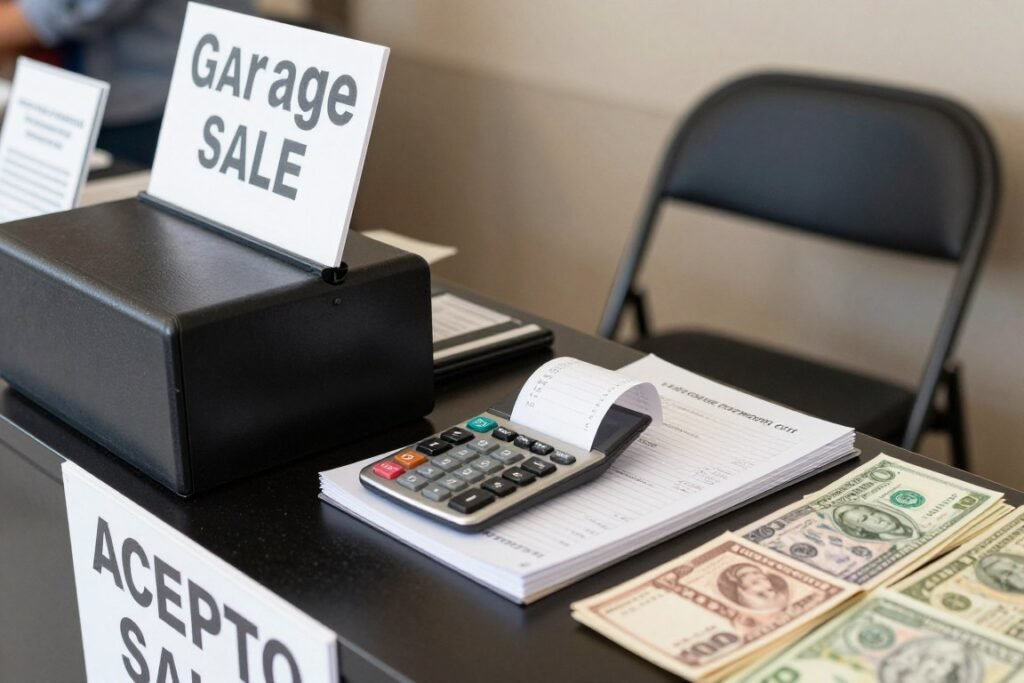
Keep transactions organized with a secure cash box, calculator, and receipt book for a professional checkout experience.
Expect haggling – it’s a standard part of the garage sale experience. Decide in advance how flexible you’ll be on prices and establish your minimum acceptable amounts for higher-value items.
When customers make offers:
Remain friendly and respectful, even if offers seem low
Counter with a price between their offer and your asking price
Consider bundle deals – “I can do $8 for both instead of $10”
Be more flexible later in the day when you’re trying to clear inventory
Don’t take lowball offers personally – it’s part of the process
Provide excellent customer service by greeting shoppers, answering questions about items, and helping carry larger purchases to vehicles. Creating a positive experience encourages customers to spend more time browsing and potentially return later with friends.
“Early birds will arrive before your stated start time. Decide in advance whether you’ll sell to them or politely ask them to return at the official start time.”
Have shopping bags available for customers’ purchases and consider offering free water or lemonade on hot days. These small touches create goodwill and a more pleasant shopping environment that can translate to increased sales.
After the Sale: Maximizing Leftover Items
Even the most successful garage sales typically have unsold items. Having a plan for these leftovers prevents them from returning to clutter your home. Consider these options for handling remaining merchandise:
Donation Options
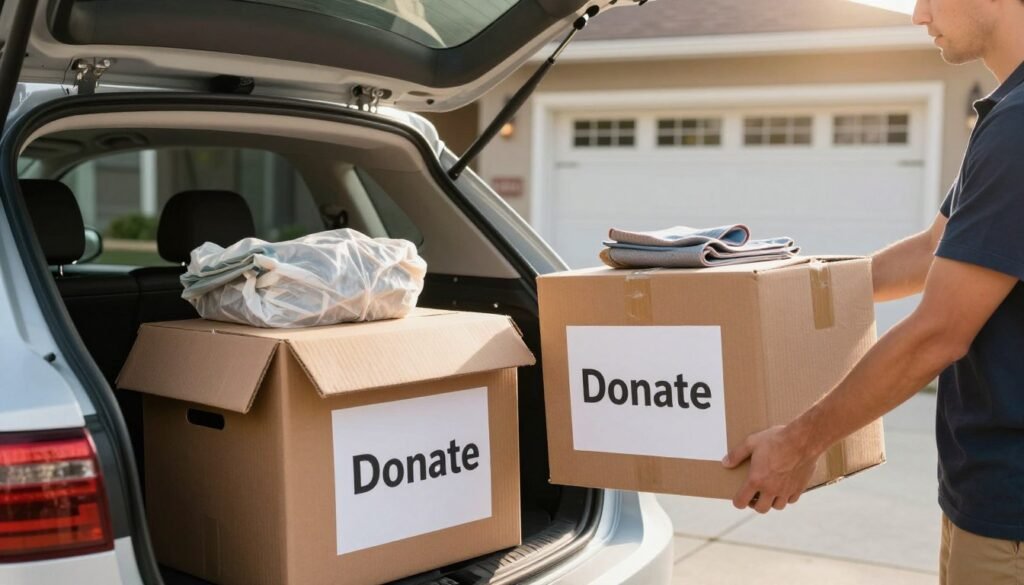
Many organizations welcome secondhand items in good condition:
Goodwill or Salvation Army for general household items
Women’s shelters for clothing and personal care items
Schools or daycares for children’s books and toys
Animal shelters for towels, blankets, and pet supplies
Specialized sites for electronics, furniture, etc.
Nextdoor app for neighborhood sales
Schedule donation pickups in advance for the day after your sale, if possible. Many organizations offer free pickup services for larger donations, making the process convenient and efficient.
Storage Solutions
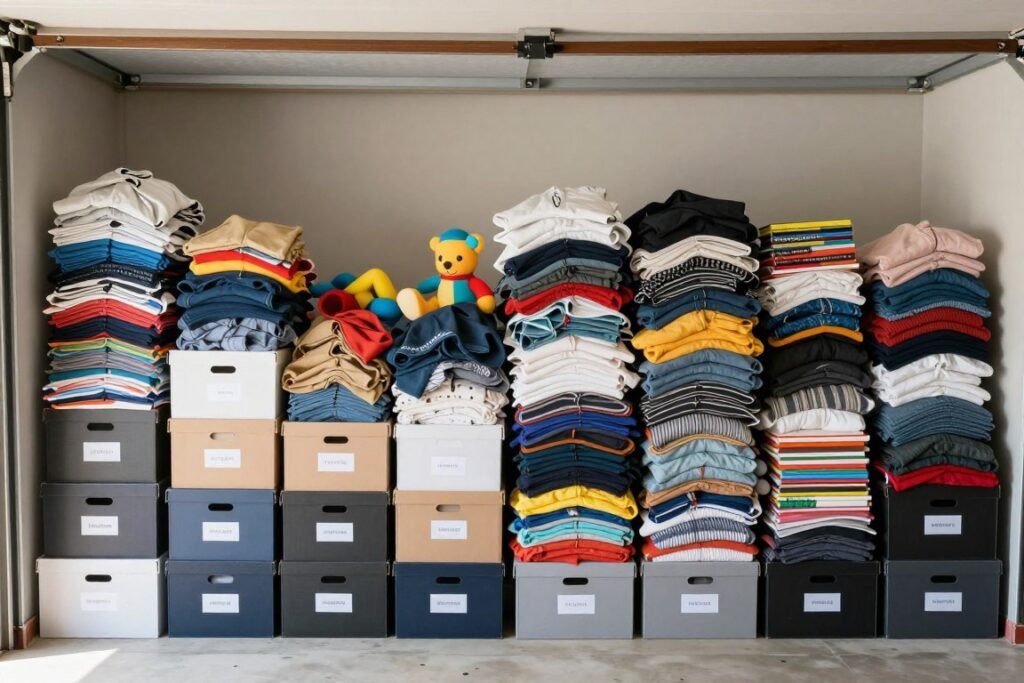
Keep unsold items organized until donation or future sales with storage bins and labels that maintain order.
Take time to evaluate your garage sale experience while it’s fresh in your mind. Note what worked well and what you might do differently next time. Many successful sellers keep a garage sale journal with observations about popular items, effective pricing strategies, and customer feedback.
Your Path to Garage Sale Success
A well-executed garage sale does more than just clear clutter – it transforms unused items into cash, gives your belongings a second life, and creates connections within your community. By following the strategies outlined in this guide, you’ll be well-equipped to host a garage sale that maximizes profits while minimizing stress.
Remember that preparation is key: start early, price strategically, advertise effectively, create an inviting display, and manage the day with confidence. Whether you’re a first-time seller or a garage sale veteran, these proven techniques will help you achieve the successful sale you envision.
Now it’s time to start sorting through those closets and planning your next garage sale adventure. Your unwanted items are waiting to become someone else’s treasures!
A well-organized garage transforms your home’s functionality, creating space for vehicles while keeping tools, sports equipment, and seasonal items accessible. The…