| |

The Ultimate Guide to Starting Your Own Garage Band

The raw energy of a garage band has been the starting point for countless musical legends. From The Beatles to Nirvana, many iconic groups began with just a few friends jamming in a garage, basement, or bedroom. This comprehensive guide will walk you through everything you need to know about forming your own garage band – from assembling the right team and equipment to developing your sound and booking your first gigs.

This Website contains affiliate links. That means I may earn a small commission if you purchase through my links, at no extra cost to you.

The Rich History of Garage Bands

The term “garage band” emerged in the 1960s, describing groups of young musicians who practiced in garages due to space and noise constraints. These bands were characterized by their raw, unpolished sound and DIY ethos.

The garage band movement gained significant momentum during the 1960s with bands like The Sonics, The Kingsmen, and The Standells. Their energetic performances and simple yet catchy songs captured the rebellious spirit of youth culture.

In the 1970s, garage rock evolved into punk, with bands like The Ramones and The Clash embracing the same raw energy but with a more aggressive edge. The 1990s saw a revival with groups like The White Stripes and The Strokes bringing garage rock back to mainstream attention.

Explore the Sounds of Garage Rock

Immerse yourself in the history of garage rock with authentic vintage-style equipment. Start your collection today!

Browse Vintage-Style Instruments

Forming Your Garage Band: Finding the Right Members

Group of diverse musicians auditioning for a garage band

The foundation of any great garage band is its members. Finding musicians who share your vision, commitment level, and musical taste is crucial for long-term success. Here’s how to assemble your dream team:

Where to Find Band Members

  • Local music schools and college music departments
  • Music stores with community bulletin boards
  • Open mic nights and local shows
  • Online platforms like Bandmix, Join-A-Band, or local Facebook groups
  • Friends and acquaintances with musical interests

What to Look for in Bandmates

Beyond musical ability, consider these factors when choosing band members:

Musical Compatibility

  • Similar taste in music and influences
  • Complementary playing styles
  • Willingness to experiment and grow

Personal Compatibility

  • Reliable and punctual
  • Committed to practice and improvement
  • Good communication skills
  • Positive attitude and team spirit

Remember that finding the perfect lineup might take time. Don’t be discouraged if your first attempts don’t work out – many successful bands went through multiple member changes before finding their ideal combination.

Ready to Recruit Band Members?

Create flyers and posters to attract potential bandmates to your garage band project!

Get Poster Design Supplies

Essential Equipment for Your Garage Band

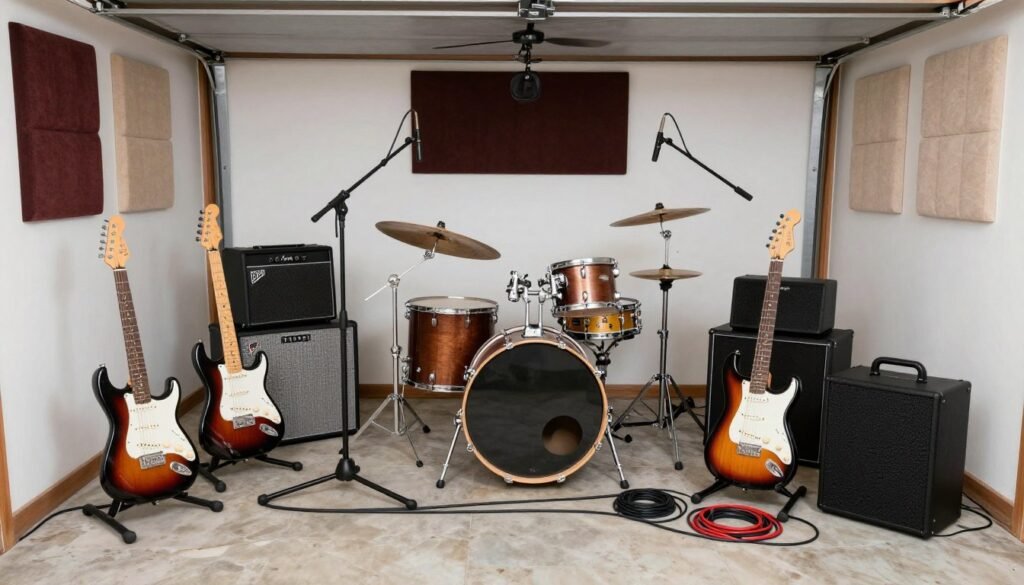
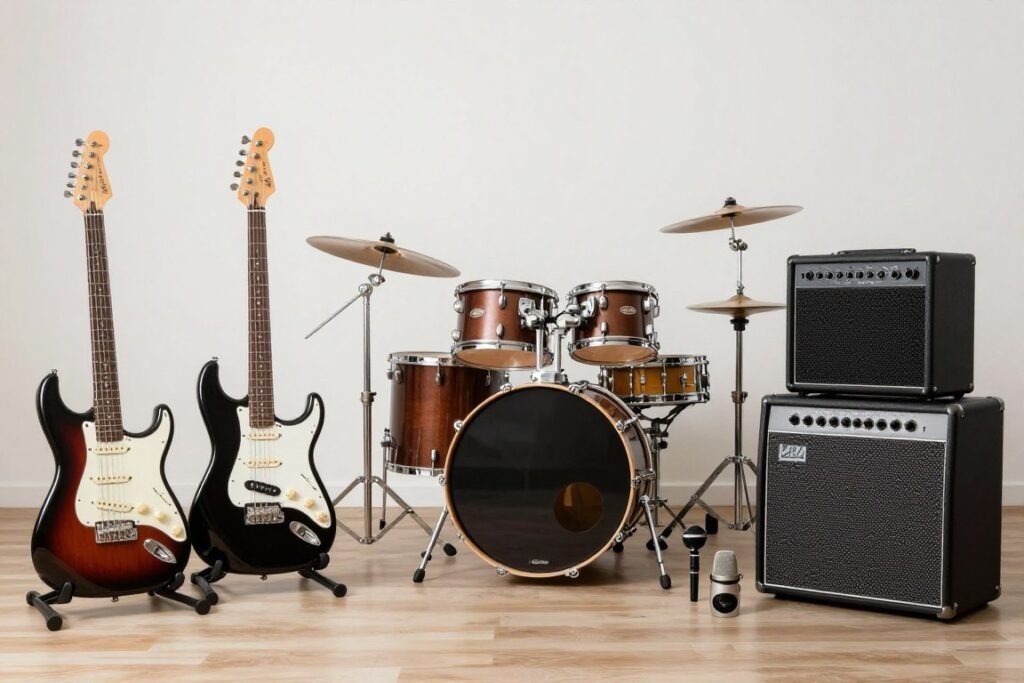
Complete garage band equipment setup including instruments and sound gear

Every garage band needs the right tools to create their sound. While you don’t need top-of-the-line gear to start, certain essentials will ensure you can practice effectively and develop your music.

Basic Instruments

Electric Guitars

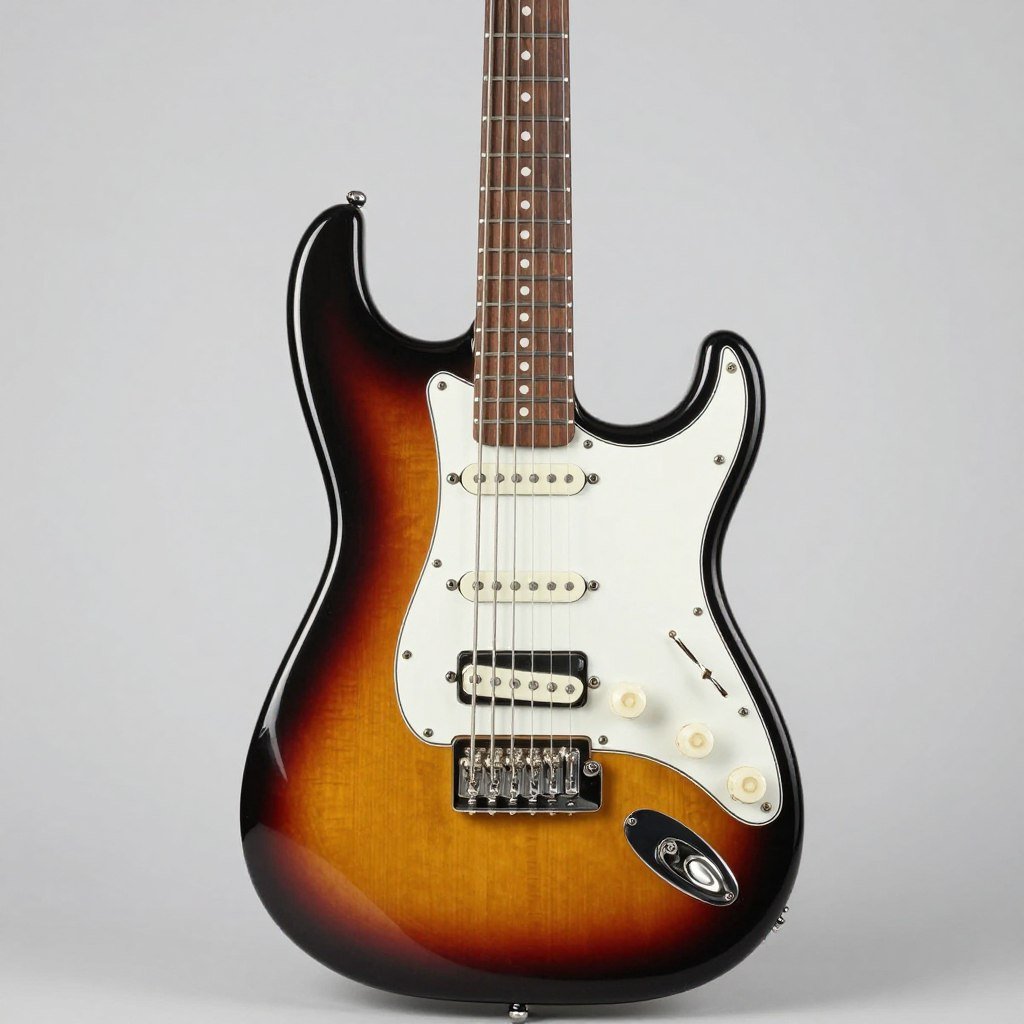
Electric guitar suitable for garage band beginners

The cornerstone of most garage bands. Look for affordable models from brands like Squier, Epiphone, or Yamaha to start.

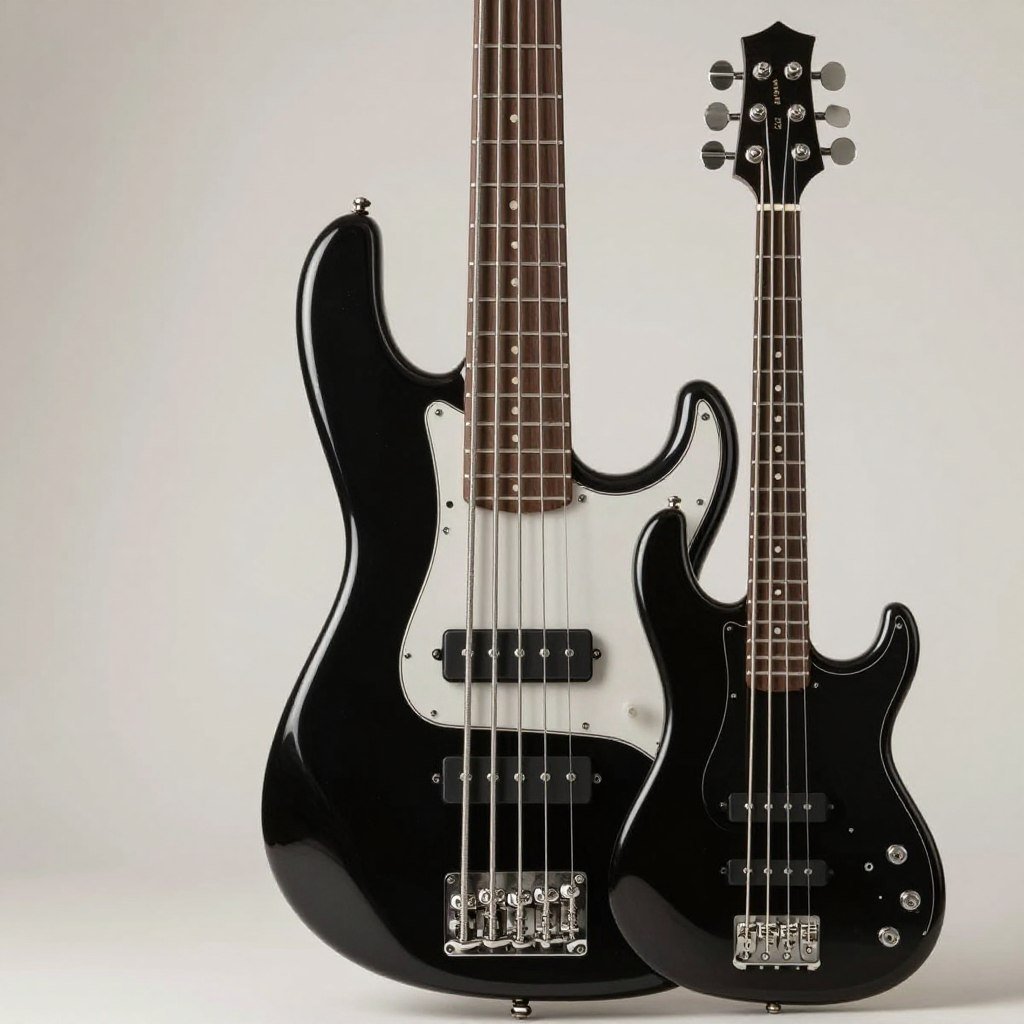
Bass Guitar

Bass guitar essential for garage band rhythm section

Provides the crucial low-end foundation. Brands like Ibanez, Squier, and Sterling offer good entry-level options.

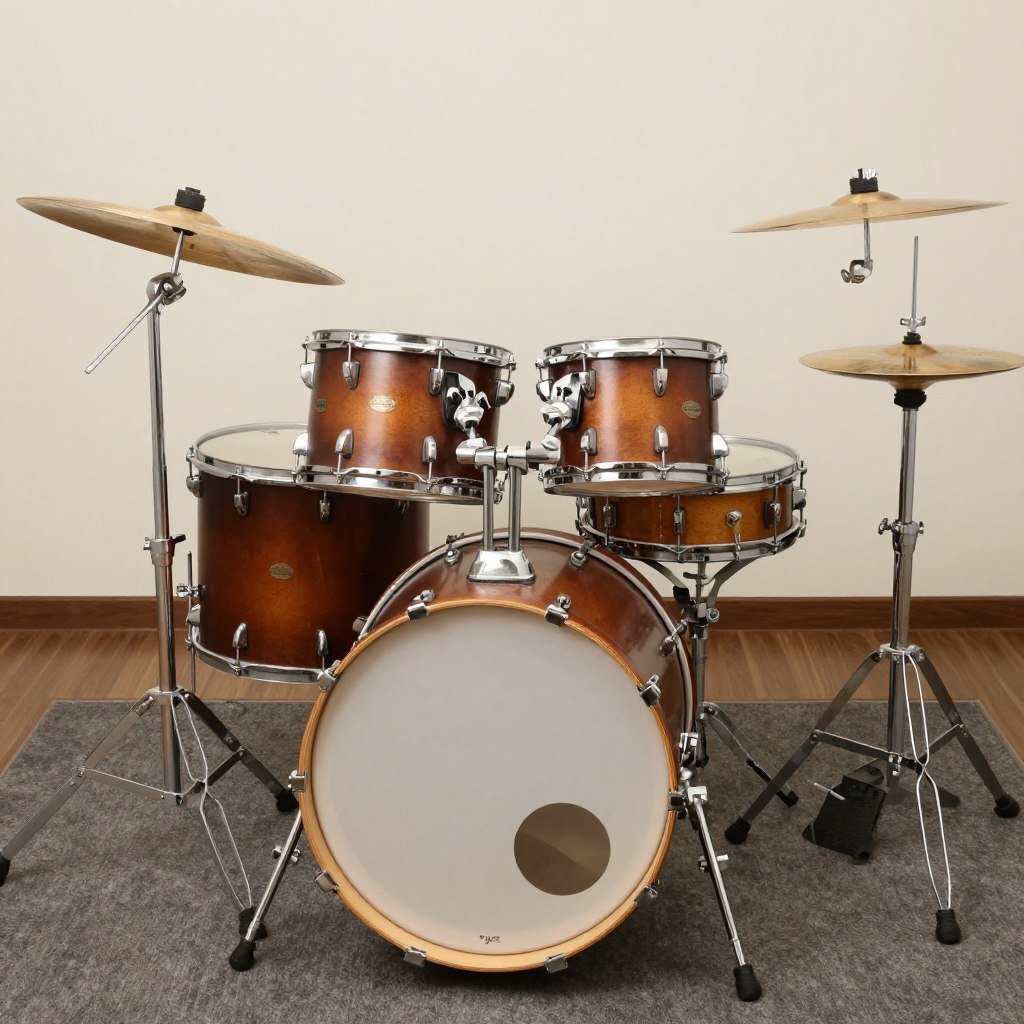
Drum Kit

Compact drum kit suitable for garage band practice

The rhythmic backbone of your band. Consider electronic drums if noise is a concern, or a compact acoustic kit.

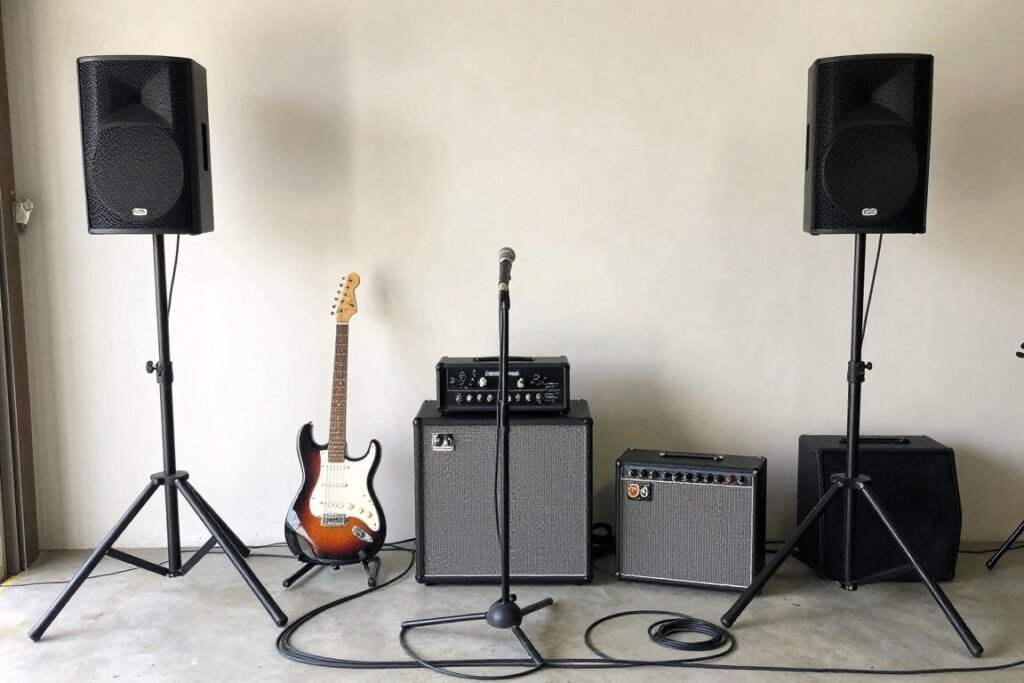
Amplification and Sound Equipment

PA system and amplifiers set up for a garage band practice

To be heard clearly, you’ll need these amplification essentials:

  • Guitar and Bass Amplifiers – Each guitarist and bassist will need their own amp
  • PA System – For vocals and overall sound balance during practice
  • Microphones and Stands – At least one for the vocalist, possibly more for backup vocals
  • Cables and Power Strips – Often overlooked but absolutely essential

Complete Your Band Setup

Find affordable amplification equipment to get your garage band sounding great!

Shop Amplification Gear

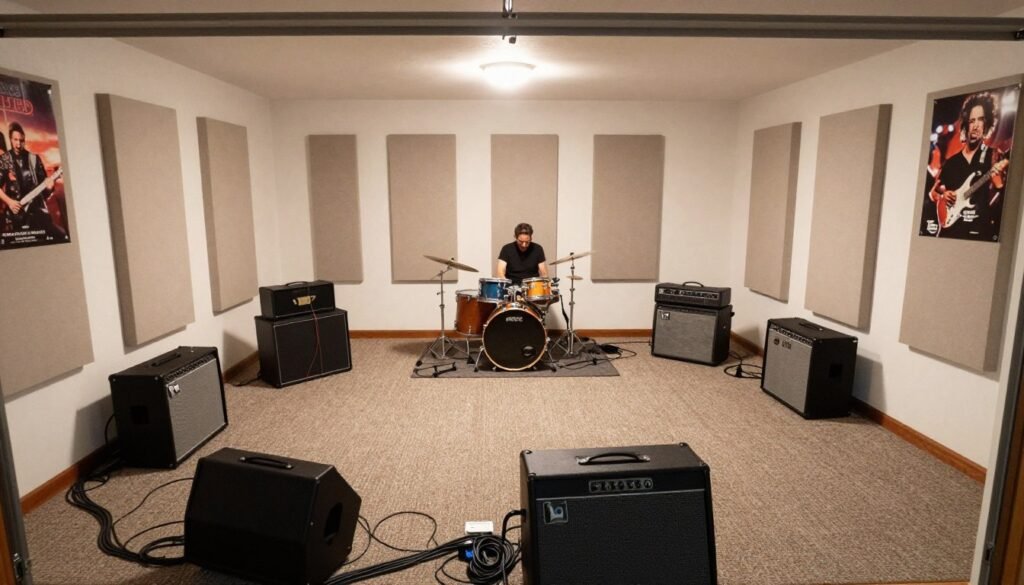
Setting Up Your Garage for Band Practice

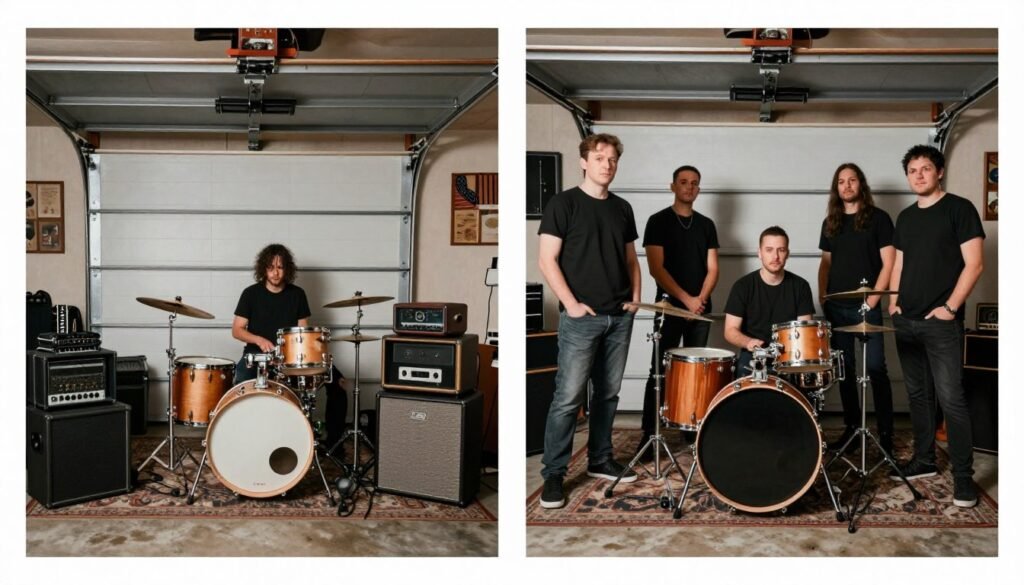
Well-organized garage space converted for band practice with basic acoustic treatment

Transforming your garage into a functional practice space requires thoughtful planning. Here’s how to create an environment that fosters creativity while minimizing neighborhood complaints:

Basic Acoustic Treatment

Garages typically have hard surfaces that create harsh echoes and poor sound quality. Some basic acoustic treatment can dramatically improve your sound:

  • Carpet or rugs on the floor to reduce reflections
  • Acoustic foam panels on walls to absorb sound
  • Bass traps in corners to manage low frequencies
  • Thick curtains over windows and garage doors
  • Weather stripping around doors to reduce sound leakage

Improve Your Practice Space Acoustics

Get affordable acoustic treatment solutions to make your garage sound better!

Shop Acoustic Treatment

Space Organization

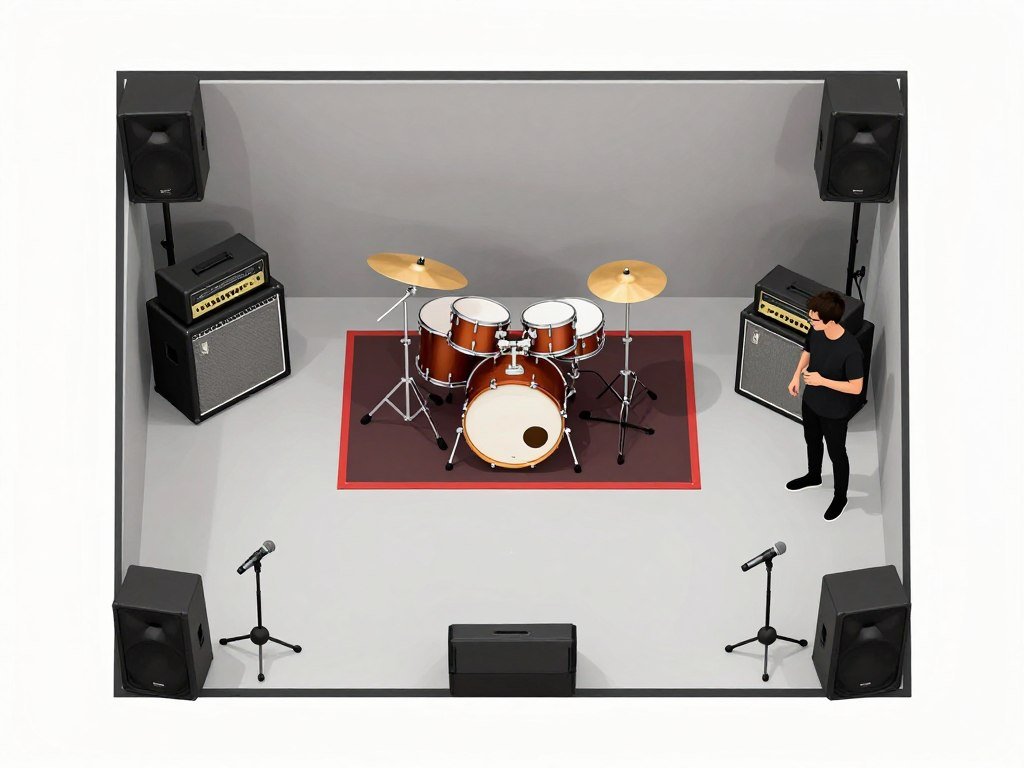
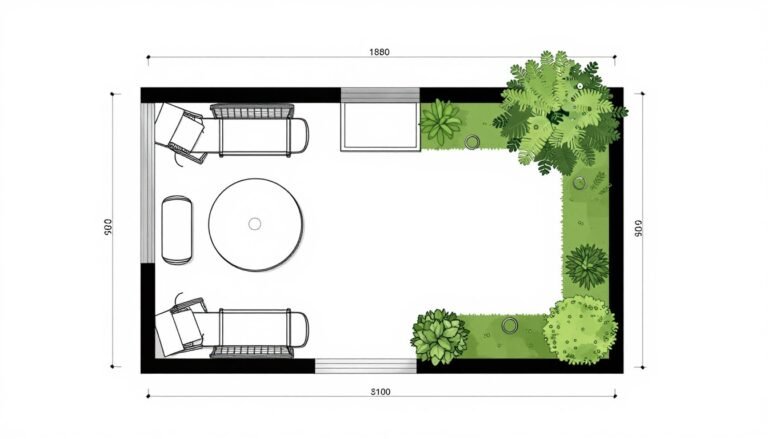
Diagram showing optimal arrangement of instruments and equipment in a garage band space

Efficient organization of your practice space ensures comfortable playing and protects your equipment:

  • Position the drum kit against the back wall to contain sound
  • Arrange amplifiers in a semi-circle facing inward
  • Create a dedicated area for the vocalist with clear sightlines to all members
  • Establish a storage system for instruments and equipment when not in use
  • Install adequate lighting for reading music and adjusting equipment
  • Consider temperature control for extreme weather conditions

Electrical Considerations

Garage bands require significant electrical power. Take these precautions to ensure safety and reliability:

  • Have a qualified electrician check your garage’s electrical capacity
  • Use surge protectors for all equipment
  • Avoid overloading circuits with too many high-power devices
  • Consider installing additional outlets if needed
  • Keep cables organized and away from foot traffic

Developing Your Garage Band Sound

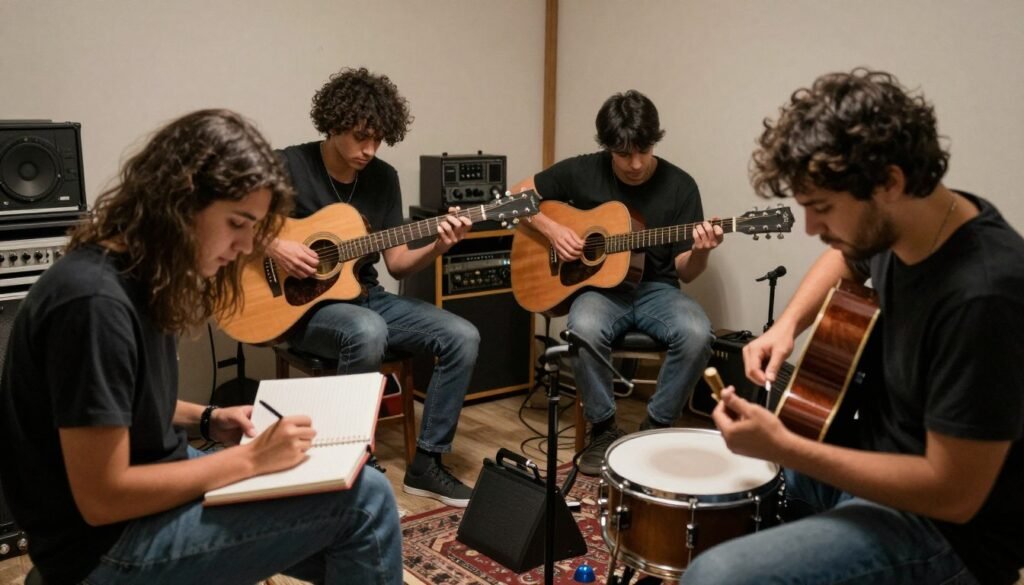
Garage band members collaborating on songwriting and developing their unique sound

The distinctive sound of your garage band will be your musical signature. Here’s how to develop a sound that’s authentic to your group:

Finding Your Musical Direction

Begin by exploring influences and establishing a general direction:

  • Have each band member share their top musical influences
  • Listen to classic and contemporary garage bands for inspiration
  • Experiment with covering songs you collectively enjoy
  • Identify what elements you want to incorporate or avoid
  • Be open to evolution as you develop as musicians

Songwriting Process

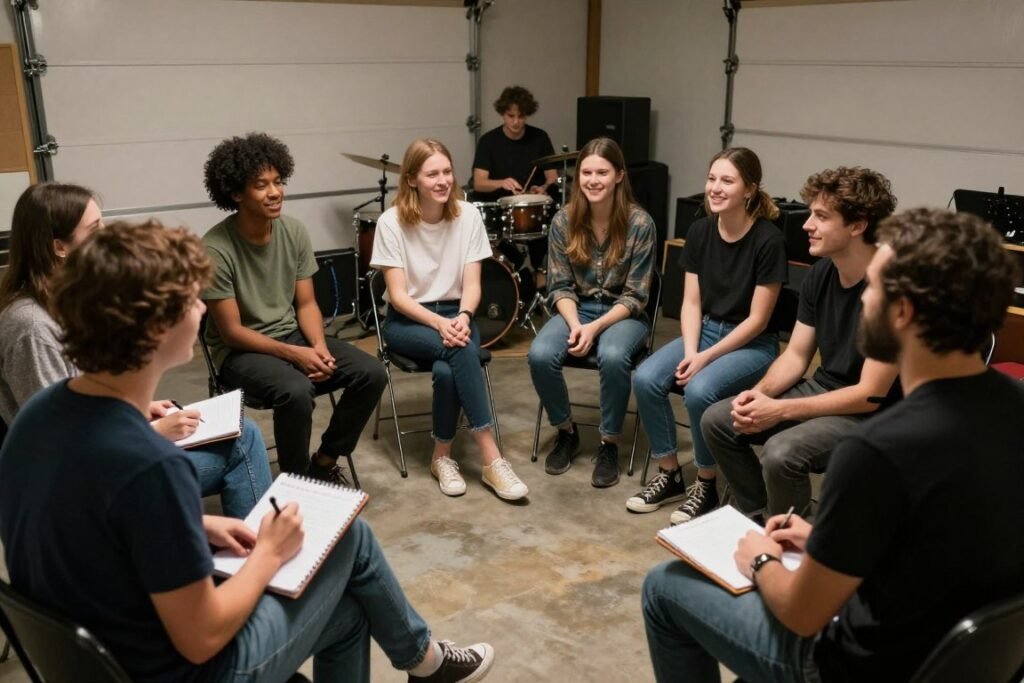
Garage band members writing songs together with instruments and notebooks

Developing original material is key to establishing your unique identity:

  • Start with simple structures – verse, chorus, verse, chorus, bridge, chorus
  • Build songs around strong hooks or riffs
  • Write lyrics that feel authentic to your experiences
  • Record practice sessions to capture spontaneous ideas
  • Be willing to revise and refine songs over multiple sessions

Capture Your Musical Ideas

Don’t let great song ideas slip away! Get recording equipment to document your creative process.

Shop Recording Devices

Effective Practice Techniques

Regular, focused practice is essential for developing your sound:

  • Schedule consistent weekly practice sessions (2-3 times per week is ideal)
  • Begin each practice with a quick warm-up jam to get in sync
  • Divide practice time between technical exercises, existing songs, and new material
  • Record practices regularly to track progress and identify areas for improvement
  • Set specific goals for each practice session
  • Take short breaks to prevent fatigue and maintain focus

Planning Your First Performances

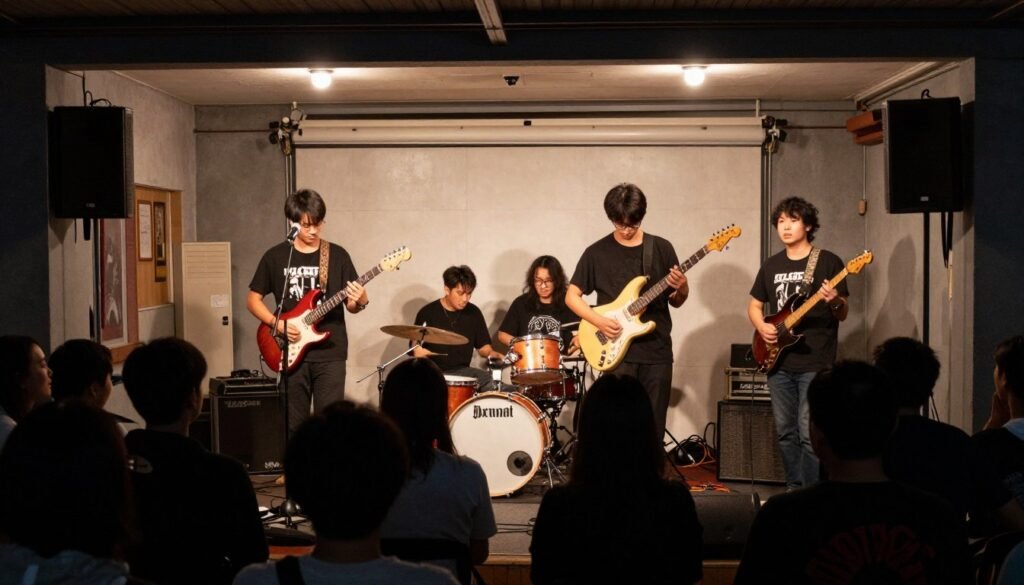
Garage band performing at a small local venue for their first show

Taking your garage band from practice to performance is an exciting milestone. Here’s how to prepare for and book your first shows:

Building a Setlist

A well-crafted setlist can make or break your performance:

  • Aim for 30-45 minutes of material for your first shows
  • Start with a high-energy song to capture attention
  • Place your strongest songs at the beginning, middle, and end
  • Consider the flow and energy levels between songs
  • Include 1-2 recognizable covers if appropriate for your style
  • Prepare a few extra songs as encores or alternatives

Finding Performance Opportunities

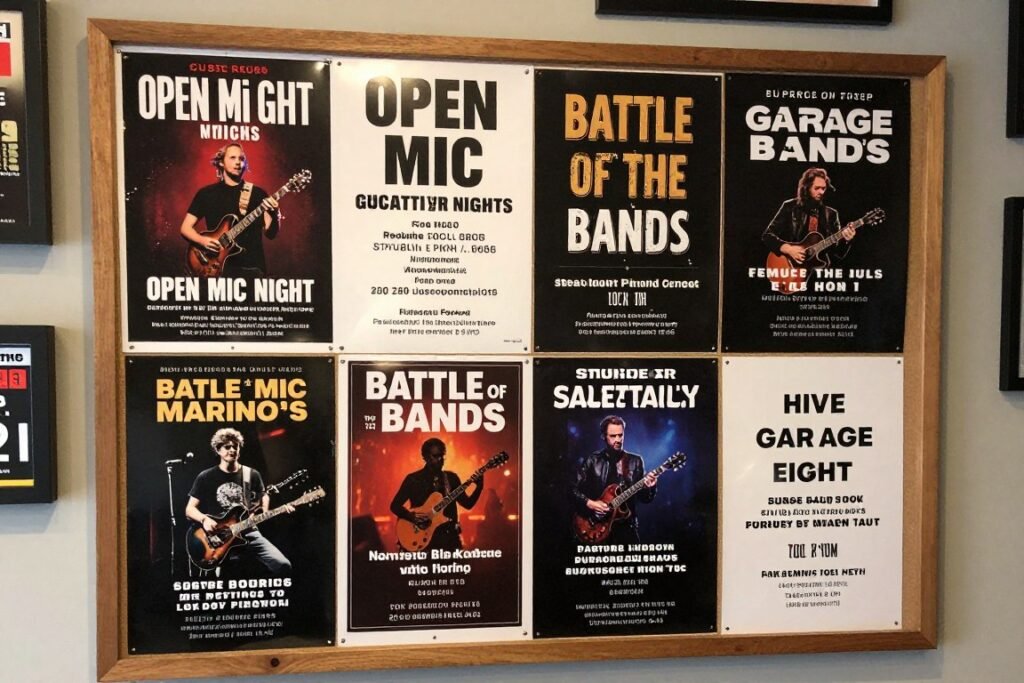
List of local venues and events where garage bands can perform

Start with smaller, supportive venues to build confidence and experience:

  • Open mic nights at local cafes and bars
  • School and community events
  • House parties and backyard gatherings
  • Local battle of the bands competitions
  • Supporting slots for more established local bands
  • Small local festivals and fairs

Performance Essentials

Be prepared with these performance necessities:

Gear Up for Your First Show

Get the essential performance gear every garage band needs for their first gigs!

Shop Performance Gear

Technical Needs

  • Extra strings, drumsticks, and cables
  • Tuners for all stringed instruments
  • Power strips and extension cords
  • Basic tool kit for emergency repairs
  • Setlist copies for each member

Promotional Materials

  • Band name display (banner or drum head)
  • Business cards or contact information
  • Social media handles displayed visibly
  • Demo recordings to share if requested
  • Simple merchandise if available

Recording Your Garage Band

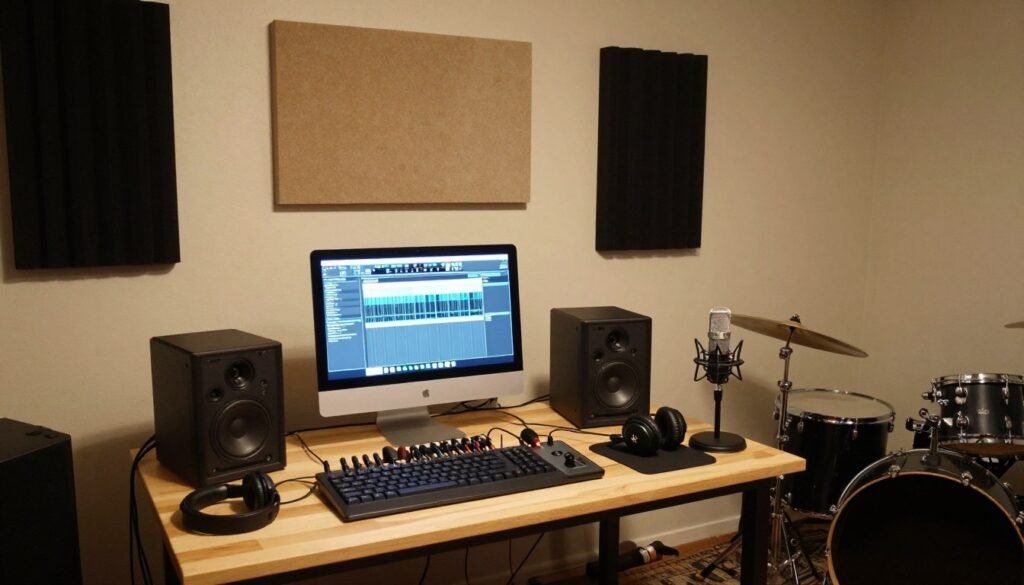
DIY home recording setup for a garage band

Capturing your music is essential for sharing your sound and tracking your progress. Modern technology makes DIY recording more accessible than ever.

Basic Recording Setup

You don’t need a professional studio to make decent recordings. Here’s what you’ll need:

  • Computer with digital audio workstation (DAW) software
  • Audio interface with enough inputs for your instruments
  • Microphones for vocals and acoustic instruments
  • Headphones for monitoring
  • Cables and stands

Start Recording Your Music

Get affordable home recording equipment to capture your garage band’s unique sound!

Shop Recording Equipment

Recording Approaches

Consider these different methods based on your equipment and goals:

Live Recording

Record the entire band playing together. Captures energy and interaction but offers limited mixing control.

Multitrack Recording

Record each instrument separately. Provides maximum control but can lose spontaneity.

Hybrid Approach

Record rhythm section together, then add lead instruments and vocals. Balances energy with control.

Distribution and Promotion

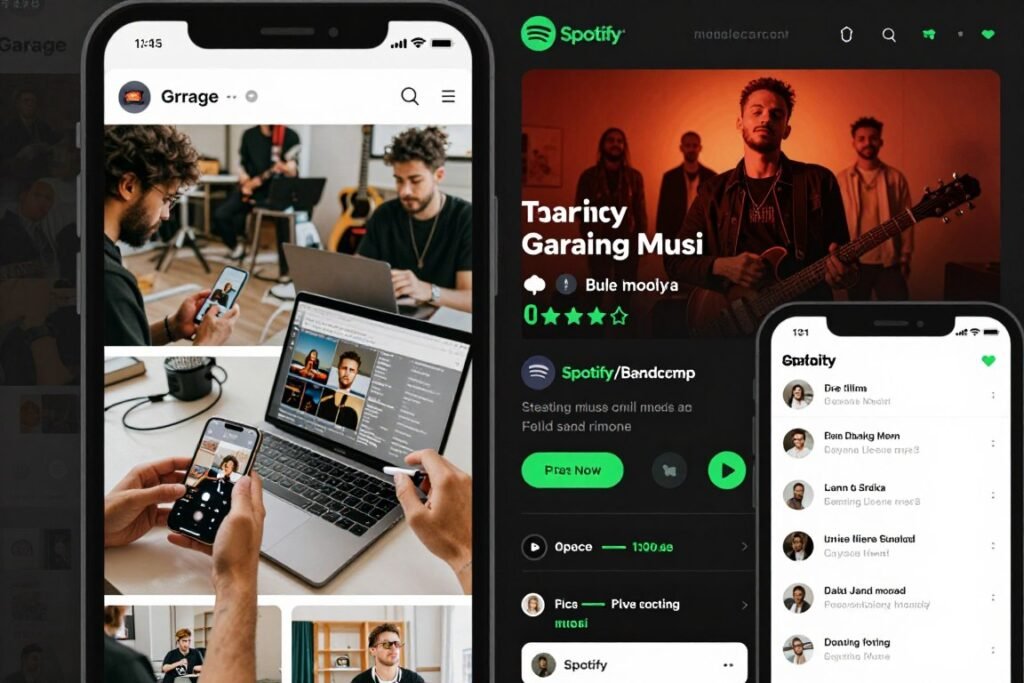
Garage band promoting their music on social media and streaming platforms

Once you’ve recorded your music, share it with the world:

  • Upload to streaming platforms like Spotify, Apple Music, and Bandcamp
  • Create music videos for YouTube, even simple performance videos
  • Share on social media platforms
  • Submit to local radio stations and podcasts
  • Create physical copies (CDs or vinyl) for die-hard fans and collectors

Growing Your Garage Band

Garage band evolving with better equipment and more professional approach

As your garage band develops, you’ll face new challenges and opportunities. Here’s how to navigate the next stages of your musical journey:

Building a Local Following

Developing a dedicated local fan base is crucial for sustainable growth:

  • Perform regularly in your local area
  • Network with other local bands for show swaps
  • Engage with your audience in person and online
  • Create memorable experiences beyond just the music
  • Support other local bands and become part of the community

Upgrading Your Equipment

Professional-grade instruments and equipment for an evolving garage band

As you progress, strategic equipment upgrades can enhance your sound:

  • Invest in better quality instruments as finances allow
  • Upgrade amplifiers for improved tone and reliability
  • Consider a more powerful PA system for larger venues
  • Add effects pedals to expand your sonic palette
  • Improve your recording capabilities for better demos

Level Up Your Sound

Ready to upgrade? Find professional-grade equipment to take your garage band to the next level!

Explore Pro Equipment

Expanding Your Reach

Look beyond your immediate area to grow your audience:

  • Plan mini-tours to neighboring cities
  • Develop an online presence through social media and streaming platforms
  • Create professional press kits for venue and festival submissions
  • Consider working with a local promoter or booking agent
  • Collaborate with bands from other areas for show exchanges

Famous Bands That Started in Garages

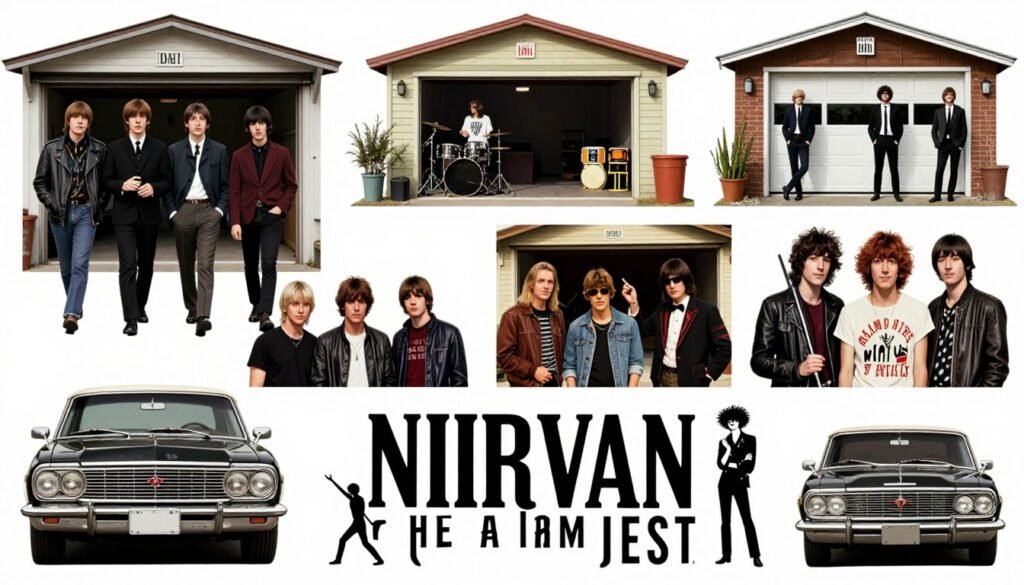
Collage of famous bands that started as garage bands before becoming successful

Many legendary acts began just like your garage band. Their journeys can provide both inspiration and practical lessons:

The Beatles

Before becoming the biggest band in history, they honed their skills playing in small clubs in Liverpool and Hamburg, developing their tight sound through countless hours of practice.

Nirvana

Kurt Cobain, Krist Novoselic, and eventually Dave Grohl practiced in garages and basements around Aberdeen and Seattle before revolutionizing music in the early 1990s.

The Ramones

These pioneers of punk rock formed in Queens, New York, practicing in basements and small spaces before helping to launch the punk movement at CBGB’s.

The White Stripes

Jack and Meg White started in Detroit’s garage rock scene before bringing their stripped-down sound to international acclaim in the early 2000s.

Black Sabbath

The founders of heavy metal began practicing in a garage in Birmingham, England, developing their distinctive sound through experimentation and necessity.

The Kinks

Brothers Ray and Dave Davies started playing in their family’s front room in North London before becoming one of the most influential bands of the British Invasion.

Lessons from the Legends

What can we learn from these success stories?

  • Persistence is key – most famous bands faced years of rejection
  • Develop a distinctive sound that sets you apart
  • Build a strong local following before expanding
  • Record and release music regularly to maintain momentum
  • Embrace your limitations and turn them into strengths

Get Inspired by the Classics

Study the masters of garage rock to inspire your own musical journey!

Explore Classic Garage Rock

Common Challenges for Garage Bands

Garage band working through common challenges during practice

Every garage band faces obstacles. Recognizing and preparing for these challenges will help you overcome them:

Common Challenges

  • Noise complaints from neighbors
  • Scheduling conflicts between members
  • Equipment breakdowns and technical issues
  • Creative differences about musical direction
  • Financial constraints limiting growth
  • Finding suitable performance venues
  • Balancing band commitments with other responsibilities

Potential Solutions

  • Invest in soundproofing and practice during reasonable hours
  • Use shared calendars and commit to regular practice times
  • Learn basic maintenance and have backup equipment
  • Establish clear communication and decision-making processes
  • Pool resources and reinvest performance earnings
  • Network with other bands to discover new opportunities
  • Set clear expectations about time commitments

Maintaining Band Harmony

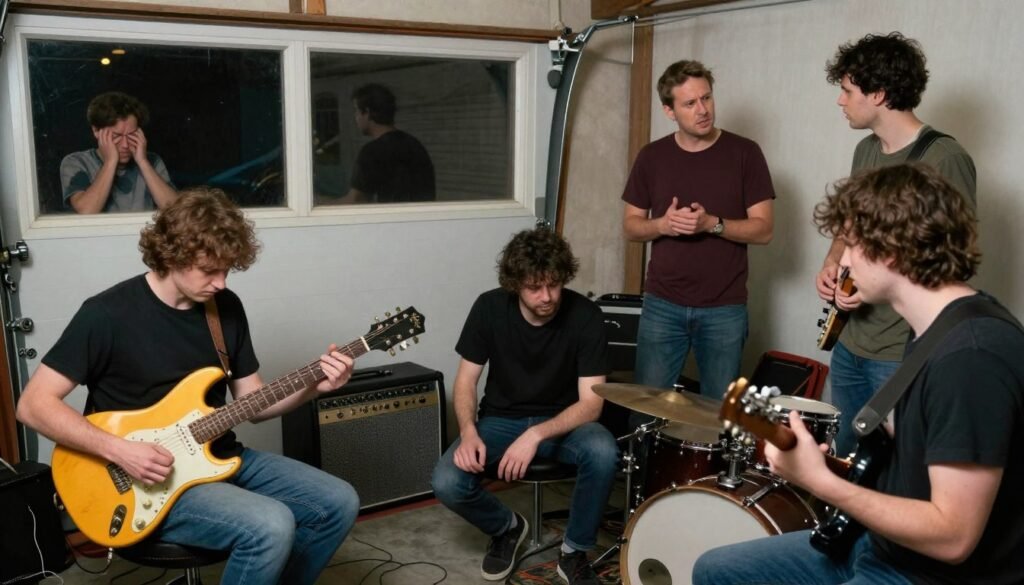
Garage band members having a constructive meeting to resolve issues

The interpersonal dynamics of a band can be as challenging as the music itself:

  • Hold regular band meetings to address issues before they become problems
  • Establish clear roles and responsibilities for both musical and business aspects
  • Create a system for making decisions and resolving disagreements
  • Celebrate successes and milestones together
  • Respect each member’s creative input and personal boundaries
  • Document agreements about money, equipment ownership, and song credits

Start Your Garage Band Journey Today

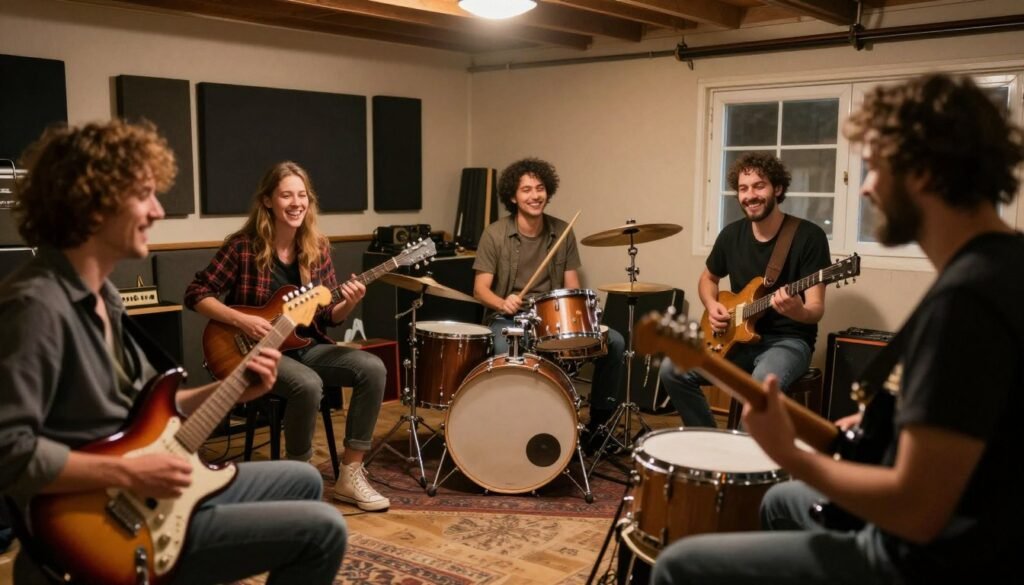
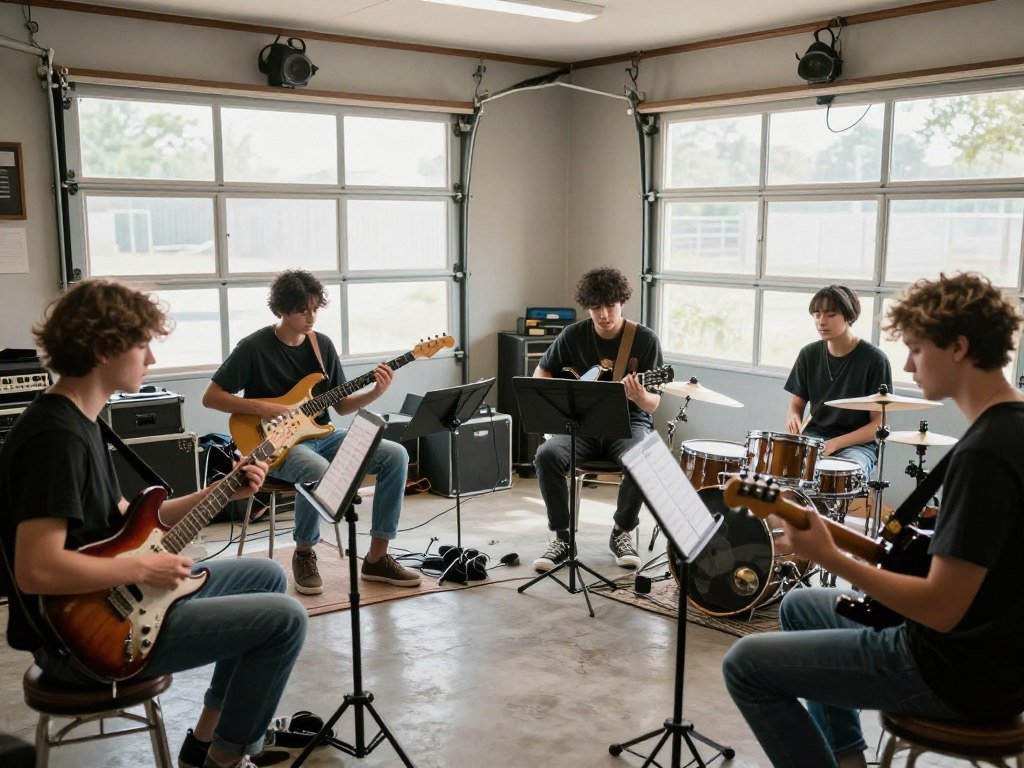
Inspiring image of a garage band enjoying making music together

The garage band tradition represents music in its most authentic form – friends coming together to create something greater than the sum of its parts. Whether your ambitions include stadium tours or simply enjoying the creative process with friends, the journey of forming and developing a garage band is rewarding in countless ways.

Remember that every legendary band started somewhere, often in circumstances just like yours. With dedication, practice, and passion, your garage band can develop a unique sound and build meaningful connections with audiences.

The most important step is the first one – gathering your instruments, finding like-minded musicians, and starting to play. The magic happens when you embrace the raw, unfiltered energy that has defined garage bands for generations.

Ready to Rock?

Get everything you need to start your garage band journey today!
Start Your Band Journey

Similar Posts