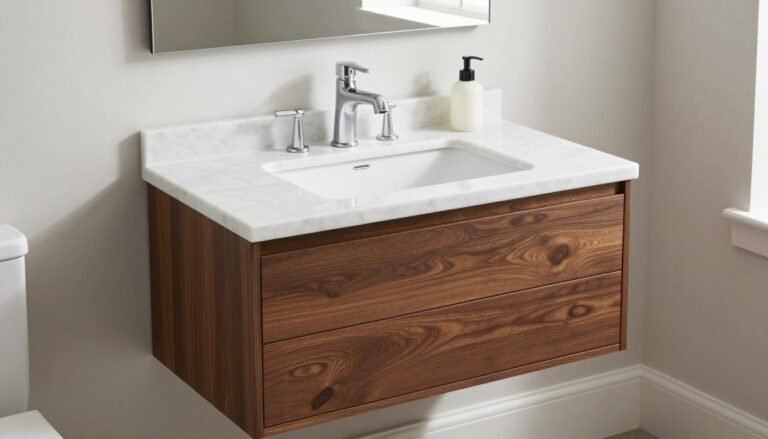
Painting your bathroom vanity is one of the most impactful and budget-friendly ways to breathe new life into your space. A fresh coat of paint can transform a dated, worn-out vanity into a stunning focal point that completely changes the look and feel of your bathroom. Whether you’re aiming for a crisp white finish, a bold pop of color, or a sophisticated neutral tone, this comprehensive guide will walk you through everything you need to know to achieve professional-quality results on your painted bathroom vanity project.
This Website contains affiliate links. That means I may earn a small commission if you purchase through my links, at no extra cost to you.
Why Paint Your Bathroom Vanity?
Cost-Effective Renovation
Replacing a bathroom vanity can cost hundreds or even thousands of dollars. Painting your existing vanity requires just a fraction of that investment while delivering remarkable results. For less than $100 in supplies, you can completely transform the look of your bathroom.
Personalized Style
When you paint your bathroom vanity, you’re not limited to the standard finishes available in stores. You can choose any color that complements your bathroom’s design scheme, from classic whites and grays to bold blues, greens, or even black for a dramatic statement.
Increased Home Value
An updated bathroom adds value to your home. A freshly painted vanity creates the impression of a well-maintained space, which is appealing to potential buyers if you ever decide to sell your home.
Environmental Benefits
Repainting your existing vanity instead of replacing it keeps furniture out of landfills. It’s a sustainable choice that reduces waste while still giving you the updated look you desire.
Related Posts:






Essential Supplies for Painting Your Bathroom Vanity
Quality Supplies Make All the Difference
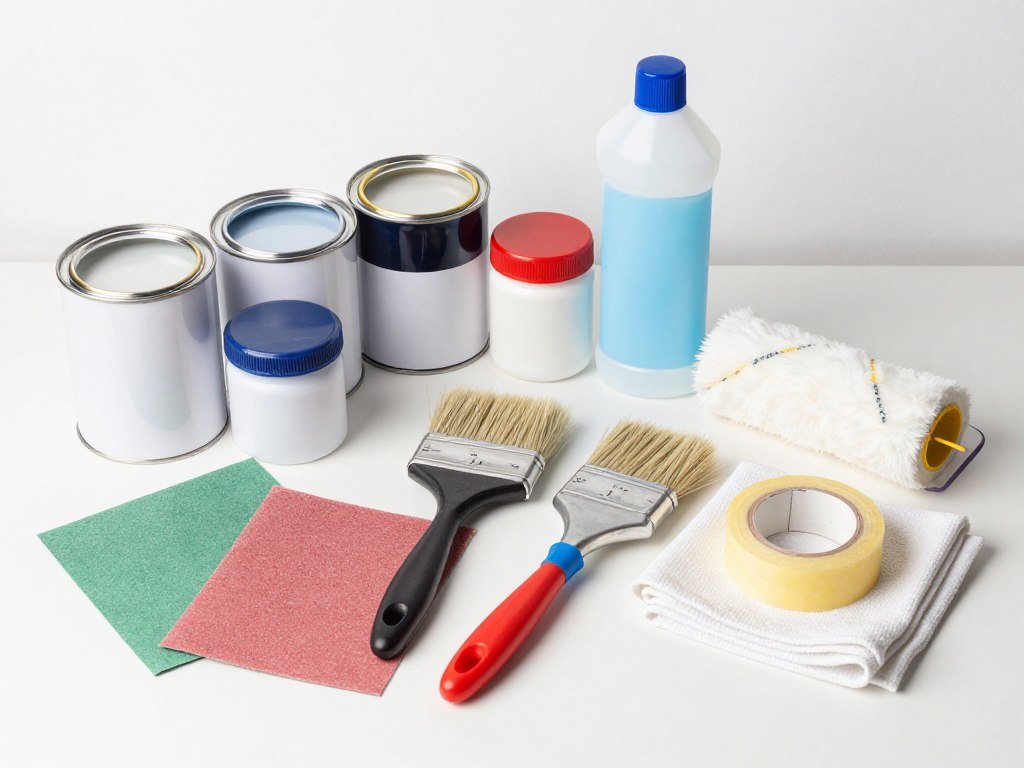
Using the right supplies is crucial for achieving a professional finish on your painted bathroom vanity. High-quality products will make the painting process easier and ensure your finished vanity looks beautiful for years to come.
Paint and Primer
Best Paint Options:
- Benjamin Moore Advance Waterborne Alkyd
- Sherwin Williams Emerald Urethane Enamel
- Behr Urethane Alkyd Enamel
- Cabinet & Trim Enamel Paint
For bathroom vanities, choose a semi-gloss or satin finish for durability and moisture resistance. These finishes are easier to clean and stand up better to the humid bathroom environment.
Recommended Primers:
- Zinsser BIN Shellac-Based Primer
- INSL-X Stix Waterborne Bonding Primer
- KILZ Adhesion High-Bonding Primer
- Sherwin Williams Extreme Bond Primer
A high-quality bonding primer is essential for proper adhesion, especially when painting over glossy surfaces or previously finished wood. It creates the foundation for a long-lasting paint job.
Tools and Accessories
Brushes & Rollers
- 2-inch angled brush for details
- 1.5-inch brush for smaller areas
- 4-inch mini roller with 1/4″ nap
- High-quality foam roller for smooth finish
Prep Materials
- 120-grit and 220-grit sandpaper
- Sanding block or sponge
- TSP cleaner or degreaser
- Tack cloth for dust removal
- Drop cloths to protect floors
Finishing Touches
- New cabinet hardware
- Wood filler for holes/imperfections
- Painter’s tape for clean edges
- Screwdriver for hardware removal
- Small containers for hardware storage
Preparing Your Bathroom Vanity for Painting
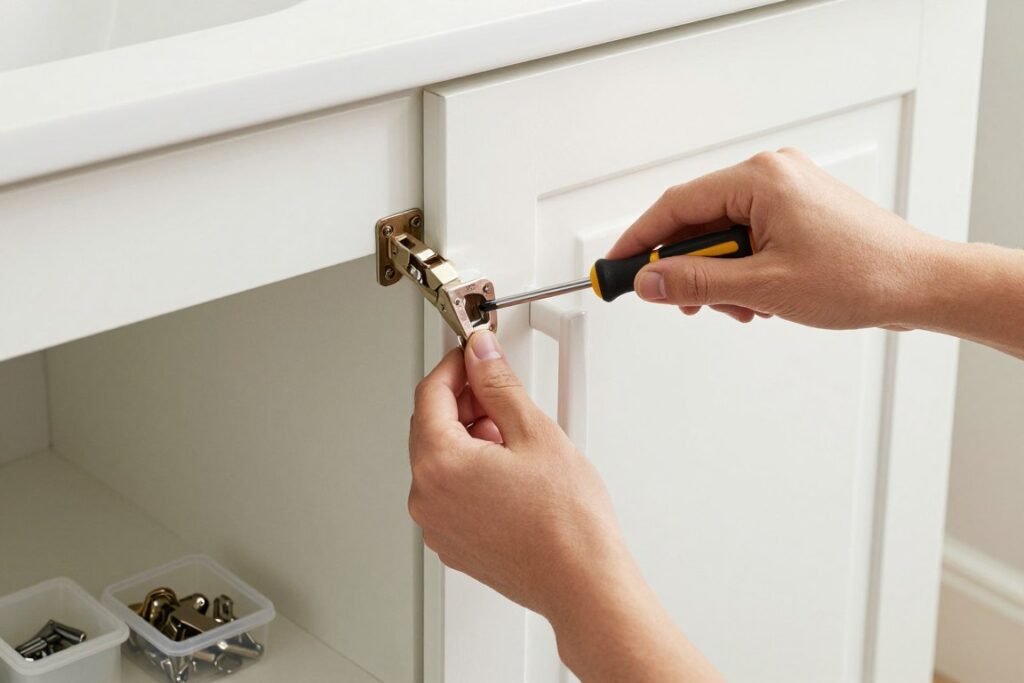
Proper preparation is the key to a successful painted bathroom vanity. Rushing through this stage can lead to poor adhesion, peeling paint, and an unprofessional finish. Take your time with these crucial preparation steps:
Step 1: Empty and Clean
Remove everything from your vanity cabinets and drawers. Thoroughly clean all surfaces with a degreasing cleaner to remove built-up grime, toothpaste splatters, and other bathroom residues. For especially dirty vanities, TSP (trisodium phosphate) is an excellent cleaner that also helps prepare the surface for paint.
Step 2: Remove Hardware and Doors
Take off all cabinet doors, drawers, and hardware (handles, knobs, and hinges). Label each piece and its corresponding hardware with painter’s tape to make reassembly easier. Store all hardware in labeled plastic bags or containers.
Step 3: Protect Your Space
Lay drop cloths on the floor around your work area. Use painter’s tape to protect walls, countertops, sinks, and any other surfaces you don’t want to get paint on. Remove or cover bathroom fixtures if possible.
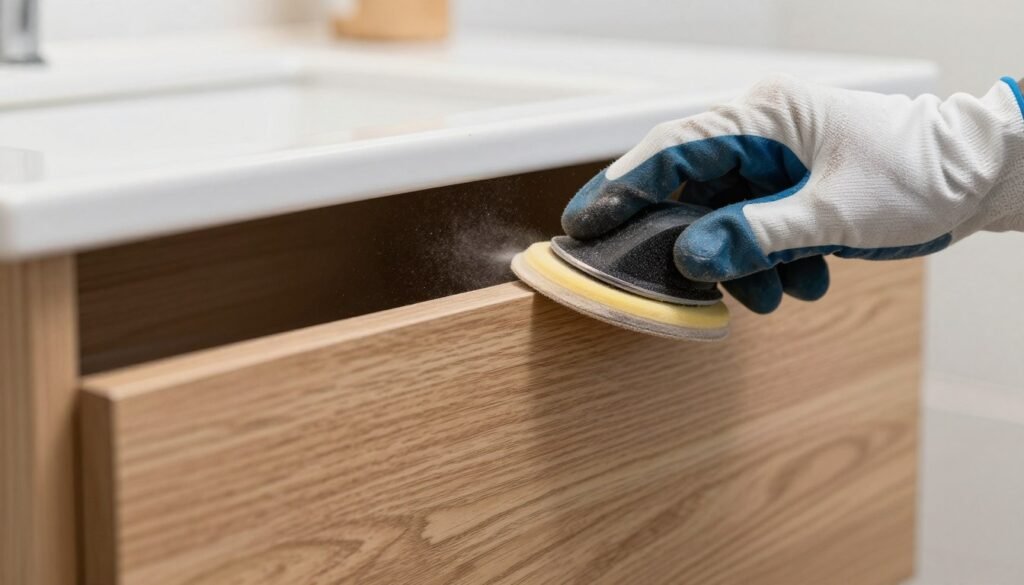
Step 4: Sand All Surfaces
Sand all surfaces of your vanity with 120-grit sandpaper to remove the glossy finish and create a surface the primer can adhere to. For previously painted surfaces, sand until the shine is gone. For raw wood, sand to smooth any rough areas. Follow with 220-grit sandpaper for a smoother finish.
Step 5: Fill Holes and Repair Damage
Use wood filler to repair any holes, scratches, or damage. If you’re changing hardware that requires different holes, fill the old holes now. Allow the filler to dry completely, then sand smooth with 220-grit sandpaper.
Step 6: Remove Dust
Vacuum all surfaces to remove sanding dust. Follow up by wiping everything down with a tack cloth or slightly damp microfiber cloth to ensure all dust particles are removed. Let dry completely before moving to the priming stage.
Pro Tip: Label Everything
Use painter’s tape and a marker to label the back of each door and drawer, noting its original position. Also label which hardware goes where, especially if you have different sized hinges or screws. This simple step will save you significant time and frustration during reassembly.
Priming Your Bathroom Vanity
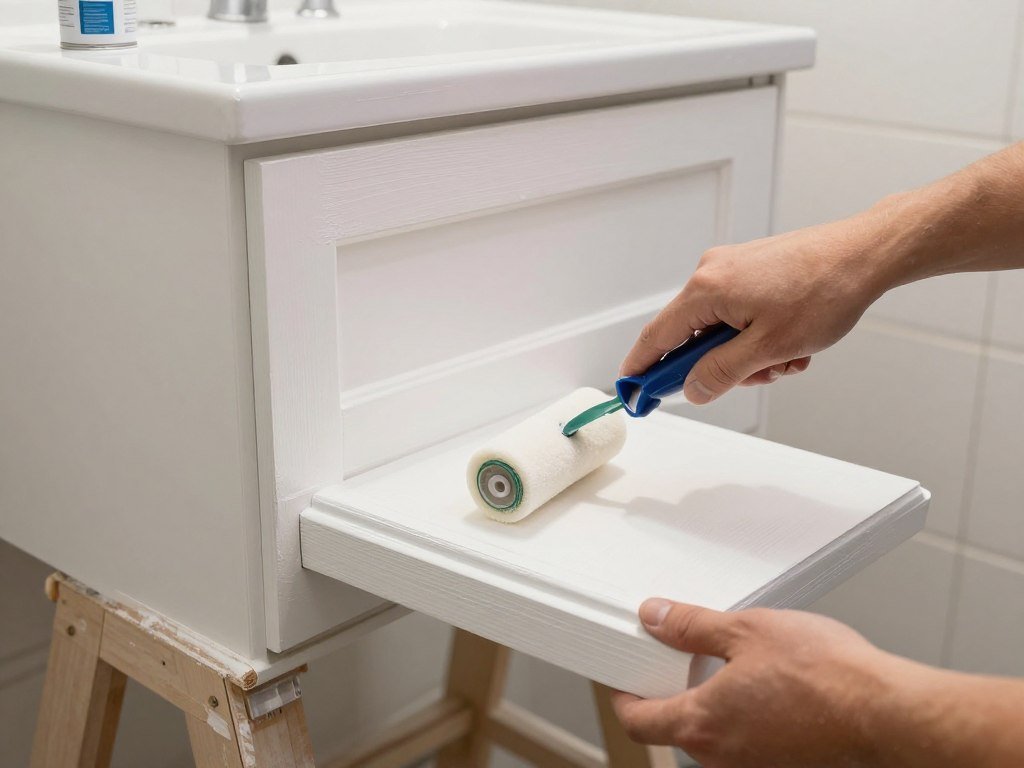
Priming is a crucial step that creates the foundation for your paint. A quality primer ensures better adhesion, prevents stains from bleeding through, and helps your topcoat look its best. Don’t skip this step, especially for bathroom vanities that need to withstand moisture and frequent cleaning.
Choosing the Right Primer
For bathroom vanities, a high-adhesion bonding primer is essential. These specialized primers are designed to stick to glossy and hard-to-paint surfaces. Shellac-based primers offer excellent stain-blocking properties and adhere well to most surfaces, while waterborne bonding primers provide good adhesion with easier cleanup.
Find the Perfect Primer
A quality bonding primer is the foundation of a successful vanity painting project. It ensures your paint adheres properly and creates a smooth, long-lasting finish.
Application Techniques
Apply primer with a high-quality brush for detailed areas and a mini roller for flat surfaces. Work in thin, even coats rather than thick layers. Start with the inside of the cabinet frame, then move to the cabinet doors and drawer fronts. Allow the primer to dry completely according to the manufacturer’s instructions before applying a second coat if needed.
For the best results:
- Stir primer thoroughly before using
- Apply in thin, even coats
- Use long, smooth strokes in the direction of the wood grain
- Let primer dry completely between coats
- Lightly sand with 220-grit sandpaper after primer dries
- Remove dust with a tack cloth before painting
Painting Your Bathroom Vanity
Choosing the Perfect Color
Classic Whites & Neutrals
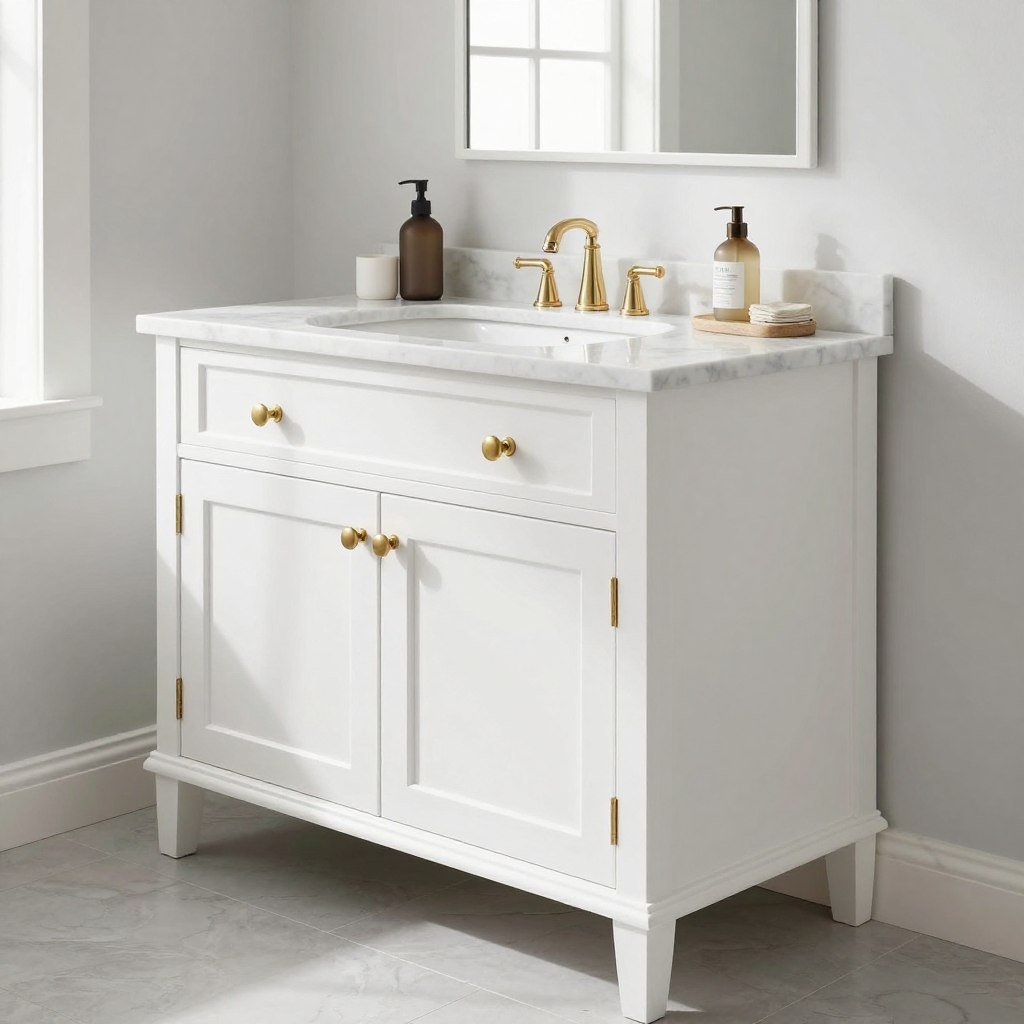
White and neutral-colored vanities create a clean, timeless look that works with any decor. They make small bathrooms feel larger and brighter. Popular choices include crisp whites, soft creams, light grays, and greige tones.
Bold & Dramatic Colors
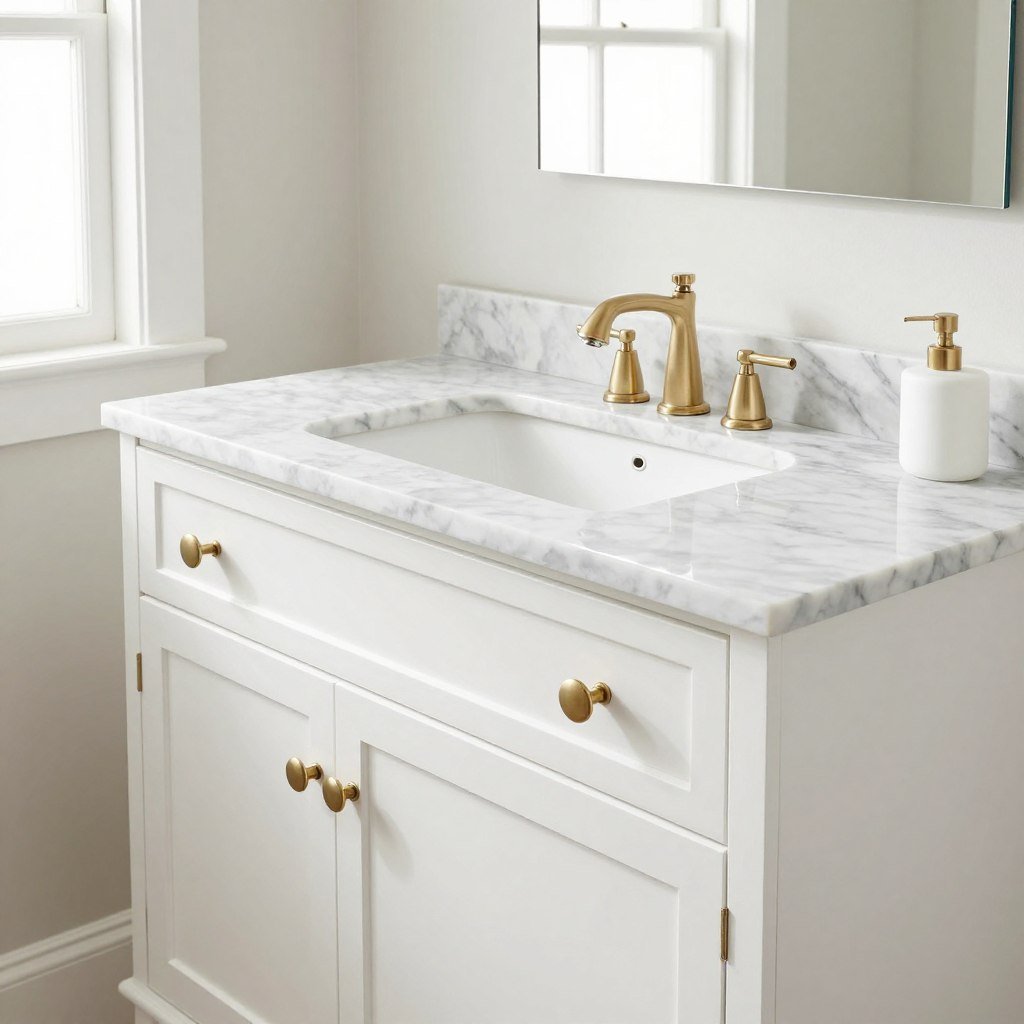
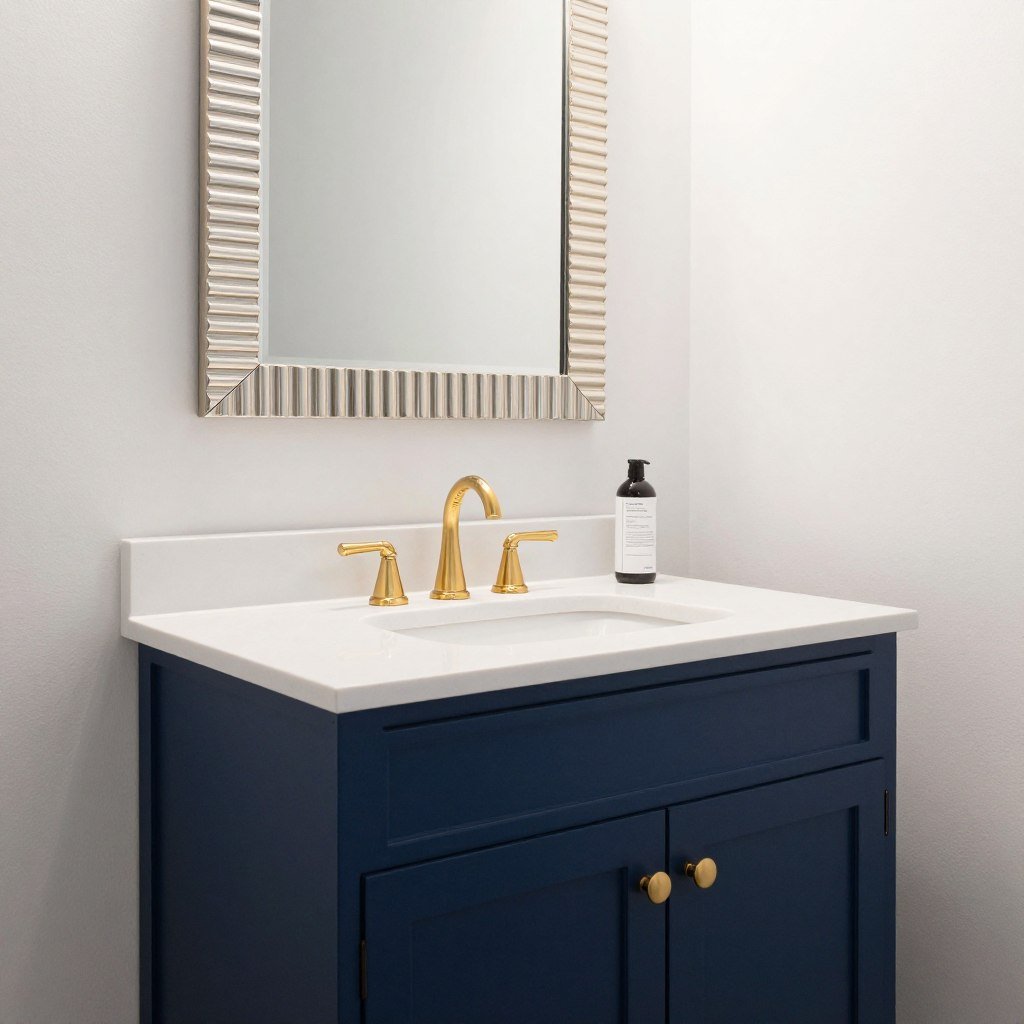
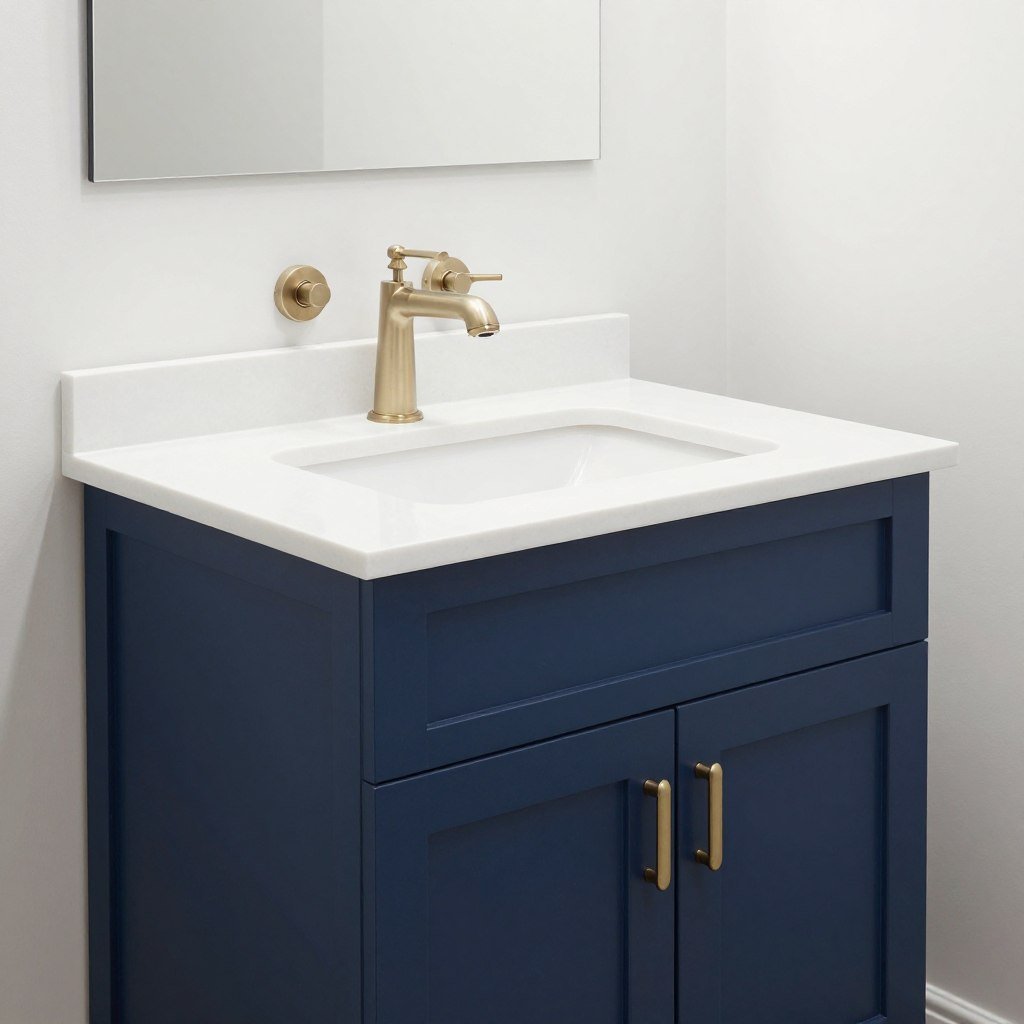
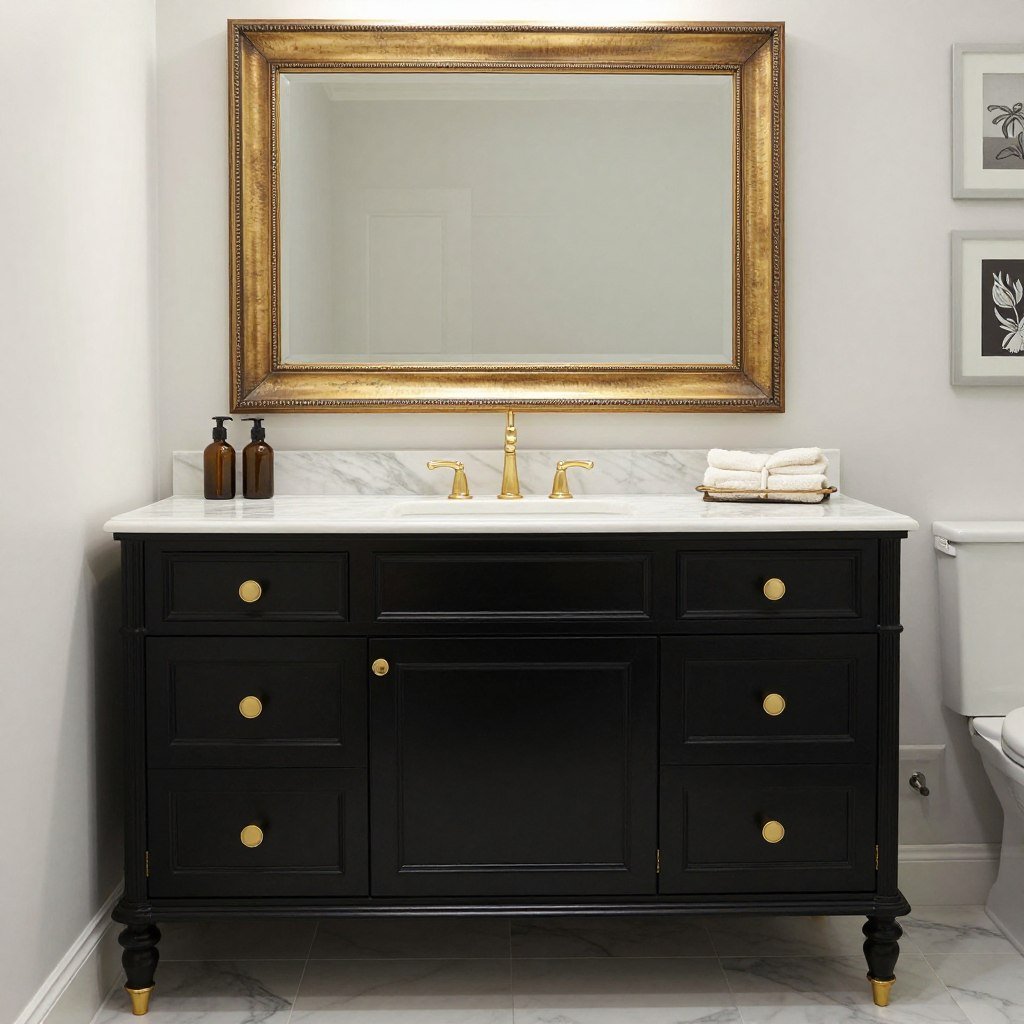
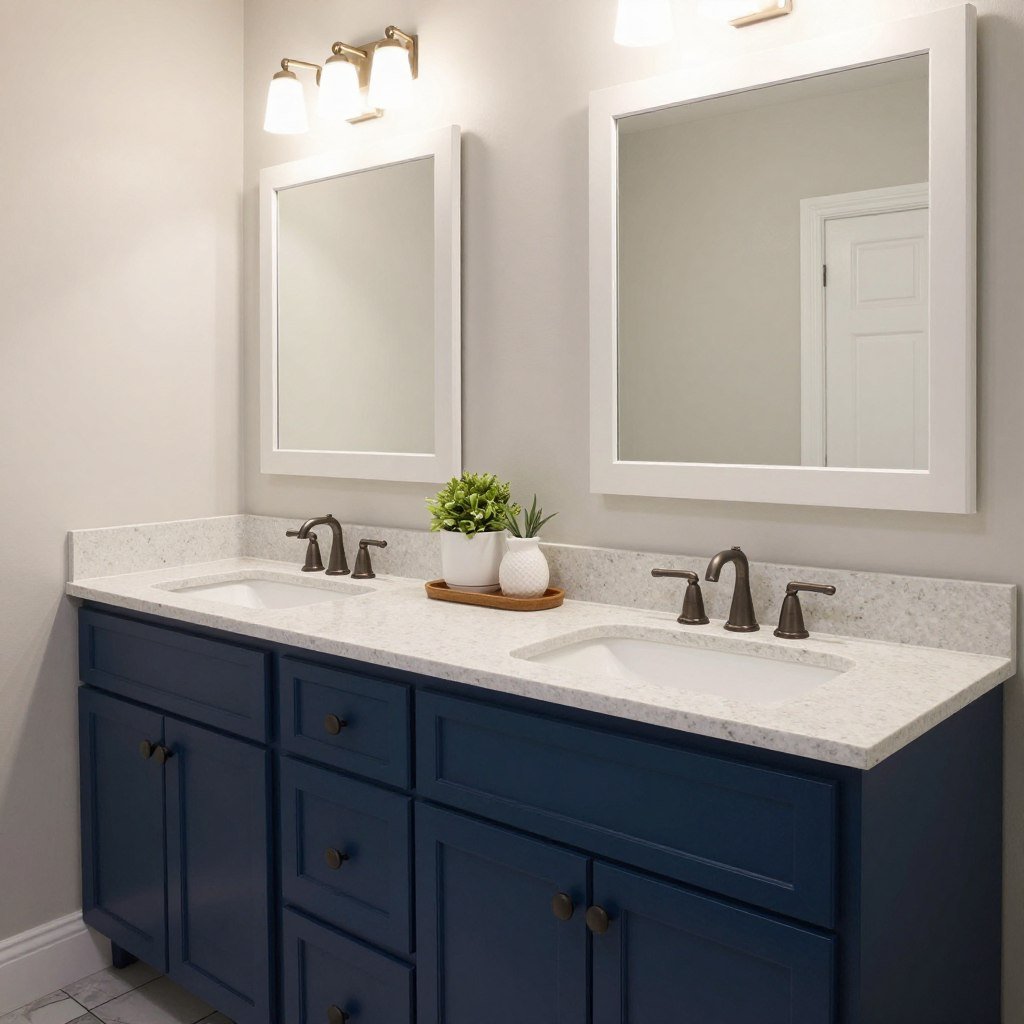
Make a statement with deep navy blues, forest greens, charcoal grays, or even black. Bold colors create a luxurious, high-end look, especially when paired with brass or gold hardware. These colors work best in bathrooms with good lighting.
Soft & Soothing Hues
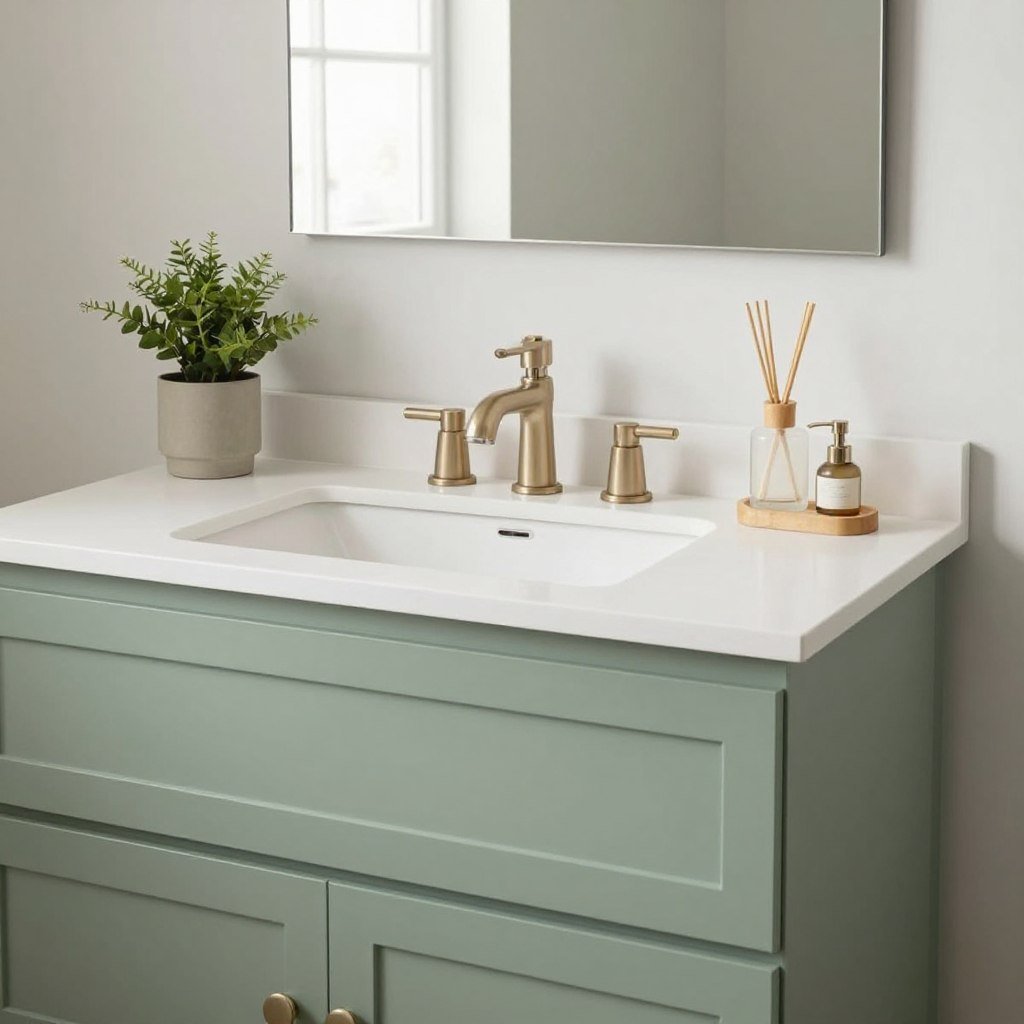
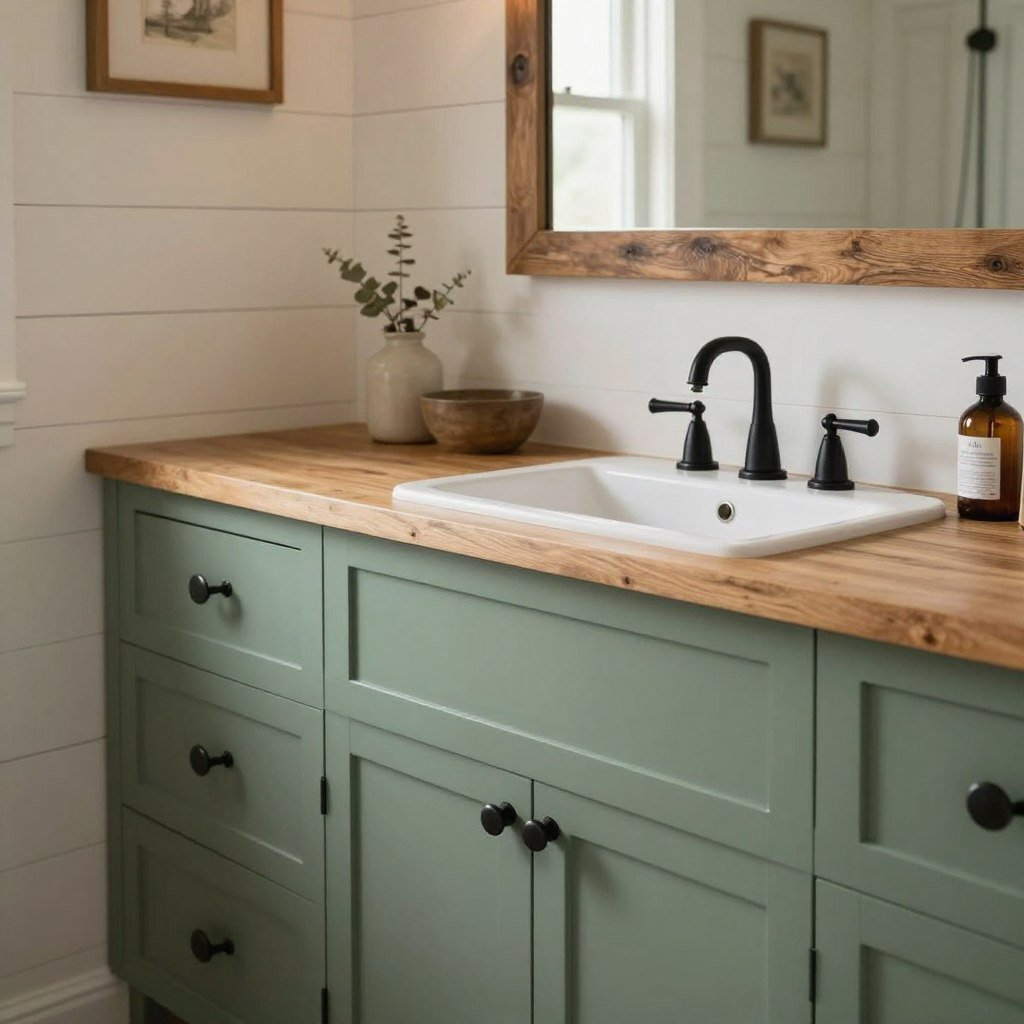
Create a spa-like retreat with soft blues, gentle greens, or muted lavenders. These colors promote relaxation and can make your bathroom feel like a peaceful sanctuary. They pair beautifully with natural wood accents and plants.
Painting Techniques for Professional Results
Step 1: Apply First Coat
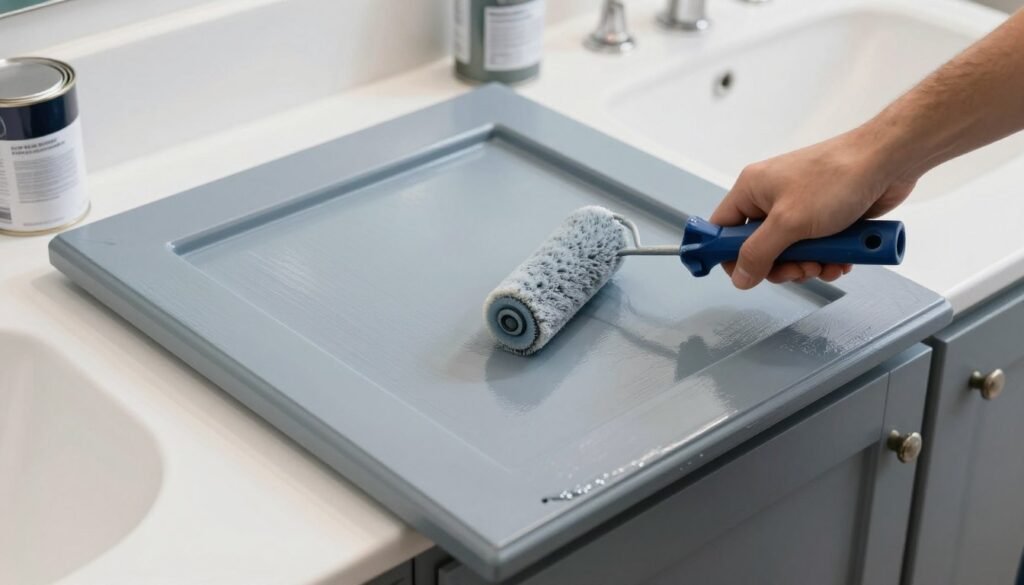
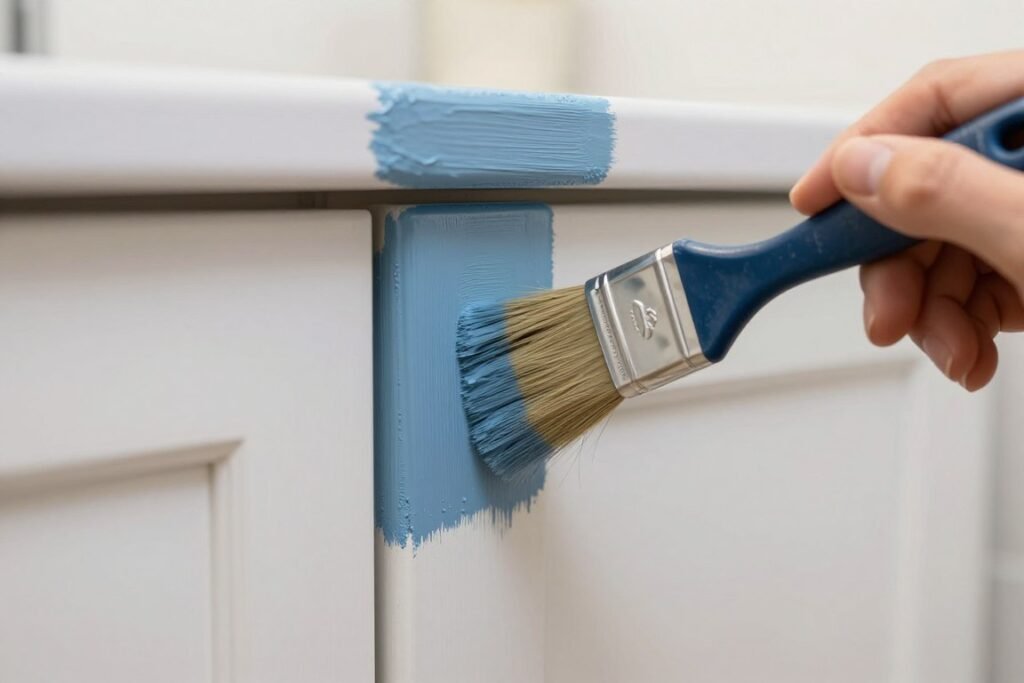
Start with cabinet frames, then move to doors and drawers. Use a high-quality angled brush for edges, corners, and detailed areas. Immediately follow with a mini foam roller on flat surfaces for a smooth finish. Apply paint in thin, even coats, working in the direction of the wood grain.
Step 2: Let Dry Completely
Allow the first coat to dry according to the paint manufacturer’s instructions. Most cabinet paints need at least 2-4 hours between coats, but some may require longer. Proper drying time prevents peeling and ensures a durable finish.
Step 3: Light Sanding
Once the first coat is completely dry, lightly sand all surfaces with 220-grit sandpaper or a fine sanding sponge. This step removes any dust nibs or brush marks, creating an ultra-smooth surface for the second coat. Wipe away all sanding dust with a tack cloth.
Step 4: Apply Second Coat
Apply a second coat using the same technique as the first. For darker colors or when making a dramatic color change, a third coat may be necessary for full coverage. Allow the final coat to dry completely before handling.
Quality Paint Makes a Difference
Investing in high-quality cabinet paint ensures your bathroom vanity will look beautiful and withstand moisture and cleaning for years to come.
Pro Tip: Painting in a Bathroom
If you’re painting the vanity in place, ensure proper ventilation by using fans and opening windows. Consider using a low-VOC or zero-VOC paint to minimize fumes in the enclosed bathroom space. Always turn off bathroom fans during actual painting to prevent dust from being blown onto wet paint.
Finishing Touches and Reassembly
Curing Time
While paint may feel dry to the touch within hours, cabinet paint typically needs 7-14 days to fully cure and harden. During this time, be gentle with your newly painted vanity. Avoid scrubbing, heavy cleaning, or placing items that could stick to the surface.
Hardware Installation
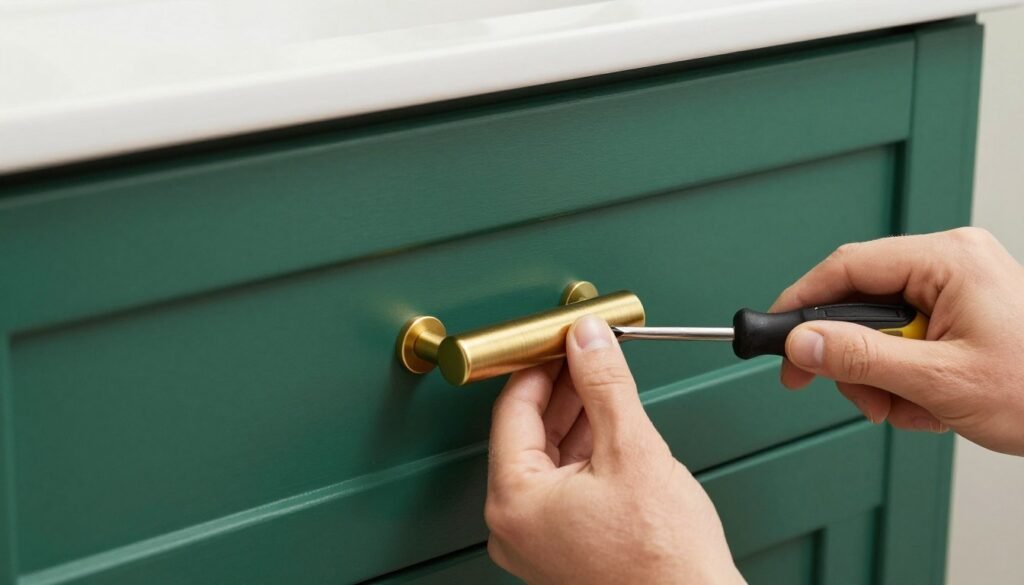
Once the paint has cured for at least 24-48 hours, reinstall your cabinet hardware. If you’re using new hardware, carefully measure and drill new holes as needed. For a professional look, use a hardware installation template to ensure perfect alignment of all knobs and pulls.
Door and Drawer Reinstallation
Refer to your labels and notes to reinstall doors and drawers in their original positions. Adjust hinges as needed to ensure doors hang straight and close properly. For European-style hinges, most have adjustment screws that allow you to fine-tune the door position.
Protective Measures
Consider applying a clear topcoat for extra protection in high-moisture bathrooms, especially if you’ve used chalk or milk paint. Water-based polyurethane or polycrylic provides excellent protection without yellowing over time.
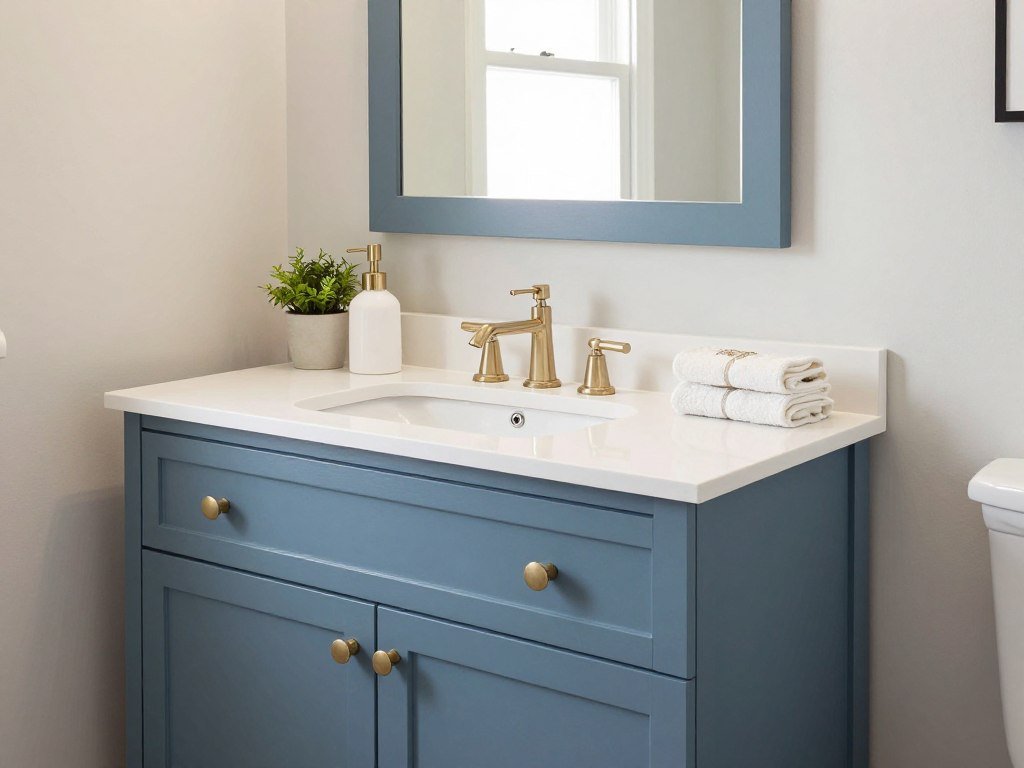
Complete Your Vanity Makeover
New hardware can completely transform the look of your painted bathroom vanity. Find the perfect knobs and pulls to complement your new vanity color.
Styling Your Newly Painted Bathroom Vanity
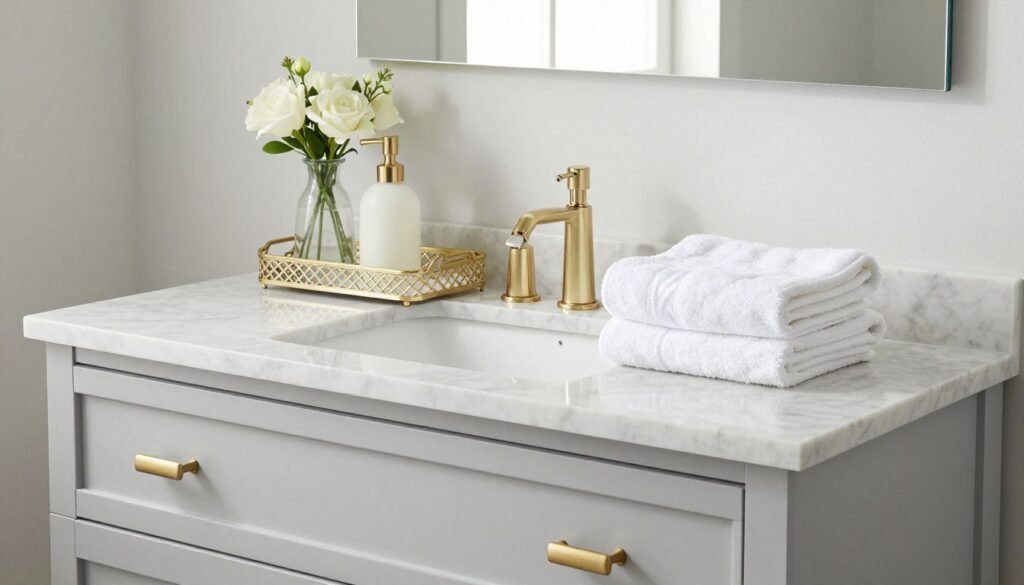
Once your painted bathroom vanity is complete, the right styling can enhance its beauty and create a cohesive bathroom design. Here are some ideas to showcase your newly painted vanity:
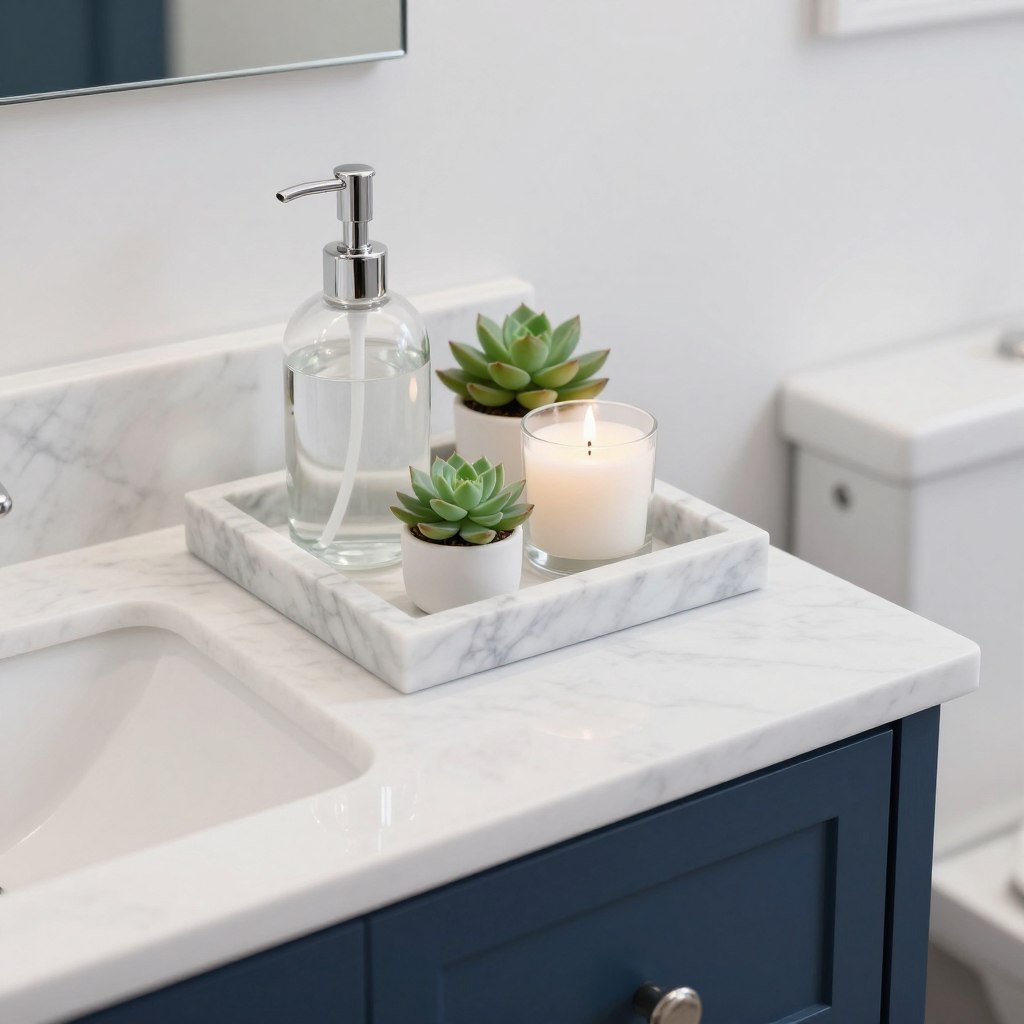
Countertop Styling
- Use a decorative tray to corral everyday items
- Add a stylish soap dispenser and toothbrush holder
- Include a small vase with fresh or faux flowers
- Display pretty bottles for frequently used products
- Add a small plant for a touch of nature
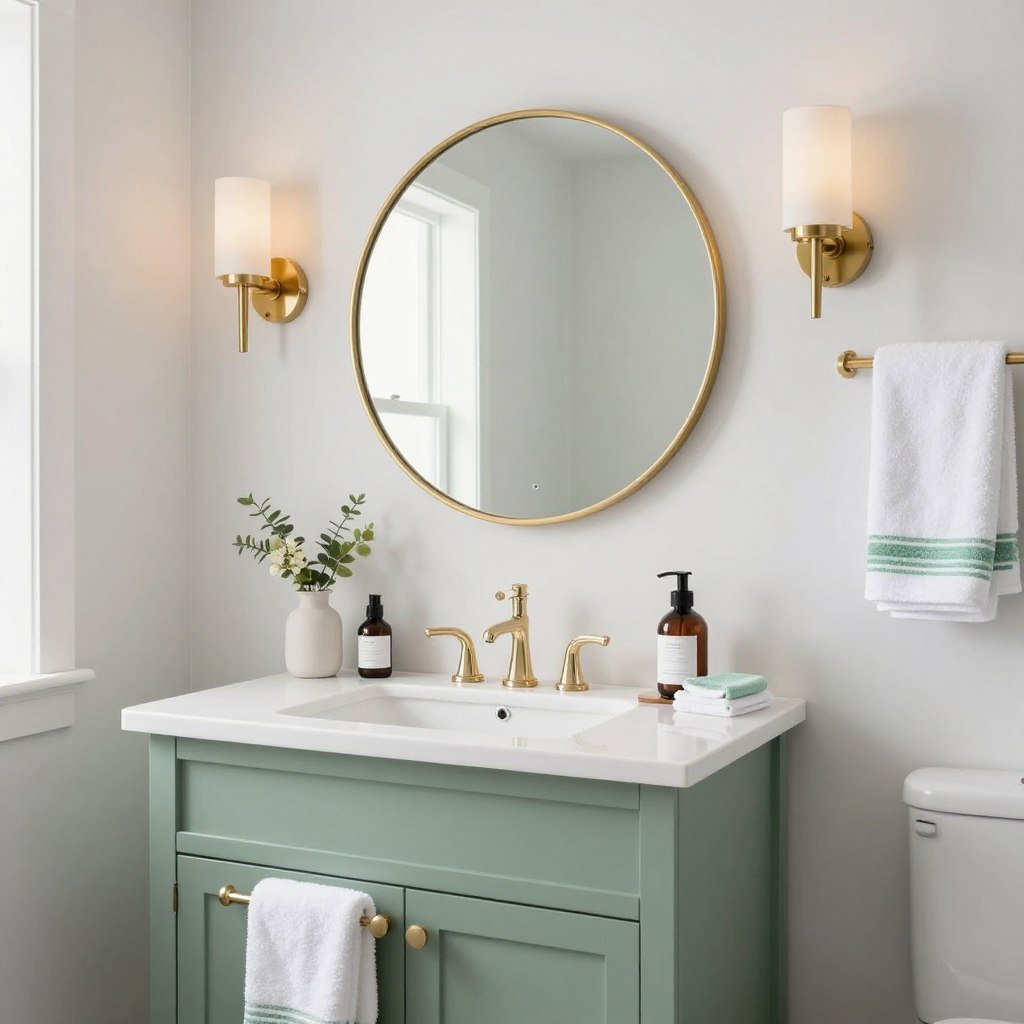
Complementary Elements
- Update your mirror to complement the vanity style
- Replace light fixtures to coordinate with new hardware
- Add new towels in colors that enhance your vanity
- Consider a new faucet that matches your hardware
- Update the shower curtain to tie the room together
Organization Solutions
- Install drawer dividers for makeup and toiletries
- Use decorative baskets for toilet paper and extra towels
- Add pull-out organizers for under-sink storage
- Hang stylish hooks for towels and robes
- Incorporate small shelves for additional storage
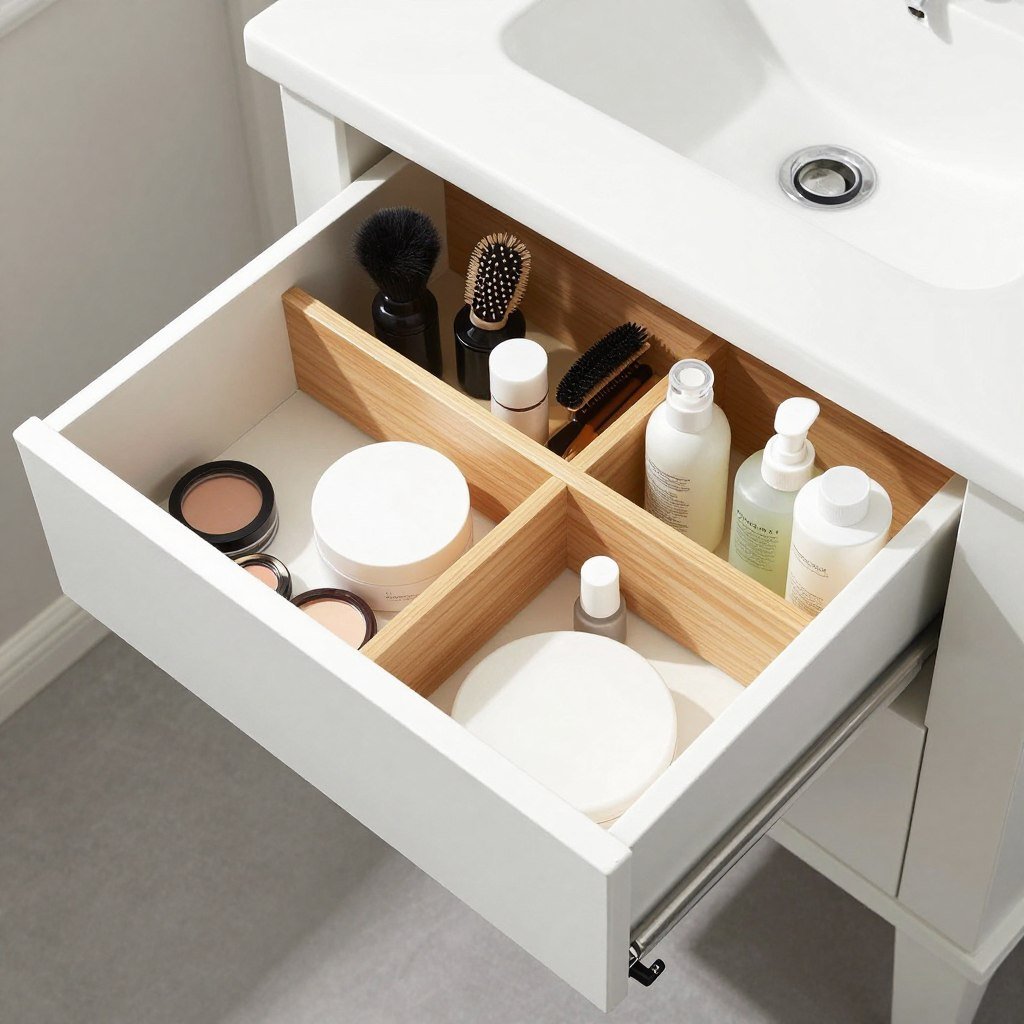
Complete Your Bathroom Transformation
Find beautiful accessories to style your newly painted bathroom vanity and create a cohesive, designer look.
Maintaining Your Painted Bathroom Vanity
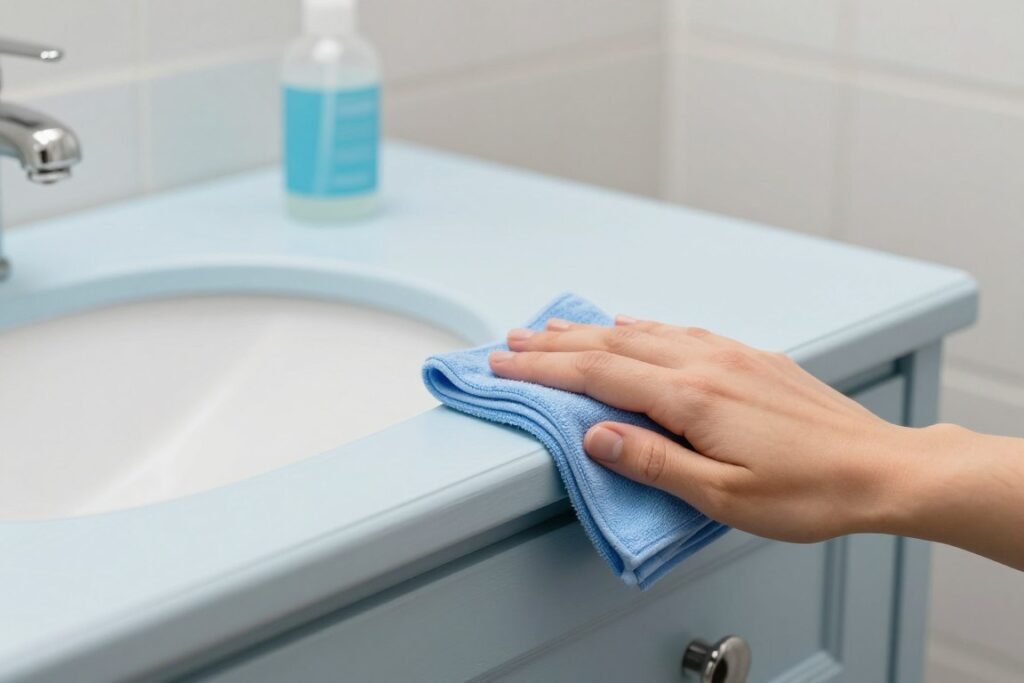
With proper care, your painted bathroom vanity can maintain its beautiful finish for many years. Here are some tips for keeping your vanity looking its best:
Daily Care
- Wipe up water splashes promptly to prevent water damage
- Clean surfaces with a soft, damp cloth
- Avoid harsh chemical cleaners that can damage the paint
- Use mild soap and water for regular cleaning
- Dry surfaces after cleaning to prevent water spots
Preventing Damage
- Use coasters under cups and bottles
- Be careful with cosmetics that can stain if spilled
- Avoid placing hot styling tools directly on the vanity
- Open windows or use fans to reduce humidity
- Consider using drawer liners to protect interior surfaces
Long-Term Maintenance
- Inspect for chips or scratches and touch up as needed
- Tighten hardware periodically as it may loosen with use
- Apply a fresh coat of clear sealer every few years if needed
- Keep a small amount of your paint for touch-ups
- Consider applying furniture wax annually for extra protection
Pro Tip: Touch-Up Kit
Create a small touch-up kit with leftover paint, a small brush, and sandpaper. Store it in a sealed container in a cool, dry place. This makes it easy to quickly repair any chips or scratches before they become more noticeable.
Painted Bathroom Vanity Inspiration Gallery
Ready to Transform Your Bathroom Vanity?
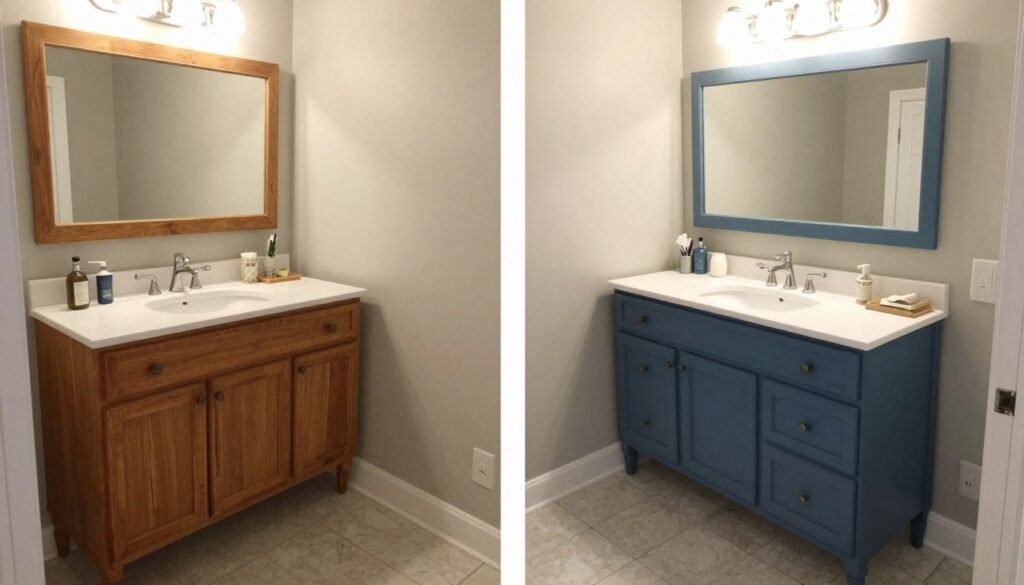
Painting your bathroom vanity is one of the most rewarding DIY projects you can tackle. With just a weekend of work and the right supplies, you can completely transform your bathroom’s appearance and create a space that feels fresh, updated, and uniquely yours. The key to success lies in proper preparation, quality materials, and attention to detail throughout the process.
Whether you choose a timeless white, a bold navy, or a soothing sage green, your newly painted bathroom vanity will become the centerpiece of your bathroom and inspire you to make other updates throughout your home. Remember to take before and after photos to share your transformation on Pinterest and inspire others to tackle this budget-friendly bathroom upgrade!
Start Your Vanity Transformation Today
Find everything you need to create a stunning painted bathroom vanity that will transform your space and add value to your home.