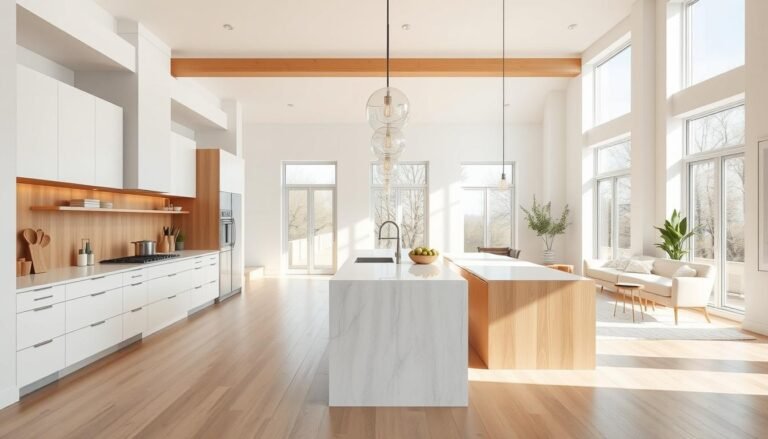
A shower remodel is more than just a home improvement project—it’s an investment in your daily comfort and your home’s value. That perfect morning shower can set the tone for your entire day, while an outdated or deteriorating shower can be a constant source of frustration. Whether you’re looking to create a spa-like retreat, maximize a small bathroom’s potential, or simply update worn fixtures, this comprehensive guide will walk you through everything you need to know about transforming your shower into the sanctuary you deserve.
This Website contains affiliate links. That means I may earn a small commission if you purchase through my links, at no extra cost to you.
From sleek walk-in designs to luxurious custom tile work, today’s shower remodeling options offer unprecedented opportunities to express your personal style while enhancing functionality. We’ll explore the latest trends, break down the remodeling process, help you navigate budget considerations, and provide expert insights to ensure your project’s success. Get ready to turn your Pinterest inspiration boards into reality!
The Benefits of a Shower Remodel
Investing in a shower remodel delivers multiple rewards that extend far beyond aesthetics. Understanding these benefits can help justify the investment and guide your design decisions.
Increased Home Value
Bathroom renovations consistently rank among the home improvements with the highest return on investment. According to industry data, a shower remodel can recoup 60-70% of its cost when you sell your home. Modern, well-designed showers are a major selling point for potential buyers who often place significant value on updated bathrooms.
Enhanced Functionality
Today’s shower designs offer remarkable improvements in functionality. Low-profile shower pans provide easier access, built-in niches create convenient storage, and modern plumbing fixtures deliver better water pressure and temperature control. These upgrades transform your daily routine from a basic necessity into a pleasurable experience.
Improved Energy Efficiency
Modern showerheads and fixtures are designed to use water more efficiently without sacrificing performance. WaterSense-labeled fixtures can reduce water consumption by 20% or more, leading to lower utility bills and environmental benefits while still providing an excellent shower experience.
Related Posts:





Personalized Comfort
A custom shower remodel allows you to tailor the space to your specific preferences. From multiple showerheads and body sprays to built-in benches and steam features, you can create a shower experience that perfectly suits your needs and desires.
Ready to Start Planning Your Shower Remodel?
Browse high-quality shower fixtures that combine style and functionality for your perfect bathroom upgrade.
Popular Shower Remodel Styles and Design Trends
The shower has evolved from a purely functional space to a design focal point in modern bathrooms. Here are the most popular styles and trends that are dominating shower remodels in 2023:

Walk-In Showers
Walk-in showers continue to dominate bathroom design, offering a sleek, modern aesthetic while maximizing visual space. These curbless or low-threshold designs eliminate the traditional shower barrier, creating a seamless transition from the bathroom floor into the shower area. This style is particularly popular for its accessibility benefits and clean, contemporary look.
Frameless Glass Enclosures
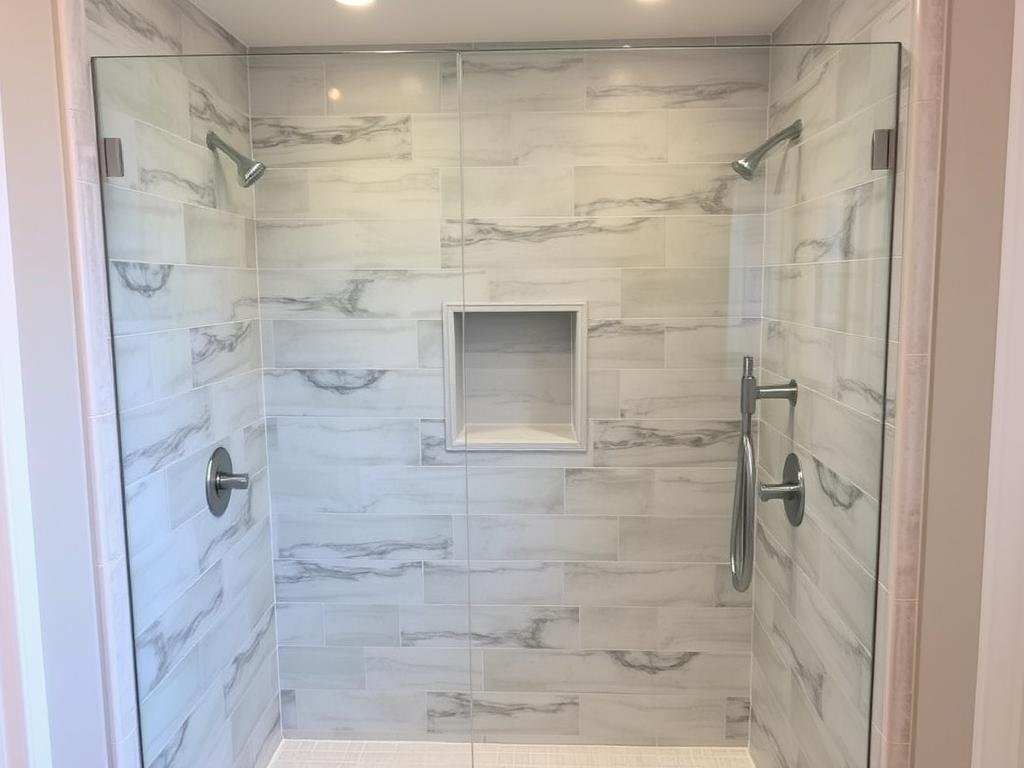
Frameless glass shower doors have become the standard for upscale shower remodels. These minimalist enclosures showcase beautiful tile work while allowing light to flow throughout the bathroom. The absence of metal framing creates a cleaner look and makes cleaning easier by eliminating crevices where mold and mildew can develop.
Statement Tile Patterns
Tile is no longer just a practical shower surface—it’s become a major design element. Large-format tiles reduce grout lines for a cleaner look, while geometric patterns and three-dimensional tiles add visual interest. Popular patterns include herringbone, chevron, and vertical stacking, which can make your shower feel taller and more spacious.
Built-In Storage Solutions
Recessed shower niches have replaced hanging caddies as the preferred storage solution. These built-in shelves keep shower essentials organized without disrupting the clean lines of your shower design. Many homeowners are opting for multiple niches or oversized designs that accommodate all their products while serving as a design feature.
Industrial Chic
Industrial elements like matte black fixtures, exposed piping, and grid-pattern shower doors are bringing an edgy, urban feel to shower designs. This look pairs particularly well with concrete-look tiles and wood accents for a balanced aesthetic that feels both modern and warm.
Spa-Inspired Retreats
Many homeowners are seeking to recreate the luxury spa experience at home. Features like rainfall showerheads, multiple body sprays, built-in benches, and steam shower capabilities transform an ordinary shower into a personal wellness retreat. Natural materials and neutral color palettes enhance the calming atmosphere.
Create Your Dream Shower Enclosure
Find the perfect glass shower enclosure to showcase your beautiful new shower design.
The Shower Remodel Process: Step by Step
Understanding the shower remodeling process helps you plan effectively and avoid unexpected surprises. Here’s a comprehensive breakdown of what to expect from start to finish:
1. Planning and Design
The foundation of a successful shower remodel begins with thorough planning. Start by defining your goals, needs, and budget. Collect inspiration from design websites, social media, and showrooms. Consider how your shower will be used and by whom—this affects decisions about size, accessibility, and features. Create a detailed plan that includes layout, materials, fixtures, and special features.
2. Budgeting
Establish a realistic budget for your shower remodel, typically ranging from $2,000 to $15,000 depending on size, materials, and complexity. Allow for a 10-15% contingency fund to cover unexpected issues. Research material costs and get multiple contractor quotes to ensure your budget aligns with your vision.
3. Hiring Professionals
Unless you’re highly skilled in plumbing, electrical work, and tile installation, hiring professionals is recommended. Look for contractors with specific bathroom remodeling experience and positive reviews. Request detailed quotes from at least three contractors, and check references, licenses, and insurance before making your decision.
4. Permits and Approvals
Depending on your location and the scope of work, you may need building permits for your shower remodel. Your contractor should handle this process, but it’s important to verify that all necessary permits are obtained before work begins to avoid potential fines or complications later.
5. Demolition
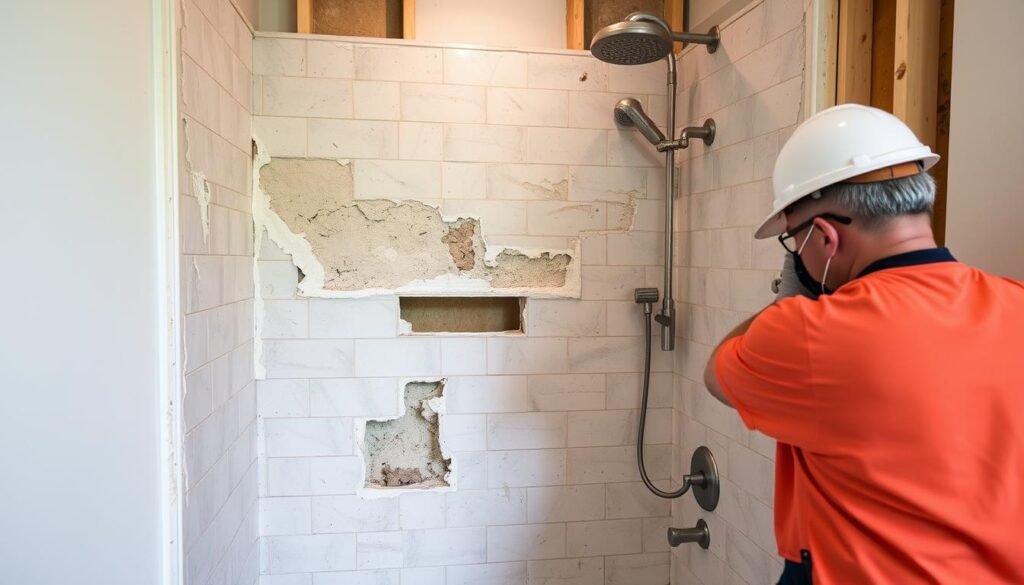
The transformation begins with removing the existing shower components. This includes tearing out old tile, removing fixtures, and possibly opening walls to access plumbing. Proper demolition includes protecting the rest of your bathroom from dust and debris and safely disposing of materials.
6. Rough-In Work
Once demolition is complete, the “behind the walls” work begins. This includes updating or relocating plumbing lines, installing new electrical wiring for features like lighting or steam systems, and addressing any structural issues uncovered during demolition. This phase also includes installing the shower pan or creating a sloped mortar bed for proper drainage.
7. Waterproofing
Proper waterproofing is critical to prevent leaks and water damage. Modern waterproofing systems include membranes, liquid waterproofing products, or prefabricated waterproof shower panels. This step should never be rushed or skipped, as water damage can lead to expensive repairs down the road.
8. Tile Installation
If you’re using tile, installation begins after waterproofing is complete. This process includes laying floor tile with proper slope toward the drain, installing wall tile, and creating any special features like niches or benches. Grouting follows tile installation, with curing time required before sealing.
Find the Perfect Shower Tile
Explore a wide selection of shower tiles to create your dream bathroom aesthetic.
9. Fixture Installation
With the shower surface complete, fixtures including showerheads, controls, drains, and accessories are installed. This is when your shower begins to take its final form, as the functional elements come together with the aesthetic components.
10. Glass Installation
If your design includes glass doors or panels, these are typically installed after all other elements are complete. Glass is custom-measured after tile installation to ensure a perfect fit, which means there may be a waiting period between tile completion and glass installation.
11. Final Touches
The final phase includes caulking seams, installing accessories like towel bars or hooks, and making any necessary adjustments to ensure everything functions properly. A thorough cleaning prepares your new shower for its first use.
Budget Considerations for Your Shower Remodel
Understanding the cost factors involved in a shower remodel helps you allocate your budget effectively and make informed decisions about where to splurge and where to save.
Typical Cost Ranges
The average shower remodel costs between $2,000 and $9,000, with luxury projects potentially reaching $15,000 or more. This wide range reflects the many variables involved, from simple fixture updates to complete custom rebuilds with high-end materials and features.
| Project Scope | Average Cost Range | What’s Included |
| Basic Refresh | $200 – $2,000 | New fixtures, reglazing surfaces, minor repairs |
| Standard Remodel | $2,000 – $9,000 | New tile, fixtures, glass door, possible pan replacement |
| Premium Renovation | $9,000 – $15,000+ | Custom design, high-end materials, multiple fixtures, custom glass |
Major Cost Factors
Materials
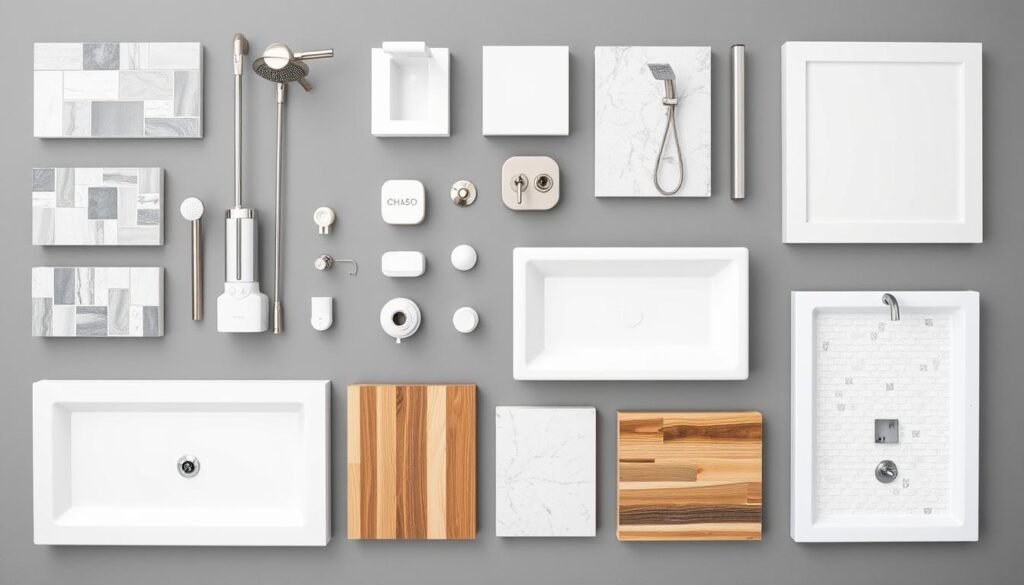
Material choices significantly impact your budget. Standard ceramic tile starts around $0.50 per square foot, while premium natural stone can cost $50+ per square foot. Similarly, basic chrome fixtures might cost $50-100, while designer finishes like brushed gold or matte black can run $500+.
Labor
Labor typically accounts for 40-60% of your total budget. Specialized work like custom tile installation, plumbing modifications, or glass fitting requires skilled professionals who command higher rates. Labor costs vary by location, with urban areas generally having higher rates than rural regions.
Plumbing Changes
Keeping your drain and supply lines in their existing locations can save $1,000-$3,000 compared to relocating them. Moving plumbing requires opening walls and floors, extending pipes, and potentially upgrading your home’s plumbing system to meet current codes.
Shower Size
Larger showers require more materials and labor time. Expanding your shower’s footprint may also necessitate moving walls, plumbing, or electrical elements, further increasing costs. Standard-sized prefabricated units are significantly less expensive than custom oversized showers.
Cost-Saving Strategies
Smart Ways to Save
- Keep the same shower footprint and drain location
- Choose standard-sized materials to reduce waste
- Mix high-end and budget materials (splurge on visible elements)
- Consider prefabricated shower panels instead of custom tile
- Handle simple demolition yourself if you’re DIY-inclined
- Shop for fixtures during seasonal sales
Where Not to Cut Corners
- Waterproofing (water damage is extremely costly)
- Professional installation for plumbing and electrical
- Quality glass doors (cheap options leak and look poor)
- Shower valve quality (affects comfort and longevity)
- Proper permits (avoiding them can lead to fines)
- Ventilation (prevents mold and extends shower life)
Create Custom Storage for Your Shower
Explore shower niches and storage solutions to keep your new shower organized and clutter-free.
DIY vs. Professional Installation: Making the Right Choice
Deciding whether to tackle your shower remodel yourself or hire professionals is a crucial decision that affects your project’s timeline, budget, and results.
When DIY Makes Sense
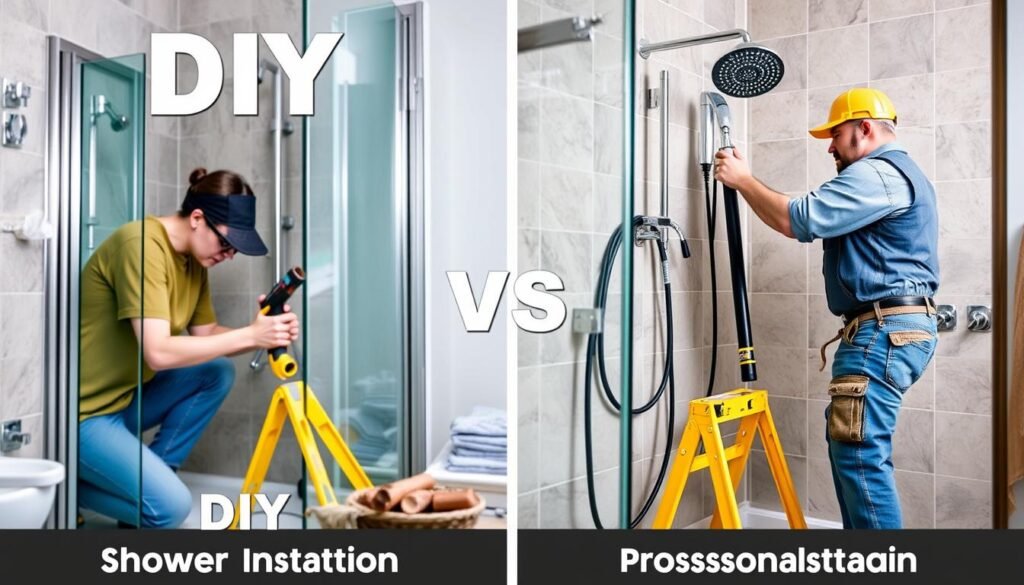
Taking the DIY approach can be appropriate in certain scenarios. If you’re simply replacing fixtures, reglazing surfaces, or making cosmetic updates to an existing shower, you may have the skills needed. DIY can save on labor costs, which typically account for 40-60% of a shower remodel budget. It also gives you complete control over the project timeline and execution.
When to Hire Professionals
Professional installation is strongly recommended for most shower remodels, especially those involving plumbing changes, waterproofing, or custom tile work. Professionals bring specialized knowledge of building codes, proper waterproofing techniques, and installation best practices that prevent costly problems down the road. They also have the tools and experience to complete the job efficiently and with a higher-quality finish.
| Project Component | DIY Difficulty | Professional Advantage | Recommendation |
| Demolition | Moderate | Proper disposal, avoiding damage to plumbing | DIY possible with research |
| Plumbing | High | Code compliance, leak prevention | Professional recommended |
| Waterproofing | High | Proper technique prevents costly water damage | Professional strongly recommended |
| Tile Installation | Moderate to High | Precision cutting, proper layout, even spacing | Professional for complex patterns |
| Fixture Installation | Low to Moderate | Proper sealing, alignment, functionality | DIY possible for simple swaps |
| Glass Installation | Very High | Custom fitting, safety, proper sealing | Professional only |
Hybrid Approach
Many homeowners opt for a hybrid approach, handling simpler tasks themselves while hiring professionals for specialized work. For example, you might handle demolition and painting but leave plumbing, waterproofing, and tile installation to the experts. This approach can balance cost savings with quality results.
Pro Tip: Even if you’re handling some aspects of the remodel yourself, consider hiring a professional for a consultation to review your plans. Their expertise can help you avoid common mistakes and ensure your project meets building codes.
Get Professional-Grade Tools for Your Project
Find the right tools and materials for your DIY shower remodel components.
Maintaining Your Newly Remodeled Shower
A well-maintained shower not only looks better but also lasts longer. Proper care preserves the beauty and functionality of your investment for years to come.
Daily Maintenance
Simple daily habits can dramatically reduce the need for deep cleaning and prevent damage to your shower surfaces:
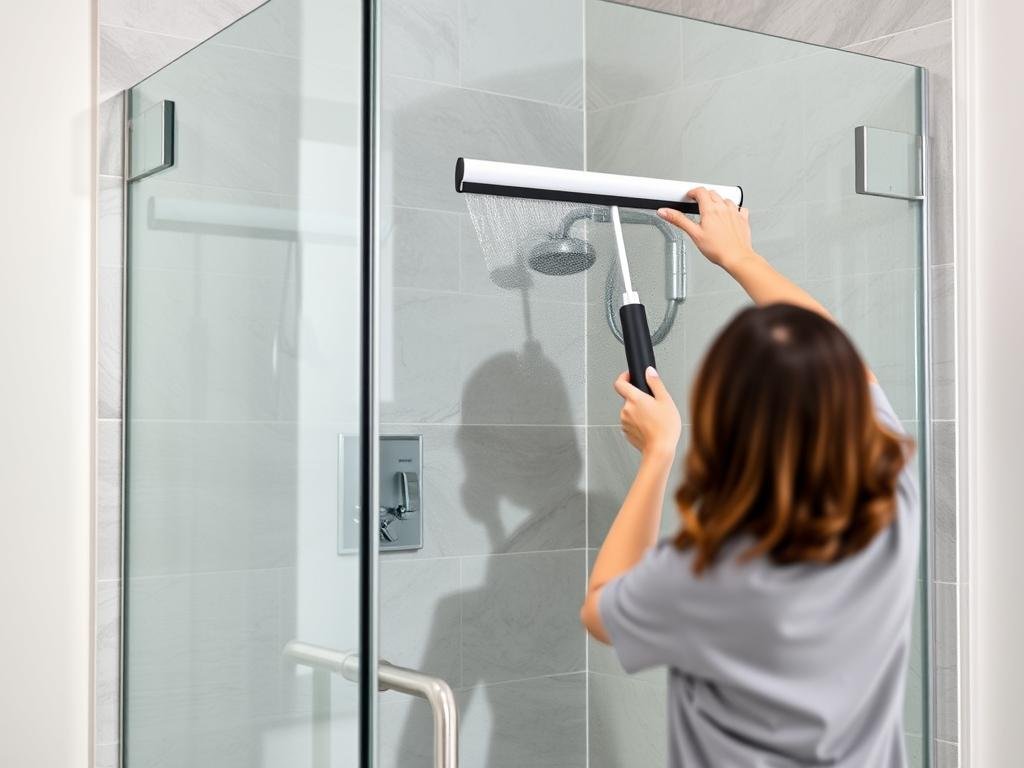
- Squeegee glass doors after each use to prevent water spots and mineral buildup
- Leave the shower door ajar to improve air circulation and reduce moisture
- Run the bathroom fan during and for 20-30 minutes after showering
- Spray surfaces with a daily shower cleaner to prevent soap scum accumulation
Weekly Cleaning
Regular weekly cleaning prevents the buildup of soap scum, hard water deposits, and mildew:
- Clean glass with a vinegar-water solution or commercial glass cleaner
- Wipe down fixtures with a microfiber cloth to prevent water spots
- Clean tile and grout with a pH-neutral cleaner designed for your specific materials
- Check and clean the drain to prevent clogs
Monthly Maintenance
More thorough monthly maintenance helps address issues before they become problems:
- Inspect and replace the shower door sweep if it shows signs of wear
- Check caulking around fixtures and edges for gaps or mold
- Deep clean grout with an appropriate cleaner and soft brush
- Clean showerheads by soaking in vinegar to remove mineral deposits
Annual Care
Yearly maintenance tasks protect your shower’s longevity:
- Reseal grout lines to prevent water penetration (typically needed every 1-2 years)
- Inspect and replace caulking as needed
- Check for loose tiles or signs of water damage behind fixtures
- Service any mechanical components like steam generators or body sprays
Material-Specific Care: Different shower materials require specific care approaches. Natural stone needs special cleaners and periodic resealing. Glass doors benefit from protective treatments that repel water. Consult your installer or manufacturer guidelines for the specific maintenance requirements of your shower materials.
Keep Your Shower Looking New
Find the best cleaning and maintenance products to protect your shower investment.
Final Thoughts: Creating Your Perfect Shower
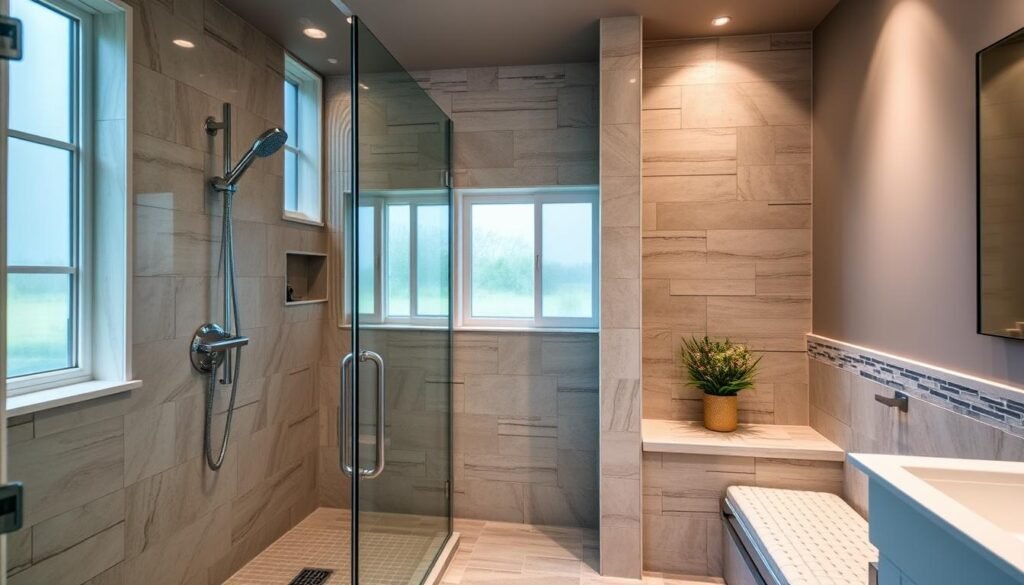
A shower remodel represents one of the most impactful home improvement projects you can undertake. Beyond the immediate pleasure of a beautiful, functional shower, this investment enhances your daily routine and adds significant value to your home.
As you embark on your shower transformation journey, remember that thoughtful planning is the foundation of success. Take time to research options, establish a realistic budget, and select materials and features that align with both your aesthetic preferences and practical needs. Whether you choose to work with professionals or tackle some aspects yourself, prioritize quality workmanship and proper waterproofing to ensure your new shower stands the test of time.
The perfect shower remodel balances form and function—creating a space that not only looks stunning in photos but also enhances your daily experience. From the invigorating spray of a quality showerhead to the visual impact of beautiful tile work, each element contributes to the overall success of your project.
With the insights and guidance provided in this article, you’re well-equipped to transform your outdated shower into the Pinterest-worthy retreat you’ve been dreaming of. Happy remodeling!
Start Your Shower Transformation Today
Explore all the essential products you need for your perfect shower remodel project.