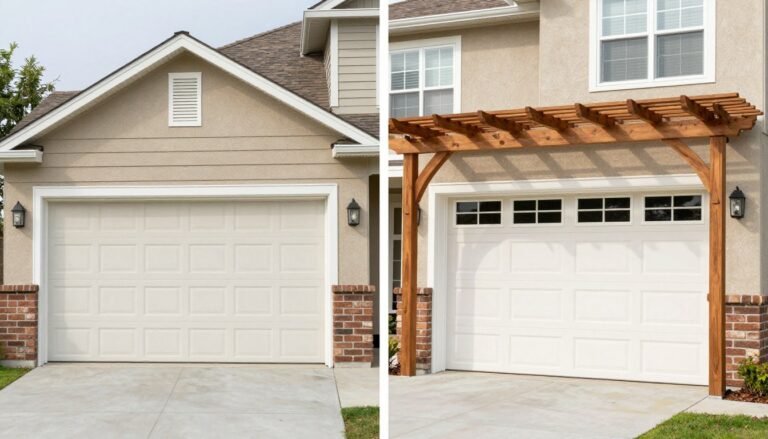
A beautiful, durable epoxy garage floor can completely transform your space from a dirty, stained concrete slab into a showroom-worthy surface that’s built to last. Whether you’re looking to create a clean workspace, increase your home’s value, or simply upgrade the most neglected room in your house, an epoxy garage floor offers the perfect blend of functionality and style. This comprehensive guide will walk you through everything you need to know about selecting, preparing for, and installing an epoxy garage floor that will stand the test of time.
This Website contains affiliate links. That means I may earn a small commission if you purchase through my links, at no extra cost to you.
The Benefits of an Epoxy Garage Floor
Epoxy flooring has become increasingly popular for garage spaces, and for good reason. This high-performance coating offers numerous advantages over bare concrete or simple paint. Understanding these benefits will help you decide if an epoxy garage floor is the right choice for your home.
Exceptional Durability
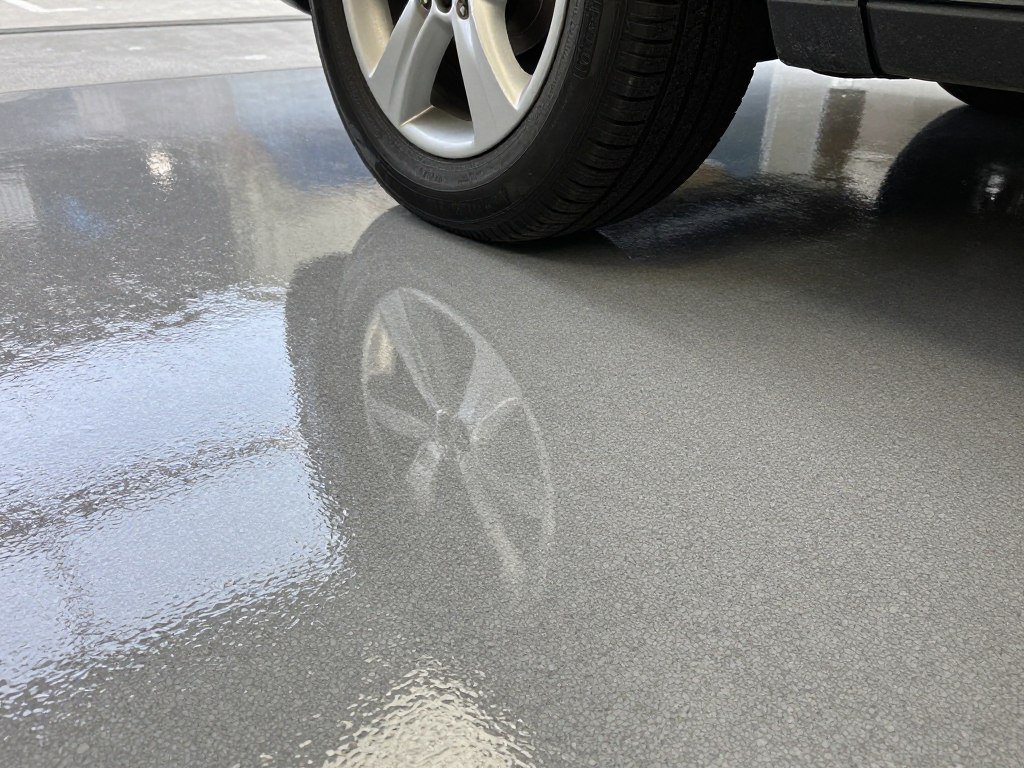
Unlike paint that sits on the surface, epoxy forms a chemical bond with concrete, creating a coating that’s 10 times stronger than standard concrete. This means your epoxy garage floor can withstand heavy vehicles, tool drops, and daily wear without chipping or cracking. For maximum durability, consider a 100% solids epoxy system that offers the thickest build and longest lifespan.
Chemical Resistance
Garages often see spills of automotive fluids, road salt, and household chemicals. An epoxy garage floor creates a non-porous barrier that prevents these substances from penetrating and staining the concrete. Oil, gasoline, antifreeze, and other chemicals can be easily wiped away without leaving permanent marks, keeping your garage looking pristine for years to come.
Related Posts:






Easy Maintenance
The seamless, non-porous surface of an epoxy garage floor makes cleaning a breeze. Dust and debris can be quickly swept away, while spills can be wiped up without leaving stains. For regular cleaning, all you need is a microfiber mop and mild soap solution to keep your floor looking showroom-new.
Aesthetic Transformation
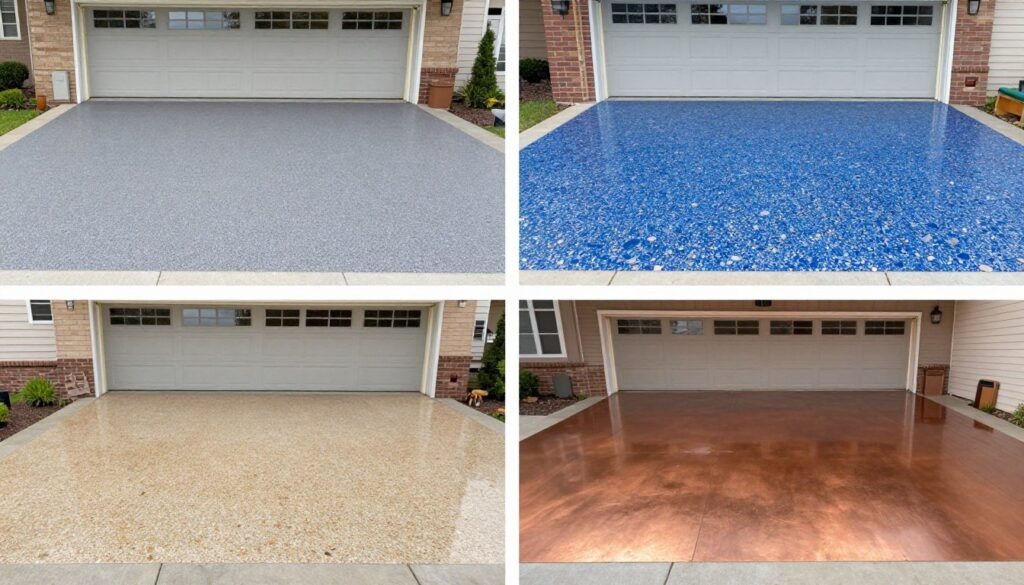
Epoxy coatings come in countless colors and finishes, allowing you to create a custom look that complements your home. From solid colors to metallic finishes and decorative flake systems, you can achieve a professional appearance that elevates your garage from a utilitarian space to a true extension of your home.
Increased Home Value
A professionally finished epoxy garage floor is an attractive selling point for potential homebuyers. The clean, polished appearance signals that the home has been well-maintained and can help your property stand out in a competitive market. Many real estate professionals consider it one of the most cost-effective garage improvements for increasing home value.
Enhanced Safety
Many epoxy systems include anti-slip additives that provide better traction than bare concrete, especially when wet. The high-gloss finish also reflects light, brightening your garage and making it easier to see potential hazards. For additional slip resistance, consider adding anti-slip additives to your topcoat.
Types of Epoxy Floor Coatings
Not all epoxy garage floor coatings are created equal. Understanding the different types available will help you select the right system for your specific needs, budget, and skill level.

100% Solids Epoxy
The premium choice for garage floors, 100% solids epoxy contains no solvents or water that evaporate during curing. This means the thickness applied is the thickness that remains, resulting in the most durable and long-lasting finish possible. These systems typically require more skill to apply due to their quick curing time and thicker consistency.
Advantages
- Maximum durability (10-15+ years)
- Superior chemical and impact resistance
- Thickest build (10-20 mils per coat)
- Best hot tire pickup resistance
- One-time application for long-term results
Considerations
- Higher cost than other options
- Shorter working time (15-20 minutes)
- More challenging for DIY beginners
- Requires thorough surface preparation
- Strong odor during application
Water-Based Epoxy
A more DIY-friendly option, water-based epoxy systems are easier to work with and have less odor during application. While not as durable as 100% solids epoxy, they still offer significant improvements over bare concrete or paint and are an excellent entry point for homeowners new to epoxy application.
Advantages
- More forgiving application for beginners
- Lower odor during installation
- Longer working time (1-2 hours)
- More affordable entry point
- Easier cleanup with water
Considerations
- Less durable (3-5 years typical lifespan)
- Thinner build (3-5 mils per coat)
- May require more frequent reapplication
- Less chemical and impact resistance
- More susceptible to hot tire pickup
Epoxy with Decorative Flakes/Chips
Perhaps the most popular option for residential garages, flake systems combine the durability of epoxy with decorative vinyl chips that add visual interest and texture. These systems typically include a clear topcoat that enhances durability and provides a uniform finish over the flakes.
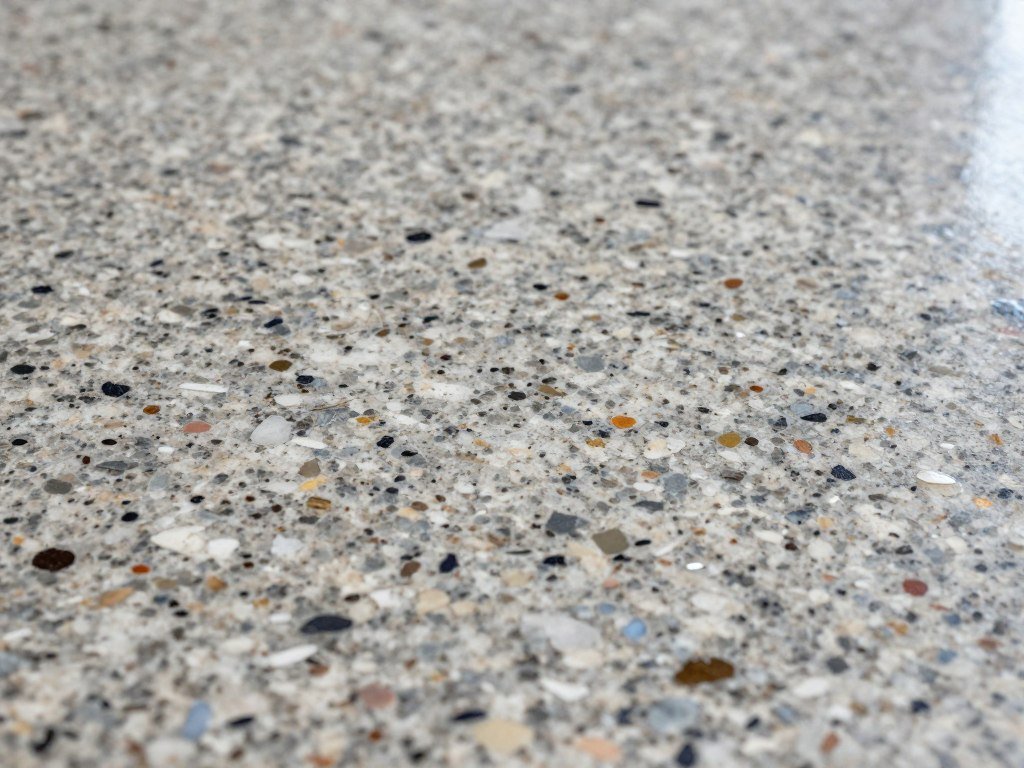
The amount of flake coverage can vary from a light broadcast (10-25%) to a full broadcast (100%), with each offering a different aesthetic. For a balanced look that hides dirt while maintaining visual interest, consider a medium broadcast (50-75%) using decorative epoxy flakes in complementary colors.
Crucial Preparation: The Key to Success
The single most important factor in a successful epoxy garage floor installation is proper surface preparation. Even the highest quality epoxy will fail if applied to a poorly prepared surface. This step cannot be rushed or overlooked.
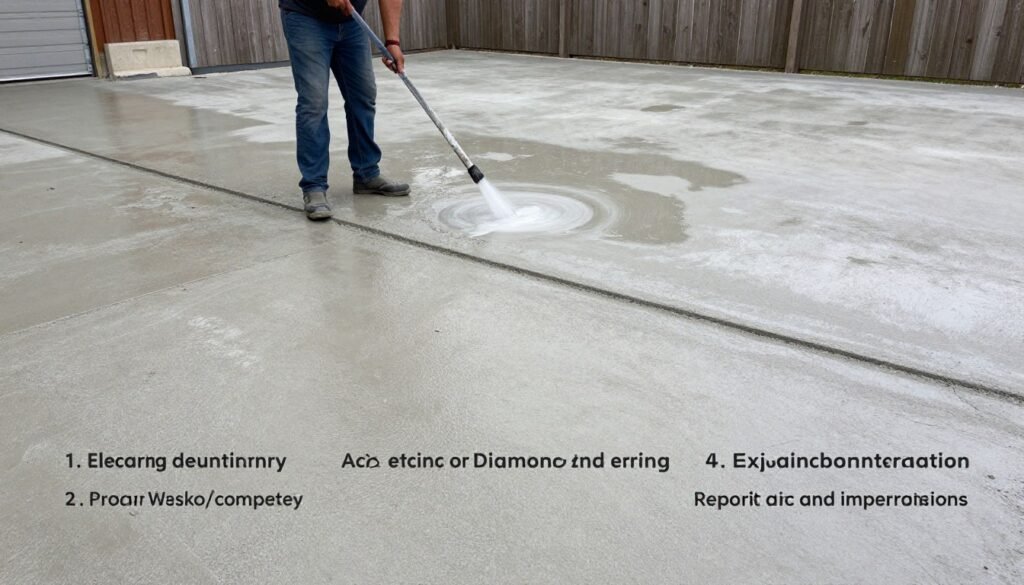
Clear the Space Completely
Remove everything from your garage, including stored items, workbenches, and vehicles. This gives you complete access to the entire floor and prevents dust and debris from contaminating your new epoxy coating. Use this opportunity to declutter and organize your garage contents before reinstalling them on your new floor.
Thoroughly Clean the Concrete
Begin by sweeping away all loose debris, then address any oil or grease stains with a specialized concrete degreaser. For stubborn stains, you may need multiple applications. After degreasing, clean the entire floor with a general-purpose concrete cleaner and rinse thoroughly.
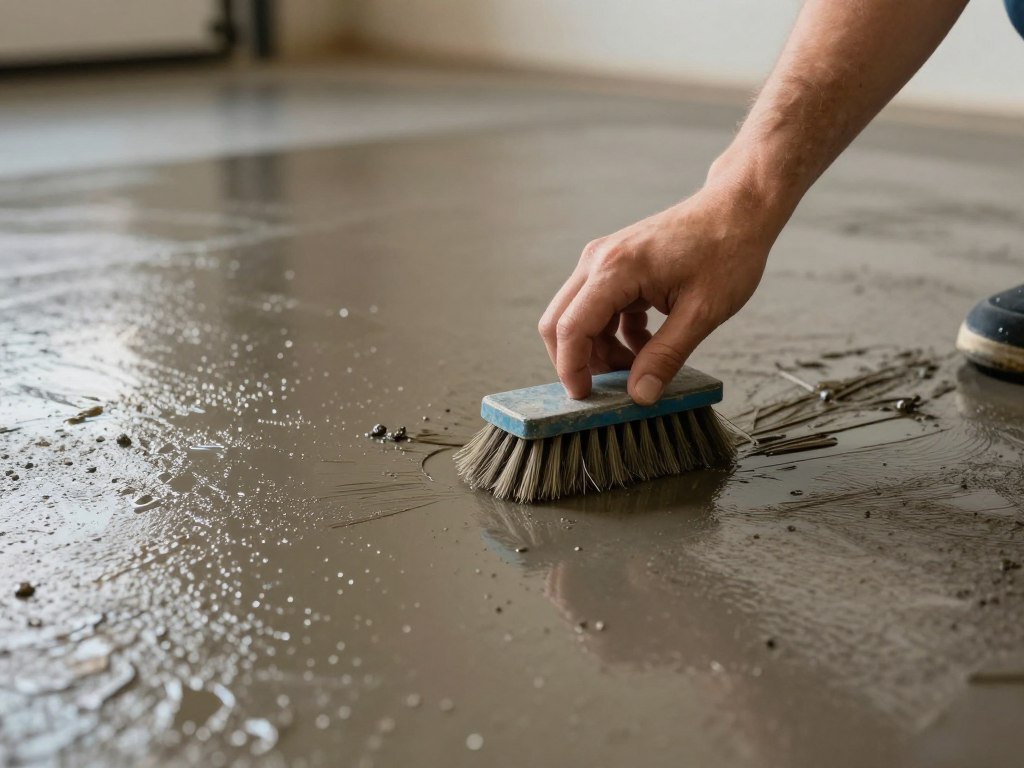
Profile the Surface: Etching or Grinding
Concrete must have a porous profile (similar to fine sandpaper) for epoxy to properly bond. This can be achieved through either chemical etching or mechanical grinding:
Acid Etching
More accessible for DIYers, acid etching uses a chemical solution (typically muriatic acid or specialized concrete etcher) to open the pores of the concrete. When working with acid, always wear appropriate safety gear including eye protection, chemical-resistant gloves, and respiratory protection. Apply the solution according to manufacturer instructions, scrub with a stiff brush, and rinse thoroughly.
Diamond Grinding
The professional’s choice, diamond grinding physically removes the top layer of concrete to create the ideal profile for epoxy adhesion. This method is more effective than acid etching, especially for hard-troweled or previously sealed concrete. You can rent a concrete floor grinder from most equipment rental stores, or hire professionals for this step.
Repair Cracks and Imperfections
Address any cracks, spalling, or pitting in the concrete before applying epoxy. Small cracks can be filled with epoxy crack filler, while larger damage may require concrete patching compounds. Allow all repairs to cure completely according to manufacturer instructions before proceeding with the epoxy application.
Ensure Complete Dryness
After cleaning and profiling, the concrete must be completely dry before epoxy application. Allow at least 24-48 hours of drying time, longer in humid conditions. To test for moisture, tape a 2×2 foot piece of clear plastic to the floor and check after 24 hours – if condensation forms underneath, the concrete is still too wet for epoxy application.
Pro Tip: For new concrete, wait at least 30 days after pouring before applying epoxy to allow the concrete to fully cure and release excess moisture. For basements or slabs with potential moisture issues, consider using a moisture barrier primer to prevent future adhesion problems.
The Application Process, Step-by-Step
With proper preparation complete, you’re ready to transform your garage floor with epoxy. Following these steps carefully will help ensure professional-quality results that will last for years to come.
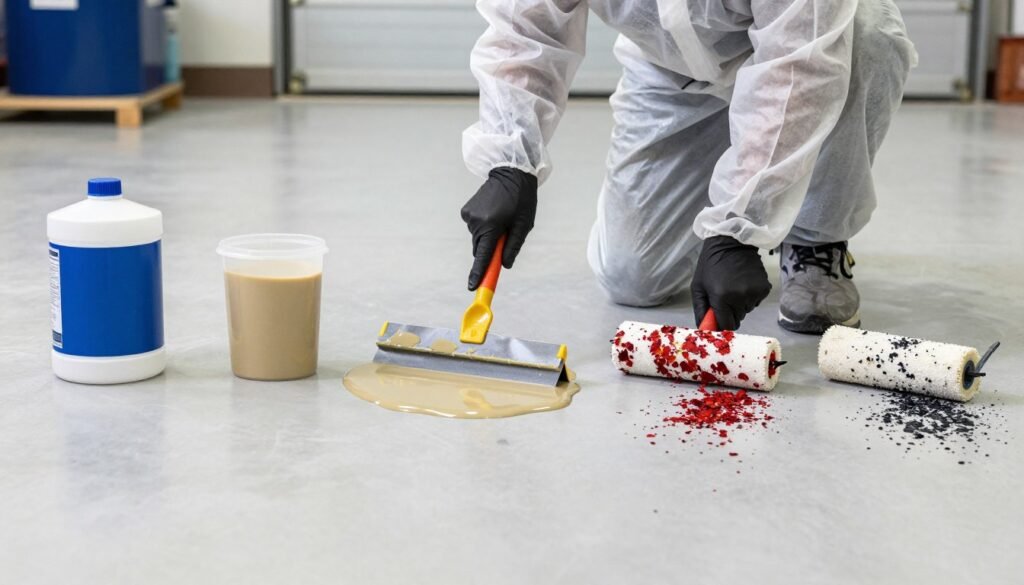
Gather Your Materials and Tools
Before mixing any epoxy, ensure you have all necessary tools and materials ready:
- Epoxy base and hardener
- Primer (if recommended by manufacturer)
- Clear topcoat
- Decorative flakes (if desired)
- Mixing bucket and drill mixer
- Epoxy floor squeegee
- Extension pole, roller frame, and roller covers (3/8″ nap for smooth surfaces)
- Spiked shoes for walking on wet epoxy
- Painter’s tape for edges
- Disposable gloves and protective eyewear
Apply Primer (If Needed)
Some epoxy systems require a primer coat, especially for porous concrete or when using lighter colors. If your system includes a primer, apply it according to manufacturer instructions and allow it to cure to the specified tacky stage before applying the base coat.
Mix the Epoxy
Epoxy is typically sold as a two-component system: a resin (Part A) and a hardener (Part B). Mixing must be precise and thorough:
- Ensure the temperature of both components and the garage is within the manufacturer’s recommended range (typically 50-90°F).
- Mix only what you can apply within the working time (15-20 minutes for 100% solids, longer for water-based).
- Combine the components in the exact ratio specified by the manufacturer.
- Mix thoroughly for 2-3 minutes using a mixing paddle attached to a drill at low speed.
- Scrape the sides and bottom of the bucket to ensure complete mixing.
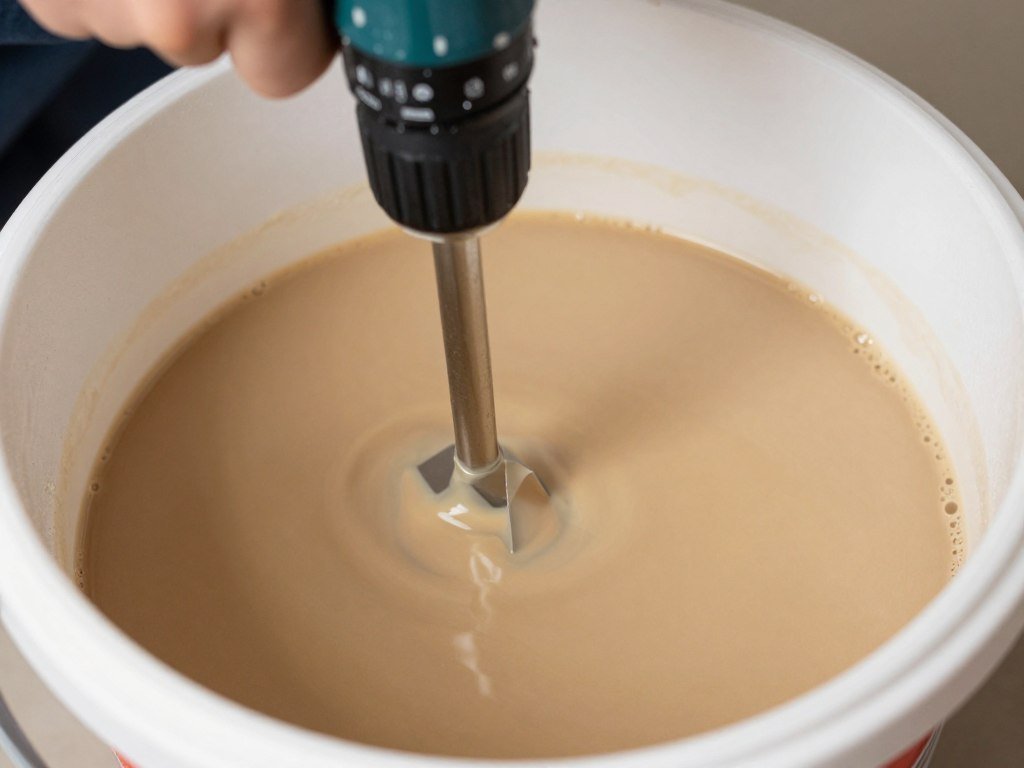
Important: Improper mixing is a common cause of epoxy failure. Undermixed epoxy may never fully cure, while overmixing can introduce air bubbles and reduce working time. Follow the manufacturer’s instructions precisely.
Apply the Base Coat
Once mixed, work quickly but methodically to apply the epoxy:
- Pour the mixed epoxy onto the floor in a ribbon pattern.
- Use a notched squeegee to spread the epoxy evenly across the surface.
- Immediately back-roll with a roller to ensure even coverage and eliminate squeegee marks.
- Work in sections of approximately 5×5 feet, maintaining a “wet edge” between sections.
- Use a small brush for edges and corners that can’t be reached with the roller.
Add Decorative Flakes (Optional)
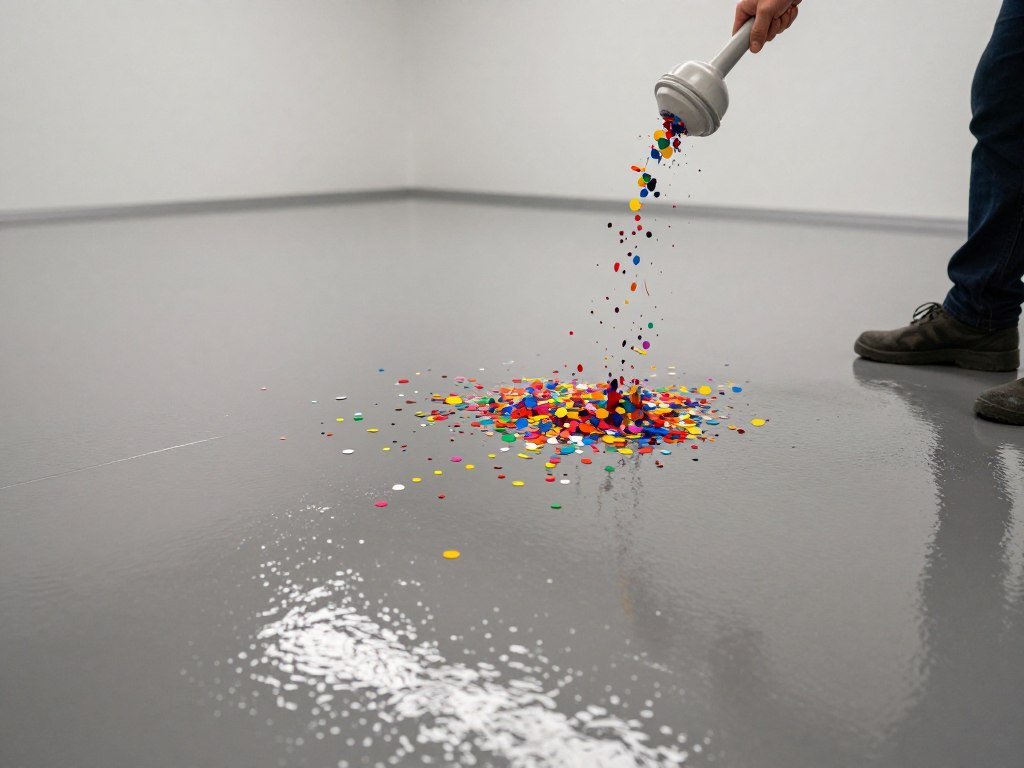
If using decorative flakes, broadcast them while the base coat is still wet:
- Wait until the epoxy is tacky but still wet (typically 10-15 minutes after application).
- Toss the flakes upward to allow them to float down onto the surface for even distribution.
- For a medium broadcast, use approximately 1/2 pound of flakes per 100 square feet.
- For a full broadcast, continue adding flakes until the surface appears completely covered (rejection point).
Apply the Topcoat
After the base coat has cured (typically 12-24 hours), apply a clear topcoat for maximum durability:
- If you’ve used a full broadcast of flakes, lightly scrape the surface with a floor scraper to remove loose flakes.
- Vacuum thoroughly to remove all loose flakes and dust.
- Mix the topcoat components according to manufacturer instructions.
- Apply using a roller with a 3/8″ nap cover in thin, even coats.
- For additional slip resistance, consider adding anti-slip additives to the final topcoat.
Pro Tip: For maximum durability in high-traffic garages, consider a polyurethane or polyaspartic topcoat instead of standard epoxy clear coat. These provide superior UV resistance, chemical protection, and abrasion resistance, especially important for hot tire areas.
Curing, Care, and Maintenance
Proper curing and maintenance are essential to maximize the lifespan of your epoxy garage floor. Following these guidelines will help ensure your floor remains beautiful and functional for years to come.
Curing Times
Patience is crucial during the curing process. While epoxy may feel dry to the touch relatively quickly, full curing takes time:
| Activity | Wait Time (Typical) | Notes |
| Foot Traffic | 24 hours | Light walking only, no shoes that could scratch |
| Replacing Items | 48-72 hours | Use felt pads under heavy furniture |
| Vehicle Traffic | 5-7 days | Longer in cool or humid conditions |
| Full Chemical Resistance | 7-14 days | Avoid chemical exposure during this period |
| Complete Cure | 28-30 days | Maximum hardness and durability achieved |
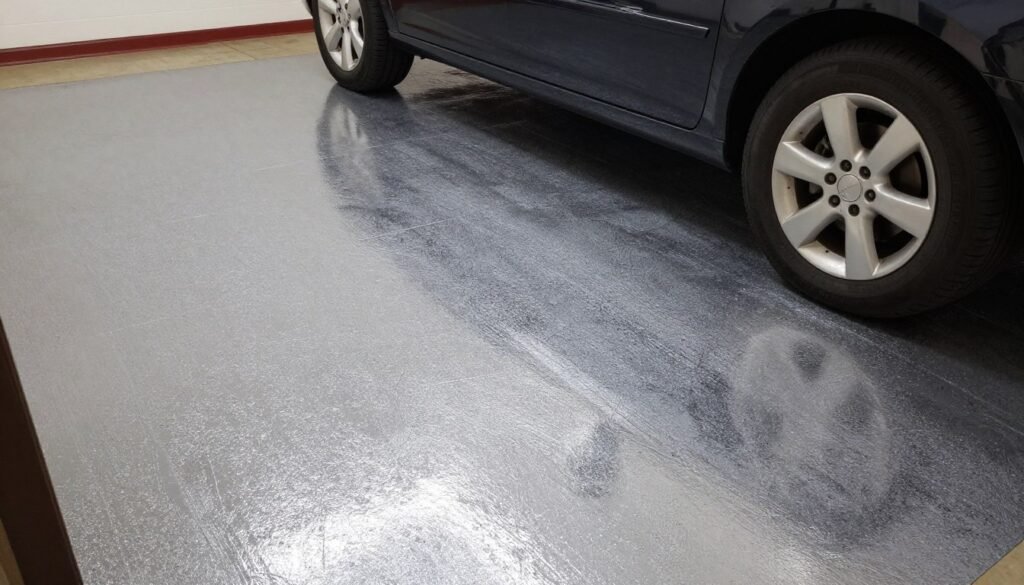
Important: Premature vehicle parking is one of the most common causes of epoxy damage. Hot tires can lift uncured epoxy, creating permanent marks. Always wait the full recommended time before parking vehicles on your new floor.
Routine Maintenance
One of the major benefits of epoxy flooring is its easy maintenance. Follow these simple practices to keep your floor looking its best:
- Regular Sweeping: Use a soft-bristle broom or dust mop to remove dirt and debris that could scratch the surface.
- Occasional Mopping: Clean with warm water and a mild detergent (avoid acidic or abrasive cleaners). A microfiber mop works best.
- Spill Response: Wipe up spills promptly, especially automotive fluids and harsh chemicals.
- Avoid Dragging: Lift heavy objects rather than dragging them across the floor to prevent scratches.
- Use Floor Mats: Place mats under vehicles during winter months to catch road salt and slush.
Long-Term Care
With proper installation and maintenance, your epoxy garage floor should last 10-15+ years before needing significant attention. However, you may want to consider these long-term care options:
- Topcoat Refresh: Every 5-7 years, consider applying a new clear topcoat to restore gloss and protection.
- Scratch Repair: Minor scratches can often be polished out with specialized epoxy polish.
- Protection: Use furniture pads under workbenches and storage units to prevent damage.
Design Inspiration & Finishing Touches
Your epoxy garage floor is more than just a functional surface—it’s an opportunity to express your style and create a space that reflects your personality. Consider these design options to take your garage floor from merely functional to truly exceptional.
Color Selection Strategies
The base color of your epoxy sets the foundation for your garage’s appearance:
- Light Colors: Create a bright, open feeling and show off vehicles and tools. However, they may show dirt more readily.
- Dark Colors: Add sophistication and hide dirt better, but may make the space feel smaller.
- Neutral Tones: Grays, tans, and beiges offer versatility and timeless appeal.
- Bold Colors: Blues, reds, and greens make a statement and can complement vehicle colors or team affiliations.
Decorative Flake Patterns
Vinyl color flakes add dimension, texture, and practicality to your epoxy floor:
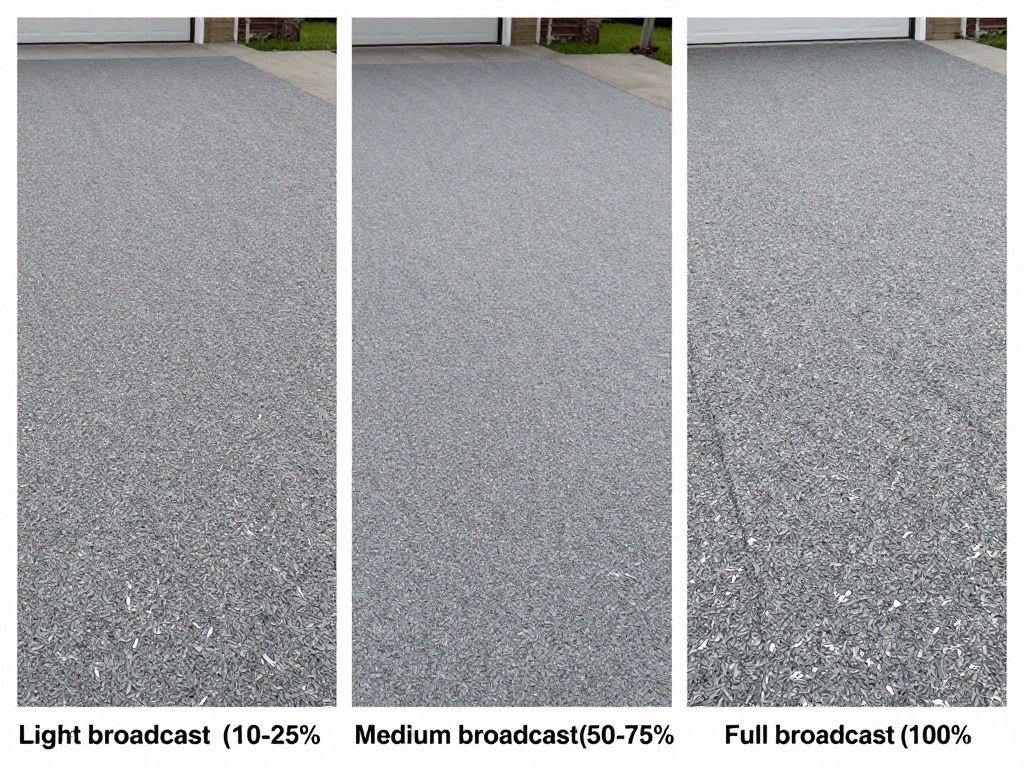
- Light Broadcast (10-25%): Subtle accent that allows the base color to dominate.
- Medium Broadcast (50-75%): Balanced look that hides dirt while showing some base color.
- Full Broadcast (100%): Complete coverage for a terrazzo or granite-like appearance.
- Custom Blends: Mix different flake colors to complement your home’s color scheme or create unique effects.
Consider using custom flake blends to create a one-of-a-kind look that perfectly matches your aesthetic preferences.
Specialty Finishes
For truly unique floors, consider these specialty options:
Metallic Epoxy
Creates a stunning three-dimensional, marbled effect with depth and movement. Metallic pigments suspended in clear epoxy create a liquid-metal appearance that’s truly unique. These systems require more skill to install but offer unmatched visual impact.
Quartz Systems
Similar to flake systems but using colored quartz sand instead of vinyl chips. These provide excellent slip resistance and a more uniform, textured appearance. Ideal for garages that may get wet frequently.
Stenciled Patterns
Use floor stencils to create logos, borders, or patterns within your epoxy floor. Perfect for showcasing team logos, car brands, or custom designs that make your garage truly personal.
Finishing Touches
Complete your garage transformation with these complementary elements:
- Baseboards: Install vinyl or rubber baseboards to create a clean transition between floor and wall.
- Lighting: Upgrade to LED lighting to showcase your new floor’s reflective properties.
- Wall Treatments: Consider complementary wall paints or slatwall systems that coordinate with your floor.
- Organization: Add garage storage systems that elevate items off your beautiful new floor.
Final Thoughts: Your Epoxy Garage Floor Journey
An epoxy garage floor represents one of the most transformative improvements you can make to your home. With proper preparation, quality materials, and careful application, you’ll create a durable, beautiful surface that enhances both the function and value of your property.
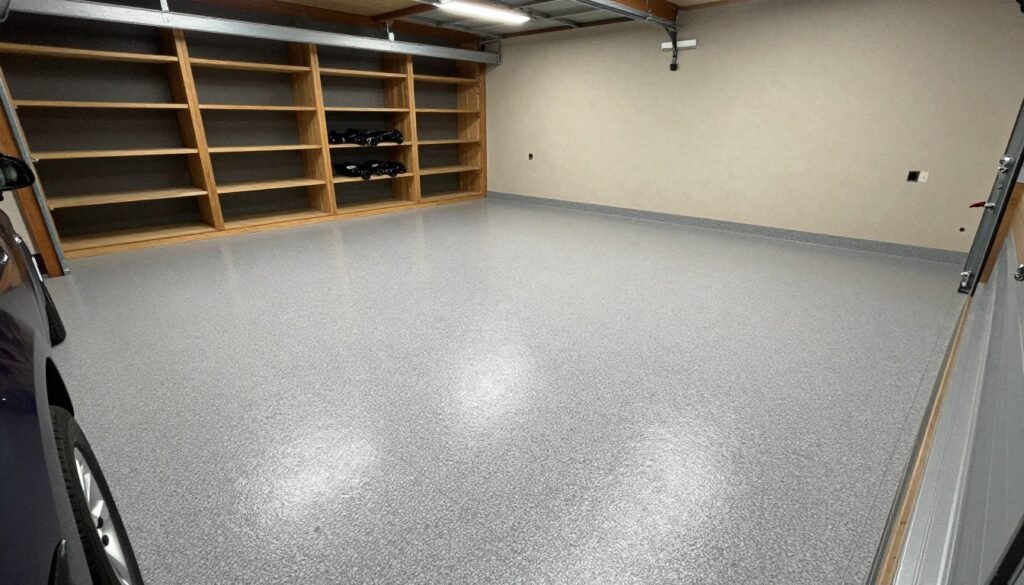
Remember that preparation is the foundation of success. Take your time with surface cleaning and profiling, as these steps determine how well your epoxy will adhere and how long it will last. While the process requires patience and attention to detail, the results are well worth the effort.
Whether you choose a simple solid color, a decorative flake system, or a dramatic metallic finish, your new epoxy garage floor will provide years of beauty and performance with minimal maintenance. It’s an investment that pays dividends every time you enter your garage.
Ready to Transform Your Garage?
Save this article to your Pinterest DIY board for future reference, and share your own epoxy garage floor projects to inspire others. For more home improvement ideas and garage transformation tips, follow our Pinterest account!