A basement remodel can dramatically transform your home’s unused square footage into a vibrant, functional living space your family will love. Whether you’re dreaming of a cozy entertainment area, home office, guest suite, or multipurpose space, the possibilities are endless. This comprehensive guide walks you through everything you need to know about planning, designing, and executing a successful basement renovation that adds both value and enjoyment to your home.
This Website contains affiliate links. That means I may earn a small commission if you purchase through my links, at no extra cost to you.
Planning Your Basement Remodel: First Steps to Success
Before diving into your basement renovation, proper planning lays the foundation for a successful project. Start by thoroughly assessing your current space, including ceiling height, support columns, mechanical systems, and potential moisture issues. Most building codes require a minimum ceiling height of 7.5 feet for habitable spaces, though local regulations may vary.
Assessing Your Space and Setting Goals
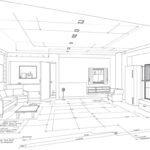
Walk through your basement with a notepad and take measurements of the entire area. Note the location of support columns, plumbing, electrical panels, and HVAC equipment that can’t be moved. Consider what you want to achieve with your remodel – additional living space, a specific functional area, or increased home value. Having clear goals helps guide your design decisions and budget allocation.
Ready to Start Planning?
Get organized with quality measuring tools and planning supplies to accurately map your basement space.
When designing your basement layout, prioritize areas that will receive natural light for primary living spaces. If you’re planning a bedroom, ensure it has an egress window to comply with safety regulations. Consider creating multi-purpose areas that can adapt to your family’s changing needs over time. An open floor plan with thoughtful furniture arrangement can maximize flexibility.
Establishing a Realistic Budget
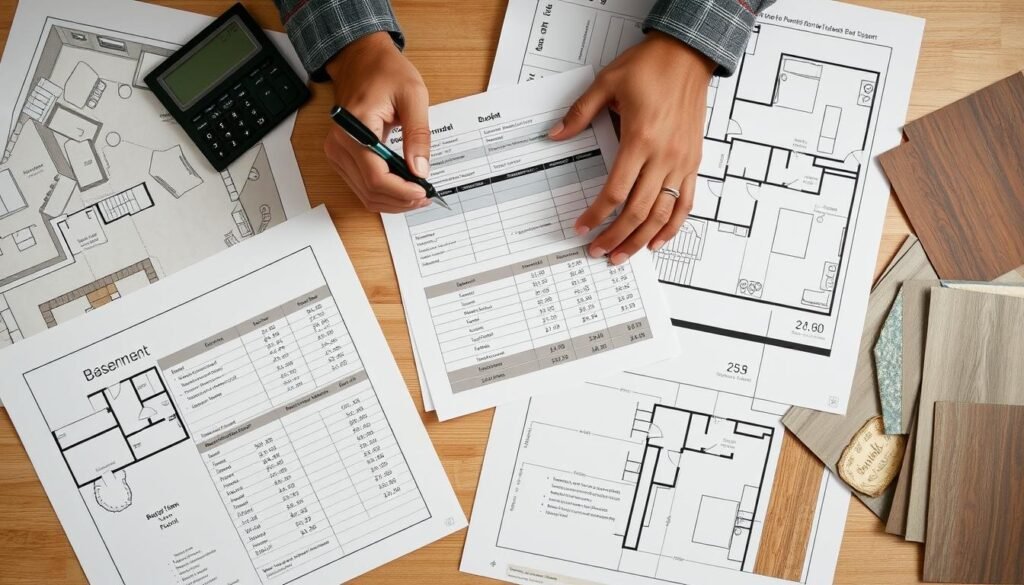
The cost of finishing a basement varies significantly depending on your goals and existing conditions. Create a detailed budget that accounts for materials, labor, permits, and unexpected issues. The most expensive aspects typically include framing, electrical work, plumbing, and moisture remediation. Set aside a contingency fund of 10-15% for unforeseen expenses that inevitably arise during basement projects.
Before demolition or construction begins, addressing existing issues will save you time, money, and headaches down the road. These critical checks ensure your finished basement will be safe, dry, and built to last.
Moisture and Water Management
Water is the number one enemy of any basement renovation. Conduct a thorough moisture test by taping 2-foot squares of plastic sheeting to your floor and walls. After two weeks, check for condensation. If moisture appears under the plastic, your foundation needs sealing. Condensation on top indicates a need for dehumidification. Address any water issues before proceeding with your renovation.
Signs of Water Problems
Water stains on walls or floors
Efflorescence (white mineral deposits)
Musty or moldy odors
Visible mold growth
Warped or damaged materials
Peeling paint or wallpaper
Moisture Solutions
Exterior drainage improvements
Foundation waterproofing
Sump pump installation
Interior drainage systems
Dehumidifiers for ongoing control
Moisture-resistant building materials
Control Basement Humidity
A quality dehumidifier is essential for maintaining a comfortable, mold-free basement environment.
Inspect your basement’s structural elements carefully. Use an awl to probe floor joists, rim joists, sill plates, and wood-framed windows for signs of rot or insect damage. Look for cracks in the foundation walls, especially those wider than a pencil, which may require professional evaluation. Addressing structural issues early prevents more serious problems later.
Electrical and Plumbing Systems
Have licensed professionals inspect your basement’s electrical and plumbing systems. Your electrical panel may need upgrading to handle the increased load of a finished space. If you’re adding a bathroom or wet bar, evaluate existing plumbing and determine if additional lines are needed. Planning these systems early in the process saves costly modifications later.
Choosing the Right Materials for Your Basement Remodel
Selecting appropriate materials is crucial for creating a comfortable, durable basement living space. Below-grade rooms have unique conditions that require special consideration to prevent moisture issues and ensure longevity.
Moisture-Resistant Wall and Ceiling Options
For walls and ceilings, choose moisture-resistant materials to prevent mold growth and structural damage. Products like USG’s Mold Tough Gypsum Panels or Georgia-Pacific’s DensArmor Plus offer superior mold resistance compared to standard drywall. Consider installing a vapor barrier behind wall panels in areas prone to moisture.
Protect Your Basement Walls
Find quality moisture-resistant drywall and wall systems specifically designed for basement environments.
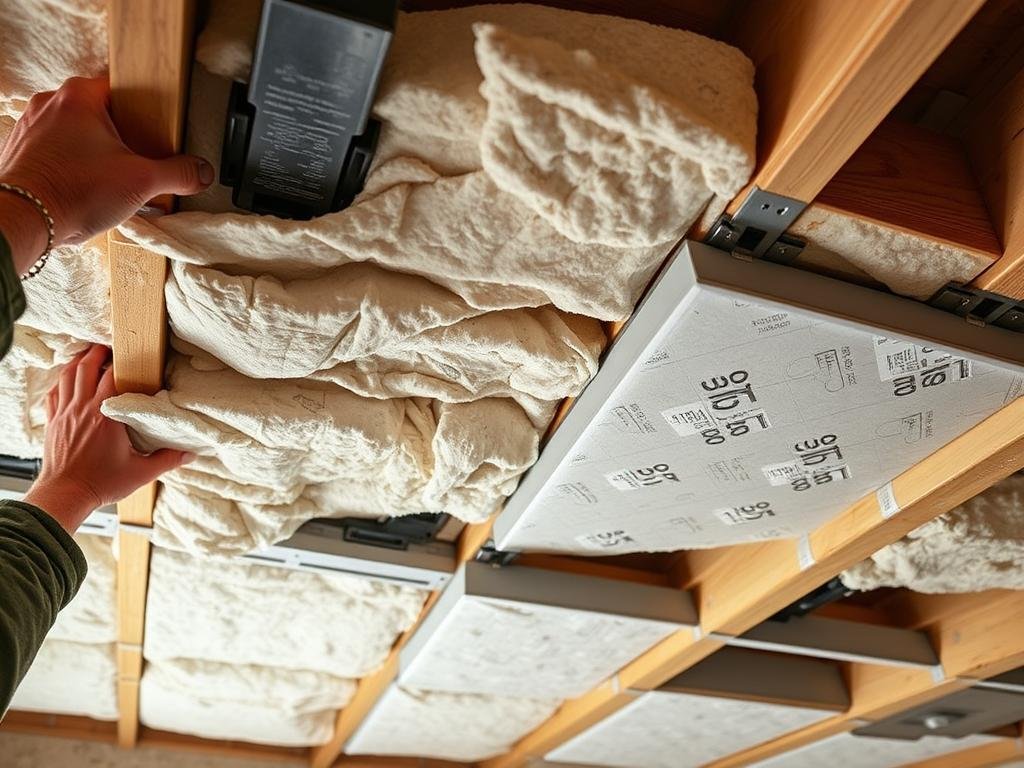
Proper insulation maintains comfortable temperatures and prevents moisture problems. Consider rigid foam insulation against foundation walls before framing, as it provides both moisture resistance and thermal insulation. For ceilings, use fiberglass batts without a vapor barrier between joists to help with soundproofing while allowing any trapped moisture to escape.
Basement Flooring Options
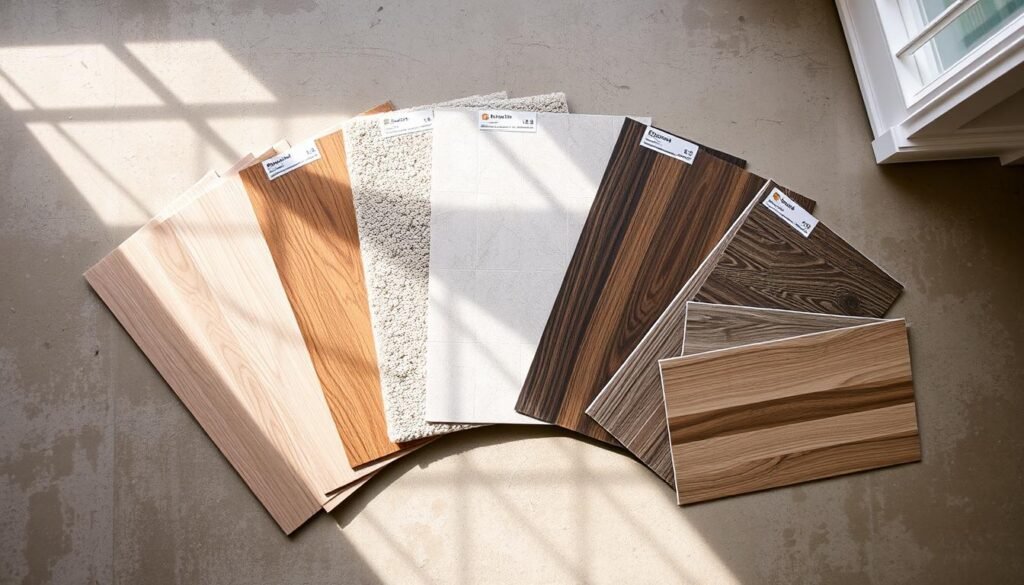
Choose moisture-resistant options for basement flooring that can withstand potential humidity and water issues. Luxury vinyl plank (LVP) flooring is an excellent choice, offering the look of wood with superior water resistance and durability. Other good options include ceramic tile, engineered vinyl flooring, and low-pile carpet with a moisture-resistant pad. Avoid solid hardwood, which can warp in basement environments.
Flooring Type
Moisture Resistance
Comfort
Durability
Installation Difficulty
Luxury Vinyl Plank
Excellent
Good
Excellent
Easy
Ceramic Tile
Excellent
Poor
Excellent
Difficult
Engineered Vinyl
Excellent
Good
Good
Moderate
Carpet with Moisture Barrier
Good
Excellent
Fair
Moderate
Epoxy Coating
Excellent
Poor
Excellent
Moderate
Find Your Perfect Basement Flooring
Browse moisture-resistant flooring options that combine durability with style for your basement space.
Designing a Functional and Beautiful Basement Space
Creating a functional and appealing basement requires thoughtful design that maximizes the unique attributes of below-grade rooms. Focus on versatility, storage, and lighting to transform your basement into a valuable extension of your living space.
Multipurpose Spaces That Grow With Your Family
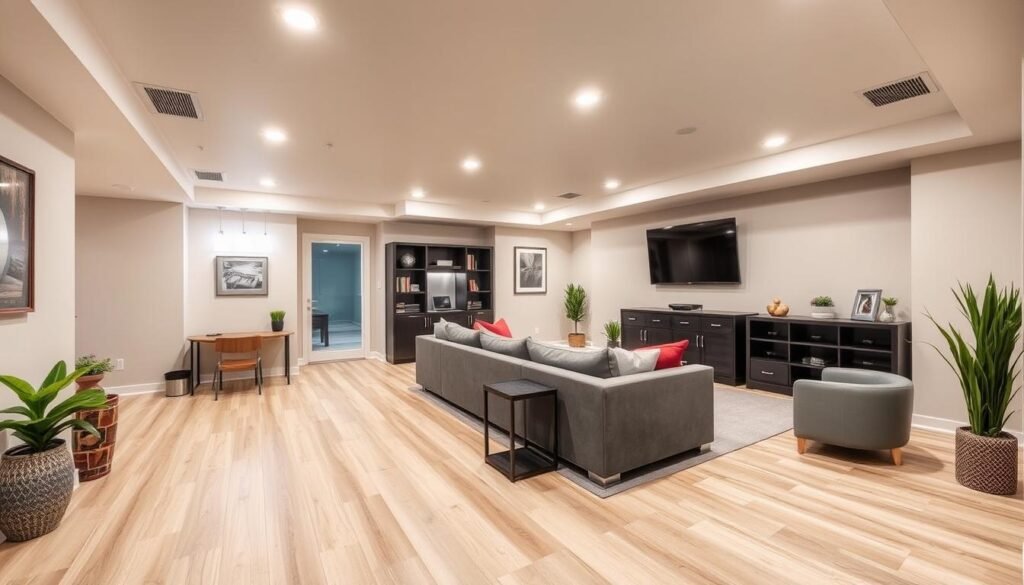
Design your basement with flexibility in mind to accommodate changing activities and future needs. Consider an open floor plan that can be easily reconfigured as your family’s needs evolve. With the right furniture choices, a large area can serve as a family room, home theater, and occasional guest space. Use movable partitions or sliding doors to create temporary private areas when needed.
Entertainment Zone
Create a comfortable area for watching movies, playing games, or hosting friends with comfortable seating, good acoustics, and proper screen placement.
Home Office Space
Carve out a quiet, productive work area with adequate lighting, ergonomic furniture, and sufficient electrical outlets for equipment.
Exercise Area
Designate space for fitness equipment with durable flooring, good ventilation, and possibly mirrors to create a motivating workout environment.
Smart Storage Solutions
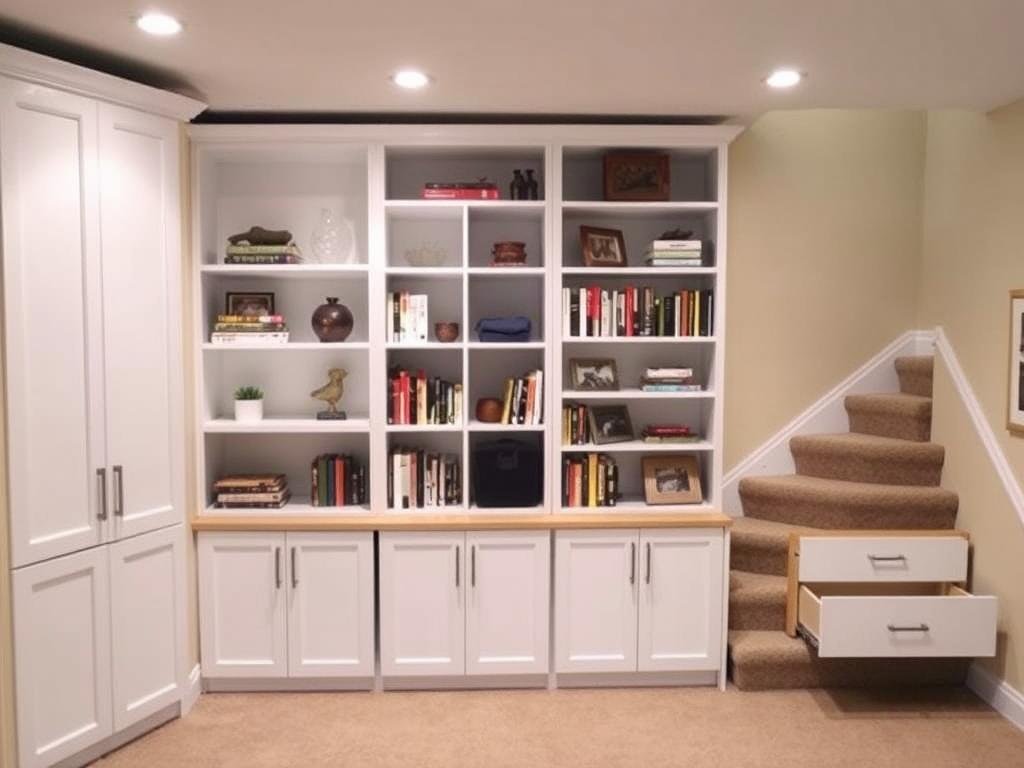
Effective basement storage helps keep the space organized and clutter-free. Built-in shelving units and cabinets maximize vertical space without encroaching on living areas. Utilize the area under stairs for custom storage solutions – this often-wasted space can provide significant storage capacity. Consider furniture pieces that double as storage, such as ottomans with hidden compartments or entertainment centers with integrated shelving.
Maximize Your Basement Storage
Find clever storage solutions that help keep your basement organized and clutter-free.
A well-lit basement feels more inviting and spacious. Layer your lighting to create a warm, welcoming atmosphere. Recessed lighting provides even illumination without sacrificing headroom, while task lighting enhances functionality in specific areas. Consider LED lighting for energy efficiency and longevity. Don’t forget accent lighting to highlight architectural features or artwork, adding depth and character to the space.
Natural Light Maximization
Enlarge existing windows where possible
Install egress windows that add safety and light
Use light wells or window wells with reflective liners
Consider light tubes for interior areas
Use glass block for privacy with light transmission
Artificial Lighting Layers
Recessed ceiling lights for general illumination
Wall sconces for ambient lighting
Task lighting for work areas and reading nooks
Accent lighting to highlight features
Dimmable options for flexibility
Brighten Your Basement
Find the perfect lighting solutions to create a bright, welcoming basement environment.
Basements present unique challenges that require creative solutions to transform them into comfortable living spaces. Addressing these common issues will significantly improve the functionality and appeal of your finished basement.
Increasing Headroom and Managing Low Ceilings
If your basement ceiling lacks sufficient headroom to meet building codes (typically 7.5 feet), consider creative solutions. While digging out the floor is possible, it’s complex and expensive. Instead, explore relocating ductwork or pipes to gain precious inches. Use recessed lighting instead of hanging fixtures, and consider painting the ceiling a light color to create the illusion of height.
Pro Tip: If you have exposed beams or ductwork, consider painting everything (including joists, pipes, and ductwork) a single dark color. This creates a modern industrial look while visually making these elements recede, giving the impression of more height.
Improving Natural Light
Enhancing natural light makes your basement feel more inviting and less like a subterranean space. If possible, enlarge existing windows or add new ones. For areas where windows aren’t feasible, consider installing light tubes or solar tubes to bring natural light from the roof down to your basement. Use light colors on walls and ceilings to reflect and maximize available light.
Managing Humidity and Ventilation
Proper ventilation and humidity control maintain a comfortable and healthy basement environment. Install a high-quality dehumidifier to keep moisture levels in check, and consider adding an energy recovery ventilator (ERV) or heat recovery ventilator (HRV) to circulate fresh air without compromising energy efficiency. These systems help prevent musty odors and mold growth.
Improve Your Basement Air Quality
Find ventilation solutions that keep your basement fresh and comfortable year-round.
Effective soundproofing creates a more enjoyable basement while preventing noise from traveling to upper floors. Add fiberglass batts without a vapor barrier between ceiling joists, then attach drywall using resilient clips and metal furring channels to isolate it from the joists and eliminate vibration. For even better results, consider acoustic panels on walls and ceilings in home theater areas or music rooms.
DIY-Friendly Basement Tasks
Painting walls and ceilings
Installing floating floors
Building non-load-bearing walls
Basic trim work and finishing
Installing pre-hung doors
Tasks Best Left to Professionals
Electrical wiring and panel work
Plumbing installations
Structural modifications
Waterproofing systems
HVAC modifications
Budgeting and Cost-Saving Tips for Your Basement Remodel
Finishing a basement can be a significant investment, with costs varying widely based on the scope of work and finishes selected. Understanding potential expenses and implementing strategic cost-saving measures can help you achieve your dream basement without breaking the bank.
Understanding Basement Remodeling Costs
The cost of a basement remodel typically ranges from $25 to $50 per square foot for basic finishing, and $75 to $100+ per square foot for premium finishes and complex layouts. Major cost factors include plumbing for bathrooms, electrical work, egress windows, and moisture remediation. Create a detailed budget that accounts for materials, labor, permits, and a 10-15% contingency for unexpected issues.
Expense Category
Basic Cost Range
Premium Cost Range
Cost-Saving Tips
Framing & Drywall
$1,500-$3,000
$3,000-$5,000
Consider open concept to reduce wall framing
Flooring
$1,000-$3,000
$3,000-$7,000
Choose LVP instead of hardwood or tile
Bathroom Addition
$5,000-$10,000
$10,000-$20,000
Place near existing plumbing lines
Electrical
$2,000-$4,000
$4,000-$8,000
Plan efficient lighting layout
Ceiling
$1,000-$2,000
$2,000-$5,000
Paint exposed ceiling for industrial look
Smart Cost-Saving Strategies
Consider an open floor plan to minimize the need for interior walls and doors, significantly reducing framing and material costs. Opt for cost-effective flooring options like luxury vinyl plank or epoxy coatings, which offer durability and moisture resistance at a lower price point than hardwood or tile. Use existing plumbing and electrical lines when possible to avoid expensive relocations.
Budget Tip: Phase your basement remodel if budget is tight. Complete the basic finishing (insulation, framing, drywall, electrical, and flooring) first, then add features like a bathroom, wet bar, or custom built-ins over time as your budget allows.
Where to Splurge vs. Save
Invest in quality waterproofing and moisture control systems – these protect your entire investment. Similarly, don’t skimp on proper electrical work and egress windows, as these impact safety. Areas where you can save include using stock cabinets instead of custom for wet bars, choosing luxury vinyl plank over hardwood, and selecting standard-sized doors and windows rather than custom sizes.
Find Budget-Friendly Basement Furnishings
Discover affordable furniture and decor to complete your basement remodel without breaking the bank.
Basement Remodel Inspiration: Popular Design Themes
Finding the right design theme for your basement helps create a cohesive, inviting space that reflects your personal style. Here are some popular basement design approaches to inspire your project.
Modern Entertainment Haven
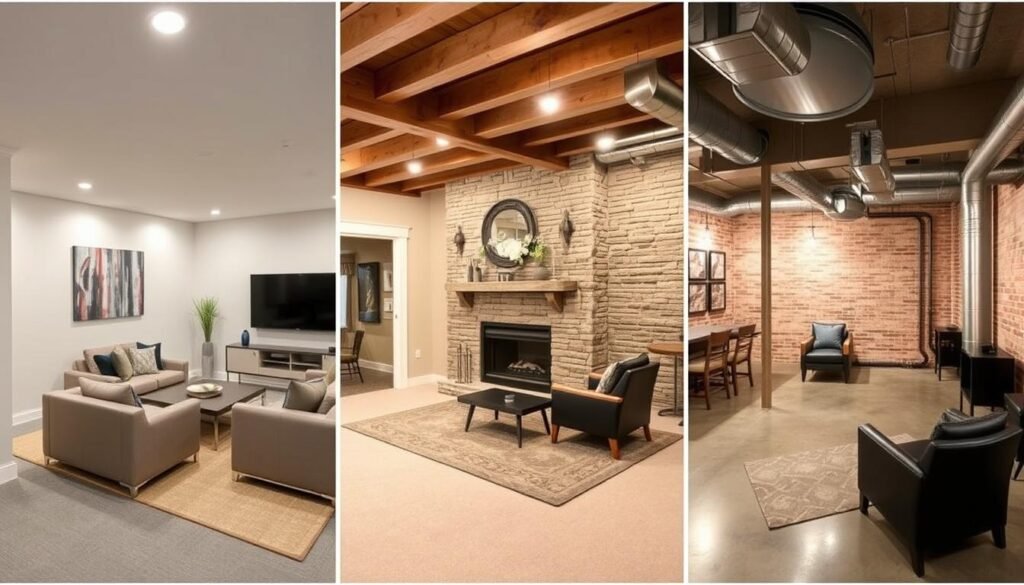
Create a sleek, contemporary space focused on entertainment with a large screen TV, comfortable sectional seating, and perhaps a gaming area. Use clean lines, neutral colors with bold accents, and minimal decorative elements for a sophisticated look that puts the focus on relaxation and socializing.
Rustic Retreat
Bring warmth and character to your basement with rustic elements like wood accent walls, stone features, and warm lighting. This cozy approach works well for creating a cabin-like feel that’s perfect for family gatherings or a relaxing escape from the everyday world.
Industrial Chic
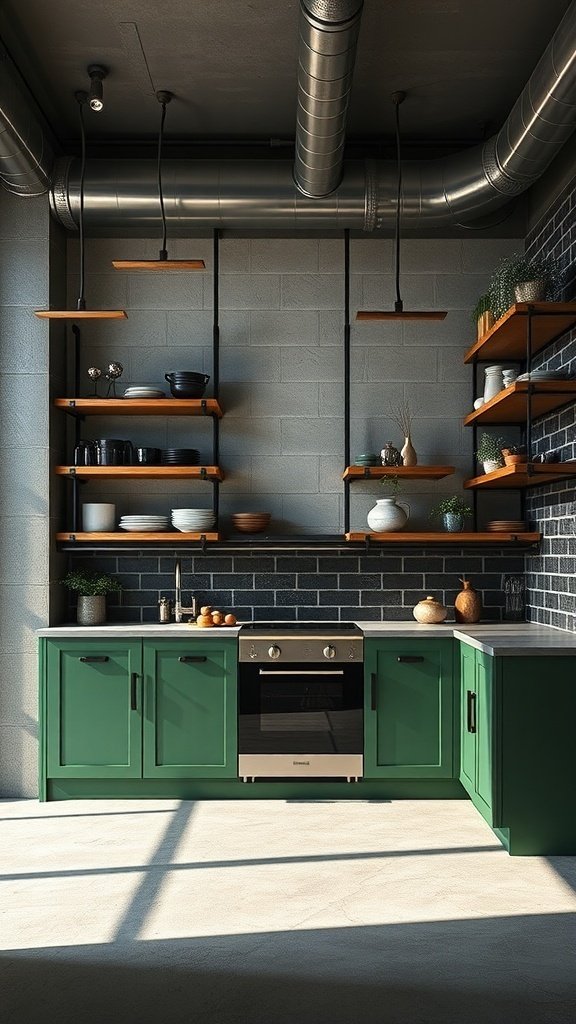
Embrace your basement’s structural elements by going with an industrial theme. Leave some ductwork exposed, use metal fixtures and furniture, and consider polished concrete floors. This style is practical, low-maintenance, and creates a trendy urban loft atmosphere.
Functional Theme Ideas
Beyond aesthetic themes, consider designing your basement around specific functions that enhance your lifestyle:
Home Theater Experience
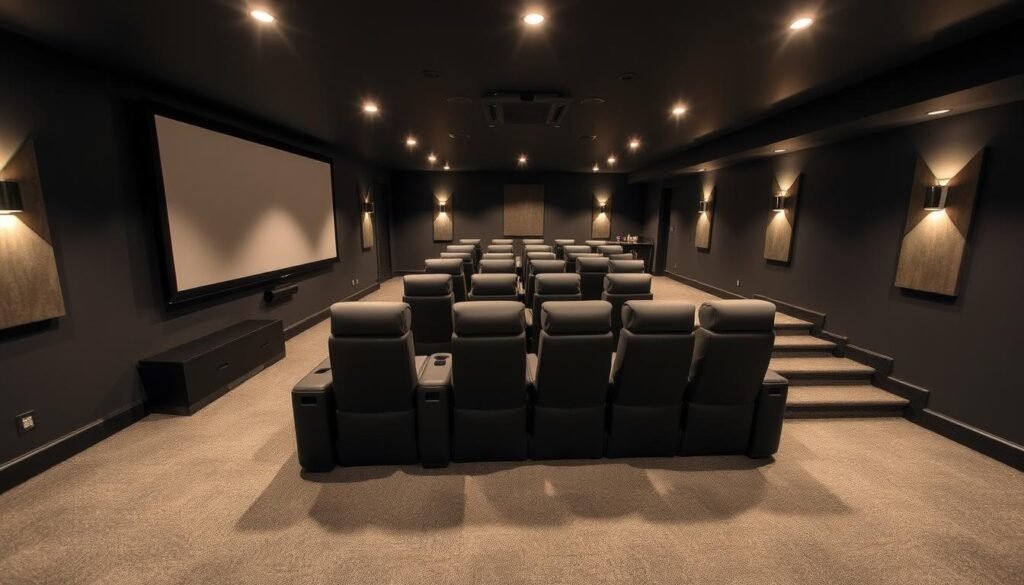
Create the ultimate movie-watching environment with tiered seating, acoustic panels, a quality projector or large TV, and proper lighting control. Add a small snack bar area for the complete cinema experience right in your home.
Family Game Room
Design a space centered around both traditional and digital gaming with areas for a pool table, ping pong, board games, and video gaming. Include comfortable seating, good lighting, and plenty of storage for game collections.
Home Gym & Wellness Space
Transform your basement into a health and wellness center with durable flooring for exercise equipment, mirrors to check form, good ventilation, and perhaps a small relaxation area for post-workout recovery.
Find Decor for Your Basement Theme
Discover decorative elements that bring your chosen basement theme to life.
Your Basement Remodel: Final Thoughts and Next Steps
A well-executed basement remodel transforms underutilized space into a valuable extension of your home that enhances both your lifestyle and property value. By carefully planning, addressing potential issues early, and making informed decisions about materials and design, you can create a comfortable, functional, and beautiful living area your family will enjoy for years to come.
Key Takeaways for Success
Address moisture and structural issues before beginning aesthetic improvements
Choose materials specifically designed for below-grade environments
Create a flexible design that can evolve with your family’s changing needs
Layer lighting to overcome natural light limitations
Consider professional help for complex systems like electrical, plumbing, and HVAC
Obtain proper permits to ensure safety and code compliance
Whether you’re creating additional living space for a growing family, designing the ultimate entertainment zone, or adding a revenue-generating apartment, your basement remodel is an opportunity to significantly enhance your home. With thoughtful planning and quality execution, your basement can become one of the most valued and enjoyed spaces in your home.
Ready to Start Your Basement Transformation?
Find everything you need to begin planning your perfect basement remodel.