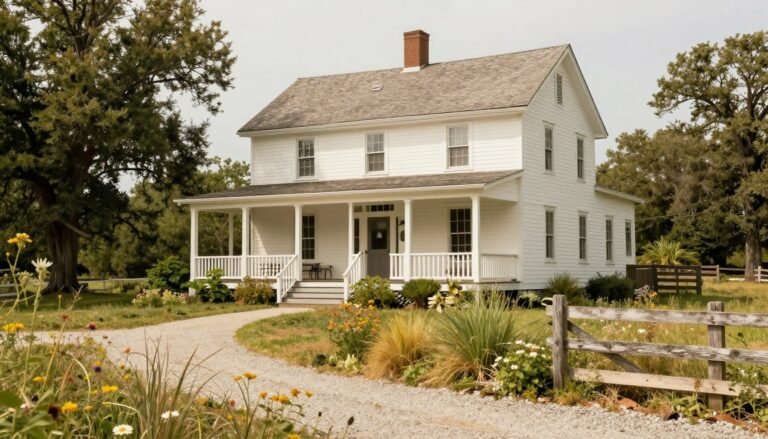
Your front yard creates the first impression of your home. A thoughtfully designed front house landscaping plan not only enhances curb appeal but also creates a welcoming atmosphere for visitors and passersby. Whether you’re looking to completely redesign your front yard or simply add a few fresh elements, this guide will provide inspiration and practical tips to help you create a front yard landscape that reflects your personal style and complements your home’s architecture.
This Website contains affiliate links. That means I may earn a small commission if you purchase through my links, at no extra cost to you.
Essential Principles for Front Yard Curb Appeal
Creating an inviting front yard starts with understanding a few fundamental design principles. These guidelines will help you develop a cohesive and attractive landscape that enhances your home’s architectural features.
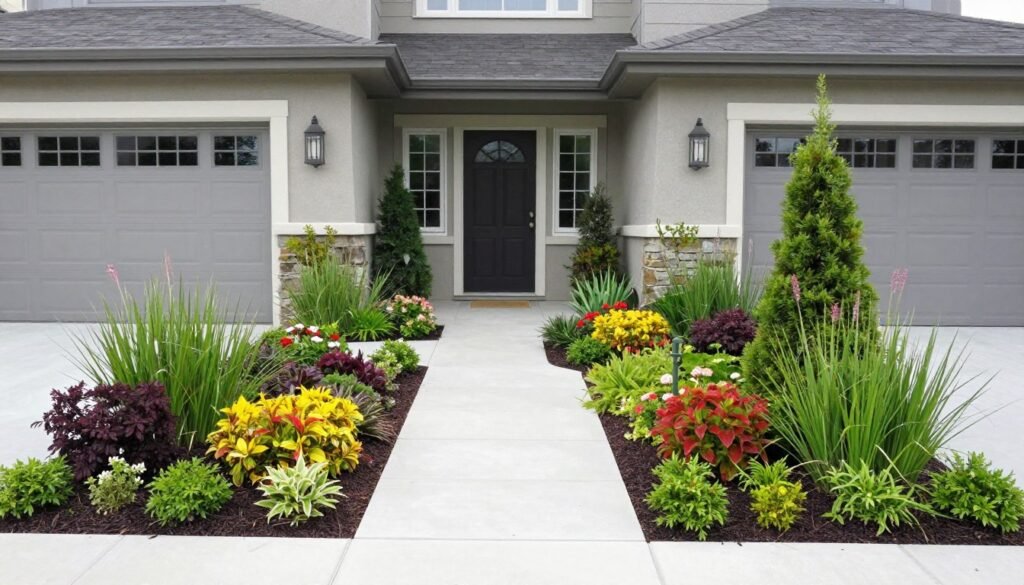
A balanced front yard design creates visual harmony and enhances architectural features
Balance and Symmetry
Balance creates visual harmony in your front yard landscape. You can achieve this through symmetrical design (mirroring elements on both sides of your entrance) or asymmetrical balance (using different elements that carry similar visual weight). For traditional homes, symmetrical plantings often work best, while contemporary homes can benefit from more asymmetrical, dynamic arrangements.
Focal Points
Every front yard benefits from a clear focal point that draws the eye. This could be your front door (enhanced with a bold color or decorative elements), a specimen tree, a water feature, or an ornamental garden bed. Position your focal point strategically to guide visitors toward your entrance while creating visual interest.
Scale and Proportion
Select plants and landscape elements that complement your home’s size. Large homes can handle substantial trees and broader planting beds, while smaller homes look best with appropriately scaled elements. Avoid plantings that will eventually overwhelm your house or block important architectural features.
Ready to enhance your front yard’s curb appeal?
Browse quality landscaping tools to help bring your vision to life.
Choosing the Right Plants for Your Front House Landscaping
Plants are the heart of any landscape design. Selecting the right combination of trees, shrubs, perennials, and ground covers will create year-round interest while ensuring your front yard remains manageable.
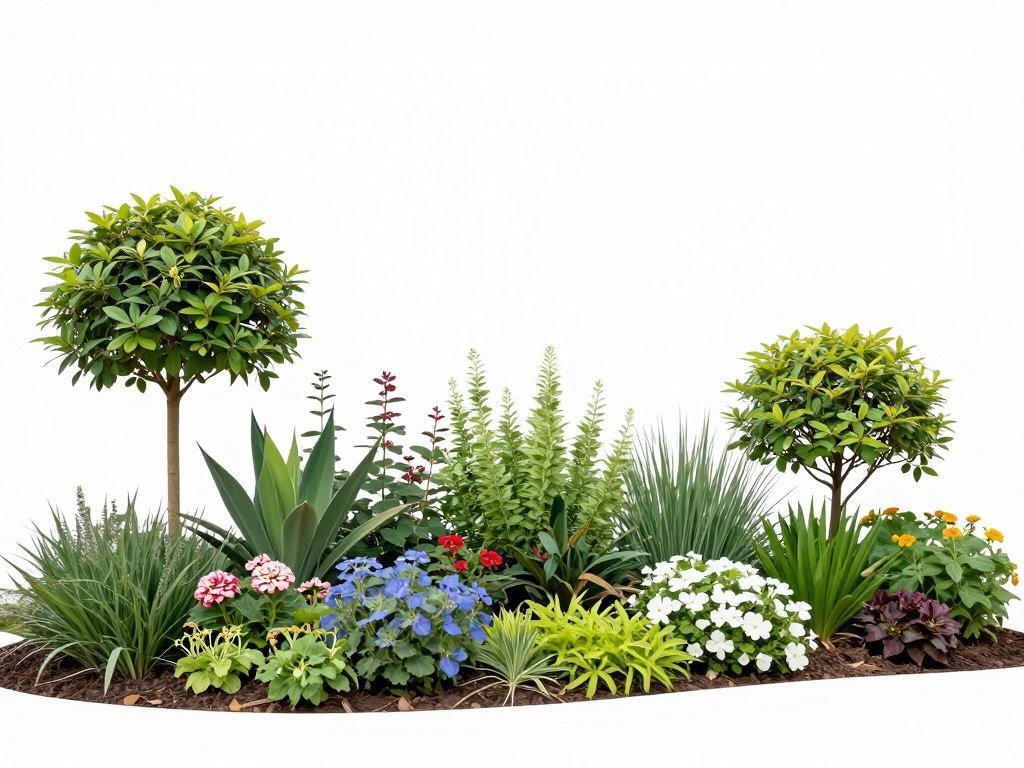
Layering plants of different heights creates depth and visual interest
Trees for Structure and Shade
Trees provide the backbone of your landscape, offering shade, privacy, and seasonal interest. For front yards, consider ornamental trees that won’t overwhelm your home as they mature. Flowering varieties like dogwood, redbud, or Japanese maple add spectacular seasonal color, while evergreens provide year-round structure.
Best Small Trees for Front Yards:
Japanese Maple (Acer palmatum) – Stunning fall color
Dogwood (Cornus florida) – Spring flowers and fall color
Redbud (Cercis canadensis) – Early spring pink blooms
Crape Myrtle (Lagerstroemia) – Summer flowers and interesting bark
Serviceberry (Amelanchier) – Spring flowers, summer berries, fall color
Placement Tips:
Plant trees at least 15-20 feet from your home’s foundation
Consider mature height and width when selecting placement
Use trees to frame your home rather than hide it
Position shade trees where they’ll block summer sun but allow winter warmth
Avoid planting directly under utility lines
Shrubs for Structure and Color
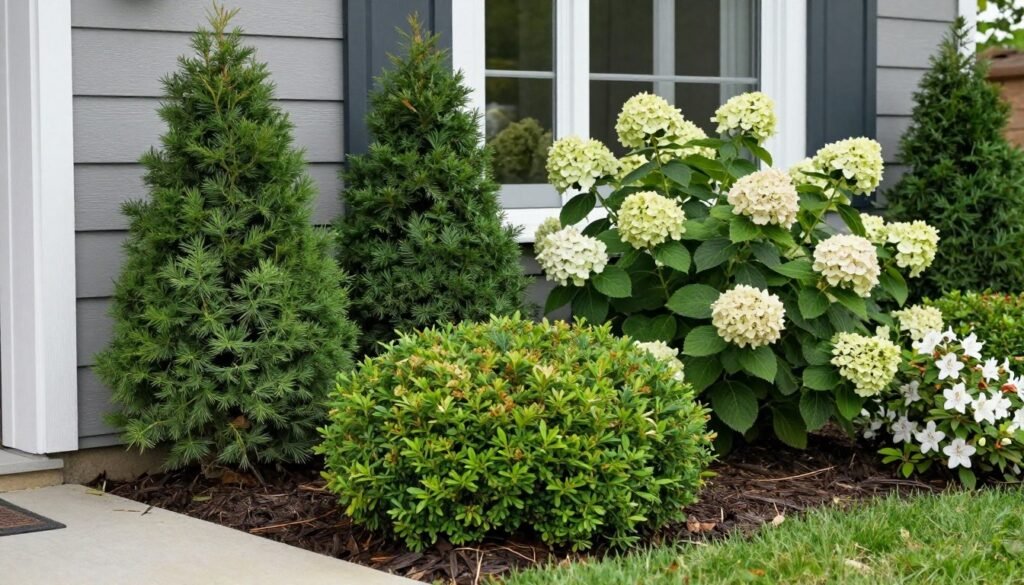
Shrubs create the middle layer of your landscape, providing structure, screening, and seasonal interest. Choose a mix of evergreen and deciduous varieties for year-round appeal. Foundation plantings of shrubs help soften the transition between your home and the landscape.
Foundation plantings with mixed shrubs create a polished, finished look
Create your perfect shrub border
Find quality shrubs and planting supplies to enhance your front yard.
Perennial flowers return year after year, providing reliable color with less maintenance than annuals. Create perennial beds that offer successive blooms throughout the growing season, ensuring your front yard always has something in flower.
Spring Bloomers
Peonies
Iris
Bleeding Heart
Columbine
Coral Bells
Summer Bloomers
Daylilies
Coneflowers
Black-eyed Susans
Lavender
Salvia
Fall Bloomers
Asters
Sedum
Russian Sage
Mums
Ornamental Grasses
Ground Covers and Lawn Alternatives
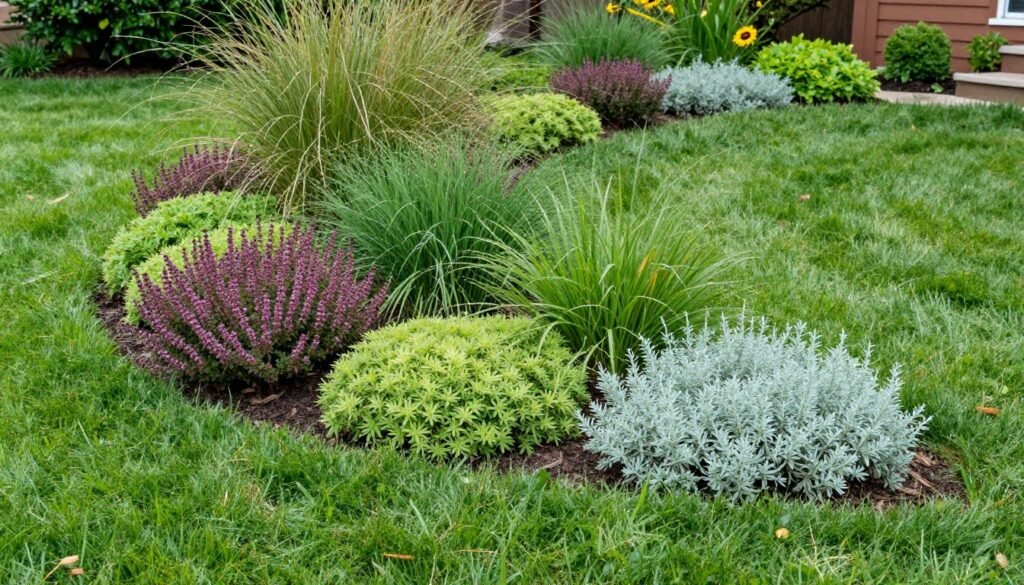
Ground covers provide a finished look to your landscape while suppressing weeds and reducing maintenance. Consider replacing portions of your lawn with attractive ground covers or low-growing perennials that require less water and mowing.
Ground covers and lawn alternatives create texture while reducing maintenance
Hardscaping Elements for Front House Landscaping
Hardscaping provides structure, function, and visual interest to your front yard landscape. These permanent elements create the framework that supports your plantings while making your outdoor space more usable and accessible.
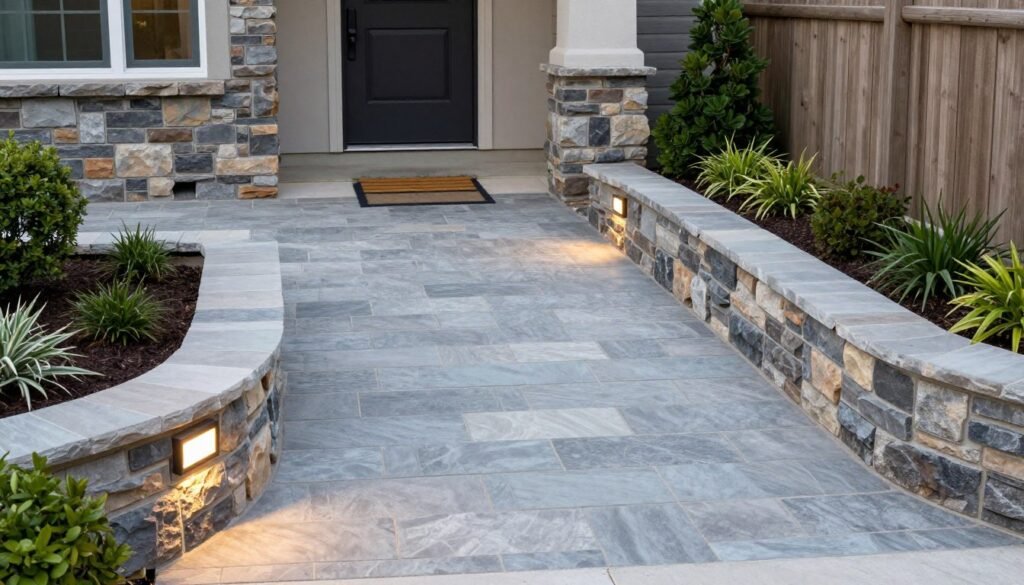
Well-designed hardscaping creates structure and enhances the overall landscape
Walkways and Paths
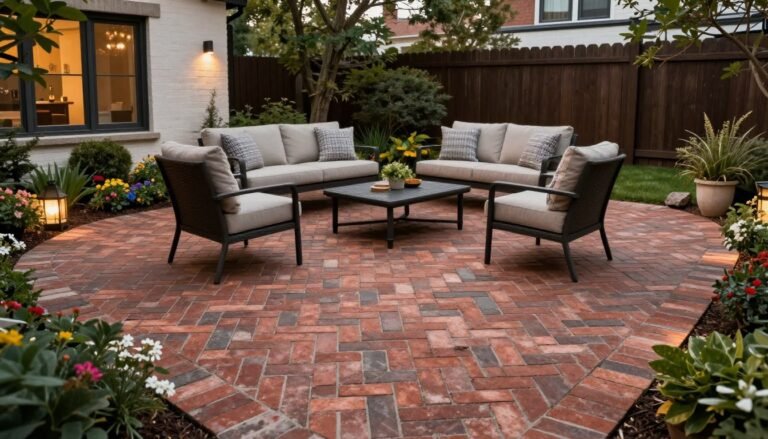
A well-designed front walkway not only provides functional access to your home but also serves as a design element that guides visitors to your entrance. Consider materials that complement your home’s architecture—brick for traditional homes, natural stone for rustic styles, or concrete pavers for contemporary designs.
Popular Walkway Materials:
Natural stone (flagstone, bluestone, slate)
Brick pavers
Concrete pavers
Gravel or crushed stone
Stamped concrete
Design Tips:
Make walkways at least 4 feet wide for comfortable passage
Consider gentle curves for visual interest
Use borders to define edges and prevent material spread
Install lighting for safety and nighttime appeal
Choose slip-resistant materials in wet climates
Create a stunning walkway
Find quality materials to build beautiful paths and walkways.
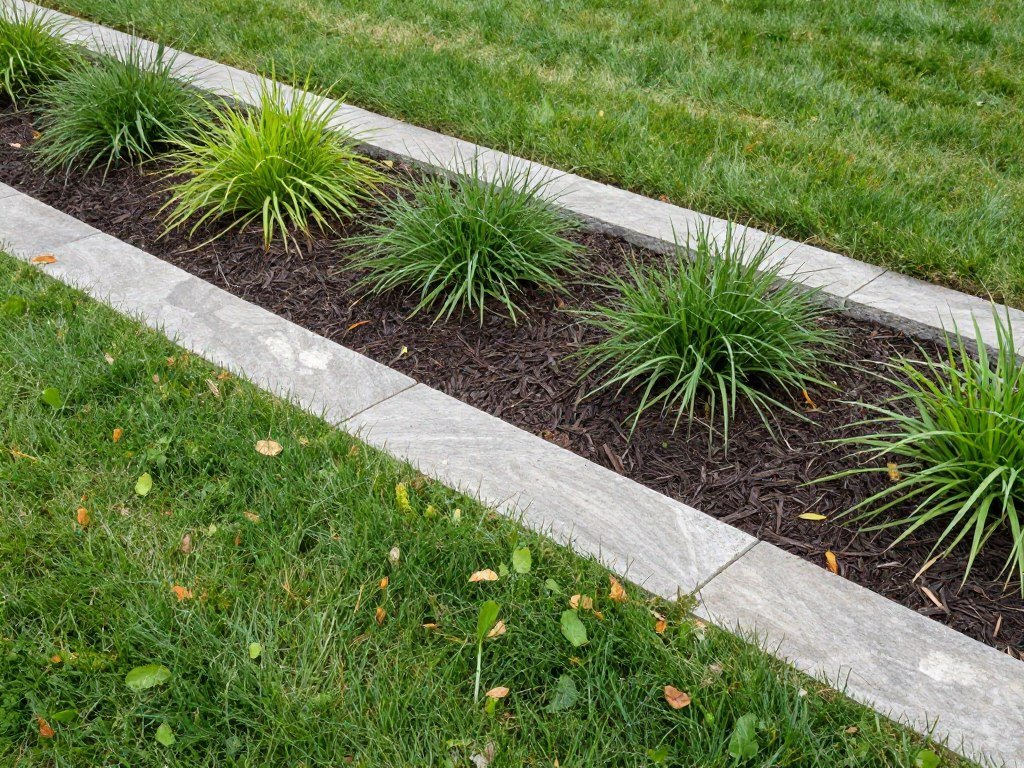
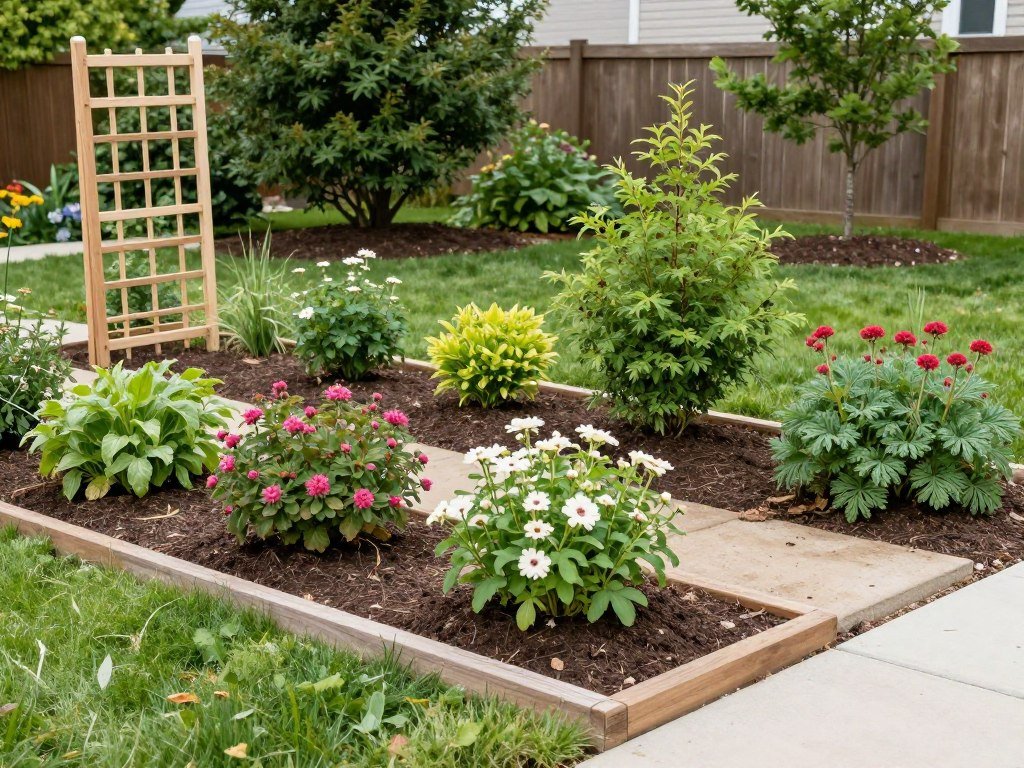
Garden edging creates clean lines between different landscape elements, containing mulch and plants while adding a finished look to your design. From simple plastic edging to decorative stone or metal borders, the right edging can elevate your landscape’s appearance.
Decorative edging creates definition and contains mulch for a polished look
Lighting for Safety and Ambiance
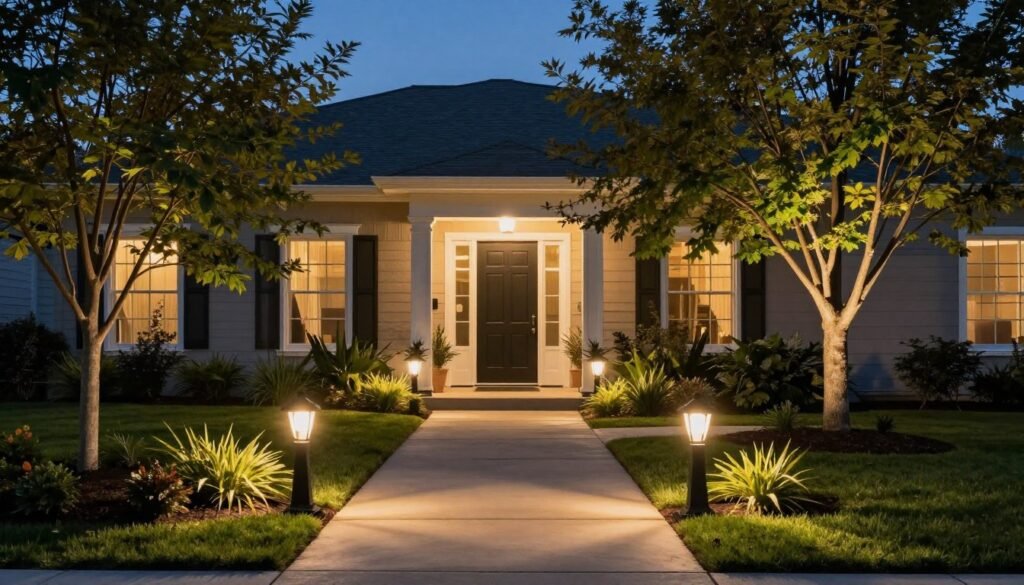
Landscape lighting enhances safety while showcasing your front yard’s best features after dark. Path lights guide visitors safely to your door, while uplighting can highlight trees or architectural features. Solar options provide energy-efficient illumination without complex wiring.
Strategic lighting enhances safety while creating evening ambiance
Decorative Elements and Focal Points
Incorporate decorative elements that reflect your personal style while creating visual interest. Water features, garden sculptures, decorative containers, or a statement mailbox can serve as focal points that express your personality and enhance your landscape design.
Popular Front House Landscaping Styles
Your landscape design should complement your home’s architectural style while reflecting your personal taste. Here are some popular front yard landscaping styles to consider for inspiration.
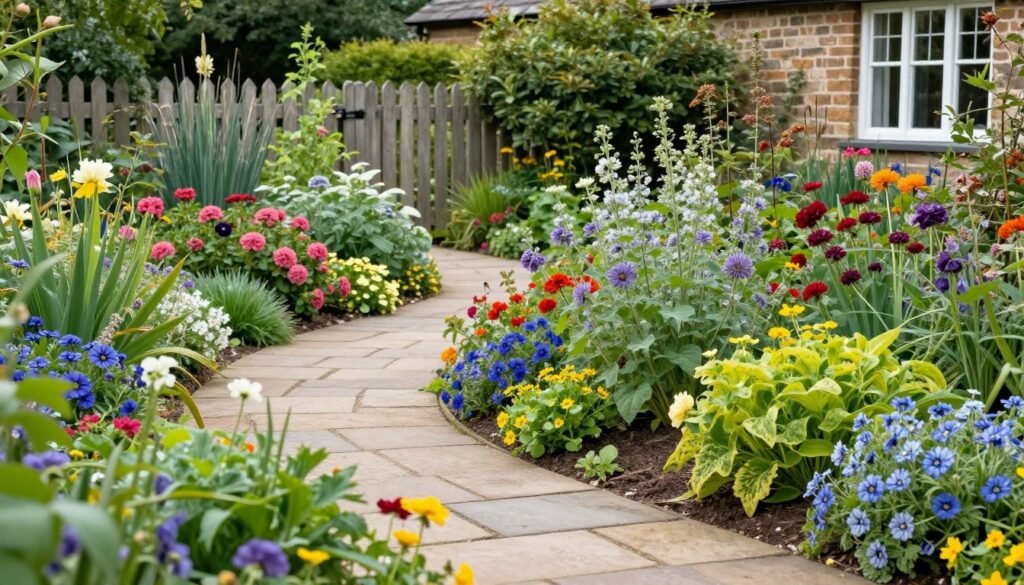
Cottage-style gardens feature abundant flowers and informal, romantic designs
Traditional/Formal
Traditional landscapes feature symmetrical designs, manicured hedges, and classic plant choices. This style works beautifully with Colonial, Georgian, or Tudor homes. Hallmarks include boxwood hedges, geometric patterns, and a balanced layout that creates a sense of order and elegance.
Cottage Garden
Cottage gardens offer a romantic, slightly wild aesthetic with abundant flowers and informal plantings. This style pairs wonderfully with bungalows, Craftsman, or Cape Cod homes. Mix perennials, herbs, and flowering shrubs in a seemingly casual arrangement for that charming cottage look.
Contemporary/Modern
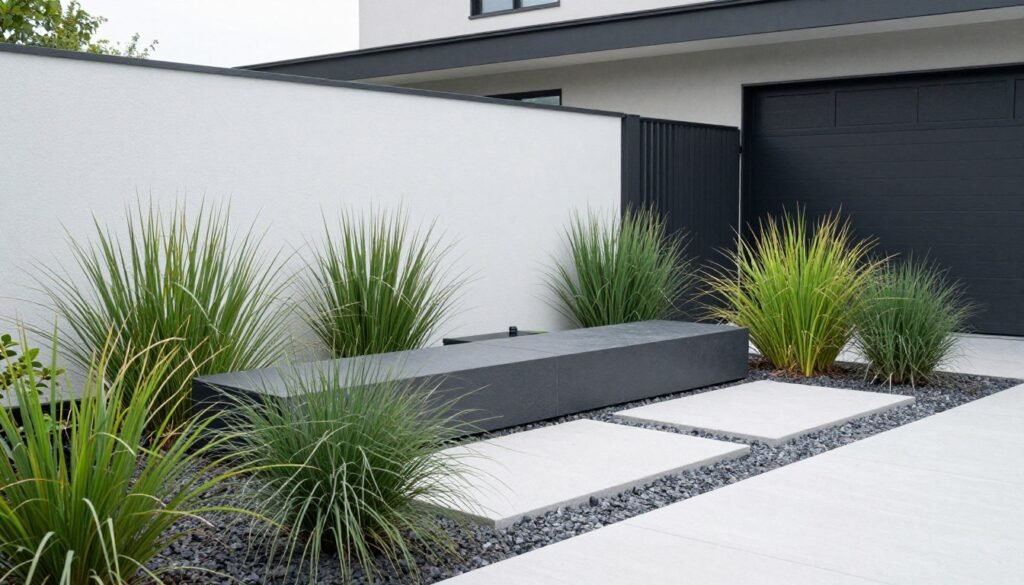
Contemporary landscapes feature clean lines, bold geometric shapes, and a minimalist plant palette. This style complements modern architectural homes with its emphasis on structure over abundance. Look for architectural plants, defined spaces, and materials like concrete, metal, and glass.
Modern landscapes feature clean lines and architectural plant selections
Natural/Woodland
Natural landscapes mimic local ecosystems with native plants arranged in organic groupings. This eco-friendly approach works with many architectural styles and creates habitat for local wildlife. Incorporate native trees, shrubs, and perennials with natural stone elements for an authentic look.
Xeriscape/Desert
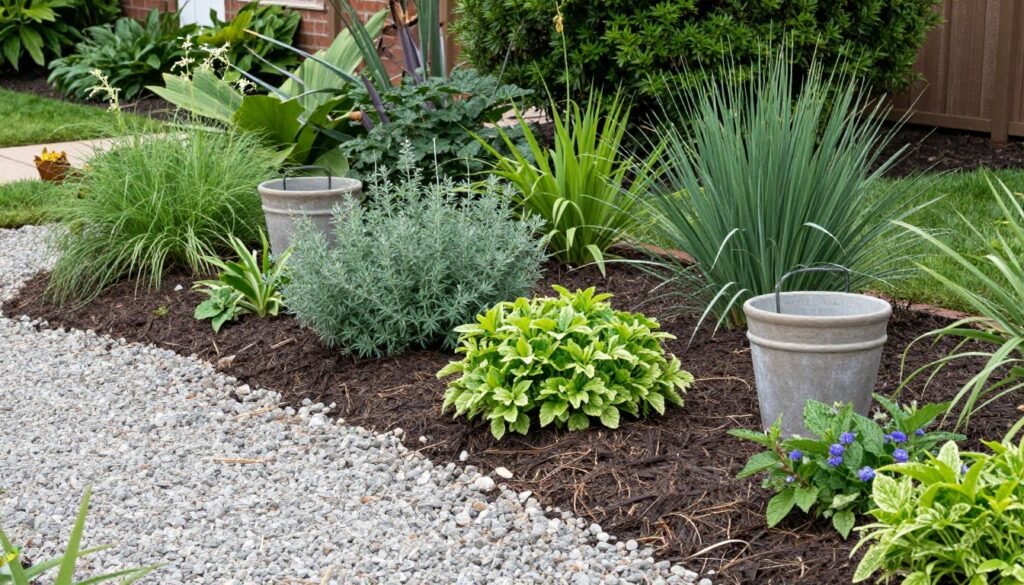
Xeriscaping uses drought-tolerant plants and efficient irrigation to create beautiful landscapes with minimal water use. Perfect for arid regions, this style can be adapted to various architectural styles. Combine succulents, ornamental grasses, and native plants with gravel mulch and strategic hardscaping.
Find inspiration for your landscape style
Browse gardening books to help develop your perfect front yard design.
A truly successful front house landscaping design looks beautiful in every season. Planning for year-round interest ensures your front yard remains attractive even during winter months.
Thoughtful plant selection ensures your landscape remains attractive in every season
Spring Planning
Spring brings the first burst of color after winter. Plant spring-flowering bulbs like tulips, daffodils, and hyacinths in fall for early color. Include spring-flowering trees and shrubs like dogwood, redbud, and azaleas to create spectacular seasonal displays.
Summer Splendor
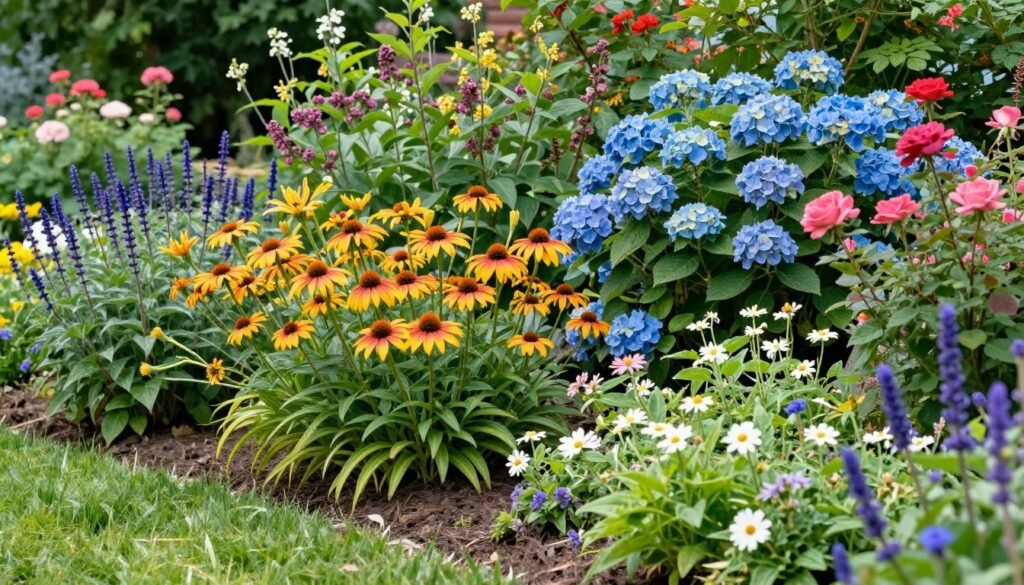
Summer landscapes benefit from heat-tolerant perennials and annuals that provide consistent color. Consider drought-resistant options that will thrive even during hot, dry periods. Incorporate summer-flowering shrubs like hydrangeas and butterfly bushes for additional interest.
Summer landscapes showcase vibrant colors and lush growth
Fall Color
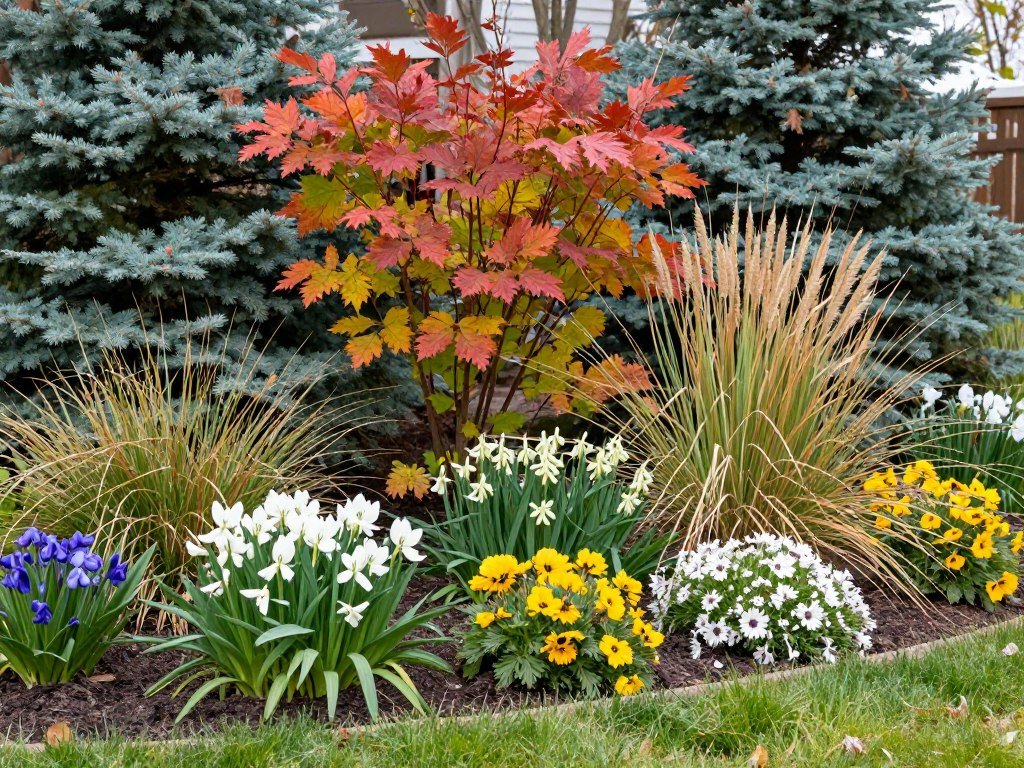
Plan for autumn interest with trees and shrubs that offer spectacular fall foliage. Ornamental grasses reach their peak in fall, with feathery plumes and golden colors. Late-blooming perennials like asters, mums, and sedum extend the flowering season into autumn.
Winter Structure
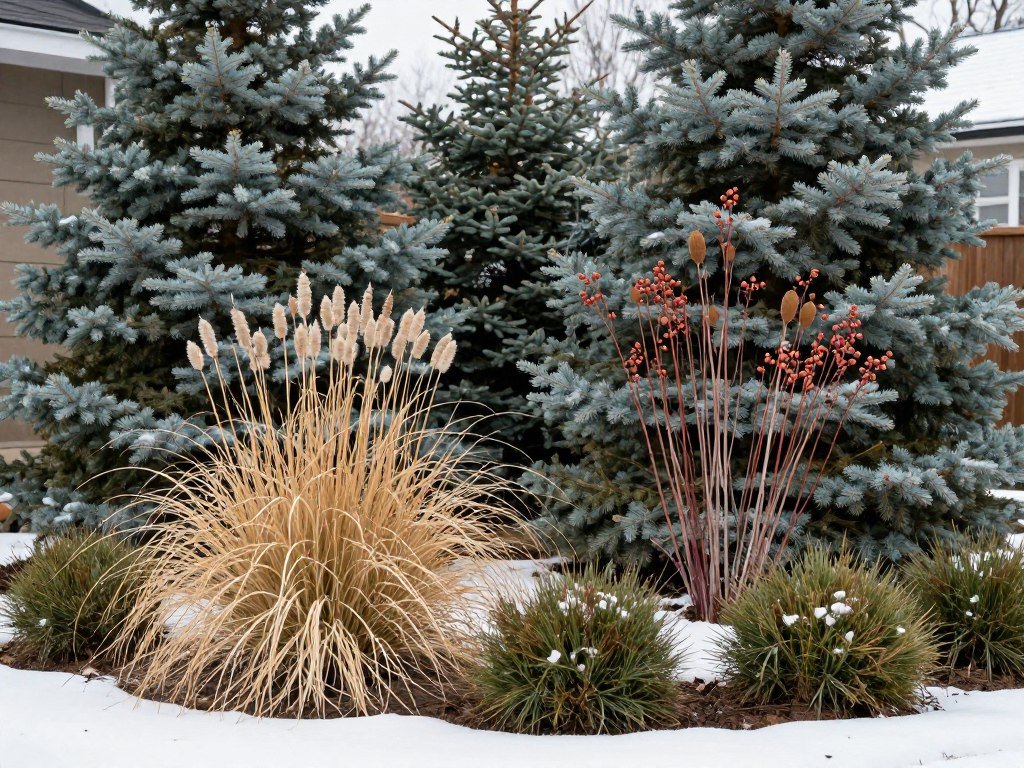
Winter reveals the underlying structure of your landscape. Evergreen trees and shrubs provide essential color during dormant months. Consider plants with interesting bark, persistent berries, or distinctive branch patterns that create visual interest against winter snow or gray skies.
Winter landscapes reveal structural elements and evergreen backbones
Low-Maintenance Front House Landscaping Strategies
Create a beautiful front yard that doesn’t require constant attention. These low-maintenance strategies will help you design a landscape that looks great with minimal upkeep.
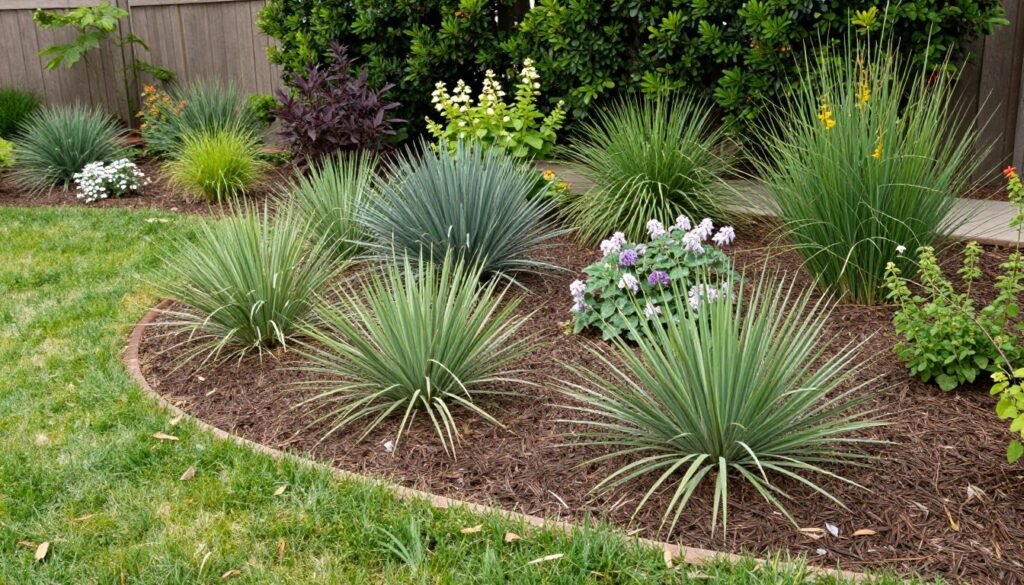
Low-maintenance landscapes combine smart design with appropriate plant selection
Right Plant, Right Place
The most important principle for low-maintenance landscaping is choosing plants suited to your specific conditions. Plants growing in their preferred environment require less intervention to thrive. Consider your climate, soil type, and light conditions when selecting plants.
Reduce Lawn Areas
Traditional lawns require regular mowing, watering, fertilizing, and weed control. Reduce maintenance by limiting lawn areas to what you actually use. Replace excess lawn with ground covers, perennial beds, or hardscaping elements that require less upkeep.
Low-Maintenance Ground Covers:
Creeping Thyme
Sedum
Ajuga
Creeping Juniper
Ornamental Grasses
Benefits:
Minimal or no mowing required
Reduced water needs once established
Natural weed suppression
Erosion control on slopes
Habitat for beneficial insects
Mulch Extensively
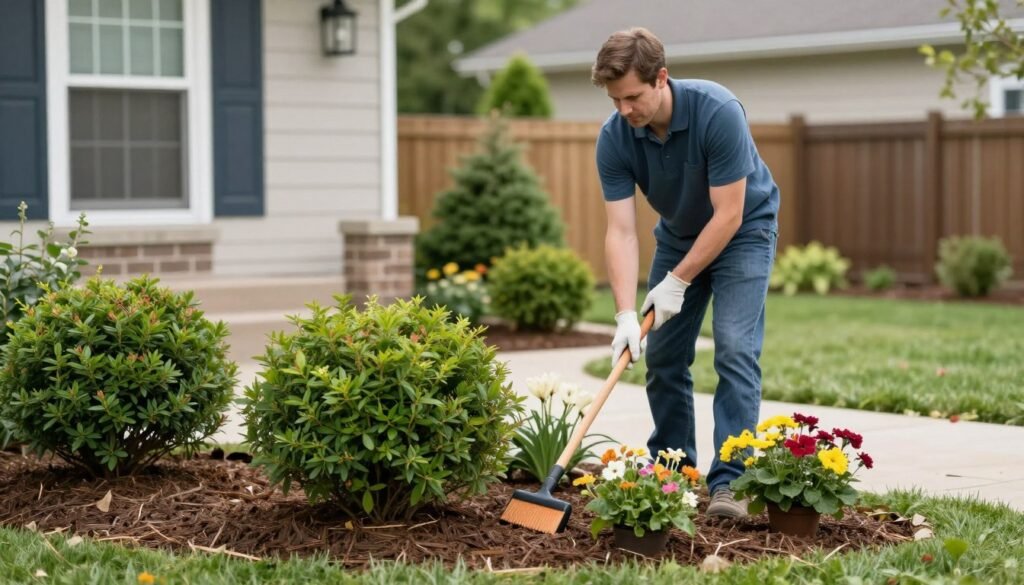
Mulch is a low-maintenance landscaper’s best friend. A 2-3 inch layer of organic mulch suppresses weeds, retains moisture, moderates soil temperature, and adds nutrients as it breaks down. Refresh mulch annually to maintain its benefits and keep your landscape looking tidy.
Create a low-maintenance landscape
Find quality mulch and ground cover plants for easier yard maintenance.
Drip irrigation or soaker hoses deliver water directly to plant roots, reducing waste and minimizing disease problems associated with wet foliage. Add a timer to automate watering and ensure plants receive consistent moisture even when you’re away.
Group Plants by Water Needs
Hydrozoning—grouping plants with similar water requirements—allows for more efficient irrigation and prevents overwatering or underwatering. Create distinct zones for drought-tolerant plants, moderate water users, and those requiring regular moisture.
Budget-Friendly Front House Landscaping Ideas
Creating a beautiful front yard doesn’t have to break the bank. These cost-effective strategies can help you achieve an attractive landscape while keeping expenses in check.
Thoughtful design and smart plant choices create impact without excessive cost
Start Small and Phase Your Project
Instead of tackling your entire front yard at once, break your landscaping project into manageable phases. Begin with the most visible areas—like your entryway or the area directly in front of your home—and expand your design over time as budget allows.
Choose Perennials and Self-Sowing Annuals
Perennials cost more initially but provide years of beauty without replacement. Many perennials can be divided after a few years, giving you free plants to expand your garden. Self-sowing annuals like cosmos, cleome, and nigella return year after year from dropped seeds.
Shop End-of-Season Sales
Purchase trees, shrubs, and perennials during end-of-season sales when nurseries offer significant discounts. While these plants may not look their best at purchase time, they’ll establish well and flourish the following year with proper care.
Young plants may start small but will fill in beautifully over time
DIY Hardscaping
Simple DIY projects can dramatically improve your landscape without professional installation costs. Consider installing your own edging, building simple raised beds, or creating a gravel pathway. Many home improvement stores offer free workshops to teach basic landscaping skills.
Repurpose and Upcycle
Get creative with repurposed items that can add character to your landscape. Vintage containers, reclaimed brick or stone, and repurposed architectural elements can become unique focal points while saving money and reducing waste.
Create your dream landscape on a budget
Find affordable tools and supplies for DIY landscaping projects.
Special Considerations for Front House Landscaping
Certain situations require specific approaches to front yard landscaping. These solutions address common challenges while creating beautiful, functional outdoor spaces.
Small Front Yards
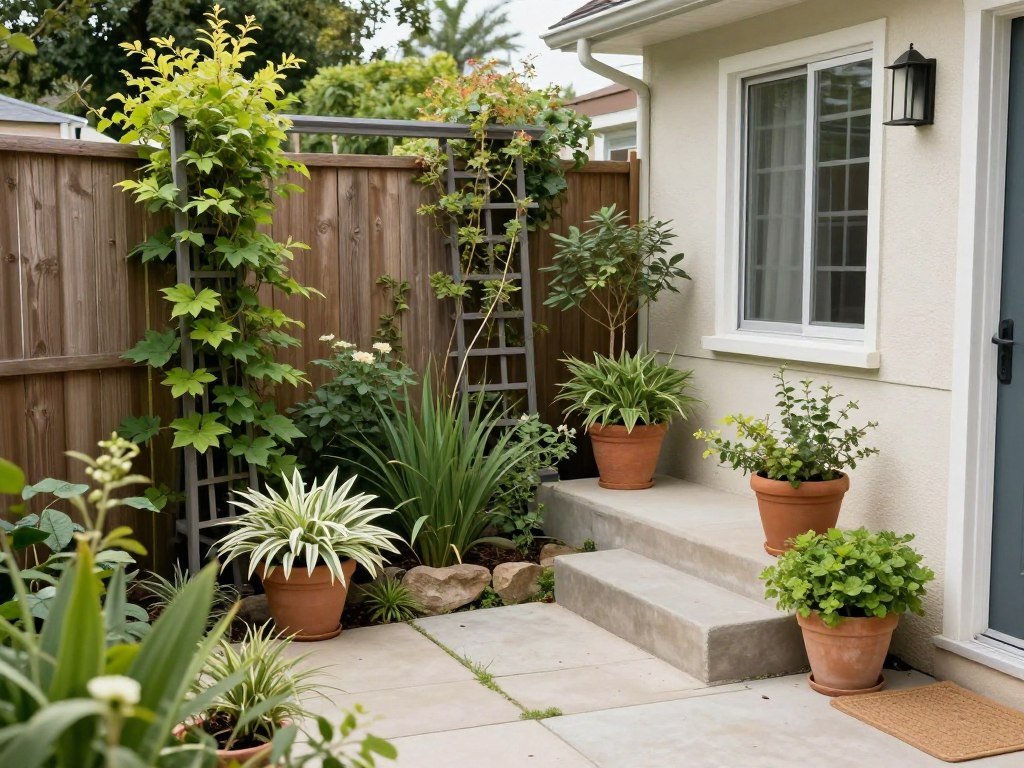
Limited space requires thoughtful design to maximize impact. Focus on quality over quantity, choosing a few standout plants rather than cramming in too many varieties. Use vertical elements like trellises or tall, narrow plants to draw the eye upward and create the illusion of more space.
Small spaces can create big impact with thoughtful design and vertical elements
Sloped Front Yards
Sloped yards present both challenges and opportunities. Terracing with retaining walls creates level planting areas while preventing erosion. Alternatively, embrace the slope with cascading ground covers and plants that thrive on inclines. Incorporate steps or a winding path for safe, comfortable access.
Corner Lots
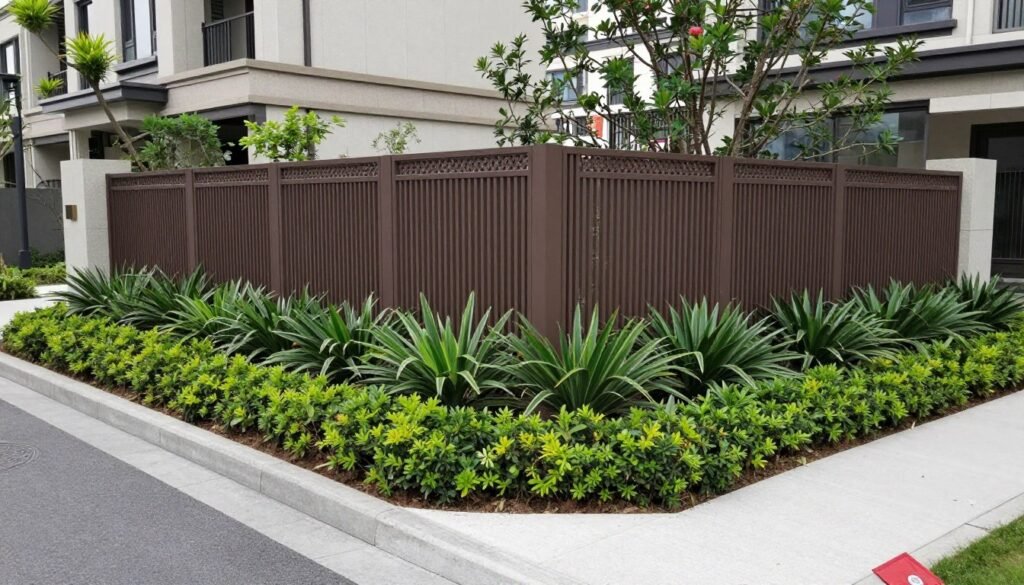
Corner properties have increased visibility and often more square footage to landscape. Create a cohesive design that addresses both street frontages while maintaining privacy. Consider using a decorative fence, hedge, or garden bed to define property lines and create a sense of enclosure.
Corner lots benefit from designs that address multiple viewing angles
Shady Front Yards
Shade presents opportunities for lush, woodland-inspired gardens. Embrace shade-loving plants like hostas, ferns, astilbe, and heuchera that thrive with limited sun. Incorporate white or light-colored flowers and variegated foliage to brighten dark areas and create visual interest.
Hot, Dry Climates
Xeriscaping principles create beautiful landscapes in hot, arid regions. Choose drought-tolerant native plants adapted to local conditions, group plants with similar water needs, and use gravel or decomposed granite instead of mulch to reduce evaporation while adding texture.
Seasonal Maintenance for Front House Landscaping
Regular maintenance keeps your front yard looking its best throughout the year. Follow these seasonal guidelines to maintain a healthy, attractive landscape with minimal effort.
Regular seasonal maintenance keeps your landscape healthy and attractive
Spring Maintenance
Spring is the time for cleanup and preparation for the growing season. Remove winter debris, cut back ornamental grasses and perennials, apply fresh mulch, and divide overcrowded perennials. Early spring is also ideal for planting trees, shrubs, and cool-season annuals.
Spring Checklist:
Clean up winter debris and dead foliage
Cut back ornamental grasses and perennials
Apply fresh mulch to beds (2-3 inches)
Divide and transplant perennials as needed
Apply pre-emergent weed control
Spring Planting:
Trees and shrubs
Cool-season annuals
Summer-blooming bulbs
Perennials
Vegetable and herb transplants
Summer Maintenance
Summer maintenance focuses on watering, deadheading spent flowers, and controlling weeds. Water deeply but infrequently to encourage deep root growth, and adjust irrigation as needed during hot periods. Regular deadheading extends the blooming period of many flowers.
Make garden maintenance easier
Find quality tools and supplies for seasonal garden care.
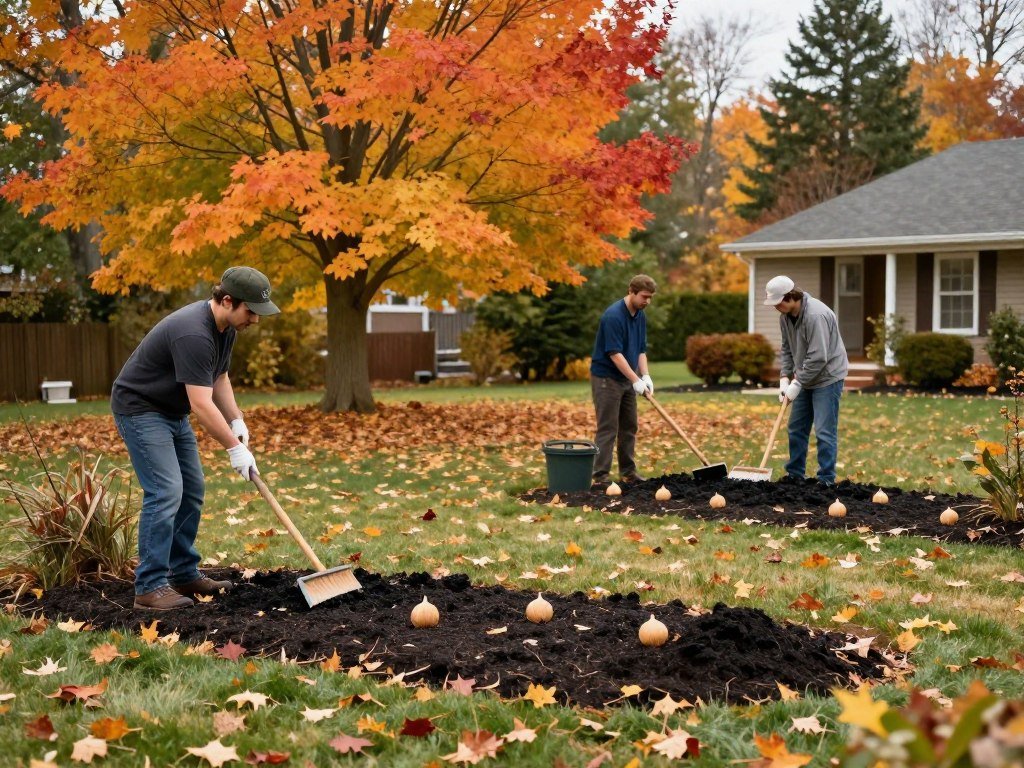
Fall is the time to prepare your landscape for winter. Plant spring-flowering bulbs, trees, and shrubs, divide spring and summer-blooming perennials, and clean up fallen leaves. Apply a layer of compost to beds to enrich the soil over winter.
Fall maintenance prepares your landscape for winter dormancy
Winter Maintenance
Winter maintenance is minimal but important. Protect sensitive plants from freezing temperatures, avoid walking on frozen lawns, and periodically check for winter damage after storms. Use this quieter season to plan improvements for the coming year.
Creating Your Perfect Front House Landscape
Your front yard is a canvas for expressing your personal style while enhancing your home’s architecture and value. Whether you prefer formal elegance, casual cottage charm, or modern minimalism, thoughtful planning and design will help you create a landscape that welcomes visitors and brings you joy every time you arrive home.
A thoughtfully designed front yard creates a welcoming entrance and lasting impression
Remember that landscaping is an evolving process. Start with a solid plan, implement it in phases if needed, and allow your landscape to grow and mature over time. With patience and care, your front house landscaping will become more beautiful with each passing season, creating a welcoming entrance that reflects your personal style and enhances your home’s character.
Ready to transform your front yard?
Find everything you need to create your perfect landscape.
A well-organized vanity isn’t just visually pleasing—it transforms your entire beauty routine. When makeup brushes stand neatly in their holders, skincare…