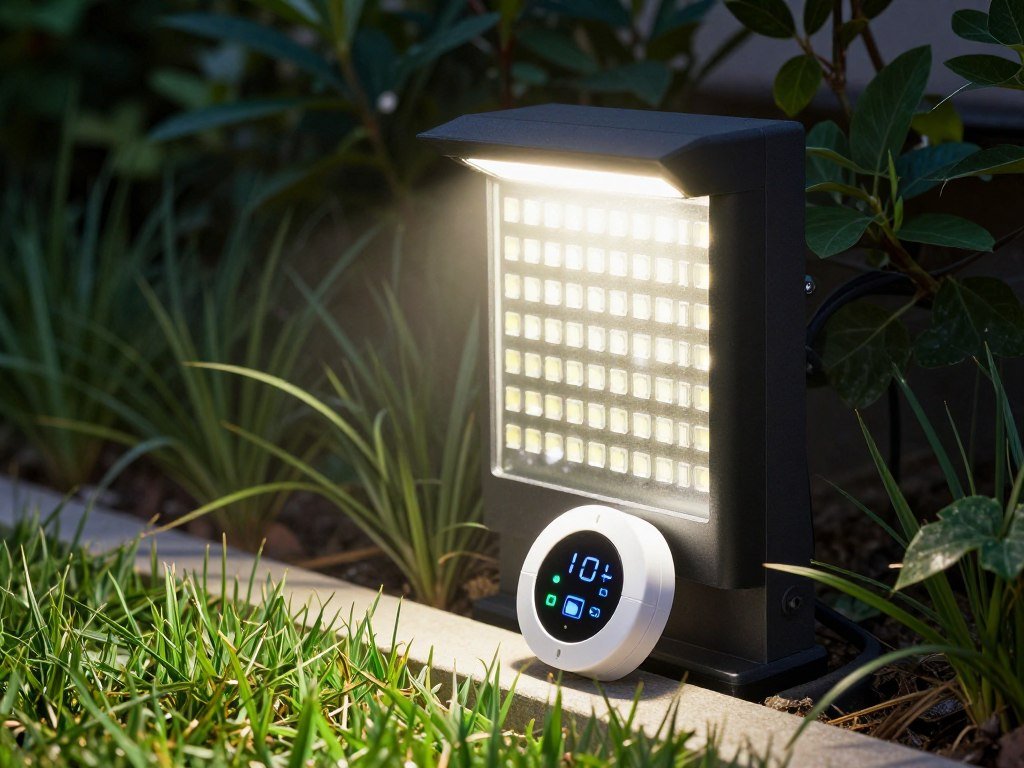
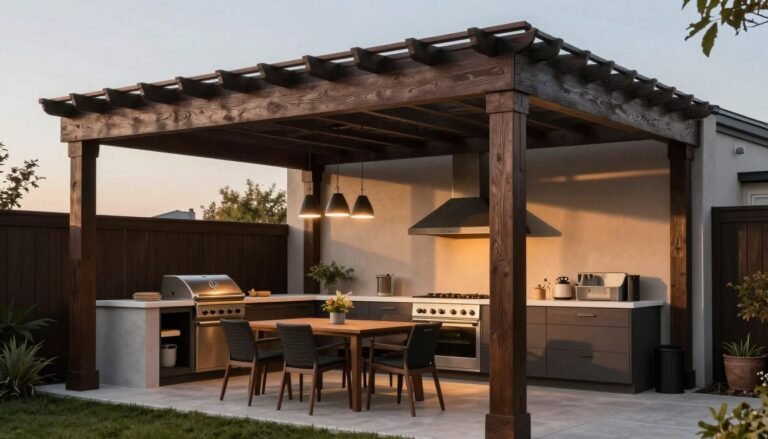
The right backyard lighting can completely transform your outdoor space from a dark, unused area after sunset into a magical extension of your home. Well-designed lighting not only enhances the beauty of your landscape but also improves safety, extends your living area, and creates an inviting atmosphere for gatherings. Whether you’re looking to highlight architectural features, illuminate pathways, or create a cozy ambiance for evening entertainment, this guide will help you discover the perfect lighting solutions for your backyard oasis.
This Website contains affiliate links. That means I may earn a small commission if you purchase through my links, at no extra cost to you.
Defining Your Backyard Lighting Style
Before purchasing any fixtures, it’s important to define the style that best complements your outdoor space and personal taste. Your lighting choices should enhance your existing landscape design while creating the atmosphere you desire. Here are four popular backyard lighting styles to consider:
Modern & Minimalist
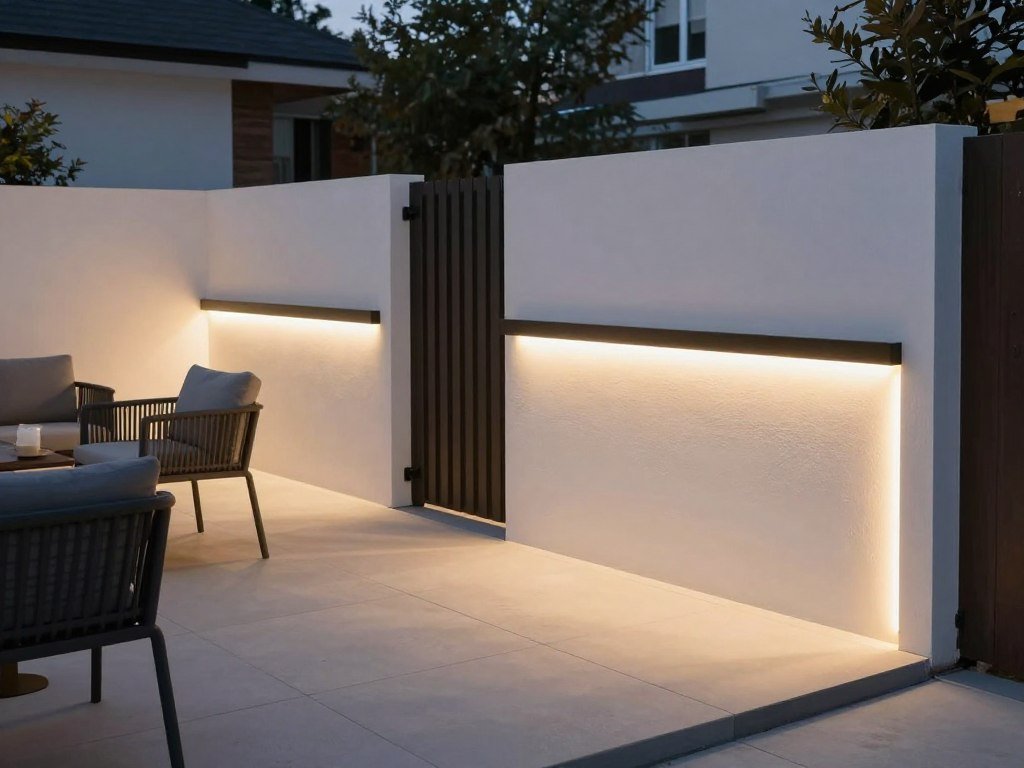
Clean lines, geometric shapes, and a focus on functionality characterize this style. Look for fixtures with sleek metal finishes, hidden light sources, and architectural lighting that creates dramatic shadows and highlights structural elements. LED strip lights, recessed fixtures, and angular path lights work beautifully in contemporary spaces.
Perfect for: Contemporary homes, urban settings, and minimalist landscapes.
This style embraces organic materials and warm tones that blend seamlessly with the landscape. Look for fixtures in weathered copper, bronze, or iron with amber light that mimics candlelight. Solar-powered lanterns, copper path lights, and fixtures that incorporate natural elements like stone or wood create a harmonious outdoor setting.
Perfect for: Cottage gardens, woodland settings, and traditional homes.
Playful, eclectic, and full of personality, this style mixes colors, patterns, and lighting types for a joyful atmosphere. String lights in multiple colors, Moroccan-inspired lanterns, and creative DIY lighting solutions add whimsy and charm. This approach celebrates individuality and creates a perfect setting for outdoor gatherings.
Perfect for: Eclectic spaces, entertainment areas, and creative personalities.
Timeless and sophisticated, this style features traditional lanterns, symmetrical placement, and refined fixtures. Look for classic coach lights, gas-inspired lanterns, and fixtures with intricate details in brass, bronze, or black finishes. This approach creates a sense of permanence and luxury in the landscape.
Perfect for: Traditional homes, formal gardens, and established neighborhoods.
Inspired by seaside living, this style incorporates weatherproof materials, nautical themes, and a relaxed vibe. Look for fixtures in galvanized metal, rope-wrapped details, and blue-toned lighting. Solar-powered stake lights, lanterns with coastal motifs, and string lights create a breezy, vacation-like atmosphere.
Perfect for: Beach houses, waterfront properties, and coastal-inspired landscapes.
Embracing the latest technology, this style features programmable lighting, color-changing capabilities, and smartphone control. Look for fixtures with integrated Bluetooth or WiFi, motion sensors, and customizable settings. This approach offers ultimate flexibility and convenience for the tech-savvy homeowner.
Perfect for: Modern homes, tech enthusiasts, and entertainment-focused spaces.
Professional lighting designers use a technique called “layering” to create depth, dimension, and functionality in outdoor spaces. By combining different types of lighting, you can create a more dynamic and versatile backyard that serves multiple purposes.
Ambient Lighting
This is your base layer that provides overall illumination and sets the mood for your outdoor space. Ambient lighting helps you navigate safely while creating a welcoming atmosphere.
Examples: String lights hung overhead, lanterns placed around seating areas, wall-mounted fixtures, and post lights.
Tip: Aim for a soft, even glow rather than harsh, bright light. Consider using dimmers to adjust the intensity based on the occasion.
This layer illuminates specific areas where activities take place, making them functional after dark. Task lighting is practical and focused, helping you perform specific activities safely and comfortably.
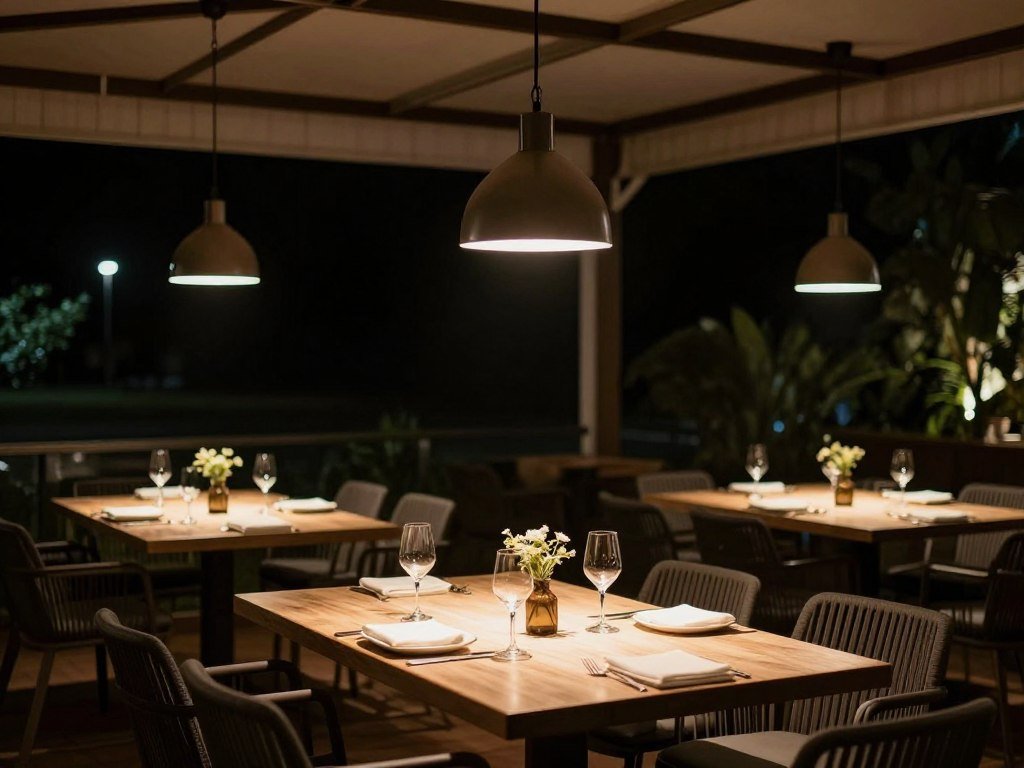
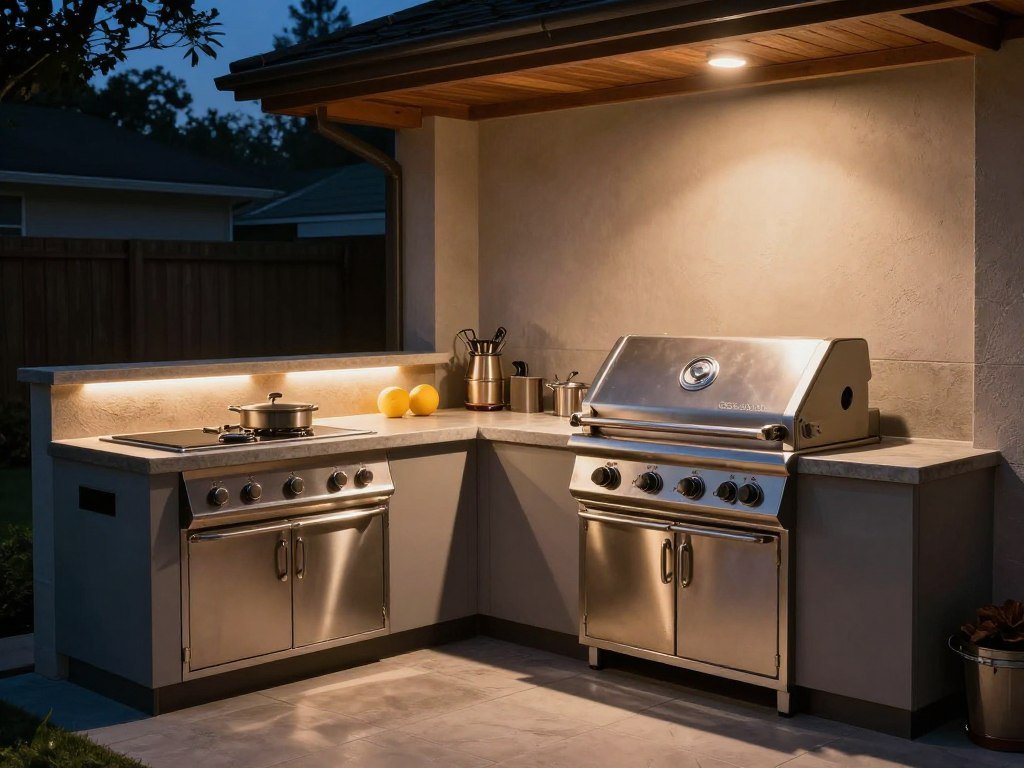
Examples: Spotlights over grilling areas, pendant lights above dining tables, step lights on stairs, and path lights along walkways.
Tip: Position task lighting to minimize shadows and glare while maximizing visibility for the intended activity.
This layer draws attention to specific features and creates visual interest in your landscape. Accent lighting adds drama, depth, and personality to your outdoor space.
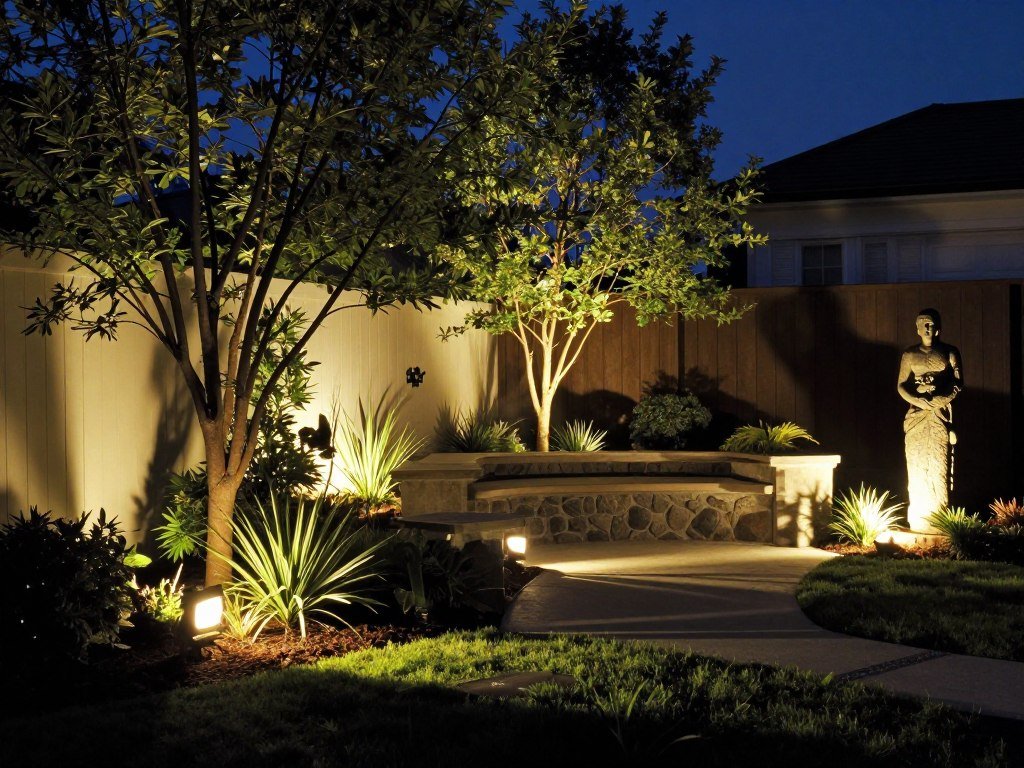
Examples: Uplights on trees or architectural features, spotlights on sculptures or water features, and wash lights on textured walls or fences.
Tip: Use accent lighting sparingly to create focal points—too many highlighted features can create visual confusion.
A well-designed backyard incorporates all three lighting layers to create depth, functionality, and visual interest.
Backyard Lighting by Zone: Strategic Placement for Maximum Impact
Different areas of your backyard serve different purposes and therefore require tailored lighting approaches. Let’s explore how to effectively light each zone of your outdoor space:
Pathways & Steps
Proper lighting along walkways and stairs is essential for safety while also adding a welcoming element to your landscape.
Best Fixtures: Path lights, step lights, recessed lights, and bollards.
Placement Tips:
Space path lights 6-8 feet apart for even illumination without a “runway” effect
Install step lights on risers or adjacent walls to illuminate each tread
Position lights to minimize glare by directing light downward
Consider motion-activated lights for areas used infrequently
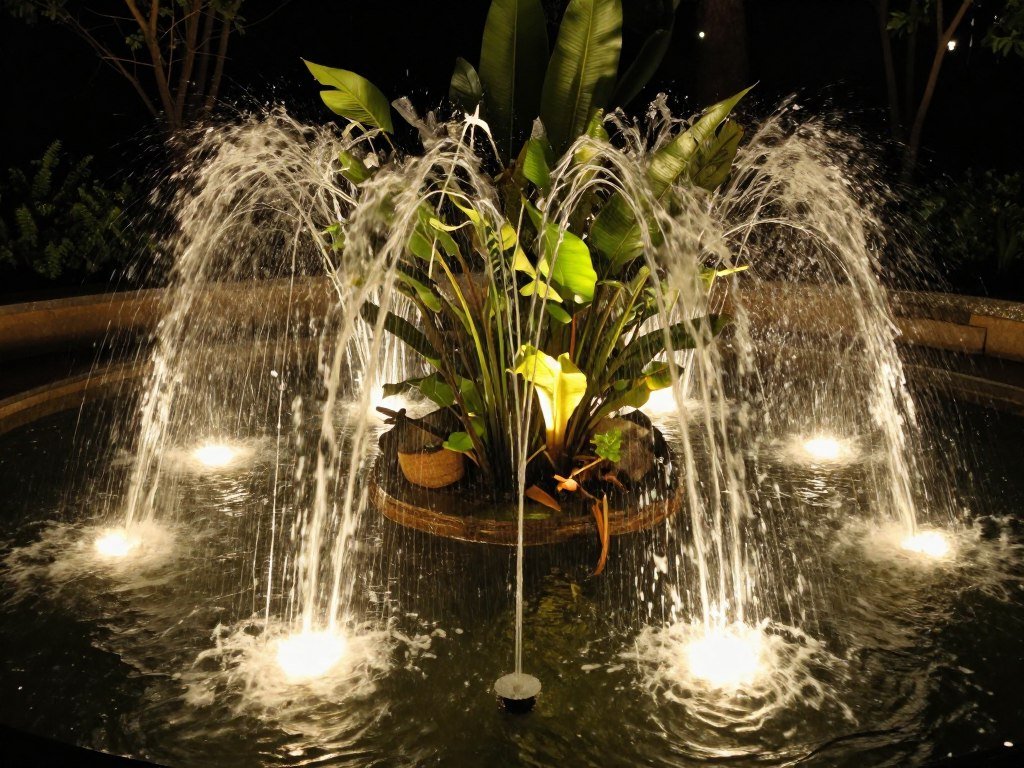
Lighting transforms ponds, fountains, and pools into mesmerizing focal points after dark, highlighting water movement and creating beautiful reflections.
Best Fixtures: Underwater lights, floating lights, spotlights, and color-changing LEDs.
Placement Tips:
Use submersible lights to illuminate from within the water
Position spotlights to capture water movement in fountains or waterfalls
Consider color-changing options for special occasions
Ensure all fixtures are rated for underwater use and properly sealed
A well-planned lighting design addresses each zone of your backyard with appropriate fixtures and techniques.
Power Sources & Smart Technology for Backyard Lighting
Choosing the right power source for your backyard lighting is as important as selecting the fixtures themselves. Each option offers different benefits in terms of installation complexity, operating costs, and functionality.
Solar-Powered Lighting
Pros:
No wiring required—simply stake or mount where desired
Zero electricity costs and environmentally friendly
Easy DIY installation with no electrical expertise needed
Perfect for remote areas of the yard without access to power
Cons:
Light output is generally less bright than wired options
Performance depends on sunlight exposure and weather conditions
Battery life diminishes over time, requiring eventual replacement
Limited styles and design options compared to wired fixtures
Different power sources offer varying levels of brightness, reliability, and installation complexity.
Practical Tips for Successful Backyard Lighting
Beyond aesthetics, there are several practical considerations that will help ensure your backyard lighting is effective, efficient, and long-lasting. Here are some expert tips to guide your lighting project:
Light Color Temperature
The color temperature of your lighting dramatically affects the mood and appearance of your outdoor space:
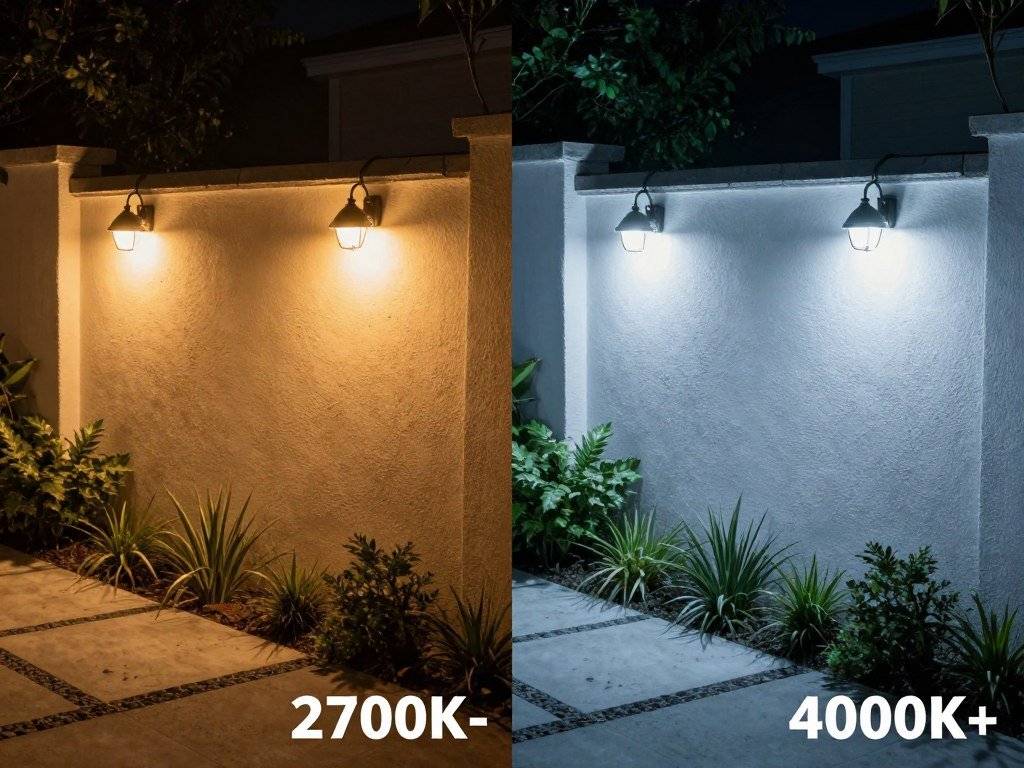
Warm White (2700K-3000K): Creates a cozy, inviting atmosphere similar to candlelight or sunset. Ideal for entertaining spaces and traditional designs.
Neutral White (3500K-4000K): Provides a balanced, natural light that works well for task areas like cooking spaces.
Cool White (5000K+): Produces a bright, moonlight-like glow that can make colors appear more vibrant and create a contemporary feel.
Tip: For most residential settings, warm white lighting (2700K-3000K) is preferred for its flattering, relaxing quality.
Weather Resistance & Durability
Outdoor lighting must withstand the elements year-round. Look for these features:
IP Rating: Look for fixtures rated IP65 or higher for good weather resistance.
Materials: Choose fixtures made from durable materials like brass, copper, stainless steel, or high-quality composites that resist corrosion.
Sealed Connections: Ensure all electrical connections are properly sealed against moisture.
UV Resistance: Select fixtures with UV-resistant finishes to prevent fading and deterioration from sun exposure.
Tip: In coastal areas, look specifically for marine-grade fixtures designed to withstand salt air.
Maintenance Considerations
Regular maintenance will extend the life of your lighting system:
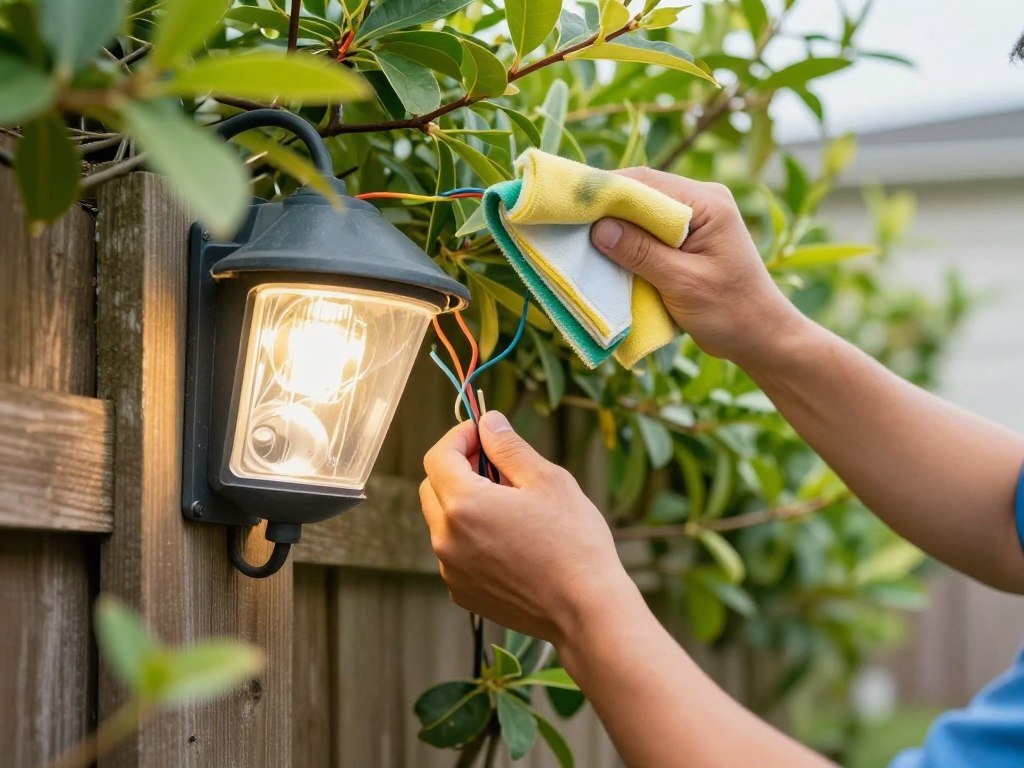
Clean fixtures several times a year to remove dirt, debris, and water spots
Trim plants that grow around fixtures to maintain proper light distribution
Check and tighten connections annually
Replace bulbs proactively before they burn out completely
Adjust fixture positions seasonally as plants grow and landscape changes
Clean solar panels regularly to ensure maximum charging efficiency
Tip: Create a seasonal maintenance schedule to keep your lighting system in top condition year-round.
Installation Best Practices
Whether DIY or professional, proper installation ensures safety and longevity:
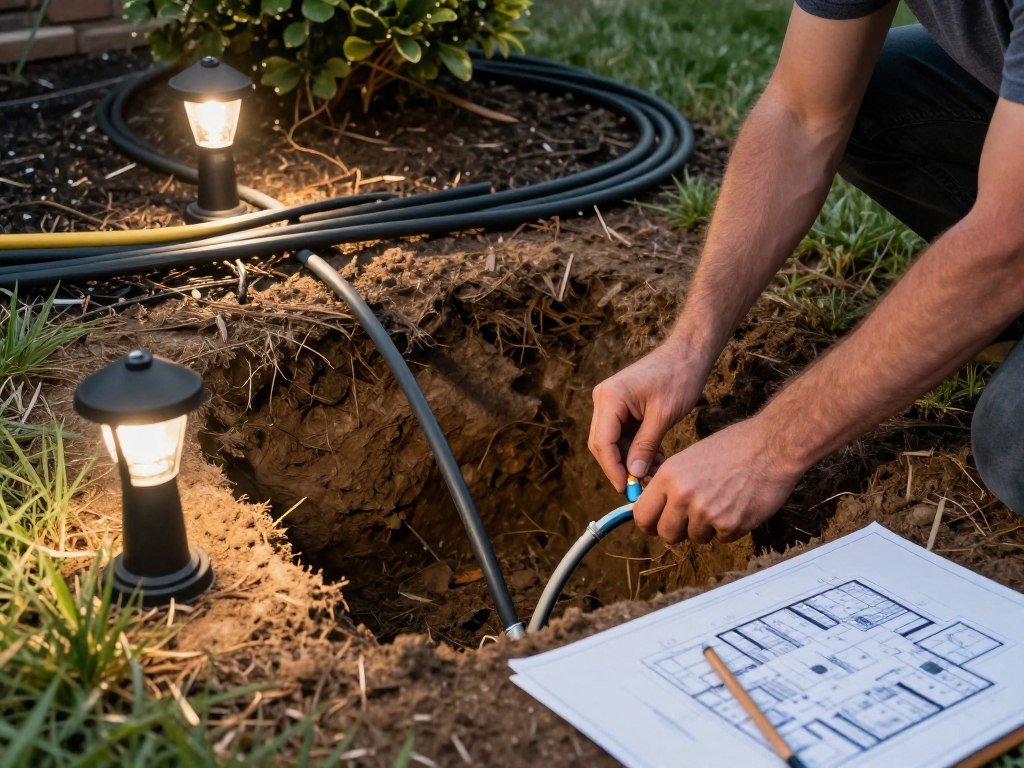
Create a detailed lighting plan before purchasing fixtures
Bury low-voltage cables 6 inches deep or cover with mulch
Use waterproof wire connectors for all connections
Install transformers in accessible locations protected from the elements
Test the system at night during installation to adjust positioning
Consider future landscape growth when placing fixtures
Tip: For complex systems, consider hiring a professional landscape lighting designer for optimal results.
Energy Efficiency
Minimize operating costs while being environmentally responsible:
Choose LED fixtures, which use up to 80% less energy than incandescent options
Install timers or smart controls to automatically turn lights on and off
Use zoning to illuminate only the areas needed at specific times
Consider motion sensors for areas used infrequently
Select the appropriate wattage for each application—brighter isn’t always better
Tip: Look for ENERGY STAR certified fixtures for maximum efficiency and rebate eligibility.
Light Pollution Considerations
Be a good neighbor and protect the night sky with these practices:
Choose fixtures with shields that direct light downward
Avoid overly bright lighting that creates glare
Use timers to turn off or dim lights during late night hours
Position lights carefully to prevent light trespass onto neighboring properties
Look for “Dark Sky Friendly” fixtures certified by the International Dark-Sky Association
Tip: Proper lighting design can actually be more effective with less light by creating contrast rather than overall brightness.
Start Your Backyard Lighting Journey
Creating a beautifully lit backyard doesn’t have to happen all at once. Start with one area—perhaps your patio or main pathway—and expand your lighting design as your confidence and budget allow. Experiment with different fixtures, placements, and techniques to discover what works best for your unique space.
Remember that the most successful backyard lighting designs balance aesthetics with functionality, creating spaces that are not only beautiful but also safe and usable after dark. By thoughtfully layering different types of lighting and considering the specific needs of each zone in your yard, you’ll create an outdoor oasis that extends your living space and enhances your enjoyment of your home.
Ready to Transform Your Backyard?
Start your lighting project today with quality fixtures that will enhance your outdoor space for years to come. Share your backyard lighting creations or pin your favorite ideas from this guide to inspire others!
There’s something undeniably magical about entertaining outdoors. The gentle breeze, the starlit sky, and the relaxed atmosphere create memories that last…
Green kitchen designs blend sustainability with style, creating spaces that are both functional and environmentally friendly. From energy-efficient appliances to materials…