That narrow strip along the side of your house often becomes a forgotten no-man’s-land – a place for trash cans, air conditioning units, and not much else. But with thoughtful side of house landscaping, this overlooked area can become one of the most charming and functional spaces in your yard. Whether your side yard is a slim passage or a wider strip with untapped potential, this guide will help you transform it into a beautiful extension of your home that adds both value and enjoyment to your property.
This Website contains affiliate links. That means I may earn a small commission if you purchase through my links, at no extra cost to you.
Assessing Your Side Yard Space
Before diving into side yard landscaping ideas, take time to evaluate what you’re working with. Understanding your space’s unique characteristics will help you choose solutions that work with your yard rather than against it.
Key Factors to Consider
Dimensions and Layout
Measure the width and length of your side yard. Narrow spaces (under 4 feet wide) will need different approaches than wider areas. Note any existing features like utility boxes, meters, or drainage systems that need to remain accessible.
Sunlight Patterns
Observe how sunlight moves through your side yard throughout the day. Many side yards are partially or fully shaded by the house and neighboring structures. Track sunny and shady spots to determine what plants will thrive where.
Drainage Considerations
Notice how water flows through the space during rain. Side yards often collect runoff from roofs and neighboring properties, which can create soggy areas or erosion problems that need addressing in your design.
Access Requirements
Consider how the space needs to function. Is it a primary pathway from front to back yard? Does it need to accommodate wheelbarrows or equipment? Your landscaping should enhance functionality, not hinder it.
A well-designed pathway is often the foundation of successful side of house landscaping. It not only provides practical access but also sets the aesthetic tone for the entire space.
Pathway Material Options
Natural Stone
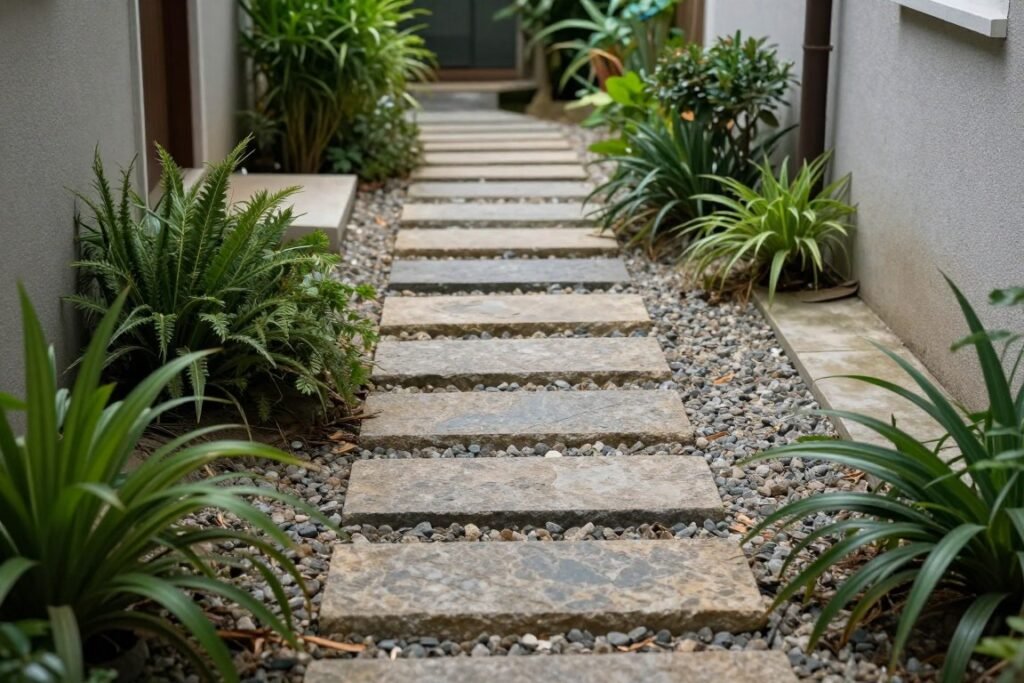
Flagstone, slate, or limestone create a timeless, organic look. Irregular shapes work well for curved paths, while cut stone creates a more formal appearance. While more expensive, stone offers exceptional durability and aging beauty.
For a cost-effective alternative, consider [concrete pavers that mimic natural stone](https://www.amazon.com/s?k=concrete+pavers+natural+stone+look&tag=decorlyhome00-20).
Gravel and Crushed Rock
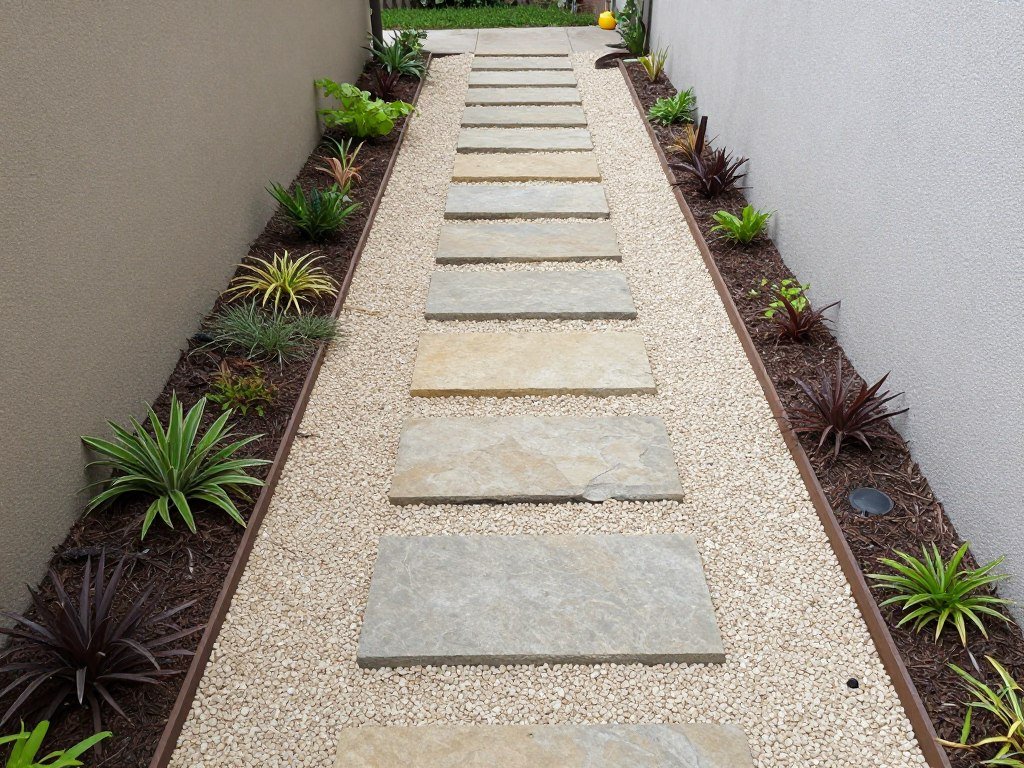
Pea gravel, decomposed granite, or crushed rock provide excellent drainage and a satisfying crunch underfoot. Edge with metal, stone, or brick to keep material contained. These materials are budget-friendly and easy to install as DIY projects.
Consider [decorative landscape gravel](https://www.amazon.com/s?k=decorative+landscape+gravel&tag=decorlyhome00-20) in colors that complement your home’s exterior.
Stepping Stones
Perfect for narrow spaces, stepping stones create a playful path while allowing ground cover to grow between them. They can be set in soil, mulch, or gravel for different effects. Mix materials for added interest, like concrete rounds with brick borders.
[Precast concrete stepping stones](https://www.amazon.com/s?k=precast+concrete+stepping+stones&tag=decorlyhome00-20) offer an affordable way to create an instant path.
Design tip: In narrow side yards, consider making your pathway curve gently rather than running straight. This simple design choice creates visual interest and makes the space feel wider than it actually is.
Pathway Design Considerations
Width and Accessibility
For primary access paths, aim for at least 30 inches wide to allow comfortable passage. For utility access only, 18-24 inches may suffice. Consider wider sections at key points to create small activity zones or passing areas.
Edging and Borders
Define your pathway with edging to create clean lines and prevent material migration. Options include metal edging, stone borders, or low-growing plants. [Metal landscape edging](https://www.amazon.com/s?k=metal+landscape+edging&tag=decorlyhome00-20) creates a clean, modern look that’s easy to install.
Vertical Gardening: Maximizing Limited Side Yard Space
When ground space is at a premium, look up! Vertical gardening is the perfect solution for side of house landscaping, allowing you to grow a variety of plants without sacrificing precious floor area.
Vertical Gardening Structures
Trellises and Arbors
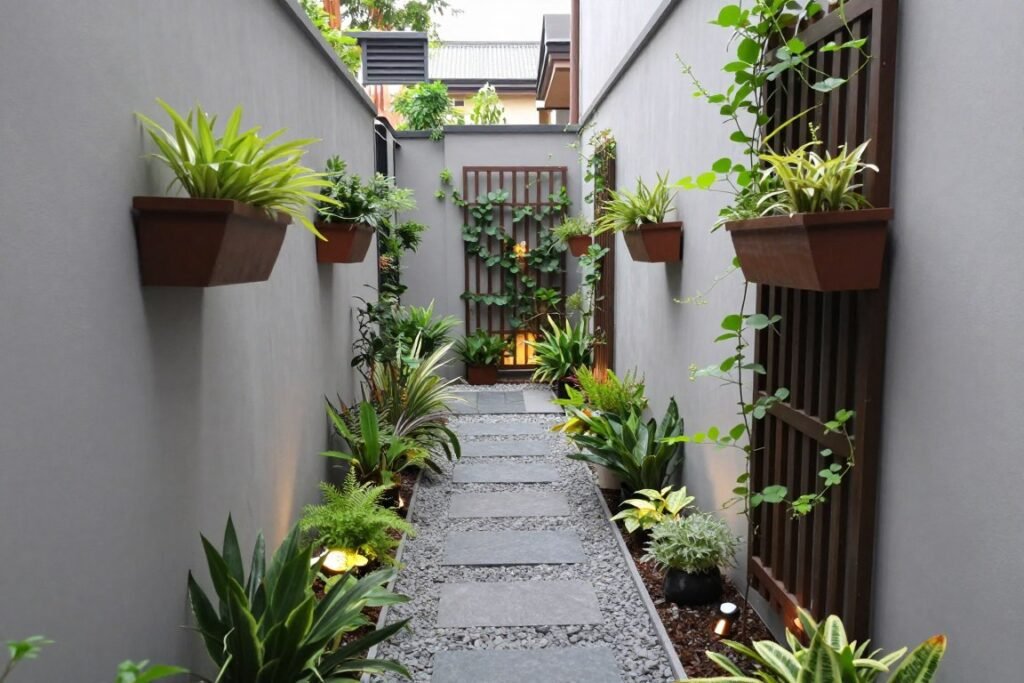
Install trellises against fences or walls to support climbing plants like jasmine, clematis, or climbing roses. Arbors can create beautiful entrances while providing growing space. Look for [weather-resistant garden trellises](https://www.amazon.com/s?k=weather+resistant+garden+trellis&tag=decorlyhome00-20) that won’t need frequent replacement.
Wall-Mounted Planters
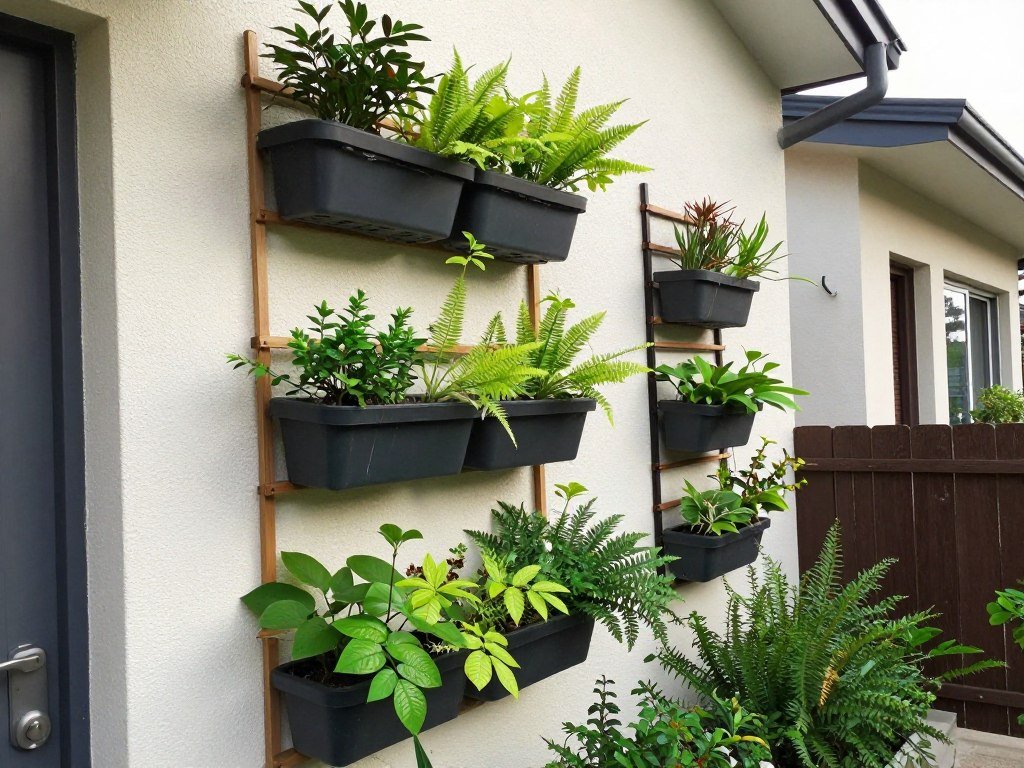
Attach planters directly to walls, fences, or sturdy posts to create a living wall effect. These work well for herbs, succulents, and small flowering plants. Consider [modular wall planter systems](https://www.amazon.com/s?k=modular+wall+planter+system&tag=decorlyhome00-20) that allow you to expand your garden over time.
Hanging Gardens
Suspend planters from eaves, pergolas, or specially installed hooks to add another dimension to your garden. Trailing plants like petunias, ivy, or string of pearls work beautifully in hanging containers. [Macrame plant hangers](https://www.amazon.com/s?k=macrame+plant+hangers+outdoor&tag=decorlyhome00-20) add a decorative touch to simple pots.
Plants Perfect for Vertical Gardens
Climbing Plants
Clematis – Beautiful flowering vine with varieties for sun or shade
Star Jasmine – Fragrant white flowers and evergreen foliage
Boston Ivy – Fast-growing with stunning fall color
Climbing Hydrangea – Excellent for shady side yards
Passion Flower – Exotic blooms and interesting foliage
Container-Friendly Plants
Herbs – Thyme, rosemary, mint, and basil for culinary gardens
Succulents – Low-maintenance options for sunny spots
Ferns – Perfect for shady side yards
Trailing Petunias – Cascading flowers for hanging baskets
Ornamental Grasses – Add texture and movement in containers
DIY Project: Simple Vertical Herb Garden
Create an accessible herb garden in even the narrowest side yard by mounting [cedar planter boxes](https://www.amazon.com/s?k=cedar+planter+boxes+wall+mount&tag=decorlyhome00-20) to a fence or wall. Install boxes at different heights, fill with quality potting soil, and plant your favorite culinary herbs. Position near your kitchen door for easy harvesting while cooking!
Design Solutions for Extra-Narrow Side Yards
Some side yards are so narrow they seem impossible to landscape. However, with the right approach, even the slimmest spaces can become beautiful and functional parts of your garden.
Space-Saving Strategies
Optical Illusions
Use design tricks to make narrow spaces feel wider. Install mirrors in strategic locations to reflect light and create the illusion of more space. Place [outdoor mirror panels](https://www.amazon.com/s?k=outdoor+garden+mirror+panels&tag=decorlyhome00-20) to visually double your garden’s width.
Minimalist Approach
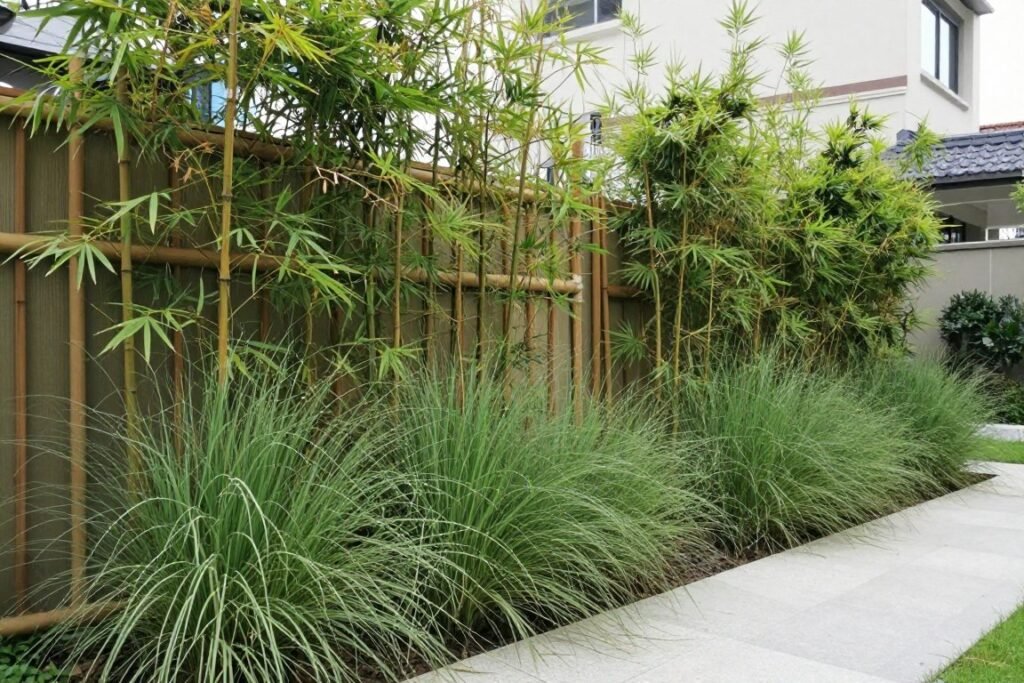
In extremely narrow spaces, embrace simplicity. Choose a few statement plants rather than crowding the area. A single dramatic Japanese maple or architectural plant like [ornamental grasses](https://www.amazon.com/s?k=ornamental+grasses+for+narrow+spaces&tag=decorlyhome00-20) can create more impact than numerous smaller plants.
Lighting for Narrow Spaces
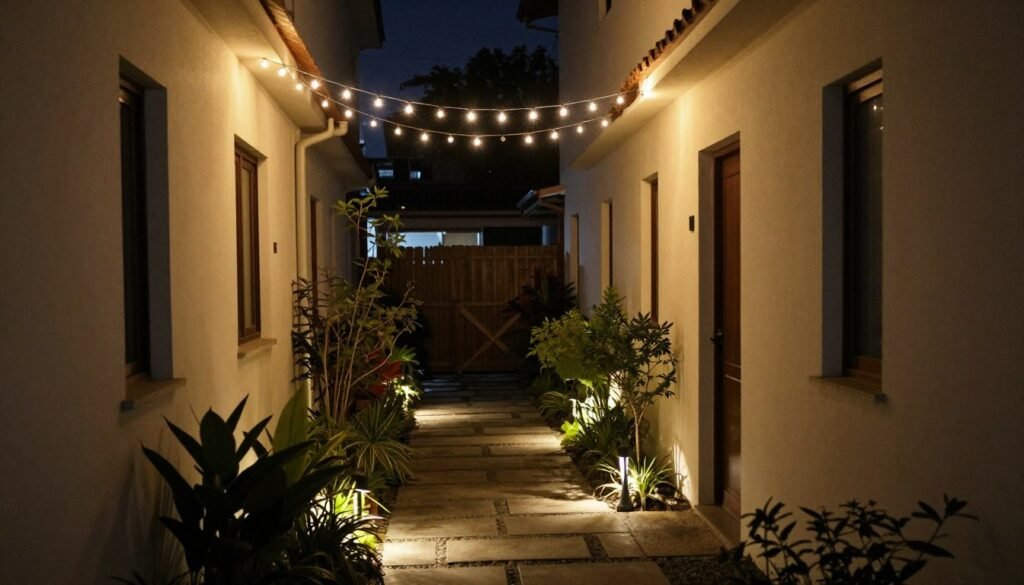
Strategic lighting transforms narrow side yards, making them feel larger and more inviting, especially at night. Low-voltage [pathway lighting](https://www.amazon.com/s?k=low+voltage+pathway+lighting&tag=decorlyhome00-20) guides movement while creating ambiance. Wall-mounted fixtures save valuable floor space while illuminating vertical features.
Remember that in narrow spaces, less is often more. A few well-chosen elements will create a more cohesive and spacious feel than trying to incorporate too many features.
Creating Functional Side Yard Spaces
Your side yard can do more than just look pretty—it can serve practical purposes that enhance your home’s functionality. Consider these ideas for making your side of house landscaping work harder for you.
Practical Side Yard Ideas
Kitchen Garden
Transform your side yard into a productive kitchen garden with raised beds or containers growing herbs, salad greens, and compact vegetables. Position [elevated garden beds](https://www.amazon.com/s?k=elevated+garden+beds+narrow&tag=decorlyhome00-20) along the sunniest edge for maximum productivity.
Utility Area
Create an organized space for trash bins, recycling, and garden tools. Use decorative screens or strategic plantings to hide utilitarian elements while maintaining easy access. [Decorative privacy screens](https://www.amazon.com/s?k=decorative+outdoor+privacy+screens&tag=decorlyhome00-20) can conceal necessary but unsightly items.
Pet-Friendly Zone
Design a dedicated dog run or pet area with appropriate surfacing and pet-friendly plants. Include features like a small water station or [outdoor pet bed](https://www.amazon.com/s?k=outdoor+elevated+pet+bed&tag=decorlyhome00-20) to make the space comfortable for your four-legged family members.
Small-Space Seating Areas
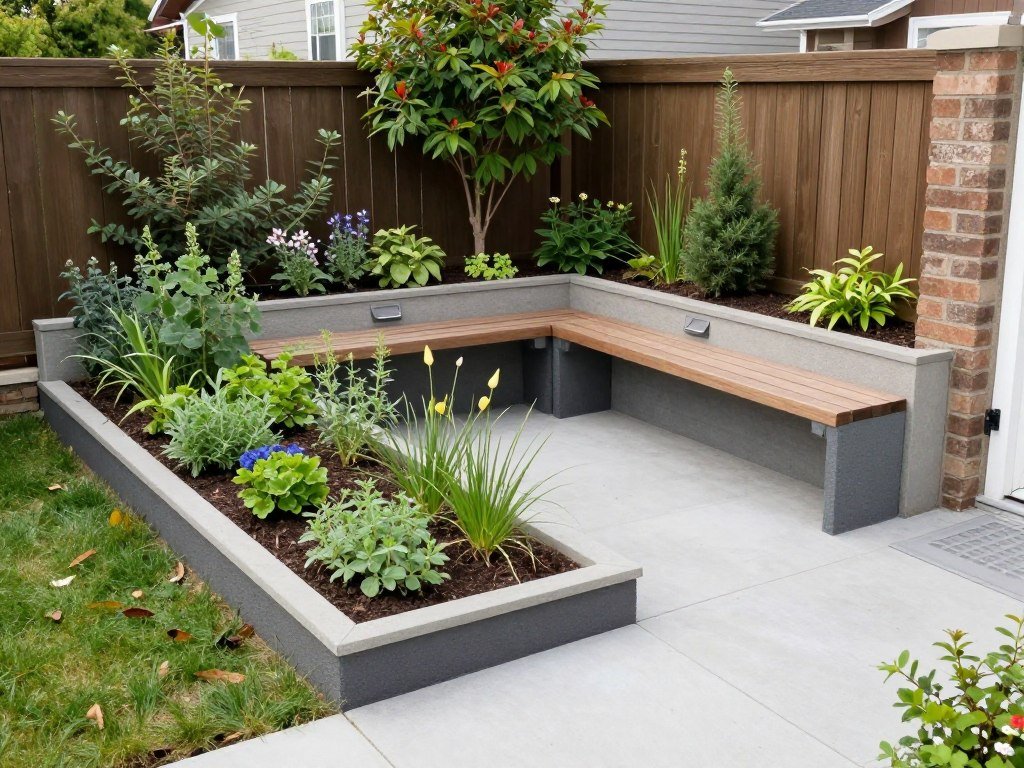
Even the narrowest side yard can incorporate a small seating area for morning coffee or quiet reading. Look for [narrow outdoor benches](https://www.amazon.com/s?k=narrow+outdoor+bench+for+small+spaces&tag=decorlyhome00-20) designed for tight spaces, or consider built-in seating that doubles as storage. Position seating to capture the best views or sunlight patterns in your yard.
Choosing the Right Plants for Side Yard Conditions
Plant selection is crucial for successful side of house landscaping. Side yards often present challenging growing conditions, including irregular sunlight, restricted airflow, and competition for water and nutrients.
Plants for Challenging Side Yard Conditions
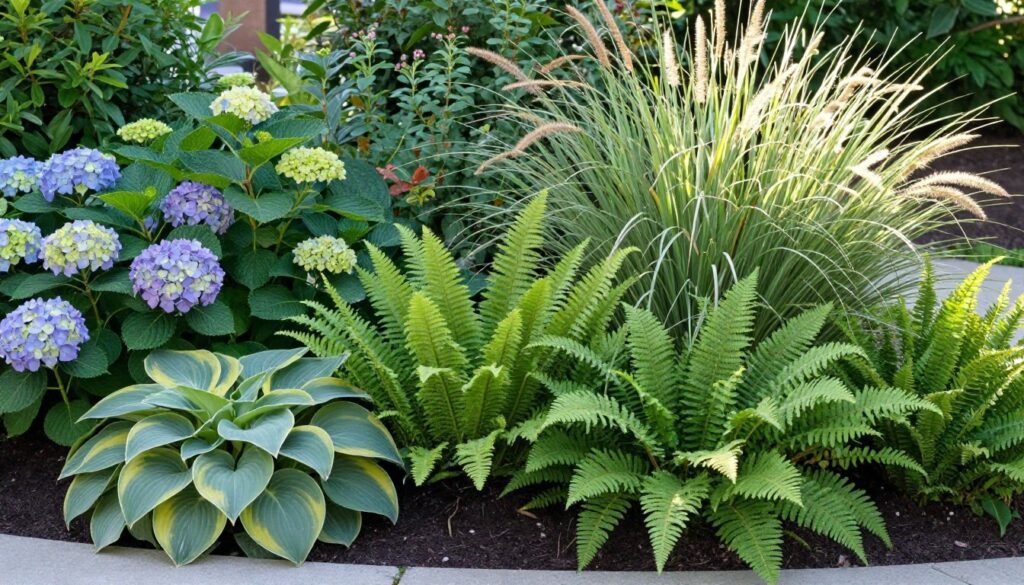
Shade-Loving Plants
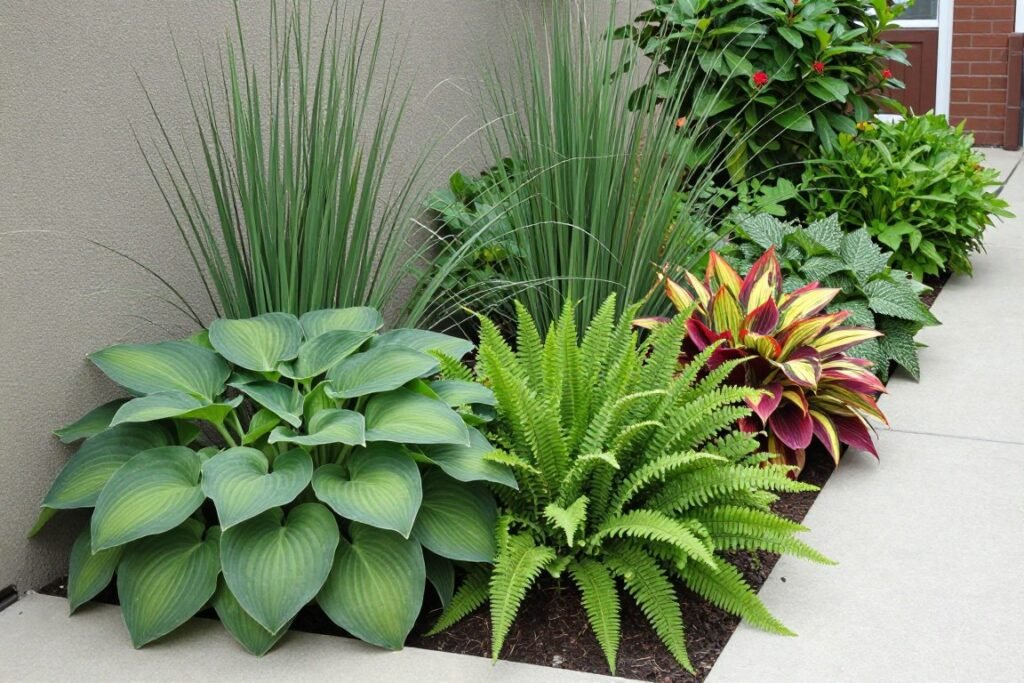
Hostas – Variety of sizes with beautiful foliage
Ferns – Lush texture for deep shade areas
Heuchera (Coral Bells) – Colorful foliage in many shades
Astilbe – Feathery flowers in shady spots
Japanese Forest Grass – Elegant, arching habit
Create a lush shade garden with [shade-loving perennials](https://www.amazon.com/s?k=shade+loving+perennials&tag=decorlyhome00-20) that return year after year.
Plants for Narrow Spaces
Columnar Trees – Slim profile for vertical interest
Dwarf Shrubs – Compact growth habit
Ornamental Grasses – Vertical structure with movement
Climbing Vines – Grow up rather than out
Espaliered Fruit Trees – Trained flat against walls
[Columnar evergreens](https://www.amazon.com/s?k=columnar+evergreen+trees&tag=decorlyhome00-20) provide year-round structure without taking up much ground space.
Low-Maintenance Options
Succulents – Drought-tolerant for sunny spots
Boxwood – Classic evergreen structure
Liriope – Grass-like plant for sun or shade
Hellebores – Winter-blooming perennials
Ajuga – Ground cover for difficult areas
Reduce maintenance with [drought-tolerant ground covers](https://www.amazon.com/s?k=drought+tolerant+ground+cover+plants&tag=decorlyhome00-20) that suppress weeds naturally.
Design with Plant Textures and Colors
In narrow spaces, thoughtful plant combinations create visual interest without overcrowding. Mix plants with different leaf sizes, shapes, and textures to create depth. Incorporate plants with silver, gold, or variegated foliage to brighten shady areas and make the space feel larger.
Seasonal Interest Tip: Include plants that shine in different seasons to ensure your side yard looks great year-round. Spring bulbs, summer perennials, fall color, and winter structure create a garden that’s always changing and interesting.
Privacy Solutions for Side Yards
Side yards often border neighbors’ properties, making privacy an important consideration in your landscaping plan. Thoughtful screening can transform an exposed side yard into a secluded retreat.
Natural Privacy Screens
Living Fences
Create natural boundaries with carefully selected plants. Columnar trees like arborvitae or Italian cypress form elegant living walls without taking up much ground space. For faster results, consider [fast-growing privacy shrubs](https://www.amazon.com/s?k=fast+growing+privacy+shrubs&tag=decorlyhome00-20) that can be maintained at your desired height.
Layered Plantings
Develop depth and privacy with layered plantings of different heights. Combine tall background plants, mid-height shrubs, and lower perennials to create a natural-looking screen that’s more interesting than a single-plant hedge. This approach also provides wildlife habitat and seasonal variation.
Structural Privacy Elements
Decorative Screens
Install attractive panels or lattice to create instant privacy while adding architectural interest. Modern [decorative garden screens](https://www.amazon.com/s?k=decorative+garden+privacy+screens&tag=decorlyhome00-20) come in various patterns and materials to complement your home’s style.
Pergolas and Arbors
Frame your side yard with overhead structures that add vertical dimension while supporting vines for additional screening. A simple [garden arbor](https://www.amazon.com/s?k=garden+arbor+with+gate&tag=decorlyhome00-20) can create a defined entrance to your side yard while supporting privacy-enhancing climbing plants.
When planning privacy solutions, consider the views from inside your home as well as the outdoor experience. Strategic screening can frame desirable views while blocking less attractive ones.
Water Management in Side Yard Landscaping
Side yards often present drainage challenges due to their location between structures. Proper water management is essential for successful side of house landscaping and protecting your home’s foundation.
Drainage Solutions
French Drains
Install subsurface drainage to direct water away from your home’s foundation. A properly constructed French drain with [perforated drainage pipe](https://www.amazon.com/s?k=perforated+drainage+pipe+with+sock&tag=decorlyhome00-20) and gravel can manage significant water flow while remaining hidden beneath your landscaping.
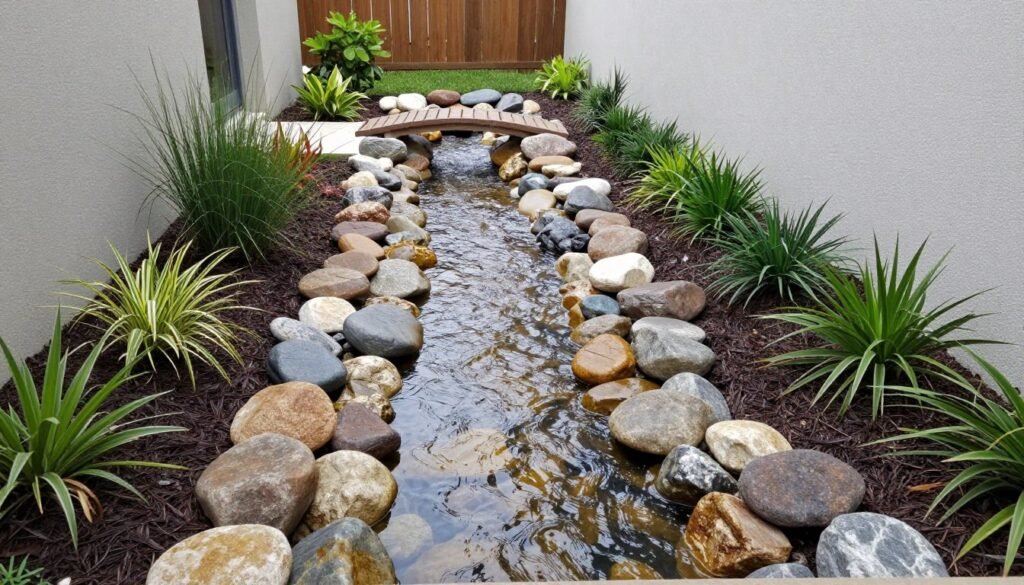
Dry Creek Beds
Create decorative channels with river rock and boulders that direct water flow while adding visual interest. These can be dry most of the time but function during rain events. [Decorative landscape river rock](https://www.amazon.com/s?k=decorative+landscape+river+rock&tag=decorlyhome00-20) in various sizes creates a natural-looking creek bed.
Rain Gardens
Design planted depressions that capture runoff and allow it to soak into the ground gradually. Choose water-tolerant plants that can handle both wet and dry conditions. [Rain garden plants](https://www.amazon.com/s?k=rain+garden+plants&tag=decorlyhome00-20) are specifically adapted to these fluctuating moisture conditions.
Permeable Surfaces
Reduce runoff by choosing materials that allow water to penetrate into the soil rather than flowing across the surface. Options include:
Permeable pavers with sand-filled joints
Gravel or crushed stone pathways
Stepping stones set in ground cover or mulch
Permeable concrete for larger paved areas
[Permeable paver systems](https://www.amazon.com/s?k=permeable+paver+system&tag=decorlyhome00-20) allow you to create solid surfaces that still manage water effectively.
Important: Always ensure that your drainage solutions direct water away from your home’s foundation and neighboring properties. In some areas, you may need permits for significant drainage modifications.
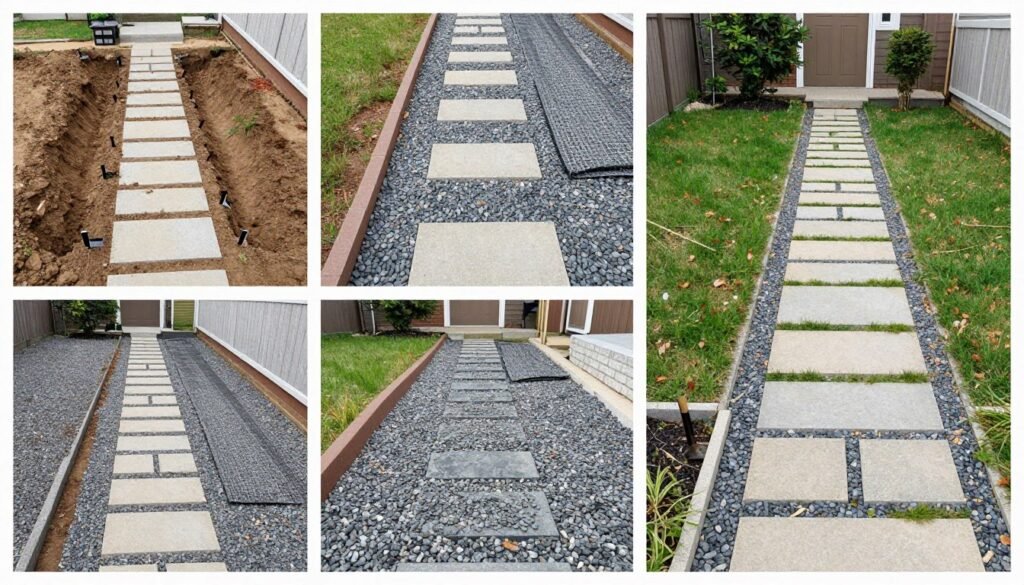
DIY Project: Creating a Simple Gravel and Stepping Stone Path
A gravel path with stepping stones is one of the most versatile and accessible DIY projects for side of house landscaping. This project can be completed in a weekend and adapted to fit spaces of any width.
Materials Needed
[Landscape fabric](https://www.amazon.com/s?k=professional+landscape+fabric&tag=decorlyhome00-20) to prevent weed growth
[Landscape edging](https://www.amazon.com/s?k=metal+landscape+edging&tag=decorlyhome00-20) to contain the gravel
[Decorative gravel or crushed stone](https://www.amazon.com/s?k=decorative+landscape+gravel&tag=decorlyhome00-20) (approximately 2-3 inches deep)
[Stepping stones](https://www.amazon.com/s?k=natural+stepping+stones+for+garden&tag=decorlyhome00-20) of your choice
[Hand tamper](https://www.amazon.com/s?k=hand+tamper+for+landscaping&tag=decorlyhome00-20) for compacting
Garden spade and rake
Measuring tape and marking spray
Step-by-Step Instructions
Plan and mark your path – Use marking spray to outline the edges of your pathway. For narrow side yards, make the path as wide as practical while leaving room for plantings if desired.
Excavate the path area – Dig out the soil to a depth of 4-5 inches, creating a flat base with a slight crown in the center for drainage.
Install landscape fabric – Cover the excavated area with landscape fabric, overlapping seams by at least 6 inches and extending up the sides of the trench.
Install edging – Secure landscape edging along both sides of the path to contain the gravel and create clean lines.
Add and compact base layer – Spread a 2-inch layer of gravel or crushed stone and compact it with a hand tamper.
Position stepping stones – Arrange stepping stones in your desired pattern, pressing them firmly into the gravel base. Space them at a comfortable walking distance (typically 24-30 inches center to center).
Add final gravel layer – Fill around the stepping stones with additional gravel until it reaches just below the top surface of the stones.
Rinse and settle – Lightly spray the completed path with water to wash off dust and help settle the gravel.
Maintenance Tip: Refresh your gravel path every 1-2 years by adding a thin layer of new gravel to replace material that has settled or been displaced. Pull any weeds that appear promptly to maintain a clean look.
Low-Maintenance Side Yard Landscaping Tips
Side yards can be challenging to access with equipment, making low-maintenance design especially important. These strategies will help you create a beautiful side yard that doesn’t require constant attention.
Smart Design Choices
Mulch Generously
Apply a 2-3 inch layer of mulch in planting beds to suppress weeds, retain moisture, and reduce maintenance. [Decorative bark mulch](https://www.amazon.com/s?k=decorative+bark+mulch&tag=decorlyhome00-20) or stone mulches work well in side yards and need refreshing only once a year.
Install Drip Irrigation
Automate watering with a simple drip system to ensure plants receive consistent moisture without hand watering. [DIY drip irrigation kits](https://www.amazon.com/s?k=drip+irrigation+kit+for+garden&tag=decorlyhome00-20) are relatively easy to install and save significant time and water.
Choose Long-Lived Perennials
Focus on established perennials and shrubs rather than annuals that need regular replacement. Select [low-maintenance perennials](https://www.amazon.com/s?k=low+maintenance+perennial+plants&tag=decorlyhome00-20) known for reliability and disease resistance.
Minimize Lawn Areas
Avoid small strips of grass that are difficult to mow. Replace narrow lawn areas with ground covers, mulch, or hardscaping that doesn’t require regular cutting. [No-mow ground cover seeds](https://www.amazon.com/s?k=no+mow+ground+cover+seeds&tag=decorlyhome00-20) can provide a green look without the maintenance.
Seasonal Maintenance Schedule
Season
Essential Tasks
Time Commitment
Spring
Cut back dead growth, apply fresh mulch, check irrigation
Structural pruning of dormant plants, plan for spring
One afternoon
The most successful low-maintenance landscapes are those designed with maintenance in mind from the beginning. It’s easier to plan for easy care than to retrofit a high-maintenance design.
Transform Your Side Yard: Getting Started
Your side of house landscaping project doesn’t need to be overwhelming. Start with a clear plan based on your space assessment, then tackle the transformation in manageable phases.
Phased Approach to Side Yard Transformation
Address drainage issues first – Ensure water flows properly away from your home’s foundation before adding other elements.
Install hardscaping elements – Create pathways and structural features that will form the backbone of your design.
Add larger plants and privacy features – Establish trees, shrubs, and screening elements that will take time to mature.
Fill in with smaller plants and details – Complete the design with perennials, ground covers, and decorative touches.
Refine with lighting and accessories – Add the finishing touches that make the space inviting and usable.
Ready to Transform Your Side Yard?
Start your side of house landscaping project with quality materials that will stand the test of time. From pathway materials to plant supports, the right supplies make all the difference in creating a beautiful, functional space.
Remember that your side yard transformation doesn’t have to happen overnight. Even small improvements can make a significant difference in how you use and enjoy this often-overlooked space. With thoughtful planning and the right approach, your side yard can become one of your favorite parts of your home’s landscape.