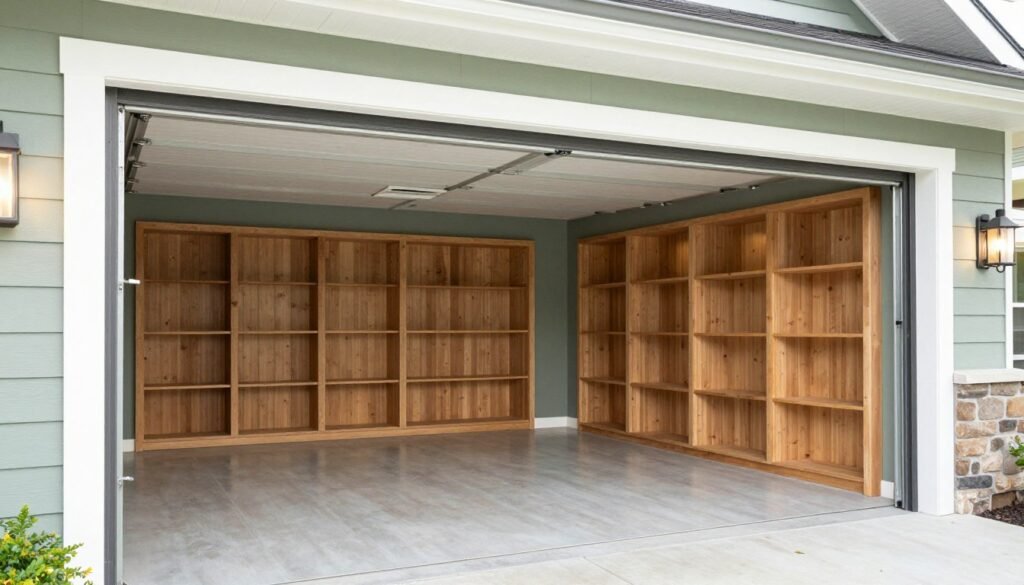
The garage is often the forgotten room in home design, relegated to storage and utility despite being one of the largest spaces in your home. But with the right wall colors, your garage can become a functional, inspiring area that complements your home’s aesthetic. Whether you’re creating a workshop, home gym, or simply want to elevate your parking space, the perfect garage wall color can dramatically transform the atmosphere. In this guide, we’ll explore trending garage colors wall ideas that balance style with practicality, helping you reimagine this versatile space.
This Website contains affiliate links. That means I may earn a small commission if you purchase through my links, at no extra cost to you.
Why Garage Wall Colors Matter More Than You Think
Your garage walls represent a significant amount of visual real estate. The right color choice can brighten a dark space, make a small garage feel larger, hide imperfections, or create a specific mood for your activities. Beyond aesthetics, proper garage wall paint also provides protection against moisture, temperature fluctuations, and everyday wear and tear.
Unlike interior living spaces, garages face unique challenges: oil stains, dirt, humidity, and temperature swings. The perfect garage wall color balances visual appeal with practical durability. As we explore various color options, we’ll consider both the aesthetic impact and functional benefits of each choice.
Light Neutral Colors: Maximizing Space and Light
Light neutrals remain the most popular choice for garage walls, and for good reason. These versatile shades reflect light, making your garage feel more spacious and brighter—especially important in spaces with limited natural light.
Best Light Neutral Options for Garage Walls
Bright White
Pure white creates a clean, workshop-like environment that maximizes light reflection. It’s perfect for garages used for detailed work or crafting where visibility is crucial. White also makes it easier to spot dropped items or tools.
For a premium bright white that resists yellowing and stands up to garage conditions, consider high-reflective white paint options designed for high-traffic areas.
The perfect blend of gray and beige, greige offers warmth while hiding dirt better than pure white. This sophisticated neutral works well with both warm and cool accent colors, making it versatile for any garage style.
Greige tones like “Agreeable Gray” have become garage favorites because they hide dust and minor scuffs while maintaining a light, airy feel. Find quality greige paint options that offer good coverage and durability.
Light Taupe
Slightly darker than greige but still in the light neutral family, taupe adds subtle warmth while being extremely forgiving of marks and smudges. This earthy tone creates a cozy atmosphere without darkening the space significantly.
Ready to brighten your garage?
Light neutrals require quality paint that can stand up to garage conditions. Look for paints with stain-resistance and easy-clean properties.
While light colors maximize brightness, darker and bolder hues can transform your garage into a sophisticated, intentional space. Dark colors add depth, hide imperfections, and can create a more polished, finished look.
Trending Dark Colors for Garage Walls
Navy Blue
Navy creates a rich, sophisticated backdrop that’s particularly striking in garages with good lighting. This timeless color hides dirt exceptionally well while adding a touch of elegance. Navy pairs beautifully with wood tones, metal accents, and chrome details on vehicles or tools.
For a premium navy that maintains its richness even in varying light conditions, explore quality navy blue paint options designed for interior-exterior applications.
Charcoal Gray
The ultimate in modern sophistication, charcoal gray creates a showroom-like atmosphere that makes vehicles and bright tools pop. This versatile neutral works with virtually any accent color and effectively hides dirt, grease marks, and scuffs.
Look for semi-gloss charcoal paint that offers both rich color and practical cleanability for garage environments.
Deep Green
Forest, hunter, or sage green in deeper tones brings a natural, grounding element to garage spaces. These colors create a connection to the outdoors while maintaining a sophisticated look. Deep greens pair exceptionally well with wood and metal elements common in garages.
Pro Tip: When using darker colors in garages, consider upgrading your lighting simultaneously. Adding LED shop lights or additional fixtures will ensure the space doesn’t feel too dark or closed in. Quality garage lighting transforms how dark wall colors appear.
The Two-Tone Approach: Practical and Stylish
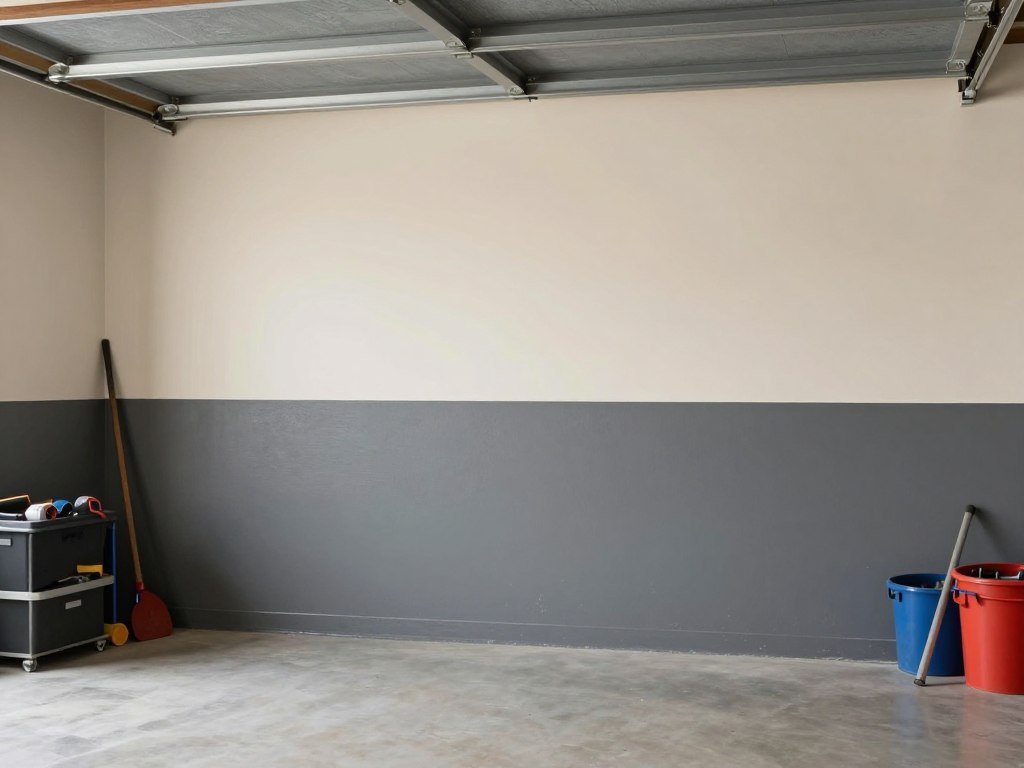
One of the most practical garage wall painting strategies is the two-tone approach. This technique involves using a darker color on the lower portion of walls (typically 3-4 feet high) and a lighter color above. This design choice isn’t just visually interesting—it’s incredibly functional for garage environments.
Benefits of Two-Tone Garage Walls
The darker lower section hides scuffs, dirt, and marks from vehicles, tools, and daily activities
The lighter upper section maintains brightness and openness in the space
Creates visual interest and a more finished, intentional look
Allows you to incorporate multiple colors that coordinate with your home’s palette
Provides a natural dividing line for hanging tools or installing storage systems
Popular Two-Tone Combinations
Classic Contrast
Charcoal gray bottom with bright white top creates a clean, modern look that works in virtually any garage style.
Subtle Sophistication
Navy blue bottom with light greige top offers a refined look that’s both practical and visually appealing.
Natural Harmony
Deep sage green bottom with warm taupe top creates an earthy, grounded aesthetic perfect for garden-adjacent garages.
To create a clean division between colors, use painter’s tape to create a straight line, or install a thin piece of trim or chair rail at the transition point. This adds a finished, intentional look to your two-tone design. Find quality painter’s tape and wall trim options to perfect your two-tone approach.
Color Zoning: Defining Functional Areas
If your garage serves multiple purposes, color zoning can help visually separate different functional areas. This approach uses distinct colors to define specific zones for different activities or storage needs.
Effective Color Zoning Strategies
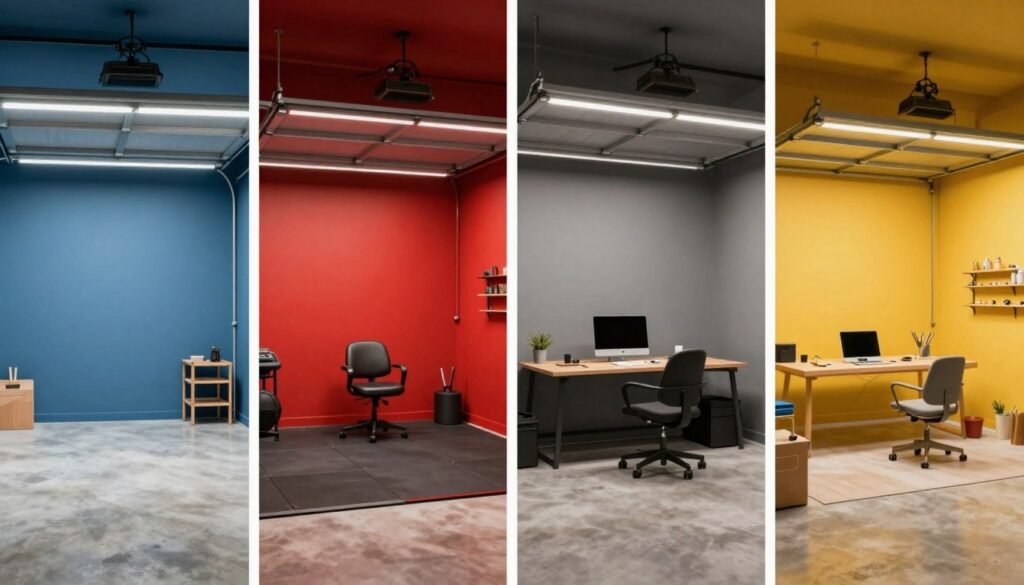
Workshop Zone
For areas dedicated to projects and repairs, consider practical colors like slate blue or medium gray that hide dust and provide a focused backdrop for detailed work. These colors create a sense of concentration and precision.
Enhance your workshop zone with proper organization. Pegboard systems and tool storage solutions mounted against your colored zone create a complete functional area.
Fitness Zone
For home gym areas, energizing colors like sage green or a muted blue can create an invigorating atmosphere for workouts. These colors promote energy while maintaining a sophisticated look that doesn’t overwhelm.
Complete your fitness zone with proper flooring that coordinates with your wall color. Interlocking gym floor tiles provide comfort and protection while defining your exercise area.
Storage Zone
For dedicated storage areas, light neutrals like soft beige or pale gray improve visibility and make it easier to find stored items. These colors create a sense of organization and cleanliness in storage zones.
“Color zoning isn’t just about aesthetics—it’s about creating intuitive spaces that support different activities. The right colors can actually improve functionality by signaling transitions between different garage uses.”
— Interior Design Psychology Study, 2023
Choosing the Right Paint Finish for Garage Walls
The finish of your garage wall paint is just as important as the color. Different sheens offer varying levels of durability, cleanability, and visual impact—all crucial considerations for garage environments.
Best Paint Finishes for Garage Walls
Finish
Durability
Cleanability
Light Reflection
Best For
Semi-Gloss
Excellent
Highest
High
Active workshops, areas prone to dirt/grease
Satin
Very Good
Good
Medium
All-purpose garages, balance of durability and appearance
Eggshell
Good
Moderate
Low-Medium
Walls with imperfections, less active garages
Flat/Matte
Fair
Poor
Lowest
Not recommended for most garages
For most garage applications, semi-gloss or satin finishes offer the best balance of durability and appearance. These finishes stand up to occasional cleaning, resist moisture, and help reflect light in typically dim garage spaces. Find quality semi-gloss paint specifically formulated for high-traffic areas like garages.
Important Note: If your garage walls have significant texture or imperfections, avoid higher-gloss finishes as they tend to highlight surface flaws. In these cases, an eggshell finish provides a good balance of cleanability while hiding imperfections.
Essential Preparation for Garage Wall Painting
The success of your garage wall color project depends largely on proper preparation. Garages present unique challenges—concrete dust, oil stains, moisture issues—that require specific prep work for lasting results.
Step-by-Step Garage Wall Preparation
Clean thoroughly – Remove dust, cobwebs, and dirt using a broom and vacuum. For greasy or oily spots, use a degreaser specifically designed for garage surfaces. Quality degreasers ensure paint adheres properly.
Repair imperfections – Fill holes, cracks, and dents with appropriate patching compound. For concrete block walls, use masonry crack filler. For drywall, use standard spackling compound. Wall repair kits make this process simpler.
Address moisture issues – If your garage walls show signs of moisture problems (efflorescence, mildew, dampness), these must be resolved before painting. Consider moisture-blocking primers designed for garage environments.
Apply primer – A quality primer is essential, especially on new drywall, repaired areas, or previously unpainted surfaces. For garages, choose primers designed to block stains and resist moisture. Stain-blocking primers prevent oil and water stains from bleeding through.
Protect floors and fixtures – Use drop cloths, painter’s tape, and plastic sheeting to protect your garage floor, electrical outlets, and any permanent fixtures from paint splatter.
Safety First: Garages typically have less ventilation than other home spaces. When painting, ensure proper air circulation by opening doors and using fans. Consider using low-VOC or zero-VOC paint formulations to minimize fumes in this enclosed space.
Color Psychology for Garage Spaces
The colors you choose for your garage walls can significantly impact how you feel and function in the space. Understanding basic color psychology can help you select hues that support your garage’s primary uses.
How Colors Affect Garage Functionality
Blues & Greens
These colors promote calm, focus, and concentration—ideal for workshop areas where precision is important. Blue and green tones create a peaceful atmosphere that can make long projects more enjoyable.
Reds & Oranges
Energizing colors that stimulate activity and movement—perfect for garage gym areas. These warm tones can also make cooler garages feel psychologically warmer during winter months.
Neutrals & Earth Tones
Grounding, versatile colors that create a sense of stability and reliability—excellent for multi-purpose garages. These colors provide a flexible backdrop that adapts to changing garage uses.
Consider how you primarily use your garage when selecting colors. For spaces where you spend extended time working or exercising, choose colors that support those activities emotionally and psychologically. Testing paint samples in your actual garage lighting conditions can help you evaluate how different colors make you feel in the space.
Trending Garage Wall Colors for 2023-2024
Garage color trends have evolved significantly as these spaces increasingly become extensions of our living areas. Current trends reflect both aesthetic preferences and practical considerations for these hardworking spaces.
This Season’s Most Popular Garage Wall Colors
Sage Green
This muted, natural green has surged in popularity for garage spaces. It brings the outdoors in while providing a sophisticated backdrop that hides dirt well. Sage works beautifully with both wood and metal elements common in garages.
Warm Pewter
A modern take on traditional gray, warm pewter has subtle brown undertones that create depth and warmth. This versatile neutral works in any lighting condition and complements most home exterior color schemes.
Muted Navy
Softer than traditional navy blue, this color adds sophistication without darkening the space too dramatically. It’s particularly popular for creating “showroom” garages that display vehicles or collections.
Moving Away From
Stark, clinical whites are being replaced by warmer off-whites and creams
Cool grays are giving way to warmer greige and taupe tones
High-contrast black and white combinations are being softened with more nuanced color pairings
To stay current with garage color trends while ensuring timeless appeal, consider exploring trending paint collections from major manufacturers. These curated palettes offer colors that work well together while reflecting current design sensibilities.
Coordinating Garage Wall Colors with Your Home
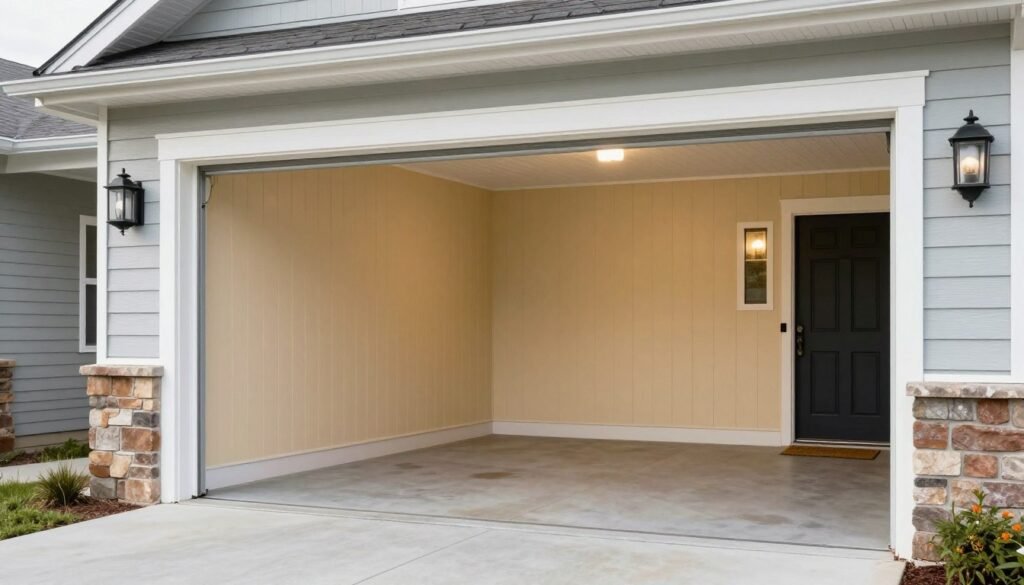
For attached garages especially, creating visual harmony between your garage and the rest of your home enhances overall curb appeal and creates a cohesive design statement.
Strategies for Color Harmony
Match Your Trim Color
One foolproof approach is painting garage walls the same color as your home’s exterior trim. This creates an immediate visual connection between spaces and tends to work well regardless of your home’s style.
Complement Your Exterior Palette
Choose garage wall colors that complement, rather than exactly match, your home’s exterior. For example, if your home has blue-gray siding, a warm greige garage interior creates pleasing contrast while still feeling coordinated.
Consider Your Flooring
Your garage floor—whether plain concrete, epoxy-coated, or covered with floor tiles—should factor into your wall color decision. Choose wall colors that create a pleasing contrast with your flooring to define the space effectively.
Should my garage interior match my home’s interior or exterior colors?
For attached garages that serve as entryways to your home, creating a transitional color scheme that bridges your exterior and interior palettes creates the most harmonious flow. Consider using a color that complements both spaces rather than exactly matching either one.
If you’re uncertain about color coordination, consider color wheel tools that help identify complementary and harmonious color relationships. These can guide your selection process and ensure your garage colors work well with your existing home palette.
Real-World Garage Wall Color Transformations
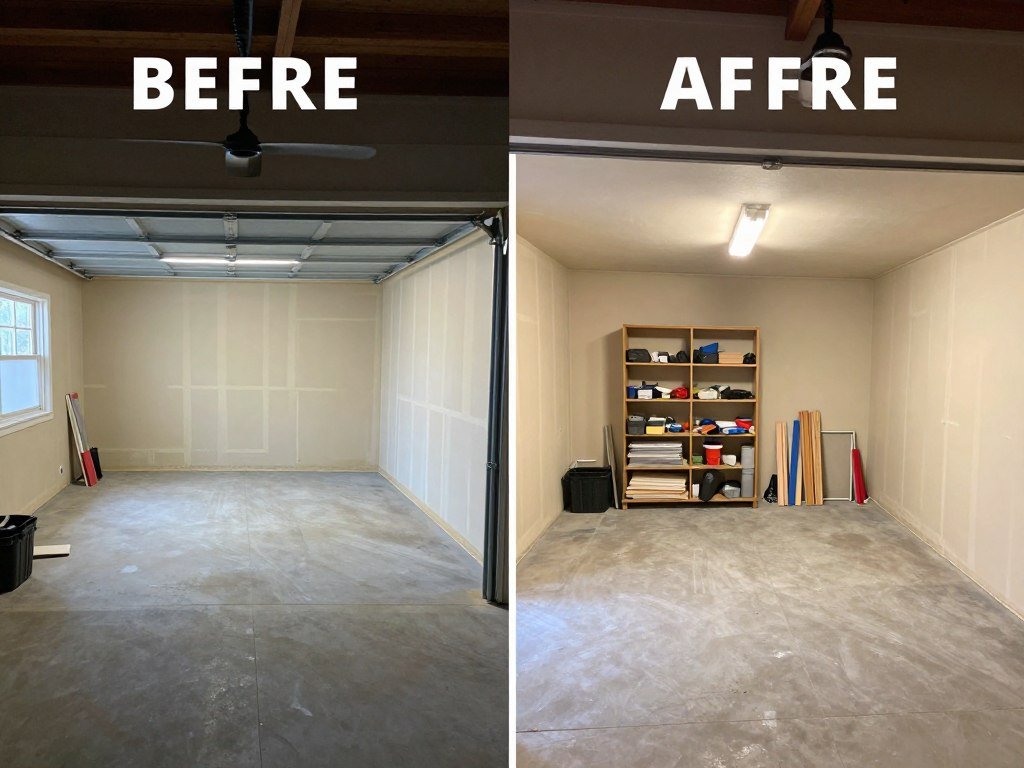
Sometimes the best inspiration comes from seeing actual before-and-after transformations. These real examples showcase how thoughtful color choices can dramatically change garage spaces.
Key Takeaways from Successful Transformations
Proper wall preparation makes a significant difference in the final result
Coordinating wall colors with storage systems creates a cohesive look
Upgrading lighting simultaneously with paint maximizes the impact of color changes
Adding simple trim elements elevates the finished appearance of garage walls
Considering the garage’s primary function leads to more satisfying color choices
These transformations demonstrate that garage wall colors aren’t just about aesthetics—they fundamentally change how the space functions and feels. With the right preparation and quality materials, you can achieve similar results in your own garage.
Implementation Tips for Perfect Garage Wall Colors
Once you’ve selected your ideal garage wall color, proper implementation ensures the best possible results. These practical tips will help you achieve a professional-looking finish that lasts.
Tools and Techniques for Professional Results
Quality Tools Matter
Invest in good-quality rollers, brushes, and extension poles specifically designed for your wall type. For textured concrete or block walls, use rollers with a longer nap (3/4″ to 1″). For smooth drywall, shorter nap rollers (3/8″) provide the best finish.
Temporary work lights positioned to eliminate shadows help you see missed spots and ensure even coverage. Paint applied in poor lighting often reveals flaws once the garage is properly lit.
Consider portable work lights that can be positioned to illuminate your work area effectively.
Application Best Practices
Paint when temperatures are between 50-85°F (10-29°C) for optimal drying and curing
Apply at least two coats for even coverage and maximum durability
Allow proper drying time between coats according to the manufacturer’s instructions
Use the “W” technique when rolling—paint a W shape then fill it in without lifting the roller
Maintain a “wet edge” by overlapping each section before the previous one dries
Ready to transform your garage walls?
Get all the supplies you need for a professional-quality garage painting project delivered right to your door.
Transforming your garage walls with thoughtfully chosen colors can completely reinvent this often-overlooked space. Whether you’ve opted for bright and airy neutrals, sophisticated dark tones, practical two-tone approaches, or strategic color zoning, your garage can now reflect your personal style while supporting its functional needs.
Remember that garage wall colors are about more than aesthetics—they impact lighting, perceived space, mood, and even functionality. By considering both the practical aspects (durability, cleanability, light reflection) and design elements (coordination with your home, color psychology, current trends), you’ve created a space that truly works for your lifestyle.
As you enjoy your newly colored garage walls, consider how this transformation might inspire other improvements to the space—from organization systems to flooring upgrades. Each enhancement builds on the last, gradually turning your garage from a mere storage area into a valuable extension of your living space.
Modern backyard landscaping combines clean lines, geometric shapes, and minimalist elements to create outdoor spaces that are both functional and visually…