A small bathroom renovation doesn’t have to drain your wallet or take months to complete. Whether you’re updating a guest bathroom or transforming your main bath, the right approach can make every square foot count.
This Website contains affiliate links. That means I may earn a small commission if you purchase through my links, at no extra cost to you.
This guide walks you through proven strategies to maximize space while staying within budget. You’ll discover practical ideas for tile selection, vanity upgrades, color choices, and smart storage solutions.
From DIY projects that save money to professional touches that add value, these renovation tips help you create a bathroom you’ll love for years to come.
Planning Your Small Bathroom Remodel
The key to a successful small bathroom remodel starts with thoughtful planning. Before you buy a single tile or pick up a paint brush, take time to assess your space and set clear goals.
Measure your bathroom carefully. Small bathrooms require precise measurements to ensure every piece fits perfectly. A vanity that’s too large can make the room feel cramped and limit movement.
Set a realistic budget early in the project. Most small bathroom renovations cost between two thousand and eight thousand dollars. Your final cost depends on the materials you choose and whether you tackle DIY projects or hire professionals.
Start your renovation with these critical preparation tasks that prevent costly mistakes and timeline delays.
Create detailed floor plan with measurements
Identify plumbing and electrical locations
Research local building codes and permits
Set aside contingency fund for unexpected issues
Budget Allocation Guide
Distribute your renovation budget wisely across these key categories to maximize value and quality.
Fixtures and vanity: forty percent
Tile and flooring: twenty-five percent
Labor costs: twenty percent
Contingency reserve: fifteen percent
Timeline Considerations
Understanding project duration helps you plan around disruptions and coordinate with contractors effectively.
Simple cosmetic updates: one to two weeks
Moderate remodel with fixture replacement: three to four weeks
Full renovation with layout changes: six to eight weeks
Add buffer time for material delays
Common Planning Mistakes
Avoid these frequent errors that derail bathroom renovation projects and inflate costs unnecessarily.
Underestimating project complexity and time
Choosing trendy styles over timeless design
Ignoring proper ventilation requirements
Skipping professional help for plumbing work
Think about how you use your bathroom every day. Do you need more storage for toiletries? Would better lighting make morning routines easier? Understanding your needs helps prioritize where to spend your budget.
Research design ideas before making final decisions. Pinterest offers endless inspiration for small bathroom layouts and style choices. Save images that match your vision to create a cohesive design plan.
Color and Paint Strategies for Small Bathrooms
Color transforms a small bathroom from cramped to cozy. The right paint choice can make your space feel larger, brighter, and more inviting without spending a fortune.
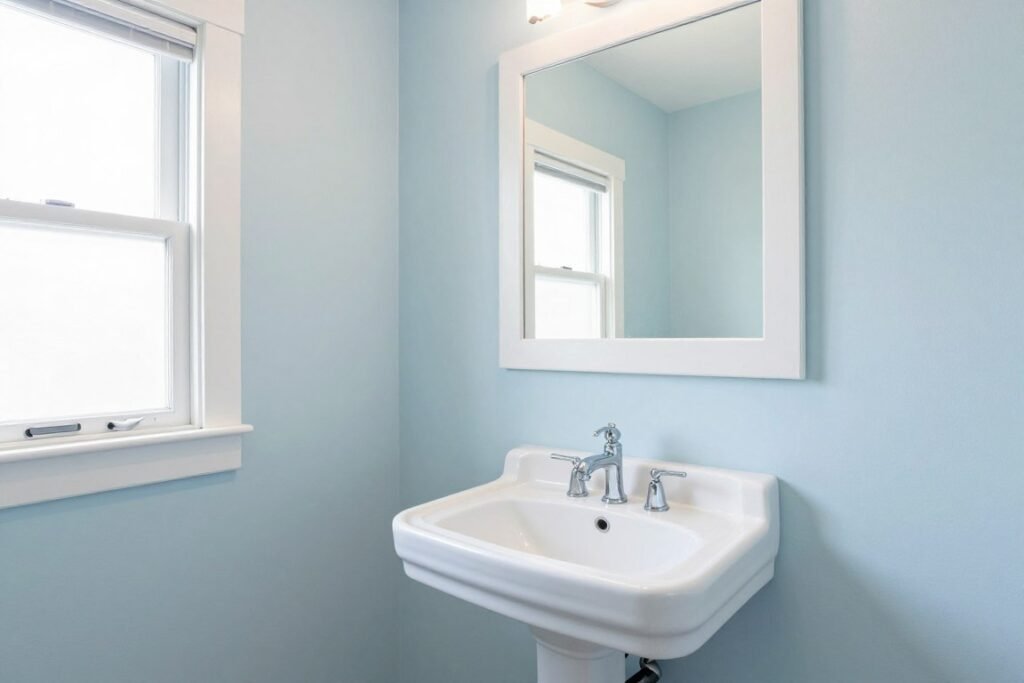
Light colors work best in small bathrooms. White, soft gray, pale blue, and cream reflect natural light and create an open feeling. These neutral tones also provide a versatile backdrop for accent pieces.
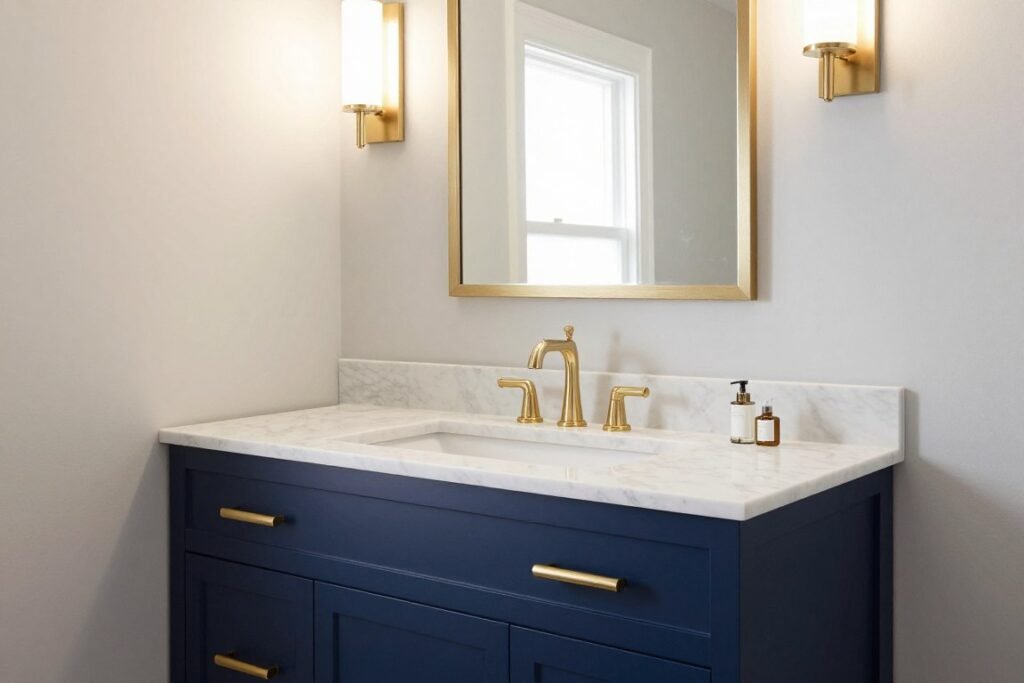
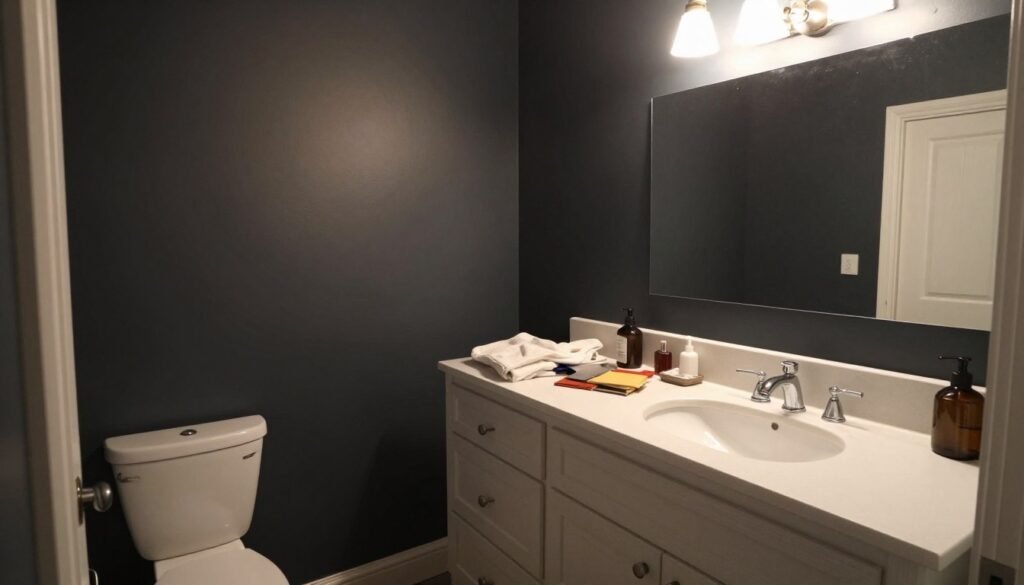
Don’t fear darker colors entirely. A deep navy or charcoal accent wall can add dramatic depth when paired with lighter surrounding walls. This technique draws the eye and creates visual interest.
Budget-Friendly Paint Tip: Quality matters more than quantity in a small bathroom. One gallon of premium paint covers the entire room and withstands moisture better than cheap alternatives. Choose paint specifically formulated for bathrooms to prevent mold and mildew.
The ceiling deserves attention too. Painting your ceiling a shade lighter than your walls makes the room feel taller. White or very pale blue ceilings enhance the sense of space.
Consider paint finishes carefully. Semi-gloss and satin finishes repel moisture better than flat paint. They also wipe clean easily, which matters in a high-humidity bathroom environment.
Find Your Perfect Bathroom Paint
Explore moisture-resistant bathroom paints in colors that brighten and expand your small space.
Paint offers one of the biggest impacts for the smallest cost in any bathroom remodel. A fresh coat of paint in the right color can completely change how your space feels and functions.
Tile and Flooring Choices That Maximize Space
Tile selection dramatically impacts how spacious your small bathroom feels. The right tile creates flow and makes the room appear larger than its actual square footage.
Large format tiles work surprisingly well in small bathrooms. Fewer grout lines mean less visual clutter, creating a cleaner and more expansive look. Choose tiles measuring at least twelve inches square for maximum impact.
Light-colored tile reflects more light than dark options. White, light gray, beige, and soft blue tiles brighten the space naturally. These colors also hide water spots better than darker alternatives.
Floor Tile Strategies
Your floor tile sets the foundation for the entire bathroom design. Consider these proven approaches for small spaces.
Diagonal tile patterns make floors appear larger. This simple trick draws the eye across the longest sight lines in your bathroom. The technique works especially well with square tiles.
Extend floor tile up the wall as a backsplash. This creates visual continuity that makes walls and floors feel connected. The unified look expands perceived space.
Choose slip-resistant tile for safety. Small bathrooms often get wet quickly. Textured or matte finish tiles prevent slips better than glossy options while still looking elegant.
Wall Tile Ideas for Small Bathrooms
Wall tile protects surfaces while adding style. Smart wall tile choices enhance your bathroom’s visual appeal without overwhelming the space.
Subway tile remains a classic choice for good reason. These rectangular tiles create horizontal lines that make walls appear wider. White subway tile with light gray grout offers timeless appeal.
Take tile to the ceiling in the shower area. Full-height tile makes ceilings seem taller and protects walls completely from moisture. This approach costs a bit more upfront but saves money on future water damage repairs.
Mix tile sizes for visual interest. Combine small mosaic tile as an accent with larger field tiles. This technique adds personality without making the space feel busy or chaotic.
Discover Tile Options for Your Renovation
Browse versatile bathroom tile choices that fit your style and budget while maximizing your small space.
Quality tile installation matters as much as tile selection. Poor installation shows immediately and costs more to fix later. If you’re not confident in your DIY skills for this part of the project, hire a professional.
Vanity and Storage Solutions
Your bathroom vanity serves as both functional workspace and primary storage. Choosing the right vanity can transform how your small bathroom looks and works.
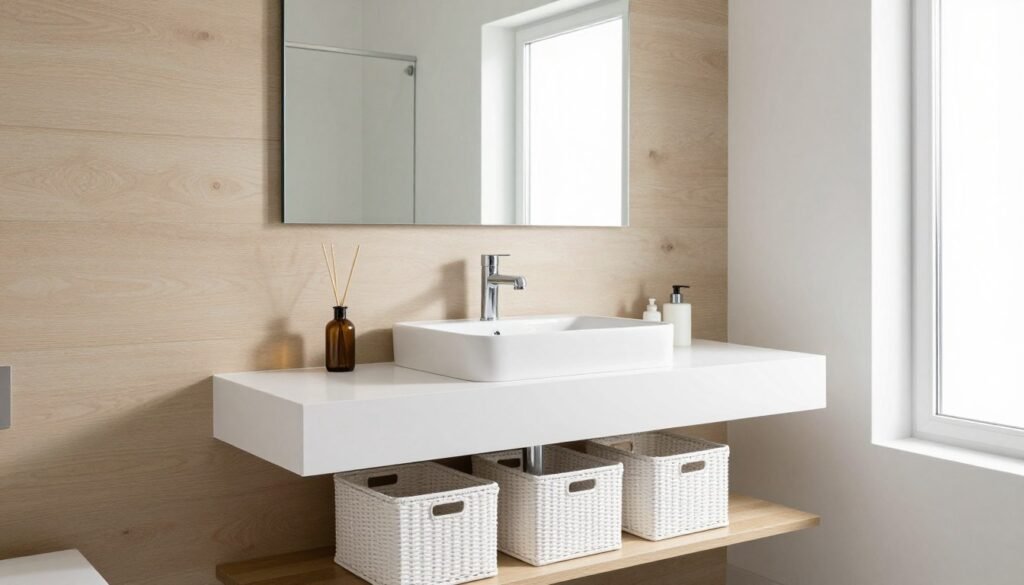
Wall-mounted vanities create the illusion of more floor space. These floating designs make the room feel less crowded and simplify floor cleaning. The open space underneath also provides room for storage baskets.
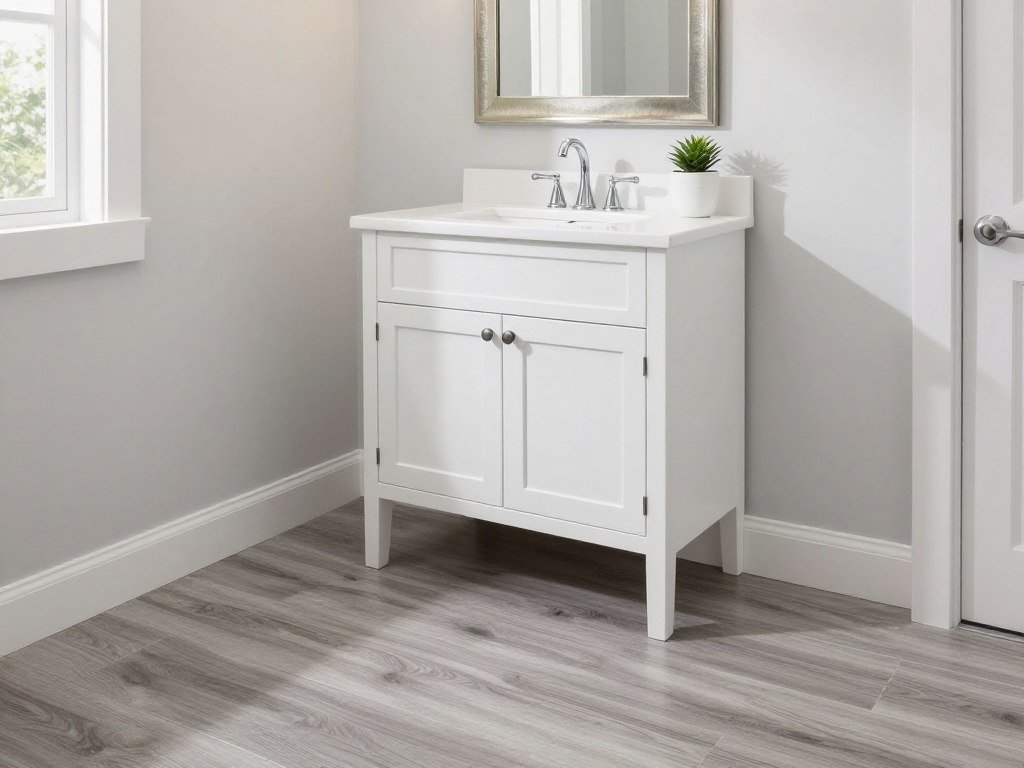
Measure carefully before buying a vanity. Even a few inches can make the difference between comfortable and cramped. Most small bathrooms work best with vanities measuring twenty-four to thirty-six inches wide.
Pedestal Sink Alternative
Pedestal sinks save floor space in tiny bathrooms. While they offer minimal storage, they create an open airy feel perfect for powder rooms.
Compact Vanity Cabinet
Narrow vanity cabinets provide essential storage without eating up floor space. Look for models with drawers rather than doors for easier access.
Corner Vanity Design
Corner vanities utilize awkward angles that might otherwise go to waste. These specialized pieces work brilliantly in very small or oddly shaped bathrooms.
Maximizing Vertical Storage Space
Small bathrooms require creative storage thinking. When floor space is limited, look up to maximize vertical storage opportunities.
Install floating shelves above the toilet. This often-wasted wall space can hold toiletries, towels, and decorative items. Choose shelves that match your vanity for a cohesive look.
Recessed medicine cabinets save precious inches. Built into the wall rather than mounted on it, these cabinets provide storage without protruding into your space. They work especially well above the vanity.
Use the back of the bathroom door. Over-door organizers and hooks add storage without requiring any wall space. This simple addition keeps towels, robes, and toiletries organized and accessible.
Fixtures and Hardware That Make an Impact
Updated fixtures and hardware deliver dramatic visual impact for relatively little money. These finishing touches tie your entire bathroom remodel together.
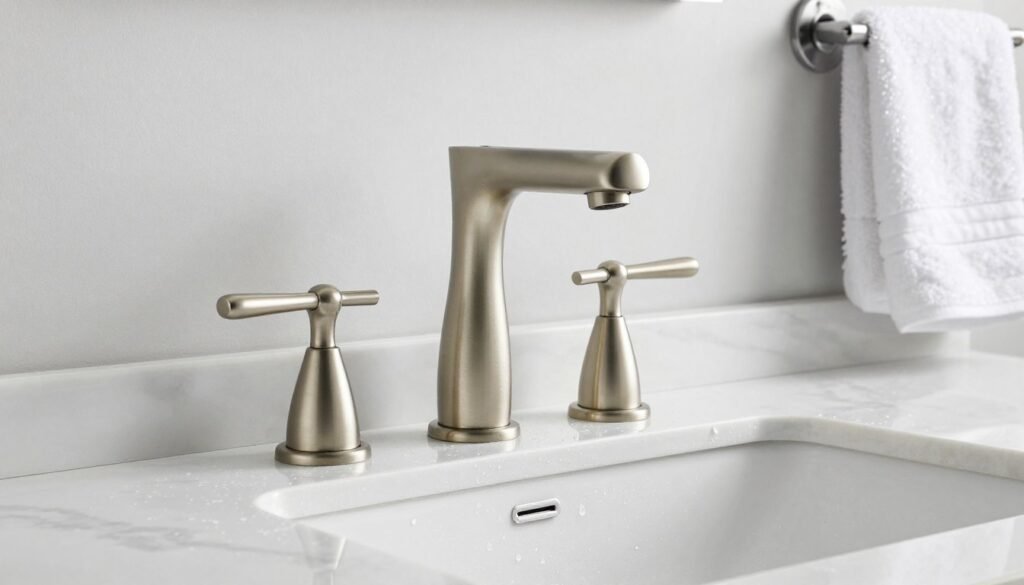
Matching finishes create a polished look. Choose one metal finish for all fixtures, hardware, and accessories. Popular choices include brushed nickel, chrome, matte black, and oil-rubbed bronze.
The bathroom faucet serves as a focal point. A modern faucet instantly updates an older vanity. Single-handle faucets work well in small bathrooms because they require less counter space than widespread models.
Upgrade Your Shower Experience
Your shower fixtures impact daily comfort. Modern options provide better water pressure and temperature control than older models.
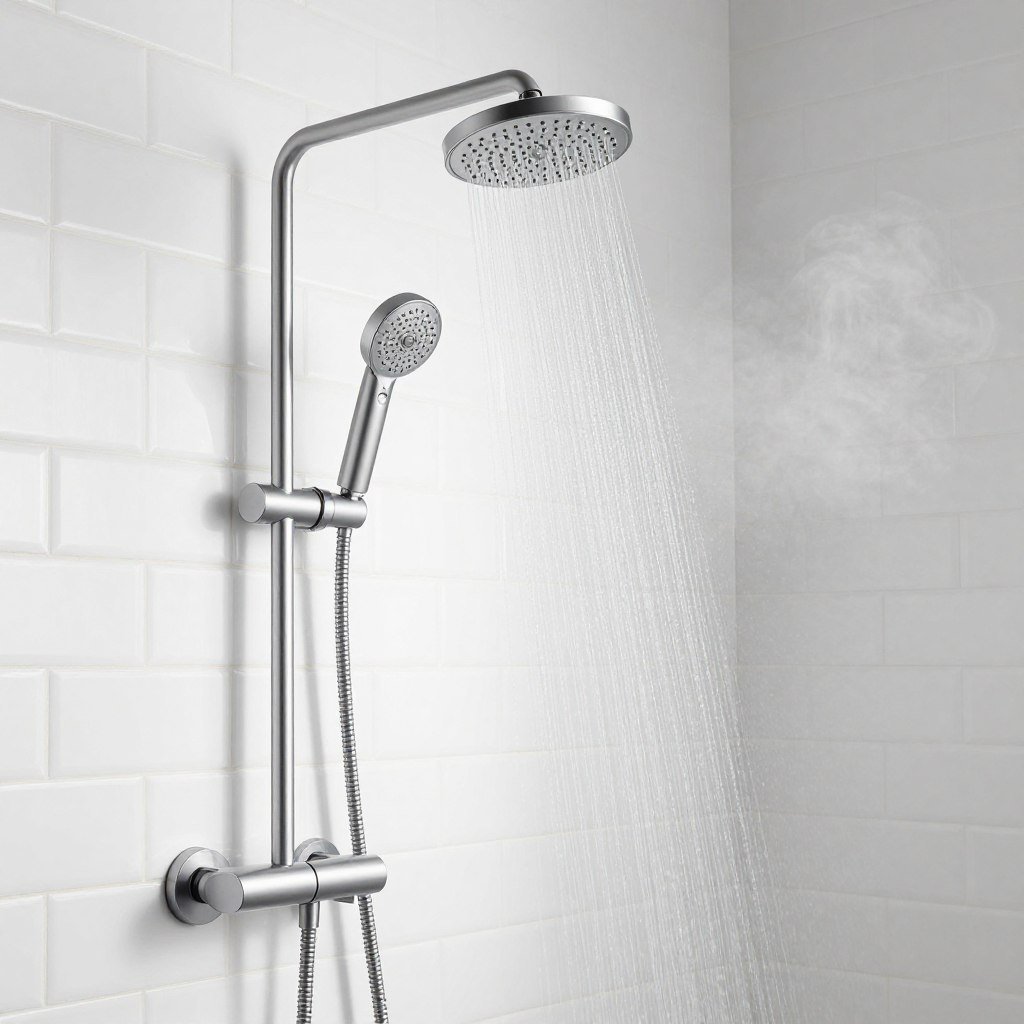
Consider a rainfall showerhead for a spa-like feel. These fixtures mount to the ceiling or high on the wall, creating a luxurious shower experience. Many models offer adjustable spray patterns.
Handheld shower attachments add flexibility. They make cleaning the shower easier and help when bathing children or pets. Combination fixtures include both rainfall and handheld options.
Lighting Fixtures Transform Atmosphere
Good lighting makes small bathrooms feel larger and more welcoming. Layer different types of lighting for the best results.
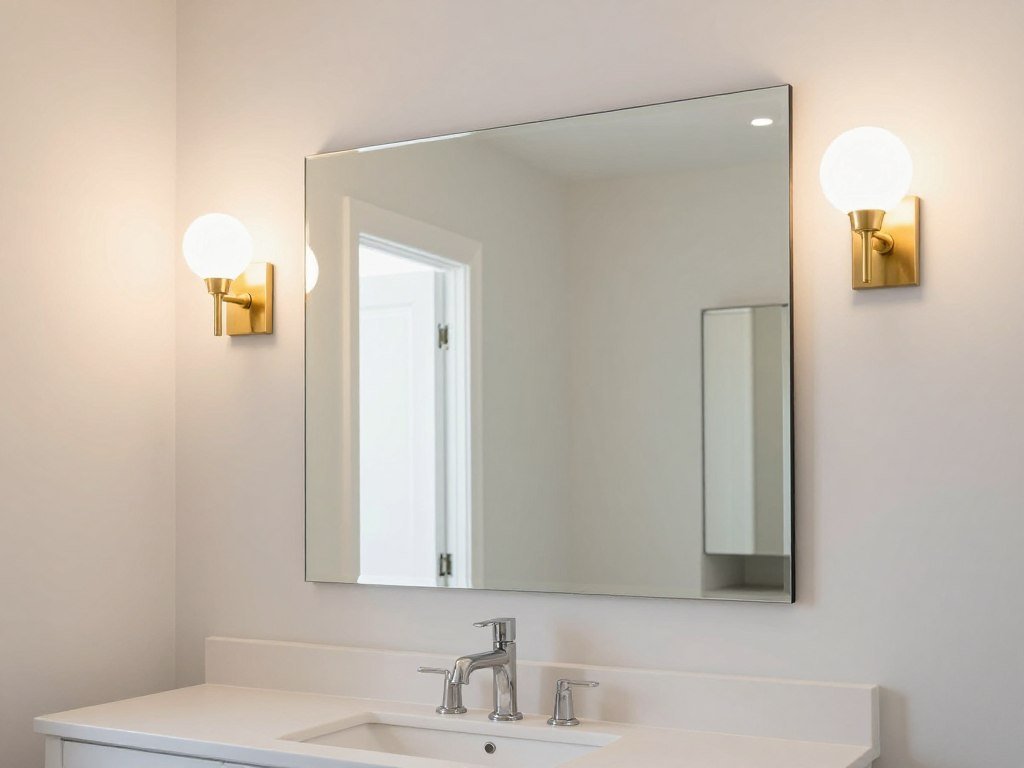
Install vanity lights on either side of the mirror. Side-mounted sconces eliminate shadows on your face better than a single overhead fixture. This placement provides the most flattering light for grooming tasks.
Add recessed ceiling lights for overall illumination. These fixtures don’t take up visual space, making them perfect for small bathrooms. Choose LED bulbs for energy efficiency and long life.
Upgrade Your Bathroom Fixtures
Find quality faucets, showerheads, and hardware that match your style and budget perfectly.
Don’t overlook small details like towel bars and toilet paper holders. Coordinating these pieces with your faucet finish creates a thoughtful, designer look throughout the space.
Mirror and Visual Tricks to Expand Space
Mirrors are powerful tools in small bathroom design. Strategic mirror placement can visually double your space while reflecting light throughout the room.
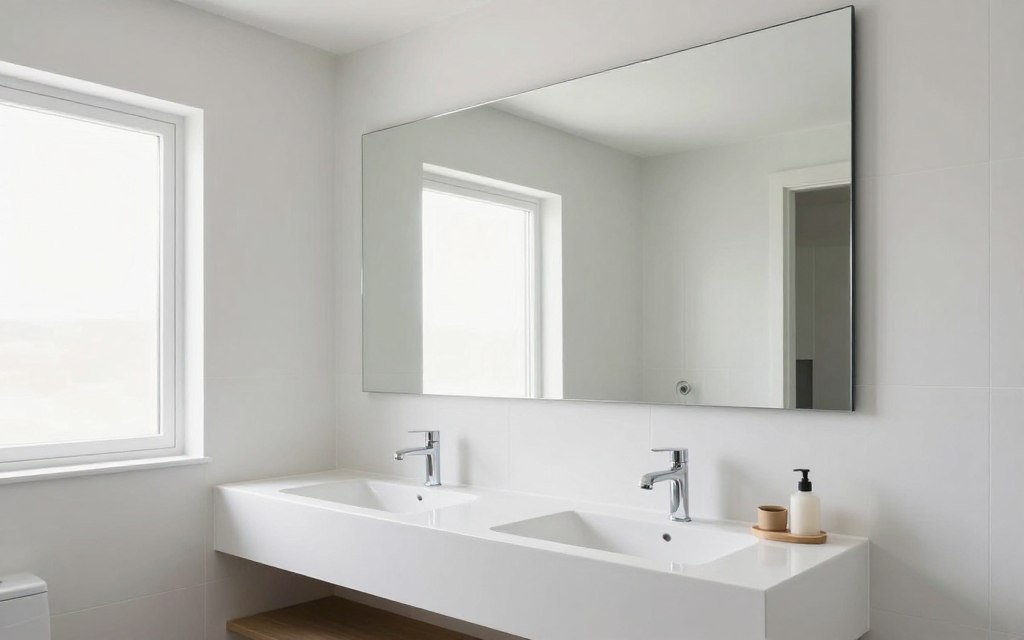
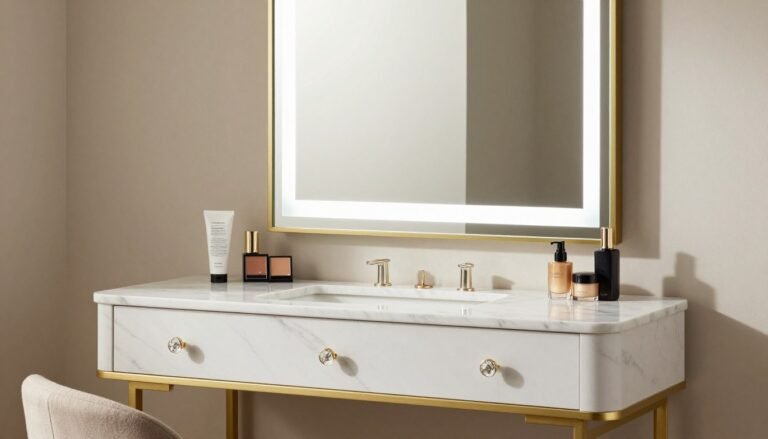
Go as large as possible with your bathroom mirror. A mirror that spans the full width of your vanity makes the room feel significantly more spacious. Frameless mirrors create the most seamless look.
Consider a mirror cabinet for dual functionality. Medicine cabinets with mirrored fronts provide essential storage while serving as your primary mirror. This two-in-one solution maximizes limited wall space.
Designer Tip: Place mirrors to reflect natural light from windows. Position your mirror on the wall opposite or adjacent to a window to bounce daylight around the room. This simple trick makes small bathrooms feel brighter and more open without adding a single light fixture.
Additional Visual Expansion Techniques
Beyond mirrors, several design tricks make small bathrooms appear larger without structural changes or major renovation costs.
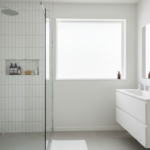
Glass shower doors beat shower curtains every time. Clear glass allows the eye to travel to the back wall, making the entire bathroom feel more open. Frameless glass enclosures provide the most expansive look.
Keep the color palette cohesive. Using the same or similar colors on walls, floor, and ceiling eliminates visual breaks that make spaces feel smaller. Subtle variations in tone add interest without creating harsh divisions.
Minimize visual clutter with hidden storage. Open shelving displays items, but closed cabinets hide them. In very small bathrooms, concealed storage keeps the space feeling calm and uncluttered.
Budget-Friendly DIY Projects for Bathroom Makeovers
DIY projects save substantial money on your small bathroom remodel. Tackling certain tasks yourself keeps costs down while giving you complete creative control.
Painting delivers the biggest bang for your DIY buck. As mentioned earlier, fresh paint transforms a bathroom quickly and affordably. This project requires minimal tools and just a weekend of your time.
Replace your toilet seat for an instant update. New toilet seats cost less than thirty dollars but make an old toilet look fresh. Choose a seat that matches your new color scheme and style.
Easy DIY Projects
Painting walls and ceiling
Installing new towel bars and hooks
Replacing toilet seat and hardware
Adding floating shelves
Updating light fixtures
Installing new mirror
Caulking and sealing
Moderate DIY Projects
Installing new vanity
Replacing faucet and fixtures
Laying peel-and-stick floor tile
Installing backsplash tile
Building custom shelving
Replacing shower door
Adding wainscoting or beadboard
Hire a Professional
Moving plumbing fixtures
Electrical work and rewiring
Installing new shower or tub
Structural wall changes
Full tile installation
Addressing water damage
Anything requiring permits
Cost-Saving Material Choices
Smart material selection stretches your budget without sacrificing quality or style. Know where to splurge and where to save.
Luxury vinyl plank flooring costs less than ceramic tile. Modern vinyl perfectly mimics wood or stone at a fraction of the price. It installs easily over existing floors in many cases, saving both money and time.
Stock vanities from home improvement stores offer great value. Custom pieces cost significantly more without always providing better quality. Many stock options look expensive but carry budget-friendly price tags.
Consider refinishing instead of replacing when possible. Reglazing an old tub costs far less than installing a new one. Similarly, painting existing cabinets transforms them for minimal expense.
Get Your DIY Renovation Tools
Find everything you need for your bathroom makeover project from paint supplies to installation tools.
Even in a tiny bathroom, layout choices impact functionality dramatically. Smart space planning ensures your remodel works as well as it looks.
The standard bathroom layout places the toilet, vanity, and shower along one wall. This configuration works well in narrow bathrooms common in older houses. It concentrates plumbing in one area, reducing renovation costs.
Corner fixtures save space in very small bathrooms. Corner toilets, sinks, and showers utilize areas that might otherwise go unused. These specialized fixtures cost slightly more but free up valuable floor space.
Shower vs. Bathtub Decisions
In a small bathroom, choosing between a shower and tub often comes down to space and household needs.
Walk-in showers take less space than tub-shower combinations. Eliminating the tub opens up floor area and creates a more spacious feeling. Frameless glass enclosures keep sightlines open.
If you need a tub, consider a smaller model. Japanese-style soaking tubs offer bathing comfort in a smaller footprint than standard tubs. These deep tubs fit in spaces as small as four feet long.
Think about resale value when making this choice. Homes with at least one bathtub appeal to more buyers, especially families with young children. If this is your only bathroom, keeping a tub might make sense.
Leave at least twenty-one inches of space in front of the toilet. This minimum clearance allows comfortable use. More space is better if your layout permits.
Plan for thirty inches of standing space in front of the vanity. You need room to stand and move while using the sink. In very tight bathrooms, this might overlap with the toilet clearance area.
Door swing direction matters in small bathrooms. Pocket doors save space by sliding into the wall instead of swinging into the room. Alternatively, install the door to swing outward into the hallway.
Bathroom Renovation Timeline and Project Management
Understanding the renovation timeline helps you plan around the disruption and coordinate different project phases effectively.
A cosmetic bathroom update takes one to two weeks. This includes painting, replacing fixtures, updating hardware, and installing new flooring. You can complete many of these tasks yourself over several weekends.
A moderate remodel with new vanity and tile takes three to four weeks. Factor in time for demolition, installation, and drying periods for grout and caulk. Professional help speeds up certain parts of the project.
Full renovations with plumbing or layout changes require six to eight weeks. Moving fixtures adds complexity and cost. Permits may be necessary depending on your local building codes.
Do I need permits for my small bathroom renovation?
Permit requirements vary by location and project scope. Generally, cosmetic updates like painting and replacing fixtures don’t require permits. However, moving plumbing, changing electrical systems, or altering the bathroom structure typically require permits. Check with your local building department before starting work. Unpermitted work can cause problems when selling your house and may not meet safety codes.
How long can I expect to be without a functioning bathroom?
The disruption period depends on your renovation scope. Simple cosmetic updates might only make the bathroom unusable for a few hours at a time. Moderate remodels typically require three to five days without a working toilet and shower. Full renovations can leave you without the bathroom for two to three weeks. If this is your only bathroom, plan alternative arrangements or schedule work in phases to maintain some functionality.
What order should I complete renovation tasks?
Follow this general sequence for best results: First, complete demolition and any structural work. Second, handle rough plumbing and electrical updates. Third, install new shower or tub. Fourth, complete tile work on walls and floors. Fifth, paint ceiling and walls. Sixth, install vanity, toilet, and fixtures. Seventh, add finishing touches like hardware, mirrors, and accessories. This order prevents damage to finished surfaces and ensures everything fits properly.
Can I live in my house during a bathroom renovation?
Yes, most people stay in their homes during bathroom renovations. The project creates dust, noise, and inconvenience, but it’s manageable. Seal off the work area with plastic sheeting to contain dust. If renovating your only bathroom, arrange access to another facility for essential needs. Many homeowners use a gym membership or neighbor’s generosity during the most disruptive phase. Plan meals that don’t require extensive kitchen cleanup if your kitchen and bathroom share plumbing walls.
Managing Renovation Stress
Bathroom renovations test patience even in the best circumstances. These strategies help you stay sane throughout the project.
Create a temporary bathroom station. Set up essentials in another part of the house during the renovation. A small table with a mirror, toiletries, and towels makes morning routines easier.
Communicate clearly with contractors. Establish expected work hours, daily cleanup standards, and how to handle unexpected issues. Put agreements in writing to avoid misunderstandings later.
Build in buffer time for your timeline. Delays happen due to material backorders, unexpected problems, or scheduling conflicts. Adding an extra week to your expected completion date reduces stress.
Finishing Touches and Accessories
The final details complete your small bathroom transformation. Thoughtful accessories add personality while maintaining the cohesive design you’ve created.
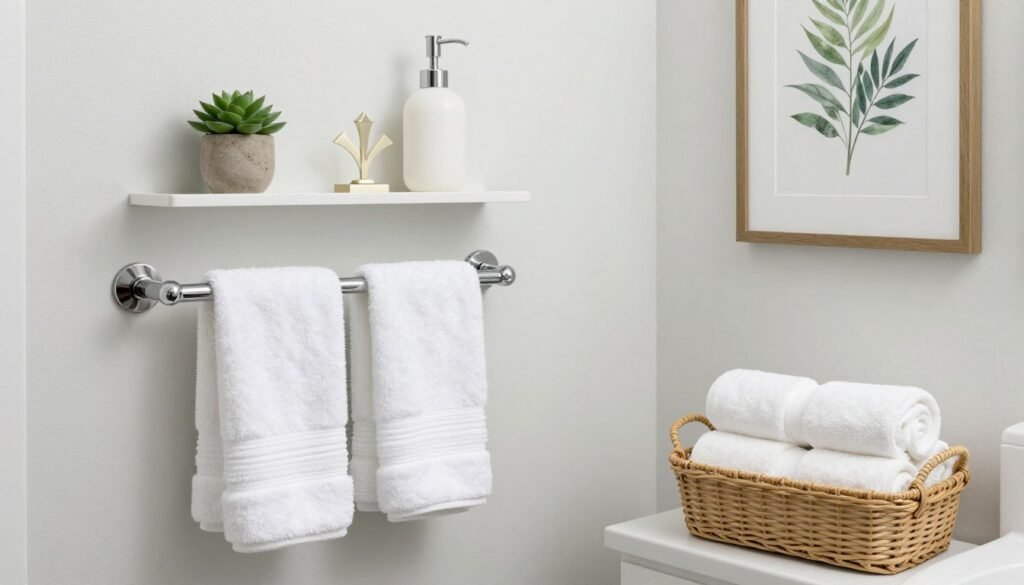
Choose accessories that match your finish palette. If you selected brushed nickel fixtures, carry that finish through to towel bars, toilet paper holders, and cabinet hardware. Consistent finishes look intentional and polished.
Textiles add warmth and color to bathrooms. Select towels, bath mats, and shower curtains that complement your wall color and tile choices. White towels offer flexibility and always look fresh and clean.
Essential Bathroom Accessories
These finishing pieces complete your bathroom and make it fully functional for daily use.
Towel bars and rings near shower and vanity
Toilet paper holder within easy reach
Robe hooks on door or wall
Soap dispenser or dish at sink
Toothbrush holder for counter organization
Waste basket that matches decor
Shower caddy or built-in shelf for toiletries
Bath mat to prevent slips and protect floor
Add a few decorative touches without cluttering the space. A small plant, framed art piece, or decorative jar creates visual interest. In small bathrooms, less is definitely more when it comes to decoration.
Organization Solutions
Smart organization keeps your newly renovated bathroom looking tidy and functioning efficiently.
Drawer dividers maximize vanity storage. These inexpensive organizers keep cosmetics, hair tools, and toiletries separated and easy to find. No more digging through cluttered drawers.
Install hooks inside cabinet doors. This hidden storage spot works perfectly for hair dryers, straighteners, and cleaning supplies. Utilize every bit of space in your small bathroom.
Use matching containers and baskets. Uniform storage pieces create visual calm even when storing everyday items. Choose containers that fit your style and available shelf space.
Complete Your Bathroom Makeover
Find coordinated accessories, storage solutions, and finishing touches to perfect your newly renovated space.
Common Small Bathroom Renovation Mistakes to Avoid
Learning from common mistakes saves you money and frustration. Avoid these frequent errors that derail small bathroom renovations.
Don’t choose a vanity that’s too large. Measure twice and buy once. A vanity that looked perfect online might overwhelm your actual space. Always verify dimensions before purchasing.
Skipping proper ventilation leads to mold problems. Install an exhaust fan if your bathroom doesn’t have one. Moisture damage costs far more to fix than installing proper ventilation from the start.
Smart Renovation Decisions
Measuring everything multiple times before buying
Choosing timeless designs over trendy styles
Investing in quality fixtures that last
Planning for adequate lighting from multiple sources
Prioritizing function over appearance
Setting aside contingency budget for surprises
Hiring professionals for plumbing and electrical
Selecting moisture-resistant materials throughout
Renovation Mistakes to Avoid
Buying fixtures before measuring the space
Following trends that will look dated quickly
Choosing cheapest options for everything
Relying solely on overhead lighting
Sacrificing storage for aesthetic appeal
Spending entire budget with no reserve
DIY-ing complex plumbing or electrical work
Using materials not rated for bathroom moisture
Inadequate lighting ruins otherwise beautiful bathrooms. One ceiling light isn’t enough. Layer your lighting with vanity lights, recessed ceiling fixtures, and natural light when possible.
Ignoring the toilet during a remodel is a missed opportunity. If your toilet is old, inefficient, or doesn’t match your new design, replace it. Modern low-flow toilets save water and money on utility bills.
Poor quality materials show their flaws quickly. Bathroom environments are tough on finishes and materials. Spend a bit more on moisture-resistant, durable options that withstand daily use and humidity.
Rushing the project leads to mistakes. Take time to plan carefully, order materials in advance, and complete each step properly. The few extra days spent doing things right save weeks of fixing problems later.
Transform Your Small Bathroom with Confidence
Your small bathroom renovation journey doesn’t have to feel overwhelming. With thoughtful planning, smart material choices, and attention to the details covered in this guide, you can create a beautiful and functional space.
Remember that successful renovations start with clear goals and realistic budgets. Whether you’re updating a guest bathroom or transforming your main bath, focus on the changes that deliver the most impact for your investment.
The strategies shared here help you maximize every square foot while staying within budget. From choosing the right paint color to selecting space-saving fixtures, each decision contributes to the final result.
Start with a solid plan, take accurate measurements, and don’t rush the process. Your small bathroom makeover will reward you with improved functionality and style for years to come.
Whether you tackle the entire project yourself or hire professionals for complex tasks, the effort you invest in your bathroom renovation adds value to your home and enhances your daily life.