If stuffed animals have taken over your kids room, you’re not alone. These cuddly toys multiply faster than we can organize them. But finding the right stuffed animal storage solution can transform chaos into calm.
This Website contains affiliate links. That means I may earn a small commission if you purchase through my links, at no extra cost to you.
This guide shares practical storage ideas. You’ll discover hanging organizers, furniture options, and creative DIY solutions. Each idea helps you keep stuffed animals accessible while maintaining a tidy space.
Ready to Organize Your Stuffed Animals?
Explore popular stuffed animal storage organizers that parents love for keeping toys tidy and accessible.
Why Proper Stuffed Animal Storage Matters
Kids love stuffed animals. These soft companions provide comfort and spark imagination. But without proper storage, they create clutter.
Good stuffed animal storage helps in several ways. It keeps your home organized and teaches children responsibility. The right storage also protects toys from dust and damage.
Related Posts:




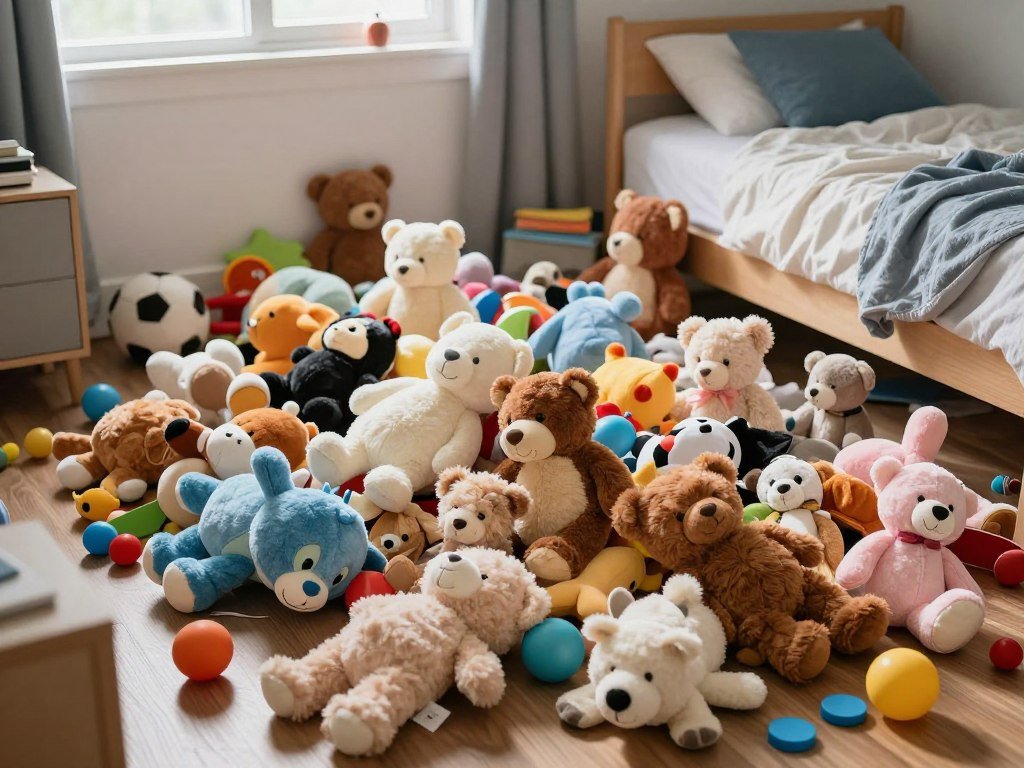
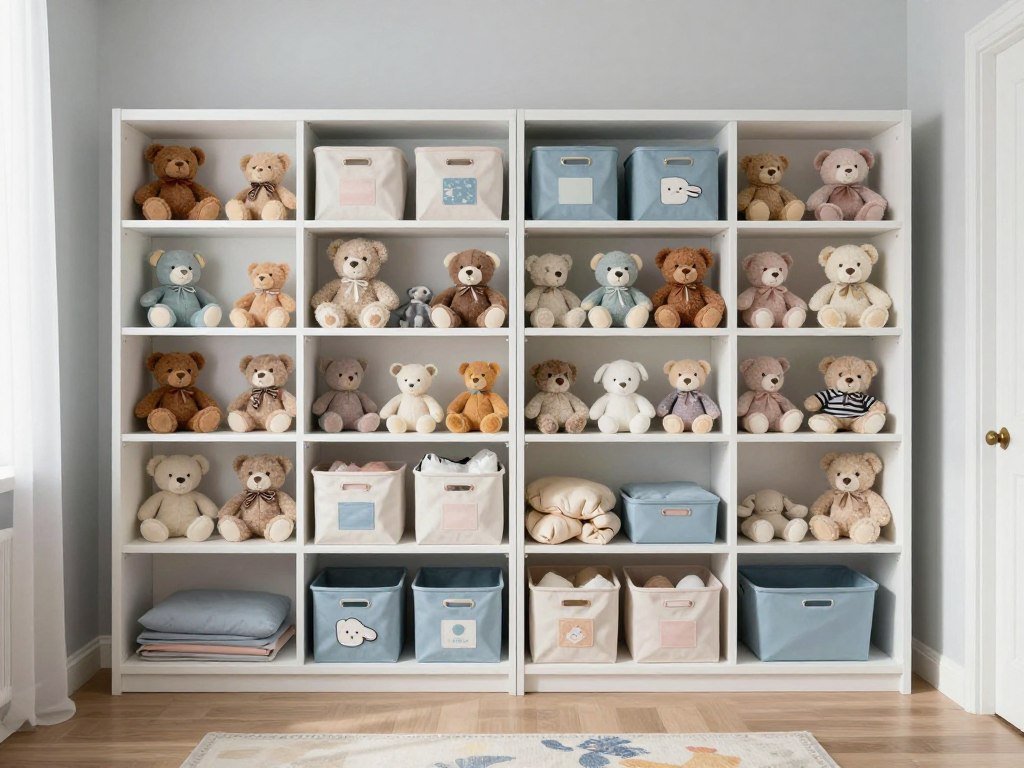
Many families struggle with stuffed animal collections. Little ones want their favorite stuffies nearby. Parents want clean, organized spaces. The solution lies in finding storage that works for everyone.
Quick Tip: Rotate stuffed animals seasonally. Keep favorites accessible while storing others. This reduces visual clutter and keeps interest fresh.
Hanging Stuffed Animal Storage Solutions
Hanging storage uses vertical space effectively. These organizers keep stuffed animals off the floor. They work perfectly in small bedrooms and playrooms.
Corner Hammocks for Stuffed Animals
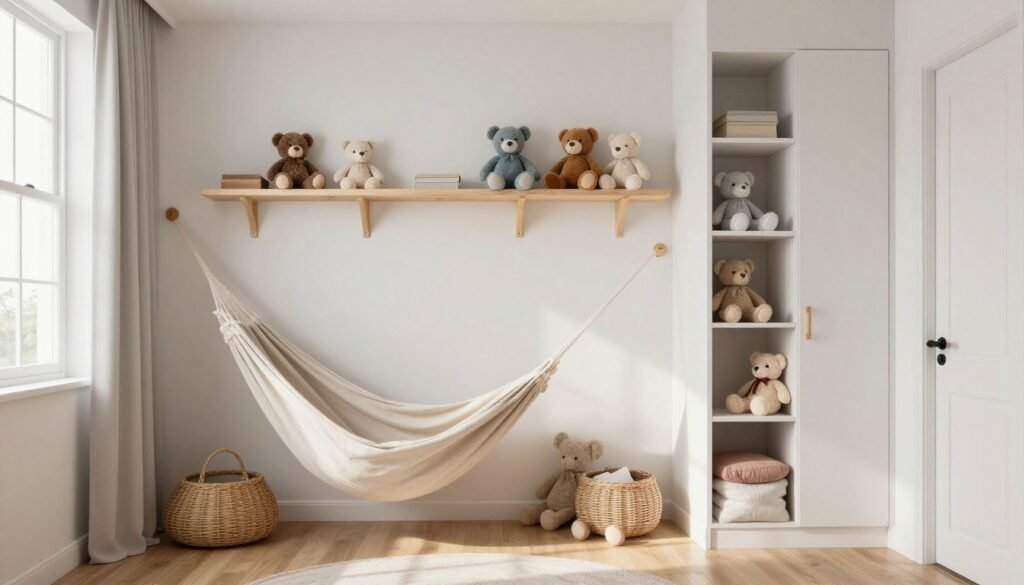
Corner hammocks are incredibly popular for stuffed animal storage. They fit snugly in room corners. This design maximizes space that typically goes unused.
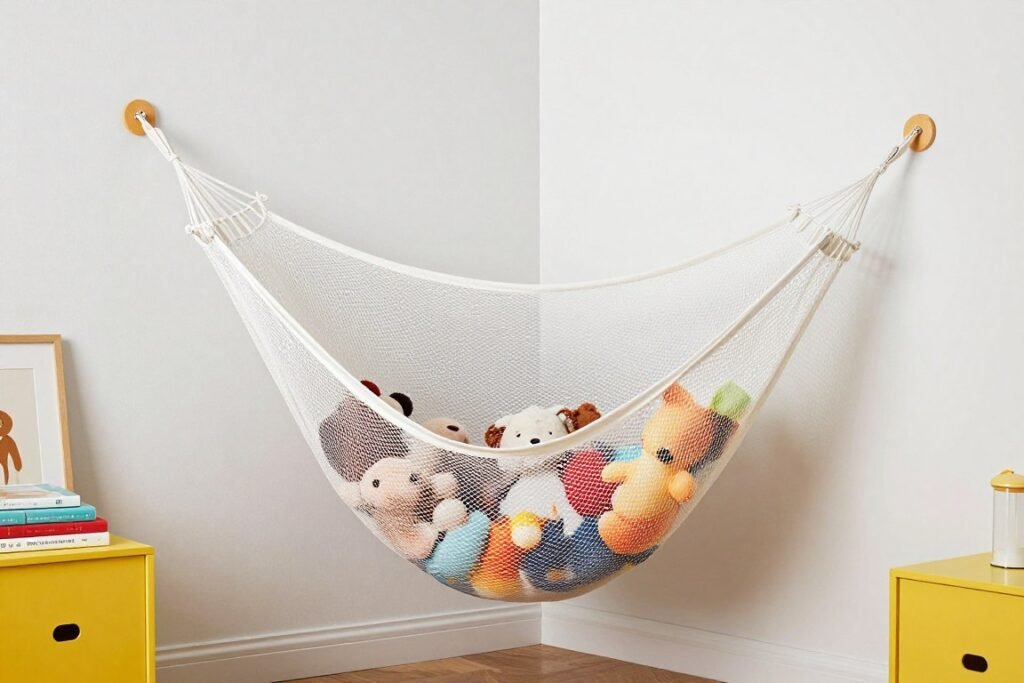
Installation takes minutes with simple hooks. The mesh design lets kids see their collection. Most corner hammocks hold dozens of stuffed animals securely.
Benefits of Corner Hammocks
- Utilizes unused corner space efficiently
- Easy installation with basic hardware
- Kids can see all their stuffed animals
- Creates a decorative display element
- Accommodates large collections easily
Considerations
- May sag if overfilled with toys
- Requires wall mounting for stability
- Difficult for very young children to access
- Visual clutter if stuffed too full
Over-the-Door Hanging Organizers
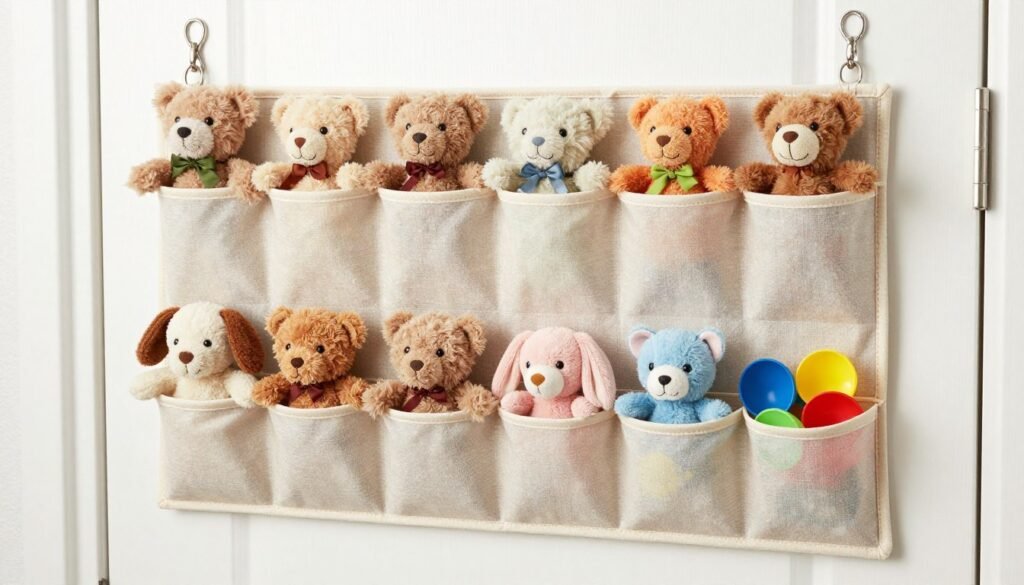
Over-the-door organizers provide instant stuffed animal storage. They hang on any standard bedroom or closet door. No drilling or permanent installation required.
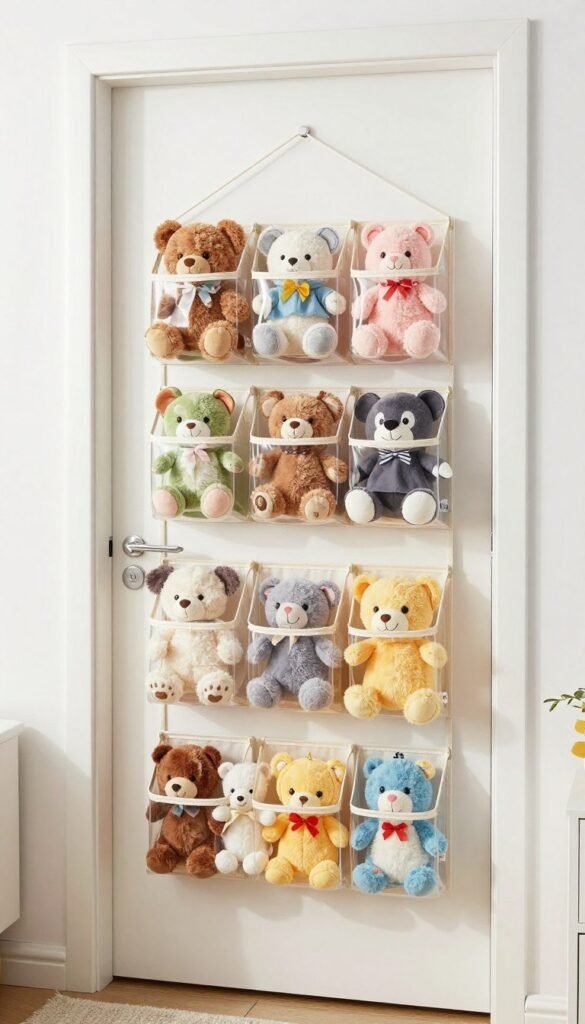
These organizers typically feature multiple pockets. Each pocket holds several small to medium stuffed animals. The clear mesh lets kids identify toys quickly.
This storage works well for renters. It leaves no marks on walls. Parents appreciate how easy these are to move between rooms.
Wall-Mounted Stuffed Animal Zoo
The stuffed animal storage zoo concept has become wildly popular. It uses elastic bands or bungee cords. Toys fit between the bands, creating a living display.
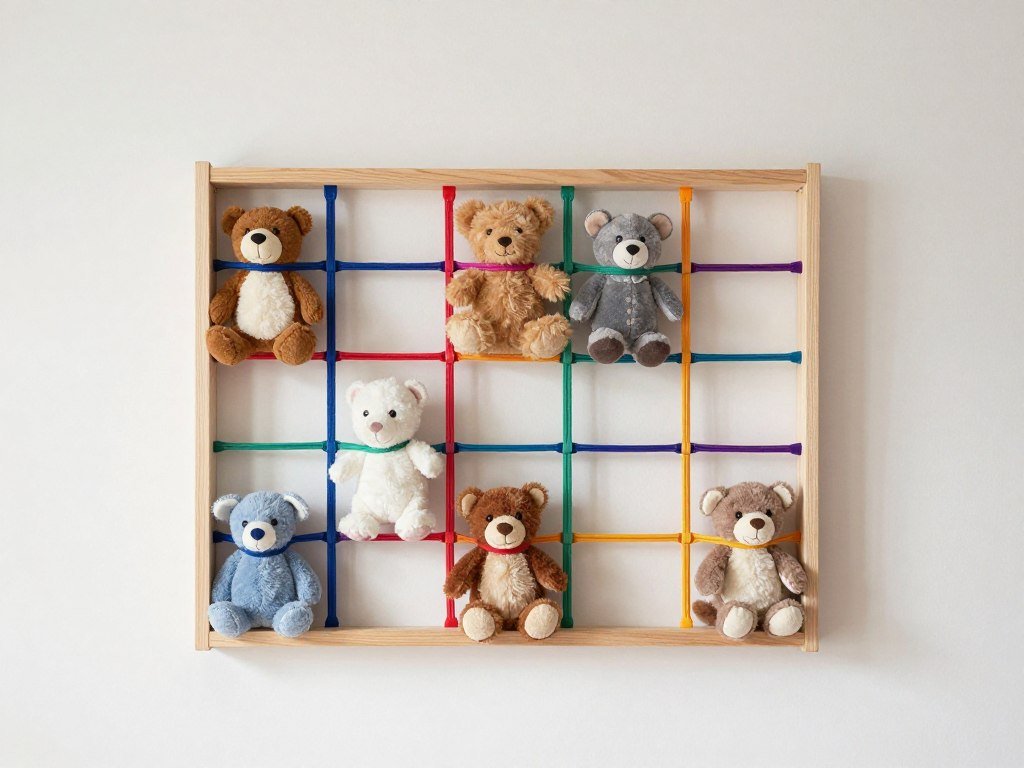
Kids love the zoo aesthetic. It turns storage into room decor. The design keeps stuffed animals visible and accessible.
Many parents build DIY versions. Store-bought options are also available. Both work excellently for displaying beloved stuffed toys.
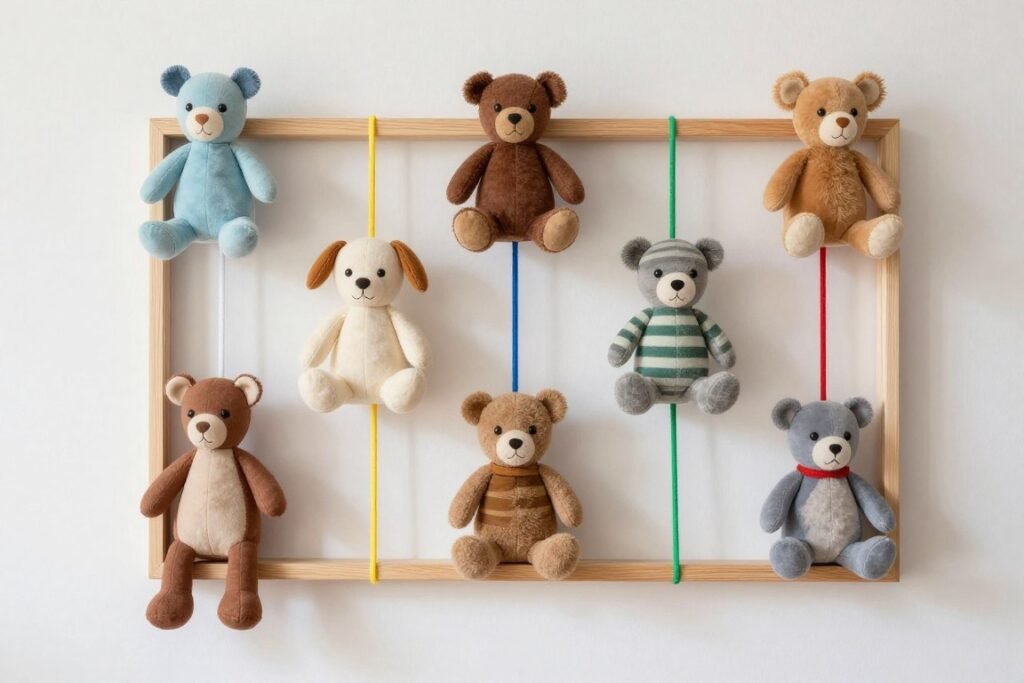
Create Your Own Animal Storage Zoo
Discover ready-made stuffed animal zoo organizers or find materials to build your own creative storage solution.
Toy Hammock Systems
Toy hammock systems differ from corner versions. They span larger wall sections. These work beautifully in playrooms and larger bedrooms.
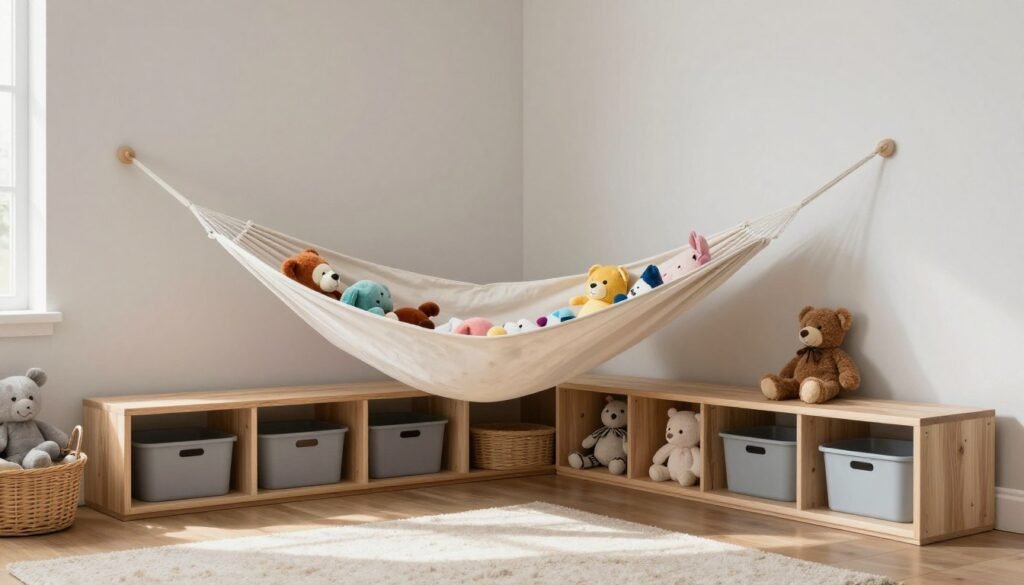
Installation requires multiple mounting points. The result holds impressive stuffed animal collections. Many systems support weight up to twenty pounds.
These hammocks keep floors clear. They also create visual interest in kids rooms. The suspended storage adds a playful design element.
Furniture-Based Stuffed Animal Storage
Furniture storage solutions serve dual purposes. They organize stuffed animals while providing functional room elements. These options work for various spaces and budgets.
Storage Benches and Ottomans
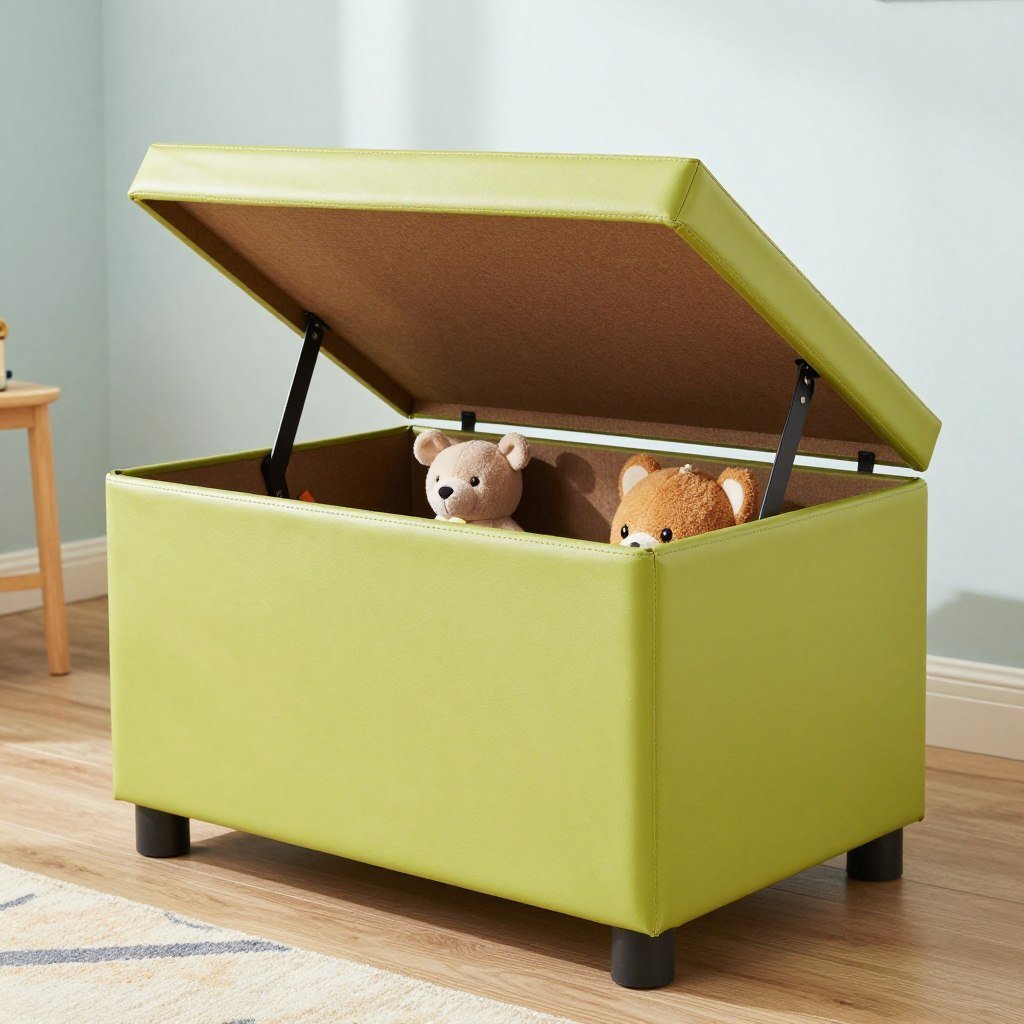
Storage benches combine seating with organization. They fit perfectly at bedroom feet or against walls. Kids can sit while playing, and toys stay hidden inside.
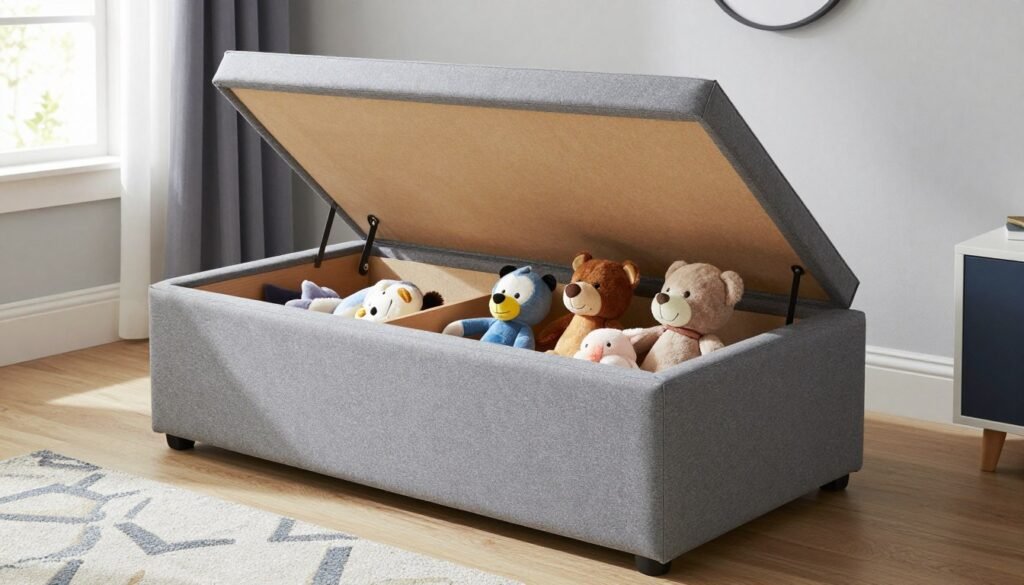
Ottomans offer similar benefits. They’re smaller and more portable. Many come in fun colors that match kids room decor.
Best Uses for Storage Benches
- End-of-bed storage for bedrooms
- Window seat storage solutions
- Playroom reading nook seating
- Entryway toy organization
- Multipurpose furniture for small spaces
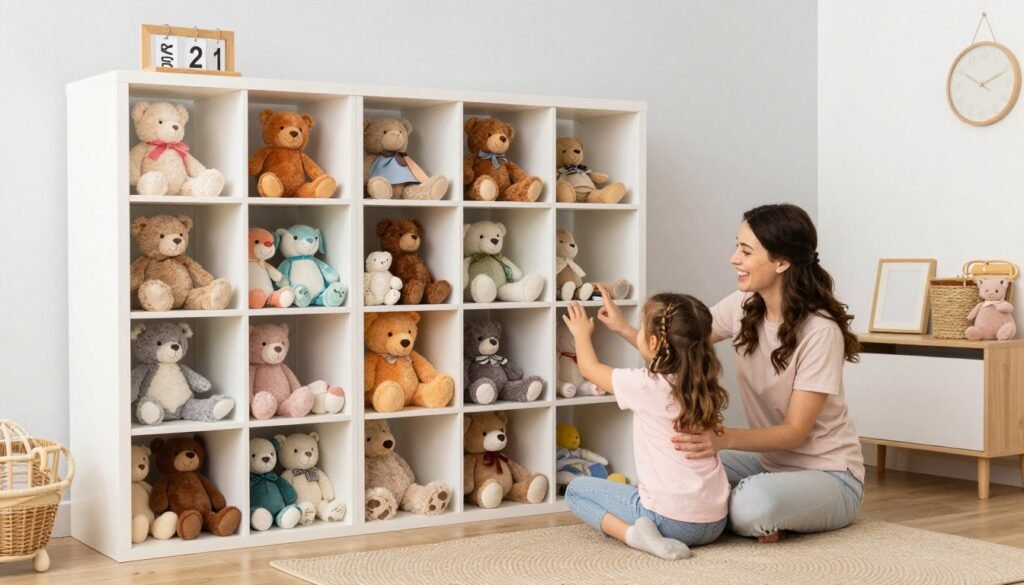
Cube Storage Systems
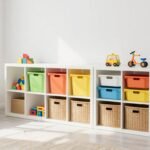
Cube storage offers incredible versatility. These modular systems adapt as needs change. Add fabric bins for hidden storage or leave cubes open for display.
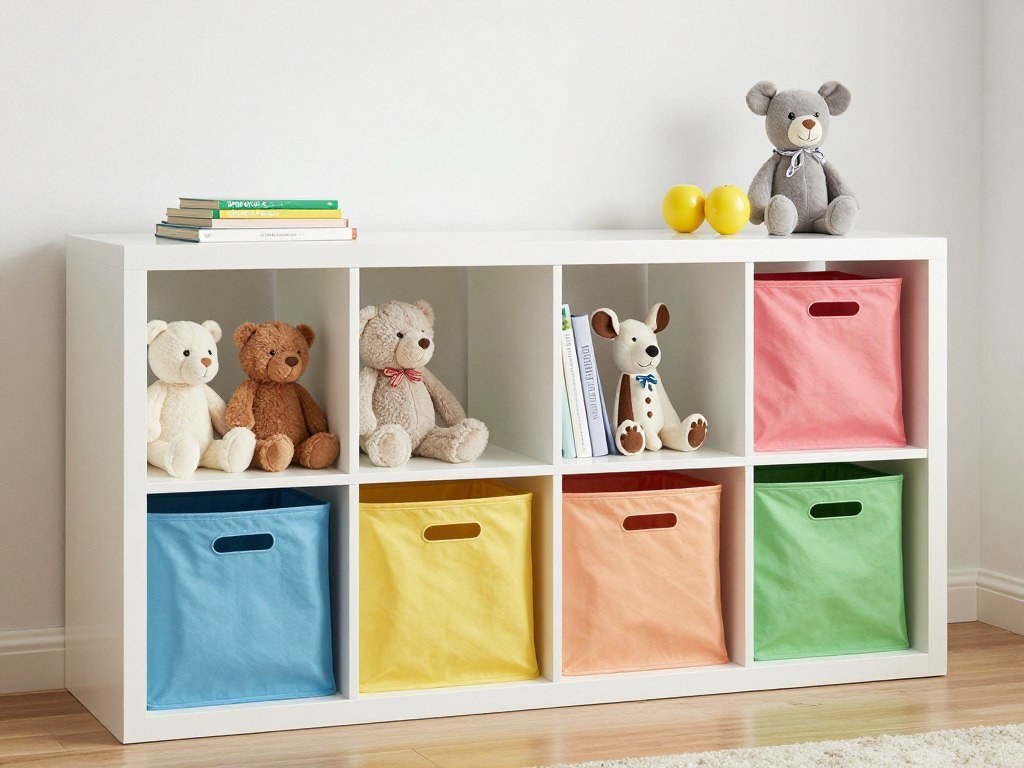
Fabric bins come in countless colors and patterns. They slide easily into cube openings. Kids can learn to sort stuffed animals by size or type.
These systems grow with children. Replace toy bins with books or clothes storage later. The investment continues paying off for years.
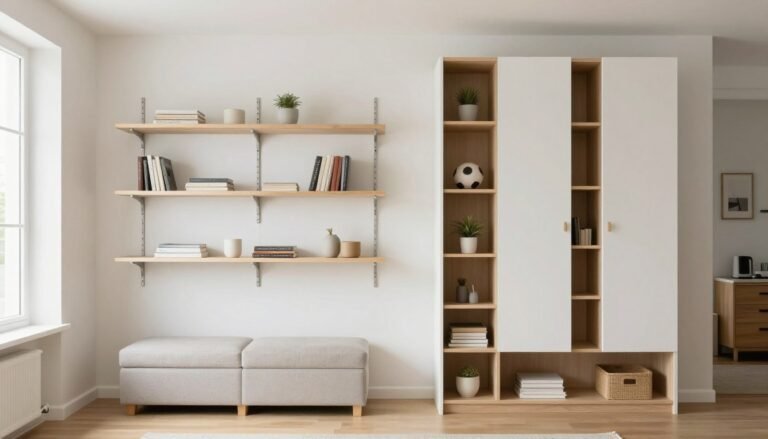
Bookshelf Storage Solutions
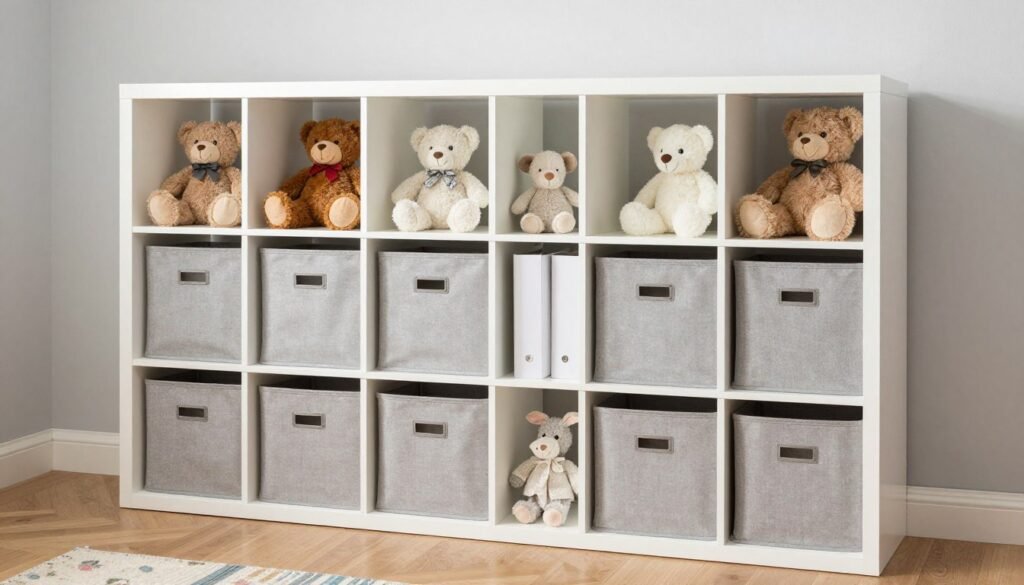
Regular bookshelves make excellent stuffed animal storage. Use baskets on lower shelves for easy access. Display special stuffies on higher shelves.
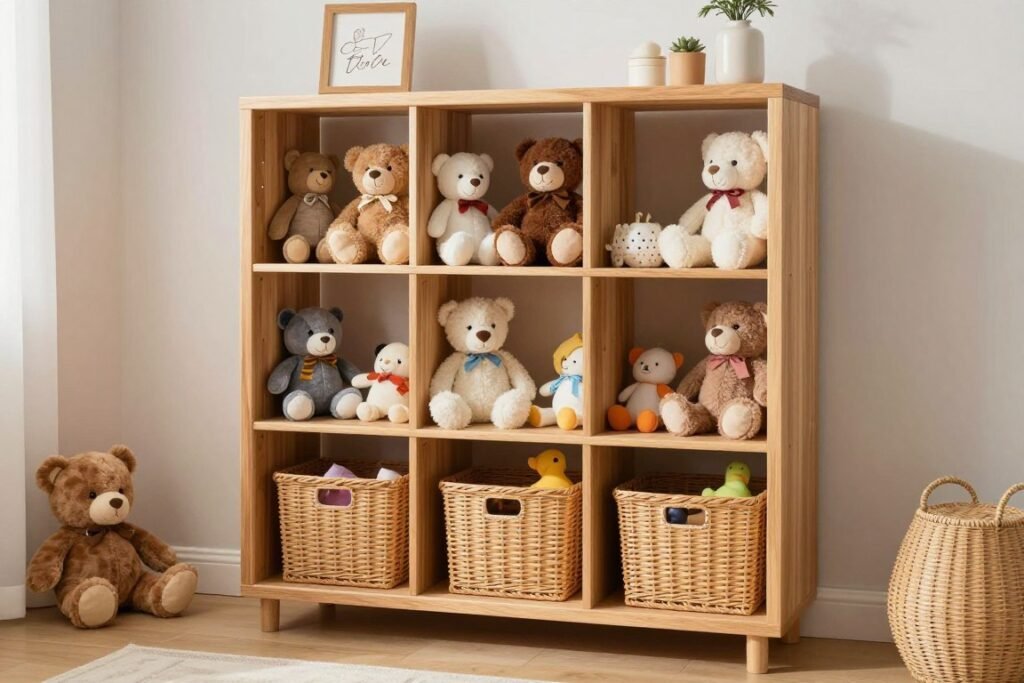
This approach works for smaller collections. It also serves dual purposes. Books and toys share space beautifully.
Consider adjustable shelving. As stuffed animal collections grow, modify shelf spacing. This flexibility helps maintain organization long-term.
Bed Frame Storage
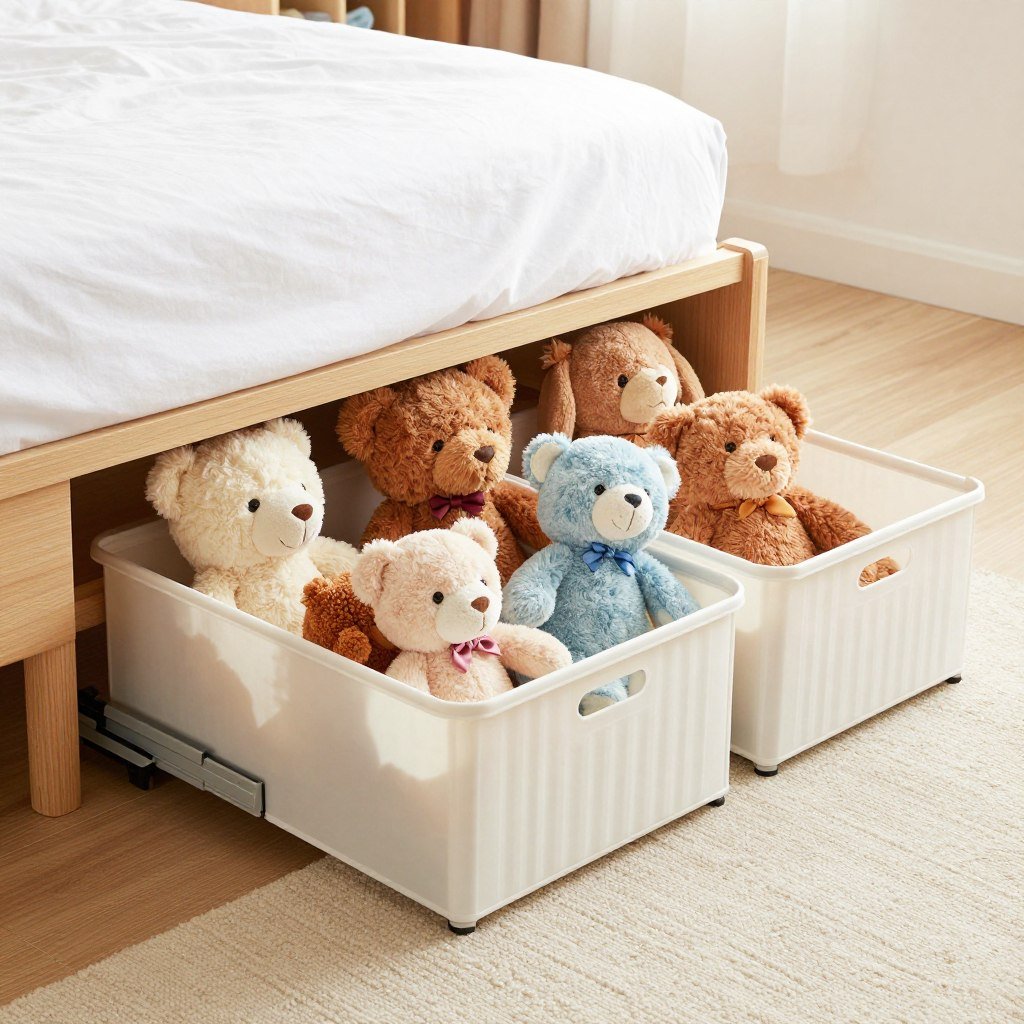
Bed frames with built-in storage maximize bedroom space. Drawers underneath hold numerous stuffed animals. They stay clean and dust-free when stored this way.
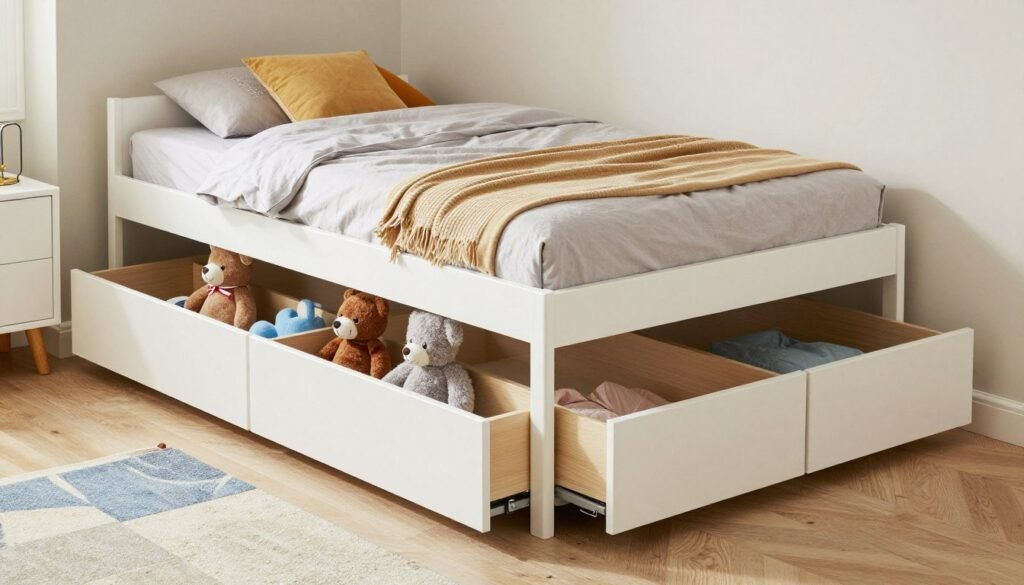
Platform beds often include this feature. The storage blends seamlessly with bedroom design. No one sees the toy storage until drawers open.
This solution works particularly well for older kids. They appreciate the mature furniture style. Parents love the hidden storage capacity.
Basket and Bin Storage Ideas
Baskets and bins offer simple stuffed animal storage. They’re affordable, portable, and require no installation. This flexibility makes them perfect for rental homes or frequently rearranged spaces.
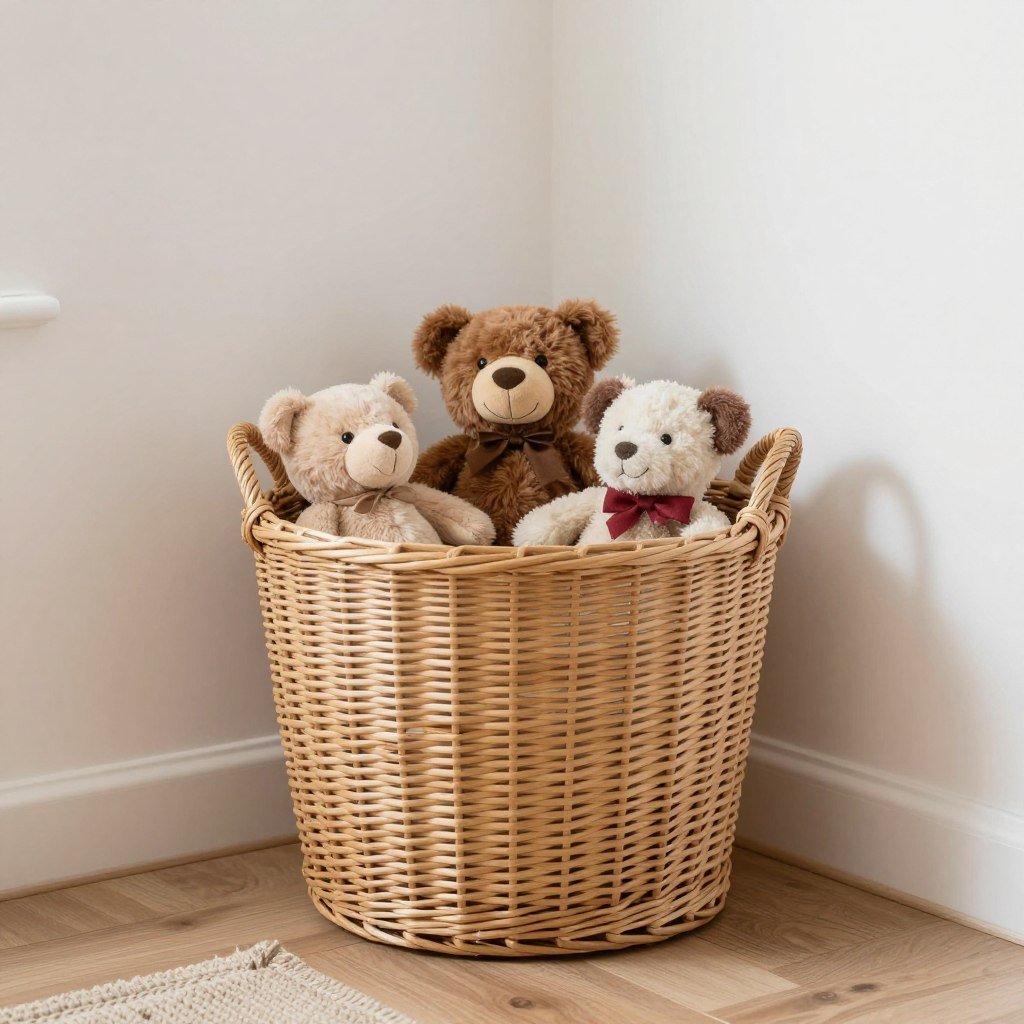
Wicker Basket Storage
Wicker baskets bring natural texture to kids rooms. They hold substantial stuffed animal collections. The open-top design makes cleanup quick and easy.
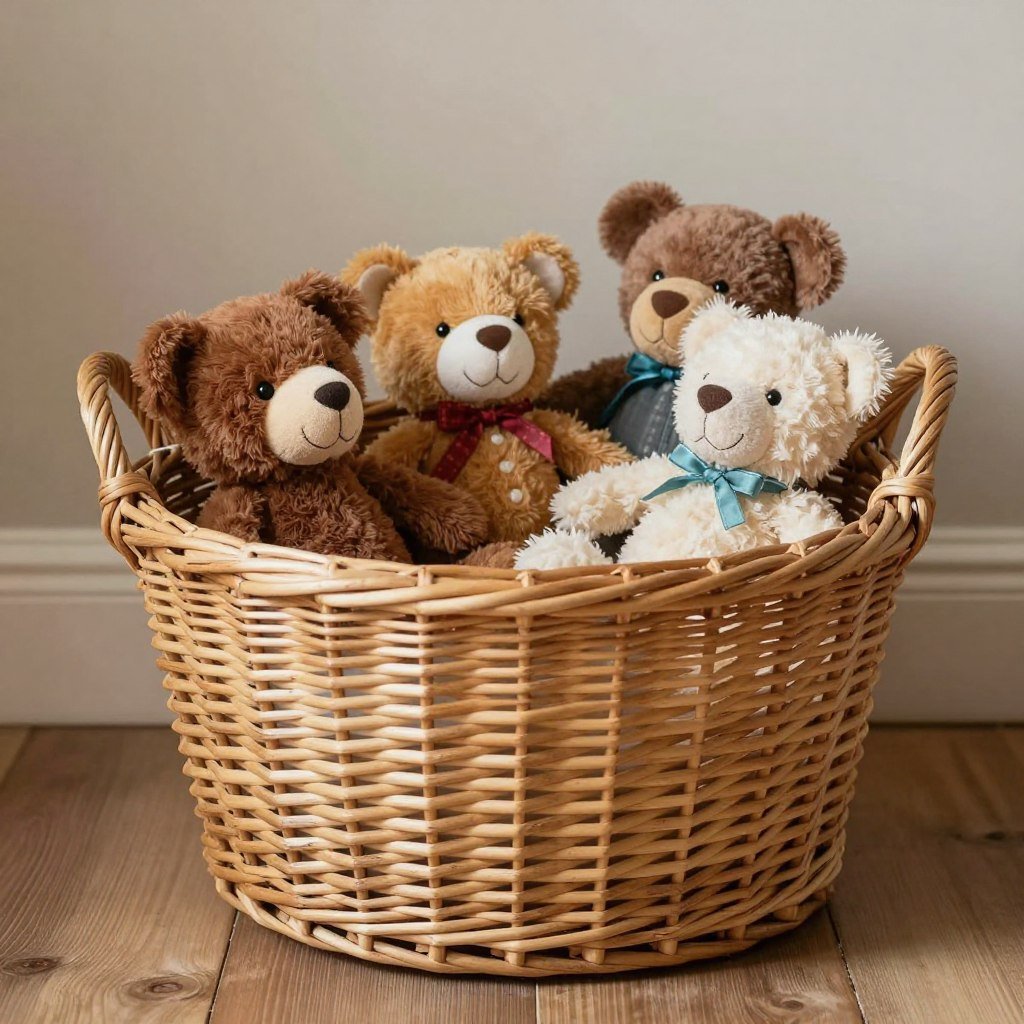
Large floor baskets work great in playrooms. Smaller versions fit on closet shelves. Many parents use multiple baskets for sorting toys by type or size.
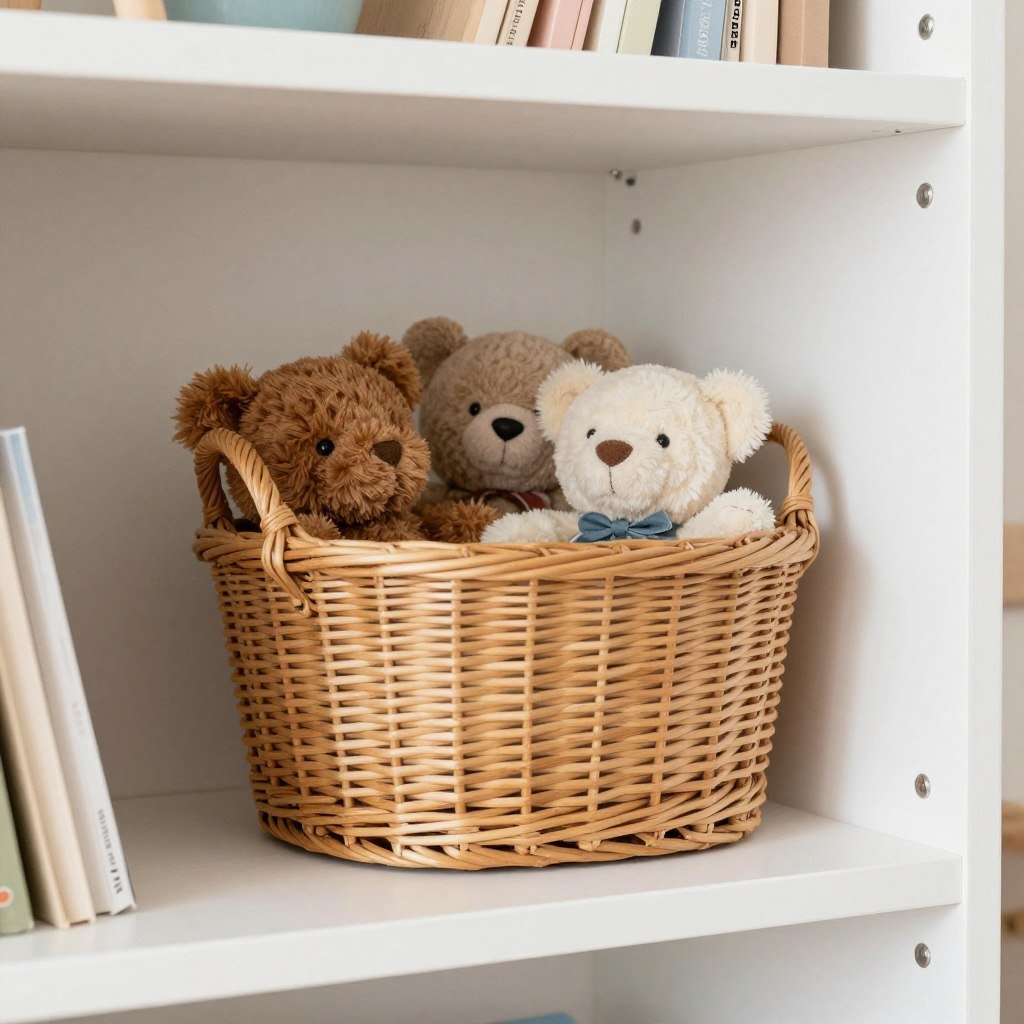
Small Baskets
Perfect for favorite stuffed animals. Keep them on accessible shelves. Great for bedtime companions and special toys.
Medium Baskets
Ideal for everyday stuffed animal rotation. Easy for kids to manage independently. Fits most closet shelves perfectly.
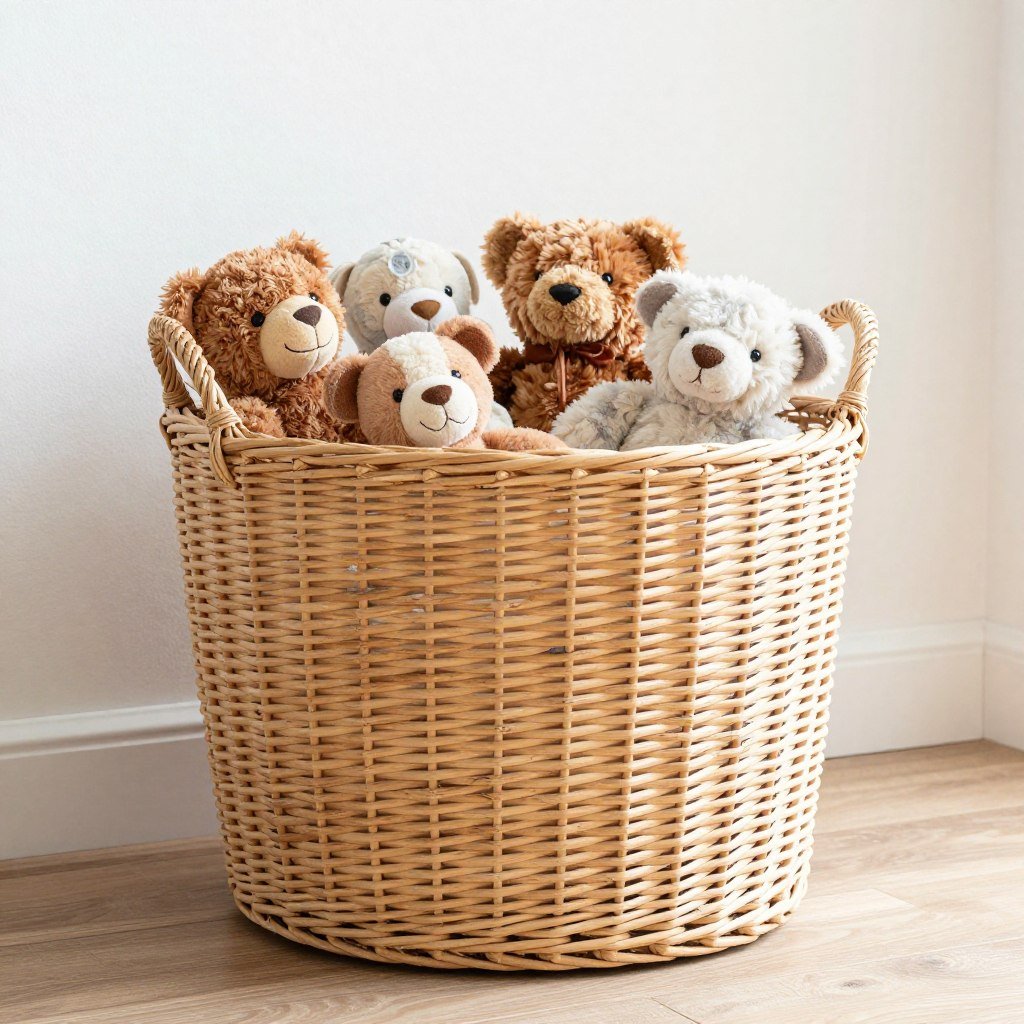
Large Floor Baskets
Holds extensive stuffed animal collections. Makes quick cleanup possible. Serves as decorative room element too.
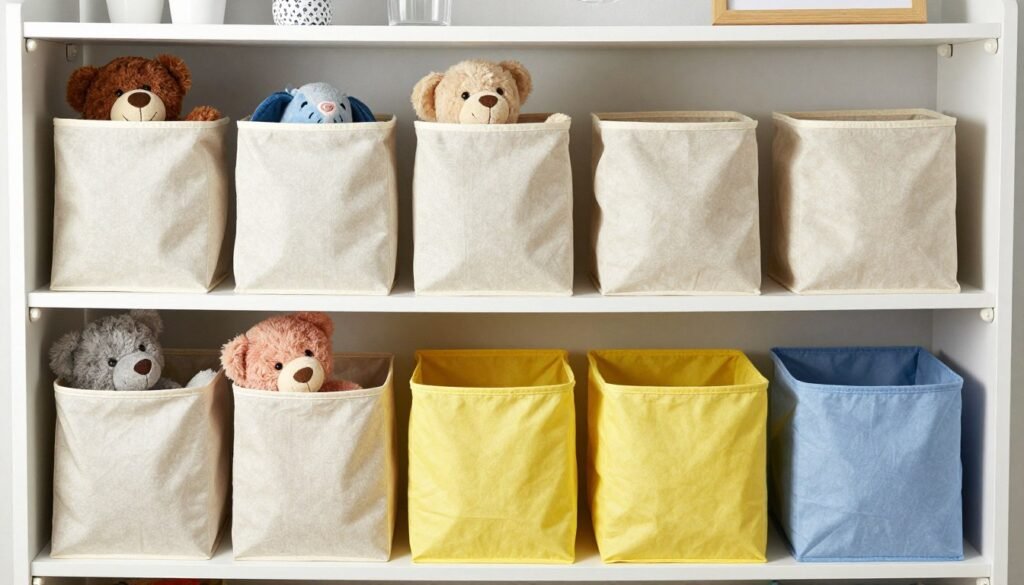
Fabric Storage Bins
Fabric bins come in countless designs. From cartoon characters to solid colors, options abound. These lightweight containers make perfect stuffed animal storage for little ones.
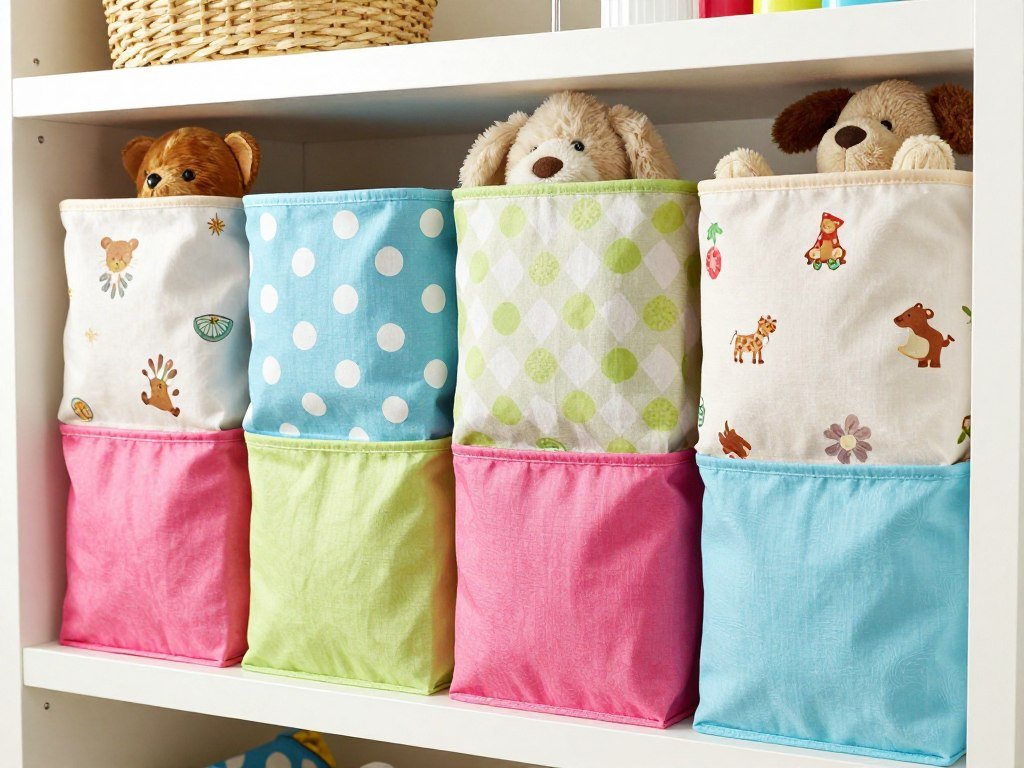
Most fabric bins collapse when empty. This saves space during moves or reorganization. Handles make them portable between rooms.
Use bins in cube storage or on closet floors. Stack them for vertical storage. Label each bin for older children learning organization skills.
Rolling Cart Storage
Rolling carts provide mobile stuffed animal storage. Move toys from bedroom to playroom easily. These work wonderfully for rotating collections or shared spaces.
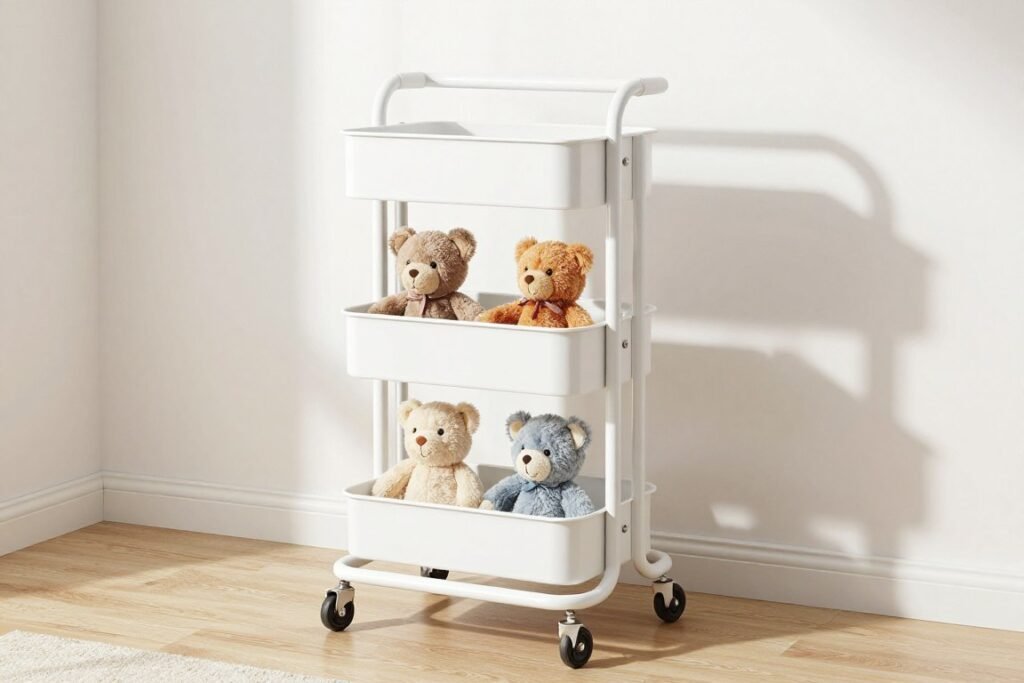
Multi-tier carts hold impressive collections. The open design lets kids see everything. Wheels lock in place for stability during play.
This storage suits craft rooms too. Use top tiers for current favorites. Store less-used stuffed animals on bottom shelves.
Clear Plastic Bins
Clear plastic bins excel at closet storage. Kids see contents without opening lids. This visibility encourages independence in toy selection.
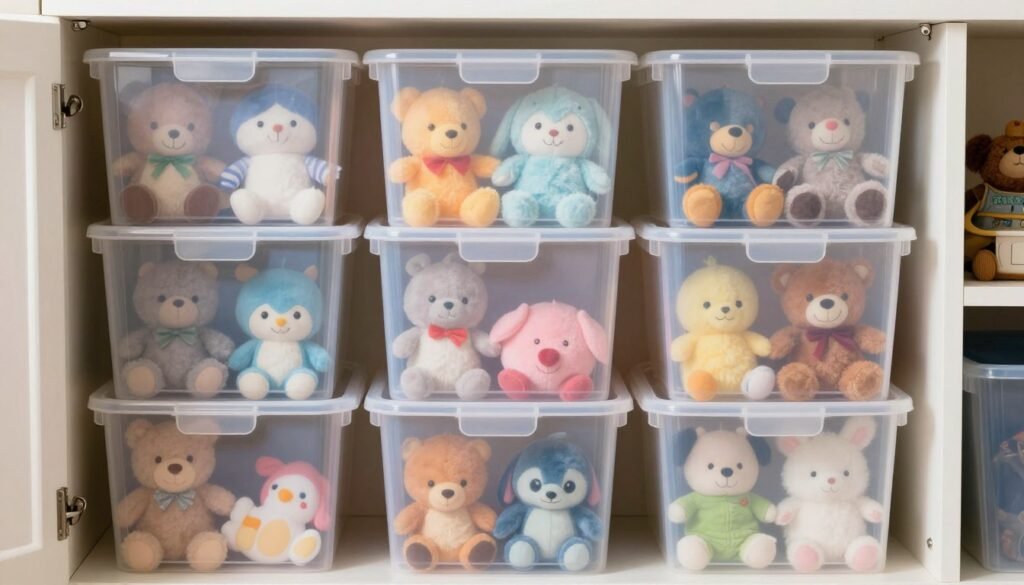
Stackable designs maximize vertical space. Lids protect stuffed animals from dust. These work perfectly for seasonal toy rotation.
Label each bin clearly. Sort by stuffed animal type, color, or size. This system helps maintain long-term organization.
Creative DIY Stuffed Animal Storage
DIY storage projects offer customization and cost savings. Build solutions matching your exact space and style. These ideas range from simple to more involved projects.
Chain Link Stuffed Animal Storage
Chain link stuffed animal storage uses large plastic chain links. Connect links to create vertical storage. Kids thread stuffed animals through the chain openings.
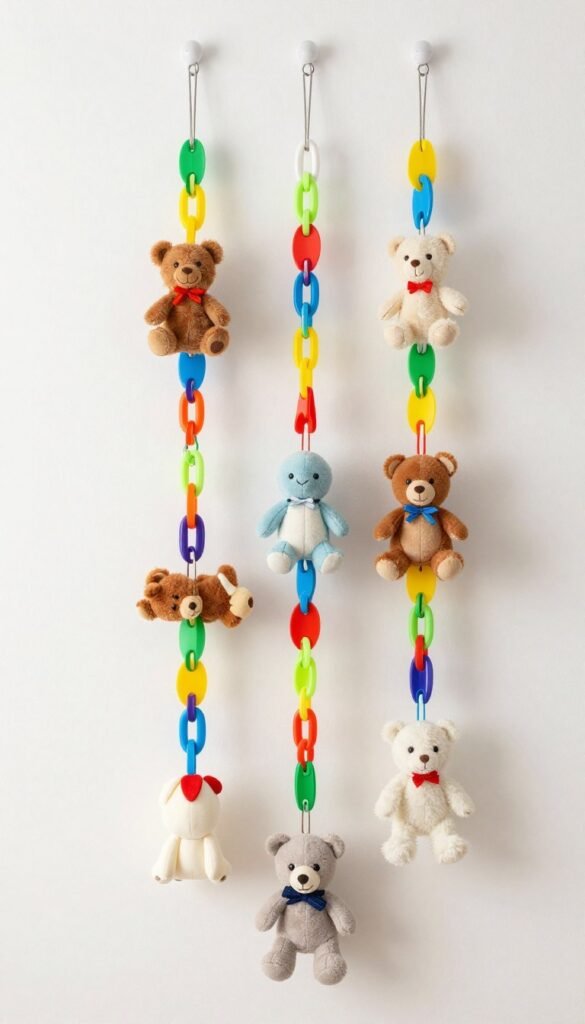
This project takes minimal time and materials. Hardware stores sell large chain links affordably. Hang the chain from ceiling hooks or high wall mounts.
The result looks playful and fun. It adds vertical interest to room design. Plus, stuffed animal collection becomes interactive art.
DIY Tip: Use S-hooks between chain links for adjustable length. This allows easy height modifications as your collection grows.
Swing Organizer Storage
Create a swing-style organizer using fabric and dowel rods. Sew fabric pockets at various heights. Suspend the organizer from ceiling or wall brackets.
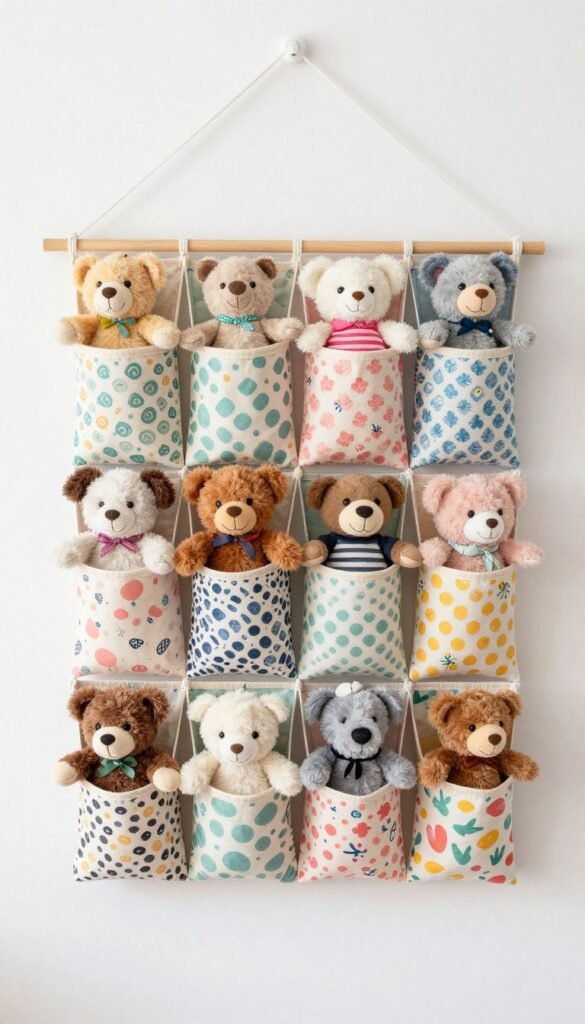
This DIY project suits those with basic sewing skills. Choose durable canvas or denim fabric. Make pockets sized for various stuffed animal dimensions.
Kids enjoy the swinging motion when retrieving toys. The movement adds playful interaction to organization. Plus, it becomes a unique room focal point.
Crate and Pallet Storage
Wooden crates make rustic stuffed animal storage. Stack them to create modular shelving. Paint or stain them to match bedroom decor.
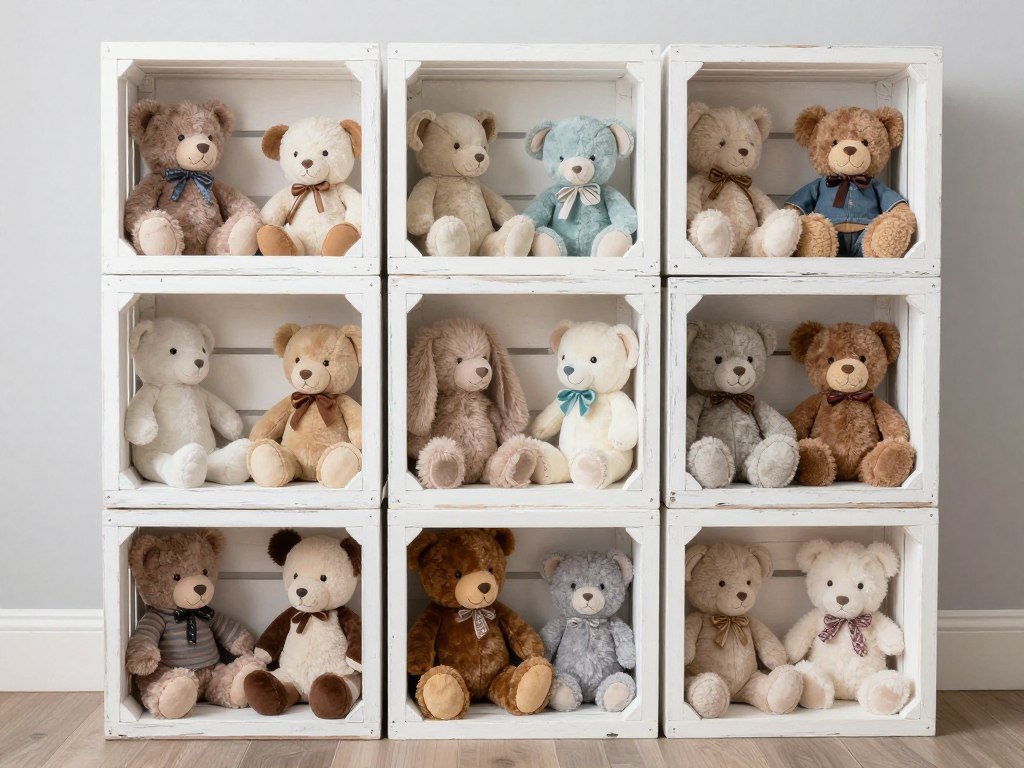
Secure stacked crates with brackets for safety. Add wheels to bottom crates for mobility. This creates flexible, customizable storage.
Pallet wood offers similar possibilities. Cut pallets into sections. Sand thoroughly for child safety. Mount horizontally as shelving for stuffed animal display.
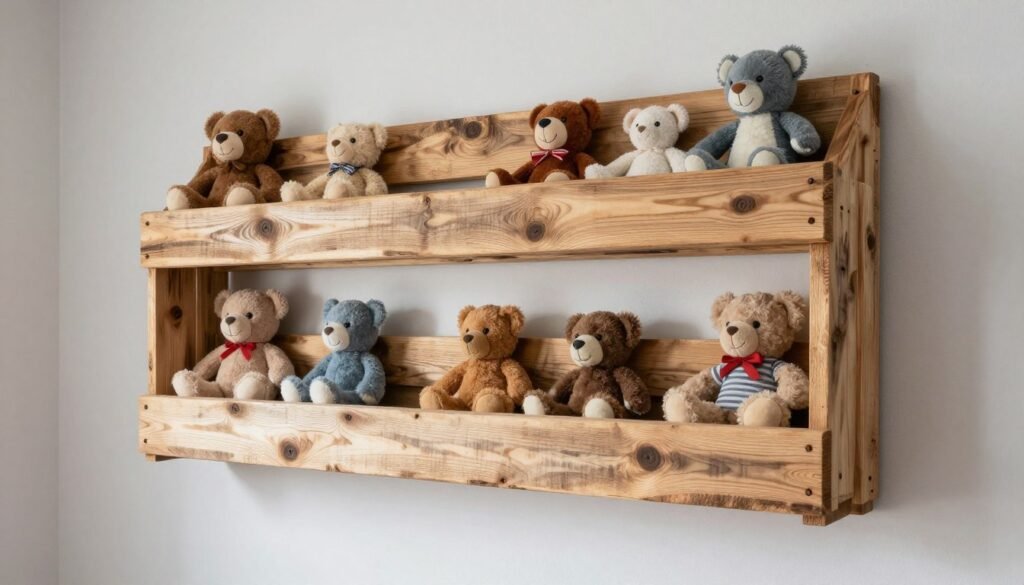
PVC Pipe Storage Projects
PVC pipes create innovative stuffed animal storage. Cut pipes to various lengths. Mount them horizontally on walls as individual stuffed animal cubbies.
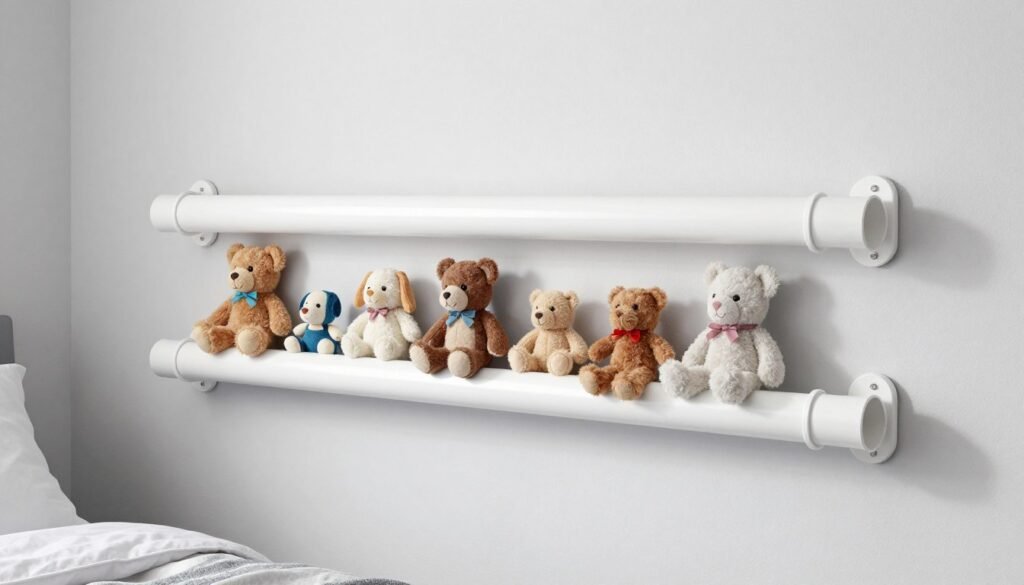
Paint pipes in bright colors or patterns. Group them in honeycomb arrangements. This modern look works especially well in contemporary homes.
The open-ended design allows easy access. Stuffed animals slide in and out smoothly. This encourages kids to maintain organization independently.
Find DIY Storage Materials
Get supplies for your custom stuffed animal storage project. From chains to fabric, find everything you need to create unique organization solutions.
Repurposed Furniture Storage
Old dressers transform into excellent stuffed animal storage. Remove drawer fronts. The openings become cubby storage for toys.
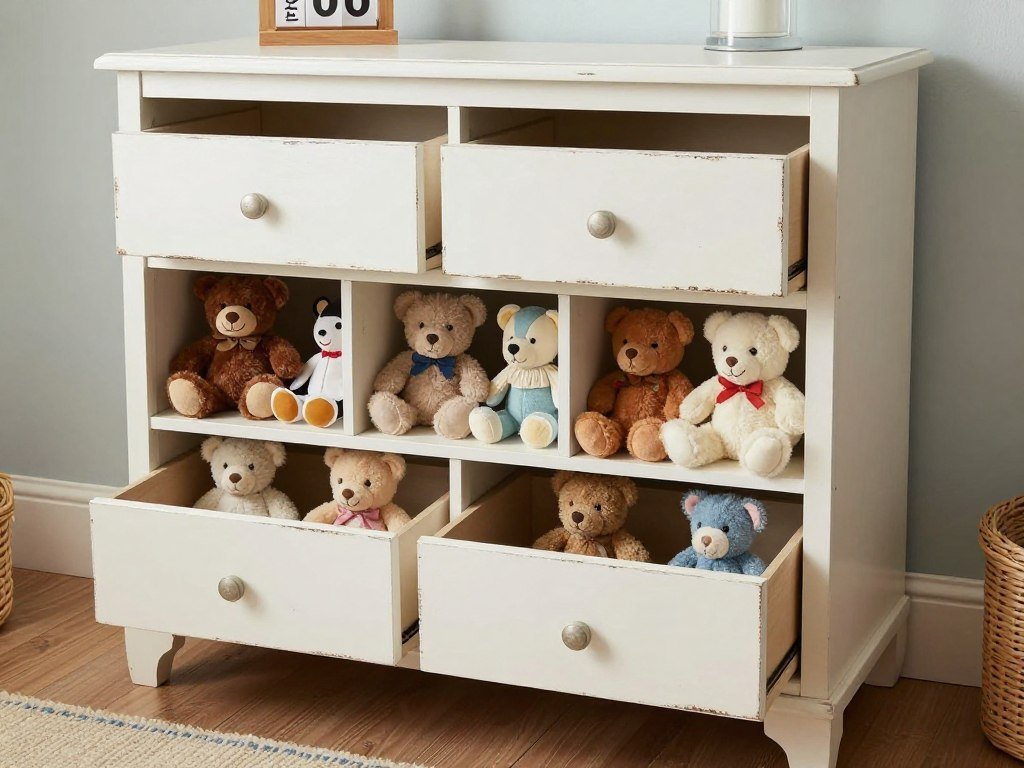
Paint the dresser in cheerful colors. Add backing boards if needed for stability. This upcycling creates unique, budget-friendly storage.
Bookshelves work similarly. Add fabric bins or leave shelves open. Personalize with paint, wallpaper, or decorative trim for custom looks.
Space-Specific Storage Solutions
Different rooms require different stuffed animal storage approaches. Consider traffic flow, available space, and primary room functions when choosing storage.
Small Bedroom Storage
Small bedrooms need vertical storage solutions. Wall-mounted options save precious floor space. Corner hammocks and over-door organizers work perfectly here.
Under-bed storage maximizes hidden space. Use rolling bins that slide out easily. Keep frequently used stuffed animals within reach; store extras underneath.
Best Small Bedroom Options
- Corner hammock installations
- Over-door hanging organizers
- Wall-mounted shallow shelves
- Under-bed rolling storage
- Behind-door hooks with bags
- Narrow vertical cube storage
Playroom Organization
Playrooms can accommodate larger stuffed animal storage solutions. Use multiple storage types for different toy categories. This teaches sorting and organization skills.
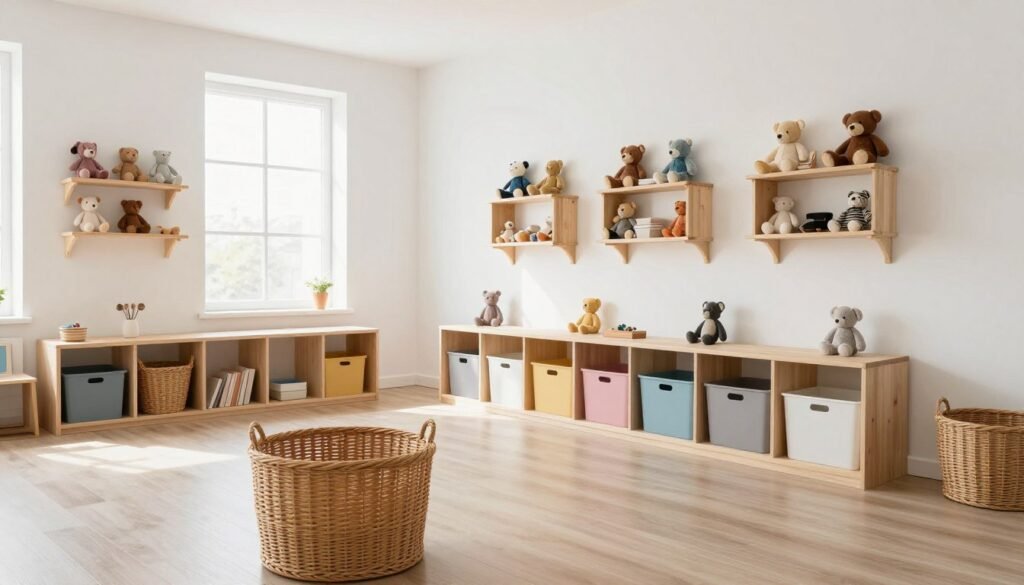
Large floor baskets work well for quick cleanup. Add cube storage for sorted collections. Wall-mounted options display special stuffed animals.
Create zones within playrooms. Designate one area for stuffed animal storage and play. This focused approach maintains better organization over time.
Closet Storage Systems
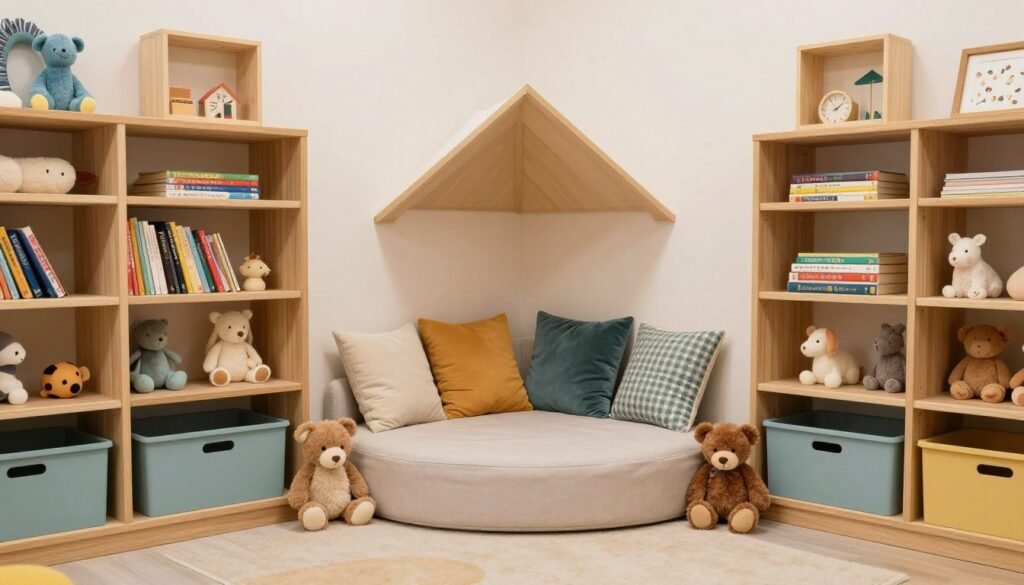
Closets provide excellent hidden stuffed animal storage. Use hanging organizers on closet doors. Stack bins on shelves for sorted collections.
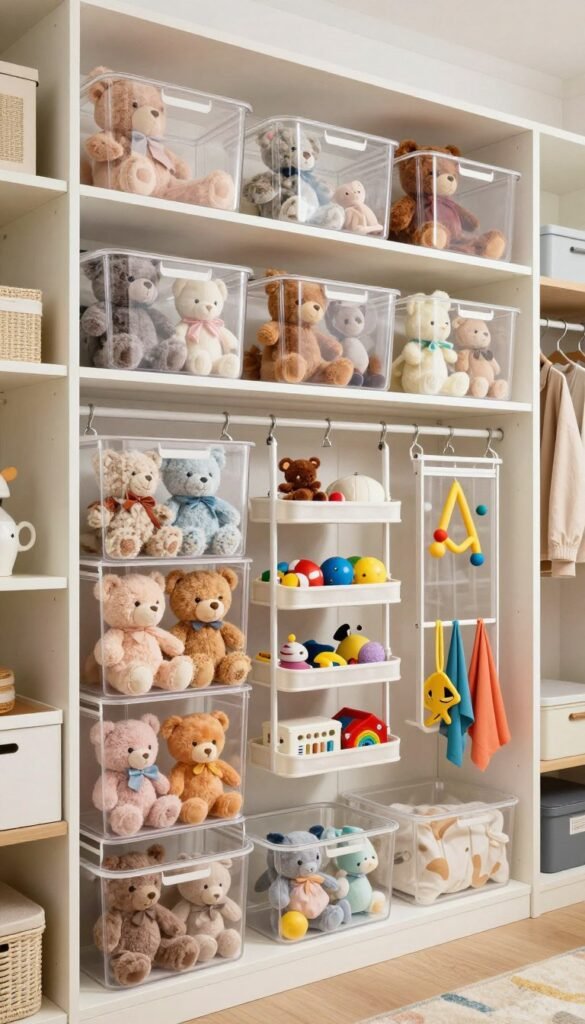
Install additional shelving if needed. Adjustable systems adapt as collections grow. Use closet floors for larger stuffed animals in baskets.
Label everything clearly. This helps kids return toys to proper places. A well-organized closet keeps bedrooms looking tidy.
Living Room and Common Area Storage
Living room stuffed animal storage should match home decor. Choose attractive baskets or decorative bins. Storage becomes part of room design rather than an eyesore.
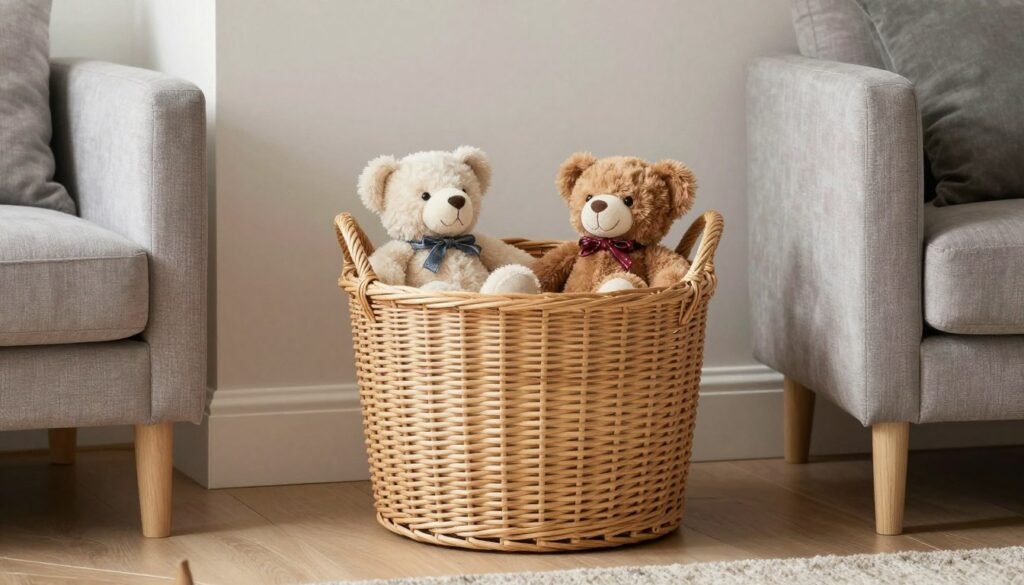
Use furniture with hidden storage. Ottoman storage keeps toys out of sight. This maintains adult aesthetic while accommodating kids’ belongings.
Establish rules for common areas. Limit the number of stuffed animals allowed in living spaces. Keep excess toys in bedrooms or playrooms.
Organizing Strategies for Stuffed Animals
Having storage is just the first step. Implementing effective organizing strategies maintains long-term tidiness. These methods help kids participate in organization actively.
The One In, One Out Rule
This simple rule prevents stuffed animal overflow. When kids receive new stuffies, donate or store an old one. This keeps collections manageable.
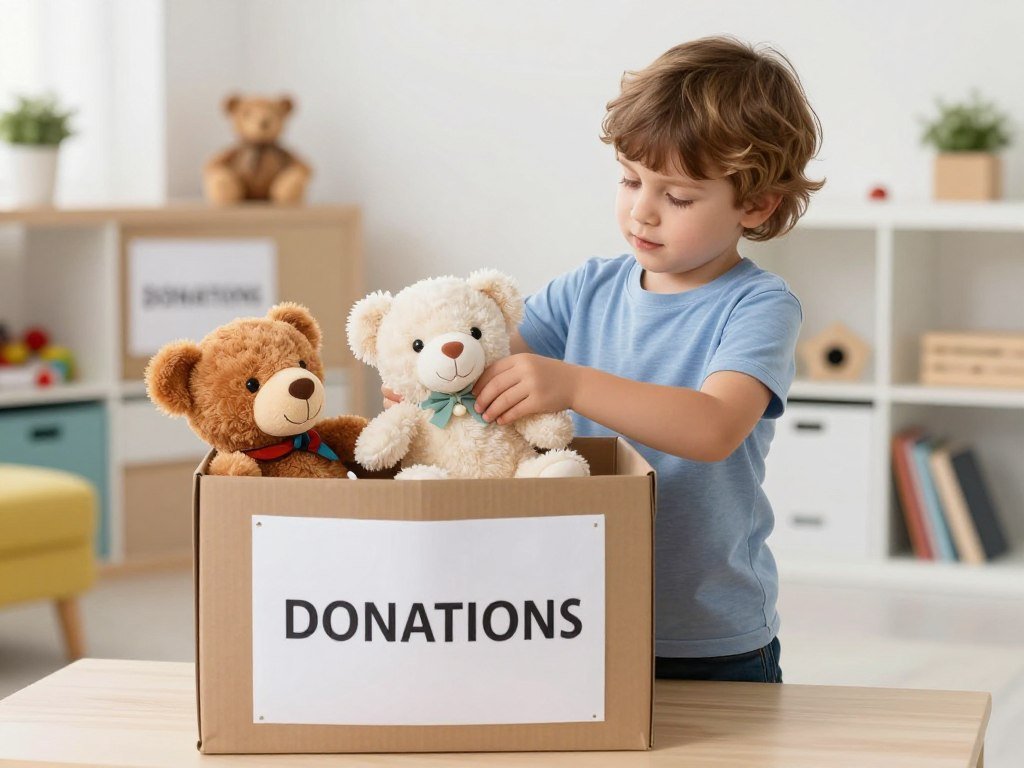
Explain the concept age-appropriately. Help younger children make choices. Older kids can decide independently which toys to keep.
Donate gently used stuffed animals to charities. This teaches generosity while managing clutter. Many organizations gladly accept clean, quality toys.
Rotation System
Toy rotation keeps interest fresh. Store some stuffed animals away temporarily. Swap them out monthly or seasonally.
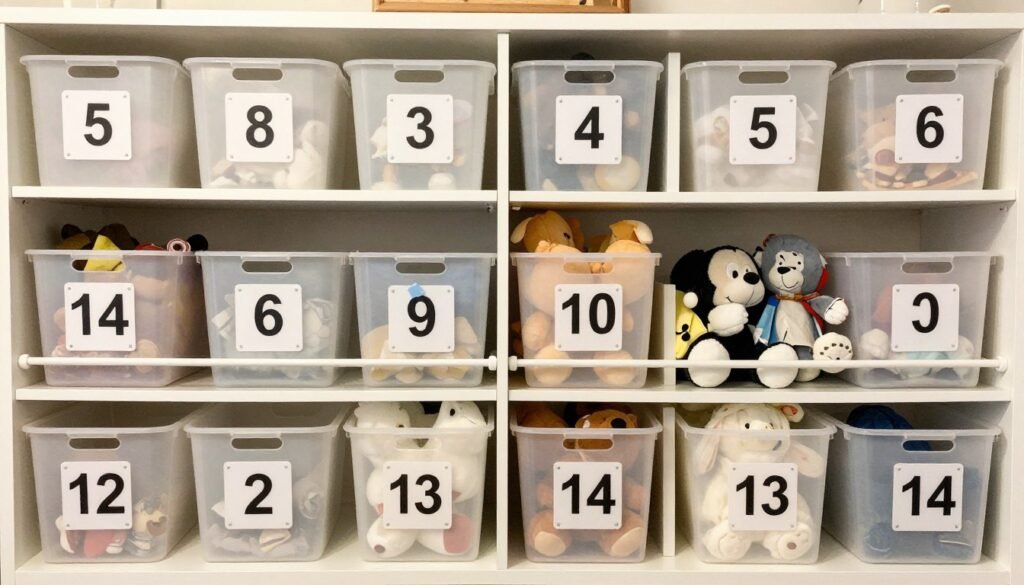
This reduces visual clutter significantly. Kids rediscover forgotten favorites when rotated back. Storage needs decrease with fewer toys accessible simultaneously.
Use clear bins for stored toys. Label with contents and rotation dates. This system works especially well with large collections.
Categorization Methods
Teach kids to categorize stuffed animals. Sort by size, color, animal type, or personal preference. This builds organizational thinking skills.
By Size
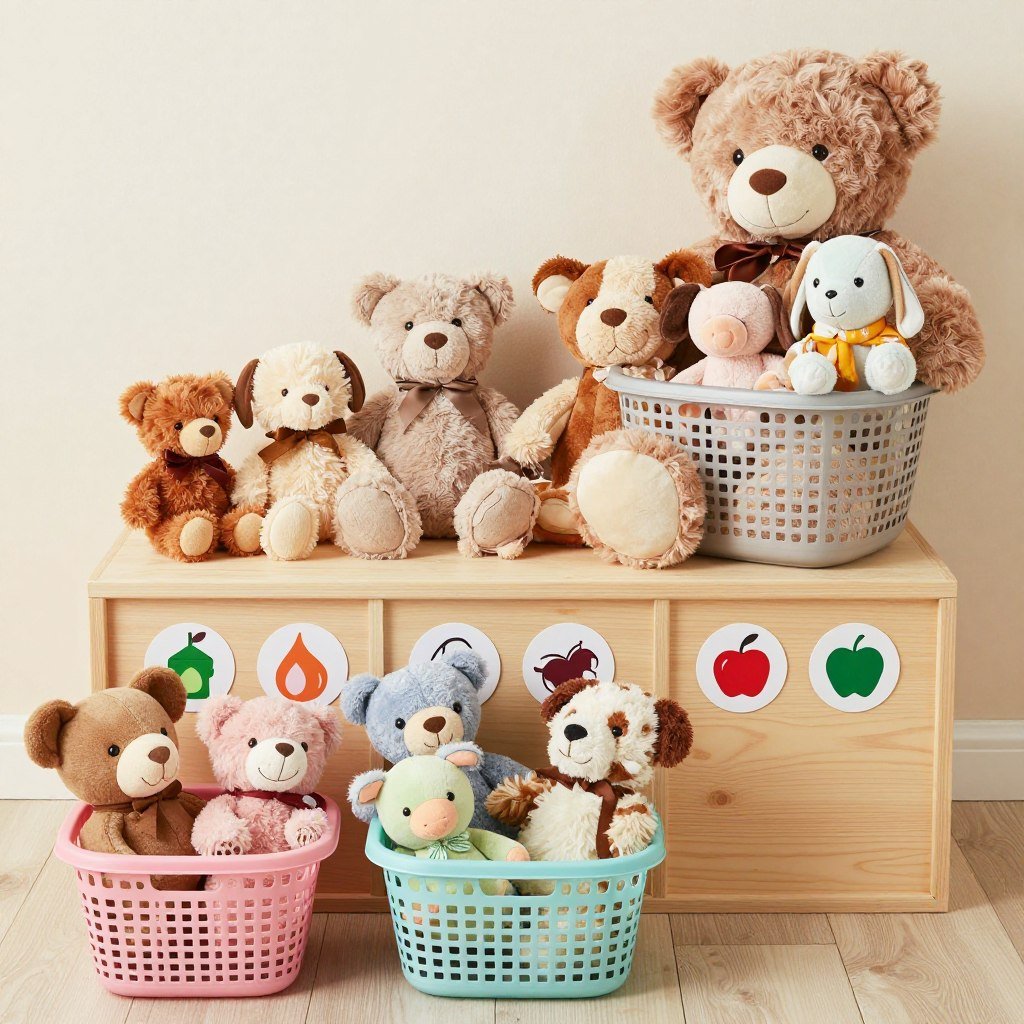
Separate small, medium, and large stuffed animals. This makes fitting toys into storage easier and more efficient.
By Type
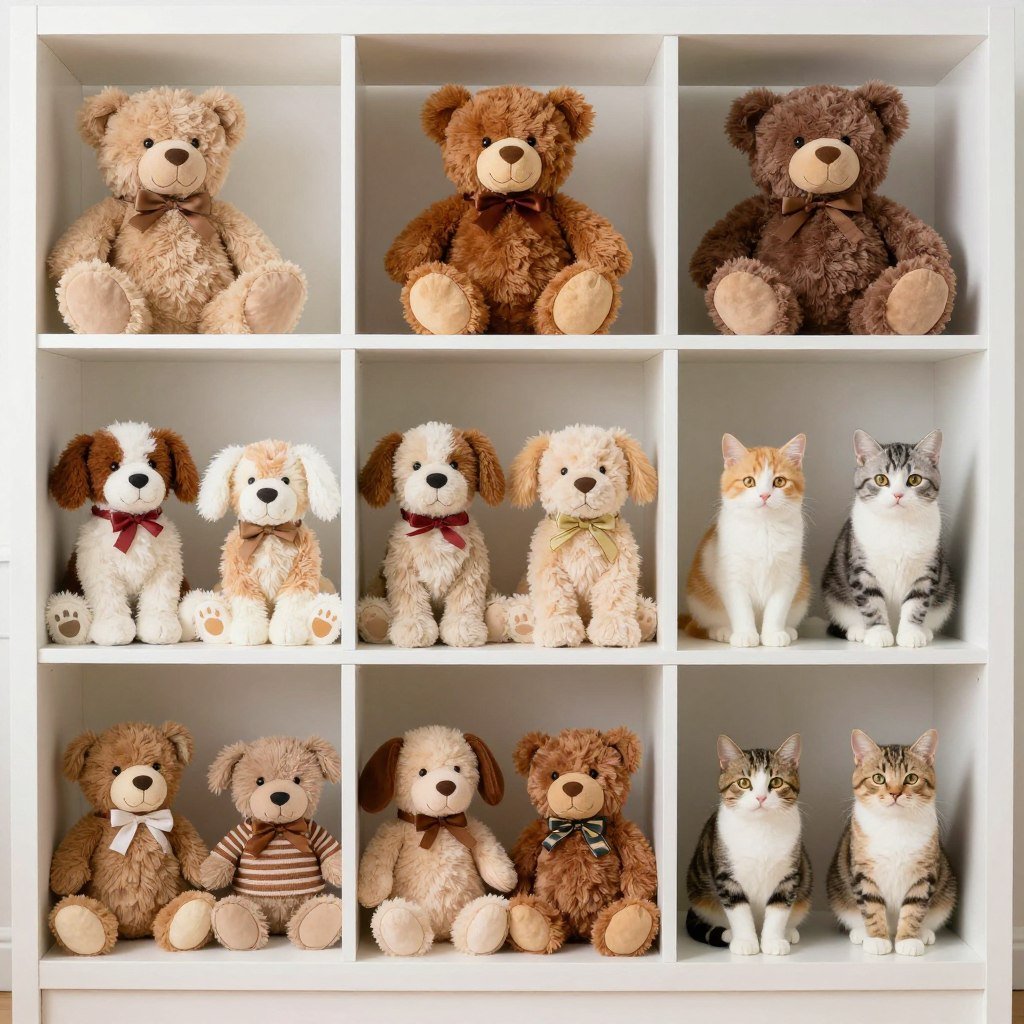
Group similar animals together. Bears in one bin, dogs in another. This appeals to kids who enjoy collecting specific types.
By Use
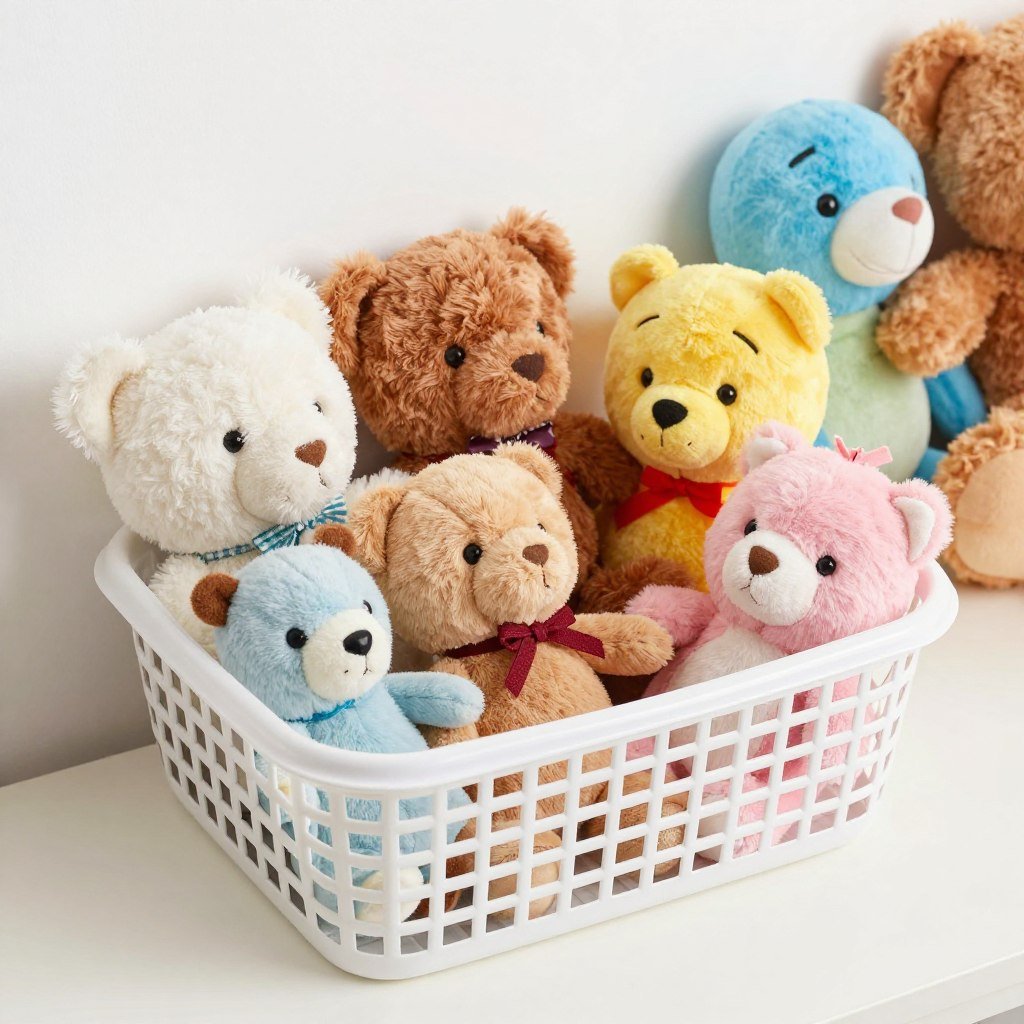
Distinguish between everyday favorites and occasional toys. Keep favorites most accessible for easy bedtime retrieval.
Daily Cleanup Routines
Establish consistent cleanup times. Before bed works well for bedroom organization. Before dinner suits playroom tidying.
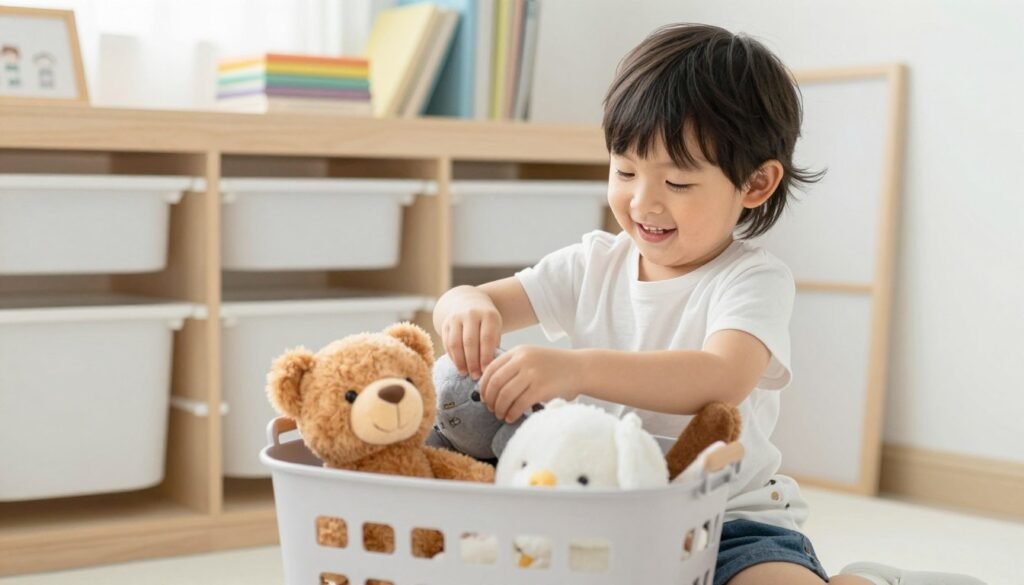
Make cleanup fun with songs or timers. Race to beat the clock together. Positive associations encourage cooperation.
Keep expectations age-appropriate. Toddlers need help and reminders. Older children can manage independently with occasional checks.
Seasonal Deep Cleaning
Schedule seasonal stuffed animal cleaning sessions. Wash machine-washable toys according to care labels. Surface clean others with gentle soap.
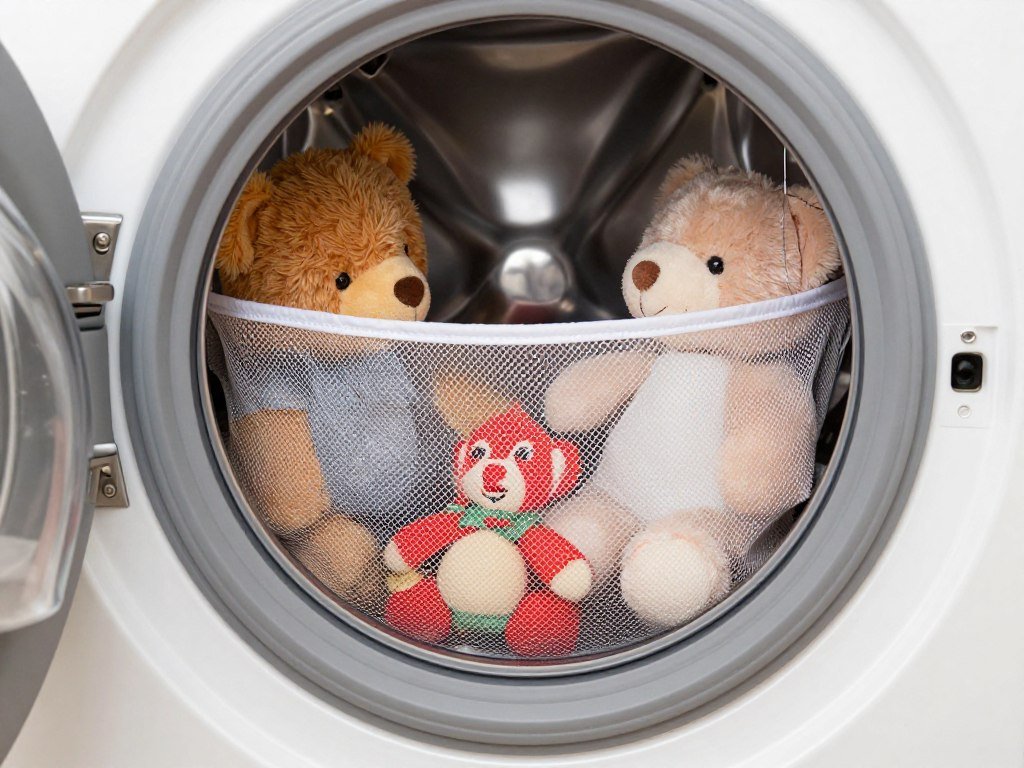
This prevents dust buildup and maintains toy quality. Deep cleaning sessions provide opportunities to reassess collections. Donate toys kids have outgrown.
Use toy-safe cleaning products. Air dry thoroughly before returning to storage. This protects both toys and children’s health.
Teaching Kids Organization Skills
Stuffed animal storage provides excellent opportunities for teaching life skills. Organization, decision-making, and responsibility develop through toy management.
Age-Appropriate Expectations
Toddlers can learn to drop toys into large bins. This simple action builds foundation habits. Celebrate their efforts enthusiastically.
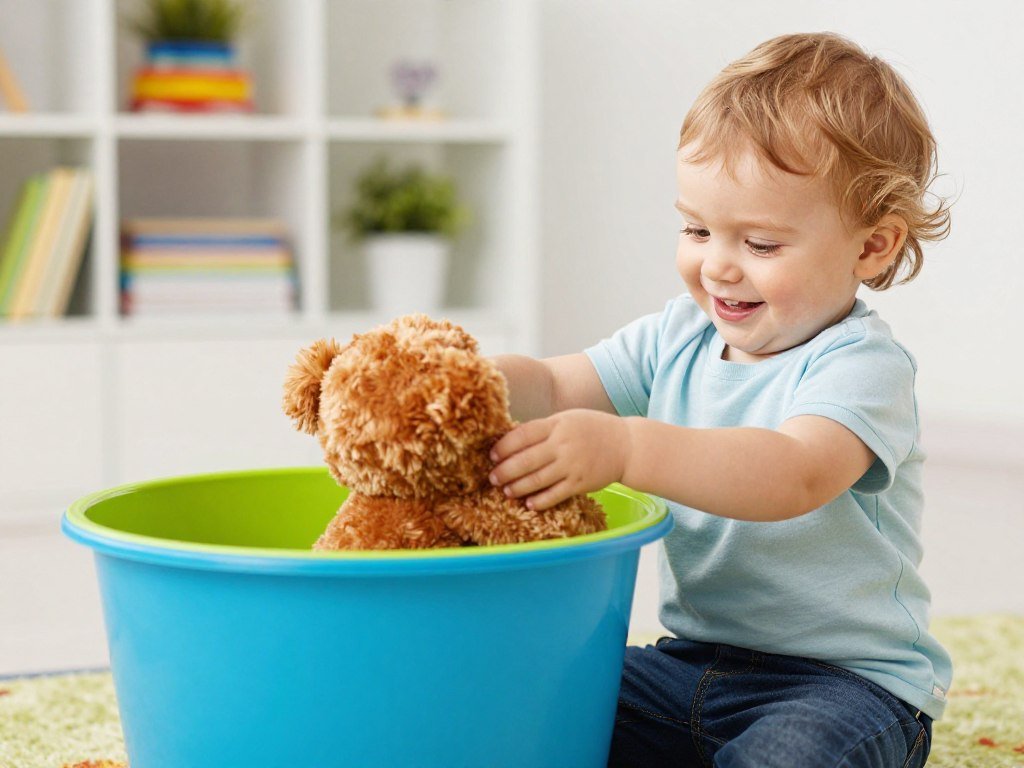
Preschoolers can sort by basic categories. Color or size sorting works well. Provide clear, simple instructions and demonstrations.
School-age children handle complex organization systems. They can maintain labeled storage and rotation schedules. Gradually increase independence and responsibility.
- Put toys in designated bins
- Follow one-step cleanup instructions
- Recognize “toy time” vs “cleanup time”
- Handle soft, lightweight items safely
Toddlers (2-3 years)
- Sort toys by color or size
- Follow two-step directions
- Return toys to specific locations
- Make simple “keep or donate” choices
- Help with toy rotation tasks
Preschoolers (4-5 years)
- Maintain complex sorting systems
- Complete cleanup independently
- Manage rotation schedules with reminders
- Decide donation candidates independently
- Help organize siblings’ toys
- Research storage solutions online
School-Age (6+ years)
Making Organization Fun
Transform cleanup into games. Race against timers for speedy organization. Play “find the red bear” sorting games.
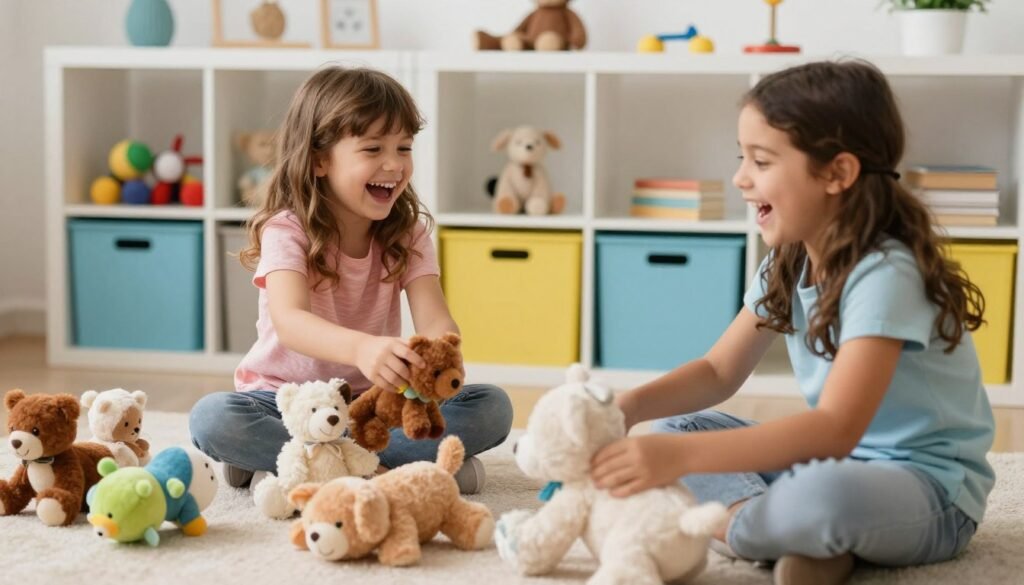
Use music during cleanup time. The “cleanup song” signals organization time. This creates positive associations with tidying.
Offer small rewards for consistent organization. Sticker charts work well for younger children. Older kids appreciate extended privileges.
Visual Organization Aids
Labels help kids identify proper storage locations. Use pictures for non-readers. Combine images with words as reading develops.
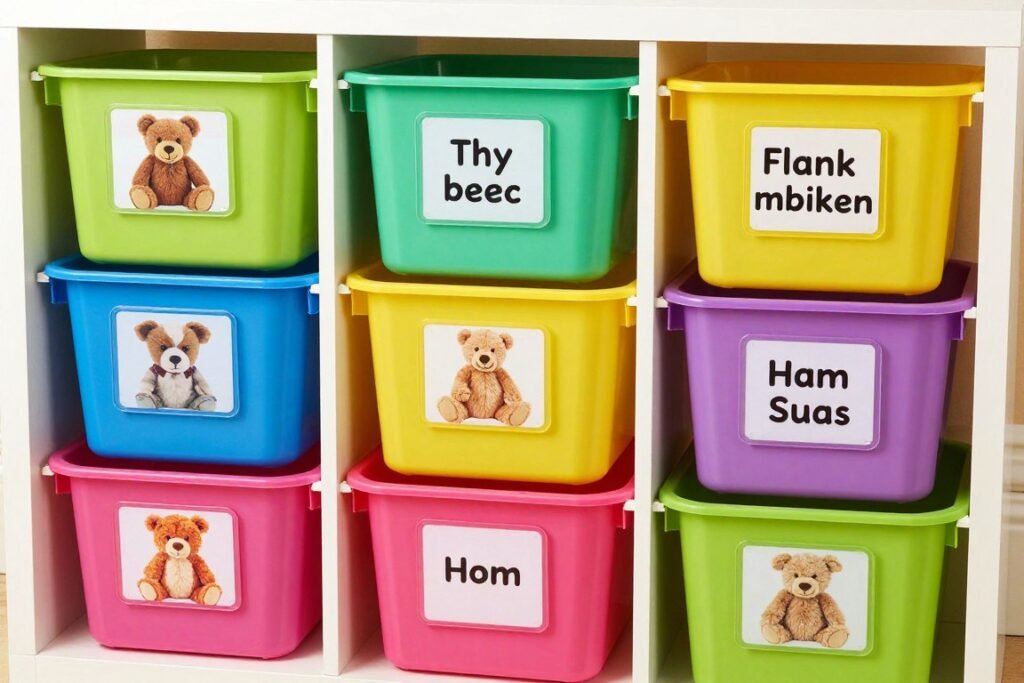
Color-code storage areas. Blue bins for sea creatures, brown for bears, etc. Visual cues make organization intuitive.
Create picture charts showing organization systems. Hang them at child eye-level. Reference charts during cleanup for guidance.
Get Organizational Labels and Supplies
Find labels, color-coded bins, and organizational tools that help kids learn and maintain toy organization systems.
Maintenance and Long-Term Success
Initial organization is just the beginning. Maintaining systems requires ongoing attention. These strategies ensure lasting success.
Regular Reassessment
Review organization systems quarterly. What worked initially may need adjustment. Kids grow, collections change, and needs evolve.
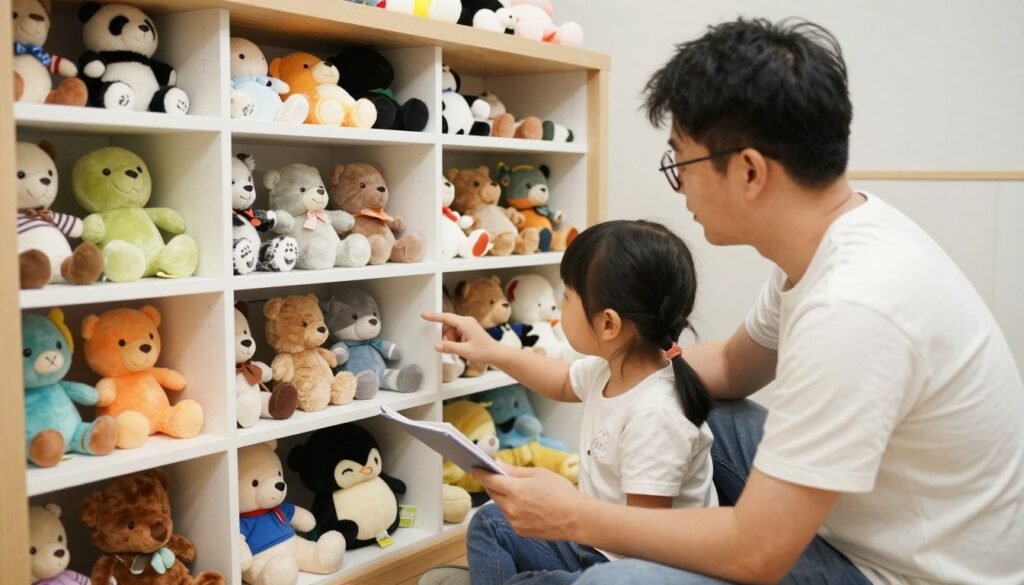
Ask kids about their storage preferences. They may have practical insights. Involving them increases buy-in and cooperation.
Adjust storage as collections grow or shrink. Add containers when needed. Remove excess storage to prevent unnecessary accumulation.
Preventing Overflow
Set clear limits for stuffed animal collections. Physical storage capacity provides natural boundaries. When storage fills, it’s time to edit.
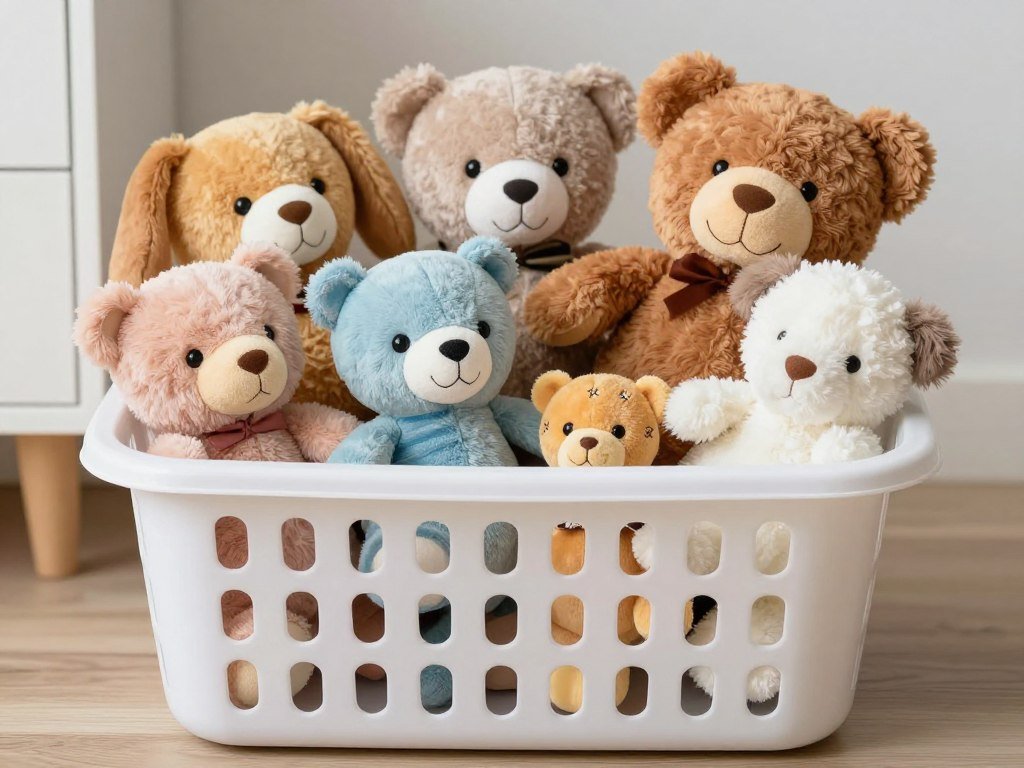
Implement the “must fit” rule. New toys must fit in existing storage. This prevents overflow naturally.
Resist impulse toy purchases. Stuffed animals are common gifts and prizes. Manage expectations around toy accumulation early.
Dealing with Sentimental Attachments
Kids form strong attachments to stuffed animals. Honor these connections while maintaining organization. Designate space for truly special toys.
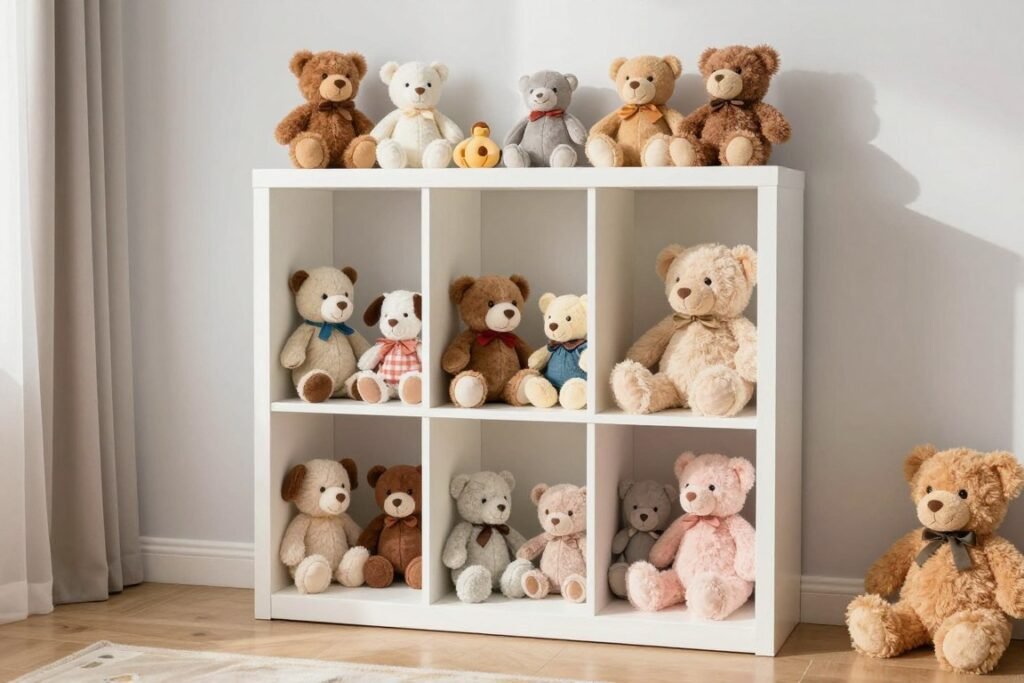
Create memory boxes for outgrown favorites. Include photos of child with toy. This preserves memories while freeing physical space.
Teach kids that letting go enables other children to enjoy toys. This reframes donation as positive rather than loss.
Adapting as Kids Grow
Organization needs change as children mature. Toddler systems don’t work for teenagers. Evolution is natural and necessary.
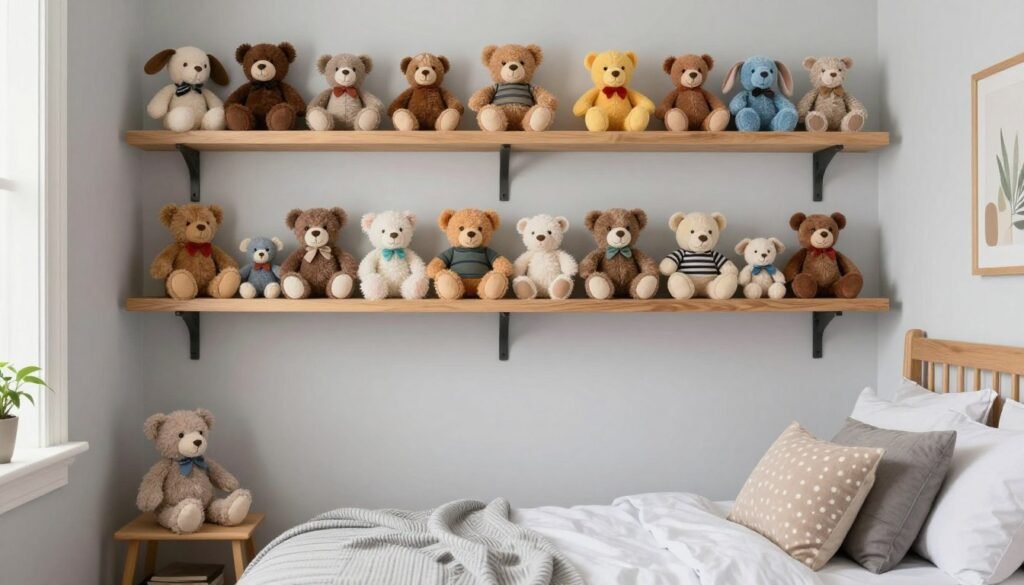
Older kids may prefer closed storage over displays. Respect changing preferences. What matters is maintained organization, not specific methods.
Collections typically shrink with age. Remove excess storage as appropriate. Repurpose furniture for books, clothes, or other interests.
Budget-Friendly Storage Solutions
Effective stuffed animal storage doesn’t require large budgets. Creative solutions and smart shopping stretch dollars while providing excellent organization.
Thrift Store and Secondhand Finds
Thrift stores offer amazing storage furniture deals. Bookshelves, dressers, and baskets appear regularly. Prices are dramatically lower than new items.
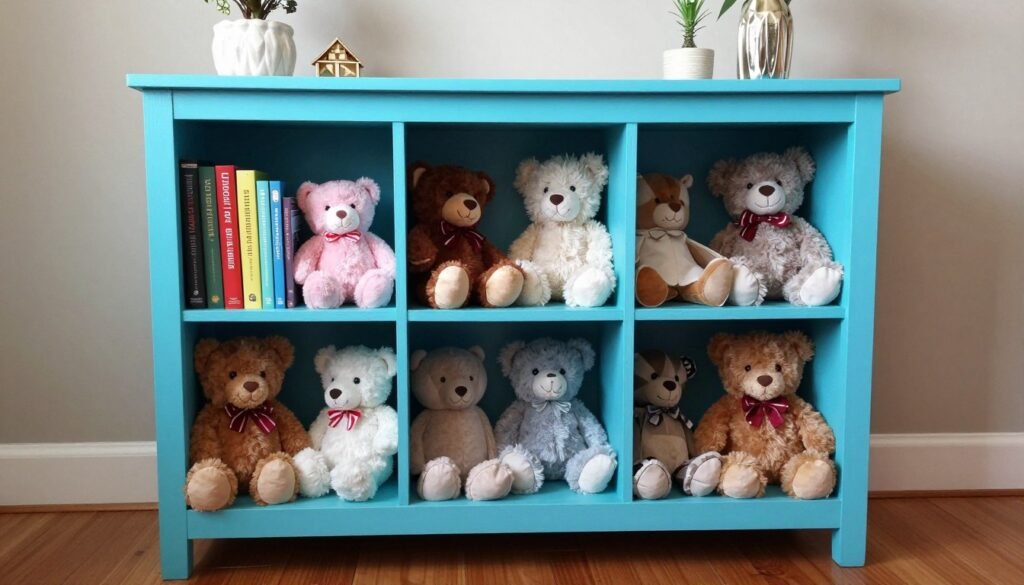
Inspect items carefully for safety and stability. Minor cosmetic issues matter little for toy storage. Fresh paint transforms dated pieces.
Estate sales provide similar opportunities. Families often sell quality furniture affordably. Arrive early for best selection.
Dollar Store Organization
Dollar stores stock numerous storage solutions. Plastic bins, baskets, and hooks cost minimal amounts. These work perfectly for kids’ toy organization.
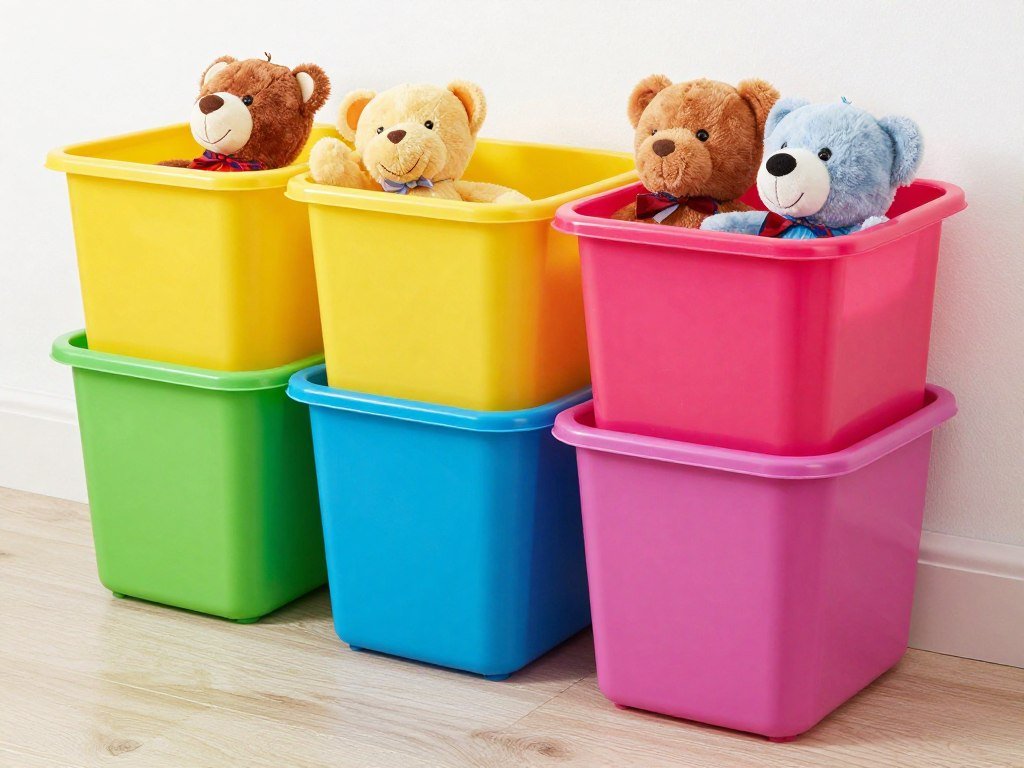
Combine multiple smaller containers for categorized storage. The low cost allows experimentation with different systems. Replace items guilt-free when needs change.
Over-door hooks and hanging organizers cost just dollars. These provide excellent value for rental situations. No permanent installation means no lost deposits.
Free Storage Solutions
Many effective storage solutions cost nothing. Cardboard boxes covered in fabric or paper work beautifully. Shoe boxes organize smaller stuffed animals.
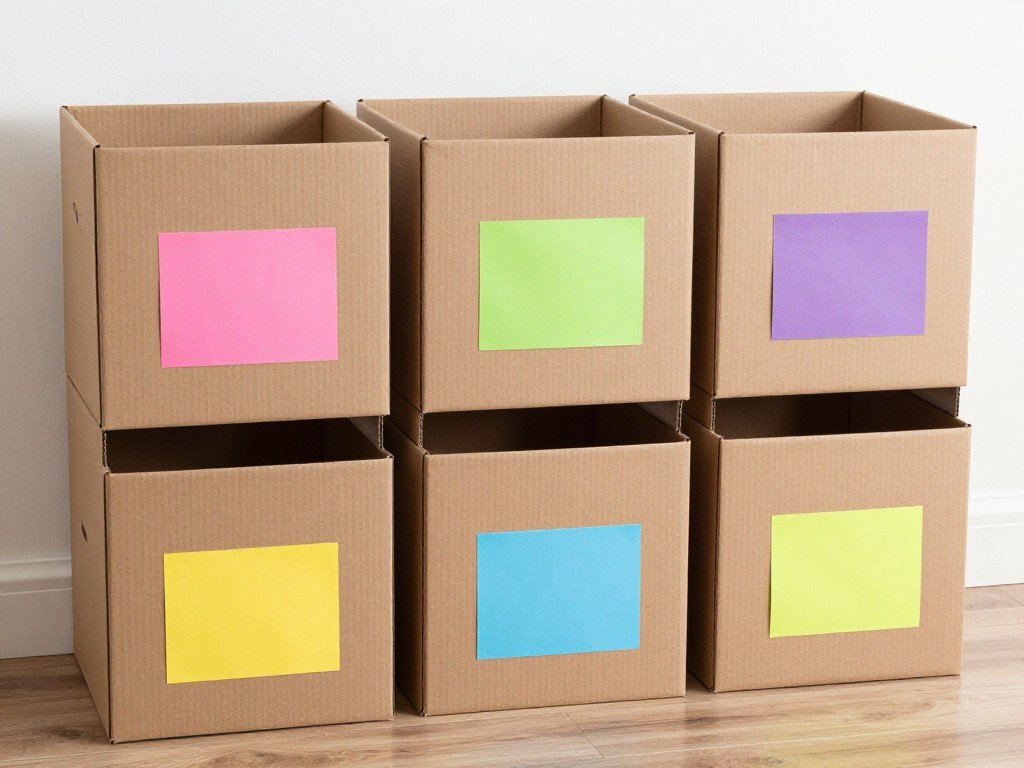
Ask grocery stores for sturdy boxes. Banana boxes with handles work especially well. These make excellent temporary or permanent storage.
Repurpose household items creatively. Large shopping bags, laundry baskets, even clean trash bins serve as toy storage. Function matters more than perfection.
Sales and Clearance Shopping
Shop end-of-season sales for storage deals. Back-to-school clearances include excellent organizers. Holiday decor storage goes on steep discounts post-season.
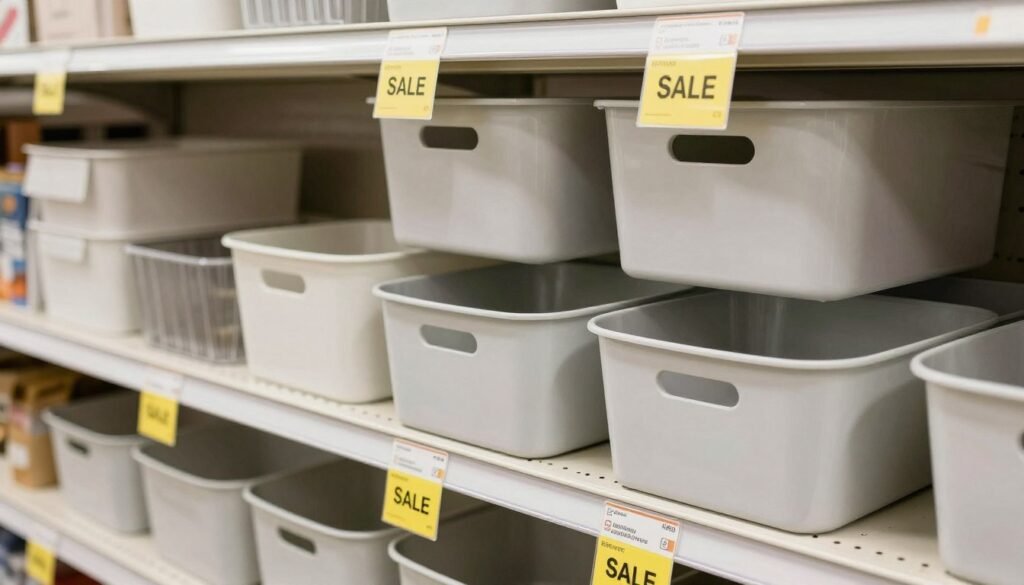
Sign up for store newsletters announcing sales. Price compare using smartphone apps. Patient shopping yields significant savings.
Buy quality when possible during sales. Well-made storage lasts years. The per-use cost becomes minimal over time.
Safety Considerations for Stuffed Animal Storage
Safety must guide all storage decisions. Properly installed and age-appropriate storage protects children. Consider these important safety factors.
Secure Wall Mounting
Wall-mounted storage requires proper installation. Use appropriate anchors for wall type. Studs provide strongest support for heavy storage.
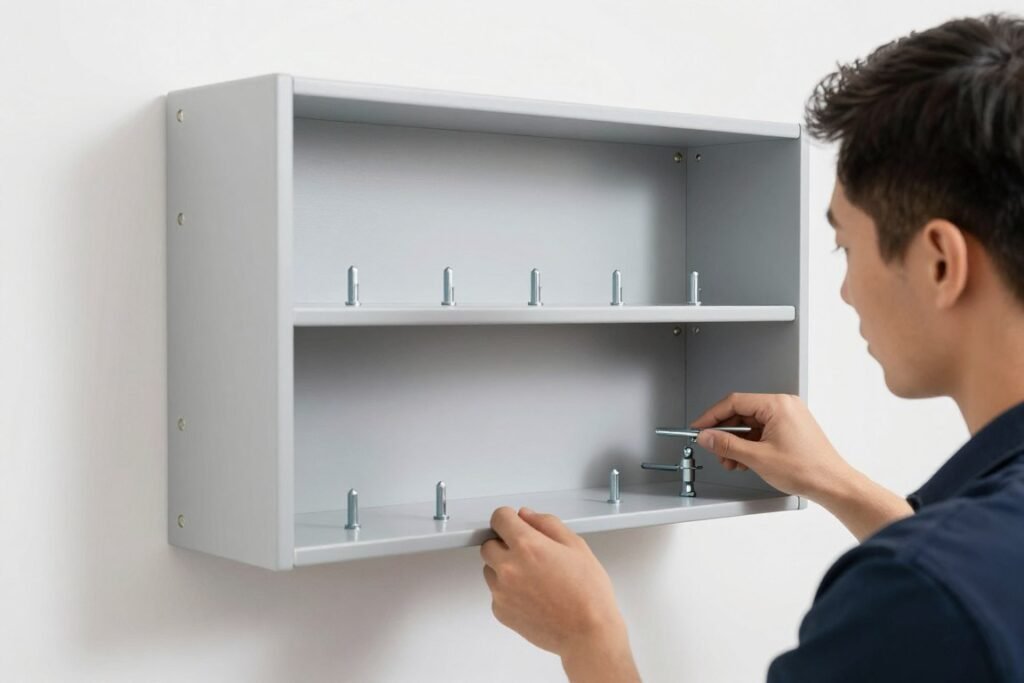
Test installation before loading with toys. Attempt to pull storage away from wall. It shouldn’t budge with firm pressure.
Hire professionals if unsure about mounting. Improperly secured storage poses serious risks. This investment protects children’s safety.
Tip-Over Prevention
Furniture tip-overs cause injuries and deaths. Secure all tall storage to walls. Use anti-tip straps or brackets on dressers and bookshelves.
Safety Warning: Furniture tip-overs represent a serious hazard. Always secure tall furniture to walls, especially in children’s rooms. Use proper anchoring systems rated for furniture weight.
Place heavy items on lower shelves. This lowers center of gravity. Teach kids never to climb furniture, even briefly.
Regularly check securing hardware. Tighten loose brackets immediately. Children’s safety depends on maintained installations.
Age-Appropriate Storage Height
Consider child height when placing storage. Frequently used items should be easily reachable. This prevents climbing and potential falls.
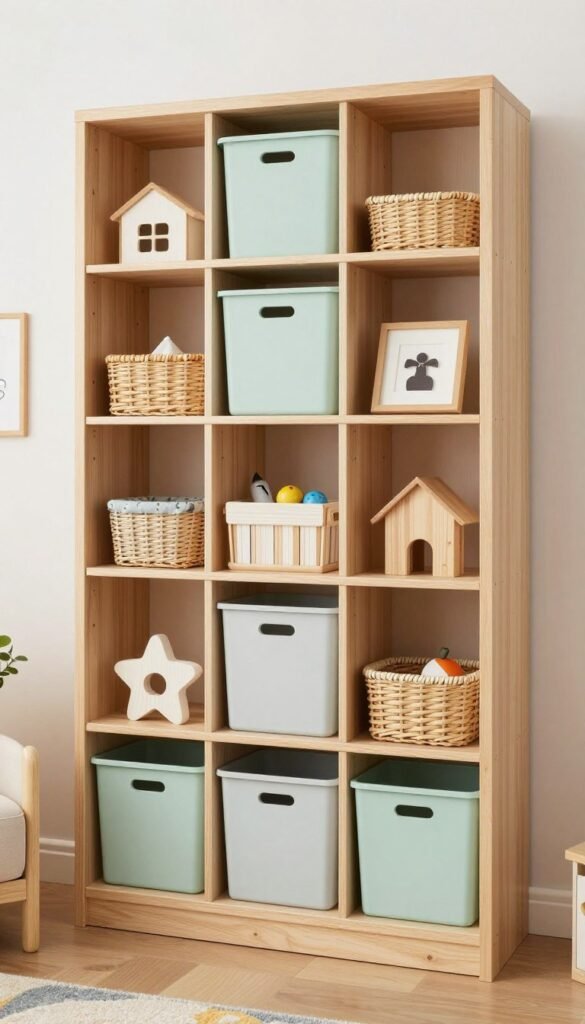
Store special-occasion toys on higher shelves. These require adult assistance anyway. This natural limitation prevents overflow.
Lower storage as children grow. What worked for toddlers may need adjustment for preschoolers. Regular reassessment maintains safety.
Avoiding Suffocation Hazards
Excess stuffed animals in cribs pose suffocation risks. Keep cribs clear for safe sleep. Store infant toys outside sleep spaces.
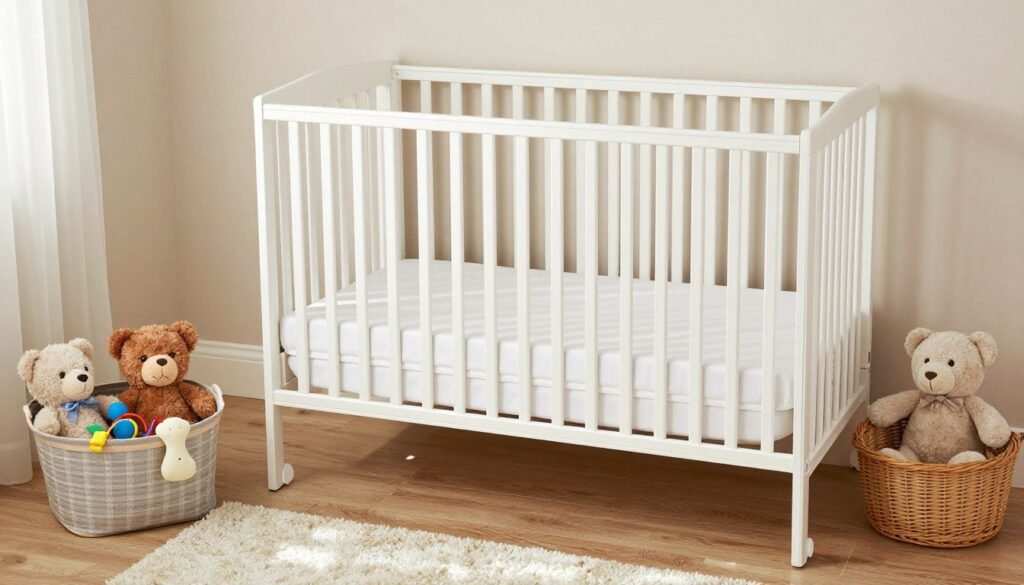
Follow safe sleep guidelines strictly. One small lovey maximum for older infants. Observe recommended age guidelines for sleep companions.
Store stuffed animals within sight but beyond reach of sleeping babies. This balances comfort with critical safety needs.
Creating Your Perfect Stuffed Animal Storage System
Stuffed animal storage transforms cluttered spaces into organized homes. The right solution depends on your space, budget, and family needs. Start with one system and adjust as needed.
Remember that organization is a process. Perfect systems don’t exist initially. Trial and error helps identify what works best for your family.
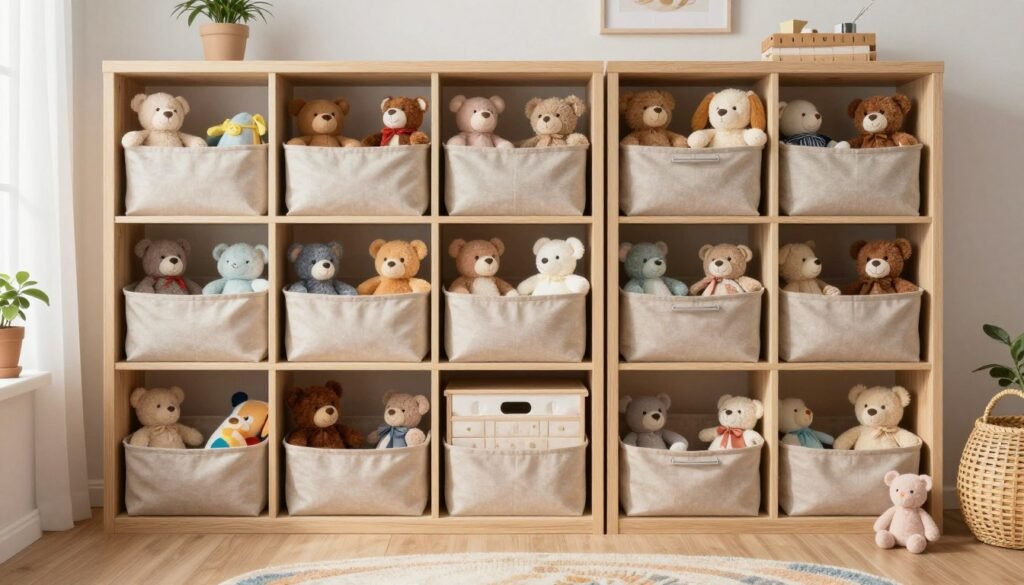
Involve kids in organization decisions. Their input increases cooperation and success. Age-appropriate participation builds valuable life skills.
Start organizing today. Choose one storage solution from this guide. Implement it and observe results. Small steps create lasting change.
Begin Your Organization Journey
Ready to transform your stuffed animal chaos into organized calm? Find the perfect storage solutions to create a tidy, functional space your whole family will love.
Effective stuffed animal storage creates peaceful homes. It teaches organization skills and respects children’s belongings. With the right approach, you’ll enjoy both tidy spaces and happy kids.