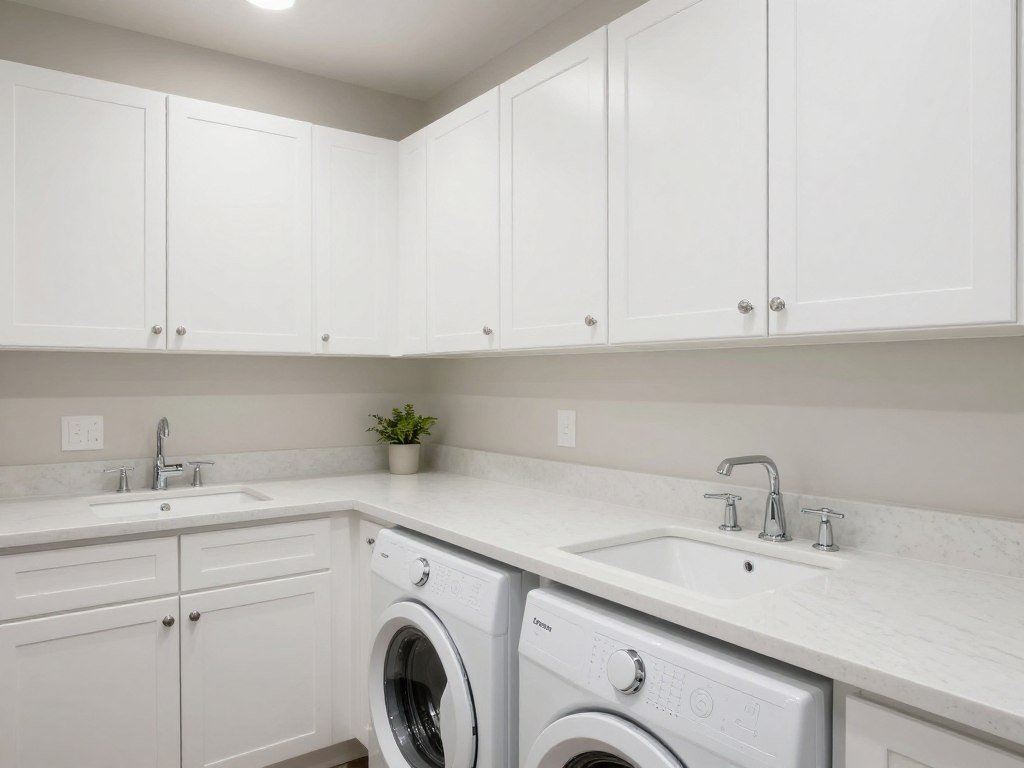
Your laundry room deserves more than an afterthought. Modern laundry rooms blend beautiful design with smart functionality to create spaces you’ll actually enjoy using. Gone are the days of cramped, dingy utility areas hidden away in basements.
This Website contains affiliate links. That means I may earn a small commission if you purchase through my links, at no extra cost to you.
Today’s laundry spaces embrace clean lines, thoughtful storage, and inspiring color palettes. Whether you’re working with a small closet or a dedicated room, modern design principles can transform your laundry area into an efficient, stylish space.
This comprehensive guide explores everything you need to create a modern laundry room. From cabinet selection to tile choices, color schemes to storage solutions, we’ll cover the essential elements that make these spaces both beautiful and practical.
Ready to Start Your Laundry Room Transformation?
Explore essential products and design elements to bring your modern laundry room vision to life.
Understanding Modern Laundry Room Design Fundamentals
Modern design in a laundry room focuses on simplicity and purpose. Every element serves a function while maintaining visual appeal. This approach creates spaces that feel organized, calm, and efficient.
The foundation of modern laundry room design rests on clean lines and minimal ornamentation. Flat-panel cabinets, simple hardware, and streamlined appliances define this aesthetic. The style avoids fussy details in favor of purposeful design.
Several defining features distinguish modern laundry spaces from traditional designs. Understanding these characteristics helps you make informed decisions about your own space.
Neutral color palettes with strategic accent colors
Emphasis on natural light and layered lighting design
Hidden storage solutions that reduce visual clutter
Mix of materials like wood, metal, and stone
Integration of technology and smart features
Focus on durability and easy maintenance
Planning Your Layout for Maximum Efficiency
The layout determines how well your laundry room functions. Modern designs prioritize workflow and accessibility. Think about how you move through the space during laundry tasks.
Start by positioning your washer and dryer thoughtfully. Side-by-side placement works well in wider rooms, while stacked units maximize vertical space in smaller areas. Leave adequate room for loading and unloading clothes comfortably.
Essential Zones
Create distinct areas for sorting, washing, folding, and storage. This zoning approach streamlines your laundry routine and keeps the space organized.
Traffic Flow
Ensure clear pathways throughout the room. A minimum of 36 inches of clearance allows comfortable movement, even with laundry baskets in hand.
Consider the distance between your laundry room and bedrooms. While you can’t always change the location, understanding this relationship helps you plan storage for linens and clothes effectively.
Cabinet and Storage Solutions for Modern Laundry Rooms
Cabinets define the visual character of your laundry room while providing essential storage. Modern cabinetry emphasizes sleek profiles and smart organization systems. The right cabinet choices make daily tasks easier and more pleasant.
Cabinet Styles and Finishes
Flat-panel or slab-front cabinets represent the most popular modern choice. These simple doors create clean lines without traditional raised panels or decorative molding. The minimalist profile works perfectly in contemporary spaces.
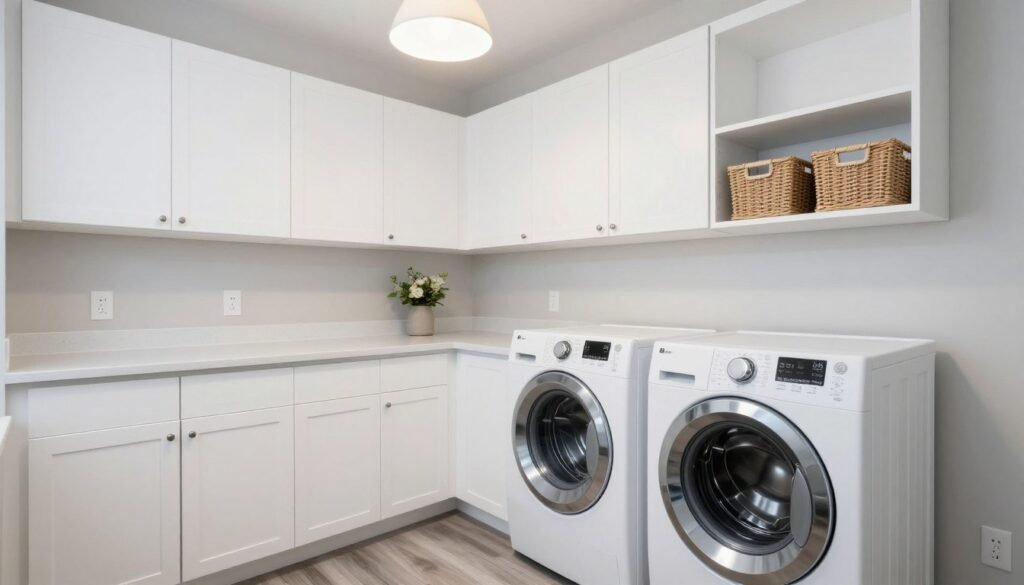
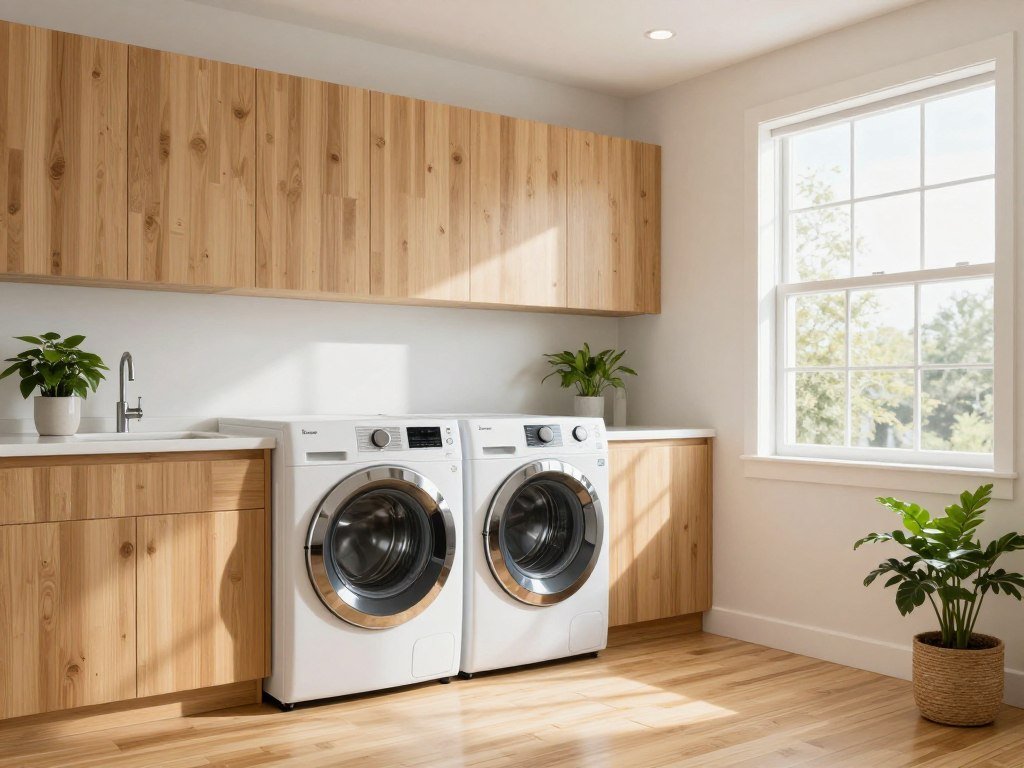
Cabinet color significantly impacts the overall feel of your room. White cabinets create brightness and make small spaces feel larger. Gray cabinets offer sophistication and hide dirt better than lighter options. Natural wood brings warmth while maintaining modern appeal.
Matte finishes resist fingerprints better than glossy surfaces
Two-tone cabinet combinations add visual interest
Handleless cabinets with push-to-open mechanisms enhance the minimalist look
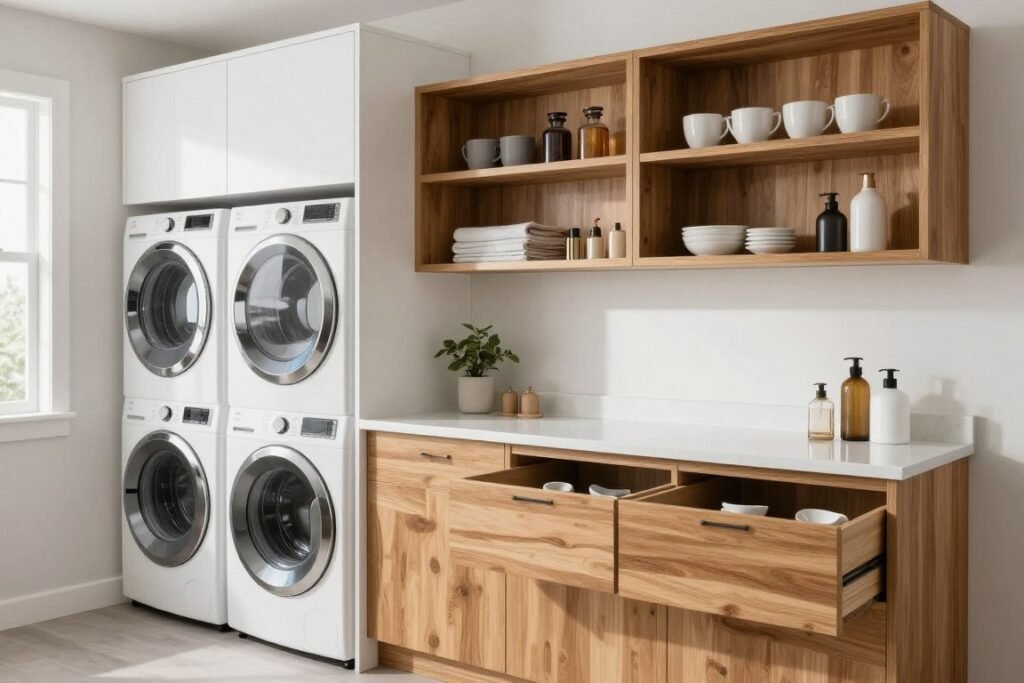
Open shelving mixed with closed cabinets balances display and concealment
Maximizing Storage Space
Smart storage solutions transform your laundry room from chaotic to calm. Modern design incorporates plenty of hidden storage to keep counters clear and the space looking tidy.
Pull-out hampers built into cabinets keep dirty clothes out of sight. Dedicated spaces for detergent, fabric softener, and cleaning supplies prevent clutter on countertops. Consider vertical storage to take advantage of ceiling height in your room.
Smart Cabinet Organization Ideas
Drawer dividers keep small items like stain removers and measuring cups organized. Pull-out drying racks provide space for delicate items without taking up permanent room. Built-in ironing board storage eliminates the need for a separate closet.
Wall-mounted cabinets above the washer and dryer utilize otherwise wasted space. This area works perfectly for storing seasonal items or backup supplies. Keep frequently used items at eye level for easy access.
Custom vs. Stock Cabinetry
Stock cabinets offer affordability and quick installation. Many manufacturers now produce modern-style stock options that look custom. This choice works well for standard-sized rooms and straightforward layouts.
Custom cabinetry allows you to maximize every inch of available space. Odd dimensions, unique storage needs, or specific design visions benefit from custom solutions. The investment pays off in functionality and perfect fit.
Choosing the Perfect Color Palette
Color sets the mood in your laundry room and influences how the space feels during use. Modern laundry rooms typically embrace neutral color palettes as their foundation. These versatile bases allow flexibility in accent choices and accessories.
Neutral Foundation Colors
White remains the most popular choice for modern laundry rooms. This classic color reflects light, making rooms feel larger and brighter. White works especially well in spaces with limited natural light.
Various shades of gray offer sophisticated alternatives to pure white. Light grays provide subtle warmth without feeling stark. Darker gray tones add drama and hide wear better in high-traffic areas.
Beige and warm neutrals bring coziness to the room. These colors work beautifully with natural wood elements and brass or gold hardware. The warmth counterbalances the clinical feel that sometimes accompanies laundry spaces.
Strategic Accent Colors
Accent colors inject personality into neutral foundations. Modern design typically limits bold colors to one or two areas for maximum impact. This restraint maintains the clean, uncluttered aesthetic.
Cool Accent Options
Navy blue for sophistication
Sage green for freshness
Soft teal for energy
Charcoal for contrast
Warm Accent Options
Terracotta for earthiness
Mustard yellow for cheerfulness
Rust orange for warmth
Deep burgundy for richness
Applying Your Color Palette
Walls provide the largest canvas for your chosen color. Paint offers an affordable way to transform the space quickly. Consider washable paint finishes that withstand moisture and occasional splashes.
Cabinets present another opportunity for color application. Two-tone cabinetry combines a neutral base with an accent color on upper or lower cabinets. This technique adds visual interest without overwhelming the space.
Tile, whether on floors or walls, introduces pattern and color permanently. Select tile colors that complement your overall palette while adding texture and dimension to the room.
Flooring and Tile Options for Modern Laundry Rooms
The floor in your laundry room withstands water, detergent spills, and heavy foot traffic. Modern flooring choices balance durability with style. The right selection protects your home while enhancing the design.
Tile Floor Options
Porcelain and ceramic tile dominate modern laundry room floors. These materials resist water damage and clean easily with simple mopping. The variety of colors, sizes, and patterns available makes tile incredibly versatile.
Large-format tiles create a seamless, contemporary look with fewer grout lines. Sizes of 12×24 inches or larger make rooms feel more spacious. The minimal grout also means less maintenance and easier cleaning over time.
Matte finishes provide better slip resistance than glossy tiles
Rectified edges allow for tighter grout lines and a more polished appearance
Neutral gray or beige tiles hide dirt between cleanings
Wood-look porcelain combines warmth with water resistance
Creative Tile Patterns
Pattern adds personality to your tile floor without requiring bright colors. Modern designs often incorporate geometric layouts that create visual interest through shape rather than color.
Herringbone patterns bring classic elegance with a contemporary twist. This angled layout works beautifully with rectangular tiles in neutral tones. The pattern directs the eye and makes narrow rooms appear wider.
Trending Tile Patterns
Hexagonal tiles create honeycomb patterns that feel fresh and modern. Mix sizes for added dimension, or keep them uniform for simplicity. The six-sided shape naturally forms interesting patterns at walls and transitions.
Chevron layouts offer bold visual impact with dynamic energy. The pointed zigzag pattern draws the eye and adds movement to the floor. This works especially well in longer, narrower laundry rooms.
Alternative Flooring Materials
Luxury vinyl plank (LVP) offers a budget-friendly alternative to tile. Modern LVP convincingly mimics wood or stone at a fraction of the cost. The waterproof construction makes it ideal for laundry areas.
Concrete floors stained or polished create an industrial-modern aesthetic. This option works particularly well in basement laundry rooms where concrete already exists. Sealing protects the surface and makes cleaning simple.
Sheet vinyl provides seamless, water-resistant coverage without grout lines. Modern designs have elevated vinyl’s appearance significantly. Look for commercial-grade options that resist tearing and indentation from appliances.
Wall Treatments: Paint, Tile, and Wallpaper
Walls frame your laundry room and provide opportunities for creativity. Modern wall treatments range from simple paint to dramatic wallpaper. The vertical surfaces significantly impact how the entire space feels.
Paint Choices for Laundry Rooms
Paint remains the most popular and economical wall treatment. Modern laundry rooms favor light, airy colors that brighten the space. Semi-gloss or satin finishes withstand humidity and wipe clean easily.
Light gray walls create a sophisticated backdrop for white cabinets. This subtle contrast adds depth without introducing strong color. The neutral palette allows your accessories and storage items to provide pops of color.
Soft blues and greens bring a fresh, clean feeling to laundry spaces. These colors psychologically associate with cleanliness and nature. Keep the tones muted to maintain the modern aesthetic.
Tile Backsplashes and Wall Treatments
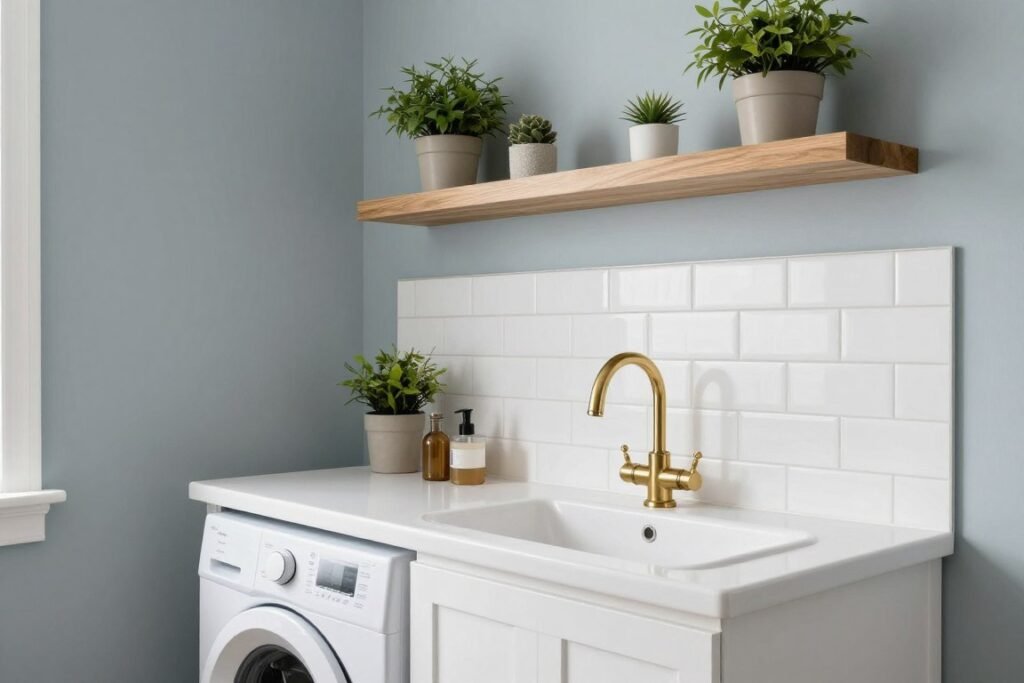
Subway tile backsplashes protect walls behind sinks and counters. The classic 3×6 inch white tile fits perfectly in modern design. Install it in traditional running bond or stack bond for a more contemporary look.
Full-height tile walls make bold statements while providing complete water protection. This approach works especially well in compact laundry rooms where the tile becomes a focal point. Choose large-format tiles to minimize grout lines and cleaning.
Textured tile adds dimension without busy patterns
Contrasting grout color emphasizes tile layout and pattern
Tile wainscoting combines practicality with visual interest
Metal or glass tile accents introduce shimmer and light reflection
Modern Wallpaper Applications
Wallpaper has returned to laundry rooms with modern, washable formulations. Contemporary patterns add personality to spaces that often lack architectural interest. One accent wall typically provides enough visual impact.
Geometric patterns in neutral colors maintain modern sensibility while adding visual texture. Large-scale patterns work better than small, busy prints. The pattern should complement rather than compete with your cabinet and floor choices.
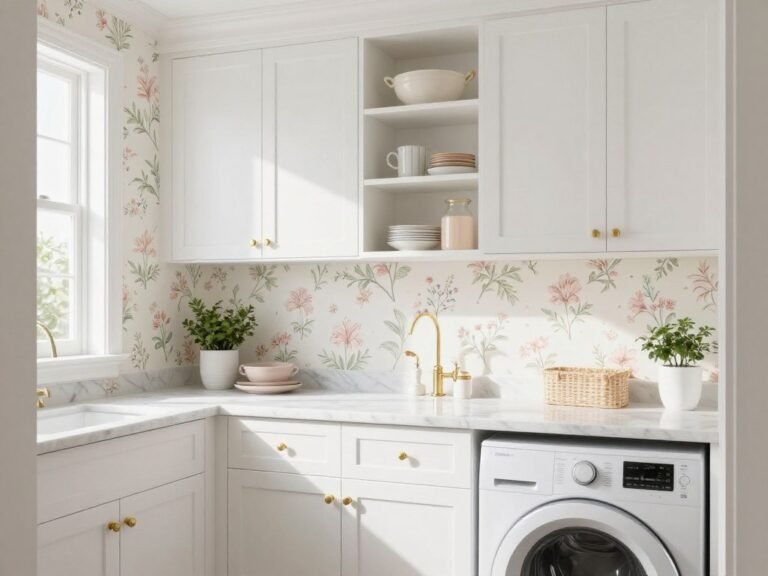
Botanical prints bring nature indoors without literal greenery. Oversized leaf patterns or abstract floral designs add organic elements to the space. Stick to two or three colors maximum to avoid overwhelming the room.
Textured wallpaper mimicking concrete, linen, or grasscloth introduces subtle dimension. These options provide interest without pattern, perfect for those who prefer extreme minimalism. The texture catches light differently throughout the day, creating changing ambiance.
Create Your Perfect Wall Design
Find modern wallpaper, tile, and paint supplies to bring your laundry room walls to life.
Proper lighting transforms a laundry room from purely functional to genuinely pleasant. Modern lighting design layers different types of light for both task efficiency and ambiance. The right combination ensures you can see stains clearly while creating a welcoming atmosphere.
Natural Light Considerations
Natural light provides the best illumination for spotting stains and sorting colors. If your laundry room has windows, maximize their potential. Keep window treatments minimal or choose translucent options that filter light while maintaining privacy.
Window placement affects your layout decisions. Avoid positioning tall cabinets directly in front of windows, which blocks valuable light. Instead, place lower counters beneath windows and use the sill as additional workspace or display area.
Consider adding a window if your laundry room currently lacks natural light. Even a small window significantly improves the space. Skylights work well in single-story homes or top-floor laundry rooms, flooding the area with overhead natural light.
Ambient and Task Lighting
Recessed ceiling lights provide general illumination throughout the room. Space them evenly for consistent coverage without shadows. LED bulbs in bright white (4000-5000K color temperature) mimic daylight for accurate color perception.
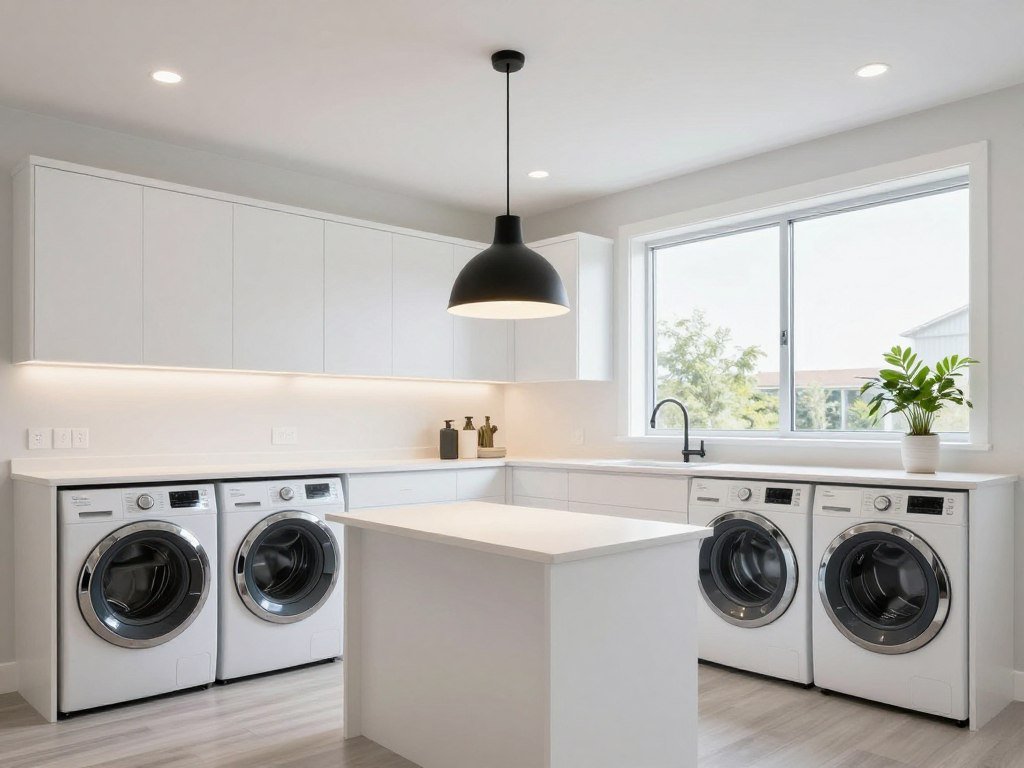
Pendant lights add style while providing focused light over specific work areas. Hang them above folding counters or sinks at appropriate heights. Modern pendants come in countless designs, from industrial metal to minimalist glass globes.
Under-cabinet lighting illuminates countertop work surfaces effectively
Strip LEDs along shelving make finding items easier
Motion-sensor switches add convenience and save energy
Dimmer switches allow adjustment based on time of day and task
Statement Light Fixtures
A chandelier or dramatic pendant makes an unexpected statement in a laundry room. This design choice elevates the space from utility area to a room worthy of design attention. Choose fixtures that complement your overall style while providing adequate light.
Track lighting offers flexibility for directing light exactly where needed. Modern track systems look sleek and allow you to adjust fixture positions as your needs change. This works particularly well in multipurpose laundry rooms that also function as mudrooms or craft spaces.
Choosing the Right Fixtures
Match your lighting fixtures to your cabinet hardware and plumbing fixtures for a cohesive look. Black matte finishes create contemporary contrast against white cabinets. Brushed brass or gold adds warmth and luxury to the space.
Size matters when selecting statement fixtures. A pendant that’s too small looks out of place, while oversized fixtures can overwhelm a compact room. Measure your space carefully and consider fixture dimensions in relation to ceiling height and room size.
Sink Selection and Plumbing Fixtures
A sink adds tremendous functionality to any laundry room. Modern sinks combine practical utility with attractive design. The right sink makes pre-treating stains, hand-washing delicates, and cleaning tasks much easier.
Modern Sink Styles
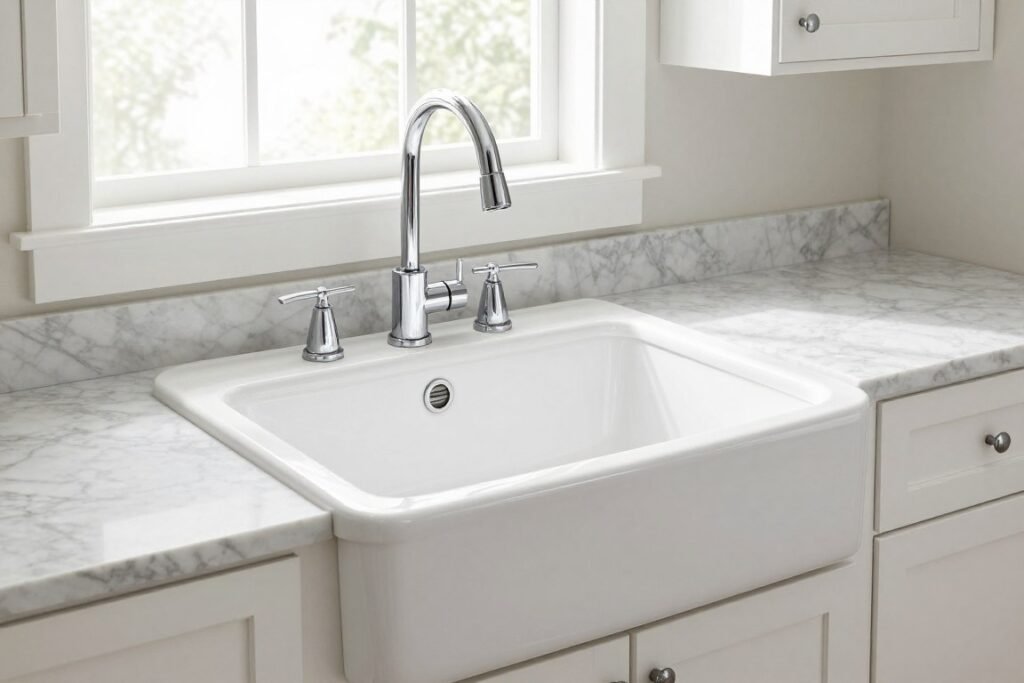
Farmhouse or apron-front sinks bring character to modern laundry rooms. The deep basin accommodates large items like pet beds or muddy boots. White fireclay models create a classic look, while stainless steel options offer industrial appeal.
Undermount sinks create seamless countertop surfaces without exposed sink edges. This style simplifies cleaning since you can wipe debris directly into the sink. The clean lines fit perfectly with modern design principles.
Utility sinks in stainless steel or composite materials withstand heavy use. Deep basins and pre-drilled faucet holes make installation straightforward. Look for models with built-in washboards or drying racks for added functionality.
Faucet Selection
Tall, gooseneck faucets provide clearance for filling buckets or washing large items. The high arc allows plenty of space underneath for various tasks. Choose a model with a pull-down sprayer for maximum versatility.
Wall-mounted faucets free up counter space and create clean, modern lines. This installation style works particularly well with trough-style sinks or when you want maximum countertop clearance. The plumbing hides in the wall for a streamlined appearance.
Matte black faucets create striking contrast in white laundry rooms
Brushed nickel or stainless finishes resist water spots and fingerprints
Brass or gold-tone fixtures add warmth and luxury
Separate hot and cold handles offer precise temperature control
Practical Plumbing Additions
A pull-out faucet with multiple spray settings handles various cleaning tasks. The gentle spray works for rinsing delicate items, while stronger settings tackle tough cleaning jobs. This flexibility makes one sink serve multiple purposes.
Install a filtered water connection if you mix your own laundry solutions. Fresh, filtered water improves the effectiveness of cleaning products. This addition benefits the entire home, not just laundry tasks.
Consider adding a small instant hot water dispenser for treating stains. Hot water immediately available saves time and energy compared to waiting for the sink to heat up. This upgrade proves its worth quickly in daily use.
Storage and Organization Systems
Effective storage separates functional laundry rooms from chaotic ones. Modern organization systems keep everything accessible yet hidden from view. Thoughtful storage solutions make laundry tasks faster and less frustrating.
Vertical Storage Solutions
Wall-mounted cabinets and shelving maximize vertical space above washers and dryers. This often-wasted area provides perfect storage for detergent, fabric softener, and other supplies. Keep everyday items at eye level and store rarely-used products higher up.
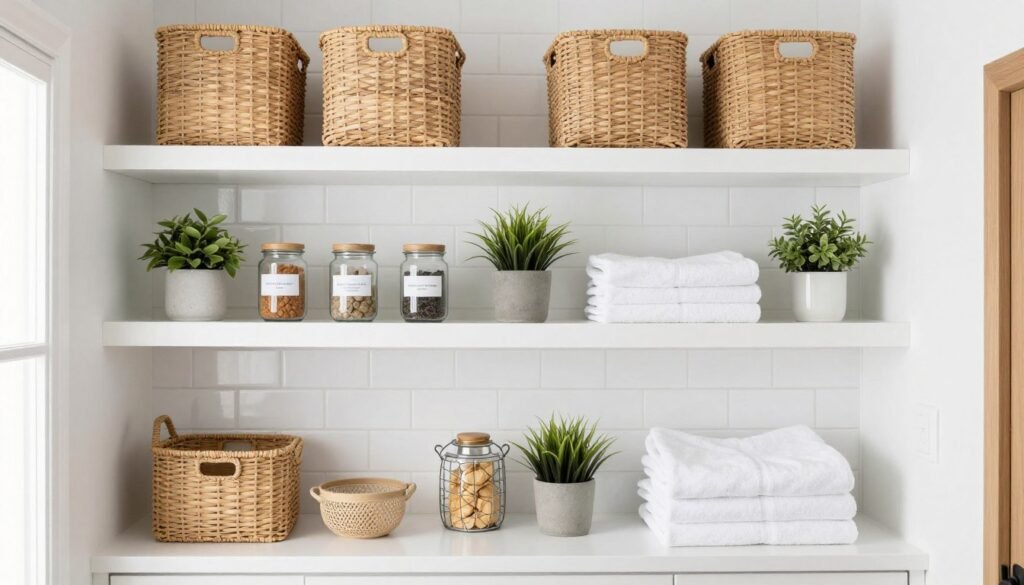
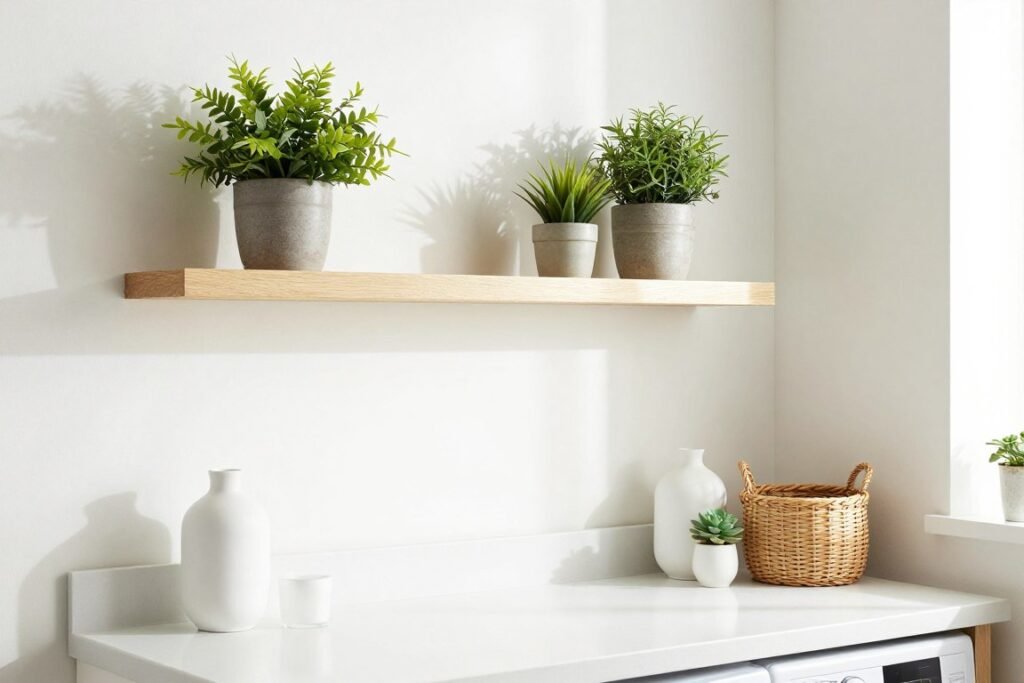
Floating shelves offer open storage that’s both practical and decorative. Display attractive containers, folded towels, or plants alongside functional items. The open design prevents the room from feeling closed in while keeping necessities accessible.
Tall pantry-style cabinets utilize floor-to-ceiling space efficiently. These deep cabinets hold brooms, mops, vacuum cleaners, and cleaning supplies in one dedicated location. Pull-out shelves make accessing items at the back simple.
Sorting and Hamper Solutions
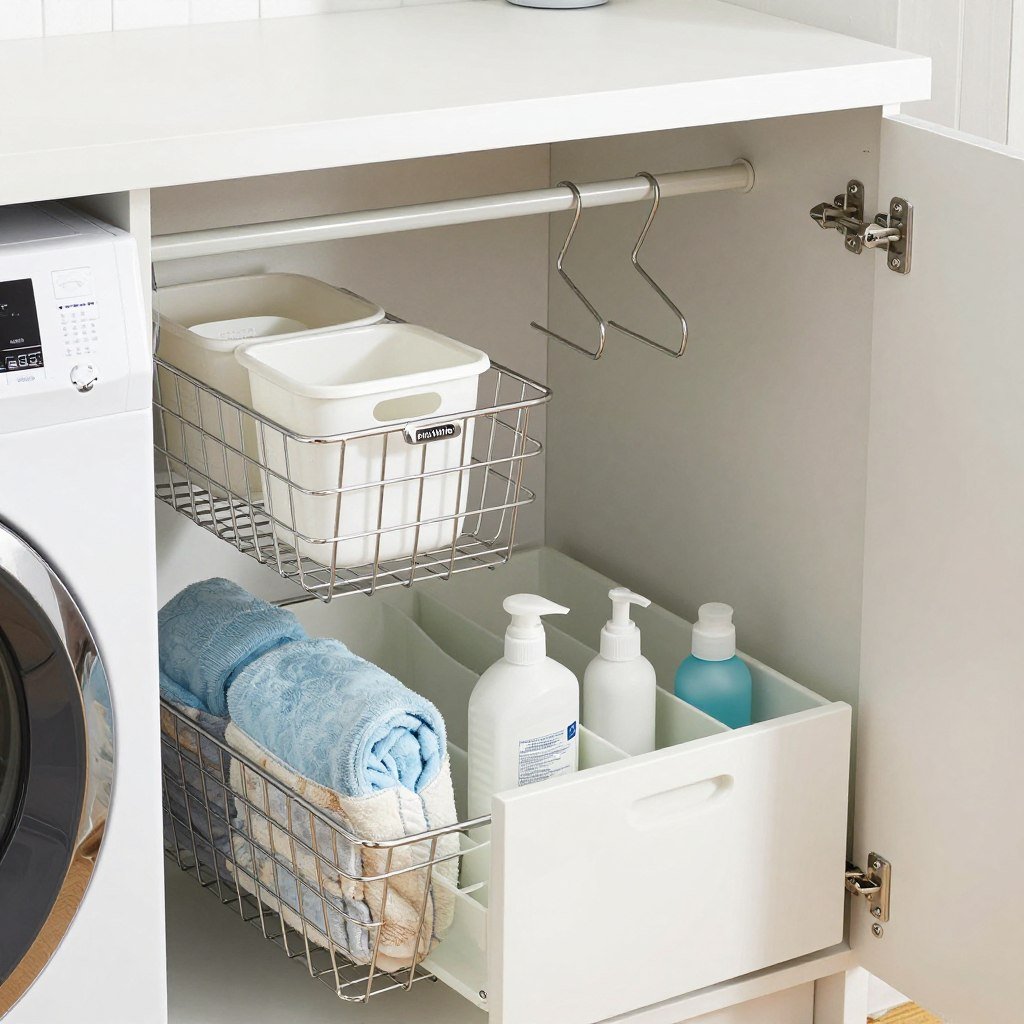
Built-in sorting systems with multiple compartments simplify the separation of lights, darks, and delicates. Install pull-out hamper drawers in lower cabinets for out-of-sight storage. Label each section clearly to encourage family members to sort correctly.
Hamper Types
Pull-out wire baskets in cabinets
Tilting hampers with multiple bins
Wall-mounted canvas bags
Rolling carts with removable bags
Sorting Strategies
Three-bin minimum (lights, darks, delicates)
Color-coded containers for easy identification
Stackable hampers for small spaces
Separate bins for hand-wash items
Baskets and Containers
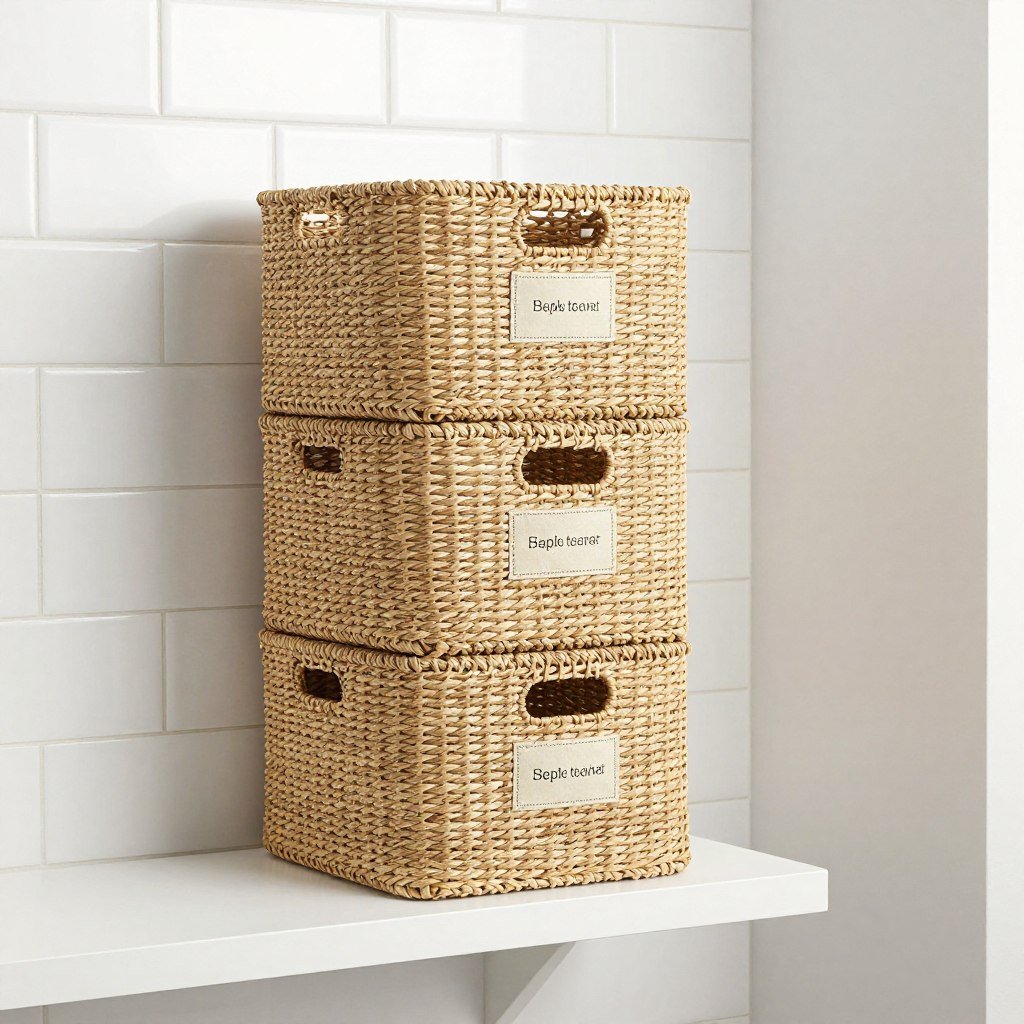
Woven baskets in natural materials add texture while organizing smaller items. Use them on open shelves for a cohesive, styled look. Wire baskets provide ventilation for damp items and create an industrial-modern aesthetic.
Clear containers with labels make finding specific supplies quick and easy. Transfer detergent pods, dryer sheets, and stain treatments into matching containers for visual consistency. The transparency lets you see at a glance when supplies run low.
Organizational Accessories
Drawer dividers keep small items like clothespins, lint rollers, and sewing supplies organized. Without dividers, these tiny necessities create jumbled messes. Adjustable dividers adapt as your storage needs change over time.
Over-the-door organizers maximize unused space on the back of laundry room doors. These slim organizers hold spray bottles, brushes, and other cleaning tools without requiring any installation beyond hanging hooks.
Countertop Organization
Keep countertops as clear as possible for folding and sorting clothes. Store daily-use items like detergent in pull-out drawers or cabinets rather than leaving them on display. A clutter-free counter makes the space feel larger and more inviting.
Dedicated zones for specific tasks help maintain organization. Reserve one area for folding, another for treating stains, and a third for supplies. This system prevents the entire counter from becoming a catch-all mess.
Countertop Materials and Surfaces
Countertops provide essential workspace for folding clothes and treating stains. The right material withstands moisture, resists stains, and maintains its appearance over time. Modern options balance beauty with durability perfectly.
Popular Countertop Materials
Quartz countertops lead in popularity for modern laundry rooms. The engineered stone resists staining from detergent and bleach while requiring minimal maintenance. White or light gray quartz brightens the space and complements various cabinet colors.
Butcher block countertops introduce natural wood warmth to modern spaces. The wooden surface provides a softer landing spot for folded clothes. Seal the wood properly to protect against water damage from the sink area.
Solid surface materials like Corian offer seamless installation without visible seams. The non-porous surface resists bacteria and cleans easily with soap and water. Scratches can be sanded out, making this a long-lasting choice for busy laundry rooms.
Budget-Friendly Alternatives
Laminate countertops have evolved significantly with modern patterns that convincingly mimic stone and wood. High-quality laminate resists moisture when properly sealed at seams and edges. The affordable price point allows you to allocate budget to other design elements.
Tile countertops create custom looks with endless pattern possibilities. Use the same tile as your floor for design continuity, or select a complementary color. Grout requires sealing to prevent staining, but properly maintained tile counters last for decades.
Choose rounded or beveled edges for comfort during extended folding sessions
Ensure countertops are deep enough for folding large items like sheets
Extend counters over the washer and dryer for maximum workspace
Select heat-resistant materials if you plan to iron on the surface
Special Features and Additions
Integrated drying racks built into countertops pull out when needed and hide away when not in use. This feature provides hanging space for delicates without permanent fixtures taking up room. The hidden mechanism maintains the clean, modern aesthetic.
A fold-down ironing board integrated into a drawer or cabinet eliminates storage hassles. The board pulls out, sets up quickly, and disappears completely when finished. This built-in solution beats standalone ironing boards for both convenience and space efficiency.
Built-in charging stations keep phones and tablets powered while you work. Install USB outlets or wireless charging pads directly in the countertop. This modern amenity acknowledges that laundry time often overlaps with other tasks.
Appliances and Modern Technology Integration
The washer and dryer anchor your laundry room functionally and visually. Modern appliances offer smart features, energy efficiency, and sleek designs. Choosing the right machines impacts both daily function and overall style.
Washer and Dryer Selection
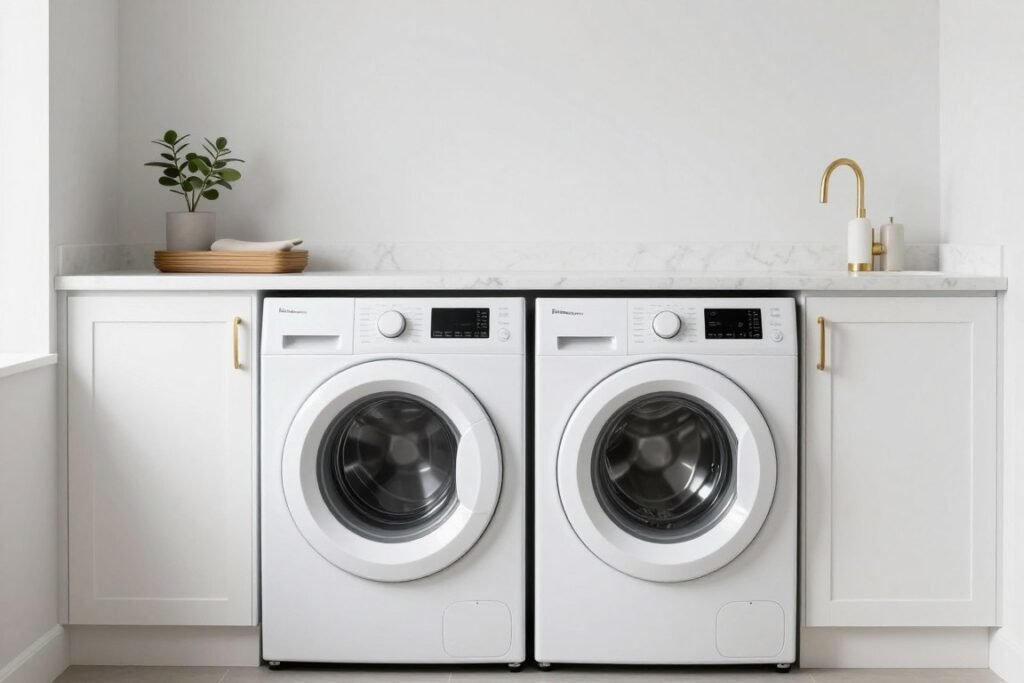
Front-loading washers and dryers create a streamlined, modern appearance. The horizontal doors allow for countertops to span across the machines, maximizing workspace. Front-loaders typically offer better energy efficiency than top-loading models.
Matching sets create visual cohesion even when appliances are exposed. Many manufacturers offer panels that integrate with surrounding cabinetry for a built-in look. This customization option suits modern design’s emphasis on clean lines and cohesive style.
Stackable washer-dryer combinations maximize space in small laundry rooms or closets. Vertical stacking frees up floor space for cabinets and storage. Ensure adequate ceiling height before choosing this configuration, allowing comfortable access to the dryer door.
Smart Features and Connectivity
Wi-Fi-enabled appliances send notifications when cycles complete. This connectivity prevents clothes from sitting in the washer and developing mildew odors. Remote start capabilities let you begin loads from anywhere in the home.
Automatic detergent dispensers measure the correct amount for each load. These systems eliminate guesswork and prevent detergent waste. Some models can order detergent automatically when supplies run low, streamlining household management.
Steam cycles remove wrinkles and sanitize without harsh chemicals
Sensor drying prevents over-drying and saves energy
Quick wash cycles handle lightly soiled items in under 30 minutes
Allergen cycles use extra-hot water to eliminate dust mites and pollen
Ventless Dryer Options
Condensing dryers eliminate the need for exterior venting. These units work anywhere with electrical connections and a drain line. The flexibility opens up laundry room placement possibilities throughout the home.
Heat pump dryers offer the most energy-efficient drying available. They use refrigeration technology to remove moisture at lower temperatures. The gentler heat extends clothing life while reducing utility bills significantly.
Consider noise levels when selecting appliances, especially if the laundry room adjoins living spaces. Many modern machines operate quietly, but decibel ratings vary considerably between models. Test machines in showrooms if possible before purchasing.
Specialty Features and Multifunctional Spaces
Modern laundry rooms often serve multiple purposes beyond washing clothes. Thoughtful design allows these spaces to function as mudrooms, craft areas, or pet grooming stations. Specialty features increase the room’s value and daily usefulness.
Laundry Room and Mudroom Combinations
Combining the laundry room with a mudroom creates an efficient drop zone near home entrances. Built-in benches provide seating for removing shoes, with storage cubbies underneath for footwear. Wall hooks above hold coats, bags, and backpacks conveniently.
Designate separate zones within the combined space. Keep laundry functions on one wall while mudroom features occupy another. This separation maintains organization and prevents one function from overwhelming the other.
Durable flooring becomes even more critical in combination spaces. Choose materials that handle tracked-in dirt, wet boots, and laundry splashes equally well. Tile or luxury vinyl performs admirably in these high-traffic, multi-use areas.
Pet Care Stations
A utility sink at comfortable height makes bathing small pets or cleaning muddy paws simple. Install the sink lower than standard if you regularly wash dogs. Add a pull-out spray faucet with a long hose for maximum flexibility.
Dedicated pet supply storage keeps leashes, grooming tools, and food organized. Pull-out drawers or cabinets with doors hide supplies while keeping them easily accessible. This designated storage prevents pet items from migrating throughout the house.
Built-in food and water bowl stations with non-slip mats
Pet bed storage in lower cabinets for washing day convenience
Hooks specifically for leashes and harnesses
Waterproof flooring in pet bathing areas
Craft and Hobby Integration
Generous counter space serves double duty for folding laundry and craft projects. Install task lighting above work surfaces to illuminate detailed hobbies. The laundry room’s utility sink provides convenient cleanup for messy craft supplies.
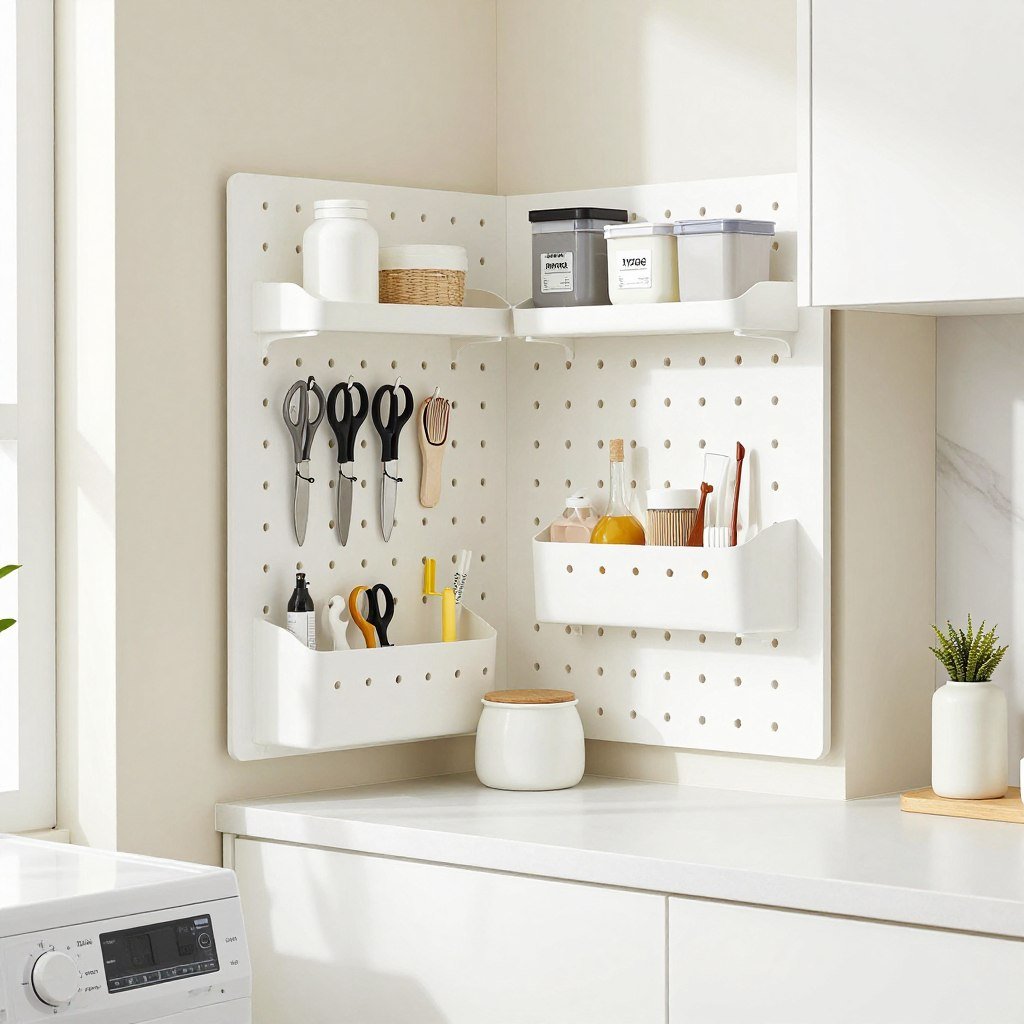
Wall-mounted pegboards organize craft supplies vertically without consuming floor space. Customize the pegboard layout to accommodate your specific hobbies. The accessible storage keeps supplies visible and within reach during project time.
Flexible Space Planning
Fold-down tables attach to walls and provide workspace when needed, then fold away to restore floor space. This flexibility accommodates varying activities throughout the week without permanent space commitment.
Rolling carts store supplies and move wherever needed in the room. Choose carts with wheels that lock to prevent shifting during use. The mobility allows you to reconfigure the space based on current tasks.
Small Space Solutions and Compact Designs
Not every home offers a dedicated laundry room with generous square footage. Small laundry spaces require creative solutions that maximize every inch. Modern design principles of simplicity and efficiency shine particularly bright in compact areas.
Closet Laundry Solutions
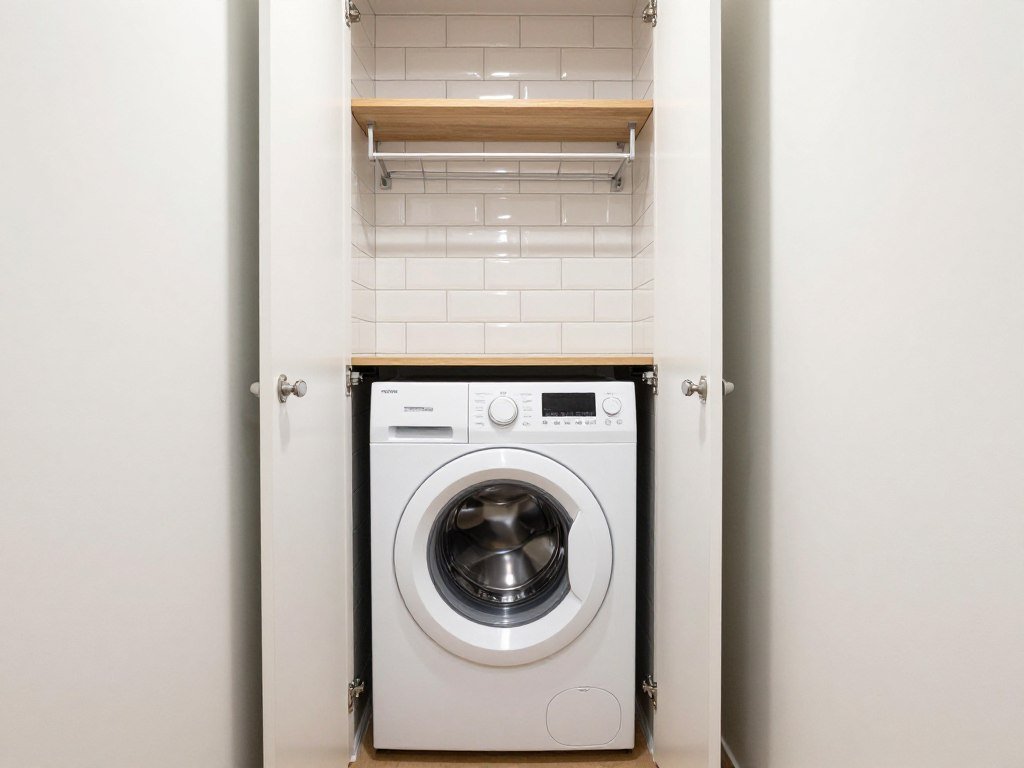
Stacked washer-dryer units fit in closets as narrow as 27 inches wide. These space-saving appliances free up floor area for other household uses. Install shelving above and beside the machines for essential supply storage.
Bifold or pocket doors conceal the laundry area when not in use. This approach maintains a clean, finished appearance in visible areas like kitchens or hallways. Choose door styles that complement surrounding cabinetry for visual continuity.
Maximize vertical space with floor-to-ceiling cabinets on either side of stacked units. Narrow pull-out cabinets utilize otherwise wasted gaps beside appliances. Every inch counts in small spaces, making these slim storage solutions valuable.
Wall-Mounted and Hanging Options
Wall-mounted drying racks fold up when not in use, disappearing against the wall. These racks extend when needed for air-drying delicates or damp items. The minimal footprint makes them perfect for tiny laundry areas.
Hanging rod installations above the washer-dryer provide space for hanging clothes immediately after drying. This prevents wrinkles and eliminates the need for a separate hanging area elsewhere in the home. Position the rod high enough to avoid interference with appliance doors.
Over-the-toilet-style shelving units fit perfectly over stacked appliances
Magnetic organizers attach to washer-dryer exteriors for small item storage
Slim rolling carts slide into narrow gaps between appliances and walls
Tension rods create hanging space in unexpected vertical areas
Multi-Purpose Furniture
A fold-out ironing board integrated into a narrow cabinet saves space while remaining accessible. The board pulls down from the wall when needed and tucks away completely afterward. This built-in solution beats freestanding boards that consume precious floor space.
Countertops that flip up reveal hidden storage or pull-out hampers underneath. These clever designs pack multiple functions into single surfaces. The concealed storage maintains the clean, uncluttered appearance essential in small spaces.
Consider a pull-out countertop that extends when you need folding space and slides back when finished. This retractable surface provides workspace without permanent floor space commitment. The flexibility adapts to your immediate needs efficiently.
Finishing Touches and Decorative Elements
Thoughtful details transform a laundry room from purely functional to genuinely enjoyable. Modern spaces balance minimalism with warmth through carefully selected finishing touches. These elements personalize the room while maintaining clean, uncluttered aesthetics.
Hardware and Fixtures
Cabinet hardware creates visual impact through small details. Modern options range from minimalist pulls to statement knobs. Matching your hardware finish to plumbing fixtures creates cohesion throughout the space.
Matte black hardware provides dramatic contrast against white or light-colored cabinets. The bold choice adds modern sophistication without requiring colorful paint or wallpaper. Black finishes also hide fingerprints better than polished chrome or brass.
Leather or wood handles introduce organic warmth to modern spaces. These natural materials soften the hard surfaces typical of laundry rooms. The tactile quality makes opening cabinets and drawers more pleasant.
Textile and Soft Goods
A runner rug adds comfort underfoot and introduces color or pattern to neutral floors. Choose machine-washable options that withstand the moisture and dirt common in laundry areas. Natural fiber rugs bring texture but may not hold up as well in damp conditions.
Window treatments control natural light while adding softness to hard surfaces. Simple roller shades in light-filtering fabric maintain privacy without blocking beneficial sunlight. Avoid heavy drapes that collect dust and moisture in this humid environment.
Woven baskets add texture and provide attractive storage
Canvas or linen hamper bags soften the look of metal or wire frames
Kitchen-style tea towels displayed on hooks add color pops
Cushions on built-in benches introduce comfort and pattern
Greenery and Living Elements
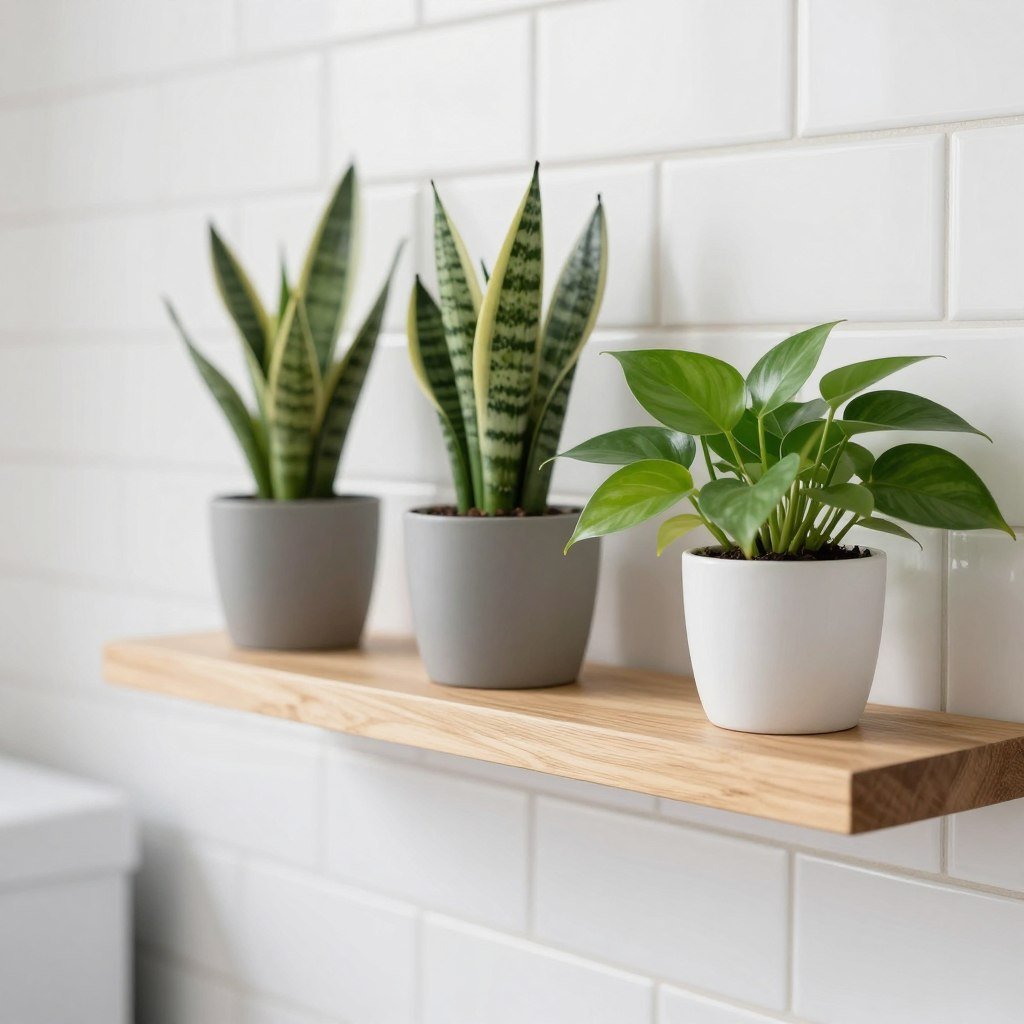
Plants bring life and freshness to laundry rooms while improving air quality. Select varieties that thrive in the humidity and varying light conditions typical of these spaces. Pothos, snake plants, and peace lilies tolerate the environment well.
Display plants on floating shelves, countertops, or in corners where they won’t interfere with work zones. Hanging plants work beautifully near windows or from ceiling-mounted hooks. The cascading greenery softens angular cabinets and appliances.
Consider low-maintenance options if you tend to forget watering. Artificial plants have improved dramatically and can look convincingly real. High-quality faux greenery provides the visual benefits without care requirements.
Art and Personal Touches
Framed art or prints personalize the space and reflect your taste. Choose pieces that withstand humidity or protect them with glass framing. Simple black and white photography or abstract art maintains modern aesthetics while adding personality.
Functional signs with laundry-related quotes add whimsy without clutter. Keep the style consistent with your overall design—modern sans-serif fonts rather than rustic farmhouse scripts. A single well-chosen piece makes more impact than multiple small items.
Open shelving provides opportunities to style practical items attractively. Arrange detergent in pretty containers, stack folded towels by color, and group baskets intentionally. This curated approach makes everyday objects part of the decor.
Maintenance and Long-Term Care
A well-designed modern laundry room maintains its beauty and function for years with proper care. Understanding maintenance requirements for different materials helps you make informed design choices. Regular upkeep prevents small issues from becoming expensive problems.
Material-Specific Care
Quartz and solid surface countertops require simple soap and water cleaning. Avoid abrasive cleaners that can dull the surface over time. Wipe up spills promptly to prevent staining, though these materials resist most common laundry room substances.
Wood elements like butcher block counters or shelving need periodic sealing. Oil-based sealers protect against moisture damage and maintain the wood’s natural beauty. Reapply sealer annually or when water no longer beads on the surface.
Tile floors and walls need grout maintenance to prevent discoloration and deterioration. Seal grout lines after installation and reseal annually in high-traffic areas. Clean grout with pH-neutral cleaners to avoid degrading the sealer.
Appliance Maintenance
Front-loading washers require regular cleaning to prevent mold and mildew in door seals. Leave the door ajar between uses to allow air circulation and drying. Run monthly cleaning cycles with washer cleaner or white vinegar.
Dryer lint traps need cleaning after every load for safety and efficiency. Additionally, vacuum the lint trap housing quarterly to remove accumulated debris. Clean or replace exterior dryer vents annually to maintain proper airflow and prevent fire hazards.
Check washing machine hoses annually for cracks or bulges
Clean dryer moisture sensors with rubbing alcohol monthly
Inspect sink drains and clean hair catchers regularly
Test and replace worn cabinet hinges and drawer slides
Preventing Common Issues
Proper ventilation prevents moisture damage and mold growth. Run exhaust fans during and after laundry activities. If your room lacks mechanical ventilation, crack a window while machines operate.
Address water leaks immediately, no matter how minor they seem. Even small drips can cause significant damage to cabinets, flooring, and walls over time. Keep contact information for a reliable plumber readily available.
Organize cleaning supplies to prevent spills and leaks from damaging cabinets. Store bottles on trays or in bins that contain potential spills. Keep caps tightly closed and store products upright when possible.
Budget Planning and Cost Considerations
Creating a modern laundry room requires financial planning to balance desires with reality. Understanding typical costs helps you allocate resources effectively. Smart budgeting allows you to achieve beautiful results without overspending.
Cost Breakdown by Element
Cabinets typically consume the largest portion of laundry room budgets. Stock cabinets from big-box stores cost considerably less than custom options while still achieving modern aesthetics. Semi-custom cabinets offer a middle ground with some personalization at moderate prices.
Countertops vary widely in cost depending on material selection. Laminate provides the most budget-friendly option, while quartz and solid surface materials cost more but offer superior durability. Consider your priorities—a beautiful countertop has limited value if you can’t afford adequate storage.
Flooring costs depend on material choice and room size. Luxury vinyl planks offer excellent value for durability and appearance. Ceramic tile costs more upfront but lasts decades with minimal maintenance. Factor in installation costs, which can match or exceed material expenses.
Where to Splurge and Save
Invest in quality appliances that you’ll use daily for years. Energy-efficient models save money on utility bills over their lifespan. Extended warranties provide peace of mind for these significant purchases.
Save on decorative elements you can easily change later. Paint colors, hardware, and accessories allow for future updates without major renovation. Spend your budget on permanent fixtures and finishes first.
Worth the Investment
Quality washer and dryer
Durable flooring materials
Solid cabinetry construction
Proper lighting fixtures
Budget-Friendly Options
Paint instead of wallpaper
Stock instead of custom cabinets
Laminate instead of stone counters
DIY installation where possible
DIY vs. Professional Installation
Painting walls and installing simple shelving make excellent DIY projects. These tasks require minimal specialized tools and skills. Tackling them yourself frees up budget for professional help where it truly matters.
Plumbing and electrical work generally require professional expertise. Mistakes in these areas create safety hazards and expensive repairs. Licensed professionals ensure code compliance and proper function.
Cabinet installation falls somewhere between—possible for handy homeowners but challenging without experience. Consider the value of your time and stress levels when deciding. Professional installation guarantees proper alignment and function.
Common Design Mistakes to Avoid
Learning from others’ mistakes saves time, money, and frustration. Certain missteps appear repeatedly in laundry room projects. Awareness of these pitfalls helps you create a more successful space from the start.
Planning and Layout Errors
Insufficient counter space ranks among the most common regrets. Folding clothes on top of the dryer or traveling to another room frustrates daily routines. Plan for at least 36 inches of uninterrupted counter length minimum.
Inadequate lighting creates eyestrain and makes spotting stains difficult. Relying solely on a single ceiling fixture leaves shadows in work areas. Layer ambient, task, and accent lighting for proper illumination throughout the space.
Forgetting to plan for sorting space before washing leads to piles on the floor. Install multiple hampers or bins during construction rather than trying to add them later. Built-in solutions work better than afterthought additions.
Storage and Organization Oversights
Underestimating storage needs results in cluttered counters and cabinets bursting with supplies. Inventory your current laundry products and tools, then plan for 25% more storage. Households accumulate items over time, and extra capacity prevents future crowding.
Placing deep cabinets or shelves too high makes accessing items difficult. Keep frequently used supplies within easy reach—between counter height and eye level. Reserve very high or very low storage for rarely needed items.
Failing to include a hanging rod for air-drying delicates
Neglecting to plan for dirty-to-clean workflow through the space
Installing cabinets that block window light sources
Choosing impractical finishes that show every smudge or water spot
Material and Finish Mistakes
Selecting unsuitable flooring for the moisture levels in laundry rooms causes premature failure. Natural hardwood swells and warps when exposed to water regularly. Choose water-resistant options like tile, luxury vinyl, or sealed concrete instead.
Using flat paint finishes on walls makes cleaning difficult. Laundry rooms need wipeable surfaces due to detergent splashes and humidity. Semi-gloss or satin finishes clean easily while maintaining modern aesthetics.
Matching everything too precisely creates a showroom feel rather than a functional home space. Introduce subtle variation in whites, mix metal finishes intentionally, or combine wood tones for a more collected, livable appearance.
Environmental Considerations and Sustainability
Modern design increasingly incorporates environmental consciousness. Sustainable choices in laundry rooms reduce utility consumption and environmental impact. Many eco-friendly options also save money over time through improved efficiency.
Energy-Efficient Appliances
ENERGY STAR certified washers use approximately 25% less energy and 33% less water than standard models. These savings compound over years of use. Front-loading washers typically offer better efficiency than top-loaders, using less water per load.
Heat pump dryers represent the cutting edge of energy-efficient drying technology. They use up to 50% less energy than conventional electric dryers. The higher upfront cost pays back through reduced utility bills over the appliance’s lifespan.
High-efficiency appliances often qualify for utility rebates or tax credits. Research available incentives in your area before purchasing. These programs can offset the premium cost of efficient models significantly.
Water Conservation
Low-flow faucets and aerators reduce water consumption without sacrificing functionality. Modern designs provide adequate pressure while using less water. Install them on laundry room sinks to conserve resources during hand-washing and cleaning tasks.
Greywater systems capture rinse water from washing machines for landscape irrigation. These systems require planning during construction but provide substantial water savings. Check local regulations, as codes vary regarding greywater reuse.
Fix leaky faucets and pipes immediately to prevent water waste
Use cold water washing when possible to save energy
Run full loads to maximize water and energy efficiency
Consider drought-tolerant landscaping if using greywater systems
Sustainable Materials
Bamboo flooring and cabinetry offer renewable alternatives to traditional hardwood. Bamboo grows rapidly and regenerates without replanting. The material provides comparable durability to hardwood at similar price points.
Recycled glass or composite countertops incorporate post-consumer materials while offering unique aesthetics. These surfaces perform similarly to traditional options while reducing landfill waste. The environmental benefit adds meaningful value beyond pure function.
Low-VOC or zero-VOC paints improve indoor air quality by reducing harmful chemical emissions. These formulations have improved dramatically, now matching traditional paints in durability and finish quality. Choose them for better health outcomes in your home.
Longevity and Durability
Selecting durable materials reduces replacement frequency and associated environmental costs. Quality cabinets, countertops, and fixtures last decades rather than requiring updates every few years. This longevity represents the ultimate sustainable choice.
Classic modern design ages better than trendy styles, reducing the urge to renovate. Timeless choices maintain appeal and function longer. Avoid ultra-trendy elements that will feel dated quickly, necessitating premature replacement.
Shopping Guide and Product Selection
Selecting the right products makes the difference between a laundry room that merely functions and one that excels. Quality items provide better performance and longer service life. This guide helps you navigate product categories and make informed purchasing decisions.
Essential Product Categories
Start with foundational elements that define your space’s structure and function. Cabinets, countertops, and flooring establish the room’s character. These permanent fixtures deserve careful consideration and appropriate budget allocation.
Lighting fixtures significantly impact both functionality and aesthetics. Select task lighting for work areas and ambient lighting for overall illumination. Modern fixtures come in countless styles—choose options that complement your cabinet hardware and plumbing finishes.
Storage accessories transform empty cabinets into organized systems. Pull-out hampers, shelf dividers, and drawer organizers maximize usable space. These smaller investments provide outsized impact on daily function and satisfaction.
Where to Shop
Home improvement stores offer wide selections of cabinets, countertops, and appliances at various price points. The ability to see and touch materials helps decision-making. Knowledgeable staff can answer questions and explain installation requirements.
Online retailers provide extensive product variety and often better prices than physical stores. Customer reviews offer valuable insights into quality and performance. Ensure return policies accommodate any products that don’t meet expectations.
Cabinetry and Storage
Modern cabinets form the backbone of organized laundry rooms. Look for soft-close hinges, adjustable shelves, and quality construction. Mix open and closed storage for visual interest while maintaining functionality.
Lighting Solutions
Proper lighting eliminates shadows and creates pleasant ambiance. Combine recessed ceiling lights with pendant fixtures for layered illumination. LED bulbs provide energy efficiency and long lifespan.
Organization Accessories
Small organizational tools make big differences in daily function. Drawer dividers, pull-out baskets, and labeled containers keep supplies accessible yet tidy. Invest in quality organizers that withstand frequent use.
Quality Indicators
Solid wood or plywood cabinet construction outlasts particleboard alternatives. Check drawer boxes for dovetail joints rather than stapled corners. Quality cabinets feature full-extension drawer slides that provide complete access to contents.
Countertop thickness indicates quality in most materials. Thicker slabs typically use better-grade stone or composite. Edge profiles should be smooth and well-finished without rough spots or chips.
Hardware weight and finish quality separate premium options from budget alternatives. Solid brass or stainless steel hardware lasts longer than zinc alloy pieces. Finishes should appear even without variations or rough spots.
Creating Your Dream Modern Laundry Room
Modern laundry rooms represent the perfect marriage of style and function. These spaces prove that utility areas deserve the same design consideration as living rooms or kitchens. Thoughtful planning creates rooms that make daily chores more pleasant.
Your laundry room journey begins with understanding your specific needs and constraints. Space limitations, budget realities, and household habits all influence design decisions. Honest assessment of these factors guides you toward solutions that work for your unique situation.
The elements discussed throughout this guide work together to create cohesive, functional spaces. Cabinet choices affect storage capacity and visual style. Flooring selection impacts durability and maintenance. Lighting influences both function and mood. Each decision connects to others in creating the whole.
Remember that perfection isn’t necessary for success. A well-designed modern laundry room balances ideals with practical realities. Focus on elements that matter most for your daily routine. Prioritize function first, then layer in aesthetic enhancements within your budget.
Start your transformation with thorough planning before making purchases. Measure carefully, create detailed layouts, and research products extensively. Time invested in planning prevents expensive mistakes and ensures better results. The effort pays dividends in satisfaction with the finished space.
Modern design’s emphasis on simplicity actually makes it more achievable than complex traditional styles. Clean lines, neutral palettes, and functional storage require less budget than ornate details and custom millwork. The modern aesthetic democratizes beautiful design for various budget levels.
Whether you’re renovating an existing space or designing from scratch, the principles remain constant. Maximize storage, ensure adequate lighting, select durable materials, and maintain clean lines. These fundamentals create modern laundry rooms that serve well for years to come.
Your laundry room has the potential to become a space you genuinely enjoy using. With thoughtful design and quality products, it can enhance your daily routine rather than simply serving as a necessary chore location. That transformation makes the investment of time, effort, and resources worthwhile.
Transform Your Laundry Room Today
Find everything you need to create the modern laundry room you’ve been dreaming about. From cabinets to accessories, start building your perfect space.