Combining a mudroom and laundry room creates one of the smartest home design solutions. You maximize every inch of available space while building a hardworking area that serves your family daily. This dual-purpose room handles everything from dirty shoes to laundry loads.
This Website contains affiliate links. That means I may earn a small commission if you purchase through my links, at no extra cost to you.
Many homeowners face the challenge of limited square footage. A laundry mudroom combo solves this problem elegantly. You get organized storage for outdoor gear and efficient laundry facilities in one convenient location.
The key lies in thoughtful planning and strategic design choices. When you combine these spaces effectively, you create a room that works twice as hard without feeling cramped or cluttered.
Essential Layout Planning for Laundry Mudroom Spaces
Your floor plan determines how well your laundry room mudroom functions. The layout must accommodate both activities without one area interfering with the other. Smart positioning creates natural workflow and prevents bottlenecks during busy morning routines.
Understanding Your Available Space
Measure your room dimensions carefully before planning begins. Every inch matters in a possible mudroom laundry combination. Consider ceiling height as well since vertical storage options can transform small spaces.
Most laundry mudroom combos work best with at least 60 square feet. However, even smaller spaces succeed with clever design. The shape of your room influences appliance placement and storage configuration significantly.
Divide your space into distinct areas. The laundry zone needs room for your washer and dryer plus workspace for folding. The mudroom section requires storage for shoes, coats, and bags.
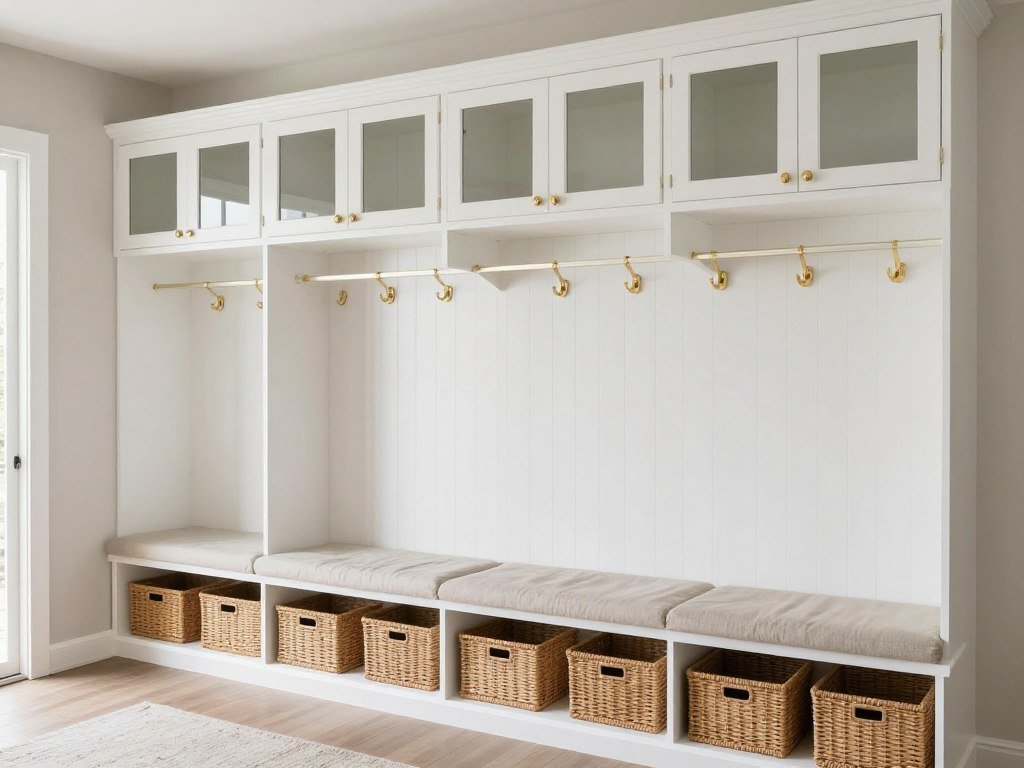
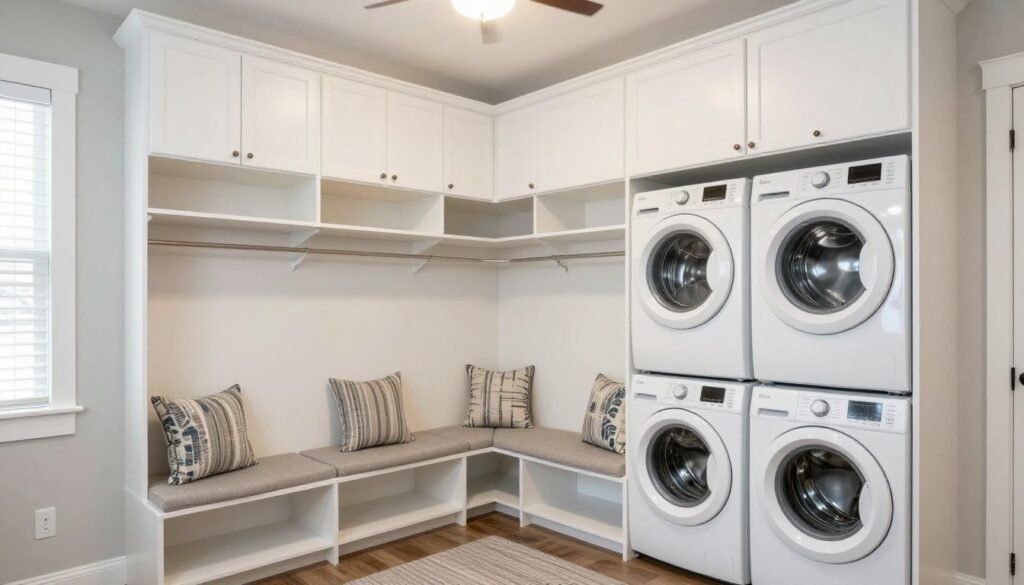
A built-in bench serves as a natural divider between zones. This seating area provides a spot to remove shoes while offering hidden storage underneath. Position it strategically to separate the mudroom from laundry operations.
Laundry Zone Essentials
Washer dryer placement with ventilation access
Folding counter or workspace surface
Detergent and supply storage
Hanging rod for air-drying clothes
Utility sink if space permits
Mudroom Zone Requirements
Entry point from outside or garage
Shoe storage at floor level
Wall hooks or coat closet
Bench seating for convenience
Catch-all bins for everyday items
Traffic Flow Considerations
Plan pathways that allow smooth movement through the space. You need clear access to both the washer and the exit door. Avoid designs where someone doing laundry blocks the main entrance.
Keep at least 36 inches of clearance in front of your washer dryer units. This space lets you load and unload comfortably. The mudroom area needs similar clearance for putting on shoes and grabbing coats.
Ready to Optimize Your Layout?
Explore smart storage solutions designed specifically for combined mudroom and laundry spaces. Find organizational systems that help you make the most of every inch.
Choosing the Right Washer Dryer for Your Combo Space
Appliance selection impacts your entire mudroom laundry design. The right washer and dryer maximize efficiency while fitting your available floor space perfectly. You have several options that work well in combined rooms.
Stackable Washer Dryer Units
Stackable models save precious floor space in your laundry mudroom. These vertical configurations free up room for mudroom storage and seating. Most stackable washer dryer sets measure about 27 inches wide and 76 inches tall.
Modern stackable units offer full-size capacity despite their compact footprint. You sacrifice no cleaning power while gaining valuable square footage. This option works exceptionally well in narrow spaces or closet-style laundry areas.
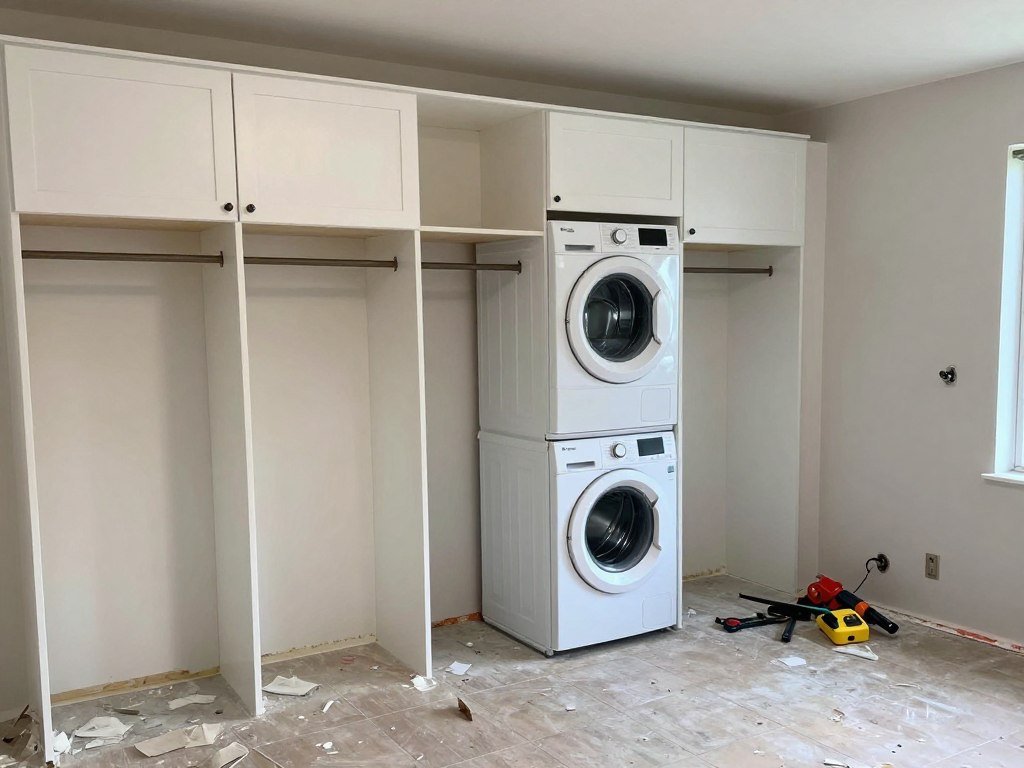
Install stackable appliances against a wall to maximize the remaining space. The area beside them becomes perfect for a built-in bench or coat storage. You can also add cabinets above for laundry supplies.
Side-by-Side Traditional Models
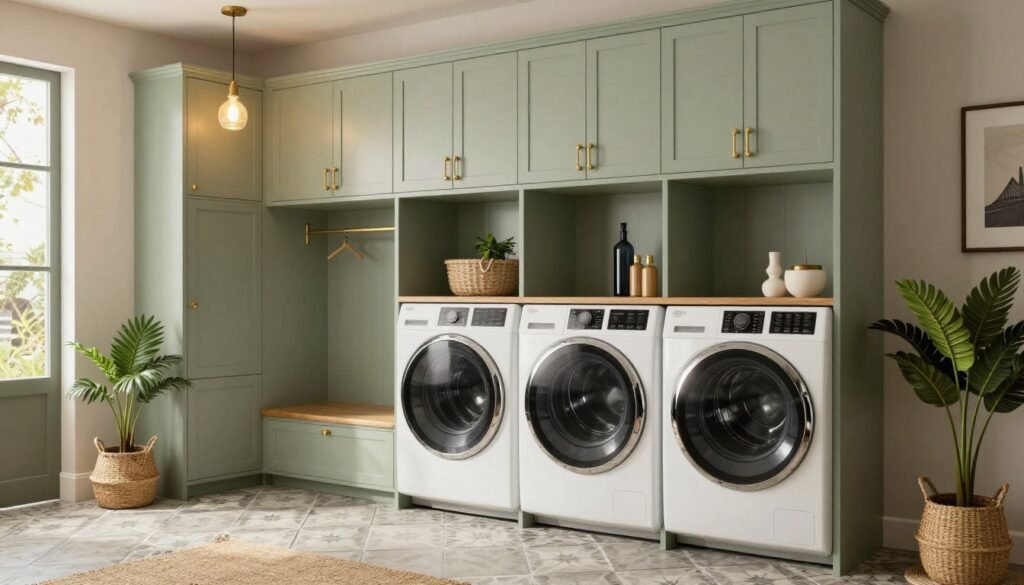
Traditional side-by-side washers and dryers work when you have adequate width. This layout requires roughly 54 to 60 inches of wall space. The advantage is easier loading and the opportunity to create countertop workspace above.
A countertop spanning both appliances gives you a dedicated folding station. This surface proves invaluable in a laundry room mudroom combo where every inch counts. Store laundry baskets underneath or use the floor area for shoe storage.
All-in-One Combination Units
Combination washer dryer units fit the smallest possible mudroom layouts. These single machines both wash and dry in one drum. They typically measure 24 inches wide, leaving maximum room for mudroom functions.
While convenient for tight spaces, combination units handle smaller loads. Consider your family size and laundry volume before choosing this option. They work best for households with modest laundry needs who prioritize space efficiency.
Compact Washer Dryer Sets
Find space-saving appliances perfect for your laundry mudroom combo. Stackable options and compact models help you maximize floor space while maintaining full functionality for your home laundry needs.
Laundry Room Countertops
Create a functional folding station with countertop solutions designed for above washer dryer installations. These surfaces add workspace while protecting your appliances and improving your laundry room design efficiency.
Space-Saving Accessories
Discover accessories that enhance your washer dryer area. From magnetic organizers to appliance caddies, these solutions keep supplies organized without consuming valuable floor or counter space.
Maximizing Storage in Your Laundry Mudroom Combo
Storage solutions make or break a mudroom laundry room combo. You need space for cleaning supplies, coats, shoes, and everyday items. Smart storage keeps everything organized while maintaining an uncluttered appearance.
Wall-Mounted Cabinet Systems
Cabinets transform empty wall space into valuable storage. Upper cabinets keep laundry detergents and cleaning supplies out of reach yet accessible. Lower cabinets hide shoes, boots, and seasonal items from view.
Choose cabinets that extend to the ceiling when possible. This design eliminates dust-collecting gaps while maximizing storage capacity. The style you select sets the tone for your entire laundry mudroom design project.
Open shelving mixed with closed cabinets creates visual interest. Display decorative baskets on open shelves while storing less attractive items behind doors. This combination balances functionality with aesthetics beautifully.
Built-in Bench with Hidden Storage
A built-in bench serves multiple purposes in your mudroom space. The seating area provides a comfortable spot to change shoes. The area underneath offers hidden storage for frequently used items.
Install lift-top benches for easy access to stored items. Alternatively, use pull-out drawers or cubbies beneath the seating surface. Add cushions to make the bench both practical and comfortable for daily use.
Position your bench strategically between the entry door and laundry area. This placement creates a natural transition between zones. It also prevents mudroom clutter from interfering with laundry operations.
Vertical Storage Solutions
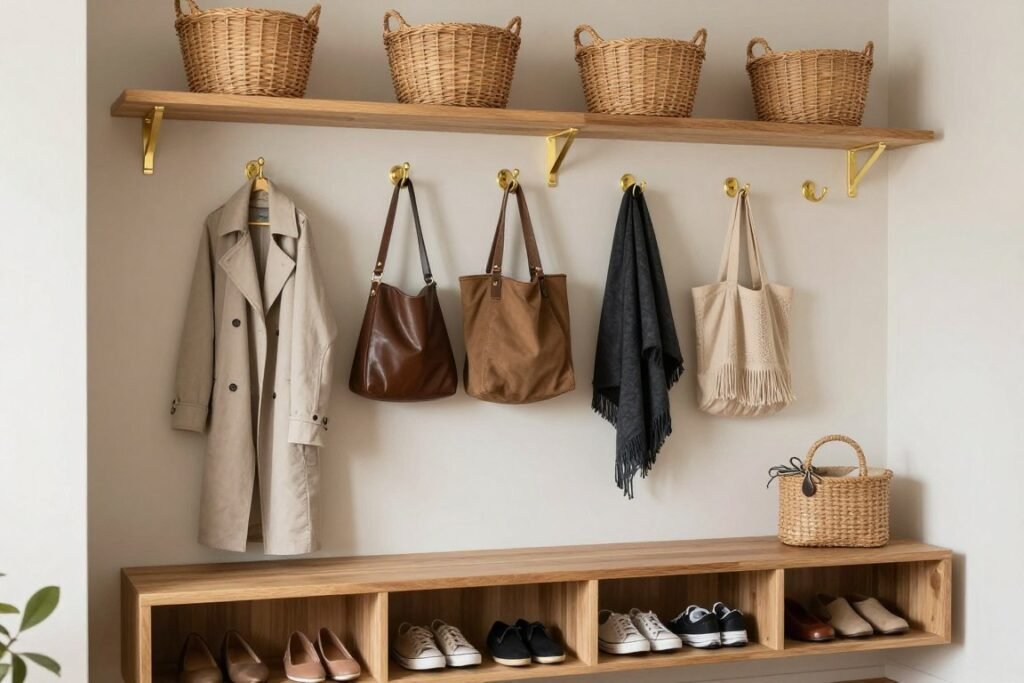
Vertical storage maximizes every inch from floor to ceiling. Wall hooks provide spots for coats, bags, and wet outerwear. Install them at different heights to accommodate both adults and children in your home.
Tall cabinets fit perfectly beside washer dryer units. These narrow storage towers hold brooms, mops, and cleaning supplies without consuming much floor space. Some models include pull-out features for enhanced accessibility.
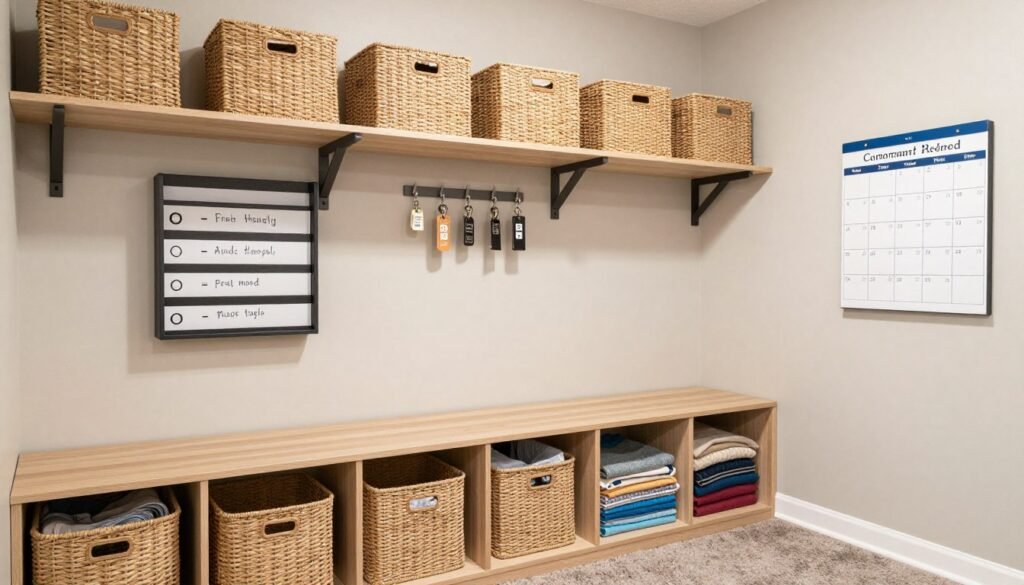
Floating shelves add storage without overwhelming small spaces. Place them above your washer and dryer or along empty wall sections. Use matching baskets or bins on shelves to maintain a cohesive look throughout the room.
Specialized Organization Systems
Dedicated organization systems keep specific items in their place. Shoe racks prevent floor clutter while keeping footwear accessible. Coat trees or wall-mounted systems organize outerwear efficiently.
Pegboard walls offer customizable storage for tools and supplies. You can adjust hooks and shelves as your needs change over time. This flexibility makes pegboard ideal for evolving storage requirements in your mudroom laundry area.
Sorting bins help separate laundry by color or family member. Pull-out hampers hide dirty clothes from view while keeping them accessible. Labeled bins ensure everyone knows where things belong, maintaining organization effortlessly.
Smart Storage Tips
Use baskets and bins to contain small items
Label everything for easy identification
Install hooks at multiple heights for family members
Choose storage that fits your specific needs
Maximize vertical space before expanding horizontally
Keep frequently used items at eye level
Transform Your Storage Space
Discover storage solutions that help you organize every aspect of your mudroom laundry combo. From cabinets to bins, find everything you need to create an efficient and clutter-free space.
Selecting Durable Flooring for Mudroom Laundry Areas
Floor selection impacts both functionality and design in your laundry room mudroom combo. Your flooring must withstand moisture, dirt, and heavy foot traffic. The right material combines durability with easy maintenance for years of reliable service.
Tile Flooring Options
Ceramic and porcelain tiles excel in mudroom laundry spaces. These materials resist water damage and clean easily with simple mopping. Tile handles the moisture from both laundry operations and wet shoes without degrading over time.
Textured tiles provide slip resistance when floors get wet. Choose larger tiles to minimize grout lines, which require more maintenance effort. Darker grout colors hide dirt better between cleaning sessions in high-traffic areas.
Luxury vinyl tile offers tile aesthetics with added warmth underfoot. This option costs less than ceramic while providing excellent water resistance. Modern LVT products mimic natural stone or wood convincingly at a fraction of the price.
Vinyl Sheet and Plank Flooring
Sheet vinyl creates seamless floors with no gaps for water infiltration. This budget-friendly option installs quickly and maintains easily. Modern vinyl products come in attractive designs that complement any laundry mudroom aesthetic.
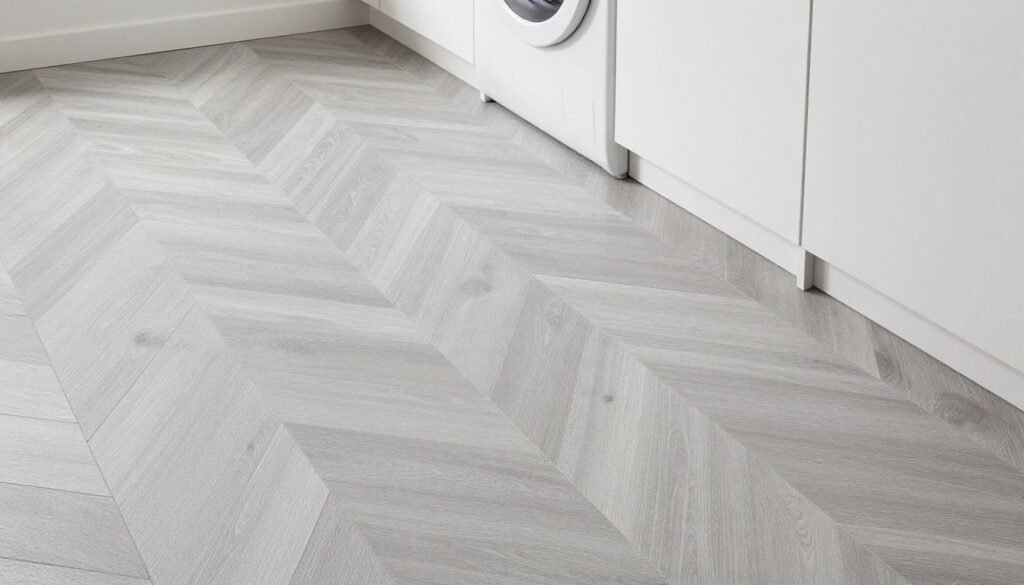
Vinyl plank flooring resembles hardwood while offering superior water resistance. The planks install with click-lock systems for easy DIY projects. This material feels warmer than tile, making it comfortable for bare feet.
Concrete and Epoxy Solutions
Sealed concrete provides an industrial-chic look that’s extremely durable. This option works well in contemporary laundry mudroom designs. Concrete handles moisture and heavy use while requiring minimal maintenance when properly sealed.
Epoxy coatings create glossy, seamless floors that resist stains and water. Available in numerous colors and patterns, epoxy adds personality to utilitarian spaces. The smooth surface makes sweeping and mopping exceptionally easy.
Flooring Transition and Drainage
Plan transitions between your mudroom and adjacent rooms carefully. Use threshold strips to create smooth transitions while containing potential water. These strips also define the boundary between different flooring materials.
Consider adding a subtle slope toward a floor drain if your budget allows. This feature prevents water pooling near your washer or entry door. Even a slight grade improves drainage and keeps your floor dry.
Place absorbent mats near the entry door and washer. These catch moisture before it spreads throughout the space. Choose washable mats that coordinate with your overall design scheme for both function and style.
Design Ideas to Enhance Your Mudroom Laundry
Design choices transform a purely functional space into an attractive room you enjoy using. Thoughtful color selection, lighting, and finishing touches create a mudroom laundry that serves your needs beautifully. Small details make significant differences in the overall experience.
Color Schemes and Paint Choices
Light colors make small mudroom spaces feel larger and brighter. White, cream, and soft gray cabinets reflect light effectively. These neutral tones create a clean backdrop that hides dirt less obviously than darker options.
Add personality with accent colors on walls or through accessories. Navy, sage green, or warm terracotta tones add character without overwhelming the space. Paint the mudroom wall differently from the laundry wall to visually separate zones.
Durable paint finishes withstand moisture and frequent cleaning. Semi-gloss or satin finishes work better than flat paint in these hardworking areas. They resist moisture damage while remaining easy to wipe clean when needed.
Lighting Solutions
Adequate lighting ensures safety and functionality in your laundry mudroom. Overhead fixtures provide general illumination throughout the entire space. Choose moisture-resistant fixtures rated for damp locations near your washer and entry door.
Task lighting above the folding area helps you spot stains and sort colors accurately. Under-cabinet LED strips illuminate work surfaces without consuming much energy. These focused lights make laundry tasks easier and more efficient.
Natural light brightens the space and reduces daytime electricity use. Add a window if possible, or install a skylight in rooms without exterior walls. Even small windows make significant differences in perceived space and comfort.
Hardware and Fixture Selection
Cabinet hardware adds personality while improving functionality. Choose pulls and knobs that complement your home style. Brushed nickel, matte black, or brass finishes create cohesive looks when used consistently throughout the room.
Install quality hooks that support heavy winter coats. Double hooks maximize hanging space on limited wall area. Consider decorative hooks that serve as both storage and design elements in your mudroom.
Upgrade your utility sink faucet to a high-arc or pull-down model. These styles make filling buckets and rinsing muddy items easier. Choose finishes that match other fixtures for a polished, intentional appearance.
Finishing Touches
Decorative elements make your mudroom laundry feel like part of your home rather than just utility space. Add artwork, framed prints, or a mirror to create visual interest. These touches demonstrate that functional spaces deserve design attention too.
Include plants that thrive in humid environments. Pothos, snake plants, or ferns add life to the space while improving air quality. Choose attractive planters that complement your color scheme and style preferences.
Personalize the space with family-specific elements. Individual hooks labeled with names, a chalkboard for messages, or a family calendar keeps everyone organized. These customizations make the room work specifically for your household needs.
Lighting Fixtures
Enhance visibility and ambiance with lighting designed for laundry and mudroom areas. From pendant lights to under-cabinet strips, proper illumination makes tasks easier and improves safety in your combo space.
Cabinet Hardware
Update your cabinets with stylish pulls and knobs that match your design vision. Quality hardware improves functionality while adding finishing touches that tie your entire mudroom laundry design together beautifully.
Decorative Accessories
Add personality with decorative hooks, signs, and organizational accessories. These finishing touches transform your functional space into an attractive room that reflects your home style and makes daily tasks more enjoyable.
Practical Organization Tips for Daily Efficiency
Organization systems keep your mudroom laundry functioning smoothly. Establishing routines and designated spots for everything prevents clutter accumulation. These strategies help your family maintain order in this high-traffic space.
Creating Zones for Different Activities
Assign specific areas for different functions within your space. Designate one wall section exclusively for mudroom activities like coat storage and shoes. Reserve another area specifically for laundry supplies and operations.
Use your built-in bench as the natural divider between these zones. This physical boundary helps family members understand where things belong naturally. Clear zones reduce confusion and make maintaining organization significantly easier.
Implementing Sorting Systems
Laundry sorting bins streamline your washing routine considerably. Use separate hampers for whites, colors, and delicates to eliminate sorting time later. Label each bin clearly so everyone knows where items belong.
Create a system for incoming mail, keys, and everyday items. Install a small shelf or basket near the entry door for these things. This catch-all prevents items from spreading throughout your home while keeping them accessible.
Seasonal Rotation Strategies
Rotate seasonal items to maximize available storage space. Store winter coats and boots during summer months in upper cabinets or closet areas elsewhere. Bring them forward when weather changes, moving summer items to less accessible locations.
Use vacuum-sealed bags for seasonal clothing storage. These compress bulky items significantly, freeing valuable closet and cabinet space. Label bags clearly so you find items quickly when seasons change.
Daily Maintenance Routines
Establish simple daily habits that prevent mess buildup. Spend five minutes each evening returning items to designated spots. This small investment prevents overwhelming cleaning sessions later.
Encourage family members to use the mudroom as intended. Shoes stay in the shoe storage area, not scattered on the floor. Coats hang on hooks immediately upon entry rather than draping over furniture elsewhere.
Clean one small section during each laundry load. Wipe down cabinets while waiting for the washer to finish. Sweep the floor while clothes tumble in the dryer. These micro-cleaning sessions keep the entire space consistently tidy.
Family Organization Strategies
Give each family member designated storage space. Individual cubbies or hooks labeled with names create accountability and prevent arguments. Everyone knows exactly where their belongings belong at all times.
Install a family command center on the mudroom wall. Include a calendar, message board, and perhaps charging station for devices. This centralized location keeps everyone informed and organized as they come and go.
Create a lost-and-found basket for unidentified items. Things like single gloves, toys, or random household objects go here temporarily. Review this basket weekly and return items to proper locations or discard them.
Organization Best Practices
Label all storage bins and baskets clearly
Assign personal storage to each family member
Keep frequently used items at eye level
Establish daily tidying routines
Rotate seasonal items regularly
Use vertical space efficiently
Common Organization Mistakes
Storing too much in accessible areas
Failing to label storage containers
Allowing mail and papers to accumulate
Neglecting regular decluttering sessions
Using mismatched storage solutions
Ignoring vertical storage opportunities
Maximizing Small Spaces: Compact Laundry Mudroom Ideas
Small spaces demand creative solutions to achieve mudroom laundry functionality. Limited square footage requires strategic planning to fit everything necessary without creating cramped conditions. These ideas help you maximize efficiency in compact areas.
Stackable and Compact Appliances
Stackable washer dryer units prove essential in tight quarters. These vertical configurations consume minimal floor space while delivering full functionality. Install them in a closet or small alcove to free up room for mudroom features.
Consider compact 24-inch appliances designed for apartments and small homes. These smaller machines fit in remarkably tight spaces while handling typical household laundry needs. The space saved often outweighs the slightly reduced capacity.
Multi-Functional Furniture Solutions
Choose furniture that serves multiple purposes simultaneously. A bench with storage underneath provides seating and concealment. Fold-down tables give you workspace when needed and fold away when not in use.
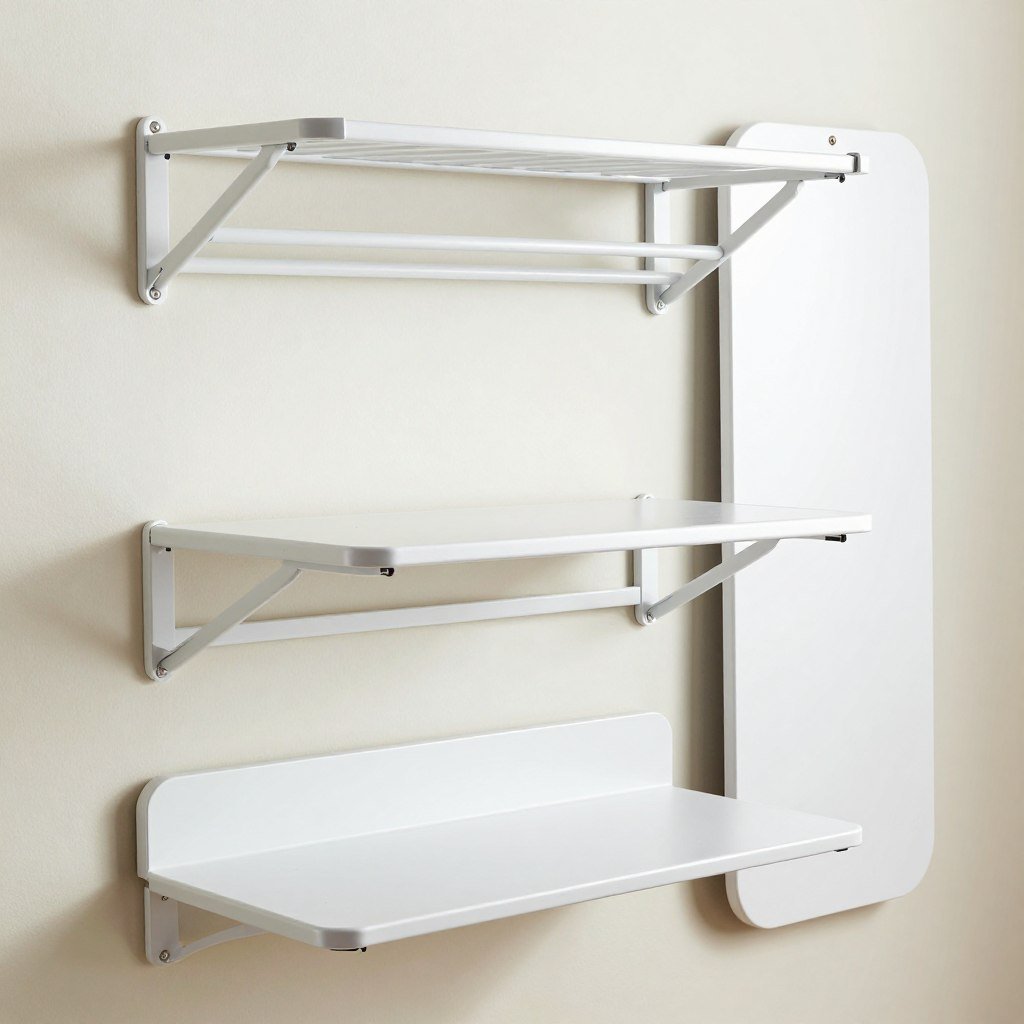
Install a Murphy-style ironing board that folds into the wall. This solution eliminates the need to store a bulky ironing board elsewhere. Similarly, wall-mounted drying racks fold flat when not needed, saving precious space.
Clever Storage Alternatives
Utilize the back of your entry door for additional storage. Over-door organizers hold cleaning supplies, small tools, or accessories without using wall or floor space. This often-overlooked area adds significant storage capacity.
Install narrow rolling carts that fit beside appliances. These slim storage units hold supplies while remaining mobile for easy access. Pull them out when needed and tuck them away when the space requires clearance.
Magnetic strips mounted on walls hold small metal items like scissors, tweezers, or bobby pins. Command hooks provide damage-free hanging solutions for lightweight items anywhere you need them throughout the space.
Visual Tricks for Larger Feeling Spaces
Light colors make small rooms feel more spacious and airy. Paint walls, cabinets, and trim in whites or light neutrals. This cohesive color approach eliminates visual breaks that make spaces appear smaller.
Install mirrors strategically to reflect light and create depth illusions. A mirror on the back wall visually doubles the perceived space. This simple addition makes cramped areas feel significantly more open and comfortable.
Choose glass-front cabinets or open shelving instead of solid doors. This creates visual flow rather than blocking sightlines with opaque surfaces. The transparency makes the entire room feel less confined and more inviting.
Optimize Your Small Space Today
Find space-saving solutions specifically designed for compact mudroom laundry areas. From fold-down tables to slim storage carts, discover products that maximize every inch of your available space.
Planning Your Mudroom Laundry Project from Start to Finish
Successful projects require thorough planning before starting any work. Understanding the process helps you avoid costly mistakes and ensures your laundry mudroom meets expectations. These steps guide you through creating your ideal combination space.
Assessment and Measurement Phase
Measure your available space precisely before making any decisions. Record length, width, and height measurements carefully. Note locations of electrical outlets, plumbing connections, windows, and doors that affect your layout options.
Photograph the existing space from multiple angles. These reference images prove valuable when planning remotely or consulting with contractors. They help you remember details you might otherwise forget during the design process.
Evaluate your household needs honestly. How many people use the space daily? What storage capacity do you require? How much laundry does your family generate weekly? These answers influence every subsequent decision you make.
Budget Development
Establish a realistic budget early in the planning process. Research costs for appliances, cabinets, flooring, and labor if hiring professionals. Include a contingency fund of at least 10-15% for unexpected expenses that inevitably arise.
Prioritize spending on elements that affect daily functionality. Quality appliances and durable flooring deserve larger budget allocations than purely decorative items. You can always upgrade accessories later, but core components should be chosen carefully initially.
Design and Layout Planning
Sketch multiple layout options to visualize different possibilities. Experiment with appliance placement, cabinet configurations, and traffic flow patterns. Simple hand drawings work fine; elaborate software isn’t necessary for basic planning.
Consider workflow efficiency in your design. Place laundry supplies near the washer. Position the folding area close to where you’ll store clean clothes. Think through your actual laundry process to create the most practical layout.
Plan electrical and plumbing needs carefully. Your washer requires both water connections and drainage. The dryer needs either gas or 220-volt electrical service plus venting. Understanding these requirements prevents discovering problems mid-project.
Implementation Timeline
Develop a realistic timeline for your home project. Simple cosmetic updates might take a weekend. Complete renovations requiring plumbing and electrical work need several weeks. Factor in delivery times for custom cabinets or special-order appliances.
Order materials well in advance of installation dates. Supply chain issues can delay projects significantly. Having everything on-hand when you’re ready to start prevents frustrating work stoppages.
If hiring contractors, get multiple quotes and check references carefully. The cheapest bid isn’t always the best value. Look for contractors with experience in similar laundry mudroom combination projects for optimal results.
DIY vs. Professional Installation
Assess your skills honestly when deciding what to tackle yourself. Simple tasks like painting, installing shelves, or assembling cabinets suit most homeowners. Complex electrical, plumbing, or extensive carpentry may require professional expertise for safety and quality.
Obtain necessary permits before starting work that requires them. Electrical and plumbing modifications typically need permits and inspections. Skipping this step can create problems when selling your home later.
Start with demolition and rough-in work before installing finished surfaces. This sequence prevents damage to new materials. Complete electrical and plumbing, then install flooring, cabinets, and finally appliances and accessories.
Essential Planning Steps
Follow these critical steps to ensure project success and avoid common pitfalls that derail mudroom laundry renovations.
Measure space accurately and note existing utilities
Assess family needs and usage patterns
Research appliance options and dimensions
Create detailed budget with contingency funds
Design layout considering workflow efficiency
Order materials allowing adequate lead time
Obtain required permits before starting work
Schedule work in logical construction sequence
Common Project Mistakes
Avoid these frequent errors that add cost, time, and frustration to mudroom laundry renovation projects.
Underestimating actual space requirements
Failing to plan adequate electrical circuits
Choosing trendy styles over timeless design
Skimping on quality for core components
Ignoring ventilation and moisture issues
Forgetting to measure appliances before purchase
Not planning sufficient storage capacity
Starting work without complete material delivery
Complete Shopping Guide for Your Mudroom Laundry Combo
Equipping your laundry mudroom requires numerous products across multiple categories. This comprehensive guide helps you find everything needed to create a fully functional and organized space. From major appliances to small accessories, these recommendations cover all essential elements.
Major Appliance Category
Your washer and dryer represent the largest investment in the space. Research energy efficiency ratings to minimize operating costs over the appliances’ lifespan. Consider capacity requirements based on your household size and laundry frequency.
Look for stackable washer dryer options if floor space is limited. These vertical configurations provide full functionality while maximizing available room for storage and mudroom features. Verify dimensions fit your designated space before purchasing.
Cabinet and Storage Systems
Quality cabinets withstand moisture and daily use for years. Choose materials specifically rated for laundry room environments. Consider both upper and lower cabinets to maximize storage from floor to ceiling throughout your available wall space.
Measure carefully before ordering custom or stock cabinets. Account for appliance dimensions, door swing clearances, and walkway space. Many suppliers offer free design consultations to help optimize your specific layout requirements.
Organizational Accessories
Baskets, bins, and containers keep small items organized and accessible. Choose coordinating styles and colors for visual cohesion. Label each container clearly so family members know exactly where things belong at all times.
Install various hook types for different hanging needs. Heavy-duty hooks support winter coats while lighter options work for keys and bags. Mount them at appropriate heights for both adults and children in your household.
Complete Cabinet Systems
Explore comprehensive cabinet solutions for your laundry mudroom combo. Find coordinating upper and lower cabinets, specialty storage units, and organizational inserts that maximize efficiency and maintain cohesive design throughout your space.
Storage Baskets and Bins
Discover attractive storage baskets and bins designed for mudroom organization. From woven baskets for shelves to pull-out hampers for laundry sorting, find containers that combine functionality with aesthetic appeal for your home.
Wall Hooks and Racks
Find sturdy wall hooks and coat racks perfect for mudroom use. Choose from decorative options that enhance your design or heavy-duty solutions that handle winter coats, backpacks, and everyday items with reliable strength.
Shoe Storage Solutions
Keep shoes organized with specialized storage designed for mudroom spaces. Explore options from open cubbies to closed cabinets, boot trays to over-door organizers that prevent floor clutter while keeping footwear accessible.
Laundry Sorting Systems
Streamline laundry day with efficient sorting systems. Find multi-compartment hampers, pull-out sorting bins, and labeled laundry baskets that help separate clothes by color or family member for maximum efficiency.
Bench Seating Options
Add comfortable seating with storage benches designed for mudroom use. Choose from cushioned options for comfort, lift-top designs for hidden storage, or cubby-style benches that combine seating with shoe organization below.
Drying Racks and Lines
Protect delicate items with drying racks and retractable clotheslines. Discover wall-mounted, fold-down, and freestanding options that provide air-drying space without permanently consuming floor area in your laundry mudroom.
Flooring Materials
Protect your floors with durable materials designed for high-moisture areas. Explore waterproof vinyl planks, ceramic tiles, and luxury vinyl options that withstand mudroom traffic while complementing your overall design aesthetic.
Cleaning Supply Storage
Organize cleaning supplies with specialized storage solutions. Find slim rolling carts, over-door organizers, and pull-out caddy systems that keep supplies accessible yet concealed for a clutter-free appearance.
Start Building Your Perfect Mudroom Laundry Today
You now have all the information and resources needed to create an efficient, organized mudroom laundry combo. From layout planning to product selection, these ideas help you maximize space and improve daily functionality.
A well-designed mud room laundry room combo transforms two essential spaces into one efficient area. You gain organized storage for everyday items while maintaining full laundry functionality. The key lies in thoughtful planning and strategic use of every inch available.
Start with a solid layout that separates zones while maintaining smooth traffic flow. Choose appliances appropriate for your space constraints and household needs. Invest in quality storage solutions that keep everything organized and accessible for years to come.
Remember that functionality matters more than following trends. Choose durable materials that withstand daily use and moisture exposure. Select finishes and colors you’ll appreciate for many years rather than what’s currently popular in design magazines.
Your mudroom laundry should work specifically for your family’s needs. Customize storage for your household size and lifestyle requirements. Create systems that make sense to everyone who uses the space regularly.
With proper planning and execution, your laundry mudroom becomes a valuable asset to your home. This hardworking space handles daily routines smoothly while keeping your home organized and efficient. The investment in creating this combination room pays dividends through improved function and home value.