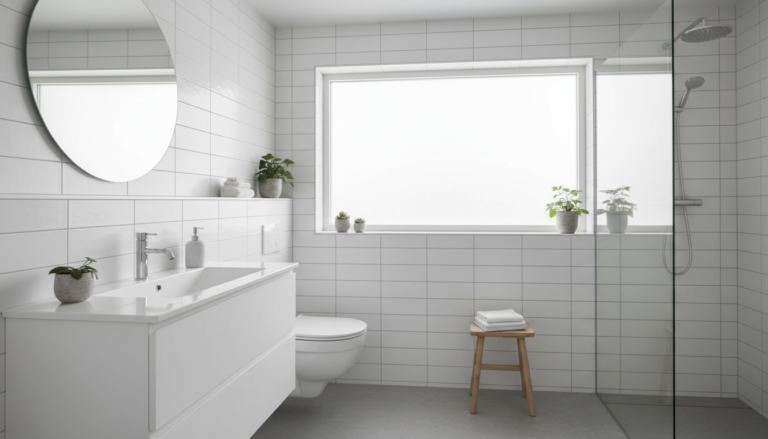
Your small bathroom deserves more than just functional design. The right paint color can transform a cramped space into a relaxing retreat. Whether you’re working with a powder room or a windowless bathroom, color choices make all the difference.
This Website contains affiliate links. That means I may earn a small commission if you purchase through my links, at no extra cost to you.
Paint colors have the power to visually expand your space. Light colors reflect natural light and create an open feel. Dark colors add drama but require careful planning in small spaces. The key is understanding how different hues interact with your bathroom’s unique features.
This guide walks you through proven color strategies for small bathrooms. You’ll discover which paint colors work best for different lighting conditions. We’ll explore trending palettes and timeless choices that add value to your home.
Ready to Start Your Bathroom Transformation?
Explore essential paint supplies and color tools to bring your small bathroom vision to life. Find everything you need for a professional finish.
Understanding How Color Impacts Small Bathroom Spaces

Color psychology plays a crucial role in bathroom design. Light colors make walls appear to recede, creating the illusion of more space. Dark colors bring walls forward, which can feel cozy or cramped depending on execution.
Related Posts:





The color you choose affects mood and function. Cool colors like blues and greens create a calming atmosphere. Warm colors such as peaches and soft yellows add energy and warmth. Neutral colors provide a timeless backdrop that works with any decor style.
The Science of Light and Color in Small Spaces

Light reflection determines how spacious your bathroom feels. Paint with higher Light Reflectance Value (LRV) bounces more light around the room. This creates brightness even in spaces with limited natural light.
Glossy finishes reflect more light than matte finishes. However, they also highlight wall imperfections. Semi-gloss or satin finishes strike a balance between light reflection and hiding minor flaws.
The direction of light matters too. North-facing bathrooms receive cooler light throughout the day. South-facing spaces get warmer, more intense light. Choose paint colors that complement your bathroom’s natural light direction.

Color Temperature and Spatial Perception
Cool colors visually recede, making walls seem farther away. Blues, greens, and cool grays work exceptionally well in tight spaces. They create a sense of openness that warm colors cannot achieve as easily.
Warm colors advance toward the eye. While this can make a space feel smaller, strategic use of warm tones adds depth and character. Accent walls in warm colors can create focal points without overwhelming the room.
Pro Tip: Test paint colors in your actual bathroom before committing. Paint large sample boards and view them at different times of day. Morning light differs dramatically from evening light, affecting how colors appear.
Best White and Neutral Paint Colors for Small Bathrooms

White paint remains the most popular choice for small bathrooms. It maximizes light reflection and creates a clean, fresh atmosphere. However, not all whites are created equal for small spaces.
Benjamin Moore Simply White stands out as a top choice. This soft white paint color has slight warm undertones that prevent the space from feeling sterile. It works beautifully in both naturally lit and windowless bathrooms.
Top White Paint Color Recommendations

Pure Brilliant White
Crisp and clean, pure white creates maximum brightness. This paint color works best in bathrooms with excellent natural light. It pairs perfectly with chrome fixtures and white trim for a cohesive look.

Warm Soft White
Warm whites add subtle creaminess to walls. They create a welcoming feel without the starkness of pure white. This choice complements gold or brass fixtures beautifully in powder rooms.

Cool Crisp White
Cool whites have subtle blue or gray undertones. They create a spa-like atmosphere that feels refreshing and modern. This paint color choice pairs well with marble and contemporary fixtures.
Neutral Colors Beyond White

Greige—a blend of gray and beige—offers sophistication without coldness. This neutral paint color provides warmth while maintaining the space-expanding qualities of lighter colors. It serves as an excellent backdrop for colorful accessories.
Soft gray paint colors create a contemporary feel. Choose warm grays over cool grays to avoid a sterile appearance. Warm grays contain brown or beige undertones that add depth to small bathroom walls.


Beige remains a timeless bathroom color choice. It brings warmth without overwhelming the space. Modern beiges lean cooler, avoiding the dated yellow undertones of traditional beige paint colors.
Taupe combines gray and brown for ultimate versatility. This neutral works with virtually any accent color. It adds subtle sophistication that pure white cannot achieve in powder rooms and small bathrooms alike.
Find Your Perfect Neutral Paint Color
Discover high-quality neutral paint options and color samples to test in your bathroom. Get the right shade on your first try with proper sampling tools.
Cool Colors: Blue and Green Paint Ideas for Small Bathrooms

Blue bathroom colors create instant relaxation. From soft sky blues to deep navy, this color family offers options for every style. Light blues make small bathrooms feel more spacious while adding personality.
Pale blue paint colors work exceptionally well in windowless bathrooms. They create the illusion of sky and open space even without natural light. The key is choosing the right shade intensity for your specific room size and lighting.
Blue Paint Color Options for Different Effects

Powder blue delivers a fresh, clean look that never goes out of style. This light blue shade maintains brightness while adding subtle color. It pairs beautifully with white trim and creates a classic bathroom color scheme.


Aqua brings tropical vibes to your bathroom space. This blue-green hybrid creates energy and freshness. Use it on all walls in well-lit spaces or as an accent wall in darker rooms to avoid overwhelming the space.
Navy blue makes a bold statement when used strategically. Paint one accent wall in deep navy while keeping other walls light. This creates depth and visual interest without making the room feel smaller.
Green Paint Colors for Natural Serenity

Green paint colors bring nature indoors. Soft sage green creates a calming retreat that feels both modern and timeless. This hue works particularly well in bathrooms lacking windows or natural views.
Mint green offers a retro-fresh vibe that’s trending in bathroom design. Pair it with white fixtures and black accents for a contemporary look. This cheerful green paint color brightens small spaces without feeling juvenile.


Sea foam green combines blue and green for ultimate tranquility. This soft color makes bathroom walls feel like they’re dissolving into a peaceful horizon. It’s ideal for creating a spa atmosphere in compact powder rooms.
Explore Blue and Green Paint Options
Browse cool-toned paint colors and specialty finishes perfect for bathroom environments. Find moisture-resistant formulas in your ideal shade.
Warm Paint Colors That Add Personality to Small Bathrooms

Warm colors transform cold bathroom spaces into cozy retreats. While conventional wisdom suggests avoiding warm tones in small rooms, strategic use creates depth and character. The key is balancing warm colors with adequate lighting and reflective surfaces.
Soft peach tones add warmth without overwhelming the space. This paint color flatters skin tones beautifully, making it perfect for bathrooms where you get ready each day. Modern peaches avoid orange undertones for a sophisticated look.
Blush and Pink Paint Color Ideas

Blush pink brings subtle warmth and sophistication. This trendy bathroom color works in both traditional and contemporary spaces. Pair it with white trim and brass fixtures for an elegant powder room.
Dusty rose offers more depth than blush while maintaining softness. This muted pink creates a vintage-inspired feel that’s currently experiencing a major comeback in home design.
Millennial pink made waves in recent years for good reason. In bathrooms, this balanced pink-beige hybrid adds personality without feeling overly feminine or childish. It serves as a neutral that’s anything but boring.

Yellow and Gold Tones for Brightness
Soft yellow paint colors mimic natural sunlight. In windowless bathrooms, pale yellows create the illusion of sunny day. Choose butter yellows over bright yellows to avoid overwhelming small bathroom walls.

Butter Yellow
This creamy yellow brings warmth and cheer. It works particularly well in north-facing bathrooms that lack natural warmth. Pair with white ceiling and trim to prevent color overwhelm.

Warm Gold Tones
Metallic-inspired gold paint adds luxury to small spaces. These sophisticated tones create glamour without requiring expensive materials. They complement both modern and traditional bathroom fixtures.

Pale Primrose
Barely-there yellow adds subtle warmth. This paint color choice creates a soft glow that makes the room feel naturally lit. It’s an excellent compromise between white and bold color.
Discover Warm Paint Color Collections
Find warm-toned bathroom paints that add personality while maintaining a spacious feel. Explore trending peachy, pink, and yellow options.
Dark and Bold Paint Colors for Dramatic Small Bathrooms

Dark paint colors create unexpected drama in small bathrooms. When executed properly, deep hues add depth rather than making spaces feel cramped. The secret lies in balancing dark walls with proper lighting and strategic white accents.
Charcoal gray delivers sophistication without the harshness of black. This versatile dark color serves as a neutral backdrop that makes white fixtures pop. It works especially well in powder rooms where guests experience the impact briefly.
Navy and Deep Blue Options
Navy blue bathroom walls create a cocooning effect. This classic color adds timeless elegance to small spaces. Pair navy with brass fixtures and marble countertops for a high-end look that rivals designer bathrooms.
Deep teal combines blue and green for unique sophistication. This jewel tone adds richness and personality. It creates a moody atmosphere perfect for relaxing evening baths in small bathroom spaces.
The key to success with dark colors is excellent lighting. Install bright overhead lights and consider wall sconces at eye level. Mirrors also help bounce light around the room and prevent darkness from feeling oppressive.

Rich Jewel Tones

Emerald green transforms bathrooms into jewel boxes. This rich green paint color adds instant glamour. Use it on all walls for maximum impact or on a single accent wall for a safer approach to bold color.


Deep burgundy and wine tones bring unexpected warmth. These sophisticated colors work beautifully in bathrooms with gold or brass fixtures. They create a vintage-modern fusion that feels both current and timeless.
Design Tip: When using dark colors in small bathrooms, paint the ceiling white or a lighter shade. This prevents the space from feeling like a cave while maintaining the drama of dark walls.
Explore Bold and Dark Paint Options
Find premium dark paint colors with excellent coverage and rich pigmentation. Discover specialty finishes that enhance dramatic bathroom designs.
Best Paint Colors for Windowless Bathrooms

Windowless bathrooms present unique challenges. Without natural light, paint color becomes even more critical. The right choice compensates for missing windows and creates a pleasant atmosphere despite the lack of day.
Light and bright colors work best in bathrooms without windows. They maximize artificial light reflection and prevent the space from feeling like a cave. However, the specific shade matters more than simply choosing any light color.
Top Color Choices for Bathrooms Without Natural Light


Soft white with warm undertones prevents sterility. Pure white can feel harsh under artificial light in windowless bathrooms. Choose whites with subtle yellow or cream undertones for a more natural glow.
Pale yellow creates the illusion of sunlight. This strategic color choice tricks the eye into perceiving warmth and brightness. It’s particularly effective in windowless powder rooms where guests spend limited time.
Creating Depth in Windowless Spaces

Light blue paint colors mimic sky and create openness. In bathrooms lacking windows, soft blue shades psychologically suggest outdoor space. This color choice makes the absence of windows less noticeable.
Consider a two-tone approach in windowless bathrooms. Paint upper walls in a very light color and lower walls slightly darker. This creates visual interest and adds dimension to a space lacking architectural variety from windows.
Glossy or semi-gloss finishes work better than matte in windowless bathrooms. The sheen reflects artificial light more effectively, increasing overall brightness. However, ensure walls are smooth as gloss highlights imperfections.

Lighting Matters: In windowless bathrooms, invest in quality lighting before choosing paint color. Layer different light sources—overhead, vanity, and accent lighting—to simulate natural light variation throughout the day.
Ceiling and Trim Color Strategies for Small Bathrooms

Ceiling color significantly impacts how large your bathroom feels. The traditional white ceiling remains popular for good reason. It creates the illusion of height and prevents the room from feeling top-heavy.
Painting your ceiling the same color as walls creates a seamless look. This strategy works well with very light colors. It eliminates visual breaks that can make small spaces feel choppy and even smaller.
White Trim Versus Colored Trim Decisions


White trim creates classic contrast. This traditional approach works with any wall color and adds architectural interest. The crisp white frames your bathroom and provides visual breaks that define the space.
Matching trim to wall color creates a modern, seamless look. This approach eliminates visual boundaries that can fragment small spaces. It works especially well with light or medium-toned paint colors.
Accent Ceiling Color Ideas

Light blue ceilings mimic sky and add whimsy. This unexpected choice works particularly well in bathrooms with white walls. It draws the eye upward and creates a sense of limitless space above.
Metallic ceiling paint adds glamour to powder rooms. Gold or silver ceilings reflect light beautifully while creating a jewel-box effect. This bold choice works best in small powder rooms rather than full bathrooms.
Slightly darker ceiling colors can work in specific situations. If your bathroom has very high ceilings that make the room feel disproportionate, a ceiling one or two shades darker than walls brings everything into balance.

Find Specialty Paints for Ceilings and Trim
Discover ceiling paints with superior coverage and trim paints with durable finishes. Get the right products for professional-looking results.
Choosing the Right Paint Finish for Bathroom Walls

Paint finish matters as much as color in bathrooms. The sheen level affects both appearance and performance. Bathrooms require moisture-resistant finishes that can withstand humidity and occasional splashes.
Satin finish strikes the perfect balance for most bathroom walls. It offers subtle sheen that reflects light without highlighting every wall imperfection. This finish resists moisture better than flat paint while being easier to clean.
Understanding Different Paint Finish Options
- No sheen or reflectivity
- Hides wall imperfections well
- Difficult to clean in bathrooms
- Absorbs moisture over time
- Best for ceilings only
Matte/Flat Finish
- Subtle pearl-like sheen
- Easy to clean with damp cloth
- Resists moisture effectively
- Hides minor wall flaws
- Ideal for bathroom walls
Satin Finish
- Noticeable shine and reflection
- Maximum moisture resistance
- Very easy to clean
- Shows wall imperfections
- Best for trim and high-moisture areas
Semi-Gloss Finish
Best Finish for Different Bathroom Areas

Semi-gloss works best for bathroom trim and doors. The high sheen resists moisture in these high-contact areas. It’s also easier to wipe clean when fingerprints or splashes occur on door frames and baseboards.
High-gloss paint suits specific bathroom applications. Use it on vanity cabinets or built-in shelving for a furniture-like finish. The mirror-like sheen adds elegance but requires perfectly smooth surfaces to look good.
Eggshell finish falls between matte and satin. It offers slight sheen while maintaining a soft appearance. This finish works in bathrooms with excellent ventilation where moisture isn’t a major concern.

Moisture Warning: Avoid flat or matte paint on bathroom walls regardless of color. These finishes absorb moisture and can develop mildew over time. Always choose satin or higher sheen for wall surfaces in bathrooms.
Trending Small Bathroom Paint Colors for 2024

Bathroom color trends shift toward nature-inspired hues. Earth tones and botanical greens dominate design magazines and paint store displays. These colors bring the outdoors in, creating calming spaces that feel connected to nature.
Warm terracotta emerges as a surprising bathroom favorite. This earthy orange-brown adds warmth and sophistication. It pairs beautifully with natural wood elements and brass fixtures in small bathroom spaces.
Nature-Inspired Color Palettes

Earthy Terracotta
This warm, clay-inspired color creates instant coziness. Terracotta works beautifully as an accent wall or full room color. It brings Mediterranean warmth to modern bathroom design.

Botanical Sage
Soft sage green continues its reign as a bathroom favorite. This muted green creates tranquility while feeling fresh and current. It serves as a neutral that adds subtle personality.

Warm Clay Beige
Beige returns with warmth and sophistication. Modern versions avoid yellow undertones, instead embracing pink or gray bases. This creates a cozy neutral perfect for small bathroom walls.
Bold Accent Trends

Deep forest green makes waves as an accent choice. This rich hue adds drama without the heaviness of black. Use it on one wall while keeping others light to maintain an open feel in small spaces.


Dusty pink transcends temporary trend status. This sophisticated blush brings warmth while remaining gender-neutral. It pairs well with both gold and silver fixtures in powder rooms and full bathrooms alike.
Moody blue-gray hybrids offer complexity and depth. These colors shift between blue and gray depending on light. They create a sophisticated backdrop that works in both traditional and contemporary bathroom spaces.
How to Test and Choose Your Perfect Bathroom Paint Color

Testing paint colors before committing saves time and money. Colors look dramatically different on paint store chips versus actual walls. The only way to truly know how a color will look is testing it in your specific bathroom space.
Purchase sample-size paint containers from your paint store. Most brands offer small samples perfect for testing. This small investment prevents the costly mistake of painting an entire room in the wrong color.
The Proper Paint Color Testing Process

Understanding Light Reflectance Value (LRV)
Light Reflectance Value measures how much light a paint color reflects. LRV ranges from 0 (absolute black) to 100 (pure white). This number helps predict how light or dark a color will appear in your space.
Colors with LRV above 50 work best in small bathrooms. They reflect enough light to keep spaces feeling open. Colors below 50 absorb more light and require careful consideration in compact rooms.
Check LRV numbers at the paint store or on manufacturer websites. Benjamin Moore and other major brands list LRV for all colors. Use this information to compare how different shades will affect your bathroom’s brightness.

Professional Tip: Visit your local paint store during business hours for expert advice. Store staff can recommend specific Benjamin Moore colors or other brands based on your bathroom’s unique lighting conditions and size.
Get Paint Testing Supplies
Find foam core boards, paint sample containers, and testing tools to make confident color choices. Invest in proper testing materials for best results.
Coordinating Paint Color with Existing Bathroom Elements

Your paint color must work with existing bathroom elements. Tiles, fixtures, and countertops create a foundation for your color choice. The best paint colors enhance these permanent features rather than fighting against them.
White fixtures offer the most flexibility. Any paint color works with white sinks, tubs, and toilets. This gives you freedom to experiment with bold or unexpected wall colors in your small bathroom space.
Working with Different Fixture Colors


Almond or beige fixtures require warm paint colors. Cool grays and blues can clash with these dated fixture colors. Choose greiges, warm whites, or soft taupes that complement rather than contrast with cream-colored fixtures.
Dated colored fixtures benefit from neutral walls. If you have pink, blue, or green fixtures you cannot replace, paint walls in soft gray or warm white. This minimizes the dated fixture color while you save for eventual replacement.
Tile Coordination Strategies

Multicolored tiles offer built-in color schemes. Pull one accent color from your tile and use it on walls. This creates cohesion while highlighting the tile’s best features in your powder room or bathroom.
White subway tile provides a blank canvas. Nearly any paint color works beautifully with classic white tile. This versatility lets you change wall color over time without worrying about coordination.
Marble and stone require careful color selection. Pull undertones from the stone for wall color. If marble has warm veining, choose warm paint colors. Cool gray marble pairs best with cool wall tones for a unified look.

Coordination Tip: Bring samples of your tile, grout, and countertop to the paint store when choosing colors. Seeing everything together under store lighting helps make better decisions than relying on memory or photos alone.
Common Paint Color Mistakes to Avoid in Small Bathrooms

Too many colors create visual chaos in small spaces. Limit your color palette to two or three coordinating hues maximum. A simple scheme of wall color, white trim, and one accent color creates sophistication without overwhelm.
Choosing color too dark without proper lighting makes bathrooms feel cave-like. If you love dark colors but have limited lighting, use them on one accent wall only. Keep remaining walls light to maintain brightness and prevent claustrophobia.
Color Temperature Mismatches
Mixing cool and warm tones unintentionally creates discord. If your fixtures have warm brass or gold finishes, avoid cool gray walls. Similarly, chrome and silver fixtures look best with cool-toned paint colors for a cohesive look.
Ignoring undertones leads to disappointing results. That gray you loved at the paint store might look purple or green in your bathroom. Always test colors and examine undertones in your actual space before committing to full room painting.

Finish and Application Errors

Using flat paint in bathrooms guarantees problems. Moisture absorbs into flat finishes, causing mildew and damage over time. Always choose satin or semi-gloss finishes for bathroom walls regardless of your color choice.
Critical Mistake: Never paint bathroom walls without proper surface preparation. Clean walls thoroughly, repair any damage, and apply quality primer. Cutting corners during prep results in poor paint performance regardless of the color you choose.
Professional Painting Tips for Small Bathrooms

Proper preparation determines paint job success. Professional painters spend more time on prep than actual painting. This attention to detail creates smooth, long-lasting results that look professionally done even in tight bathroom spaces.
Remove everything possible from your bathroom before starting. Take down shower curtains, rugs, and wall decor. Remove toilet paper holders and towel bars if possible. This prevents accidental paint splatters and allows access to all wall areas.
Essential Preparation Steps

Painting Technique for Best Results

Cut in edges first with a quality angled brush. Paint a 2-3 inch border around all trim, ceiling, and corners before rolling. This creates clean lines and makes rolling faster and more efficient.
Use a small roller for tight spaces. Standard 9-inch rollers don’t fit behind toilets or in narrow areas. A 4-inch roller reaches difficult spots while maintaining the smooth finish of roller application versus brush marks.
Apply thin, even coats rather than one thick coat. Two thin coats provide better coverage and durability than one heavy coat. Let the first coat dry completely before applying the second for professional results.
Working Around Fixtures and Obstacles

Paint behind the toilet without removing it by using a thin roller or brush on an extension pole. Slide the tool behind the tank to reach hidden wall areas. This creates a complete paint job without the hassle of toilet removal.
Protect fixtures with plastic wrap and tape. Cover faucets, shower heads, and other hardware you cannot remove. This prevents accidental paint drips while allowing close edge work for professional-looking results.
Maintain consistent lighting while painting. Use a portable work light to illuminate areas as you paint. This helps spot missed spots or drips immediately when they’re easy to fix rather than after everything dries.

Get Professional Painting Tools and Supplies
Invest in quality brushes, rollers, and prep materials for professional results. The right tools make painting faster and easier in tight bathroom spaces.
Maintaining Your Painted Bathroom Walls

Bathroom paint faces unique challenges from moisture and humidity. Proper maintenance extends the life of your paint job and keeps walls looking fresh. Regular care prevents mildew growth and maintains the beauty of your chosen paint color.
Install or improve ventilation to protect painted surfaces. Exhaust fans remove moisture that damages paint over time. Run the fan during showers and for 20 minutes after to prevent humidity buildup on bathroom walls.
Cleaning Painted Bathroom Walls
Wipe down walls monthly with a damp microfiber cloth. This removes dust, hairspray residue, and other buildup before it becomes stubborn. Gentle regular cleaning beats harsh scrubbing that can damage paint finish and color.
Address spots and stains immediately when they appear. Fresh marks come off easily with mild soap and water. Dried stains require more aggressive cleaning that can damage satin or semi-gloss paint finishes.
Use appropriate cleaners for your paint finish. Satin and semi-gloss withstand gentle all-purpose cleaners. Avoid abrasive scrubbers that scratch the surface and dull the sheen over time in your bathroom space.

Preventing and Addressing Mildew

Mildew appears as black or gray spots on bathroom walls. It thrives in moisture and poor ventilation. Prevention through proper air circulation beats treatment every time for maintaining your paint color and finish.
Touch-Up and Refresh Strategies

Save leftover paint for future touch-ups. Store paint in airtight containers in a cool, dry place. Label containers with the room, color name, and date for easy identification when you need touch-ups.
Touch up scuffs and marks as they occur. Small touch-ups blend better than waiting until damage is extensive. Use a small artist’s brush for precision in tight bathroom areas around fixtures and trim.
Plan to repaint high-moisture bathrooms every 4-5 years. Even with excellent maintenance, bathroom paint deteriorates faster than other rooms. Regular repainting keeps your space looking fresh and prevents more serious moisture damage.
Creating Your Perfect Small Bathroom Color Scheme

Choosing paint color for your small bathroom transforms the space completely. The right color makes rooms feel larger, brighter, and more welcoming. Whether you choose classic white, calming blue, or bold jewel tones, your bathroom can become a favorite space in your home.
Remember that color is personal. While guidelines help, trust your instincts about what makes you feel comfortable. Your bathroom should reflect your style while meeting practical needs for your daily routine and home value.

Start with proper preparation and quality materials. Good paint and tools make the project easier and ensure lasting results. Don’t cut corners on primer or finish quality in moisture-prone bathroom environments.
Test colors thoroughly before committing to ensure satisfaction. The time spent testing saves money and frustration later. View samples in your actual lighting conditions at different times throughout the day.
Consider hiring professionals for challenging aspects. While many bathrooms suit DIY painting, difficult layouts or lack of time make professional help worthwhile. Quality execution matters more than who holds the brush in achieving beautiful bathroom walls.

Your small bathroom paint color journey starts with inspiration and ends with transformation. Use these ideas and strategies to create a space you love. The perfect color is waiting to make your bathroom the best room in your home.
Transform Your Small Bathroom Today
Get everything you need for your bathroom painting project. From quality paints to professional tools, find all supplies to create the bathroom of your dreams.