Remodeling a small bathroom with a tub can feel overwhelming. Limited space makes every design choice critical. But the right approach turns constraints into creative opportunities.
This Website contains affiliate links. That means I may earn a small commission if you purchase through my links, at no extra cost to you.
Your small bathroom deserves both function and style. The tub often becomes the focal point. Smart planning helps you maximize every inch without making the bathroom feel cramped.
This guide shows proven strategies for transforming compact bathrooms. You’ll discover layout ideas, material choices, and design tricks. These tips work whether you’re updating an existing bath or starting fresh.
Planning Your Small Bathroom Remodel

Planning sets the foundation for success. Start by measuring your bathroom accurately. Know exactly how much space you have to work with.
Consider your daily routines. Think about who uses the bathroom and when. This helps you prioritize features that matter most.
Budget planning comes next. Set realistic expectations for materials and labor. Research costs for fixtures, tile, and installation before committing.
Related Posts:




Choosing the Right Tub for Limited Space
Tub selection impacts your entire bathroom design. The wrong choice makes a small space feel even smaller. The right tub optimizes both form and function.
Measure your available floor space carefully. Standard tubs measure 60 inches long. Compact options range from 48 to 54 inches.
Consider these space-saving tub options:
- Corner tubs maximize unused space
- Japanese soaking tubs offer depth in less floor area
- Alcove tubs fit efficiently between three walls
- Freestanding tubs create visual openness
- Tub shower combos serve dual purposes
Find Your Perfect Small Bathroom Tub
Explore space-saving bathtub options designed specifically for compact bathrooms. From corner tubs to soaking tubs, discover styles that fit your space.
Understanding Bathroom Layout Options
Layout determines how your space functions. Even small bathrooms offer multiple configuration possibilities. The key lies in identifying what works best for your room dimensions.
Three-wall alcove layouts work efficiently in tight quarters. The tub nestles against three walls. This arrangement saves floor space while providing shower functionality.
Galley-style layouts suit narrow rooms. Place the tub at one end with the vanity and toilet along opposite walls. This creates a clear pathway through the space.
Corner configurations utilize diagonal space effectively. A corner tub or shower combo opens up the center floor area. This layout makes the bathroom feel larger than actual square footage.
Maximizing Space with Smart Design Strategies
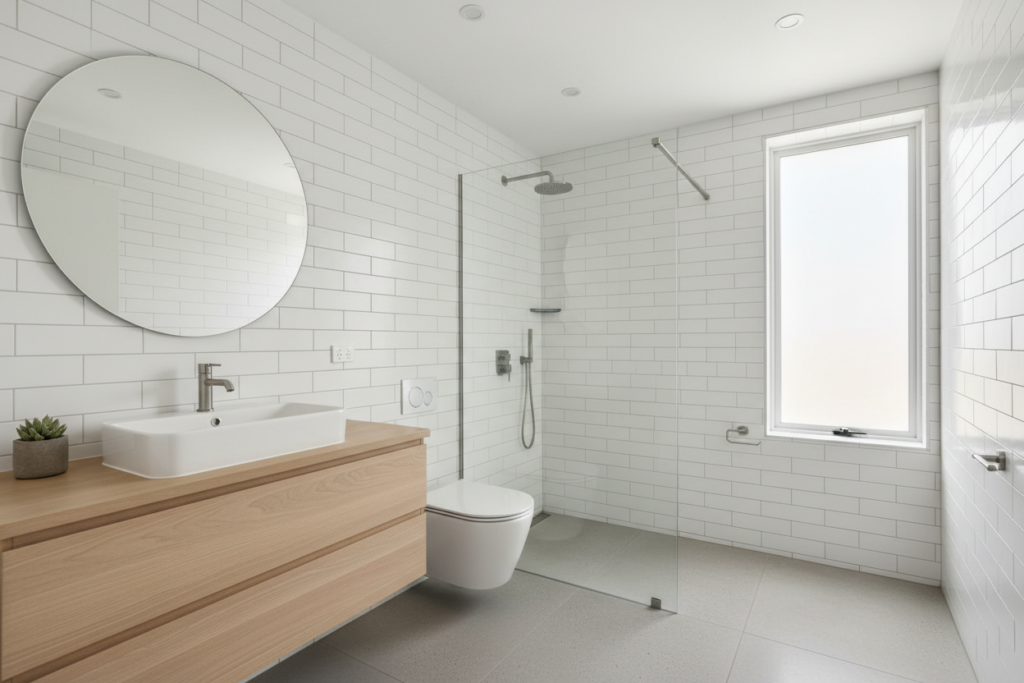
Smart design transforms cramped quarters into comfortable retreats. Visual tricks and practical solutions work together. The goal remains making your small bathroom feel and function larger.
Color and Light Wood Elements
Color choices dramatically impact perceived space. Light colors reflect more light. This reflection makes walls appear farther away.
White remains the most popular choice for small bathrooms. It maximizes brightness and creates a clean backdrop. Soft grays and beiges offer warmth while maintaining spaciousness.
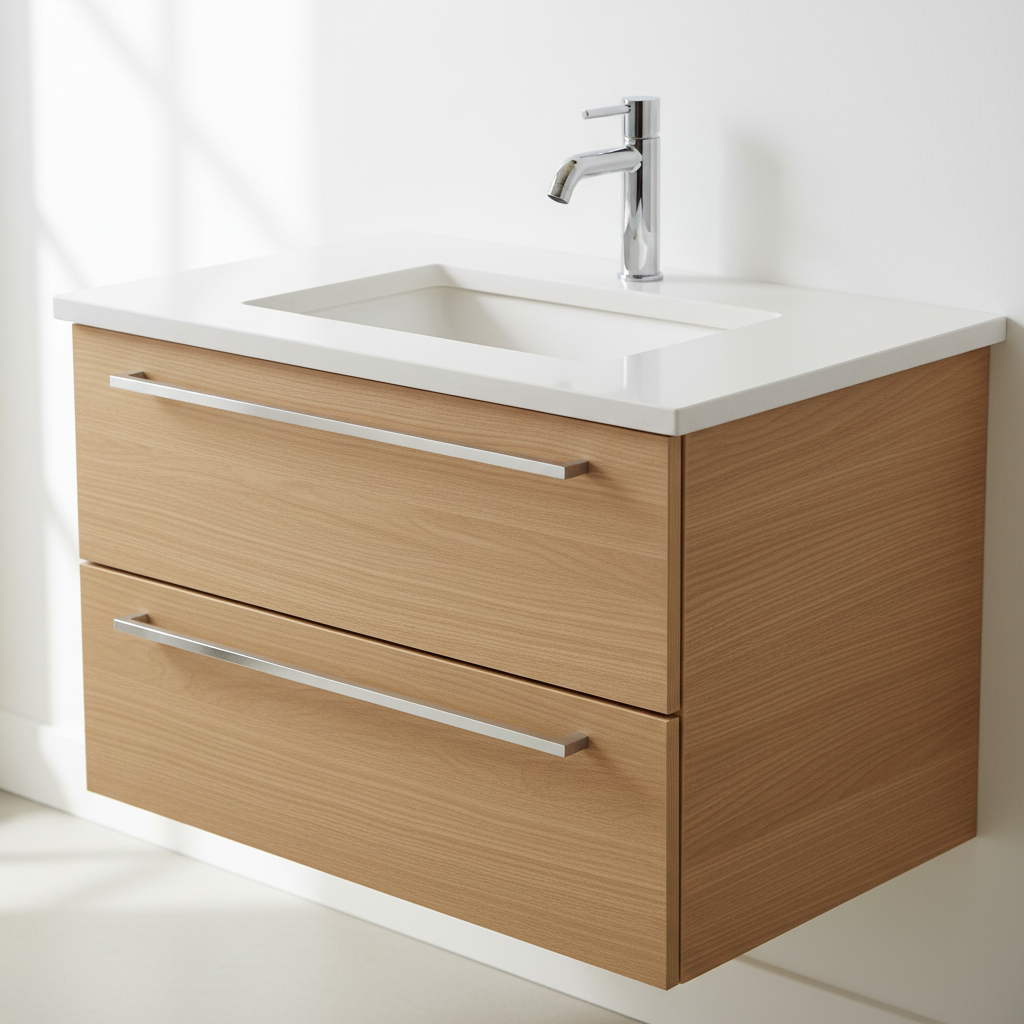
Light wood tones add natural warmth without visual weight. A light wood vanity brings organic texture. Light wood flooring creates continuity and flow.
Best Light Colors for Small Bathrooms
- Bright white for maximum light reflection
- Soft gray for subtle sophistication
- Warm beige for cozy comfort
- Pale blue for calming spa vibes
- Light green for fresh natural feel
Glass Door Solutions
Glass doors eliminate visual barriers. Unlike shower curtains or frosted glass, clear glass maintains sight lines. This openness prevents the bathroom from feeling segmented.
Frameless glass doors offer the most minimalist look. The absence of bulky frames creates clean lines. This simplicity enhances the modern aesthetic.
Clear glass shower enclosures showcase your tile work. They allow light to flow freely throughout the room. The transparency makes even the smallest bathroom feel more spacious.
Browse Frameless Glass Shower Doors
Discover clear glass door options that create the illusion of more space in your small bathroom. Find frameless designs that complement any style.
Strategic Mirror Placement
Mirrors double perceived space through reflection. A large mirror above the vanity serves practical needs. It also bounces light around the room.
Consider extending mirrors beyond standard vanity width. Wall-to-wall mirrors create dramatic expansion effects. Even a few extra inches make a noticeable difference.
Position mirrors to reflect light sources. A mirror opposite a window captures natural light. This placement brightens the entire bath throughout the day.
Tub Shower Combo Solutions for Small Spaces

Tub shower combos solve the space versus function challenge. They provide bathing and showering options without consuming extra floor area. This dual functionality proves essential in compact bathrooms.
Alcove Tub Shower Designs
Alcove installations remain the most space-efficient option. The tub fits snugly between three walls. This configuration eliminates wasted space while providing stability.
Standard alcove tubs measure 60 inches long. Smaller versions at 54 inches work for tighter spaces. The depth typically ranges from 14 to 20 inches.
Combine your alcove tub with a glass door instead of a curtain. The clear glass maintains visual flow. It prevents the shower area from feeling like a separate cramped box.
Modern Tub Shower Materials
Material selection affects both aesthetics and maintenance. Acrylic tubs offer lightweight durability and easy cleaning. Fiberglass provides budget-friendly functionality.
Tile surrounds create custom looks with endless design possibilities. White subway tile delivers timeless appeal. Large-format tiles reduce grout lines for a cleaner appearance.
Consider these popular surround materials:
- Ceramic tile for classic versatility
- Porcelain tile for superior water resistance
- Natural stone for luxury texture
- Acrylic panels for seamless installation
- Glass tile for light-reflecting sparkle
Shop Bathroom Tile Options
Find beautiful tile selections perfect for small bathroom tub surrounds. Explore subway tiles, mosaics, and modern large-format options.
Smart Storage Solutions for Small Bathrooms
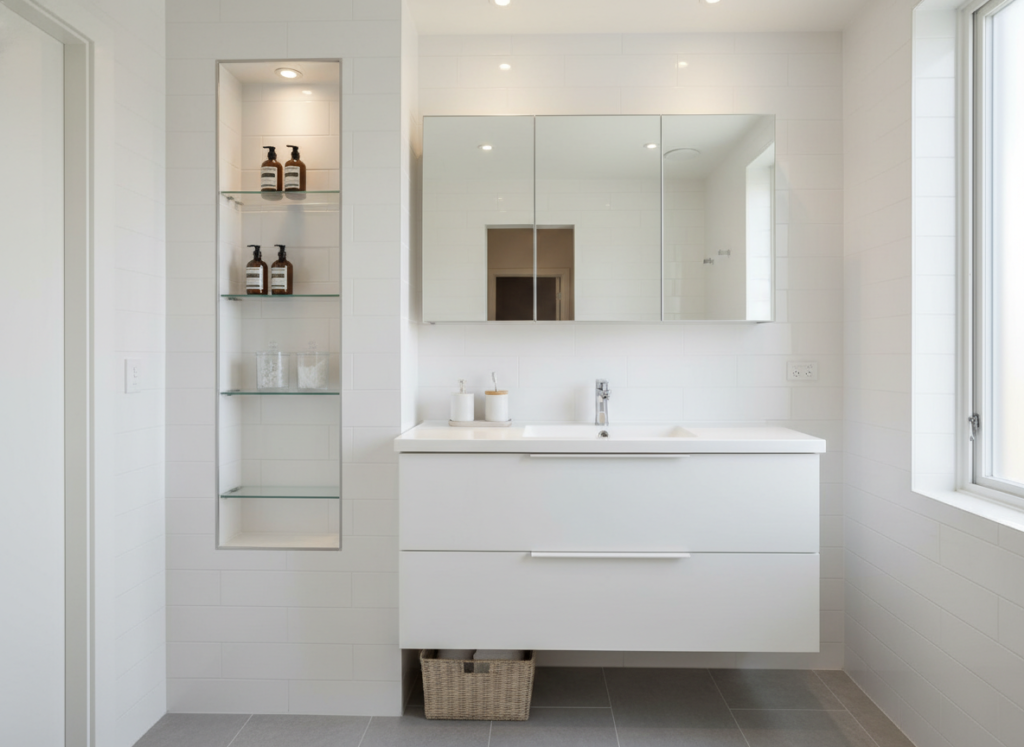
Storage challenges plague most small bathrooms. Limited floor space demands creative solutions. Vertical storage and hidden compartments become essential.
Vanity and Cabinet Options
Your vanity provides primary storage while anchoring the design. Floating vanities create floor space underneath. This openness makes the room feel less crowded.
Choose vanities with drawers over cabinets when possible. Drawers provide better organization and accessibility. Soft-close mechanisms add quality without requiring extra space.
Wall-mounted cabinets utilize vertical space efficiently. Install them above the toilet or beside the vanity. Keep cabinet doors simple to maintain a streamlined look.
Floating Vanity Benefits
- Creates visual floor space
- Easier floor cleaning
- Modern contemporary look
- Customizable height placement
- Reduces visual clutter
Built-In Storage Ideas
- Recessed medicine cabinets
- Tub deck storage niches
- Shower wall cubbies
- Toe-kick drawers
- Corner shelving units
Vertical Space Utilization
Look up to find hidden storage potential. Walls offer abundant unused real estate. Vertical solutions keep essentials accessible without consuming precious floor area.
Install shelving above the door frame. This often-overlooked space works perfectly for storing extra towels. Keep items in matching baskets for visual cohesion.
Tall narrow cabinets fit beside the vanity or in corners. These tower units provide substantial storage in a small footprint. Choose slim profiles that don’t overwhelm the space.
Flooring and Tile Choices That Expand Space
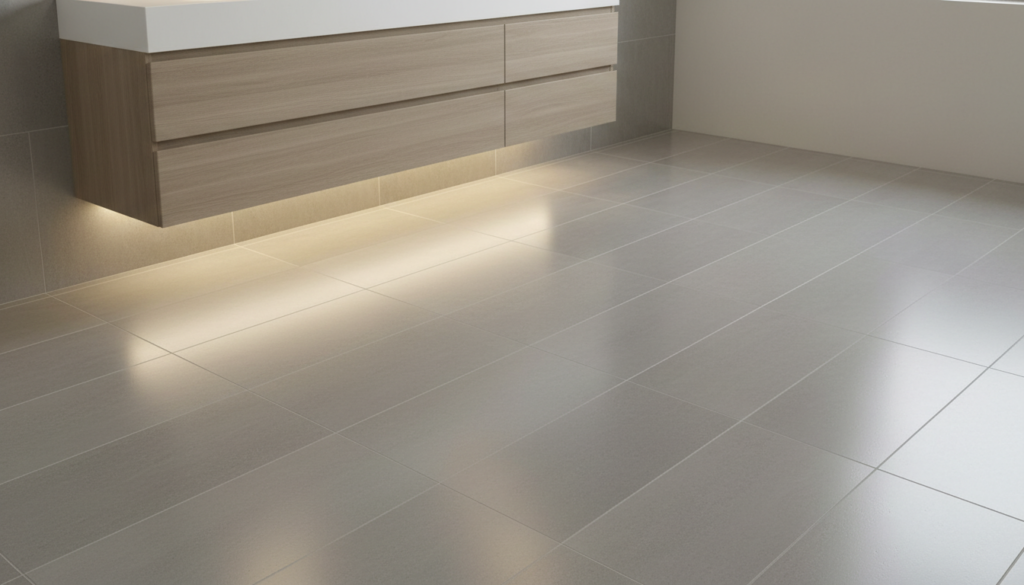
Flooring impacts how large your bathroom appears. The right tile choice creates visual expansion. Pattern and color work together to influence perception.
Large Format Floor Tiles
Bigger tiles mean fewer grout lines. This reduction creates a more seamless floor surface. The continuity makes the space feel larger and less busy.
Consider 12×24 inch tiles for small bathroom floors. These rectangles can be laid in different patterns. Running them lengthwise elongates narrow rooms.
Large square tiles measuring 18×18 or 24×24 inches work beautifully too. They create a modern look with minimal interruption. The clean expanse of tile surface reflects more light.
Wall Tile Patterns
Wall tile patterns influence vertical perception. Horizontal subway tile makes walls appear wider. Vertical stacking draws the eye upward.
White subway tile remains popular for good reason. The classic 3×6 inch format works in nearly any bathroom style. It reflects light while adding subtle texture.
Carry your floor tile partially up the wall for continuity. This technique blurs boundaries between surfaces. The visual flow creates a cohesive appearance without making the bathroom feel cramped.
Floor Tile Options
- Large porcelain planks
- Marble-look tiles
- Cement-style tiles
- Wood-grain porcelain
Wall Tile Styles
- Classic subway tile
- Hexagonal mosaics
- Vertical stacked tile
- Horizontal brick pattern
Grout Color Tips
- Match grout to tile
- Light grout expands space
- Contrasting grout adds interest
- Epoxy grout resists stains
Discover Bathroom Flooring Options
Explore waterproof flooring materials perfect for small bathrooms. Find tiles that create visual spaciousness and lasting durability.
Lighting Design for Small Bathroom Spaces

Proper lighting transforms small bathrooms. Good illumination makes spaces feel larger and more welcoming. Layered light sources provide both function and ambiance.
Natural Light Maximization
Natural light offers the best illumination. Windows bring outdoor brightness inside. Even small windows make significant impact.
Avoid heavy window treatments that block light. Simple roller shades or shutters provide privacy when needed. Frosted glass windows offer permanent privacy without sacrificing brightness.
Skylights work wonderfully in bathrooms without exterior walls. They flood the room with overhead natural light. This solution works especially well above tub areas.
Artificial Lighting Layers
Combine different light types for complete coverage. Ambient lighting provides overall illumination. Task lighting focuses on specific areas like the vanity.
Recessed ceiling lights work efficiently in small bathrooms. They provide bright light without consuming visual space. Space them evenly for shadow-free coverage.
Vanity lighting requires special attention. Place fixtures on either side of the mirror at face height. This eliminates shadows for grooming tasks.
- Recessed ceiling lights for general illumination
- Sconce lights flanking mirrors for task lighting
- LED strip lights under floating vanities for ambiance
- Exhaust fan with integrated light for efficiency
- Dimmer switches for adjustable brightness
Freestanding Tubs vs Built-In Options
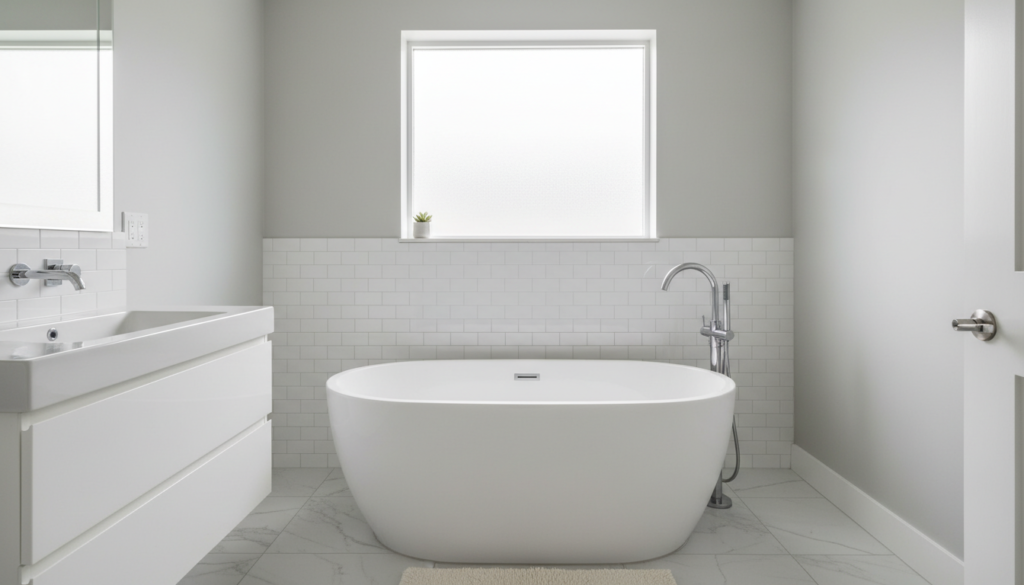
The tub style debate centers on space utilization versus aesthetics. Each option offers distinct advantages. Your choice depends on priorities and room dimensions.
Freestanding Tub Advantages
Freestanding tubs create stunning focal points. They stand independently, showcasing sculptural beauty. This separation adds architectural interest to simple rooms.
Surprisingly, some freestanding tubs work in small bathrooms. Compact soaking tubs measure as small as 48 inches long. Their vertical depth compensates for reduced length.
Cleaning around freestanding tubs proves easier than built-ins. All sides remain accessible for maintenance. This practical benefit matters for long-term upkeep.
Built-In Tub Benefits
Built-in tubs maximize functional space. Alcove installations waste nothing. The surrounding ledges provide convenient storage for bath products.
Combination tub showers work only with built-in styles. If you need both bathing and showering, built-in remains the practical choice. The enclosed design contains water effectively.
Built-in tubs typically cost less than freestanding models. Installation runs simpler and faster. These factors matter when working within budget constraints.
Freestanding Tub Pros
- Creates dramatic focal point
- Easier to clean all sides
- Flexible placement options
- Luxurious spa appearance
- Variety of sculptural styles
Freestanding Tub Cons
- Requires more floor space
- Cannot combine with shower
- Higher material costs
- More complex plumbing
- Limited storage ledges
Compare Freestanding Tub Styles
Browse compact freestanding soaking tubs designed for smaller bathrooms. Find elegant options that fit your space and budget.
Color Schemes and Visual Tricks
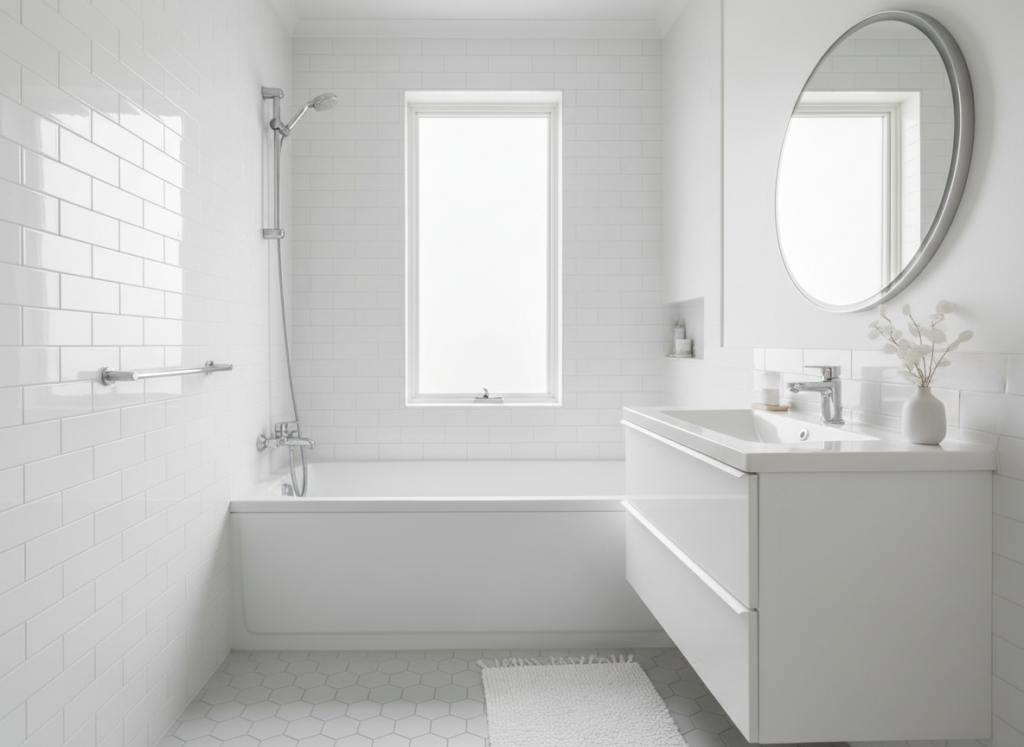
Color psychology plays a crucial role in spatial perception. Strategic color use makes small bathrooms feel more generous. Understanding these principles guides effective choices.
Monochromatic Color Schemes
Single-color schemes eliminate visual interruption. White-on-white creates seamless flow throughout the space. The absence of color breaks prevents eye stopping points.
Monochromatic doesn’t mean boring. Vary textures and materials within your chosen color. Matte paint differs from glossy tile even in identical hues.
Add depth through subtle shade variations. Warm whites versus cool whites create dimension. These nuanced differences add sophistication without overwhelming.
Strategic Accent Colors
Small doses of color create interest without crowding. Choose one accent color for towels and accessories. This controlled approach maintains visual calm.
Navy blue works beautifully against white backgrounds. The contrast adds depth while remaining sophisticated. Sage green brings natural tranquility to bathroom spaces.
Keep accent colors to less than 20% of total design. The majority should remain light and neutral. This balance prevents the space from feeling busy.
Light Color Benefits
Light colors expand perceived space through physics and psychology. They reflect more light wavelengths back to our eyes. This reflection pushes walls visually outward.
White, cream, and pale gray make the best base colors. They serve as blank canvases for other design elements. The neutrality provides lasting appeal beyond trends.
Light colors also hide water spots and soap residue better. They show less wear over time. This practical consideration matters in high-use bathrooms.

Space-Saving Fixtures and Hardware
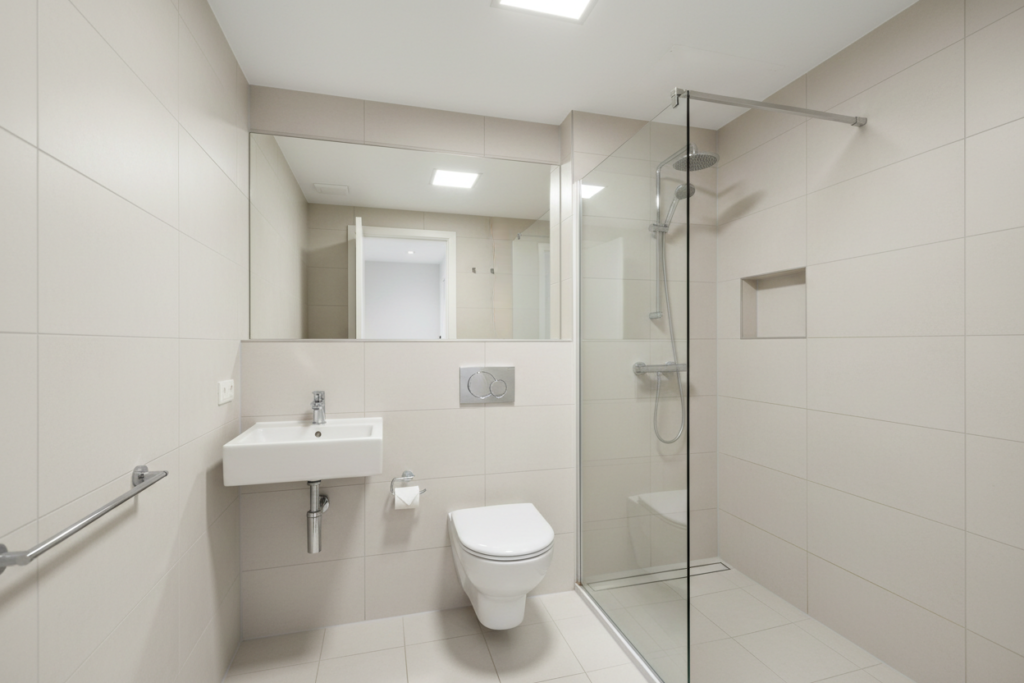
Every fixture consumes valuable space. Compact alternatives maintain functionality while reducing footprints. Smart fixture selection prevents overcrowding.
Compact Toilet Options
Standard toilets measure about 28 inches from wall to front. Compact models reduce this to 24-25 inches. Those few inches matter significantly in tight quarters.
Wall-hung toilets offer the ultimate space savings. The tank hides inside the wall. The floating bowl creates open floor space beneath.
Corner toilets utilize diagonal space efficiently. They fit where standard models won’t. This specialized fixture works well in uniquely shaped rooms.
Sink and Vanity Sizing
Vanities dominate small bathroom floor plans. Choosing appropriate sizing prevents overwhelming the room. Measure carefully before purchasing.
Single-sink vanities range from 18 to 48 inches wide. For very small bathrooms, consider 24-30 inch models. These provide adequate storage and counter space.
Pedestal sinks sacrifice storage for visual openness. The exposed plumbing and open floor create airiness. Supplement with wall-mounted storage cabinets if needed.
- Wall-mounted sinks for absolute minimal footprint
- Corner vanities for odd-shaped rooms
- Narrow-depth vanities that project less into the room
- Vessel sinks that sit atop shallow counters
- Undermount sinks that maximize counter space
Find Compact Bathroom Fixtures
Discover space-saving toilets, sinks, and vanities designed for small bathrooms. Shop fixtures that maximize functionality in minimal space.
Budget-Friendly Small Bathroom Remodel Ideas

Bathroom remodels don’t require fortune-draining budgets. Strategic updates deliver significant impact without breaking the bank. Knowing where to spend and save makes all the difference.
High-Impact Low-Cost Updates
Paint transforms spaces for minimal investment. Fresh white walls brighten immediately. A gallon of quality bathroom paint costs under fifty dollars.
Update hardware throughout for instant modernization. New cabinet pulls, towel bars, and faucets refresh the entire look. Chrome, brushed nickel, and matte black finishes suit various styles.
Replace the vanity mirror with a larger option. This single change expands visual space dramatically. Frameless mirrors cost less than framed versions while looking contemporary.
DIY Projects That Add Value
Installing new lighting fixtures ranks among easier DIY projects. Swapping outdated fixtures for modern LED options improves both function and aesthetics. Most installations require only basic tools.
Reglazing the existing tub costs far less than replacement. Professional reglazing gives old tubs a like-new finish. This option works when the tub structure remains sound.
Peel-and-stick tiles offer budget-friendly backsplash options. Modern versions look surprisingly realistic. They install without special tools or professional help.
Budget-Friendly Changes
- Paint walls and ceiling
- Update light fixtures
- Replace cabinet hardware
- Install new faucet
- Add peel-and-stick tile
- Paint existing vanity
- Upgrade mirror size
Worth the Investment
- Quality faucets and fixtures
- Proper waterproofing materials
- Good ventilation fan
- Durable flooring tile
- Professional tub installation
- Efficient lighting
- Quality grout and caulk
Material Selection Guide for Durability
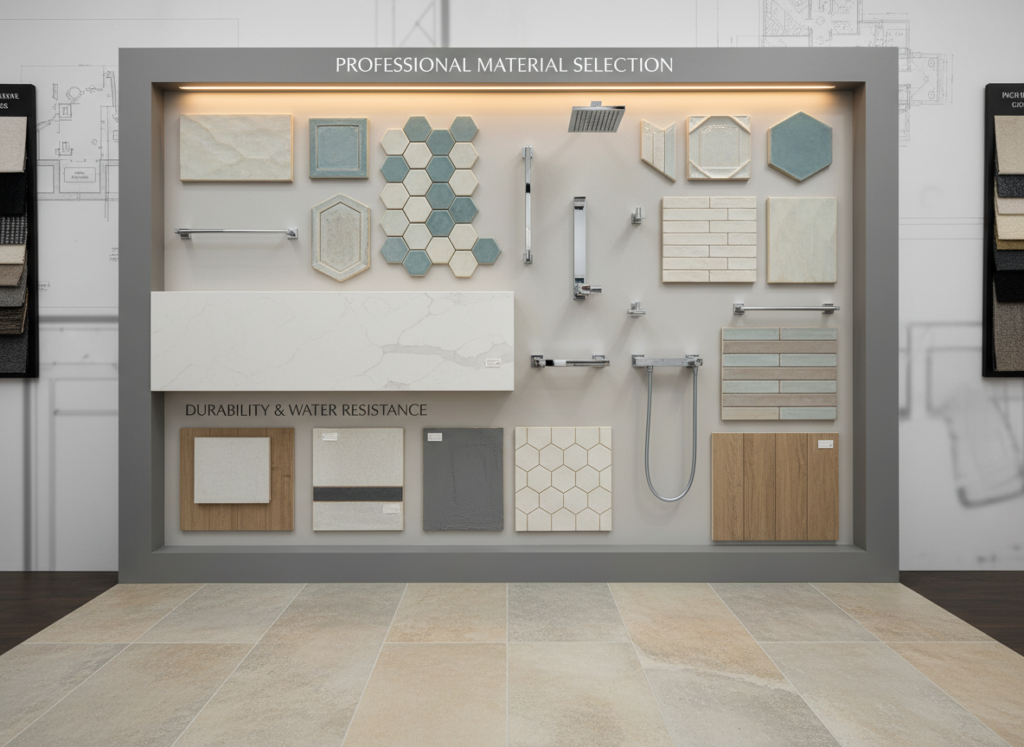
Material choices affect both immediate appearance and long-term performance. Bathrooms demand water-resistant, durable materials. Quality selections prevent premature failure and costly repairs.
Waterproof Flooring Materials
Bathroom floors face constant moisture exposure. The right flooring withstands water while maintaining beauty. Several materials meet these demanding requirements.
Porcelain tile tops the list for bathroom flooring. It resists water absorption better than ceramic. The dense material withstands heavy use without cracking.
Luxury vinyl planks offer waterproof performance at lower costs. Modern versions mimic wood and stone convincingly. Installation runs easier than tile for DIY projects.
Wall and Tub Surround Options
Tub surrounds take the most water exposure. Proper materials prevent mold growth and water damage. Several options balance aesthetics with performance.
Ceramic and porcelain tile remain classic choices. They last decades when properly installed. Grout requires sealing to maintain water resistance.
Acrylic panels provide seamless waterproof surfaces. They install quickly without grout lines. The smooth surface resists soap scum and mildew.
- Porcelain tile for superior water resistance
- Natural stone for luxury appearance
- Glass tile for light-reflecting sparkle
- Acrylic panels for low-maintenance surfaces
- Cement board backing for proper tile installation
Explore Waterproof Bathroom Materials
Find durable, water-resistant materials for your small bathroom remodel. Browse tiles, panels, and waterproofing products built to last.
Final Touches and Bathroom Accessories

Accessories complete your bathroom transformation. These finishing touches add personality and function. Thoughtful selection prevents clutter while enhancing style.
Essential Bathroom Accessories
Start with functional necessities. Towel bars, toilet paper holders, and robe hooks serve daily needs. Choose finishes matching your faucet and hardware.
Soap dispensers and toothbrush holders reduce countertop clutter. Wall-mounted versions work especially well in small spaces. They keep surfaces clear for easy cleaning.
A small stool or bath mat adds comfort and safety. Choose quick-drying materials that resist mildew. Neutral colors maintain visual calm.
Decorative Elements
Small bathrooms need restrained decoration. One or two carefully chosen pieces create interest without crowding. Quality beats quantity in compact spaces.
A single framed print or photograph personalizes the space. Choose water-resistant framing for bathroom humidity. Position artwork at eye level for proper impact.
Live plants bring natural life to bathrooms. Select varieties that thrive in humid conditions. Small pothos or ferns work perfectly on shelves or windowsills.
Hardware Finishes
- Chrome for classic shine
- Brushed nickel for subtle elegance
- Matte black for modern edge
- Brass for warm traditional
Storage Accessories
- Over-toilet shelving units
- Shower caddies and organizers
- Magnetic strip for tools
- Drawer dividers and organizers
Comfort Items
- Quick-dry bath mat
- Plush towel set
- Bathrobe hook
- Step stool for accessibility
Creating Your Perfect Small Bathroom with Tub
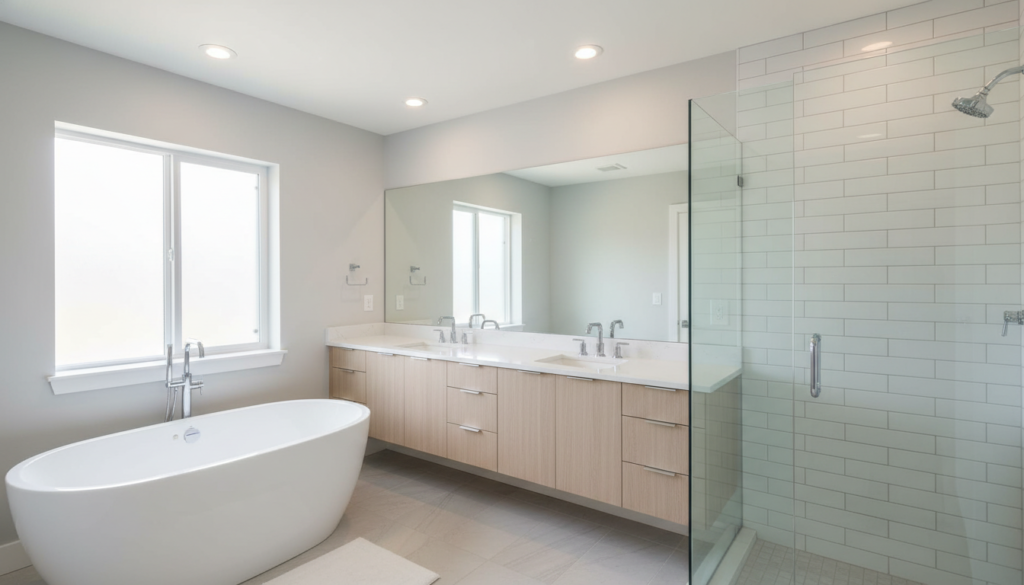
Transforming a small bathroom with a tub requires thoughtful planning and smart choices. Every decision impacts both function and aesthetics. The strategies outlined here work together to maximize your space.
Start with careful measurement and realistic budgeting. Choose a tub that fits your space and lifestyle. Select light colors and reflective surfaces to expand visual boundaries.
Invest in quality materials that withstand moisture and daily use. Prioritize good lighting to brighten and enlarge the space. Add storage solutions that utilize vertical space efficiently.
Remember that small doesn’t mean sacrificing style or comfort. With the right approach, your compact bathroom becomes a beautiful, functional retreat. Each element works together to create a space you’ll love for years.
Take your time during the planning phase. Research products thoroughly before purchasing. Consider consulting professionals for complex installations like plumbing and electrical work.
Your small bathroom remodel journey begins with a single step. Use these ideas as inspiration and guidance. The result will be a space that proves good things truly do come in small packages.