A cluttered laundry space can turn washing clothes into a frustrating chore. Small laundry rooms present unique challenges that demand creative thinking and strategic planning. Limited floor space means every inch counts.
This Website contains affiliate links. That means I may earn a small commission if you purchase through my links, at no extra cost to you.
The good news? Your compact laundry area can become a model of efficiency. Smart organization transforms chaos into calm. With the right approach, even the smallest room becomes functional and pleasant.
This guide reveals practical strategies for small laundry room organization. You’ll discover storage solutions, space-saving techniques, and arrangement ideas that actually work in tight quarters.
Quick Navigation Guide
Jump to the section you need most:
- Assess Your Laundry Space
- Maximize Vertical Storage
- Smart Shelving Solutions
- Washer and Dryer Arrangement
- Drying Rack Solutions
- Laundry Sorting Systems
- Door Storage Ideas
- Detergent and Supplies Storage
- Creating Folding Space
- Cabinet Installation Ideas
- Basket Organization
- Ironing Board Storage
- Cleaning Supply Organization
- Declutter Your Laundry Room
- Essential Shopping Guide
Assess Your Small Laundry Room Layout
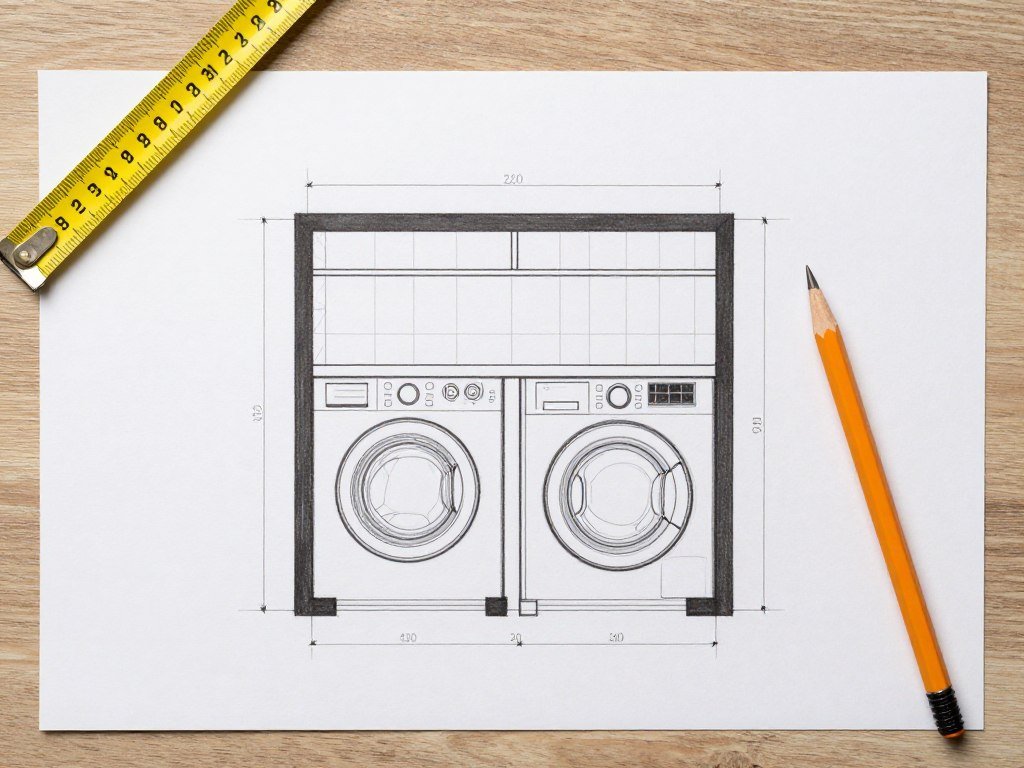
Understanding your space is the foundation of effective laundry room organization. Measure the room dimensions carefully before making any changes. Write down the width, length, and height of your laundry space.
Identify problem areas where clutter accumulates. Notice where items pile up or cause bottlenecks. These spots reveal what your room lacks.
Related Posts:





Consider installing solutions that work with your room’s unique shape. Corner spaces often go unused. Awkward nooks can become storage goldmines with the right approach.
Measure Everything Precisely
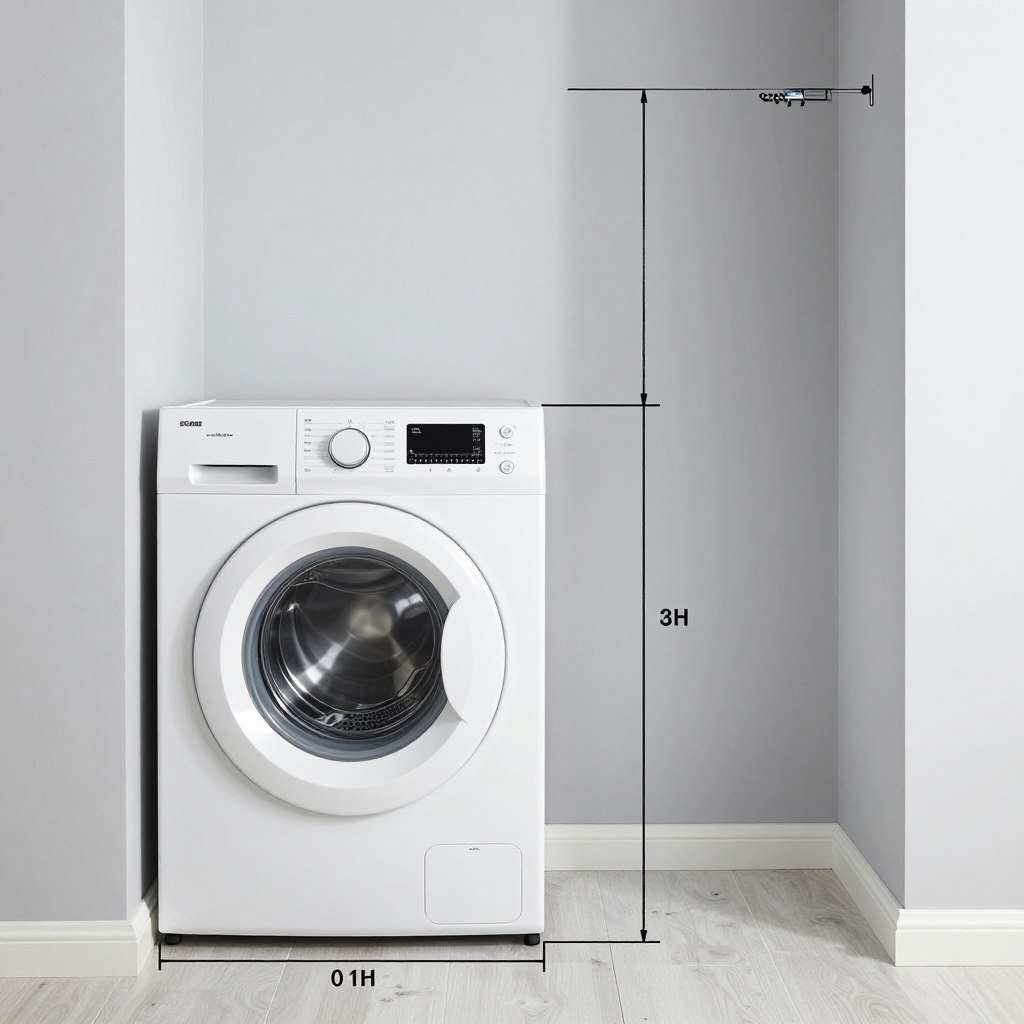
Your washer dryer dimensions determine what fits around them. Leave at least four inches between appliances and walls for ventilation. This prevents overheating and allows easy access for maintenance.
Ceiling height matters more than you might think. Tall ceilings enable vertical storage that doesn’t interfere with your workflow. Low ceilings require creative horizontal solutions.
Map Your Workflow Pattern
Think about how you move through the space during laundry day. Your washing machine should be easily accessible. Space for sorting dirty clothes prevents piles on the floor.
The path from washer to dryer should stay clear. Nothing should block this essential movement. Make space between these appliances if possible.
Folding clothes requires a dedicated surface. This area needs good lighting and comfortable height. Place it near where clean laundry emerges from the dryer.
Maximize Vertical Storage in Your Laundry Space
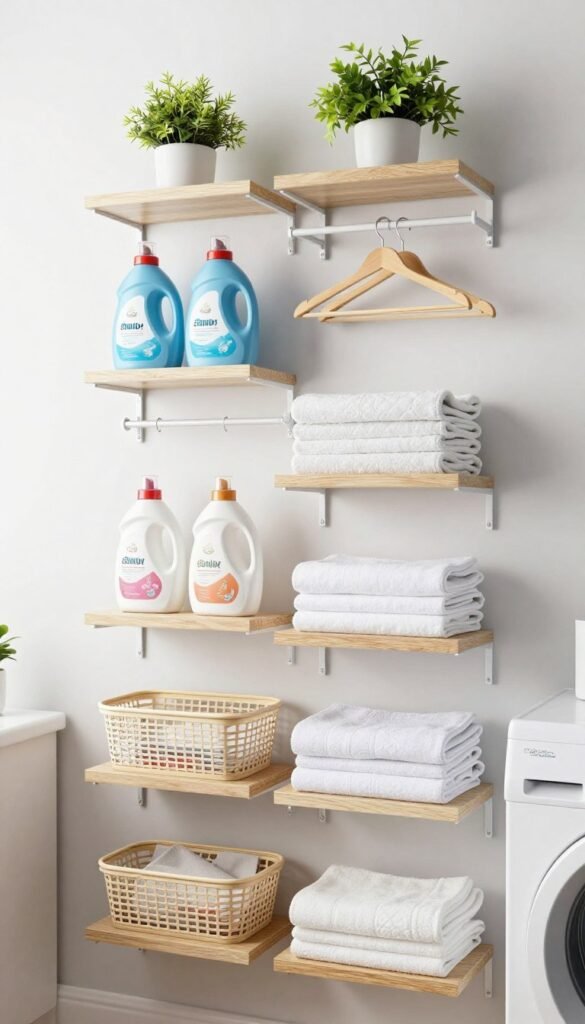
Wall space is your secret weapon in a small laundry room. Most people only use the lower portion of their walls. Going vertical multiplies your storage capacity without consuming floor space.
Install floating shelves above your washer and dryer. These shelves hold detergent, dryer sheets, and other supplies. Keep frequently used items at eye level for easy access.
Consider installing wall-mounted drying racks that fold away when not needed. These racks provide extra drying space without permanent floor occupation. They’re perfect for delicate items that shouldn’t go in the dryer.
Wall-Mounted Shelf Systems
Adjustable shelving systems adapt as your needs change. You can reposition shelves to accommodate different item sizes. This flexibility proves invaluable over time.
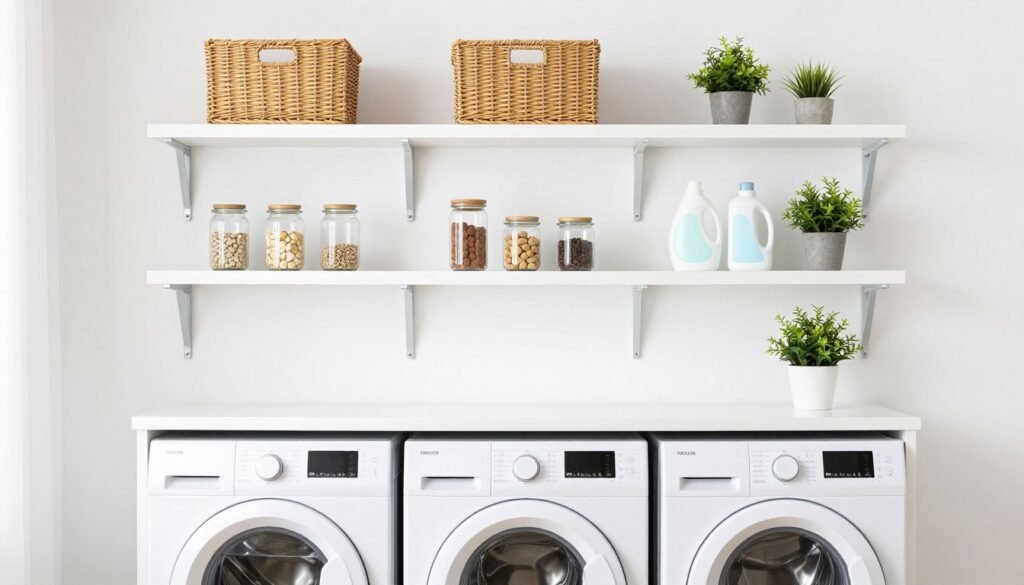
Wire shelving allows air circulation around stored items. This prevents mustiness in humid laundry rooms. The open design also makes it easy to spot what you need.
Wooden shelves add warmth to utilitarian spaces. They can support heavier items like bulk detergent containers. Choose moisture-resistant finishes for laundry room conditions.
Hooks and Hanging Solutions
Simple hooks solve multiple storage problems. Hang drying racks on the wall when not in use. Mount hooks for hanging clothes straight from the washer to prevent wrinkles.
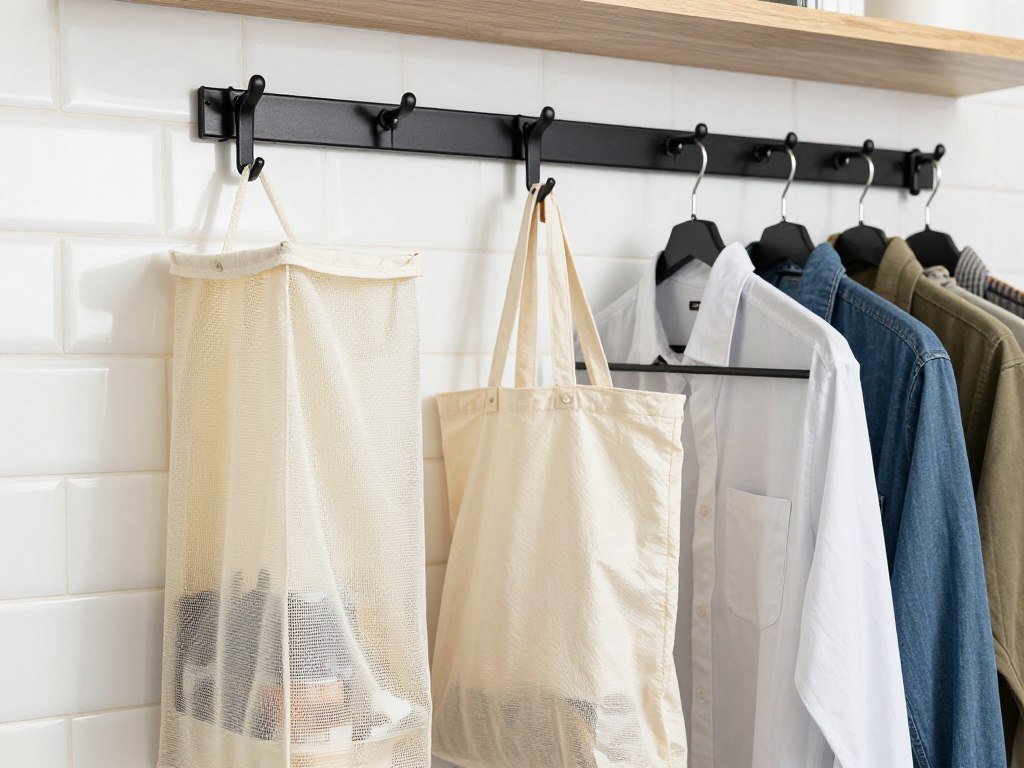
Pegboard installations create customizable hanging storage. You can rearrange hooks and baskets as needs evolve. This system works beautifully for small tools and supplies.
Over-the-door organizers maximize often-wasted space. These hang on the back of your laundry room door. They’re ideal for storing cleaning supplies and small items.
Smart Shelving Solutions for Small Laundry Rooms
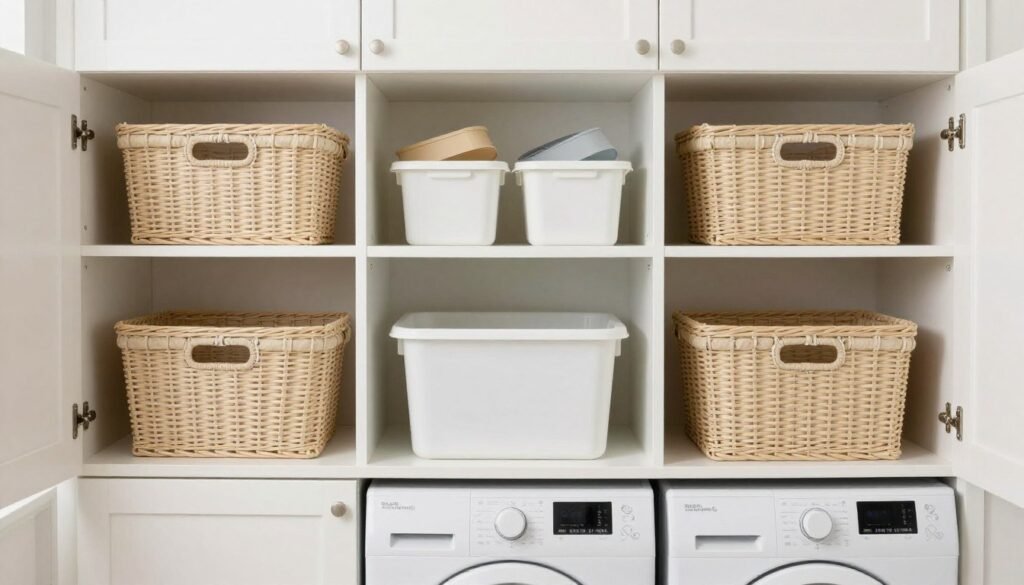
Strategic shelving turns unused wall space into functional storage. The right shelf configuration depends on what you need to store. Plan your shelving around your specific items.
Deep shelves accommodate laundry baskets and bulk supplies. Shallow shelves work better for detergent bottles and smaller items. Mix depths to maximize storage efficiency.
Open Versus Closed Shelving
Open shelves provide easy access to everyday items. You can see everything at a glance. This visibility helps you remember what you have and prevents overbuying.
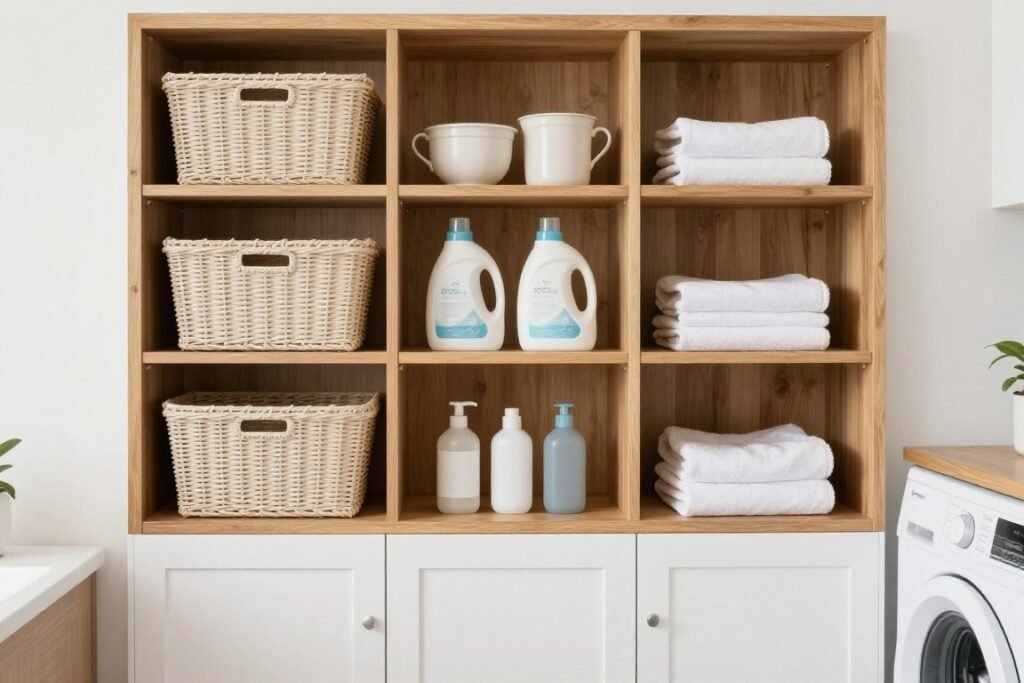
Closed cabinets hide visual clutter behind doors. They protect items from dust and moisture. Cabinets create a cleaner, more streamlined appearance.
A combination approach often works best. Use closed storage for items you rarely need. Keep daily essentials on open shelves for convenience.
Corner Shelving Strategies
Corner spaces challenge even organized people. Triangular corner shelves fit into these awkward spots. They transform dead space into useful storage.
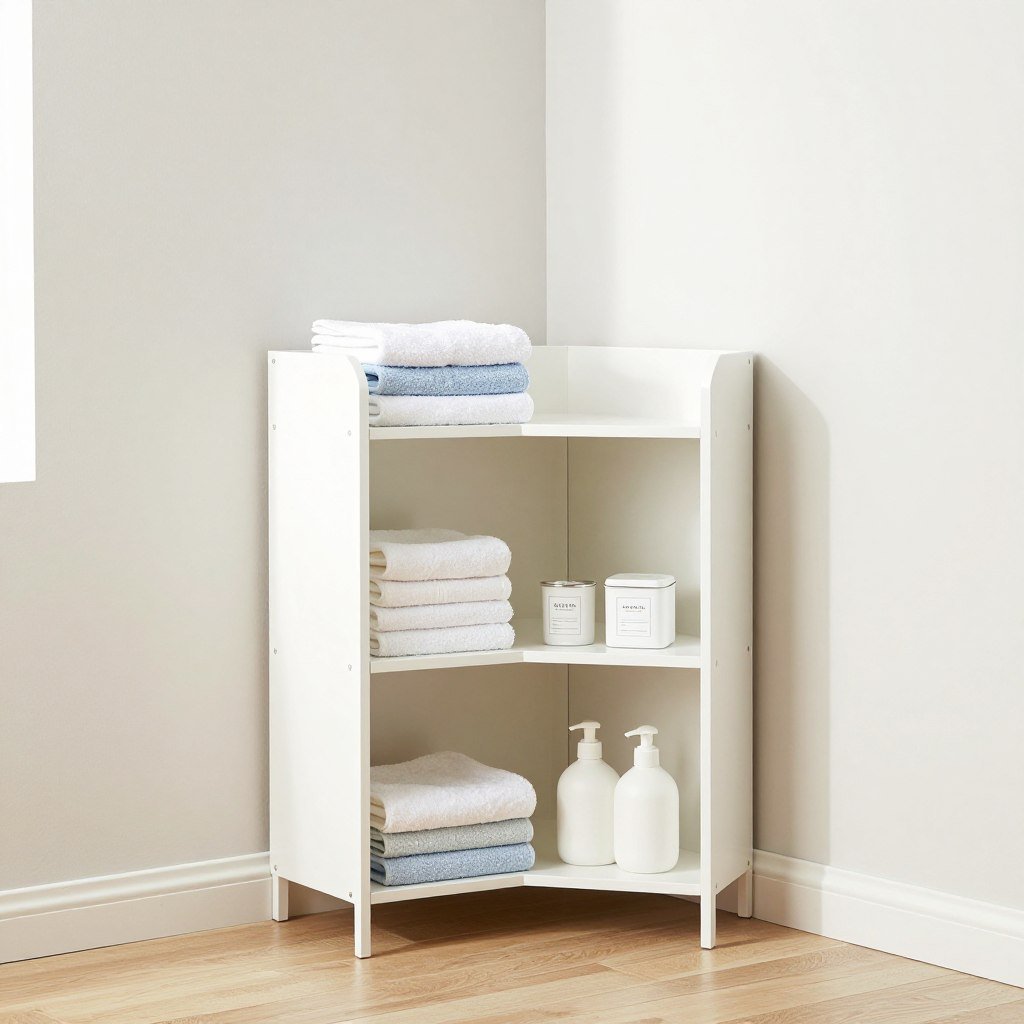
Lazy Susan systems make corner cabinet contents accessible. Spin the shelf to reach items at the back. This eliminates the frustration of unreachable corners.
Stacking corner shelves build upward instead of outward. This approach suits small laundry rooms where every inch of floor space matters. Vertical corners become storage towers.
Find Your Perfect Storage Solutions
Ready to maximize your laundry room storage? Explore organization essentials designed specifically for small spaces. From stackable bins to adjustable shelving, discover products that transform tight quarters into efficient zones.
Optimize Your Washer and Dryer Arrangement
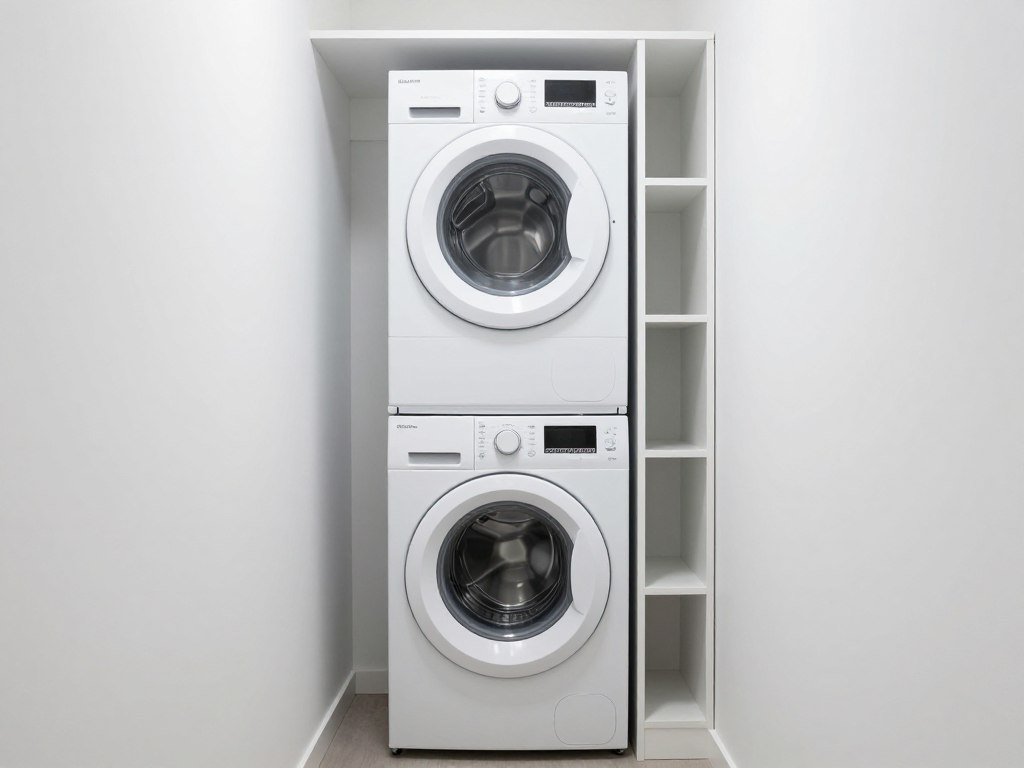
Your washer dryer placement sets the foundation for room organization. Stacking these appliances frees valuable floor space. Front-loading models stack securely with proper mounting kits.
Side-by-side arrangements work when you have width but limited height. This layout allows a countertop above both machines. The counter becomes your folding space and supply storage.
Stacking Benefits and Considerations
Stacked configurations nearly double your usable floor area. The space beside stacked machines accommodates shelving or cabinets. This vertical approach suits narrow laundry rooms perfectly.
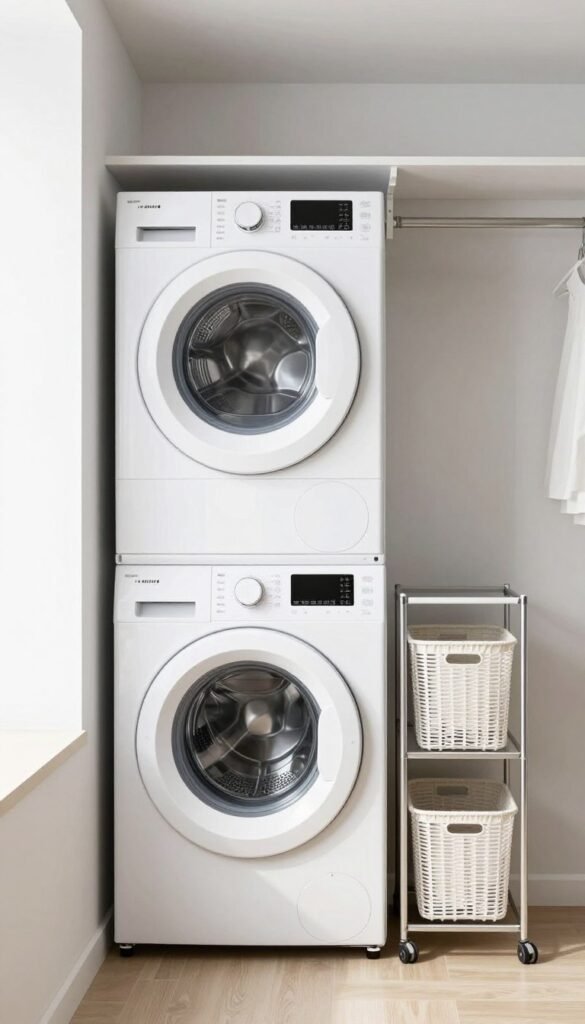
Ensure your dryer has proper ventilation when stacked. Check manufacturer specifications before stacking. Some models require specific stacking kits for safety.
Loading and unloading a stacked dryer requires reaching higher. Consider installing a small step stool nearby. This makes accessing the top dryer comfortable for everyone.
Creating Counter Space Above Machines
A countertop over side-by-side machines creates instant workspace. This surface handles folding clothes and sorting tasks. Choose durable, moisture-resistant materials.
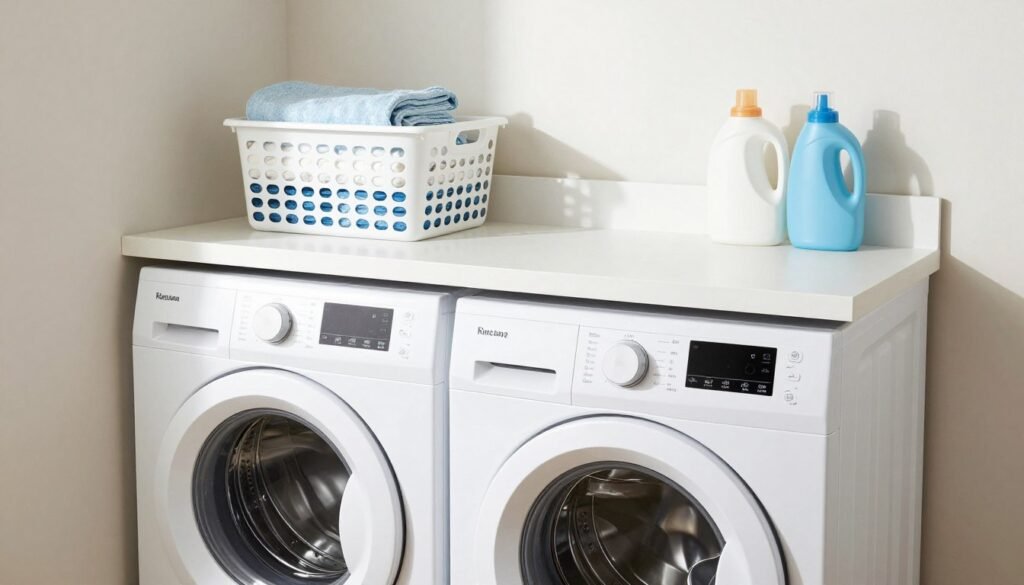
Butcher block counters add warmth and durability. Laminate options cost less and resist moisture well. Consider installing a countertop even in rental spaces with temporary solutions.
Make space beneath the counter for baskets. Slide laundry baskets under the counter when not in use. This keeps the floor clear and maximizes every square inch.
Space-Saving Drying Rack Solutions

Drying racks provide essential space for air-drying delicate items. Wall-mounted drying racks fold flat when not needed. They extend when you have clothes to dry, then disappear against the wall.
Retractable clotheslines work similarly to folding racks. Install one end on a wall and pull the line across when needed. These lines support multiple garments while using minimal space.
Ceiling-Mounted Drying Solutions
Look up to find untapped drying space. Ceiling-mounted drying racks utilize overhead room. Some models lower for easy loading and raise back up out of the way.

Pulley systems let you raise and lower drying racks easily. Load clothes at a comfortable height, then hoist them up. This old-fashioned solution still works beautifully in modern laundry rooms.
Consider installing multiple small drying racks instead of one large unit. Distribute them around the room based on available wall space. This flexible approach adapts to your room’s unique shape.
Portable and Foldable Options
Freestanding drying racks offer flexibility without installation. Choose models that fold completely flat for storage. Tuck them beside the washer or in a closet when not in use.

Over-the-door drying racks hook onto any door. They add drying space without tools or permanent mounting. The door closes normally even with the rack attached.
Expandable accordion racks adjust to different lengths. Pull them out wide for large loads or compress them for a few items. This adaptability suits varying laundry volumes.
Discover Space-Saving Drying Solutions
Air-drying extends clothing life and saves energy. Find wall-mounted, ceiling-hung, and portable drying racks designed for compact laundry rooms. The right rack maximizes drying capacity without consuming precious floor space.
Create an Efficient Laundry Sorting System
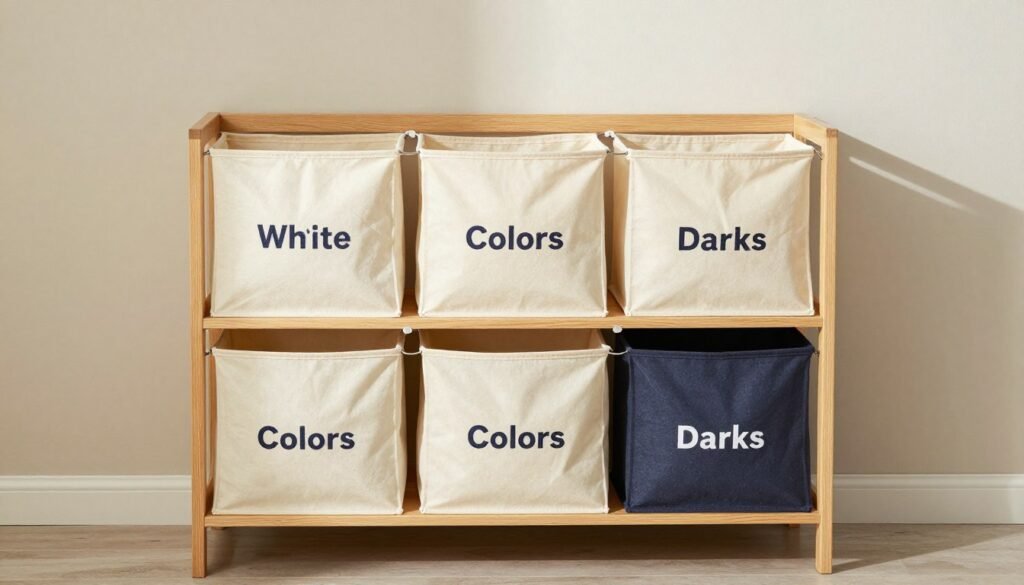
Sorting laundry before washing saves time and prevents color mishaps. A dedicated sorting system keeps dirty clothes organized. Multiple baskets or bags separate colors, whites, and delicates.
Vertical sorting hampers stack baskets in a tower. This arrangement requires minimal floor space. Each level holds a different category of laundry.
Rolling Cart Sorters
Slim rolling carts fit into narrow spaces beside machines. These carts hold multiple laundry bags for different wash types. Roll the cart out when sorting, then tuck it back.

Look for carts with removable bags. Carry bags directly to the washing machine without transferring clothes. This eliminates extra handling and speeds up laundry day.
Some rolling carts include a top surface. Use this shelf for detergent or freshly folded items. Multi-functional furniture maximizes utility in small laundry rooms.
Wall-Mounted Bag Systems
Hang laundry bags on wall hooks to save floor space. Label each bag clearly for easy sorting. Family members can sort their own laundry as they go.

Mesh bags allow air circulation around dirty clothes. This prevents mildew odors from developing. The see-through material also shows when bags need emptying.
Consider installing a simple rod for hanging laundry bags. This approach costs less than specialized systems. A sturdy shower curtain rod can serve this purpose perfectly.
Maximize Door Storage Space
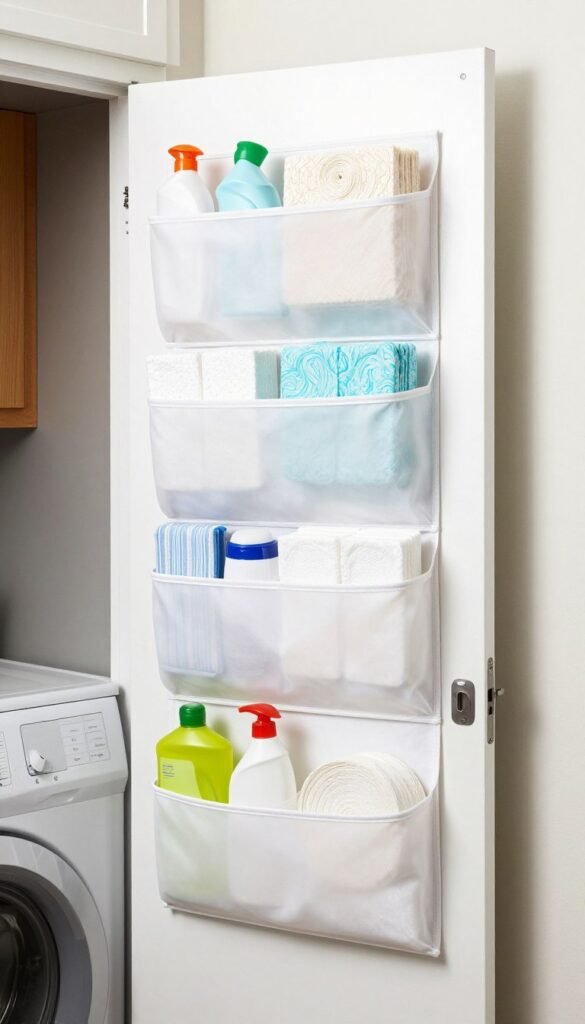
Your laundry room door offers valuable storage real estate. Over-the-door organizers add storage without wall mounting. These systems hang securely without tools or damage.
Clear pocket organizers let you see contents at a glance. Store dryer sheets, stain removers, and small supplies. Everything stays visible and accessible.
Hooks and Hanging Rods
Install hooks on the door back for hanging items. Hang ironing boards vertically to free floor space. Add hooks for hangers holding clothes fresh from the dryer.

A slim rod mounted on the door creates hanging space. Use this for air-drying items or staging clean clothes. The rod shouldn’t interfere with the door closing completely.
Consider installing a small towel bar for damp hand towels. This keeps towels accessible while they dry. Choose a bar that mounts without drilling if you rent your home.
Door-Mounted Ironing Board Holders
Specialized door mounts hold ironing boards vertically. The board slides into the holder when not in use. This solution keeps boards handy but out of the way.
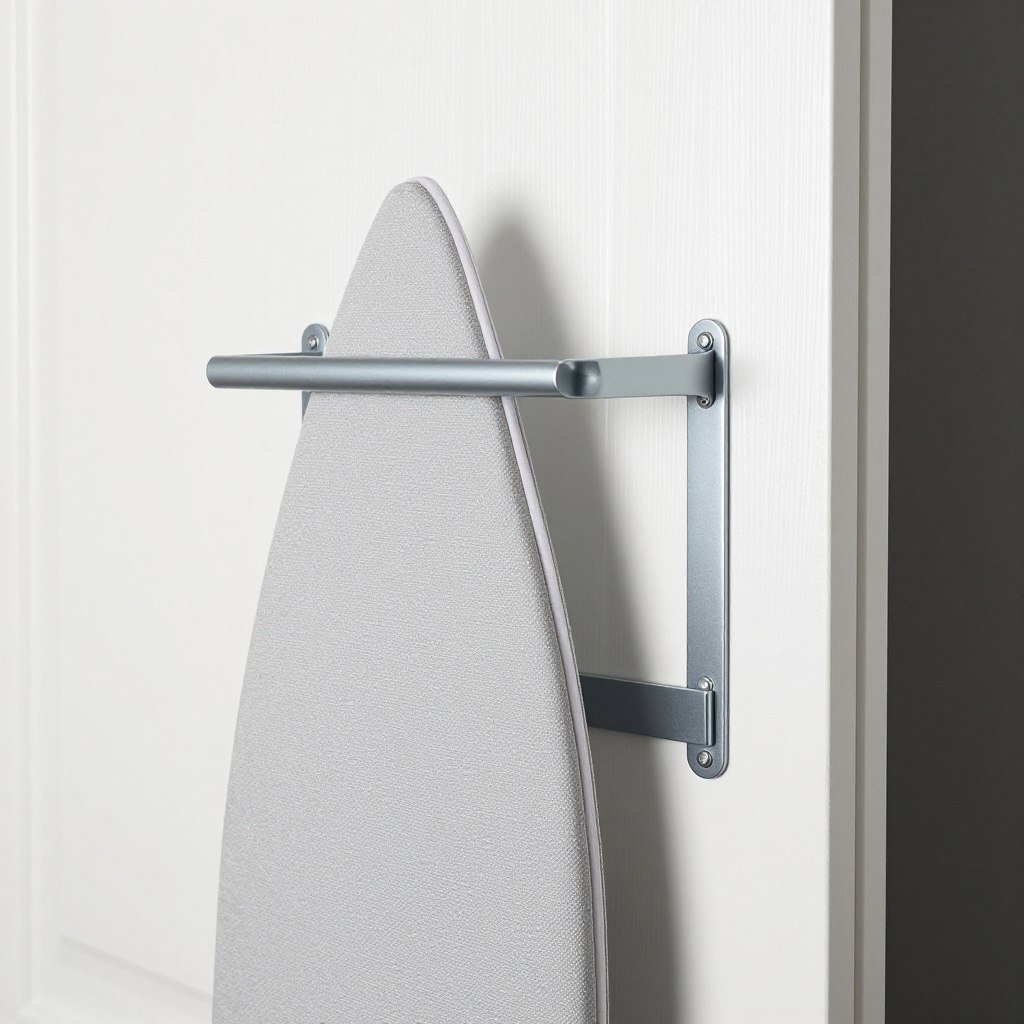
Some systems combine ironing board storage with other features. Look for racks that hold the iron alongside the board. Everything you need for ironing stays together in one spot.
Organize Detergent and Laundry Supplies

Laundry detergent and supplies quickly create clutter. Transfer detergent into clear, airtight containers for easier pouring. These containers often fit better on shelves than bulky original packaging.
Group all detergent, fabric softener, and related items together. Designate one shelf or cabinet for laundry chemicals. This central location prevents searching through multiple spots.
Dispensers and Pump Bottles
Install wall-mounted dispensers for liquid detergent. These pumps eliminate lifting heavy bottles. One-handed operation makes measuring easy even with full arms of laundry.

Pump-style dispensers reduce drips and spills. They keep surfaces cleaner than pouring from bottles. Most hold enough product for multiple loads.
Label each dispenser clearly if they look similar. This prevents accidentally using the wrong product. Family members can do laundry independently with clear labeling.
Small Item Storage Solutions
Dryer sheets, stain sticks, and small supplies scatter easily. Use small bins or drawer organizers to contain them. Everything stays together and easy to find.
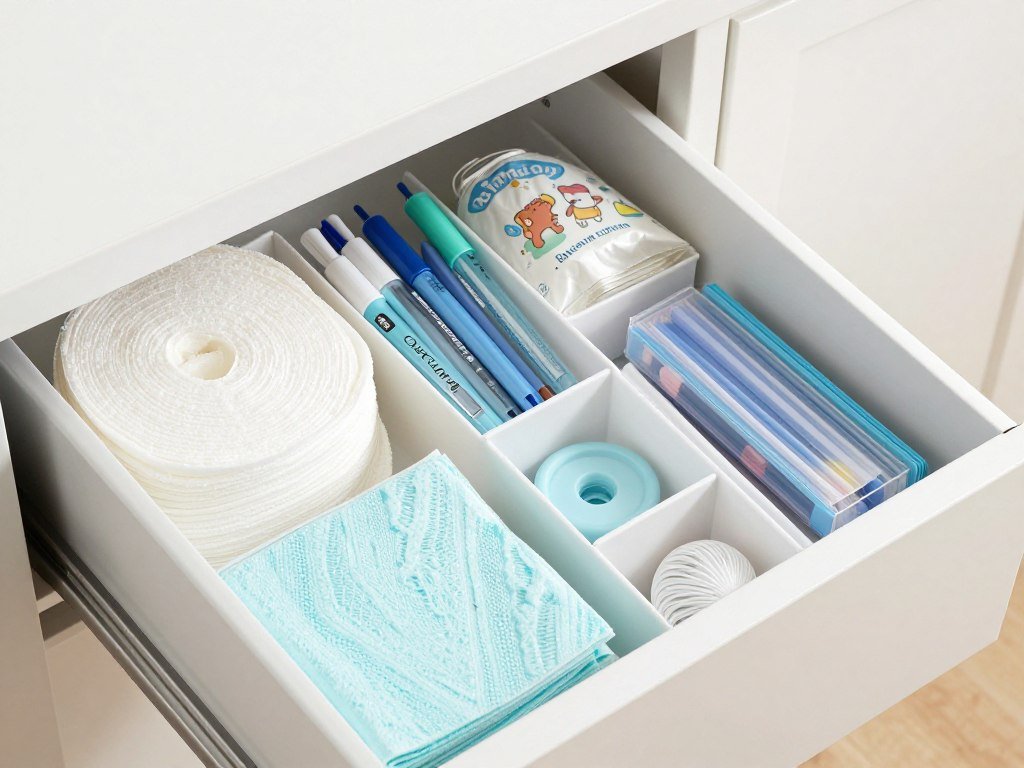
A lazy Susan on a shelf keeps items accessible. Spin it to reach products at the back. This works especially well in deep cabinets where items get lost.
Consider installing a narrow shelf specifically for frequently used items. Keep stain treatments at eye level for quick access. The faster you treat stains, the better the results.
Create Dedicated Folding Space

Folding clothes immediately prevents wrinkles and saves time later. A dedicated folding surface keeps this task efficient. The space doesn’t need to be large, just functional.
Install a countertop above your washer and dryer if possible. This creates an instant folding station. The height is usually perfect for comfortable folding.
Wall-Mounted Folding Tables
Wall-mounted fold-down tables appear when needed. Fold them up against the wall to regain floor space. These tables work beautifully in tight laundry rooms.

Choose a table large enough for your typical laundry load. Too small and you’ll struggle to fold sheets and large items. Measure your needs before purchasing.
Some fold-down tables include storage underneath. Shelves or baskets attach to the table’s underside. This dual functionality maximizes the installation.
Portable Folding Solutions
A sturdy TV tray can serve as a temporary folding surface. Store it flat against a wall when not needed. This simple solution costs little but proves surprisingly effective.

Keep a small step stool in the room for extra seating. Sit while folding clothes to reduce fatigue. The stool doubles as a step for reaching high shelves.
Strategic Cabinet Installation Ideas
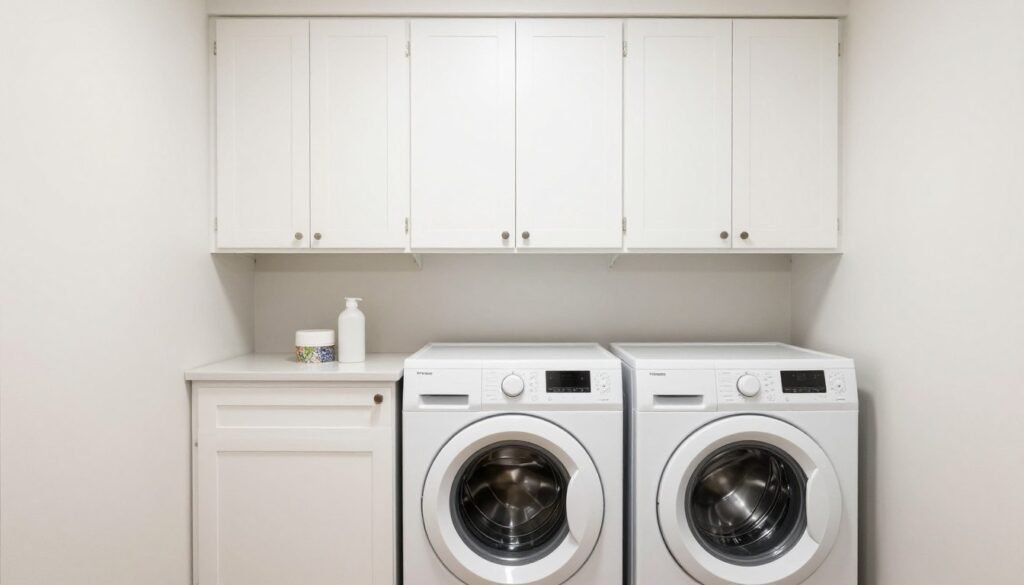
Cabinets hide clutter behind closed doors. They create a cleaner visual environment than open shelving. Installing cabinets transforms a laundry room from chaotic to calm.
Upper cabinets above machines store items you don’t need daily. Lower cabinets beside machines hold laundry baskets and cleaning supplies. This combination maximizes storage throughout the room.
Slim Cabinet Solutions
Narrow pull-out cabinets fit into tight gaps. These slim units slide out to reveal storage. They’re perfect for the space between machines and walls.

A six-inch gap can accommodate a rolling storage tower. These towers pull out for access and push back flush. They hold surprising amounts despite their narrow profile.
Consider installing shallow cabinets on otherwise empty walls. Even four-inch-deep cabinets provide storage for flat items. These work well for drying racks and ironing boards.
Base Cabinet Modifications
Add pull-out shelves to existing lower cabinets. These shelves prevent items from getting lost at the back. Everything slides forward for easy access.
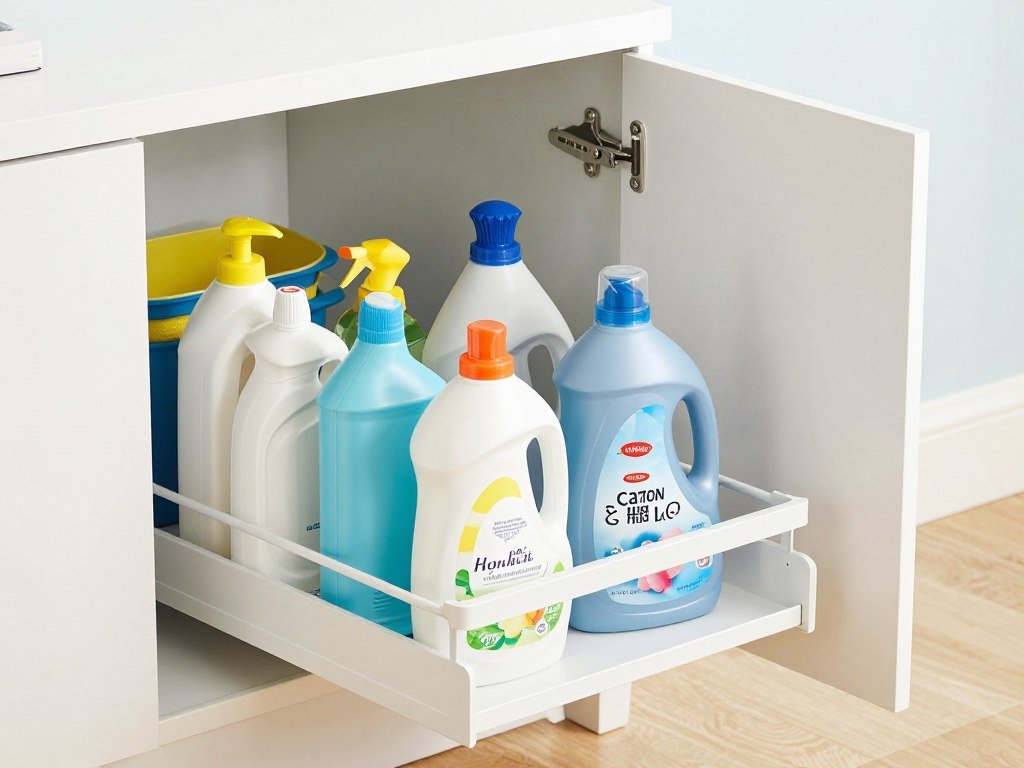
Install tilt-out trays in cabinet fronts. These shallow trays hold small items like clothespins. The false drawer front tilts down to reveal hidden storage.
Use cabinet doors for additional storage. Mount small baskets or racks on door interiors. This doubles your cabinet’s storage capacity.
Effective Basket Organization Strategies

Baskets corral loose items into organized groups. They make shelves look neater while improving functionality. Choose baskets that fit your shelf dimensions precisely.
Label baskets clearly for easy identification. Labels help everyone in the household maintain organization. Use chalkboard labels that you can update as needs change.
Types of Baskets for Different Needs
Wire baskets allow visibility and air flow. They’re ideal for storing clean towels and linens. The open design prevents musty odors in humid laundry rooms.

Wicker or woven baskets add texture and warmth. They hide contents while maintaining an attractive appearance. These baskets suit visible storage areas.
Plastic bins with lids protect items from dust and moisture. Use them for seasonal items or bulk supplies. Clear plastic lets you see contents without opening.
Basket Placement Strategies
Place frequently used baskets at waist height. This makes grabbing items effortless. Store occasional-use baskets higher or lower.

Use uniform basket sizes on each shelf for a cohesive look. Mix sizes on different shelves based on what you’re storing. This approach balances aesthetics with function.
Consider installing baskets on rolling carts for flexibility. Move them easily when cleaning or reorganizing. This mobility suits evolving storage needs.
Smart Ironing Board Storage
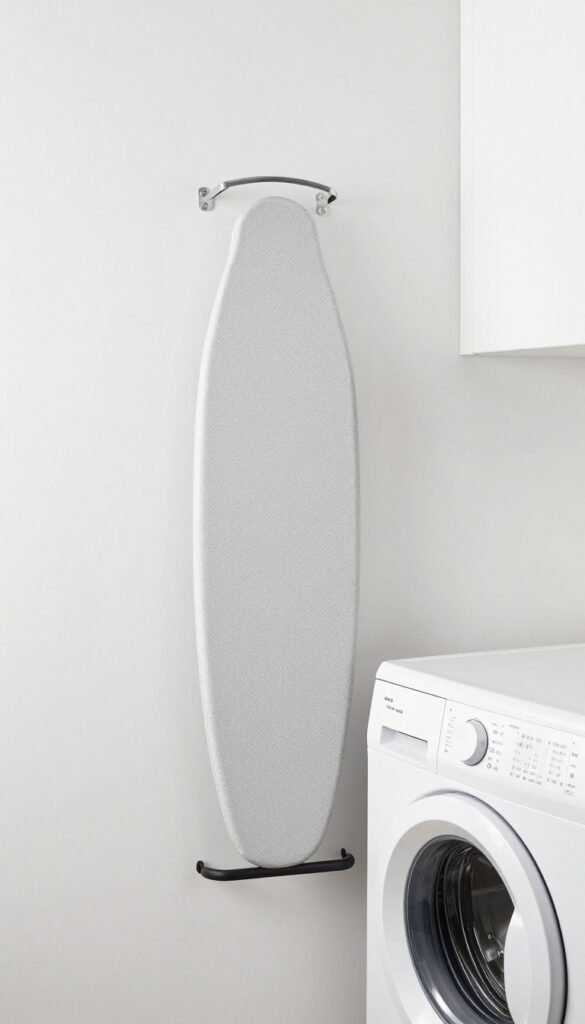
Ironing boards take up significant space when stored traditionally. Wall-mounted holders keep boards accessible but out of the way. The board hangs vertically, using minimal wall space.
Built-in ironing board cabinets offer premium storage. The board folds into a wall cabinet when not in use. These units often include storage for the iron itself.
Over-the-Door Solutions
Simple over-the-door hooks hold ironing boards. This requires no installation and works in rentals. The board hangs flat against the door back.

Look for padded door hooks to prevent door damage. The padding distributes weight evenly. This protects both the door and the ironing board.
Some over-the-door organizers include dedicated ironing board slots. These multi-purpose systems combine several storage needs. They maximize the door’s storage potential.
Cabinet and Closet Options
A tall narrow cabinet can house an ironing board. The board stands upright inside. Add hooks for the iron and spray bottles.

Shallow closets work perfectly for ironing board storage. The board’s slim profile fits in spaces too narrow for other purposes. This makes use of otherwise wasted room.
Organize Cleaning Supplies Efficiently
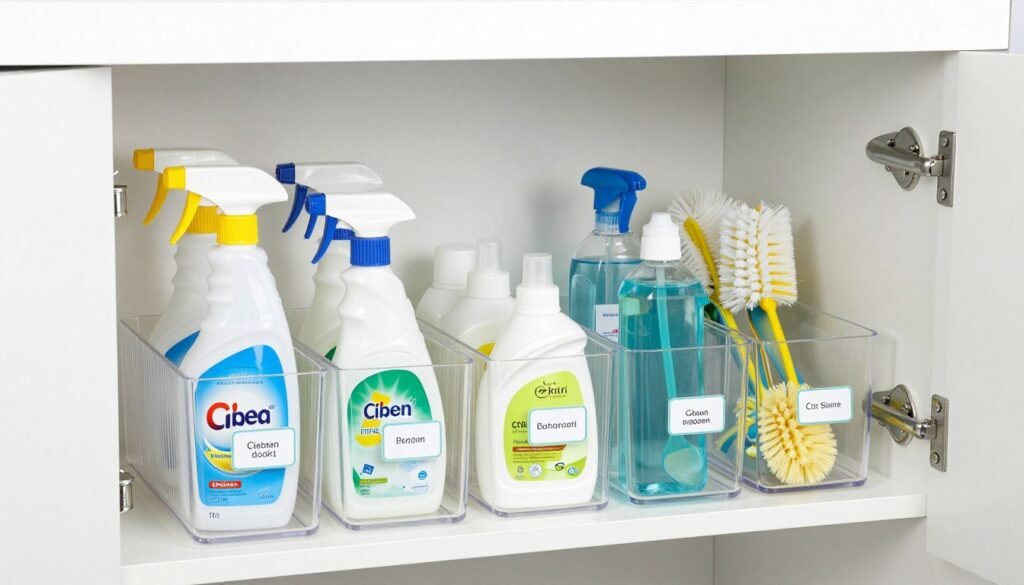
Cleaning supplies naturally accumulate in laundry rooms. These products need organized storage separate from laundry items. Designate specific areas for cleaning versus laundry products.
A rolling caddy holds cleaning supplies in one portable unit. Wheel it to wherever you’re cleaning. This mobility eliminates carrying multiple products.
Vertical Cleaning Supply Storage
Install a narrow shelf for frequently used cleaning products. Keep these at eye level for quick access. Store backups and less-used items higher or in cabinets.
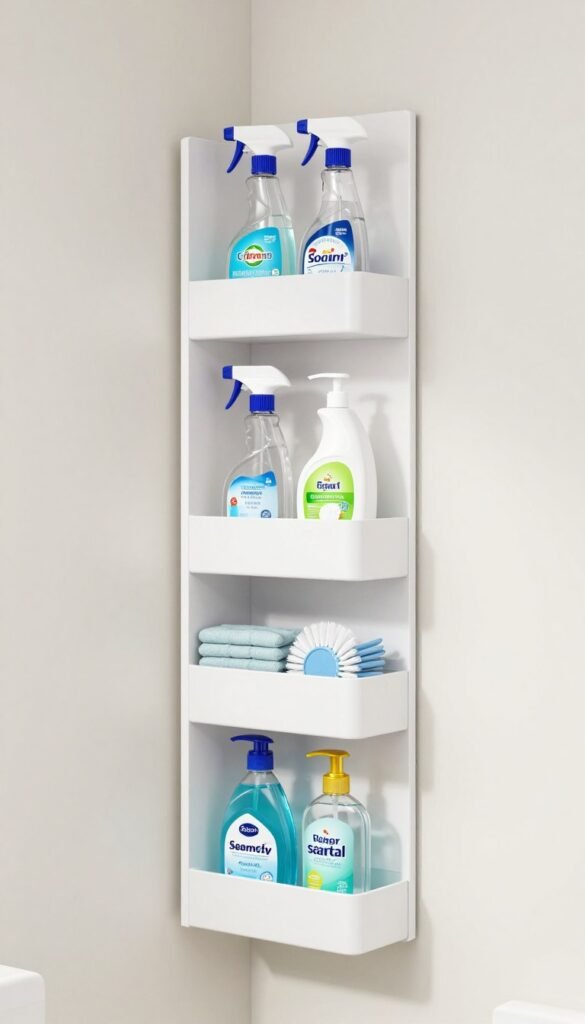
Use tension rods to create dividers in cabinets. These rods prevent spray bottles from tipping. They keep bottles upright and easy to grab.
Mount a small shelf inside cabinet doors. This hidden storage holds sponges and small items. The door closes normally with the shallow shelf installed.
Safety Considerations
Store cleaning supplies in locked cabinets if children or pets access the room. Safety matters more than convenience. Choose cabinets with childproof locks.
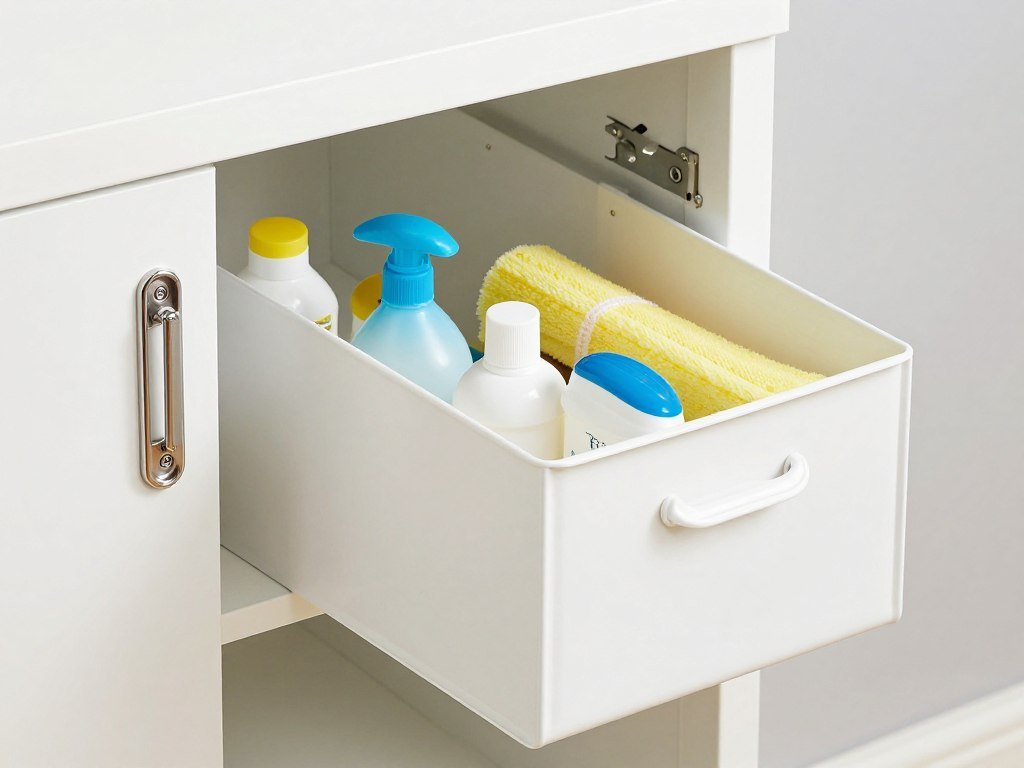
Keep cleaning supplies away from heat sources like dryers. High temperatures can affect chemical stability. Store products in cool, dry locations.
Never transfer cleaning products to unlabeled containers. Original containers include important safety information. Proper labels prevent dangerous mixing or misuse.
Declutter Your Laundry Room
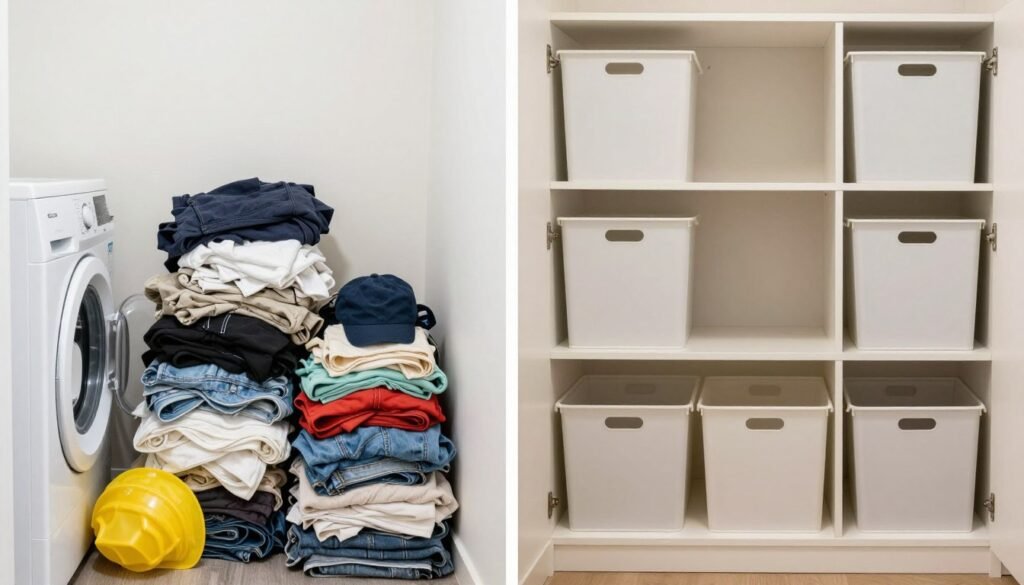
Even organized small laundry rooms become cluttered over time. Regular decluttering maintains functionality. Schedule quarterly reviews of your laundry space.
Remove items that don’t belong in the laundry room. Many rooms accumulate random objects. Return these items to their proper homes.
Reduce Product Inventory
Multiple partially used detergent bottles create clutter. Finish one product before opening another. This simple rule dramatically reduces product accumulation.

Evaluate whether you actually use all your laundry products. Many specialty items see rare use. Donate unused products to make space for essentials.
Buy products in appropriate sizes for your space. Bulk purchasing saves money but creates storage challenges. Balance value with available storage.
Eliminate Single-Purpose Items
Look for tools that serve multiple functions. Multi-purpose items reduce overall clutter. A spray bottle can replace several specialized products.

Question whether you need items you rarely use. Some gadgets seemed essential when purchased but collect dust. Be honest about actual usage patterns.
Digitize manuals and warranty information for appliances. Store photos on your phone instead of keeping paper copies. This frees drawer and shelf space.
Essential Shopping Guide for Small Laundry Room Organization

Storage Essentials
Transform your laundry space with the right storage containers. Baskets, bins, and organizers keep supplies accessible yet tidy. Choose sizes that maximize your specific shelf dimensions.
- Stackable storage bins
- Wire and wicker baskets
- Clear container sets
- Drawer organizers
- Over-door organizers
Space-Saving Fixtures
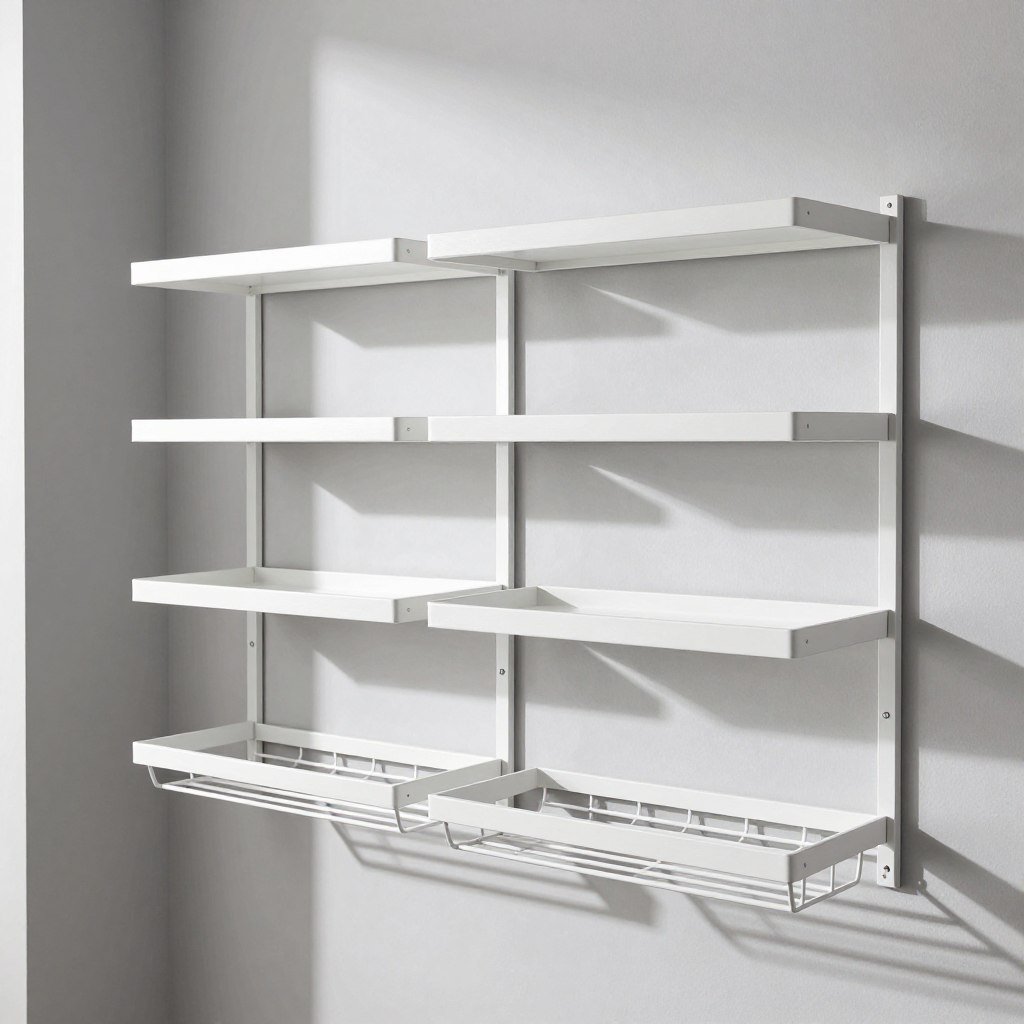
Vertical solutions multiply your storage without consuming floor space. Wall-mounted systems and ceiling fixtures make every inch count in compact rooms.
- Floating shelf systems
- Wall-mounted drying racks
- Retractable clotheslines
- Ceiling drying racks
- Slim rolling carts

Organization Accessories
Small details make big differences in laundry room efficiency. Labels, hooks, and specialty organizers complete your organizational system.
- Sorting hamper systems
- Label makers and tags
- Command hooks variety
- Tension rod sets
- Ironing board holders
Investing in the right organization products transforms functionality. Start with storage solutions that address your biggest pain points. Add vertical systems to maximize space. Complete the system with accessories that maintain order.
Remember to measure your space before purchasing. Products must fit your specific dimensions. Check weight capacities for wall-mounted systems. Choose moisture-resistant materials designed for laundry room conditions.
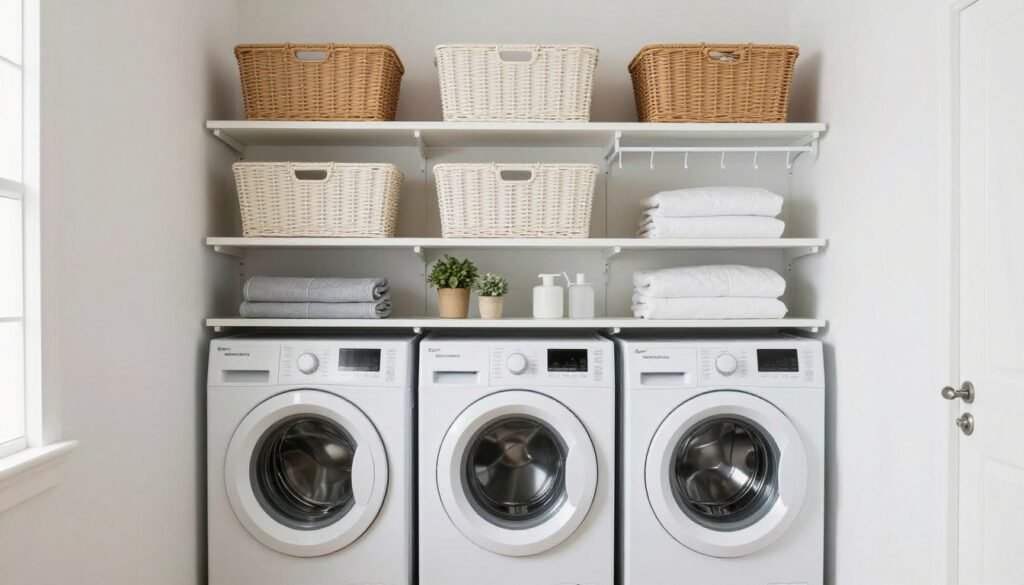
Transform Your Small Laundry Space Today

Small laundry room organization requires creative thinking and strategic planning. Every solution in this guide maximizes limited space while improving functionality. Your compact laundry area can become as efficient as larger rooms.
Start by assessing your specific space and needs. Identify your biggest organizational challenges first. Tackle these priority areas with vertical storage, smart shelving, and space-saving fixtures.
Remember that organization is an ongoing process. Regular decluttering prevents clutter from accumulating. Adjust your systems as your needs evolve over time.
The investment in organization pays dividends daily. Laundry becomes less stressful when everything has a designated place. You’ll save time searching for supplies and folding clothes in a functional space.
Small changes create significant improvements. Even implementing a few ideas from this guide will enhance your laundry room. Begin with one project and build from there until you achieve your ideal organized space.

Your small laundry room holds more potential than you might think. With these organization strategies, limited space becomes an advantage. Compact rooms force efficiency that creates surprisingly functional results. Transform your laundry space and enjoy the benefits every wash day.