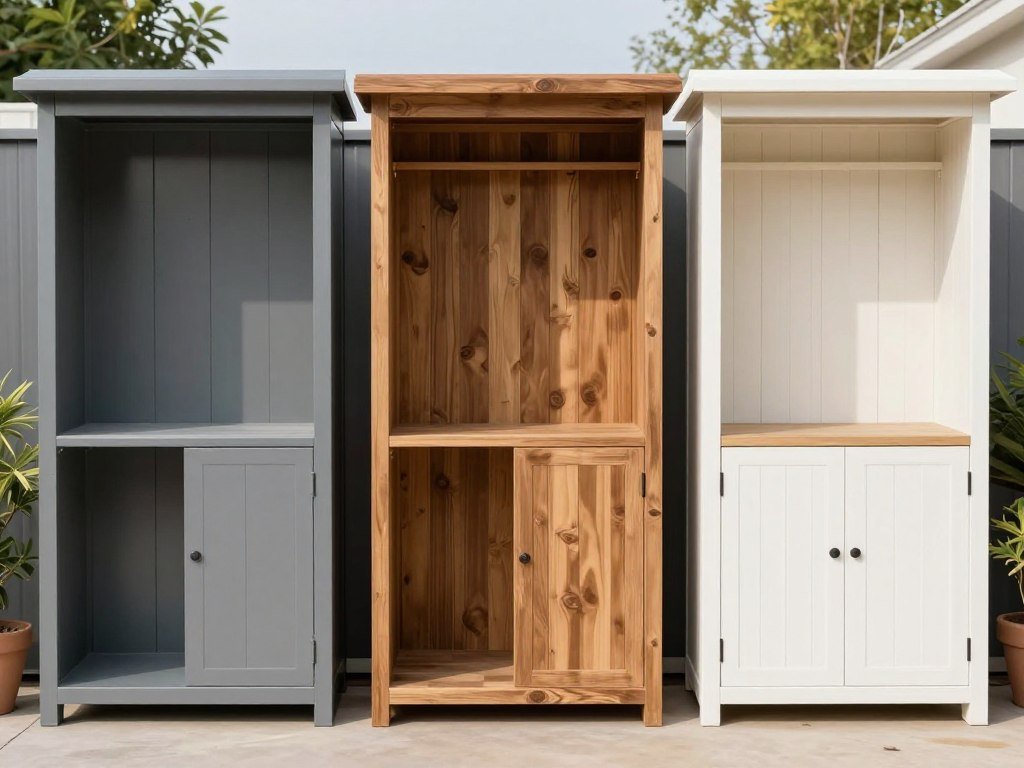
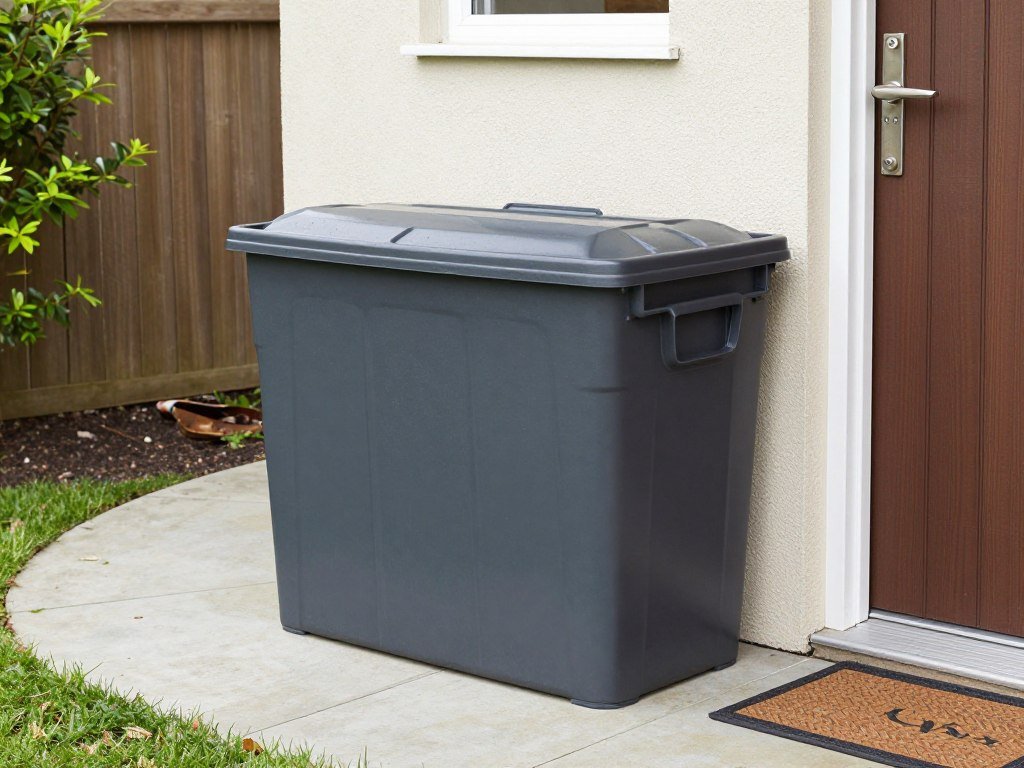
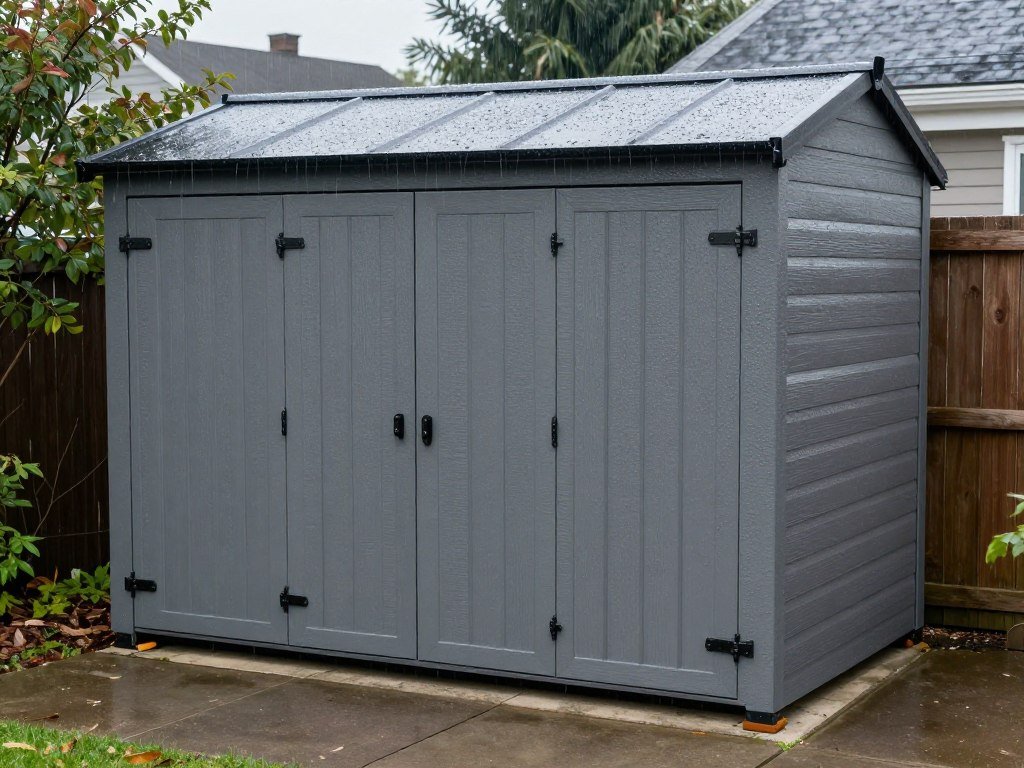
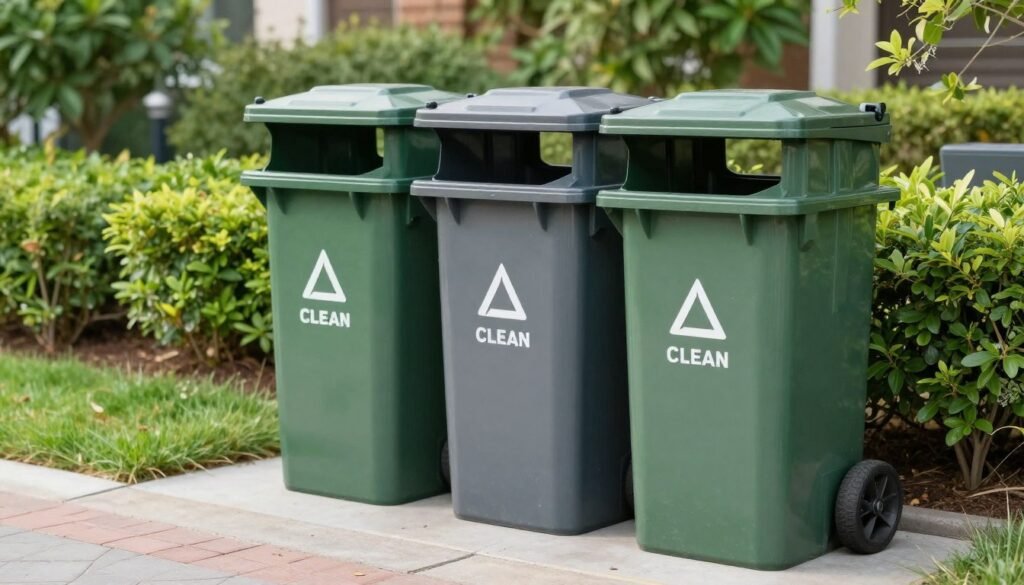
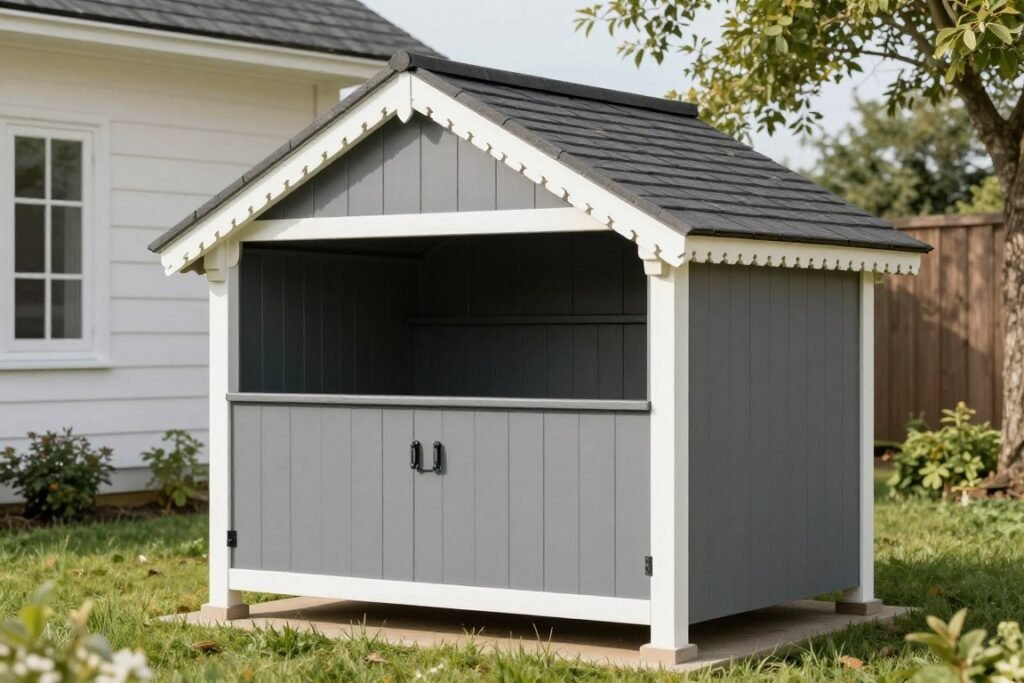
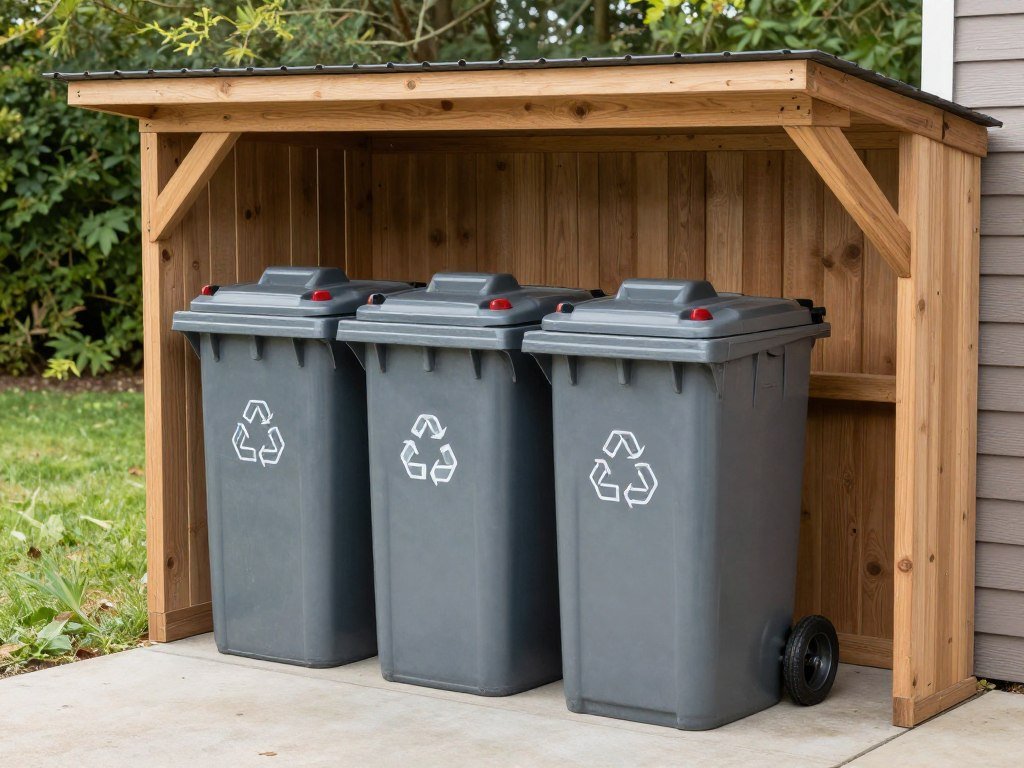
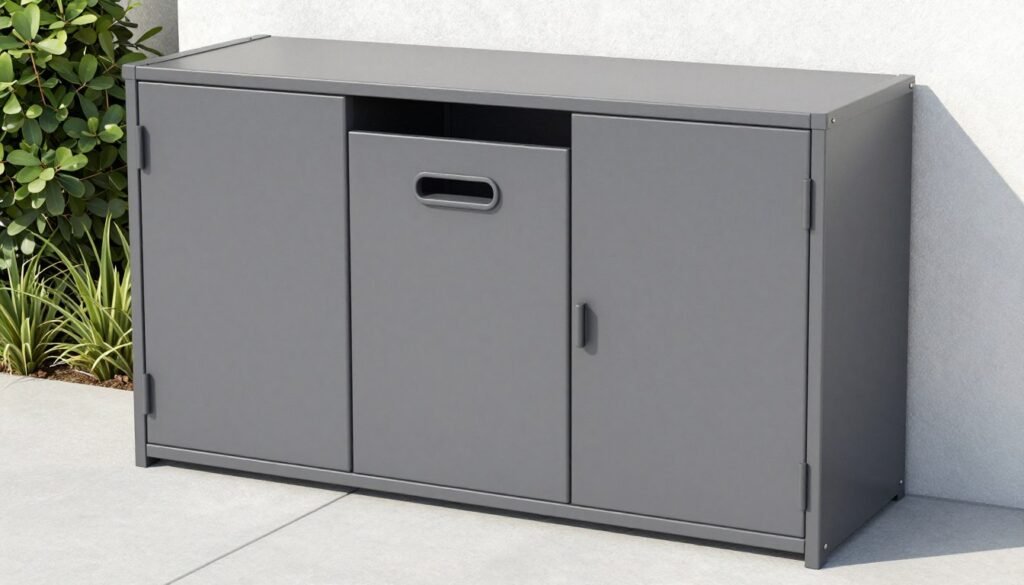
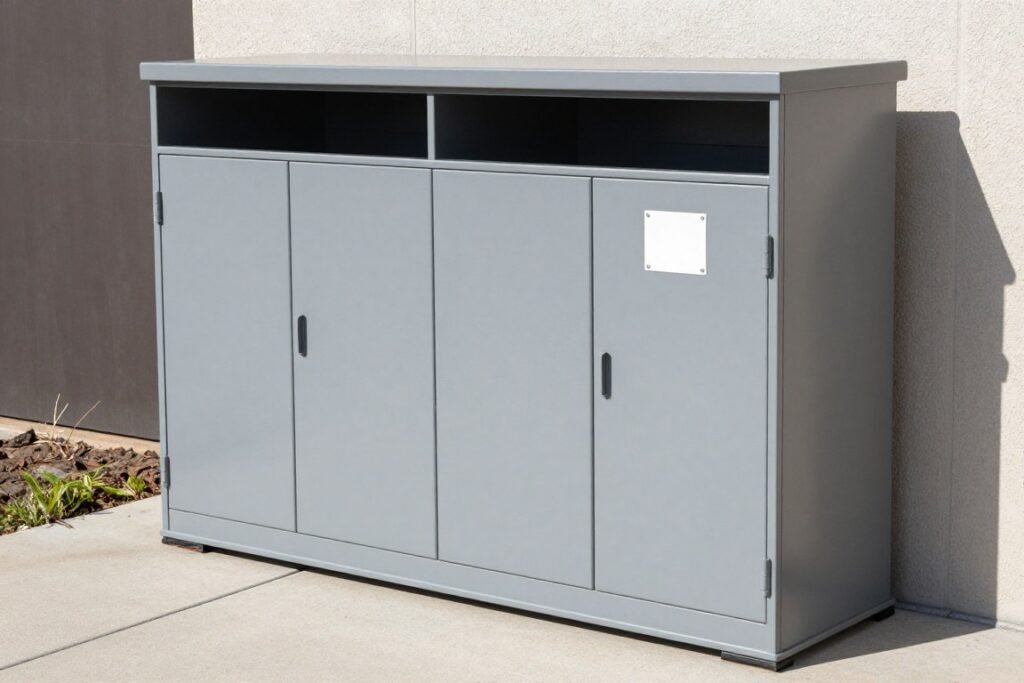
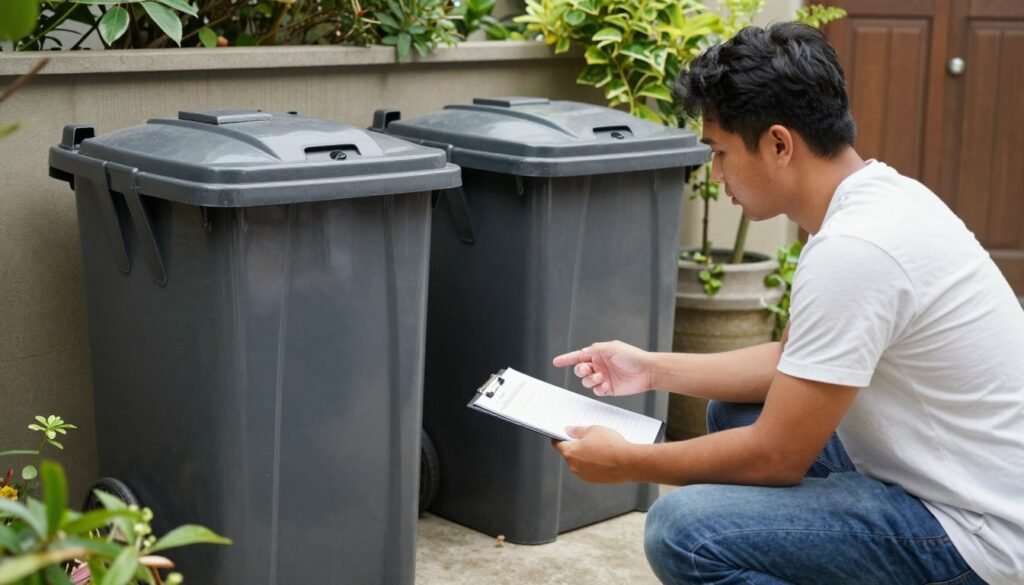
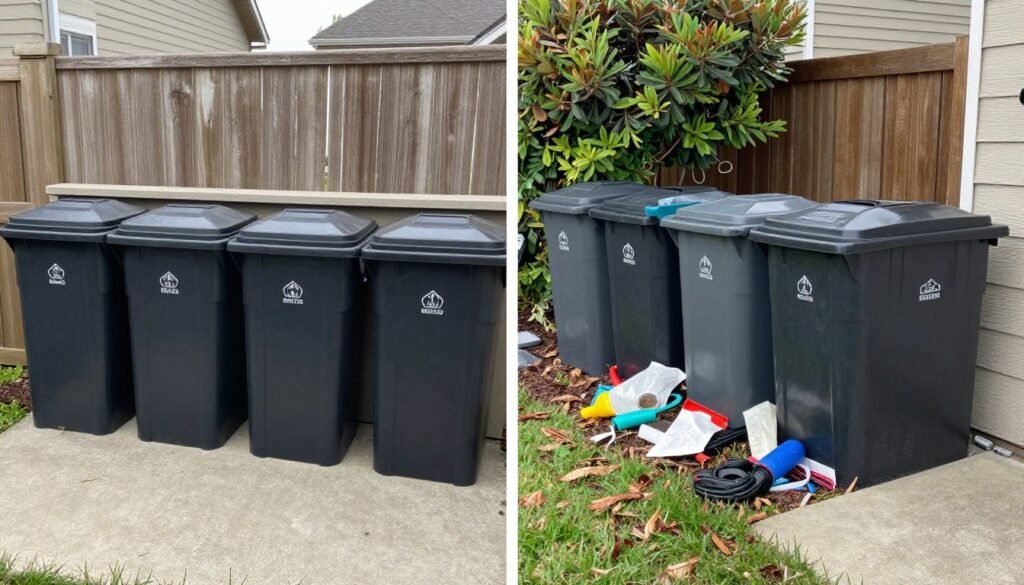
Your outdoor space deserves better than unsightly garbage bins cluttering your patio. Those exposed trash cans create eyesores that diminish your home’s curb appeal. They attract pests and emit unpleasant odors during warm months.
This Website contains affiliate links. That means I may earn a small commission if you purchase through my links, at no extra cost to you.
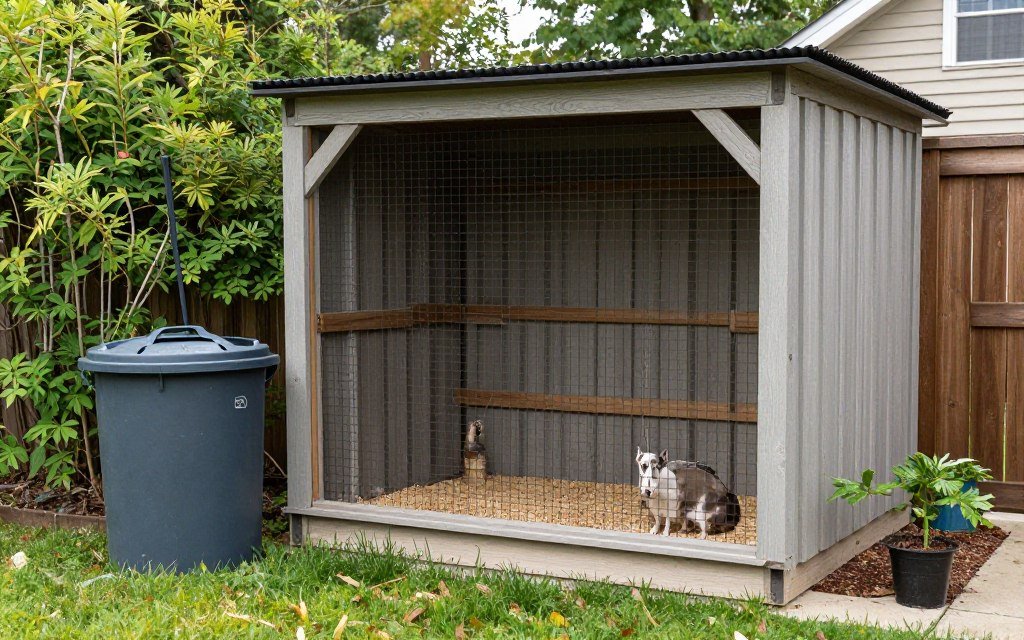
Smart outdoor bin storage solutions solve these problems while adding functional beauty to your yard. A well-designed storage system protects your bins from weather damage. It keeps animals away from your waste.
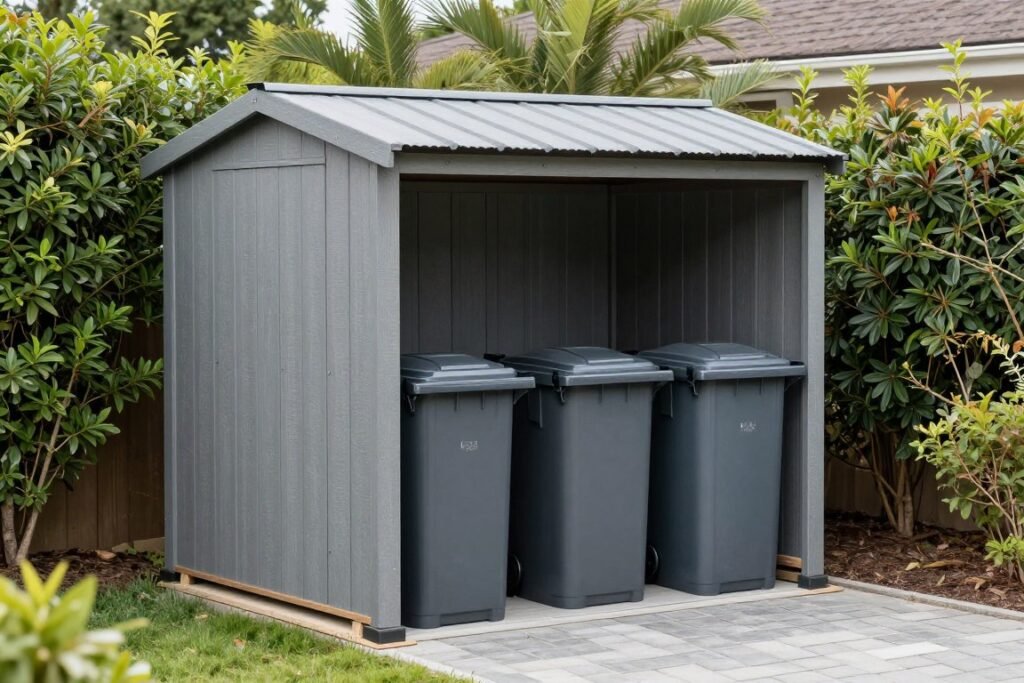
This guide explores proven outdoor trash can storage options that work. You’ll discover metal sheds, resin enclosures, and wooden bin stores. Each solution offers unique benefits for different spaces and budgets.
Why Outdoor Bin Storage Matters for Your Home
Proper waste management starts with organized outdoor storage. Your garbage bins face constant exposure to harsh elements. Rain rusts metal cans while sun degrades plastic bins.
Unprotected trash attracts unwanted visitors to your property. Raccoons, rats, and stray dogs see exposed bins as feeding opportunities. These animals scatter waste across your yard. They create health hazards and cleanup nightmares.
Benefits of Outdoor Bin Sheds
Protects bins from weather damage and extends their lifespan
Prevents pest access and reduces odor spread
Improves property appearance and curb appeal
Organizes recycling and waste in designated spaces
Increases home value through improved outdoor aesthetics
Challenges Without Storage
Bins become breeding grounds for insects and bacteria
Weather causes premature bin deterioration
Scattered trash creates neighborhood complaints
Wind knocks over unsecured containers
Unpleasant odors drift into outdoor living areas
The right storage shed transforms your outdoor space. It turns a problem area into an organized zone. Your patio looks cleaner and more inviting.
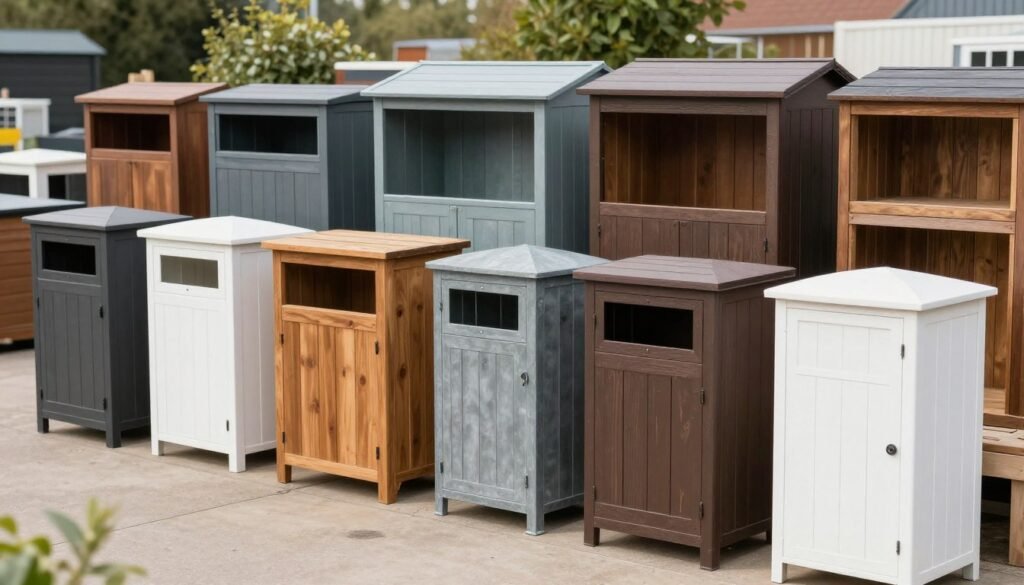
Different outdoor bin storage options suit various needs and budgets. Your choice depends on space availability and aesthetic preferences. Each type offers distinct advantages for waste organization.
Metal Outdoor Bin Sheds
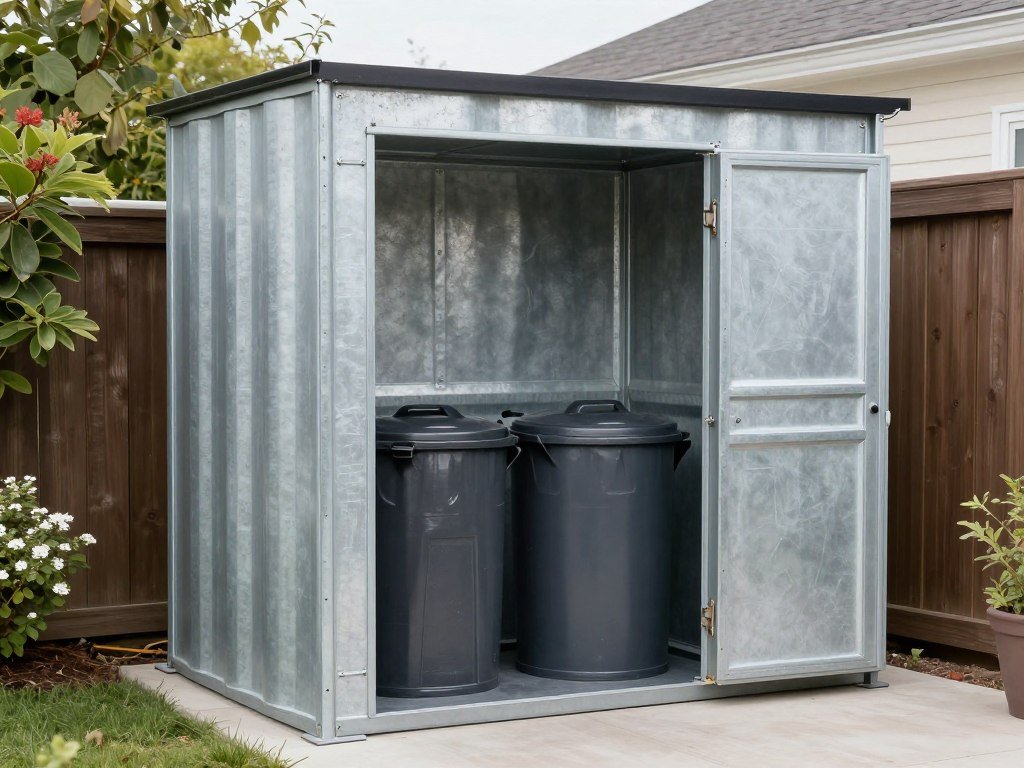
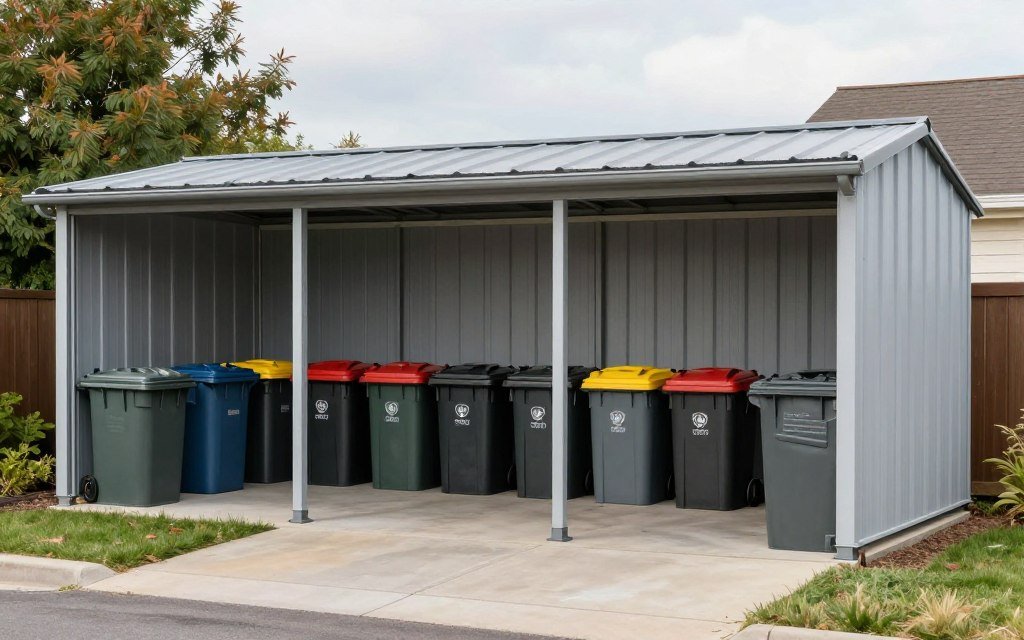
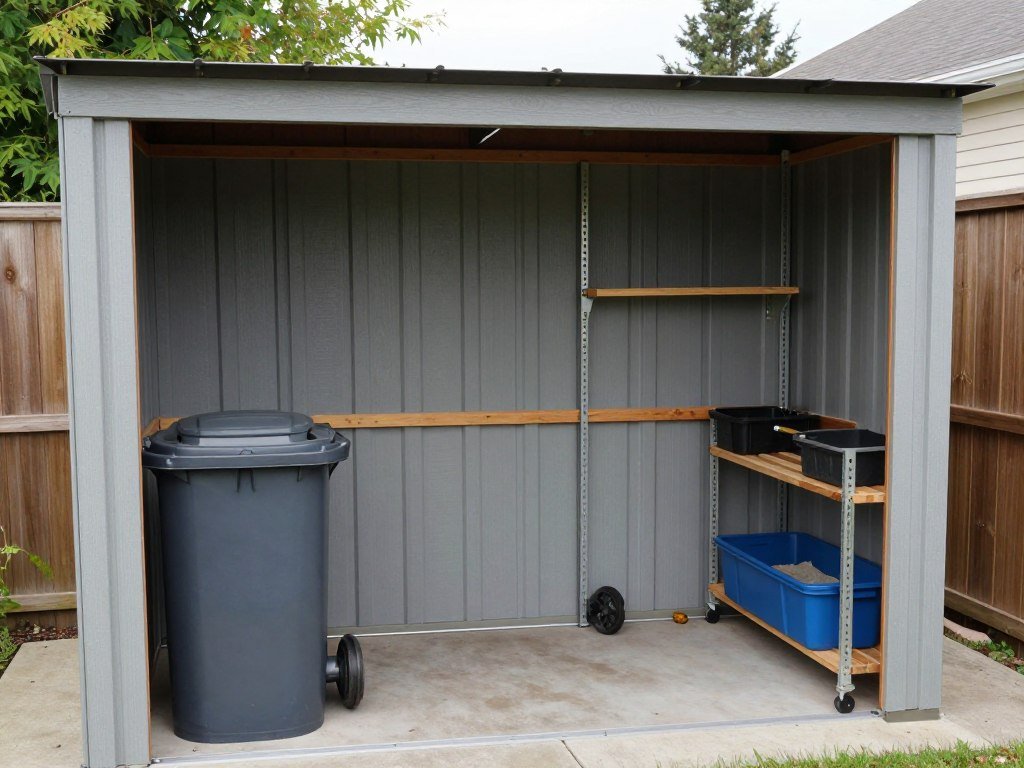
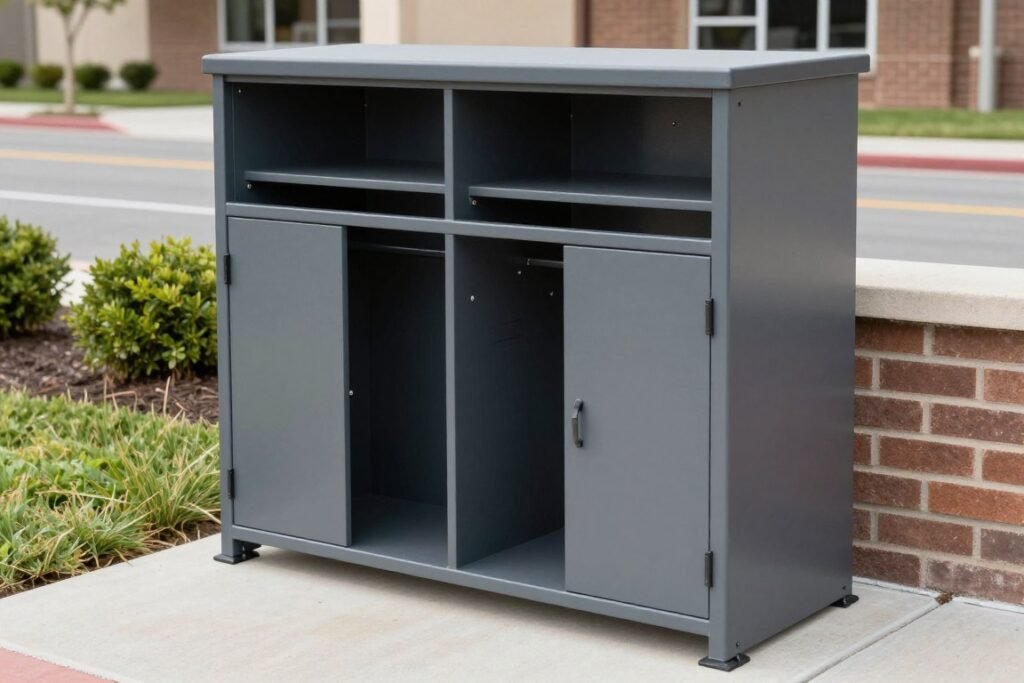
Metal storage sheds provide superior durability for trash can organization. Galvanized steel construction resists rust and corrosion. These units withstand extreme weather conditions year after year.
Stainless galvanized metal sheds offer premium quality. The coating prevents oxidation even in coastal environments. Your investment lasts decades with minimal maintenance.
Heavy-duty construction supports multiple large bins
Fire-resistant materials provide safety advantages
Lockable doors secure contents from tampering
Powder-coated finishes resist fading and scratching
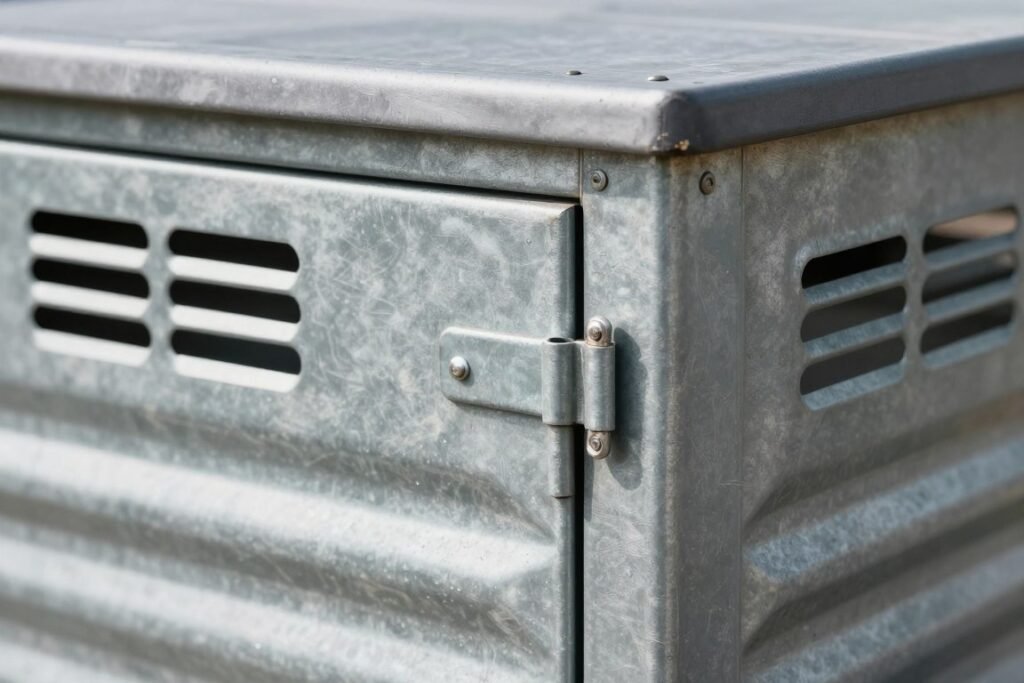
Ventilation systems reduce odor buildup
Wooden Bin Storage Sheds
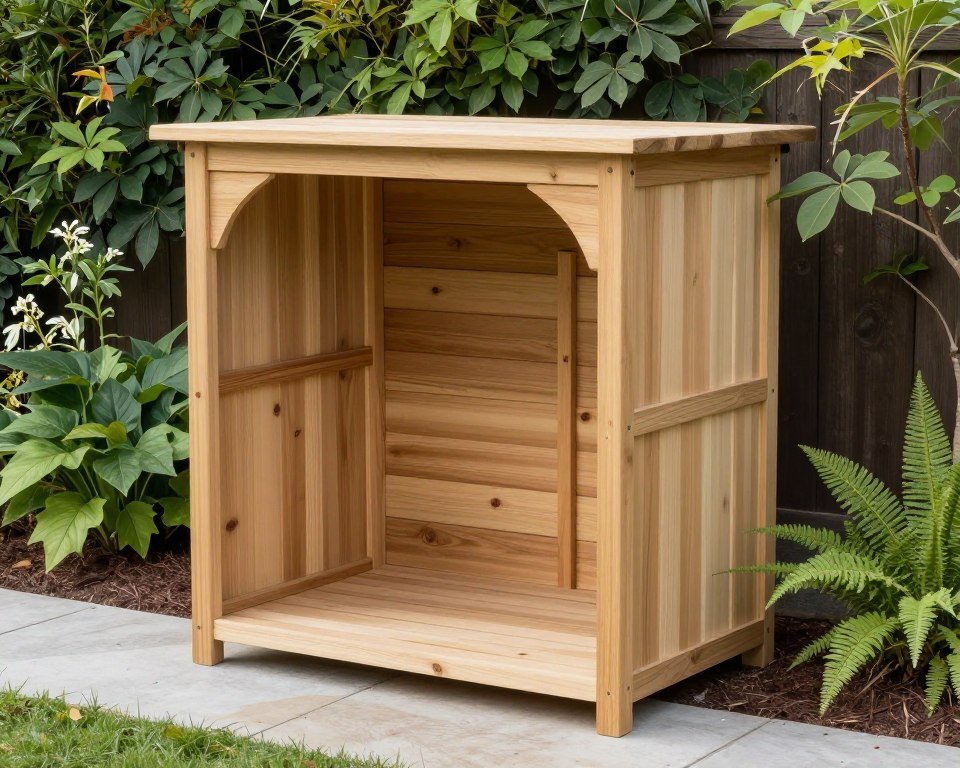
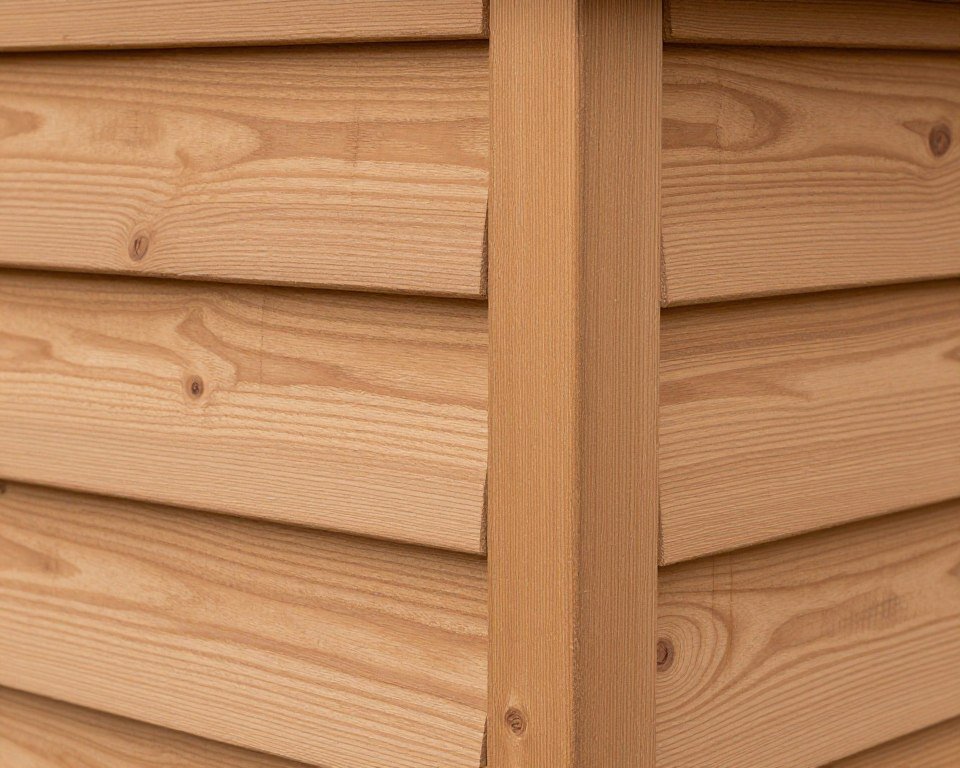
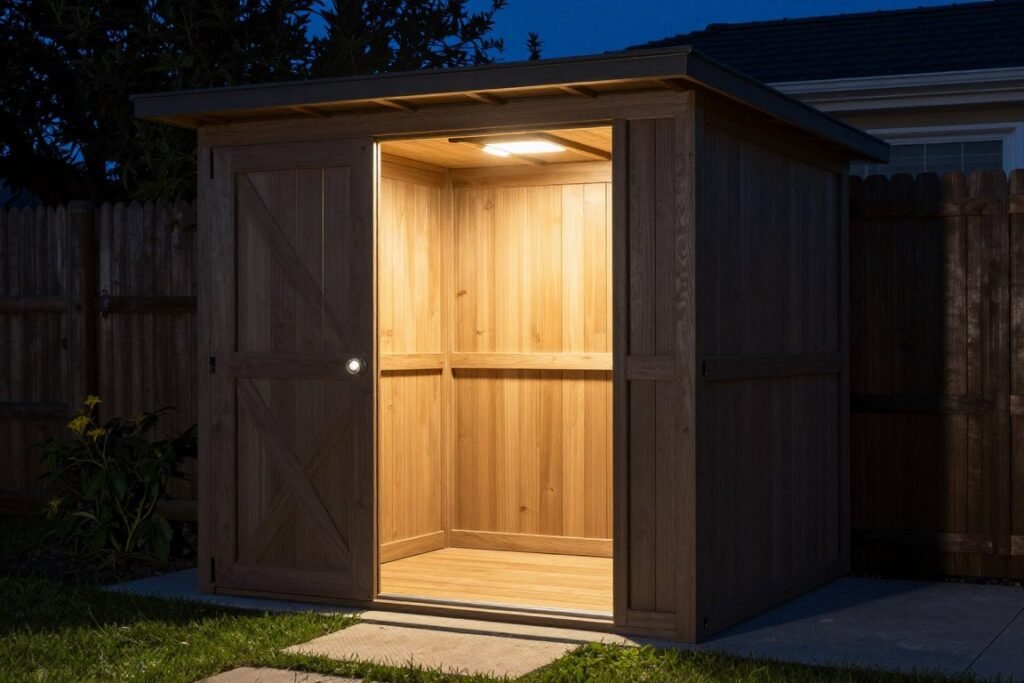
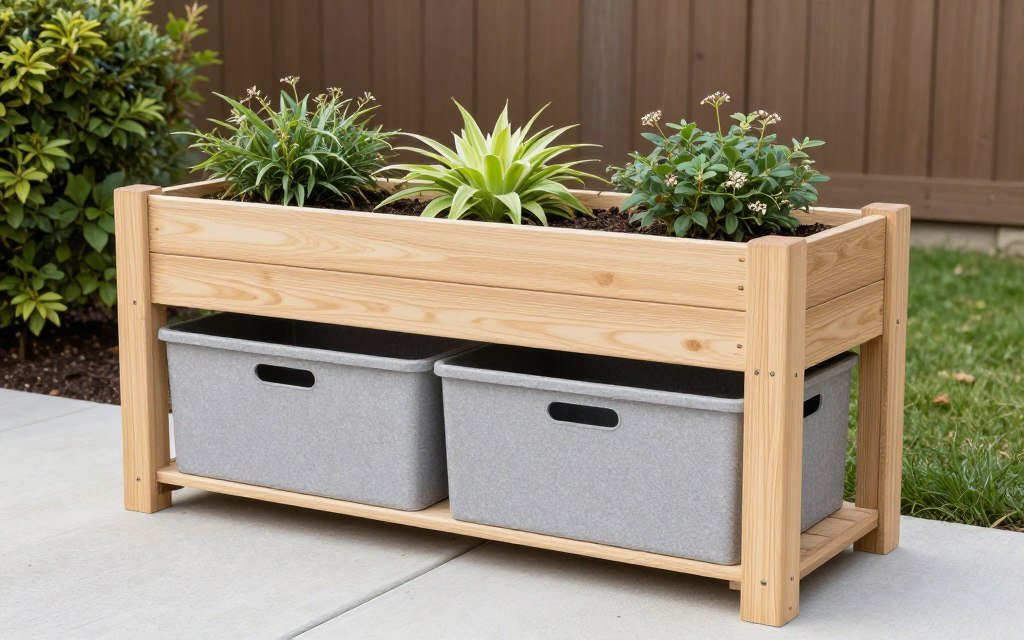
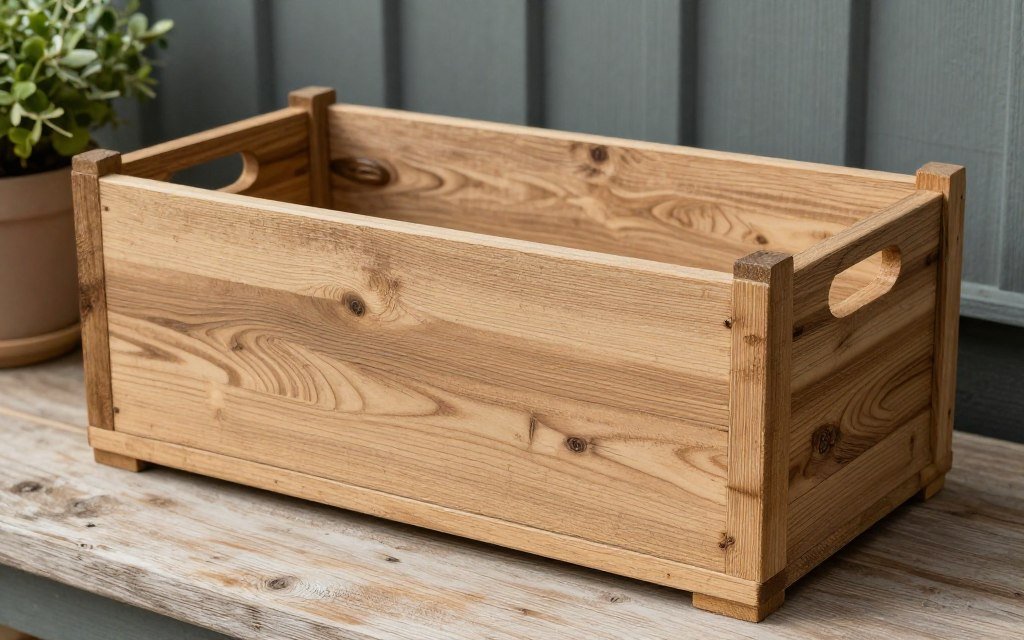
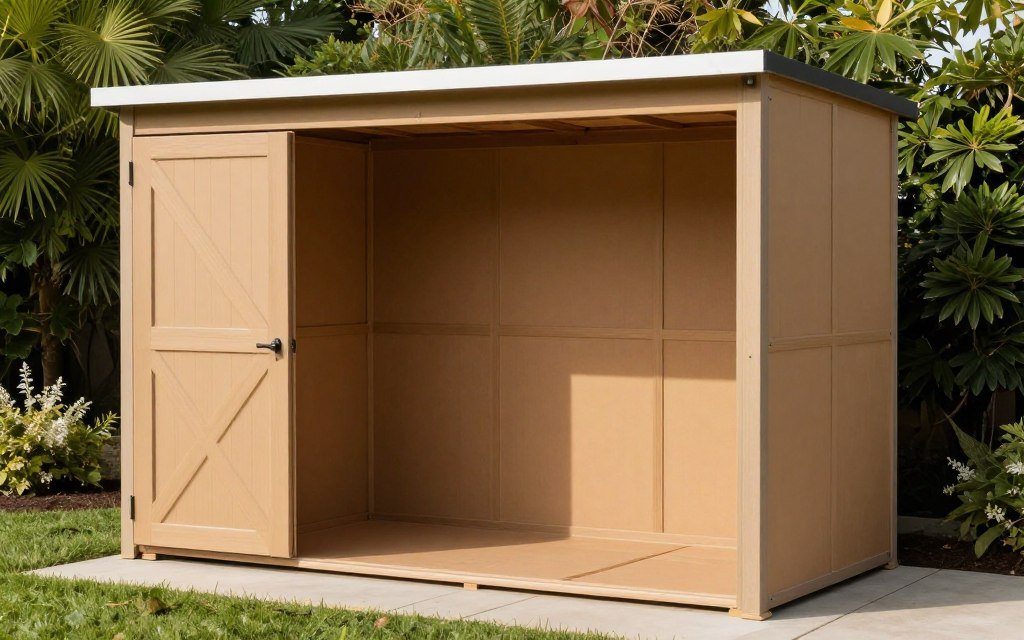
Wood bin sheds blend naturally with garden landscapes. Cedar and pressure-treated lumber resist decay and insect damage. These units add warmth to outdoor spaces.
Natural wood grains complement existing outdoor structures. You can paint or stain wooden sheds to match your home. Customization options exceed those of metal alternatives.
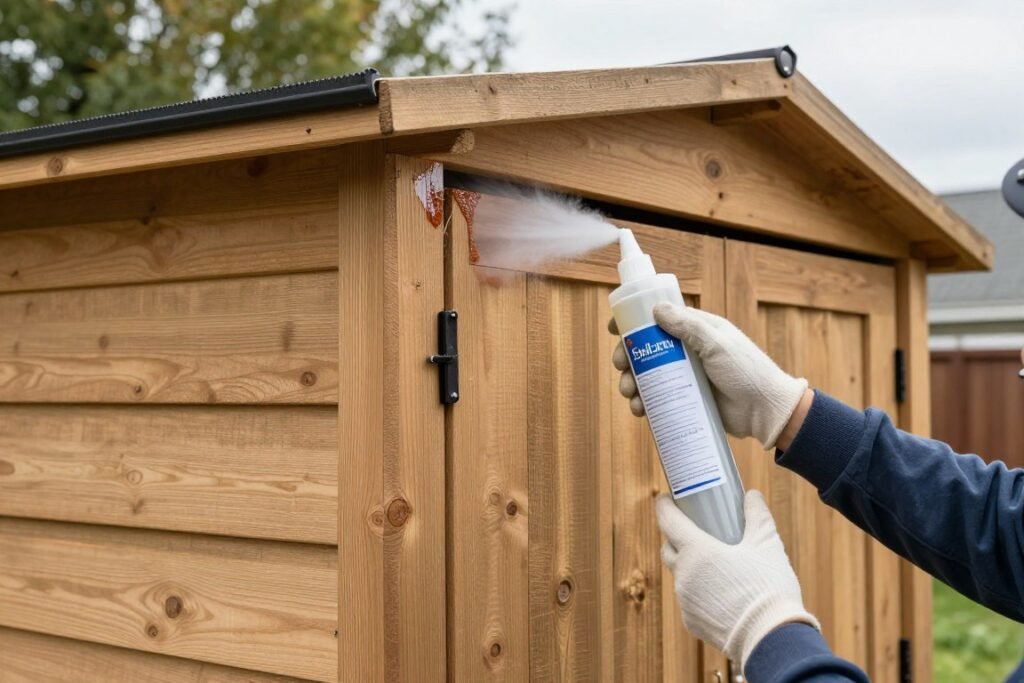
Maintenance Tip: Apply weatherproof sealant annually to wooden bin sheds. This treatment prevents moisture damage and extends structural life. Clean surfaces before reapplication for best results.
Resin Outdoor Storage Units
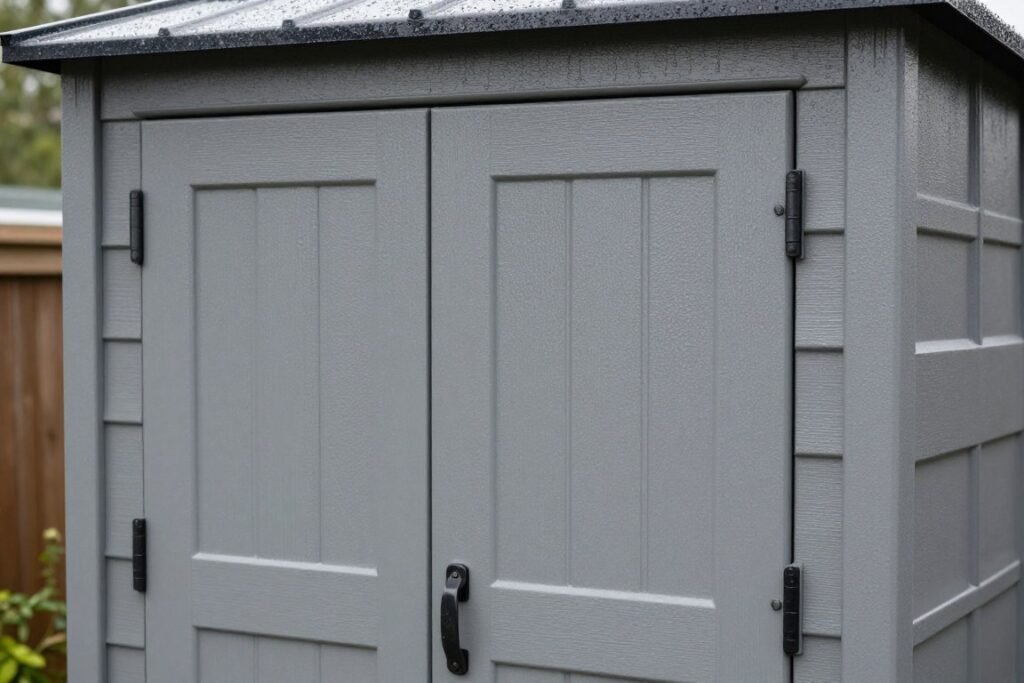
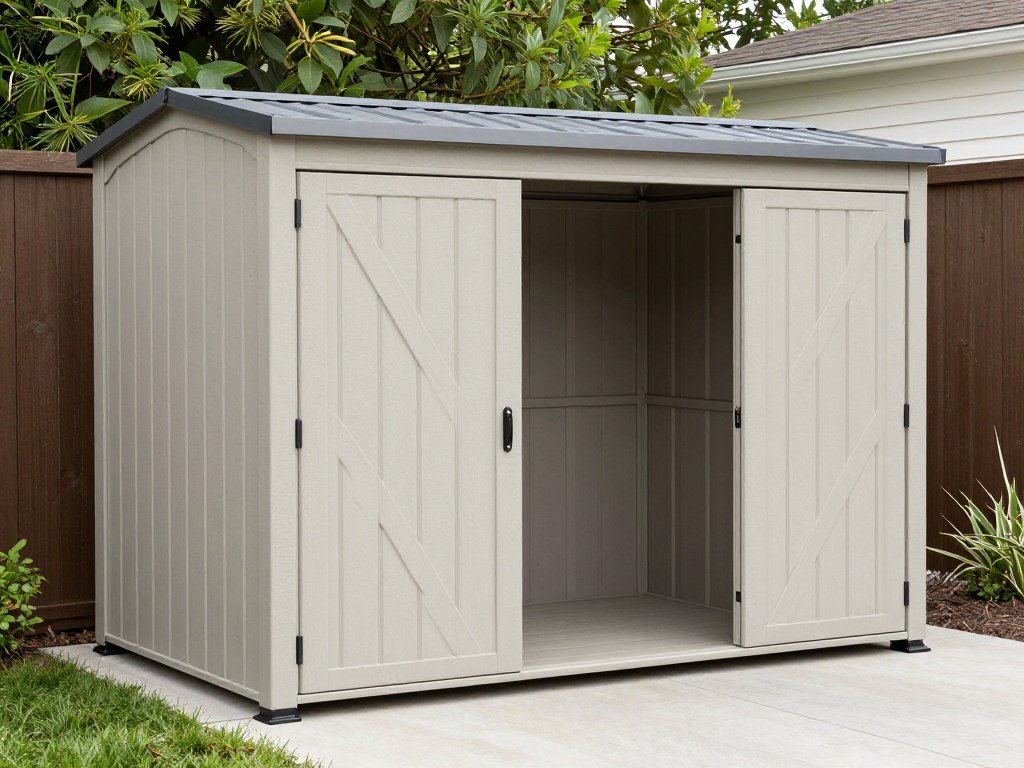
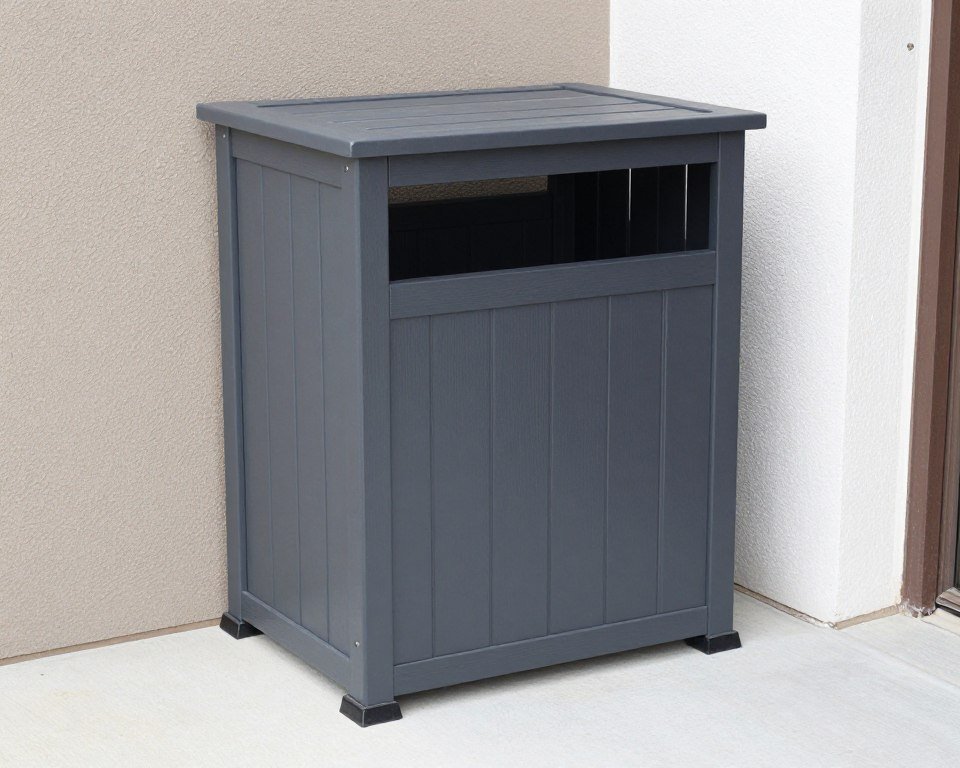
Resin bin sheds combine durability with low maintenance. These synthetic materials never need painting or staining. They resist moisture without rotting or warping.
Modern resin construction mimics wood textures convincingly. Advanced manufacturing creates realistic grain patterns. Your neighbors might not notice the synthetic composition.
Lightweight design simplifies installation and relocation
UV-resistant materials prevent sun damage
Reinforced floors support heavy bin weights
Snap-together assembly requires no special tools
Neutral colors complement various architectural styles
Choosing the Right Bin Shed Size
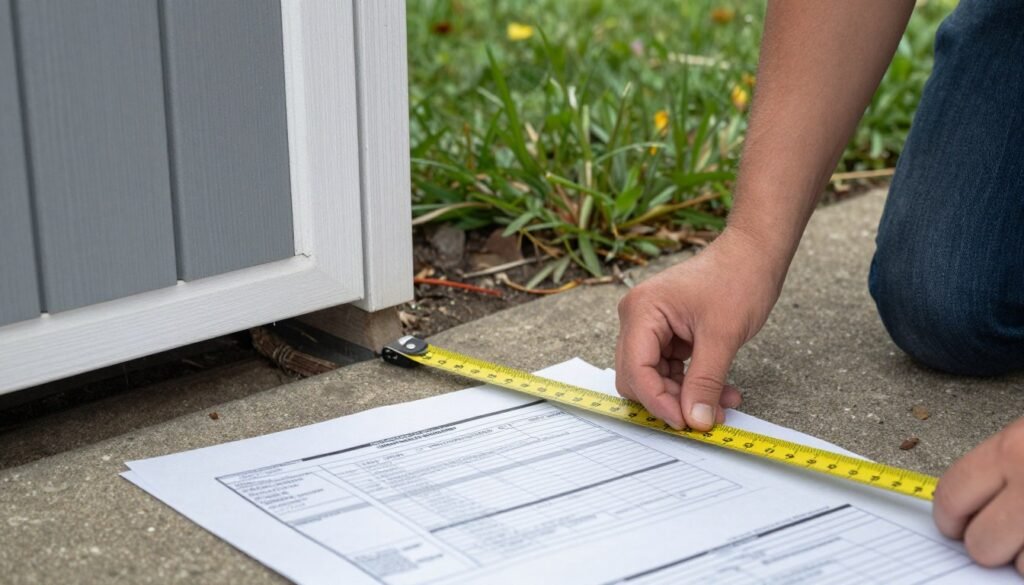
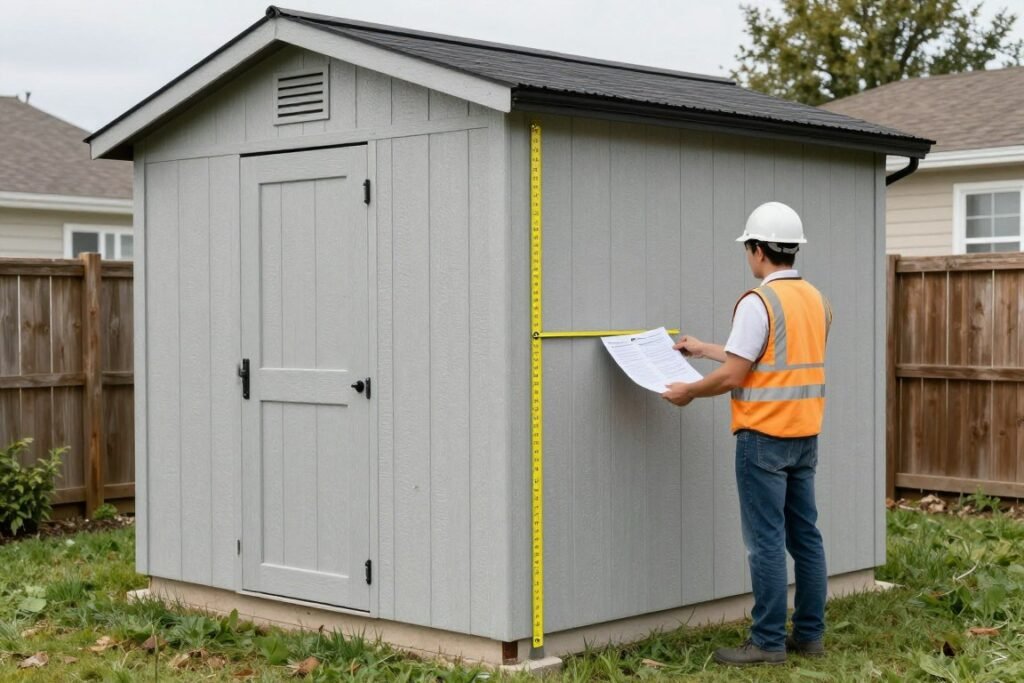
Proper sizing ensures your outdoor storage accommodates current and future needs. Measure your bins before purchasing a shed. Account for collection day accessibility and growth.
Single Bin Solutions
Compact sheds work perfectly for small households. These units typically measure 2-3 ft. wide. They accommodate one standard garbage bin efficiently.
Single bin storage fits narrow side yards easily. The minimal footprint preserves garden space. Urban properties benefit from these space-saving designs.
Double Bin Storage
Most families need dual-bin capacity for waste and recycling. Standard double sheds span 4-5 ft. in width. This size handles two large cans comfortably.
Side-by-side configurations allow easy bin removal. Check door opening width against your bin dimensions. Allow 3-4 inches clearance per side.
Shed Size
Dimensions
Bin Capacity
Best For
Compact
2-3 ft. wide
1 standard bin
Small households, apartments
Standard
4-5 ft. wide
2 large bins
Average families, recycling separation
Large
6-8 ft. wide
3-4 bins
Large families, businesses
Commercial
8+ ft. wide
5+ bins
Multi-unit properties, offices
Multi-Bin Storage Systems
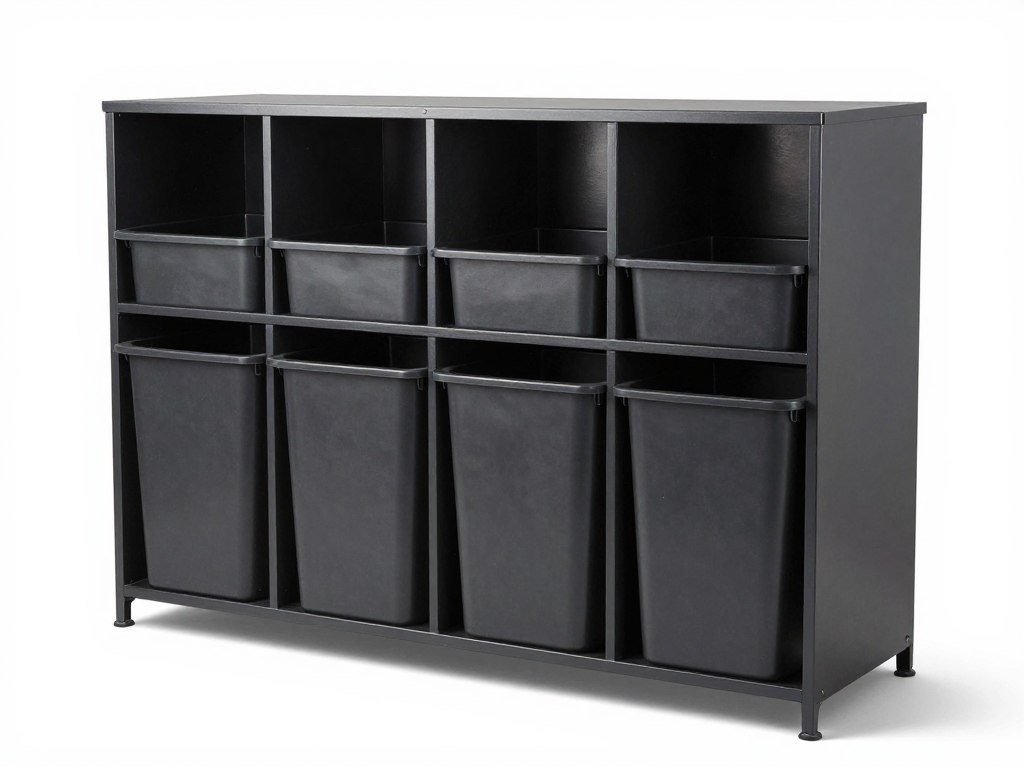
Large families require expanded storage capacity. Triple and quad-bin sheds organize garbage, recycling, and yard waste. These systems promote comprehensive waste management.
Look for sheds with adjustable interior dividers. Flexible configurations adapt to changing household needs. You can reorganize sections as recycling programs evolve.
Outdoor Bin Shed Materials Compared
Understanding material properties helps you select the best storage solution. Each construction type offers specific performance characteristics. Your climate and maintenance preferences guide this decision.
Galvanized Steel Performance
Steel bin sheds deliver unmatched structural strength. The galvanization process applies zinc coating to prevent corrosion. This treatment protects metal even in humid environments.
Heavy-gauge steel withstands impacts from falling branches. The rigid construction maintains shape through temperature extremes. Your shed won’t warp or sag over time.
4.5
Galvanized Steel Rating
Durability
4.8/5
Weather Resistance
4.7/5
Maintenance Needs
4.4/5
Aesthetic Appeal
4.0/5
Value for Money
4.3/5
Natural Wood Characteristics
Cedar and redwood contain natural oils that repel insects. These premium woods resist decay without chemical treatment. Their beauty enhances garden aesthetics significantly.
Pressure-treated pine offers budget-friendly wooden options. Chemical preservation protects against rot and termites. Regular sealing maintains appearance and function.
Wood accepts stains and paints for custom finishes
Renewable resource supports sustainable building practices
Traditional appearance suits classic home styles
Easy repair and modification with standard tools
Advanced Resin Technology
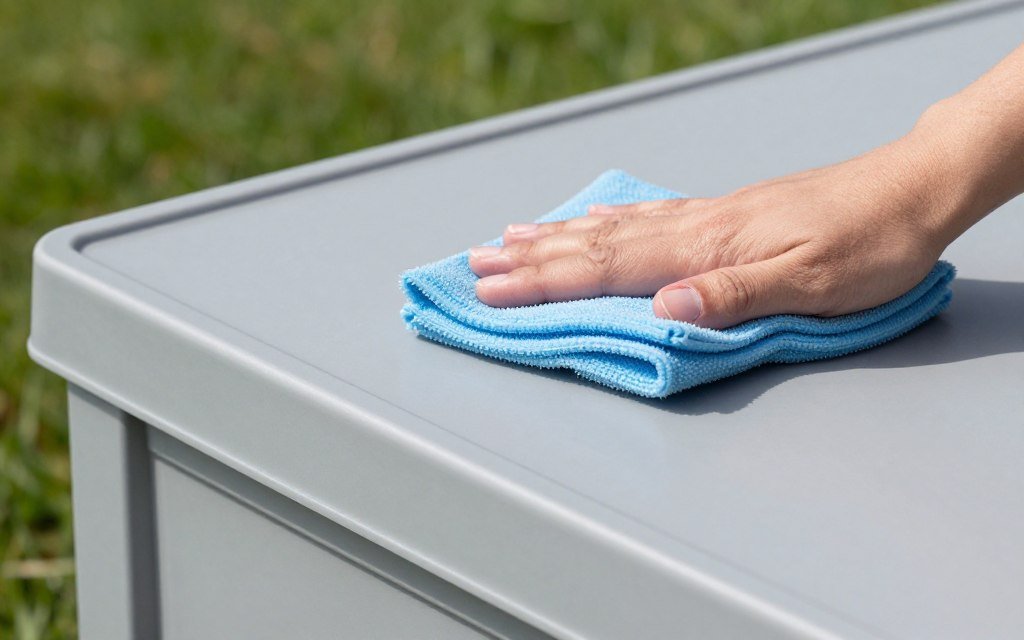
High-density polyethylene resin resists chemical damage. This material handles cleaning products without degradation. Spills wipe away easily from smooth surfaces.
Double-wall resin construction adds insulation value. Air pockets between layers reduce heat transfer. Your bins stay cooler during summer months.
Explore Quality Outdoor Storage Options
Discover a wide selection of bin sheds in various materials and sizes. Compare metal, wood, and resin options to find your perfect match. Browse solutions designed for every budget and space.
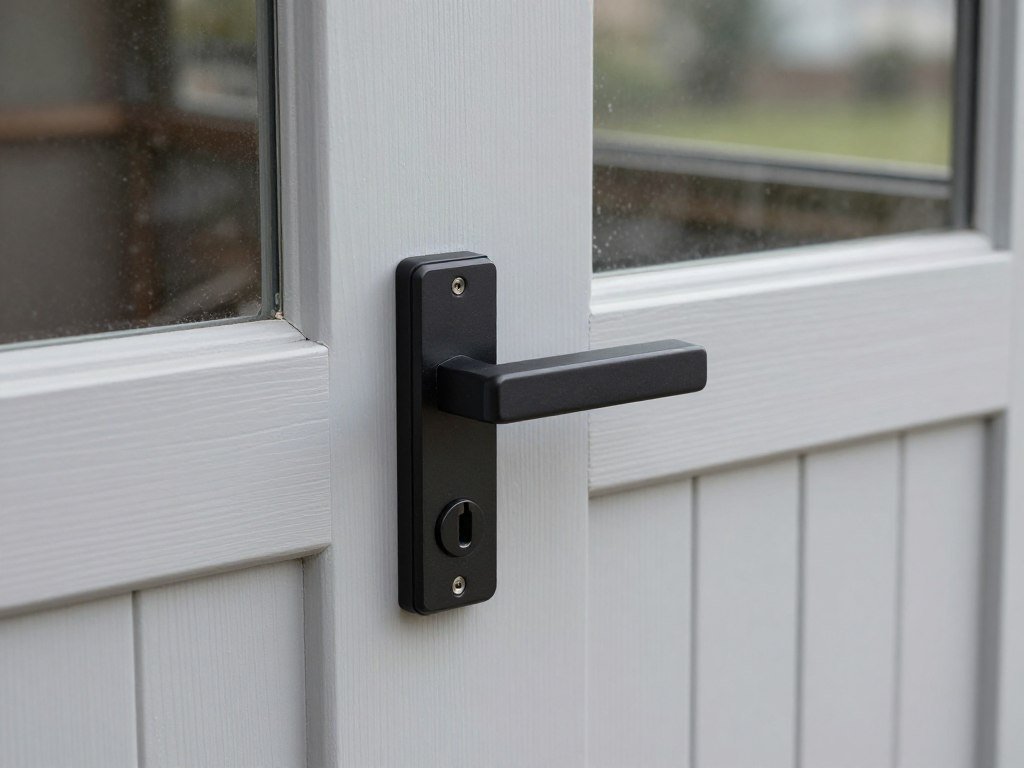
Security features protect your bins from unauthorized access. Lockable doors prevent theft and vandalism. These mechanisms add value to outdoor storage systems.
Padlock-Ready Door Systems
Most quality bin sheds include reinforced hasps. These metal loops accommodate standard padlocks easily. You control access to stored contents.
Heavy-duty hasps resist prying and cutting attempts. Look for hardened steel construction in high-crime areas. The additional security provides peace of mind.
Combination locks work well for shared access situations. Multiple users memorize codes instead of managing keys. Change combinations when security needs evolve.
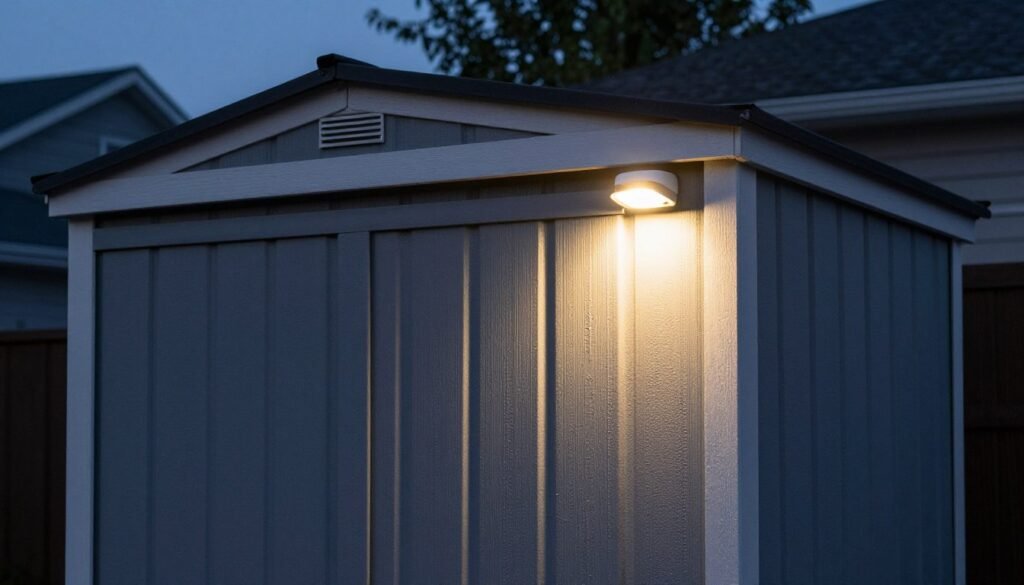
Security Enhancement: Install motion-activated lighting near your bin shed. Illumination deters nighttime tampering while improving collection day visibility. Solar-powered options eliminate wiring requirements.
Chain and Cable Options
Secure your entire shed structure with ground anchors. Heavy-duty chains attach sheds to concrete pads. This prevents theft of the complete unit.
Cable loops thread through door handles and frame openings. Hardened steel cables resist bolt cutters effectively. Layer multiple security methods for maximum protection.
Strategic Patio and Yard Placement
Proper bin shed placement balances convenience and aesthetics. Location affects functionality and visual impact. Plan positioning carefully before installation.
Access and Collection Considerations
Place your storage within easy reach of your kitchen. Short hauling distances encourage regular waste disposal. You avoid accumulating trash indoors.
Collection crews need unobstructed bin access on service days. Position sheds along driveway edges or alley access points. Clear pathways prevent collection delays.
Maintain 3-foot clearance around shed doors for easy bin removal
Ensure level ground prevents bins from rolling when extracted
Avoid blocking emergency access routes or utility access points
Consider prevailing wind direction to minimize odor drift
Position away from outdoor dining and entertainment areas
Aesthetic Integration
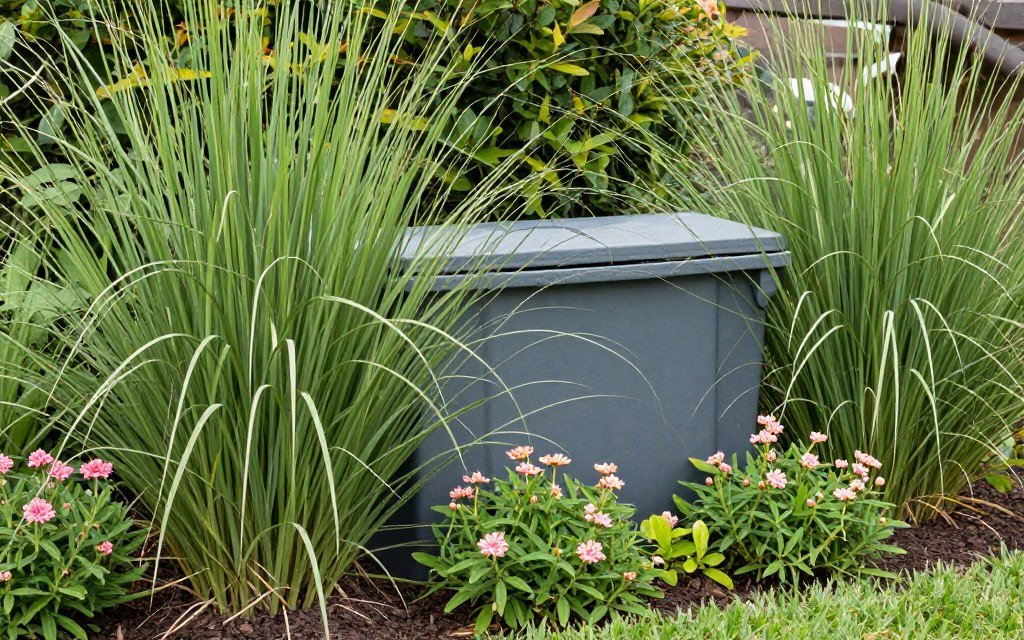
Screen your bin shed with strategic landscaping. Tall shrubs and ornamental grasses soften industrial appearances. Natural barriers blend storage into garden designs.
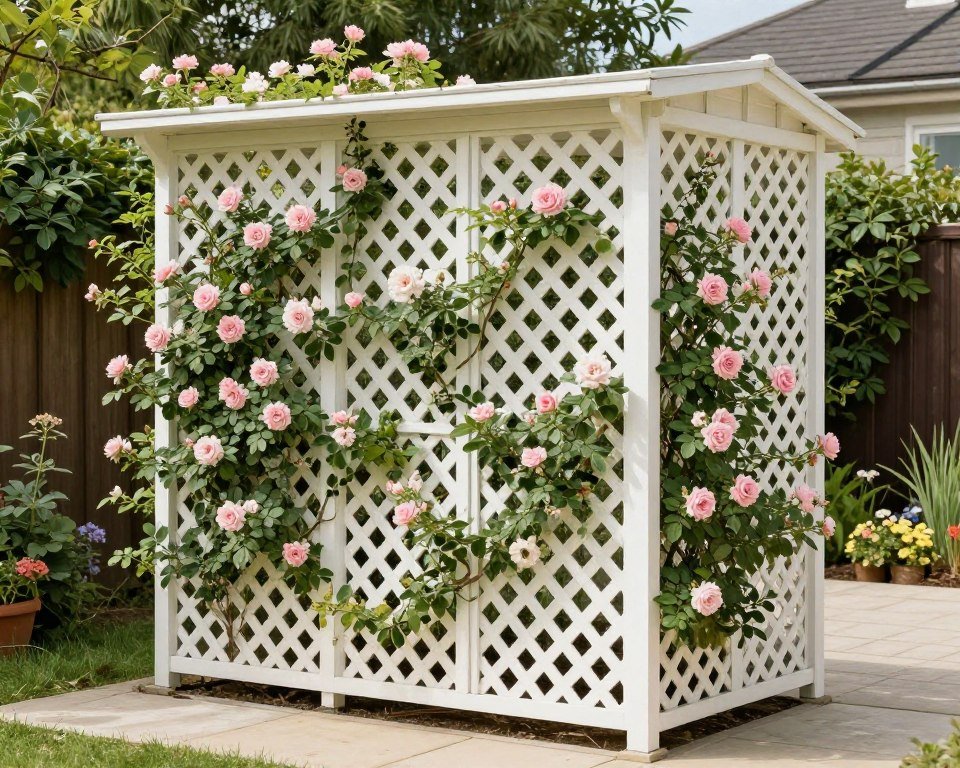
Lattice panels create attractive visual barriers. Train climbing vines over trellises for living screens. These solutions combine function with natural beauty.
Shade and Shelter
Position sheds in shaded areas when possible. Direct sunlight heats bins and intensifies odors. Tree canopy reduces internal temperatures naturally.
Avoid low-lying areas prone to water accumulation. Drainage problems create sanitation issues around bins. Slightly elevated locations promote water runoff.
Combining Tool and Bin Storage
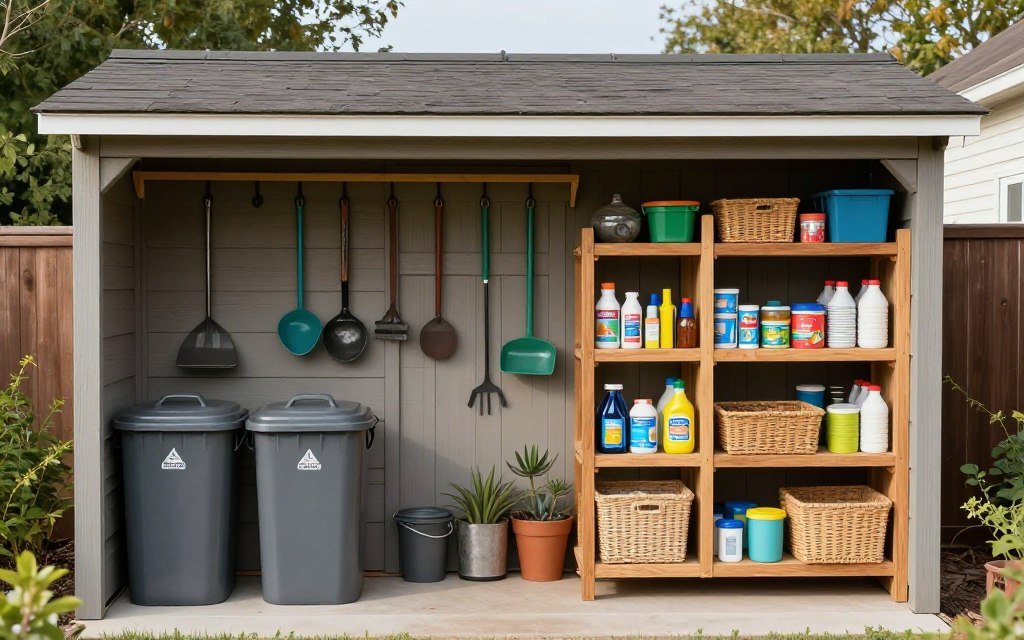
Multi-purpose outdoor storage maximizes space efficiency. Many sheds accommodate both bins and garden tools. Integrated designs reduce outdoor clutter significantly.
Dual-Purpose Shed Designs
Partitioned storage creates dedicated zones. One section houses trash cans while another holds lawn equipment. Internal dividers keep areas separate and organized.
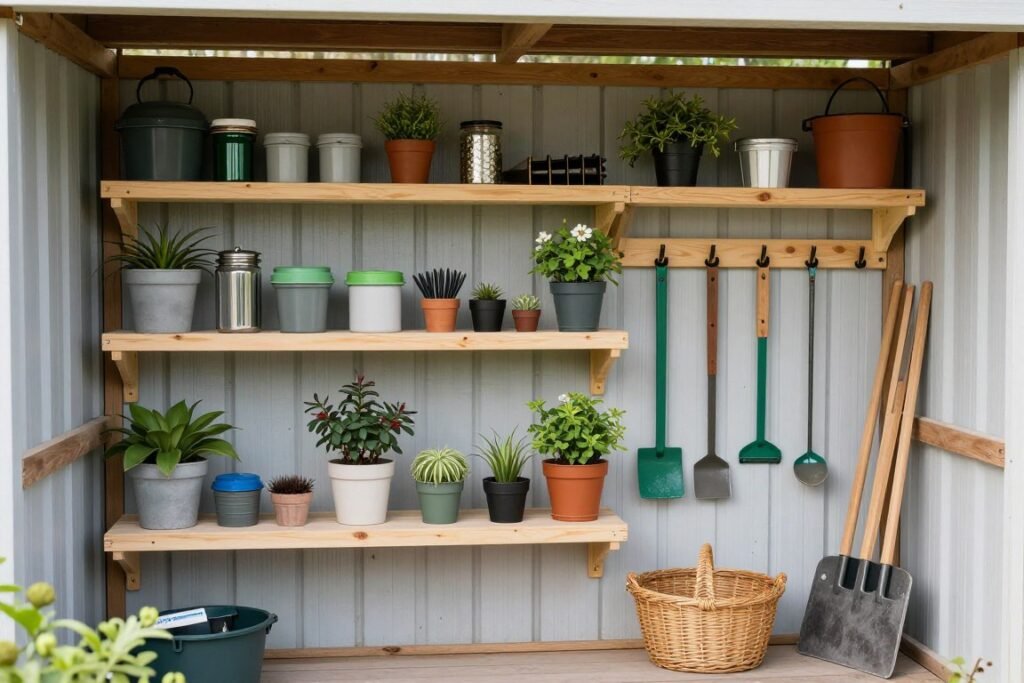
Vertical tool racks maximize wall space efficiency. Hang rakes, shovels, and brooms above bin areas. This configuration uses height instead of floor space.
Shelf and Hook Systems
Add removable shelving for gardening supplies. Store fertilizers, pest controls, and small tools conveniently. Keep these items away from direct bin contact.
Install heavy-duty hooks for hoses and extension cords. Coiled storage prevents tangling and damage. Everything stays neat and accessible.
Upper Storage Solutions
Maximize vertical space with overhead organization systems. These areas work perfectly for seasonal items and lightweight supplies.
Ceiling-mounted basket racks for pool supplies
Hanging organizers for garden gloves and hand tools
Magnetic strips for metal tool heads
Pegboard panels for flexible hanging options
Lower Zone Organization
Ground-level areas handle heavy equipment and bulky items. Design this space for items you access frequently during maintenance tasks.
Wheeled carts for lawn spreaders and fertilizers
Floor-mounted racks for long-handled tools
Bin storage for potting soil and mulch bags
Corner brackets for garden hose storage
Weather Protection and Ventilation
Effective outdoor storage withstands harsh climate conditions. Protection features extend bin life and improve sanitation. Proper design prevents common weather-related problems.
Roof Design and Drainage
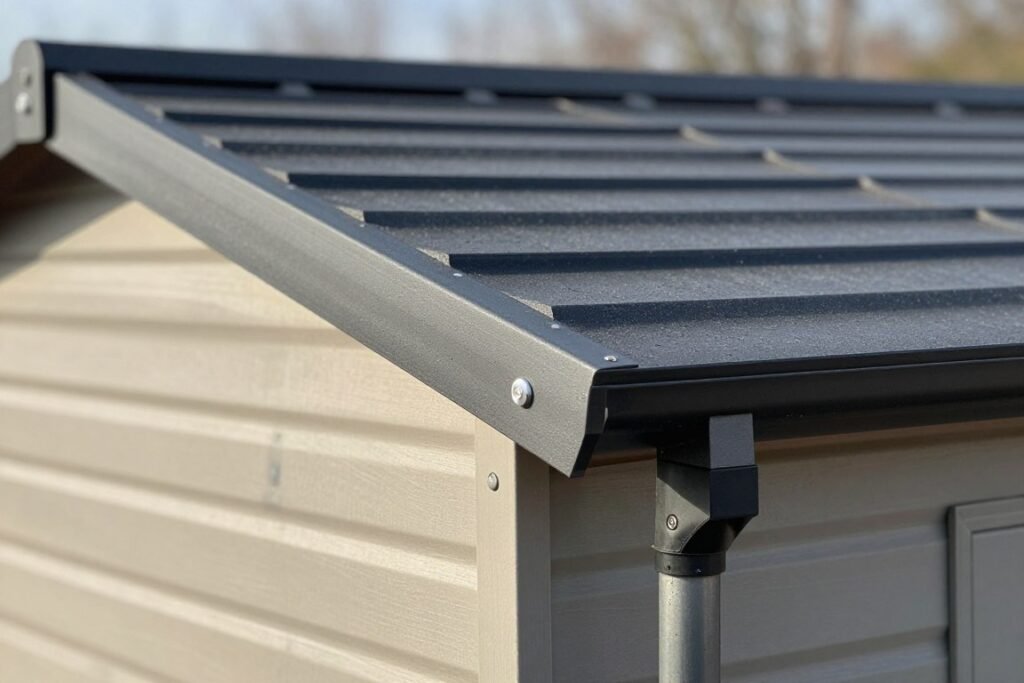
Sloped roofs direct rainwater away from shed foundations. Proper pitch prevents pooling that damages structures. Water flows to designated drainage areas.
Overhanging eaves protect door seams from direct rain. Extended edges shield vulnerable joints from moisture. This feature reduces leak potential significantly.
Ventilation Systems
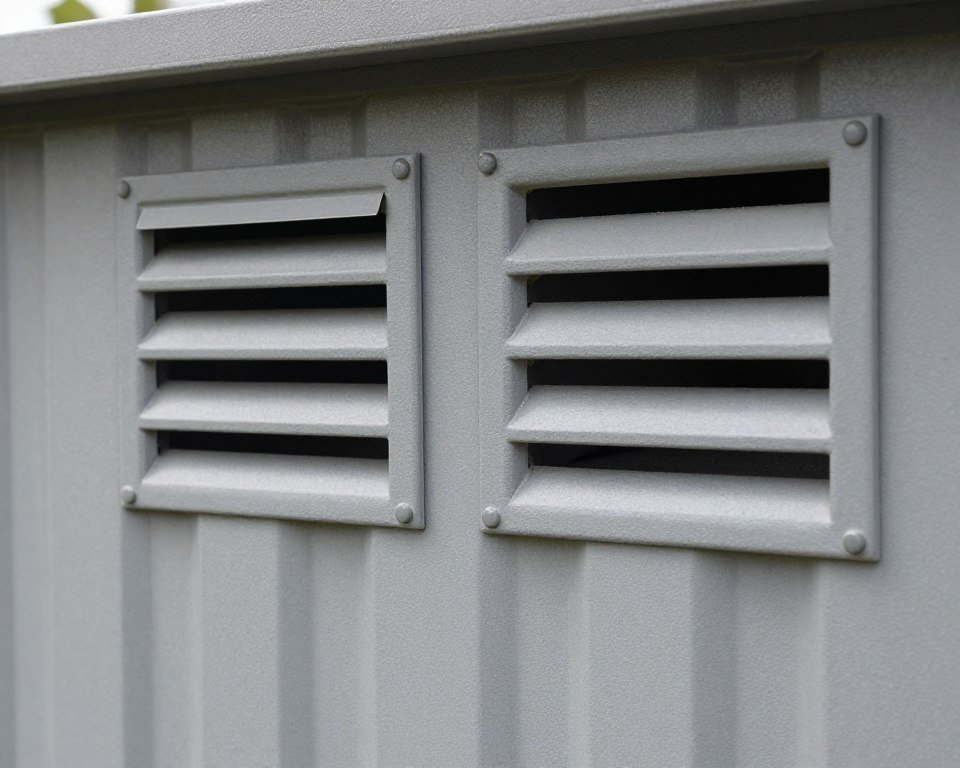
Air circulation prevents odor concentration inside sheds. Vent slots near roof peaks allow hot air escape. Fresh air enters through lower openings naturally.
Screened vents keep insects out while permitting airflow. Fine mesh blocks flies and wasps effectively. Your storage stays pest-free and fresh-smelling.
Ventilation Tip: Position vents on opposite walls to create cross-ventilation. This airflow pattern maximizes odor removal and temperature regulation. The natural breeze keeps interiors fresher between collection days.
Floor and Base Protection
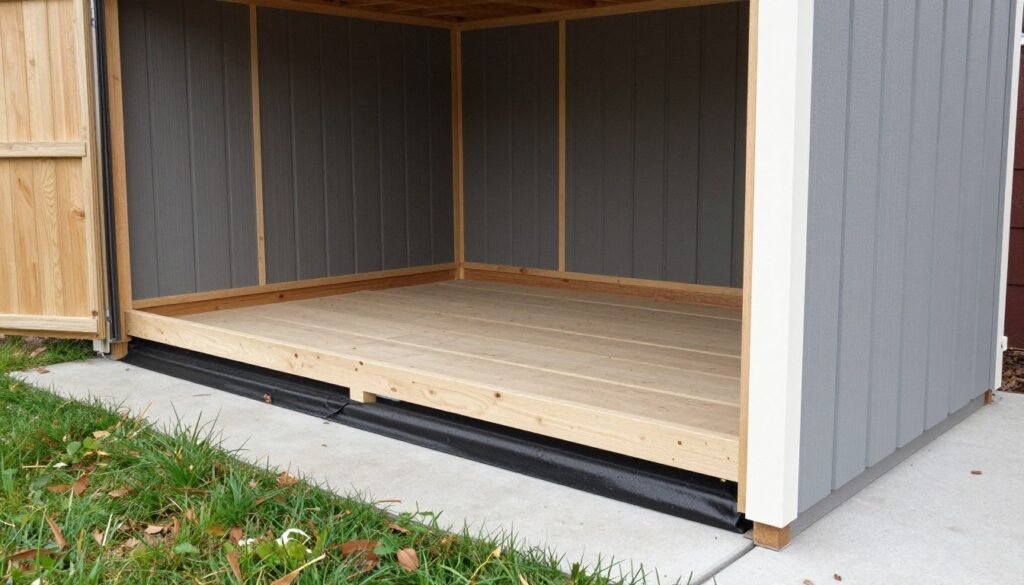
Raised floor designs prevent ground moisture contact. Elevated bases promote air circulation underneath structures. This feature reduces rot and rust formation.
Waterproof floor coatings simplify cleaning tasks. Sealed surfaces resist spills and leaks from bins. Hose washouts drain quickly through sloped floors.
Assembly and Installation Process
Most outdoor bin sheds arrive as pre-cut kits. Assembly requires basic tools and moderate skills. Follow manufacturer instructions for successful installation.
Site Preparation Steps
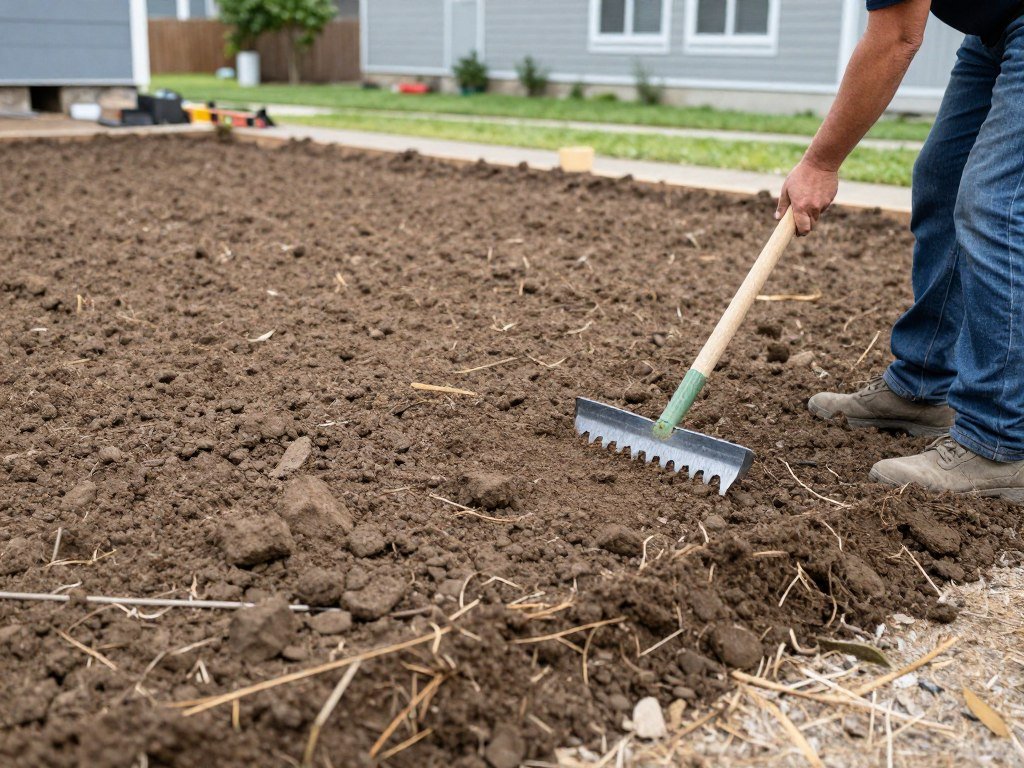
Level your installation area before shed assembly. Uneven ground causes structural stress and door alignment problems. Use a carpenter’s level to verify flatness.
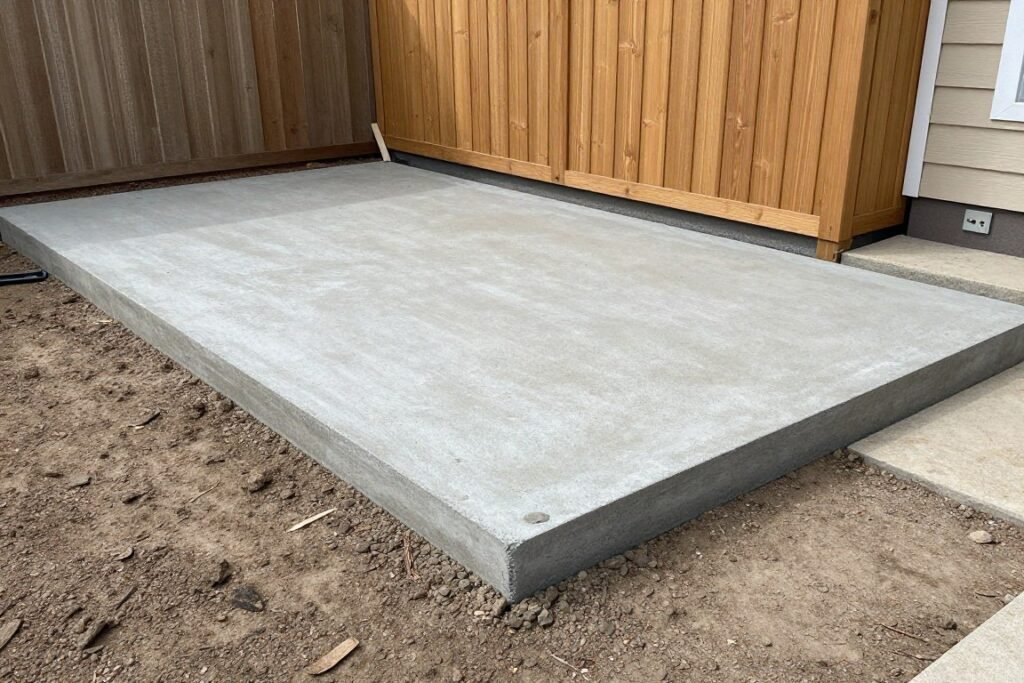
Compact soil provides stable shed foundations. Tamp earth firmly or pour concrete pads for permanent installations. Gravel bases offer excellent drainage solutions.
Clear installation area of debris, rocks, and vegetation
Mark shed footprint with stakes and string lines
Excavate 2-3 inches deep for gravel base layer
Spread and compact crushed gravel evenly
Verify level across entire installation footprint
Allow concrete pads to cure fully before assembly
Assembly Best Practices
Organize hardware and components before starting. Group similar pieces together for efficient assembly. Read complete instructions before beginning work.
Recruit a helper for easier panel handling. Two people prevent damage during positioning. Extra hands speed assembly considerably.
Safety Warning: Wear protective gloves when handling metal panels. Sharp edges can cause cuts during assembly. Use safety glasses when drilling or cutting materials.
Anchoring and Securing
Anchor sheds to foundations using provided hardware. Ground anchors prevent wind displacement during storms. Secure attachment protects your investment.
Wood sheds require different anchoring than metal units. Use appropriate fasteners for each material type. Consult instructions for specific requirements.
Outdoor Storage Maintenance and Care
Regular maintenance extends shed life and appearance. Simple care routines prevent major problems. Schedule seasonal inspections to catch issues early.
Cleaning Schedules
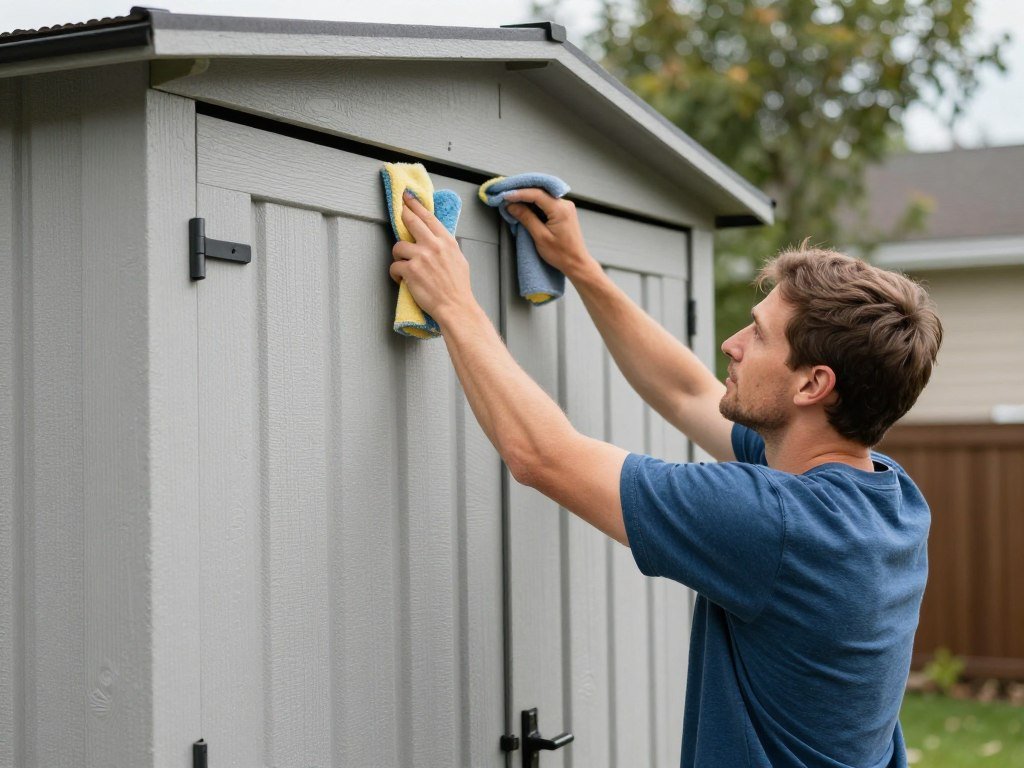
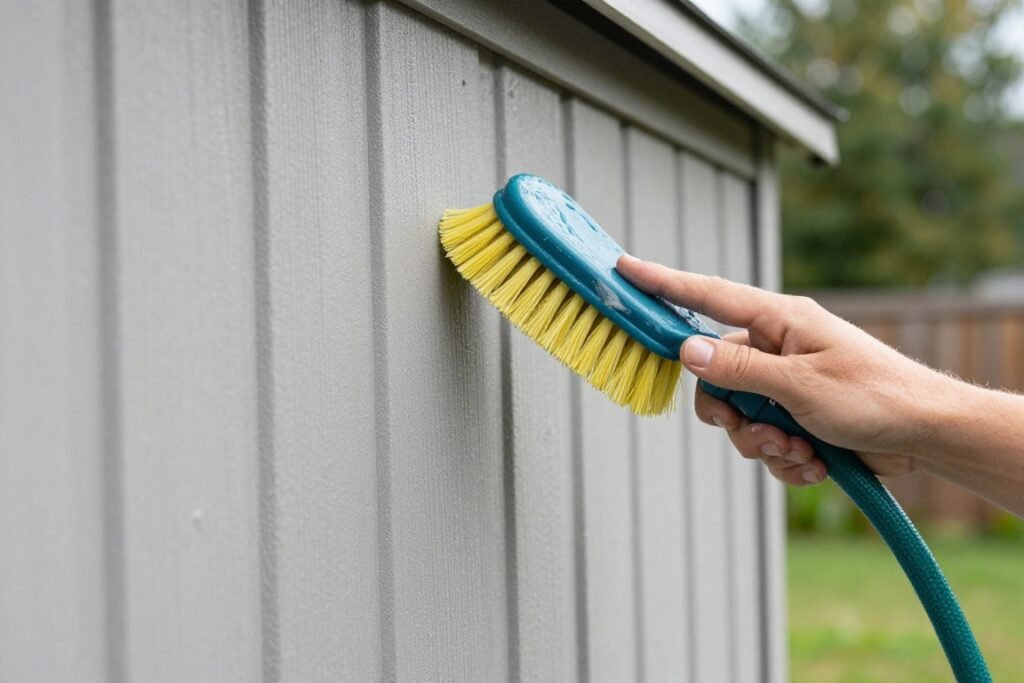
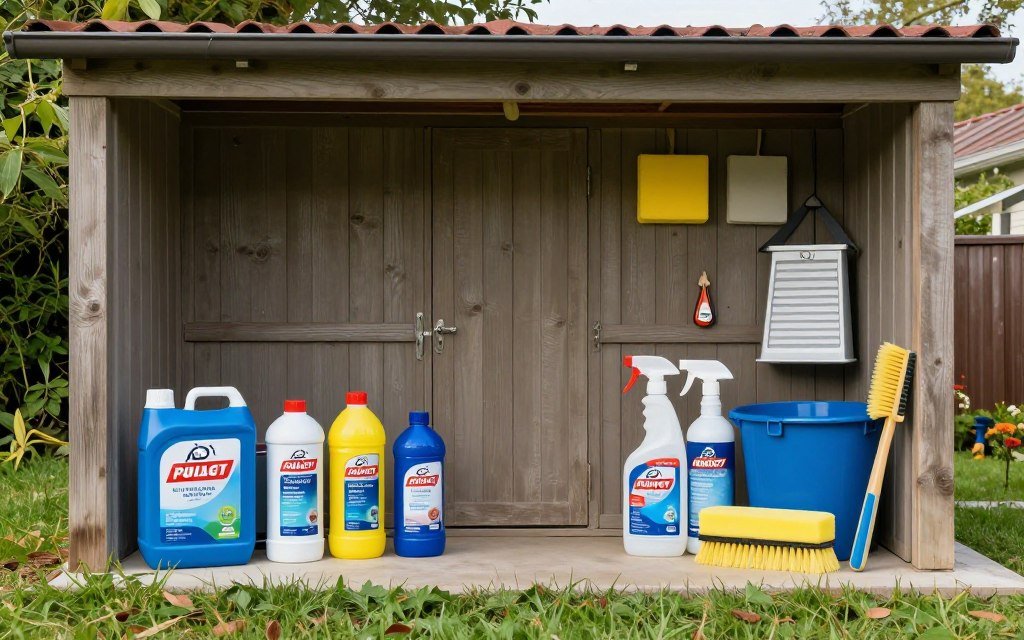
Wash shed exteriors quarterly with mild detergent. Remove dirt and organic debris that trap moisture. Rinse thoroughly to prevent residue buildup.
Sanitize interiors after bin spills or leaks. Diluted bleach solution kills bacteria and eliminates odors. Allow complete drying before returning bins.
Seasonal Maintenance Tasks
Inspect roof seams before winter weather arrives. Apply sealant to any gaps or cracks discovered. Prevention costs less than water damage repair.
Tighten loose hardware annually as structures settle. Check door hinges and lock mechanisms for smooth operation. Lubricate moving parts with appropriate products.
Spring Tasks
Deep clean interior surfaces thoroughly
Check for winter weather damage
Reseal wooden sheds if needed
Inspect door alignment and adjust
Clear drainage channels and vents
Summer Tasks
Monitor ventilation effectiveness
Apply additional odor control measures
Trim vegetation away from structure
Inspect for pest activity signs
Touch up painted surfaces
Fall Tasks
Clear leaf accumulation from roof
Prepare for winter weather protection
Strengthen anchoring before storms
Apply weatherproofing treatments
Check lock functionality
Material-Specific Care
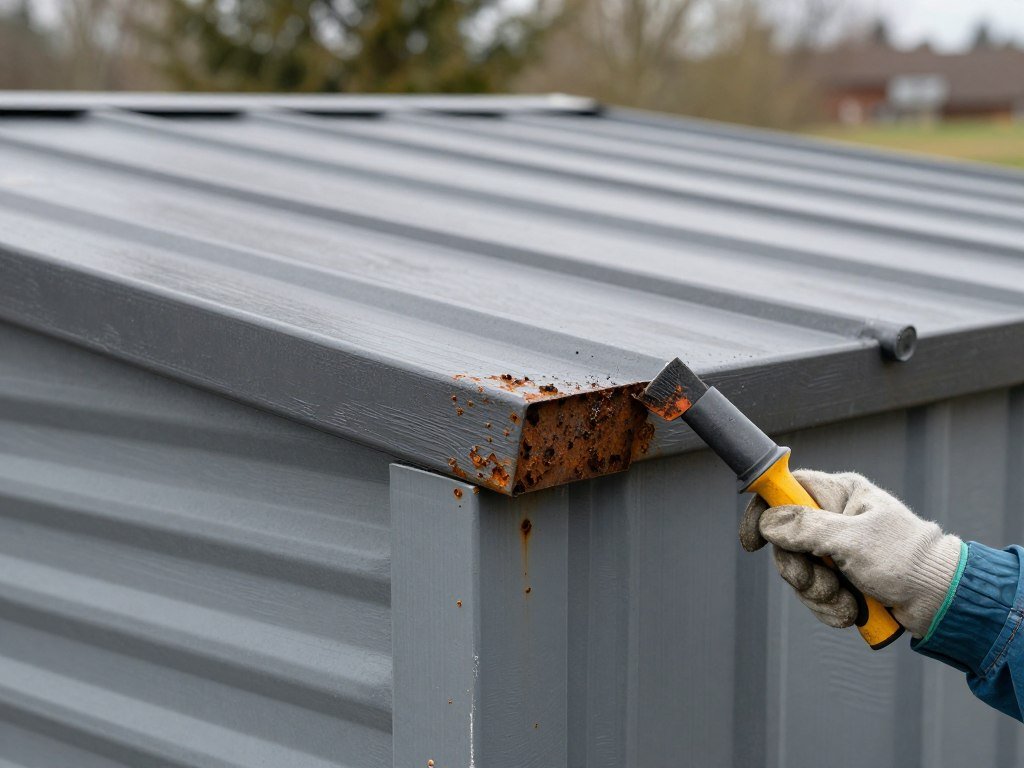
Metal sheds benefit from rust-prevention treatments. Apply protective coatings to scratched areas promptly. Touch-up paint prevents corrosion spread.
Wooden structures need annual water-repellent applications. Reapply stain or sealant as finishes wear. Wood preservation extends structural lifespan significantly.
Resin sheds require minimal maintenance efforts. Occasional washing maintains appearance standards. Check for crack development in high-stress areas.
Find Your Perfect Outdoor Bin Solution
Ready to organize your outdoor space? Explore lockable storage sheds designed for durability and style. Compare options across all major materials and sizes. Transform your patio today with smart waste management solutions.
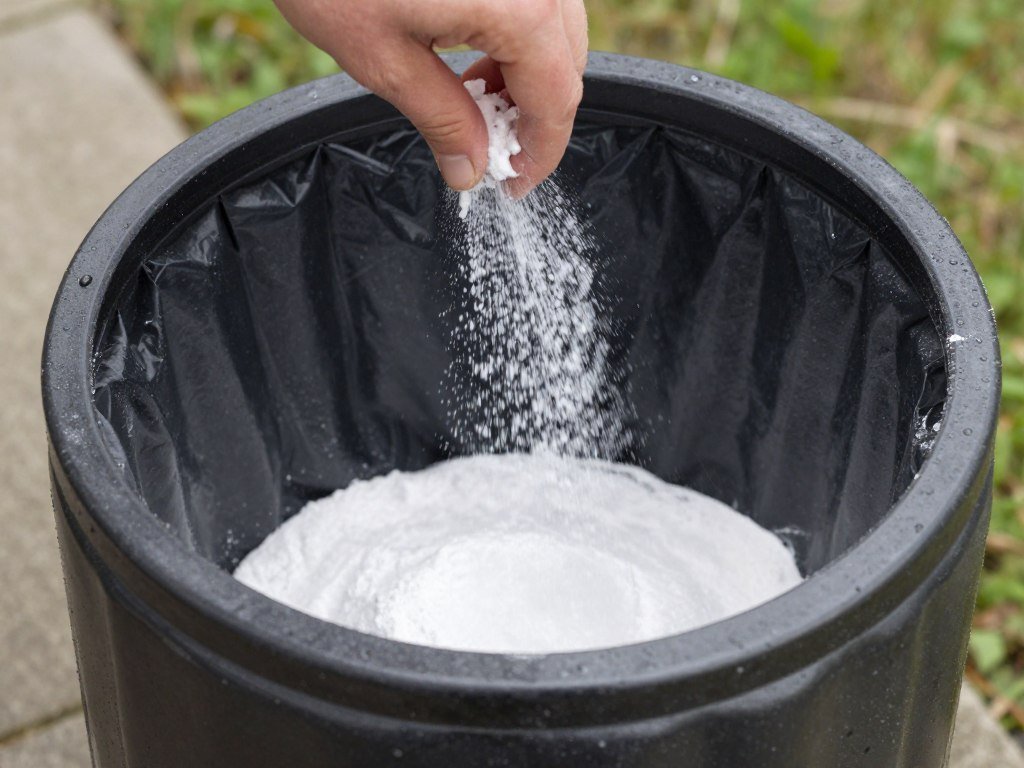
Baking soda absorbs odors inside bins effectively. Sprinkle generous amounts in can bottoms weekly. This inexpensive solution neutralizes acidic waste smells.
Coffee grounds mask unpleasant waste odors naturally. Place used grounds in breathable bags inside sheds. Replace after each collection day for freshness.
Ventilation Enhancement
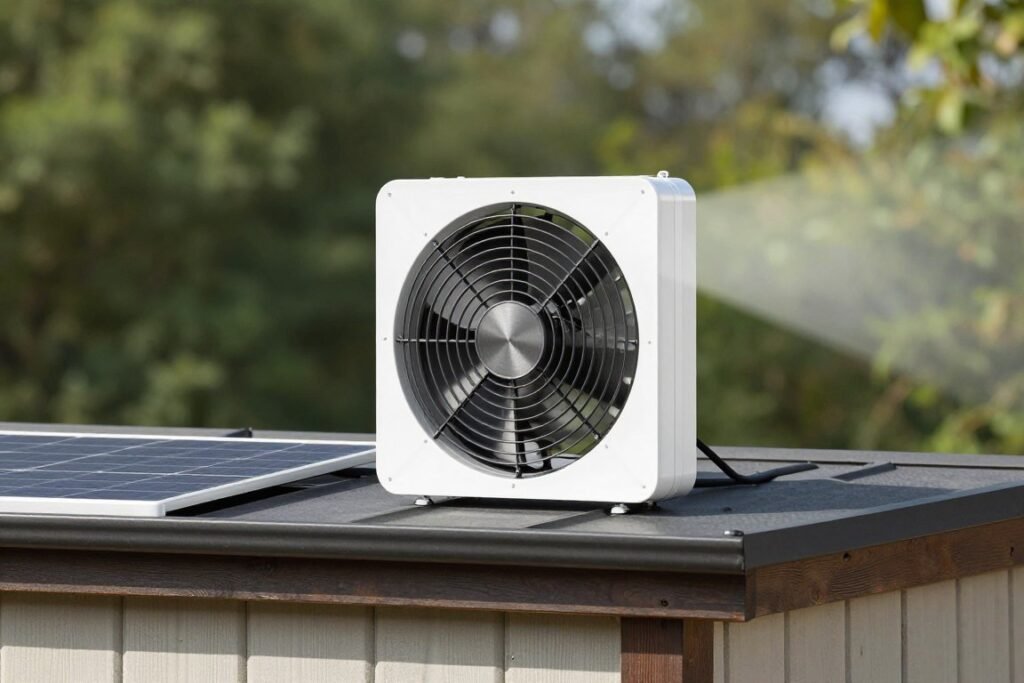
Increased airflow reduces odor concentration significantly. Additional vent installation improves circulation in existing sheds. Consider solar-powered exhaust fans for active ventilation.
Open doors briefly between collection days. Fresh air exchange removes accumulated odors quickly. Choose low-traffic times for this simple task.
Commercial Odor Solutions
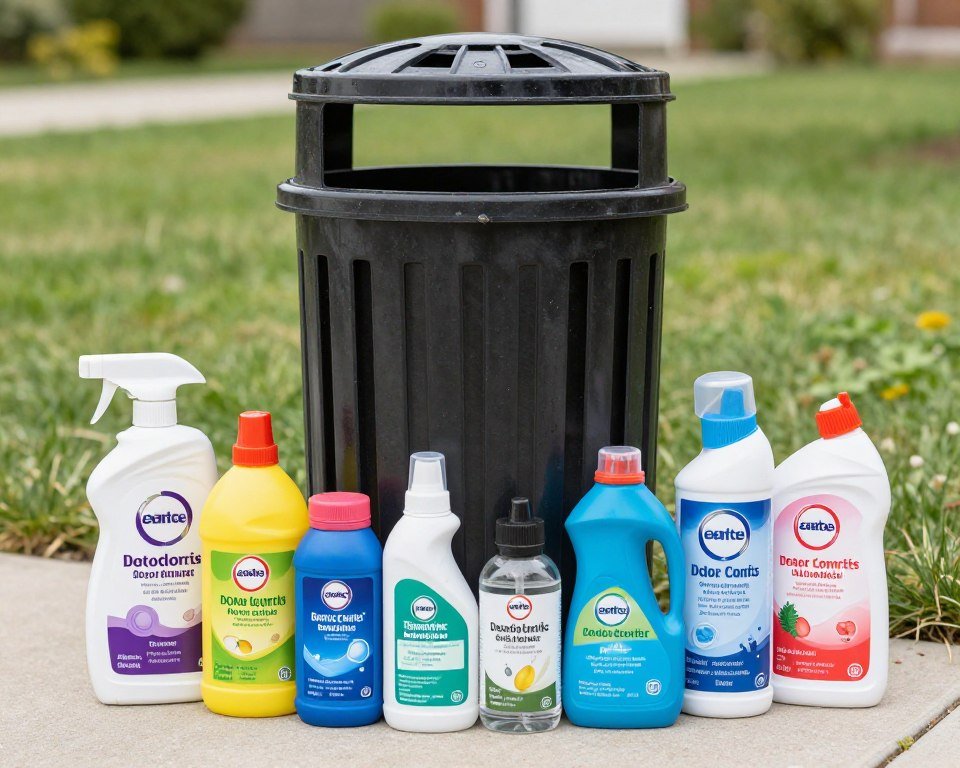
Specialized bin deodorizers provide long-lasting freshness. Gel-based products release pleasant scents gradually. Enzyme cleaners break down odor-causing bacteria.
Odor-absorbing bags hang inside shed spaces conveniently. Activated charcoal captures smell molecules effectively. Replace these products monthly for optimal performance.
Cedar blocks provide natural pleasant scent and insect repellent properties
Citrus peels offer temporary fresh fragrance between collections
Dryer sheets placed in bins reduce plastic bag odors
Vinegar solution spray sanitizes and deodorizes surfaces
Newspaper lining absorbs liquids and associated smells
Preventing Pest Access to Outdoor Bins
Wildlife and insects threaten outdoor waste storage. Effective barriers keep unwanted visitors away. Prevention proves easier than pest removal.
Physical Barrier Methods
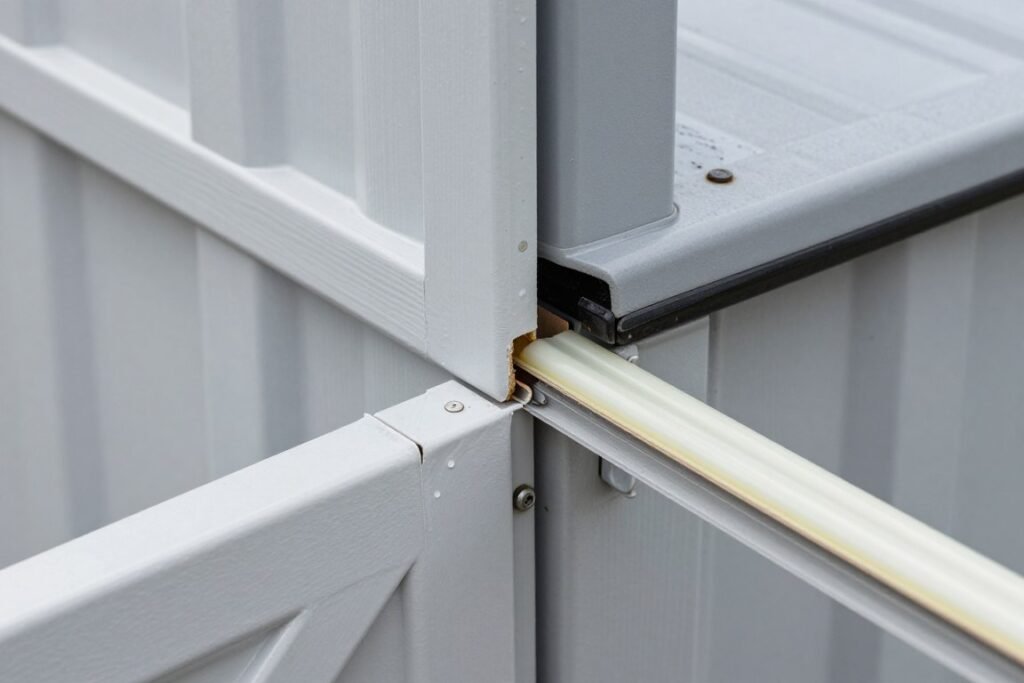
Seal all shed gaps larger than quarter-inch diameter. Mice and insects squeeze through tiny openings. Weatherstripping blocks these entry points effectively.
Hardware cloth covers vent openings while allowing airflow. Quarter-inch mesh stops most pest species reliably. Secure screening with rust-resistant fasteners.
Scent Deterrent Strategies
Ammonia-soaked rags repel many animal species. Place these in corners away from bin contact. Refresh solutions weekly for continued effectiveness.
Peppermint oil deters rodents with strong scent. Soak cotton balls and distribute around shed perimeter. Reapply after rain events wash away oils.
Bin Management Practices
Rinse food containers before disposal. Clean packaging attracts fewer pests than residue-coated items. This simple step reduces animal interest significantly.
Double-bag strong-smelling waste items. Extra layers contain odors that attract wildlife. Tie bags securely to trap scents inside.
Wildlife Protection Tip: Never use poison or harmful traps near outdoor storage. These methods endanger pets and beneficial wildlife. Focus on exclusion and deterrent methods instead.
Budget-Friendly Outdoor Storage Solutions
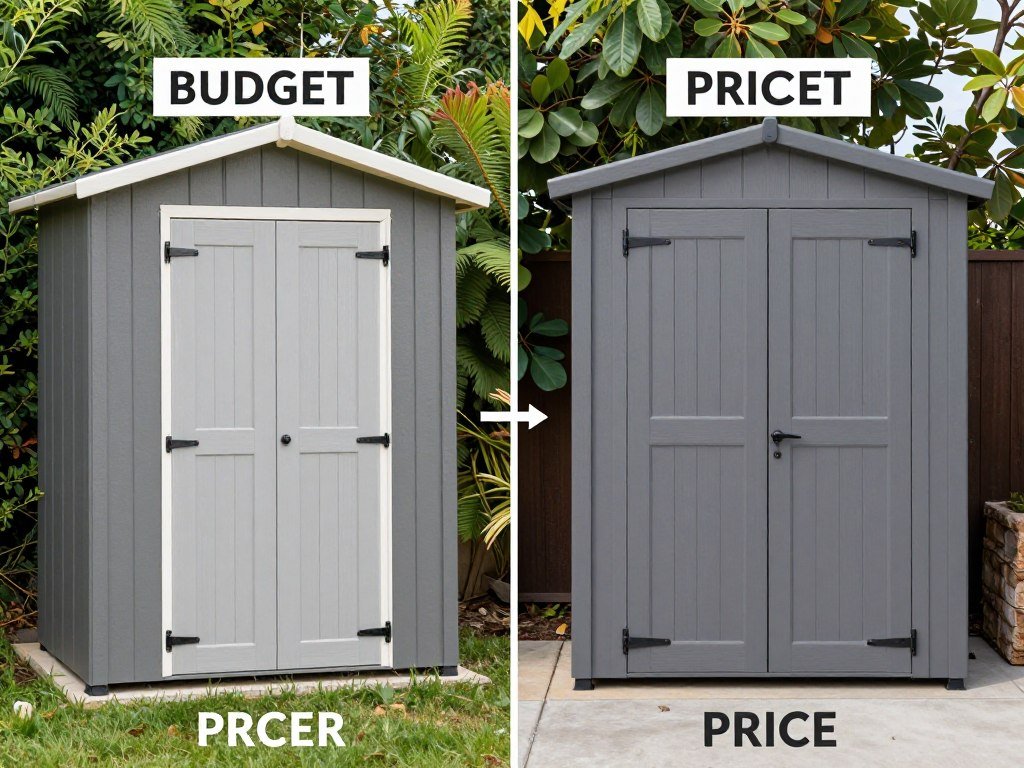
Quality bin storage suits various budget levels. Cost-effective options provide essential functions. You don’t need premium models for satisfactory results.
DIY Storage Projects
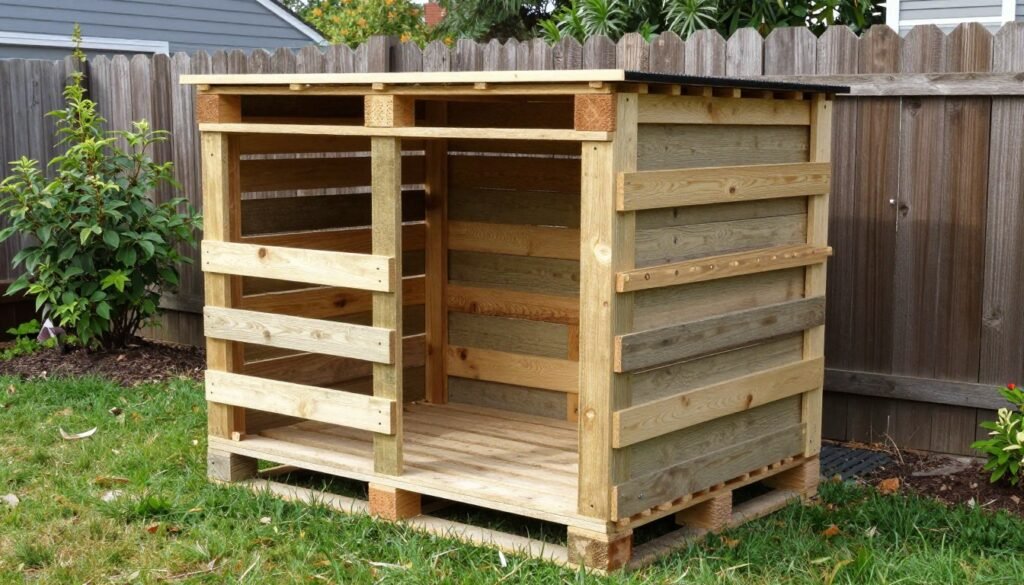
Build custom sheds using recycled pallets. Free or low-cost materials create functional storage. Basic carpentry skills produce acceptable results.
Repurposed furniture cabinets work outdoors with weatherproofing. Old armoires gain new life as bin enclosures. Apply exterior-grade sealant for protection.
Entry-Level Commercial Products
Basic resin sheds start under one hundred dollars. These units provide weather protection and organization. Budget models lack premium features but function adequately.
Compact single-bin units cost less than multi-bin systems. Assess your actual needs before purchasing. Smaller households save money with appropriately-sized storage.
Value-Maximizing Features
Prioritize durability over decorative elements. Plain functional designs outlast fancy fragile alternatives. Your investment serves longer practical purposes.
Standard sizes cost less than custom dimensions. Manufacturers produce common sizes in higher volumes. This efficiency reduces consumer prices noticeably.
Budget Option Advantages
Lower initial investment makes purchase accessible
Simple designs reduce assembly complexity
Basic models still provide essential protection
Easier replacement if damaged or outgrown
Sufficient for renters or temporary housing
Budget Option Limitations
Thinner materials may wear faster
Fewer security and convenience features
Limited color and style choices
Shorter manufacturer warranties typically
May require earlier replacement than premium units
Premium Outdoor Bin Storage Features
High-end storage systems offer advanced conveniences. Premium features justify higher price points. Investment-grade units provide superior experiences.
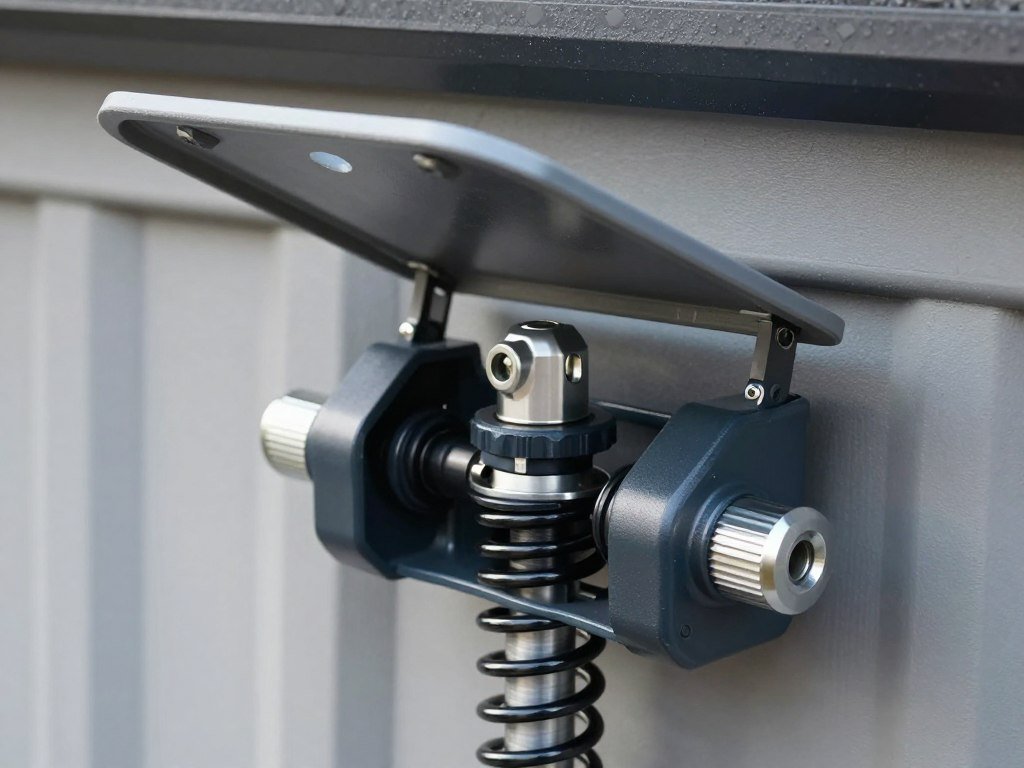
Hydraulic Lid Systems
Gas-spring mechanisms lift heavy shed lids effortlessly. Controlled closing prevents finger injuries and loud slams. This convenience enhances daily usage significantly.
Motion-activated LED lights illuminate interiors automatically. Battery or solar power eliminates wiring requirements. Evening waste disposal becomes safer and easier.
Rechargeable battery systems provide reliable lighting. Solar panels maintain charge during daylight hours. No electrical connections simplify installation.
Custom Finish Options
Premium manufacturers offer custom color matching. Your shed coordinates perfectly with home exteriors. Professional powder coating provides durable finishes.
Wood-grain textures on metal sheds combine beauty with strength. Advanced printing technology creates realistic appearances. You enjoy aesthetic warmth with metal durability.
Stainless steel construction resists all corrosion indefinitely
Reinforced flooring supports extremely heavy bin loads
Limited outdoor areas require creative storage solutions. Compact designs maximize functionality in tight spaces. Smart planning overcomes size constraints effectively.
Vertical Storage Designs
Tall narrow sheds utilize vertical space efficiently. These units maintain small footprints while providing adequate capacity. Height replaces width in confined areas.
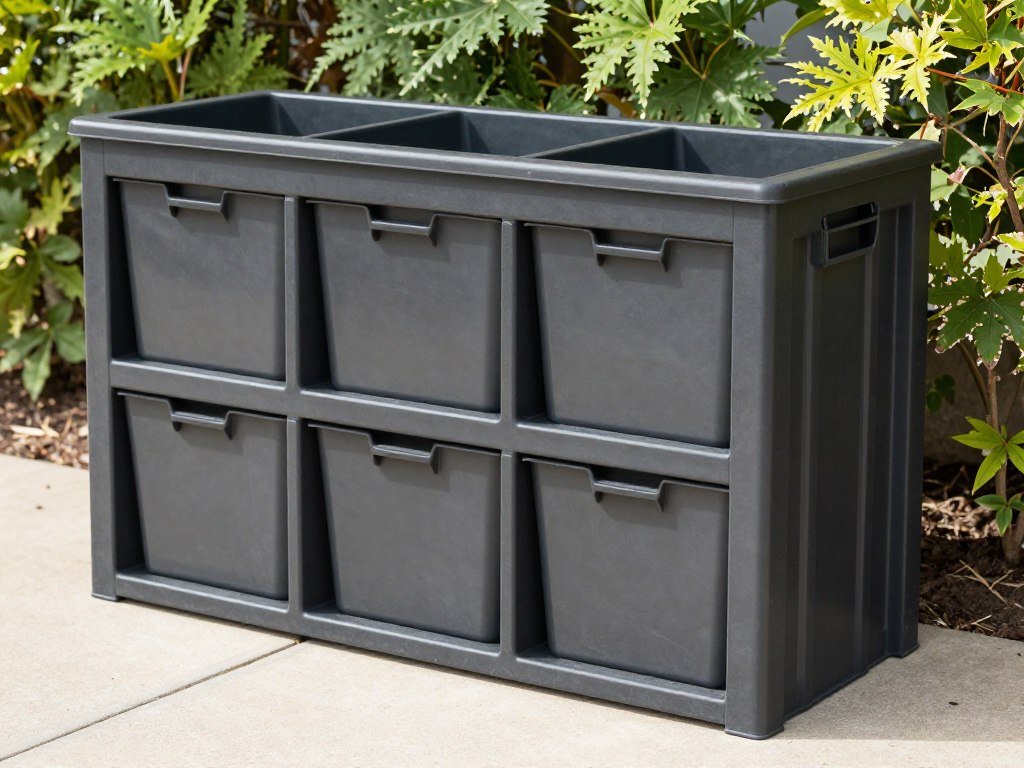
Stacking systems store smaller bins vertically. Pull-out drawers provide easy access to each level. This configuration doubles capacity without expanding footprint.
Corner and Wall-Mounted Options
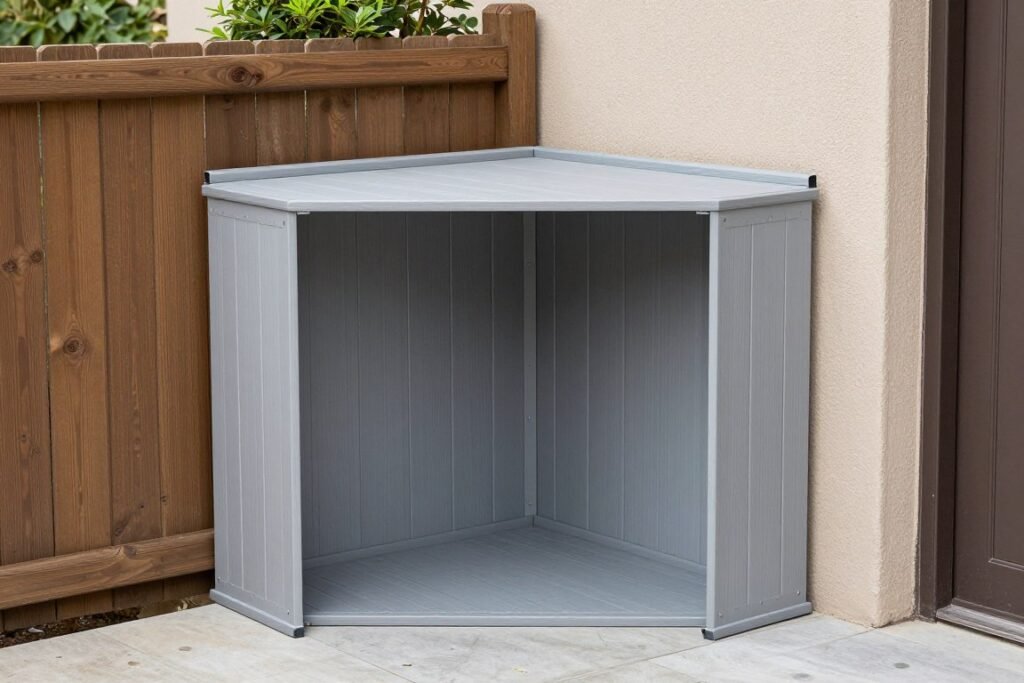
Corner sheds fit into unused angular spaces. Triangular designs capitalize on typically wasted areas. Every square foot serves functional purposes.
Wall-mounted enclosures attach directly to building exteriors. These systems avoid consuming ground space entirely. Fence-mounted options work similarly well.
Multi-Function Compact Units
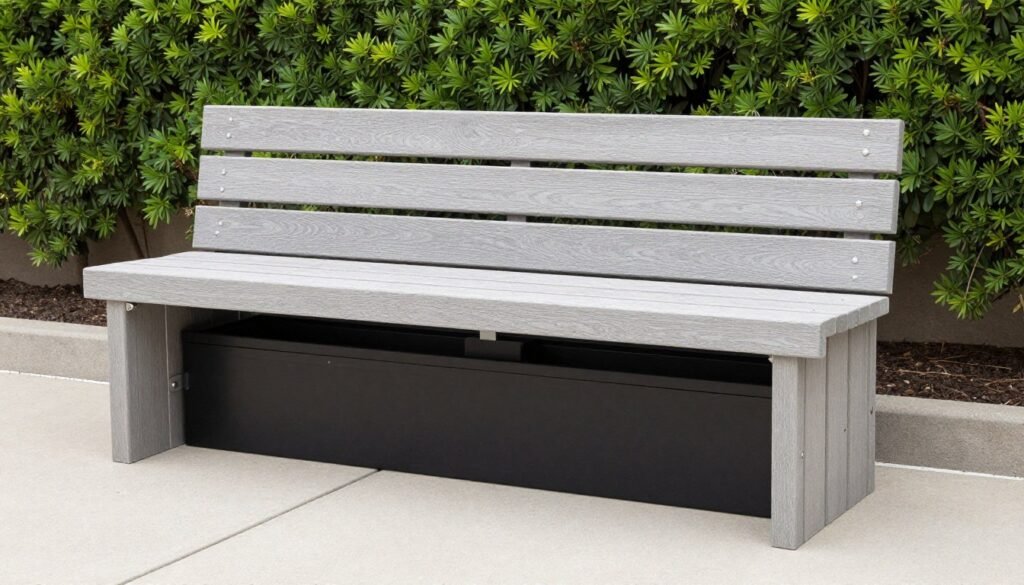
Combination bench-storage units serve dual purposes. Attractive seating conceals bins underneath. Guests never suspect the storage function.
Business properties require robust waste management systems. Commercial-grade storage handles high volumes reliably. Heavy-duty construction withstands intensive use.
Multi-Unit Capacity Systems
Commercial sheds accommodate numerous large bins. Restaurants and offices generate substantial waste volumes. Adequate capacity prevents overflow problems.
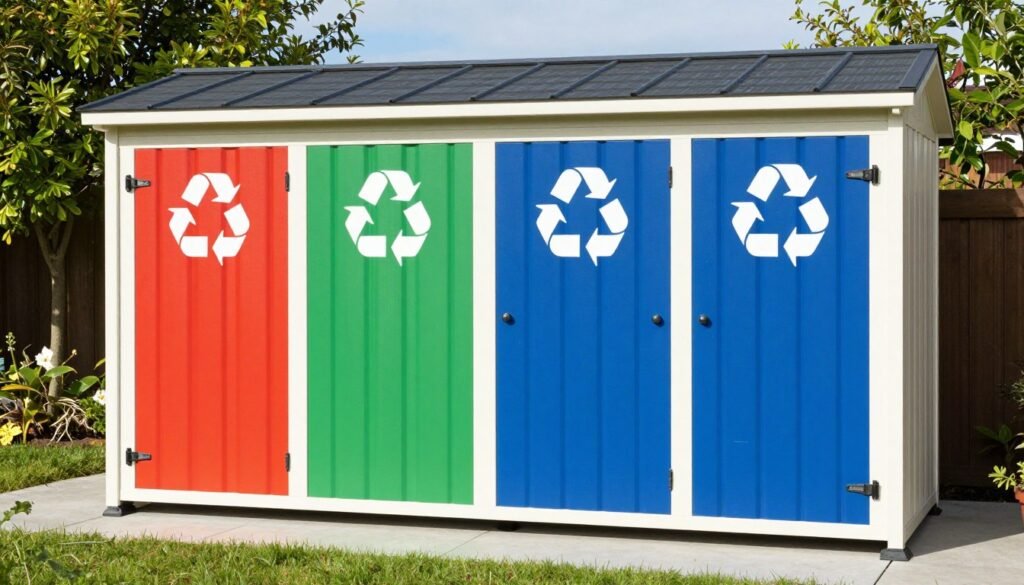
Separate compartments organize recyclables, compost, and trash. Color-coded sections simplify sorting for employees. Proper separation improves sustainability efforts.
Lever-style door handles operate easily without fine motor control. Smooth pathways enable easy approach and use. Compliance protects against legal issues.
Enhanced Security Features
Commercial locations face higher theft and vandalism risks. Reinforced construction deters damage attempts. Heavy-gauge materials resist forced entry.
Multiple locking points secure large door panels. Industrial-grade locks withstand tampering attempts. Security cameras monitor storage areas remotely.
Discover Commercial Storage Solutions
Need heavy-duty outdoor bin storage for your business? Explore commercial-grade sheds built for high-volume waste management. Find durable solutions that meet professional property requirements and municipal codes.
Aesthetic considerations influence storage selection significantly. Design choices complement existing outdoor décor. Beautiful storage enhances rather than detracts from landscapes.
Modern Contemporary Styles
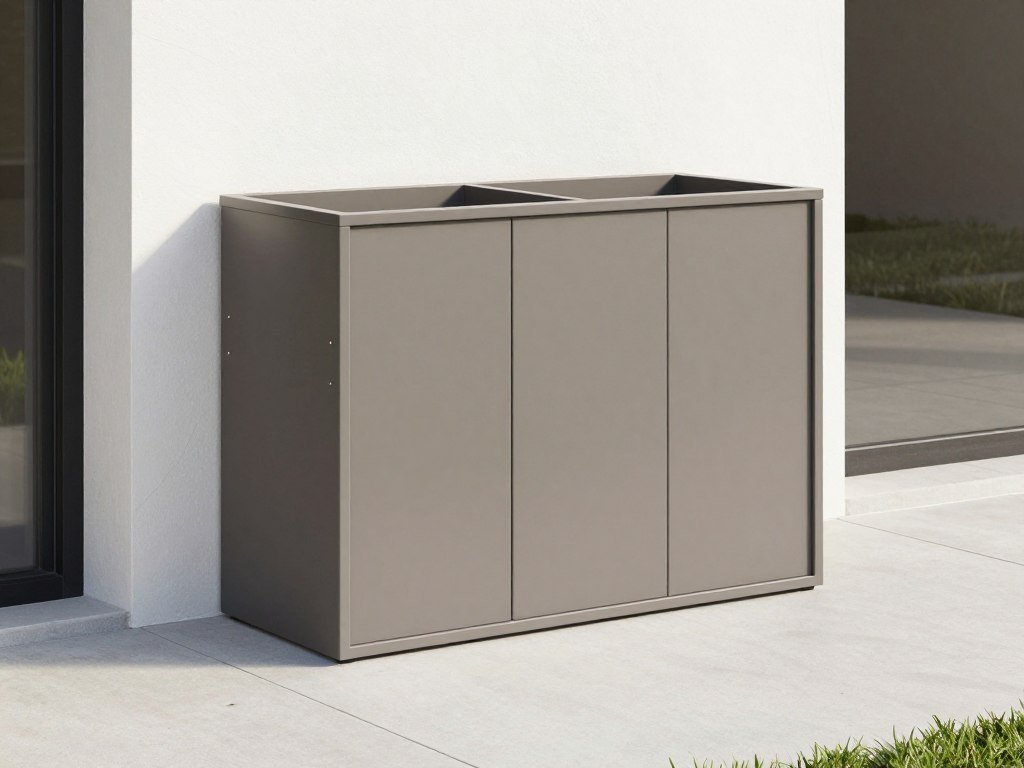
Clean lines and minimalist designs characterize modern sheds. Neutral colors blend with contemporary architecture. Simple geometric shapes create sophisticated appearances.
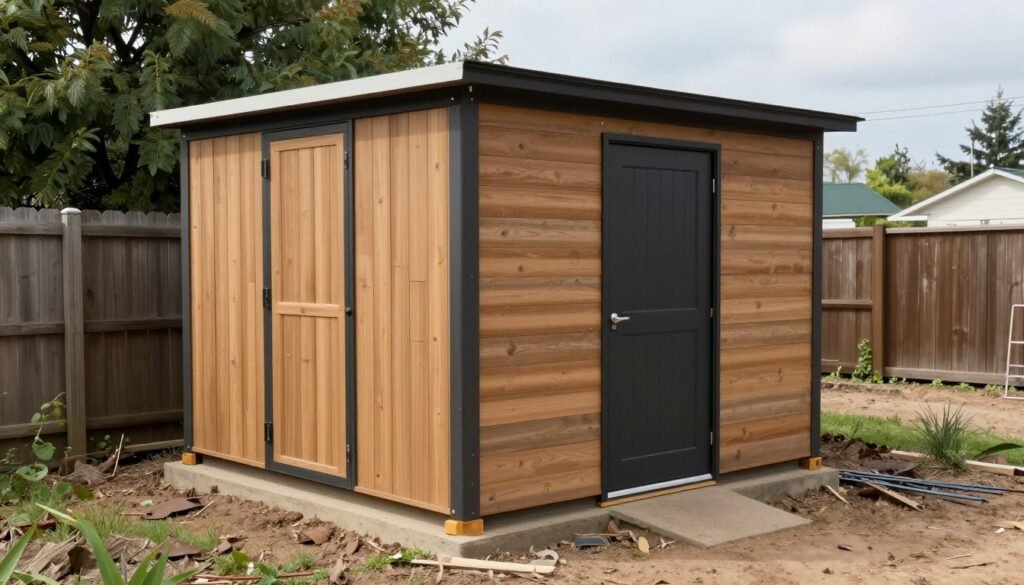
Flat-roof designs suit ultra-modern properties. Horizontal paneling emphasizes width over height. These sheds look intentionally designed rather than utilitarian.
Traditional Classic Designs
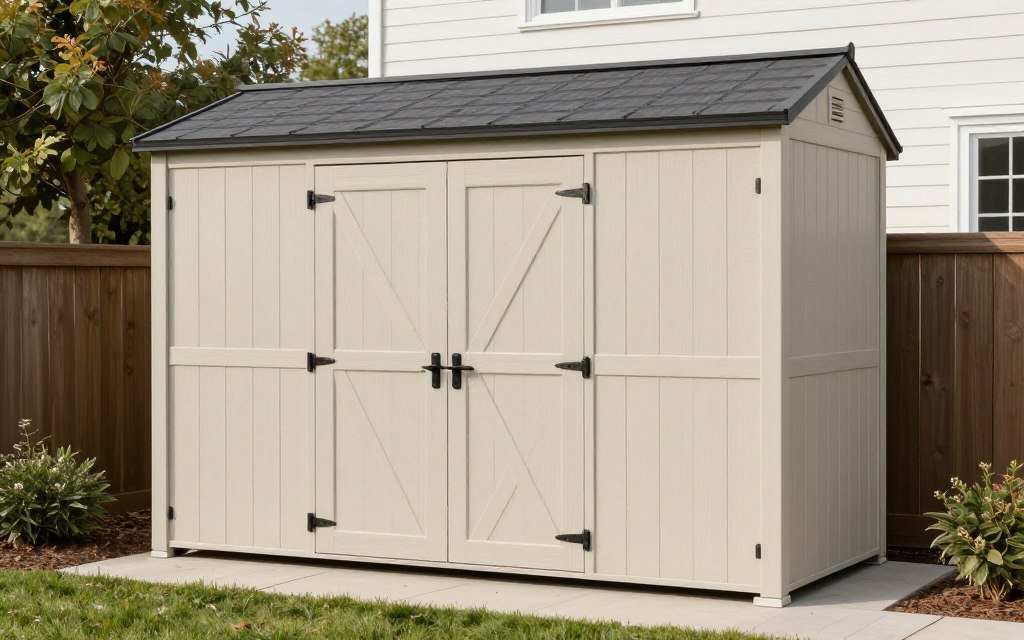
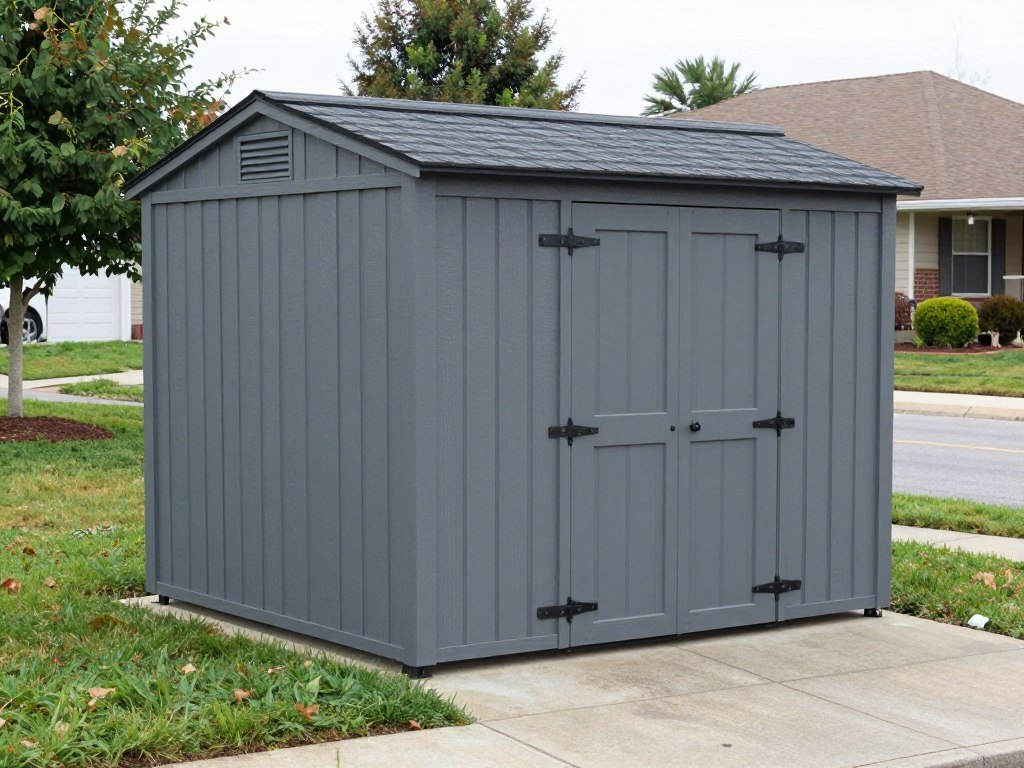
Gabled roofs and decorative trim suit traditional homes. Classic proportions mirror architectural heritage. These designs feel appropriate in established neighborhoods.
Panel details and window-style vents add character. Painted finishes match historical color palettes. Storage becomes an attractive landscape feature.
Rustic Natural Aesthetics
Rough-sawn lumber creates casual rustic appearances. Natural wood tones blend with garden environments. These sheds suit cottage and farmhouse styles.
Dedicated compartments for each waste stream prevent contamination. Separate sections for paper, plastic, metal, and glass. Clear organization eliminates sorting confusion.
Color-coded bins match municipal recycling programs. Visual cues guide proper material placement. Consistency improves recycling success rates.
Labeling and Identification
Clear labels eliminate disposal uncertainty. Pictures help households with multiple users. Everyone understands proper sorting procedures.
Weatherproof labels withstand outdoor exposure. Laminated signs resist fading and peeling. Durable identification lasts multiple years.
Compost Integration
Include dedicated compost bin space in storage planning. Organic waste streams reduce landfill contributions significantly. Convenient access encourages consistent composting.
Ventilated compost sections accelerate decomposition processes. Airflow prevents anaerobic odors from developing. Your storage remains pleasant-smelling.
Removable bins simplify transport to collection points
Wheeled containers roll easily across various surfaces
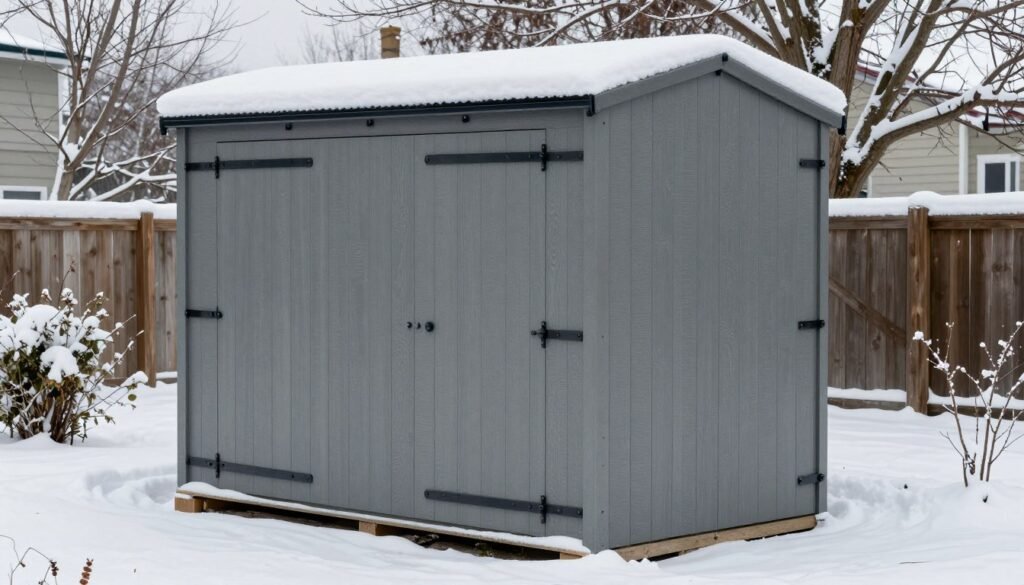
Reinforced roofs support heavy snow accumulation. Structural design accounts for regional snow loads. Proper engineering prevents collapse risks.
Steep roof pitches shed snow naturally. Accumulation slides off before reaching dangerous weights. Minimal manual clearing becomes necessary.
Ice Prevention Measures
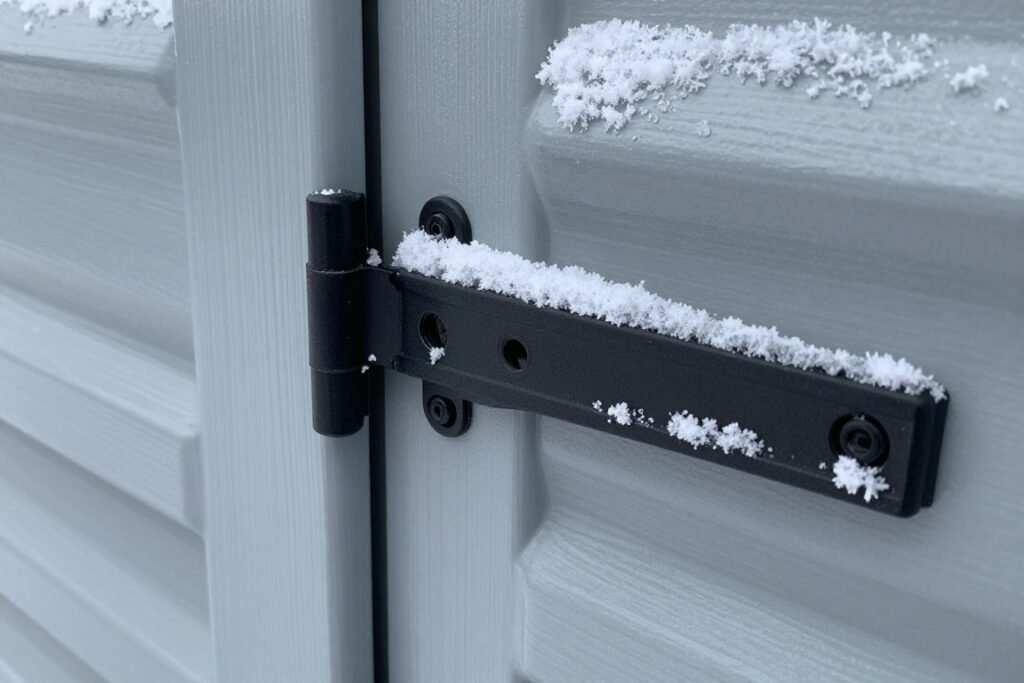
Door tracks and hinges resist ice formation. Weatherstripping prevents moisture penetration and freezing. Your access remains reliable through winter.
Apply silicone lubricants before freezing temperatures arrive. These products resist cold-weather thickening. Smooth operation continues through winter months.
Insulation Considerations
Insulated shed walls moderate internal temperatures. Extreme cold doesn’t freeze bin contents solid. Spring thawing proceeds more gradually.
Thermal breaks prevent heat transfer through metal frames. Condensation formation decreases inside insulated structures. Your bins stay drier through temperature fluctuations.
Municipal Code and HOA Compliance
Local regulations often govern outdoor storage structures. Understand requirements before purchasing sheds. Compliance prevents enforcement issues and fines.
Setback Requirements
Most jurisdictions specify minimum distances from property lines. Verify local setback rules before installation. Improper placement requires costly relocation.
Corner lots often face additional restrictions. Side yard requirements may differ from rear yard rules. Consult zoning maps for specific property regulations.
Size and Height Limitations
Maximum structure dimensions prevent neighborhood impacts. Height restrictions maintain sight lines and aesthetics. Stay within prescribed limits to avoid violations.
Some areas limit total accessory structure square footage. Combined shed areas must stay under maximums. Calculate existing structure dimensions before additions.
HOA Architectural Guidelines
Homeowner associations impose aesthetic standards. Material, color, and design restrictions maintain community uniformity. Review architectural guidelines thoroughly.
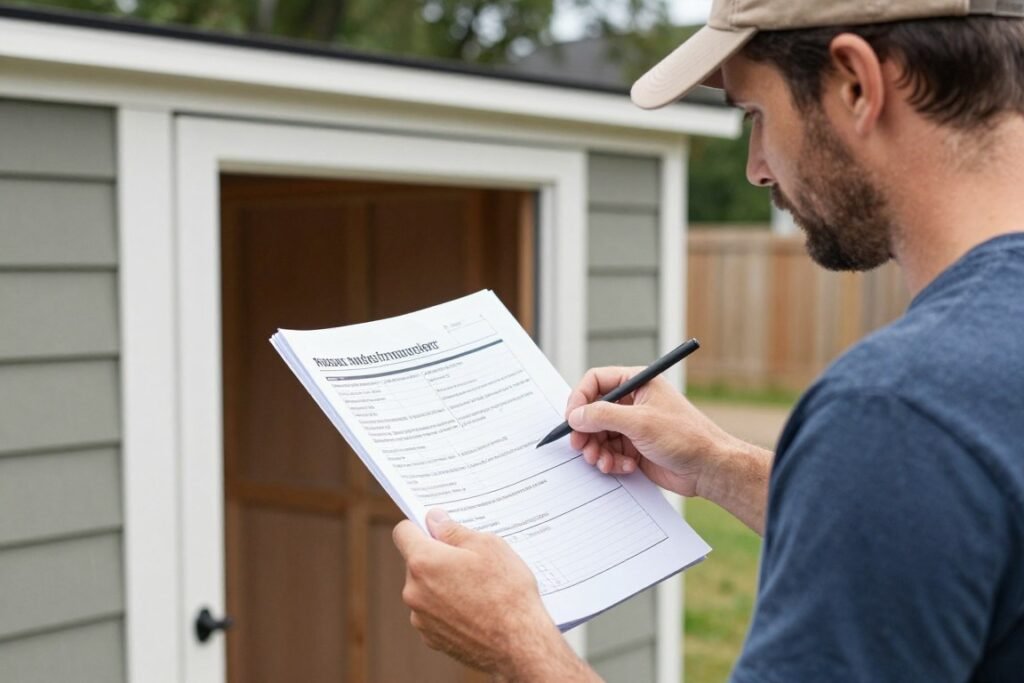
Submit detailed plans for HOA approval before purchasing. Modification requests require board review periods. Allow adequate time for approval processes.
Compliance Warning: Never assume structures under certain sizes avoid regulation. Many municipalities regulate all accessory buildings regardless of size. Verify requirements with local building departments before installation.
Environmentally-Friendly Storage Options
Sustainable storage choices reduce environmental impacts. Eco-conscious consumers seek responsible products. Green options support broader sustainability goals.
Recycled Material Construction
Sheds made from recycled plastics divert waste from landfills. Post-consumer materials gain new functional life. Your purchase supports circular economy principles.
Reclaimed wood sheds showcase beautiful weathered lumber. Salvaged materials reduce new resource consumption. Each unit tells a unique visual story.
Solar-Powered Features
Solar lighting eliminates battery waste and replacement. Renewable energy powers convenience features sustainably. Environmental benefits accumulate over product lifetime.
Solar ventilation fans operate without electrical connections. Sun-powered airflow reduces odors naturally. Technology serves function without environmental cost.
Sustainable Wood Sourcing
FSC-certified lumber comes from responsibly managed forests. Sustainable forestry maintains ecosystem health long-term. Certification verifies environmental stewardship.
Bamboo alternatives grow rapidly without replanting. This renewable resource matures in just three years. Bamboo sheds offer sustainable natural aesthetics.
Low-VOC finishes reduce toxic chemical emissions
Local manufacturing minimizes transportation carbon footprints
Modular designs allow component replacement rather than full replacement
Biodegradable packaging eliminates plastic waste
Extended warranties encourage long-term use over disposal
Common Installation Mistakes to Avoid
Proper installation ensures optimal shed performance. Common errors compromise function and longevity. Learn from others’ mistakes before starting your project.
Foundation Preparation Errors
Skipping ground leveling creates structural problems. Uneven bases stress frames and distort doors. Invest time in proper foundation preparation.
Inadequate drainage causes water pooling beneath sheds. Moisture promotes rot in wooden structures. Slope ground away from shed footprints.
Assembly Sequence Mistakes
Ignoring instruction sequence complicates assembly unnecessarily. Manufacturers design logical step progressions. Following order prevents mistakes and backtracking.
Over-tightening fasteners damages materials and threads. Snug connections provide adequate strength. Excessive force strips screws and cracks panels.
Location Selection Problems
Placing sheds too close to property lines violates codes. Verify setback requirements before digging foundations. Relocation costs exceed initial planning efforts.
Installing under trees invites falling branch damage. Overhanging limbs drop debris constantly. Choose locations clear of overhead hazards.
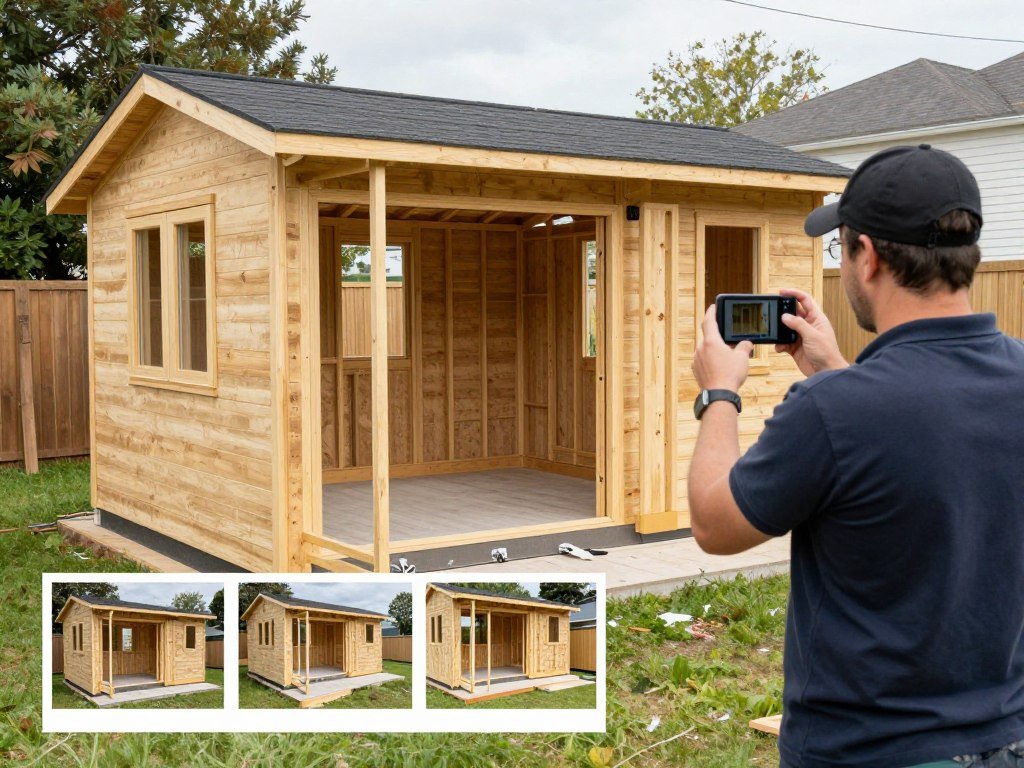
Installation Tip: Photograph each assembly stage for future reference. Document proper configuration before problems arise. These images help troubleshoot issues and guide maintenance tasks years later.
Accessibility and Ease-of-Use Features
User-friendly design benefits all household members. Accessibility features accommodate varying physical abilities. Thoughtful details improve daily interactions.
Door Operation Enhancements
Lightweight door panels open easily without excessive force. Balanced hinge systems reduce required effort. Children and elderly users manage access independently.
Large handles accommodate gloved hands comfortably. Lever designs require less grip strength than knobs. Ergonomic hardware serves diverse users.
Height and Reach Considerations
Standard bin heights allow comfortable loading without bending. Proper clearances accommodate wheelchair users. Universal design principles guide dimension selection.
Pull-out bin mechanisms bring contents forward. Users avoid reaching deep into storage spaces. This feature reduces strain and improves safety.
Lighting and Visibility
Adequate illumination aids evening waste disposal. Older users require brighter light for safe navigation. Motion-activated systems provide automatic assistance.
Contrasting colors improve component visibility. Light-colored interiors show bin positions clearly. Visual clarity prevents trips and collisions.
Smart Technology Integration Options
Modern technology enhances outdoor storage functionality. Connected devices add convenience and monitoring. Smart features suit tech-forward households.
Sensor Monitoring Systems
Fill-level sensors track bin capacity remotely. Smartphone notifications indicate when bins need emptying. Technology prevents overflow situations.
Odor detection alerts warn of developing problems. Early notification allows proactive cleaning. Your outdoor areas stay fresher consistently.
Automated Door Systems
Motorized doors open via smartphone commands. Remote operation aids mobility-challenged users. Convenience justifies technology investment for many.
Voice-activated controls integrate with home automation. Hands-free operation benefits when carrying bags. Technology serves practical daily needs.
Security and Monitoring
Integrated cameras monitor storage area activity. Motion detection records potential tampering events. Video evidence aids problem resolution.
Access logging tracks bin usage patterns. Data reveals optimal collection scheduling. Information supports waste reduction efforts.
Frequently Asked Questions About Outdoor Bin Storage
What size outdoor bin shed do I need for a family of four?
Most families of four require dual-bin capacity at minimum. A standard shed measuring 4-5 ft. wide accommodates two large garbage cans comfortably. This size handles one trash bin and one recycling bin effectively.
Consider upgrading to triple-bin capacity if your municipality requires separate yard waste collection. Families generating significant recyclables benefit from additional sorting space. Measure your current bins before purchasing to ensure proper fit.
Do metal outdoor bin sheds rust over time?
Quality metal sheds feature galvanized steel or powder-coated finishes that resist rust. The galvanization process applies protective zinc coating to prevent corrosion. Stainless galvanized construction withstands coastal environments without oxidation.
Minor scratches through protective coatings should receive touch-up paint promptly. This prevents rust from developing at damaged spots. With proper maintenance, metal sheds last 15-25 years without significant corrosion. Regular inspection and small repairs preserve longevity effectively.
Can outdoor storage sheds prevent raccoons from accessing bins?
Properly designed bin sheds with lockable doors effectively exclude raccoons and other wildlife. Heavy-duty latches and secure closures prevent clever animals from opening enclosures. The physical barrier protects bins when doors remain closed.
Seal all gaps larger than one inch to prevent smaller pest entry. Raccoons squeeze through surprisingly small openings. Weatherstripping and hardware cloth over vents block access points while maintaining ventilation. Combine physical barriers with proper waste management practices for comprehensive pest prevention.
How much assembly time should I expect for outdoor bin sheds?
Basic resin sheds typically require 1-2 hours for assembly with two people. Metal units average 2-3 hours depending on complexity and size. Wooden sheds demand 3-5 hours for complete construction and finishing.
Pre-cut kits with clear instructions simplify the process significantly. Having proper tools ready before starting saves considerable time. Factor in foundation preparation when planning project timelines. Site leveling and pad installation add several hours to total project duration.
What’s the best way to reduce odors in outdoor bin storage?
Adequate ventilation provides the most effective odor control. Sheds with vent slots near the roof allow hot air and smells to escape naturally. Cross-ventilation with opposing vents maximizes airflow through the structure.
Supplement ventilation with odor-absorbing products like baking soda or activated charcoal bags. Rinse bins regularly to remove residue that causes persistent smells. Double-bag especially odorous waste before disposal. Clean shed interiors quarterly with disinfectant solution for fresh-smelling storage.
Do I need a permit to install an outdoor bin storage shed?
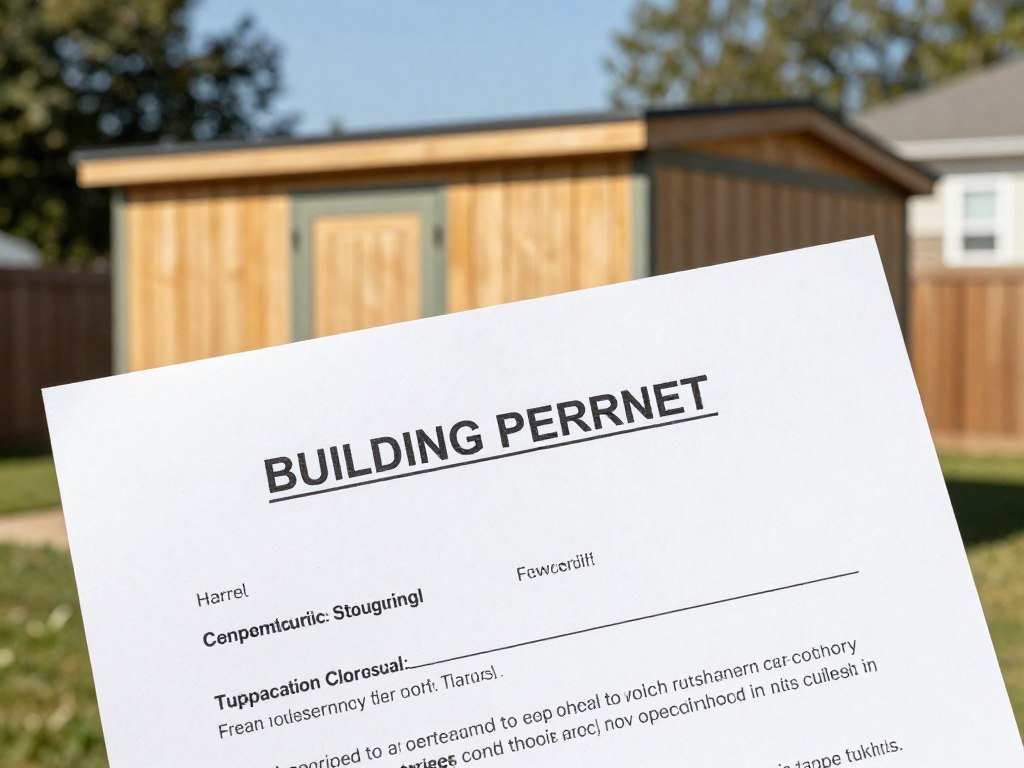
Permit requirements vary significantly by municipality and shed size. Many jurisdictions exempt small accessory structures under specific square footage thresholds. However, some cities regulate all outdoor buildings regardless of dimensions.
Contact your local building department before purchasing to verify requirements. Zoning regulations may restrict placement locations even when permits aren’t required. Homeowner associations often impose additional approval processes beyond municipal rules. Allow 2-4 weeks for permit applications and approvals in areas requiring authorization.
Can outdoor bin sheds withstand heavy snow loads?
Quality sheds designed for cold climates incorporate reinforced roof structures. Manufacturers specify maximum snow load capacities in product specifications. Match shed ratings to your region’s typical snowfall amounts for adequate protection.
Steep roof pitches shed snow naturally before dangerous accumulation occurs. Some owners brush excessive snow from roofs during extreme weather events. Metal sheds generally handle snow loads better than lightweight resin alternatives. Verify structural ratings match local building codes for your climate zone.
How do I secure outdoor storage sheds against theft?
Install sheds on permanent concrete foundations when possible for maximum stability. Anchor structures to foundations using heavy-duty bolts or ground anchors. This prevents entire unit theft in addition to contents protection.
Use quality padlocks with hardened steel shackles resistant to bolt cutters. Consider multiple locking points on larger door panels for enhanced security. Motion-activated lighting deters nighttime tampering while improving usability. Security cameras monitoring the storage area provide evidence if incidents occur.
Creating Your Ideal Outdoor Storage Solution
Outdoor trash can storage transforms unsightly waste areas into organized spaces. The right shed protects bins from weather and pests. Your property gains curb appeal while solving practical problems.
Material selection impacts longevity and maintenance requirements. Metal sheds offer superior durability in harsh climates. Wooden options provide natural beauty for garden integration. Resin units deliver low-maintenance convenience.
Proper sizing ensures adequate capacity for household needs. Consider future requirements when selecting dimensions. Multi-bin systems support comprehensive recycling efforts. Lockable features add security and peace of mind.
Strategic placement balances accessibility with aesthetics. Position sheds near kitchen access points for convenience. Screen storage with landscaping for visual appeal. Ensure collection crews access bins easily on service days.
Quality installation prevents common problems. Level foundations support proper door operation. Adequate drainage protects structure longevity. Following manufacturer instructions ensures warranty coverage.
Regular maintenance preserves appearance and function. Clean exteriors quarterly to prevent buildup. Inspect seals and hardware annually for wear. Address small issues before they become major repairs.
Your outdoor space deserves thoughtful organization. Smart bin storage enhances property value and daily living. The investment pays dividends through improved aesthetics and functionality.
Start planning your outdoor storage upgrade today. Measure your space and assess your needs. Compare options across materials and features. Transform your outdoor area with the perfect bin shed solution.