Transform raw wood into beautiful creations that enhance your home and garden. Woodworking offers endless possibilities for crafting functional pieces and decorative items. Whether you need furniture for your bedroom or planters for your backyard, these projects bring your creative vision to life.
This Website contains affiliate links. That means I may earn a small commission if you purchase through my links, at no extra cost to you.
Starting with diy wood projects doesn’t require years of experience. Many beginners discover their skills through simple builds that take just a couple hours. The right guidance helps you avoid common mistakes and build confidence with each completed piece.
This comprehensive guide presents over fifty wood projects organized by skill level and purpose. You’ll find everything from basic shelves to statement furniture. Each project category includes material lists, size recommendations, and style options. Explore detailed woodworking plans that provide step-by-step instructions for every build.
Beginner-Friendly Wood Projects to Start Your Journey
Simple wood projects build foundational skills without overwhelming new woodworkers. These beginner builds require minimal tools and teach essential techniques. Most projects use common lumber sizes available at any home improvement store.
Basic Shelving and Storage Solutions
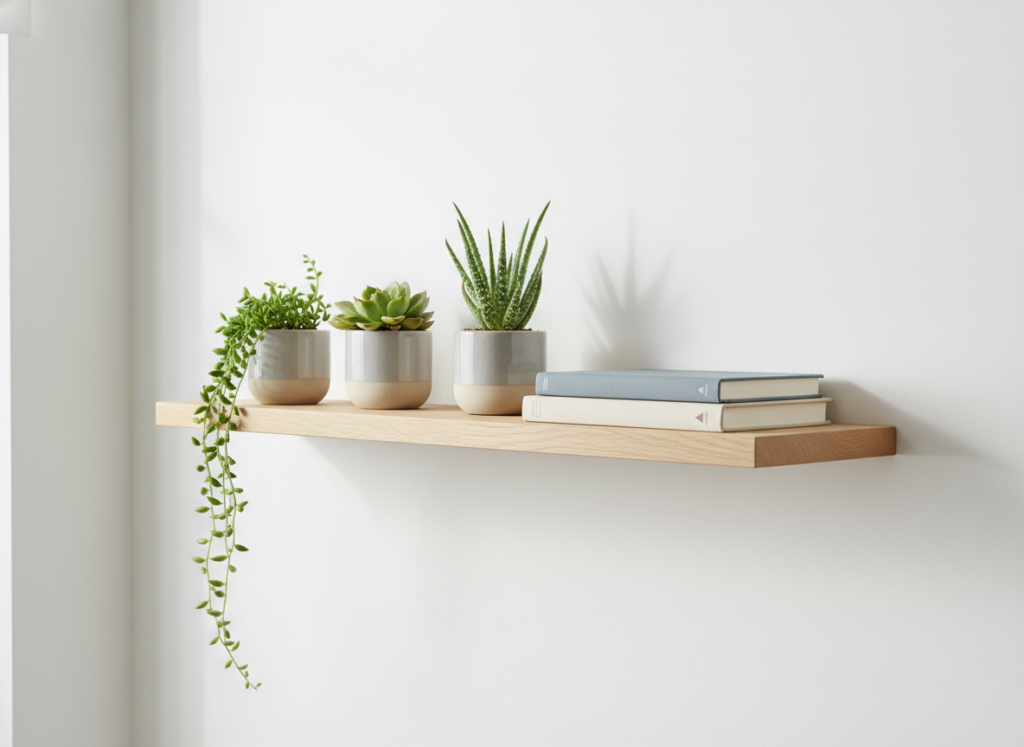
Wall shelves represent the perfect first project for developing measurement and cutting skills. A floating shelf adds storage space to any room while keeping your floor clear. Choose a size that fits your wall space and desired function.
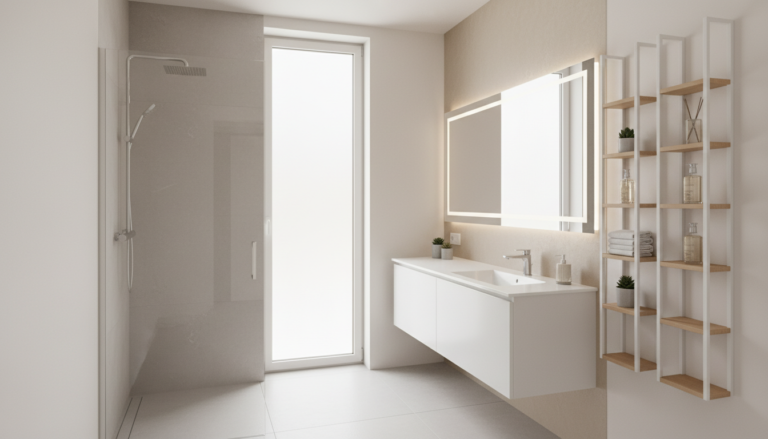
Bathroom shelves work particularly well for beginners. The small size means less material cost and shorter build time. Cedar wood resists moisture naturally, making it an excellent choice for humid spaces.
Related Posts:


Kitchen organization improves with custom wooden shelving. A spice rack keeps cooking essentials within easy reach. The compact design also serves as excellent practice for precise joinery.
Simple Furniture for Every Room
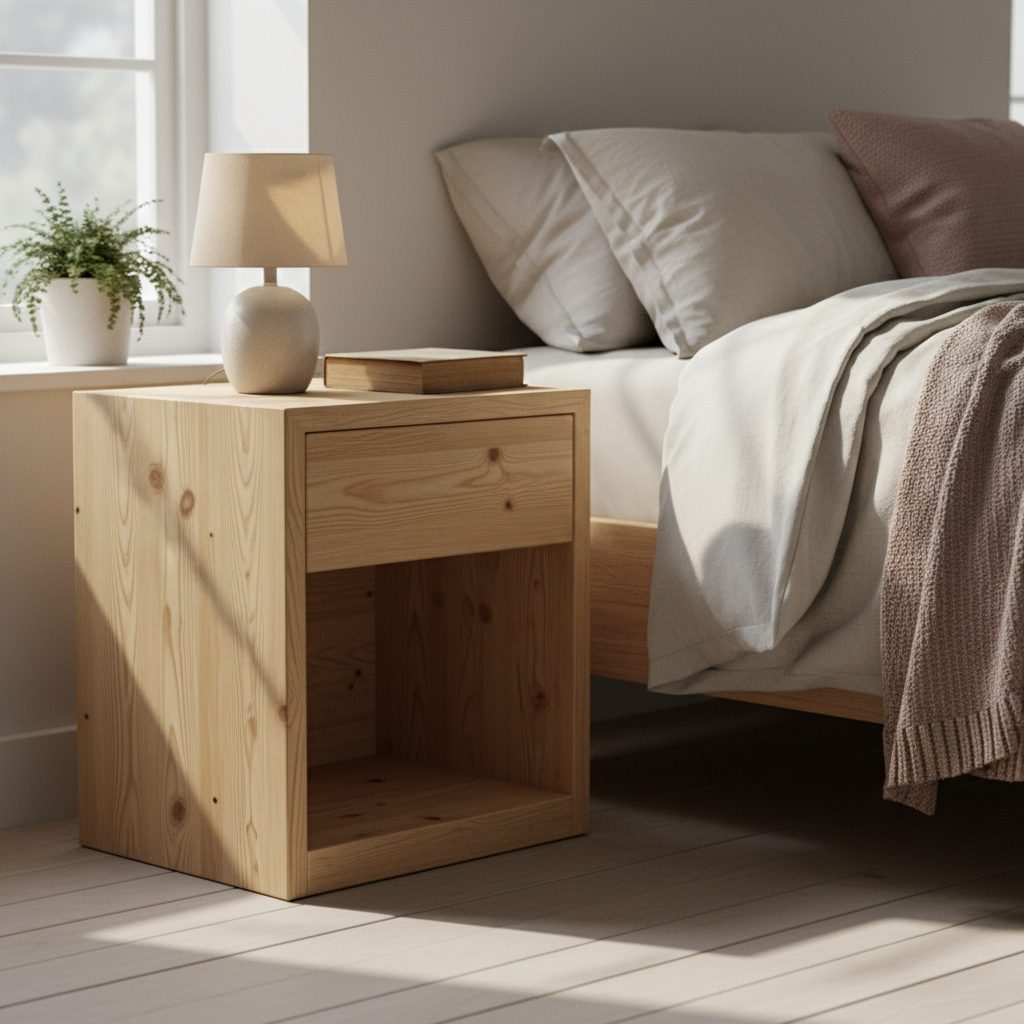
A basic nightstand teaches joinery skills while creating functional bedroom furniture. The straightforward design typically includes a flat top and single shelf. This project introduces you to working with multiple wood pieces.
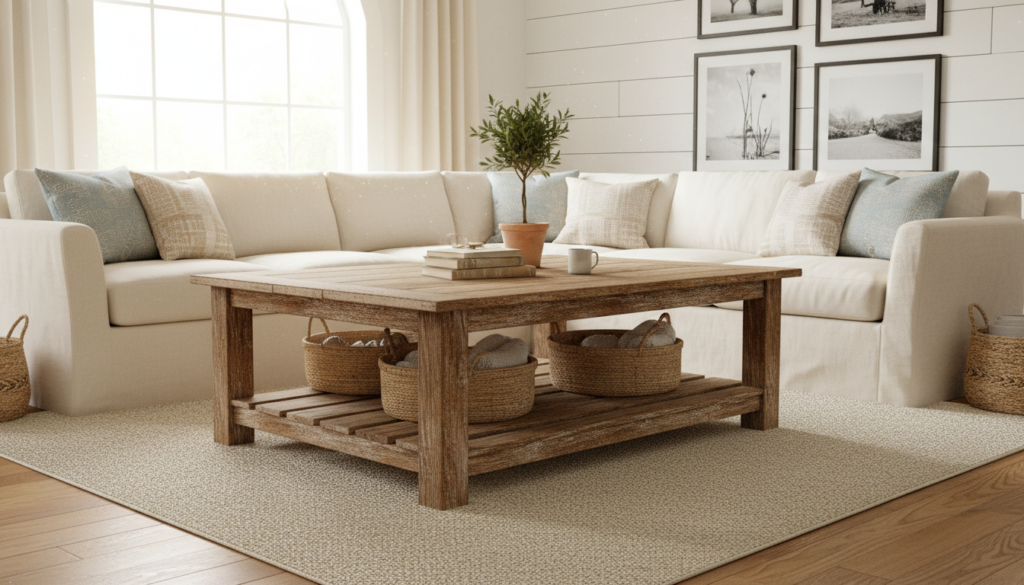
Coffee tables offer another approachable furniture option. A simple table design uses four legs and a top board. Sand the surface smooth and apply finish to protect the wood and enhance natural grain patterns.
Ready to Build Your First Project?
Access thousands of beginner-friendly woodworking plans with detailed cut lists, material guides, and step-by-step instructions. Perfect for building confidence and developing essential skills.
Practical Kitchen and Dining Items
Cutting boards make excellent beginner projects that friends and family appreciate. Use hardwoods like maple or walnut for durability. The simple rectangular design requires only basic cutting and sanding.
Wooden coasters protect furniture surfaces while showcasing your craftsmanship. Cut uniform squares from scrap wood and sand edges smooth. Apply food-safe finish to make cleanup easier.
A utensil holder organizes kitchen tools in style. This small project uses just one board cut to size. Drill holes for utensils or create divider sections with additional wood strips.
Outdoor and Garden Wood Projects
Garden projects combine functionality with curb appeal. Outdoor builds expose you to weather-resistant wood choices and finishing techniques. These projects transform your backyard into an organized, beautiful space.
Planter Boxes and Garden Containers
A raised planter box elevates your garden both literally and visually. Cedar naturally resists rot, making it ideal for outdoor use. Build planters in various sizes to accommodate different plants and space constraints.

Window box planters add charm to your home exterior. Mount these shallow containers beneath windows for a cottage garden look. Choose wood that matches your home style and existing outdoor features.
Vertical planters maximize growing space in small yards. Stack multiple boxes or create a ladder-style design. This approach works particularly well for herbs and small vegetables. Find detailed garden project blueprints for creative outdoor builds.
Backyard Furniture and Structures
A simple garden bench provides seating while showcasing your woodworking skills. Use pressure-treated lumber for longevity outdoors. The basic design includes a seat, backrest, and four sturdy legs.
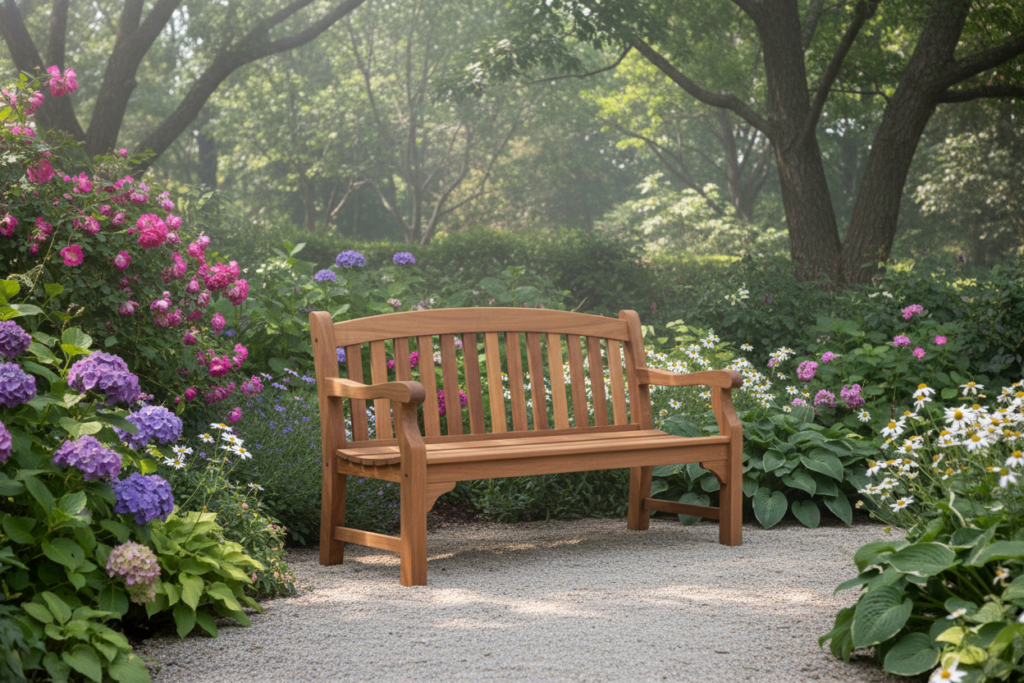
Outdoor side tables complement patio seating areas. Build a compact table for holding drinks during backyard gatherings. Weather-resistant finish protects wood from rain and sun damage over time.
A potting bench streamlines garden tasks and organizes supplies. Include a work surface, shelf storage, and hooks for tools. Position this functional piece near your garden for convenient access to everything you need.
Decorative Garden Elements
Garden arbors create stunning focal points and support climbing plants. This intermediate project requires precise angle cuts and sturdy construction. Place the finished arbor at garden entrances or over pathways.
Wooden trellises guide vine growth and add vertical interest. Cut lattice patterns or use simple cross designs. Lean trellises against walls or anchor them freestanding in garden beds.
Bird feeders attract wildlife while demonstrating your craftsmanship. Simple post-style feeders work well for beginners. More advanced designs include roof structures and multiple feeding stations.
Furniture Projects for Your Home
Custom furniture fills your living space with personality and function. These builds range from simple to complex, offering options for every skill level. Quality furniture projects become family heirlooms that last for years.
Living Room Statement Pieces
A farmhouse-style coffee table anchors your living room with rustic charm. This popular design features a lower shelf for storage and display. Distressed finishes create authentic vintage character.
Console tables provide both style and function in entryways or behind sofas. The narrow design fits tight spaces while offering surface area for display. Add drawers or shelves for additional storage options.
TV stands organize entertainment equipment while complementing your room design. Build compartments sized for your specific devices. Cable management cutouts keep cords hidden and organized.
Build Professional-Quality Furniture
Master furniture construction with comprehensive plans covering every detail. Learn proper joinery, finishing techniques, and design principles that create pieces you’ll treasure for decades.
Bedroom Storage and Surfaces
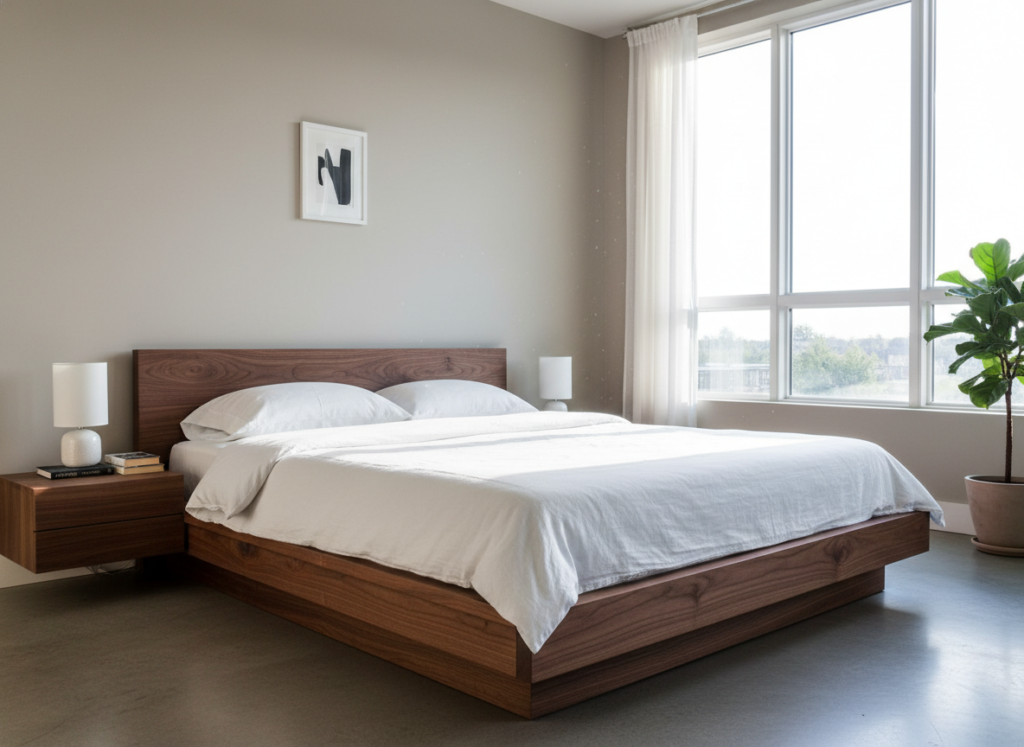
A platform bed frame eliminates the need for a box spring while creating clean lines. This modern design suits minimalist and contemporary bedroom styles. Include built-in storage drawers for maximum space efficiency.
Dressers challenge your skills while providing essential bedroom storage. Start with a simple three-drawer design before attempting larger pieces. Drawer slides ensure smooth operation for daily use.
Dining Room Essentials
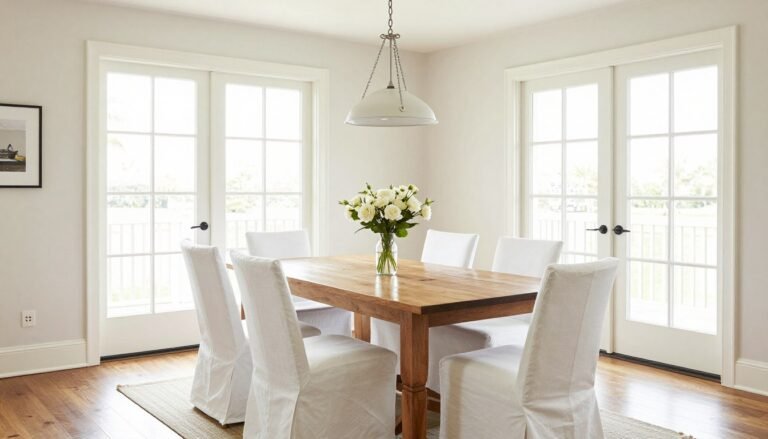
A farmhouse dining table serves as the heart of family gatherings. This substantial project requires careful planning and sturdy construction. Choose a size that accommodates your typical number of diners plus a couple guests.
Matching benches offer flexible seating that tucks neatly under the table. Build benches in one afternoon using the same wood as your table. The simple design complements various table styles.
A buffet or sideboard adds storage and serving space to dining areas. Include drawers for linens and cabinets for dishes. The flat top surface provides room for serving platters during meals.
Home Décor and Accent Pieces
Small decorative projects add personal touches throughout your home. These builds often use scrap wood from larger projects. Quick completion time makes them perfect for gifts or seasonal updates.
Wall Art and Display
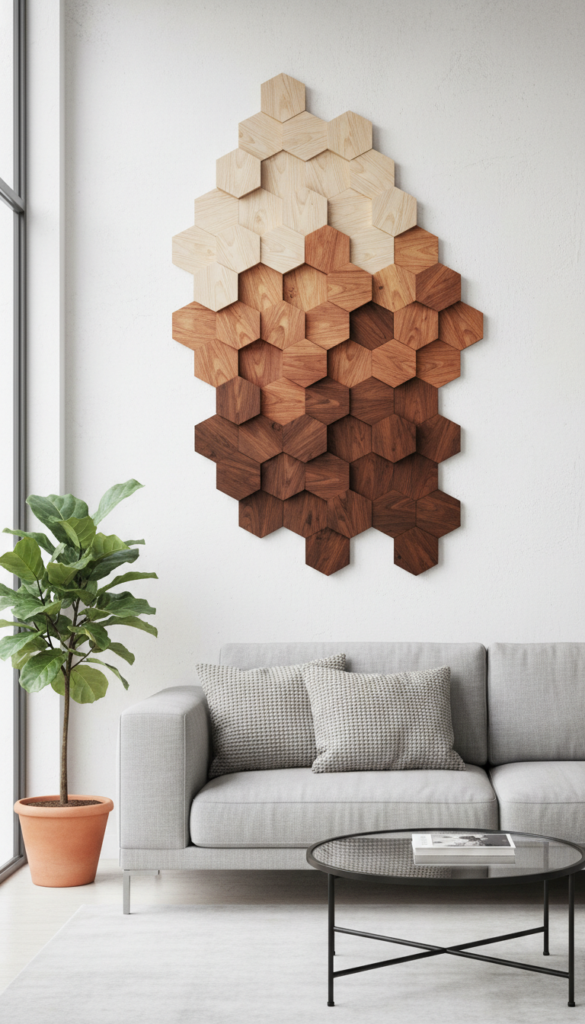
Wooden wall art creates focal points in any room. Geometric designs offer modern style while requiring precise cuts. Stain different sections in contrasting colors for visual interest.
Floating shelves display photos, plants, and collectibles without visible brackets. Hidden mounting hardware creates a clean, minimalist look. Arrange multiple shelves at varying heights for dynamic wall composition.
Picture frames showcase your woodworking while highlighting cherished photos. Build frames in standard sizes or custom dimensions. Mitered corners create professional-looking joints. Discover creative home décor projects that transform your space.
Functional Décor Items
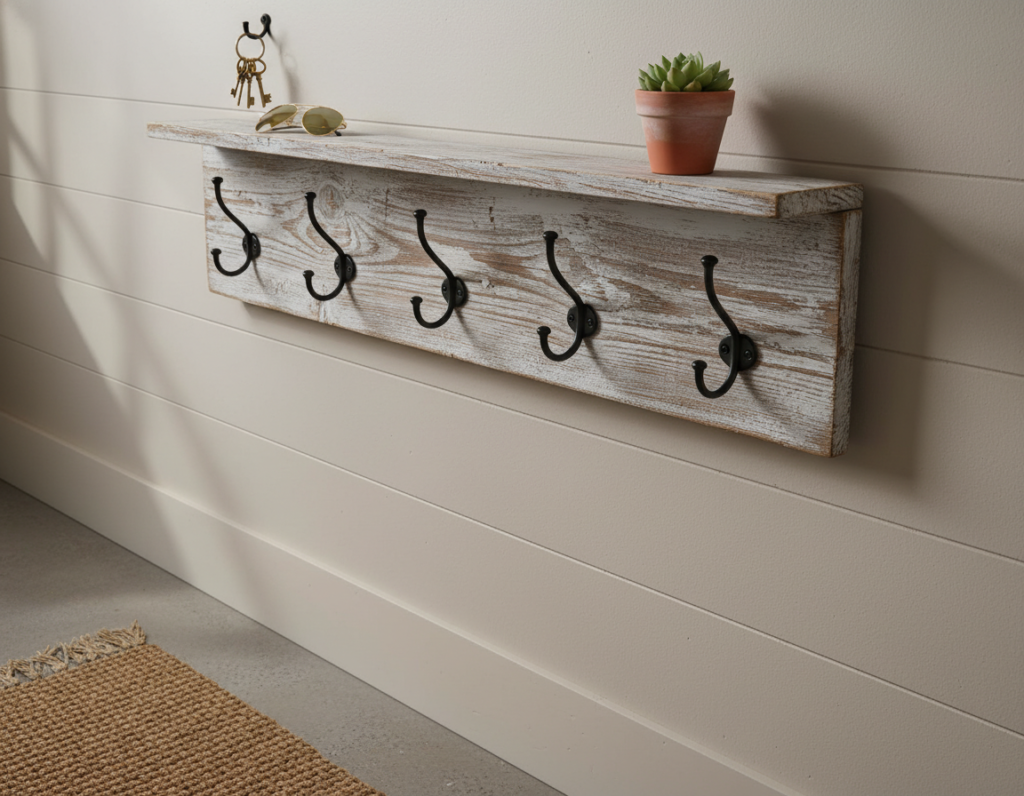
A coat rack keeps entryways organized and welcoming. Wall-mounted designs save floor space in small homes. Add decorative hooks that complement your interior style.
Key holders prevent misplaced keys and add charm near doorways. Small designs incorporate hooks and a shelf for mail. Personalize with carved details or painted accents.
Seasonal and Holiday Projects
Wooden signs welcome guests with personalized messages. Use stencils for lettering or freehand for a unique look. Seasonal signs rotate throughout the year for fresh décor.
Holiday decorations crafted from wood bring warmth to celebrations. Build Christmas trees, pumpkins, or Easter displays. These projects often require minimal materials and make thoughtful gifts.
Advent calendars combine function with festive spirit. Create small drawers or pockets numbered for December countdown. Fill compartments with treats or messages for daily surprises.
Workshop Organization Projects
An organized workshop increases productivity and safety. Storage projects keep tools accessible and protected. Custom organization fits your specific space and needs better than purchased solutions.
Tool Storage Solutions
A tool chest consolidates hand tools in one portable location. Divided compartments separate different tool types. Add a lid to protect contents from dust when not in use.
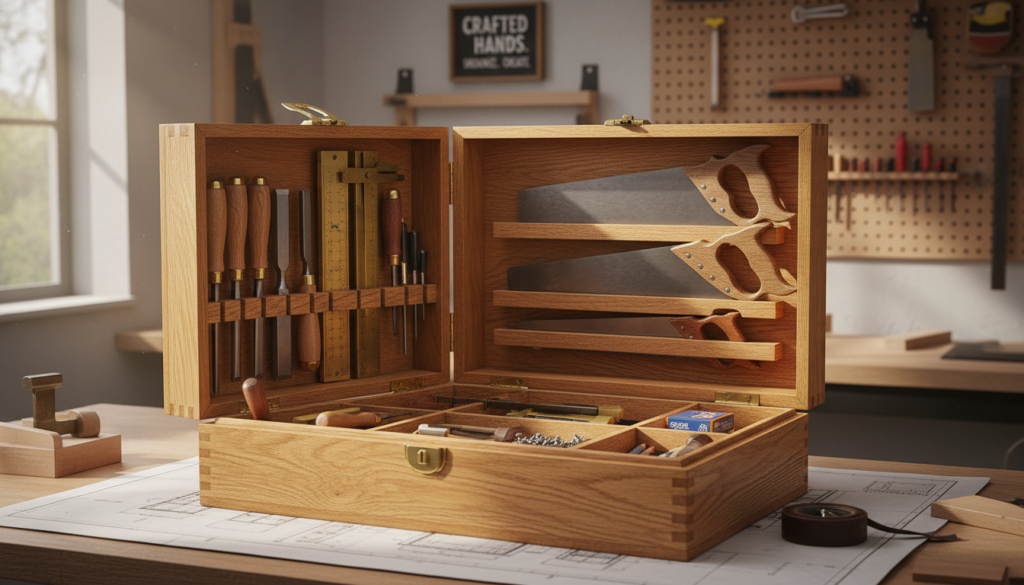
Wall-mounted tool racks maximize vertical space in workshops. Create custom holders sized for your specific tools. Pegboard combinations offer flexible arrangement options.
A workbench transforms any space into a functional workshop. Build a sturdy surface that withstands heavy projects and tool use. Include vises, dog holes, and storage underneath for complete functionality.
Material and Supply Organization
Lumber racks store boards vertically or horizontally depending on available space. Keep different wood species separated for easy selection. Proper storage prevents warping and damage over time.
Hardware organizers separate screws, nails, and fasteners by size. Small drawer units or wall-mounted bins work well. Clear labeling saves time when gathering materials for projects.
Scrap wood bins collect leftover pieces for future small projects. Sort by wood type or size for quick access. Many decorative items and small gifts come from these saved materials.
Intermediate to Advanced Project Ideas
As skills develop, more complex projects become achievable. These builds incorporate advanced joinery and design elements. Challenge yourself while creating impressive, functional pieces.
Complex Furniture Builds
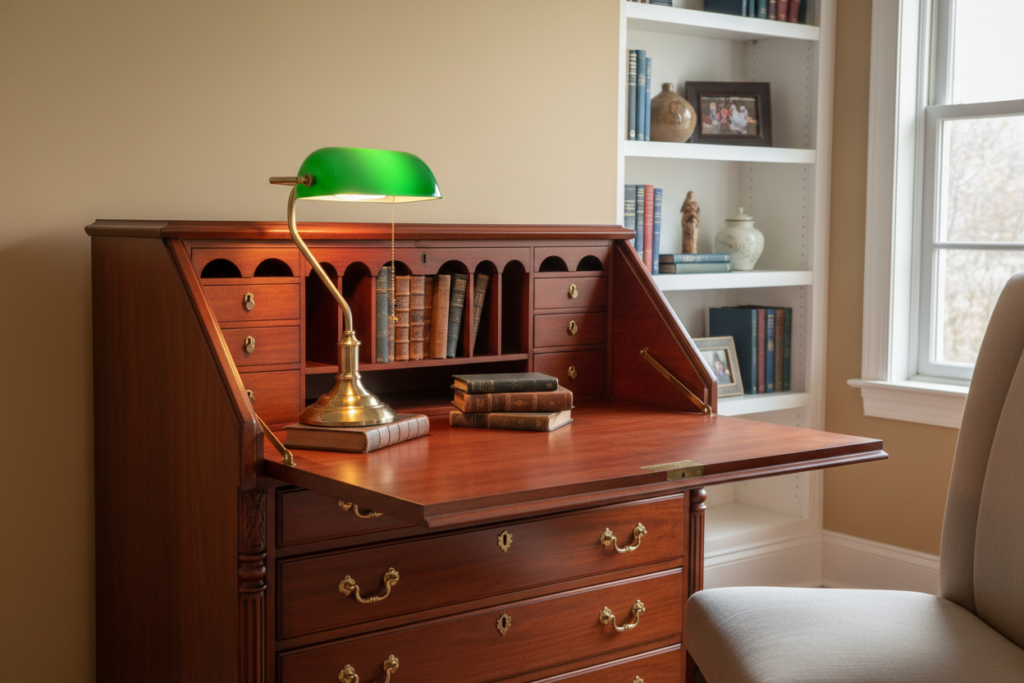
A secretary desk combines workspace with storage in a compact footprint. The fold-down writing surface reveals organized compartments. This project requires precise hinge installation and careful planning.
Rocking chairs test your ability to create curved components and balanced design. The gentle motion requires specific angles and weight distribution. This timeless piece becomes a family treasure.
Built-in bookcases transform entire walls into functional storage and display. Custom sizing fits awkward spaces perfectly. Include adjustable shelves to accommodate books of varying heights.
Master Advanced Woodworking Techniques
Take your skills to the next level with expert-designed plans for complex furniture and fine woodworking. Learn professional joinery, intricate designs, and finishing methods used by master craftsmen.
Specialty Items and Gifts
Jewelry boxes feature intricate details and specialized compartments. Line interiors with felt to protect delicate items. Hidden compartments and decorative inlays showcase advanced skills.
Wooden toys delight kids while demonstrating craftsmanship. Build cars, puzzles, or play kitchens using child-safe materials. Sand all edges smooth and use non-toxic finishes.
Musical instruments like simple flutes or dulcimers combine woodworking with sound engineering. These projects require precise measurements for proper tone. Research specific dimensions before beginning construction.
Outdoor Structures
A pergola creates defined outdoor rooms in your backyard. This substantial project provides shade and supports climbing plants. Ensure posts are properly anchored for stability and safety.
Garden sheds organize outdoor equipment and supplies. Design custom sizes to fit your yard and storage needs. Include windows for natural light and ventilation.
Playhouses give kids their own special space while showcasing your building abilities. Incorporate fun details like window boxes, shutters, or a small porch. Scale down standard construction techniques for this miniature house.
Choosing the Right Wood and Materials
Material selection impacts both project success and final appearance. Different wood species offer varying characteristics and price points. Understanding wood properties helps you make informed choices for each build.
Common Wood Types for DIY Projects
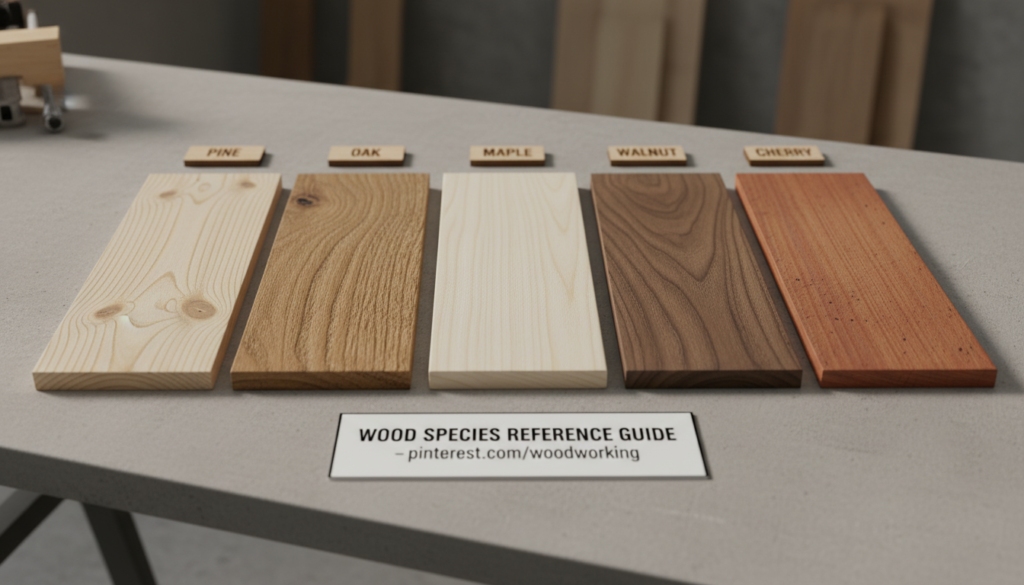
Pine remains the most popular choice for beginner woodworking. This softwood cuts easily and costs less than hardwoods. Paint or stain hides the plain grain pattern effectively.
Oak provides durability and attractive grain for furniture projects. Red oak costs less than white oak while offering similar strength. The prominent grain pattern creates visual interest even with clear finishes.
Softwoods
- Pine – affordable, easy to work with, takes paint well
- Cedar – naturally rot-resistant, ideal for outdoor projects
- Fir – strong and stable, good for structural elements
- Spruce – lightweight with minimal grain, excellent for painted pieces
Hardwoods
- Oak – durable with prominent grain, perfect for furniture
- Maple – hard and smooth, excellent for cutting boards
- Walnut – rich dark color, premium choice for fine furniture
- Cherry – ages beautifully, traditional choice for heirloom pieces
Maple’s tight grain and hardness make it perfect for cutting boards and countertops. The light color brightens kitchens and dining spaces. Expect to pay premium prices for quality maple lumber. Learn material selection strategies that save money while ensuring quality.
Understanding Wood Grades and Selection
Lumber grades indicate the number and size of knots and defects. Select grade offers the cleanest appearance with minimal imperfections. Common grade costs less but requires more careful board selection.
Inspect boards carefully before purchase regardless of grade. Look for straight edges, flat surfaces, and consistent thickness. Avoid boards with large cracks, excessive warping, or signs of insect damage.
Additional Materials and Hardware
Quality screws and fasteners ensure strong, lasting joints. Choose screw length based on material thickness for proper holding power. Pilot holes prevent splitting, especially near board edges.
Wood glue creates bonds stronger than the wood itself when applied correctly. Clamp assemblies firmly while glue dries for best results. Excess glue wipes away easily with a damp cloth before drying.
Finishing materials protect wood and enhance natural beauty. Polyurethane provides durable protection for high-use surfaces. Oil finishes penetrate wood for a natural look while offering moderate protection.
Essential Tools for DIY Woodworking
Starting woodworking doesn’t require expensive equipment. A few quality tools handle most beginner projects effectively. Expand your tool collection gradually as skills and project complexity increase.
Hand Tools Every Woodworker Needs
A combination square ensures accurate measurements and right angles. This versatile tool marks cut lines and checks assembly squareness. Invest in a quality square that maintains accuracy over time.
Measuring and Marking
- Tape measure (25 feet minimum length)
- Combination square for angles and marking
- Pencils and marking knife for precision
- Speed square for quick angle references
Cutting and Shaping
- Hand saw for basic cuts
- Coping saw for curves and intricate work
- Chisels in various sizes for joinery
- Block plane for smoothing surfaces
Sharp chisels create clean joinery and detailed work. Start with a basic set covering common sizes. Learn proper sharpening techniques to maintain cutting edges.
Complete Tool Guides and Workshop Setup
Discover which tools to buy first, how to set up an efficient workshop, and proven techniques for getting the most from your equipment. Save money by avoiding unnecessary purchases.
Power Tools for Efficiency
A circular saw cuts boards quickly and accurately with proper setup. This portable tool handles both crosscuts and rip cuts effectively. Guide systems improve cut precision for professional results.
Random orbital sanders smooth surfaces faster than hand sanding. Variable speed control prevents over-sanding delicate areas. Dust collection attachments keep your workspace cleaner.
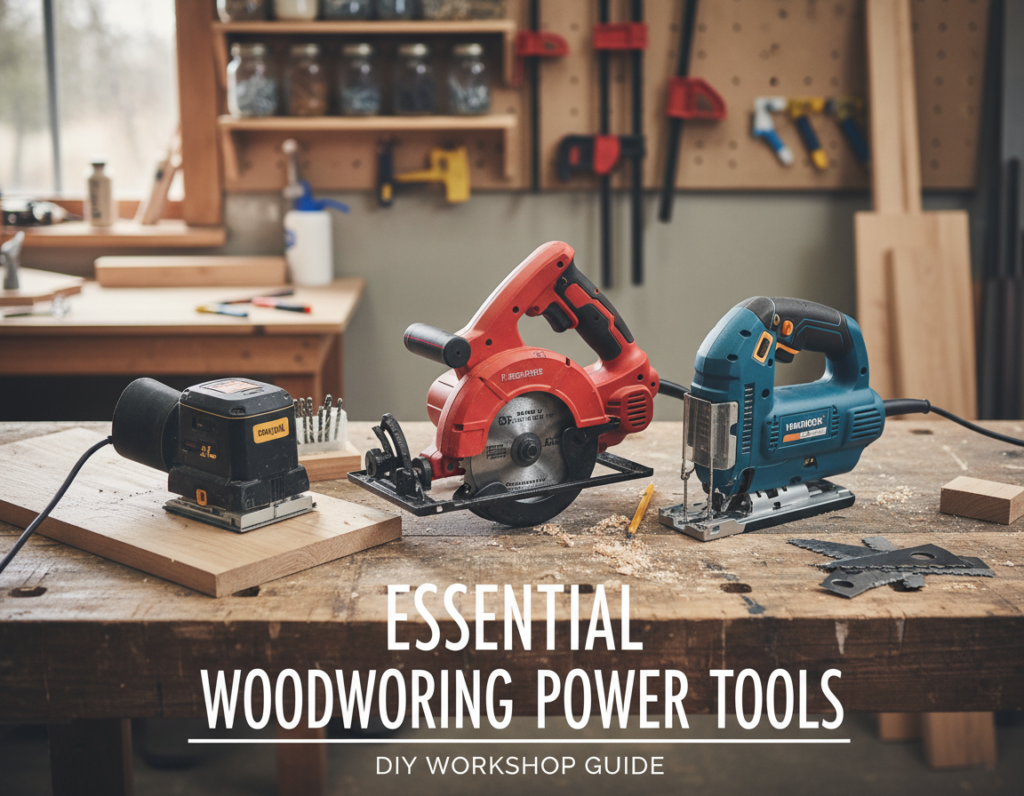
A cordless drill drives screws and drills holes throughout every project. Choose a model with adjustable torque settings and two batteries. Keep a variety of drill bits and driver bits on hand.
Safety Equipment and Workshop Essentials
Safety glasses protect eyes from flying debris during cutting and sanding. Wear them consistently regardless of task duration. Side shields provide additional protection from peripheral hazards.
Hearing protection prevents long-term damage from loud power tools. Earplugs or earmuffs reduce noise to safe levels. Make hearing protection a habit from your first project.
Dust masks or respirators keep harmful particles out of your lungs. Sanding creates fine dust that poses serious health risks over time. Use appropriate respiratory protection whenever generating sawdust.
Key Techniques and Tips for Success
Mastering basic techniques produces better results across all projects. Small improvements in approach create noticeable quality differences. These foundational skills separate amateur work from professional-looking builds.
Accurate Measuring and Cutting
Measure twice and cut once prevents costly material waste. Take time to verify measurements before making cuts. Use the same measuring tape throughout a project to ensure consistency.
Mark cut lines clearly with sharp pencils or marking knives. Place the saw blade on the waste side of the line. This technique accounts for blade width and produces accurately sized pieces.
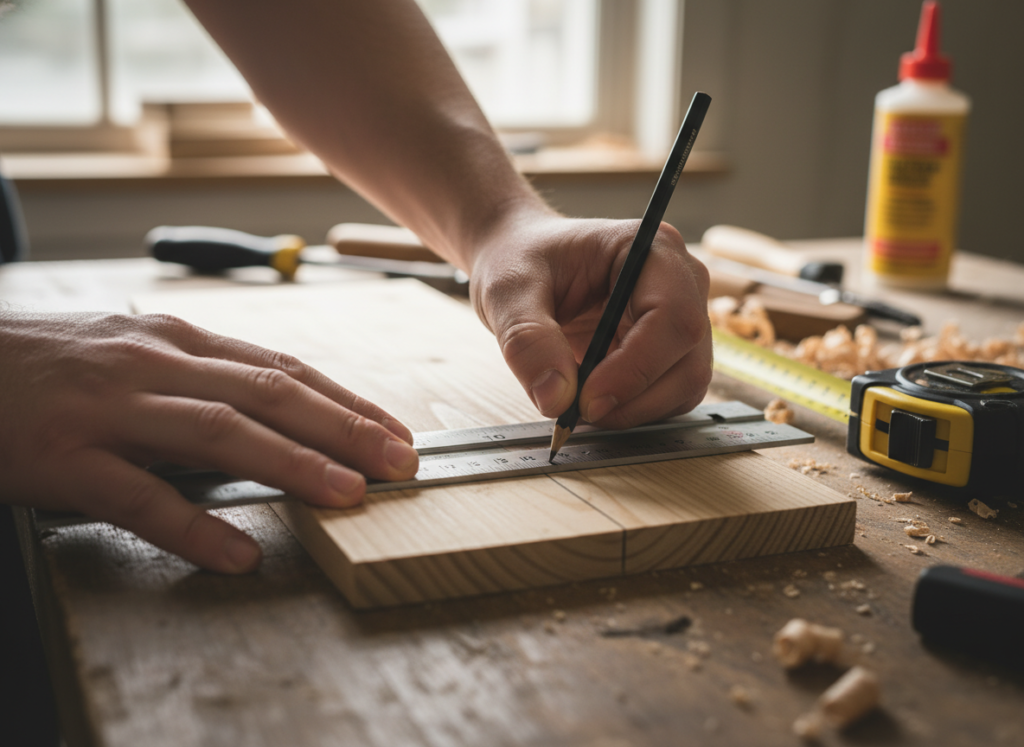
Support boards properly during cutting to prevent binding or splintering. Long boards need support on both sides of the cut. Clamp work securely when both hands must operate the saw. Master essential woodworking techniques through detailed video tutorials and written guides.
Creating Strong Joints
Proper joint selection determines structural integrity and appearance. Pocket screws offer strong, quick assembly for face frames and furniture. This beginner-friendly method requires only a simple jig.
Butt joints work well when reinforced with glue and screws. Pre-drill holes to prevent splitting and ensure accurate screw placement. Countersink screws slightly below the surface for a cleaner look.
Dado joints create strong connections for shelves and drawer dividers. A router or table saw cuts these grooves precisely. The mechanical interlock provides strength beyond simple butt joints.
Sanding and Finishing Techniques
Start sanding with coarser grits to remove mill marks and flatten surfaces. Progress through increasingly finer grits for smooth results. Skip grits sparingly to avoid excessive sanding time.
Sand with the grain direction to prevent visible scratches. Random orbital sanders minimize directional scratches but hand-sand with the grain for final passes. Feel the surface frequently to detect remaining rough spots.
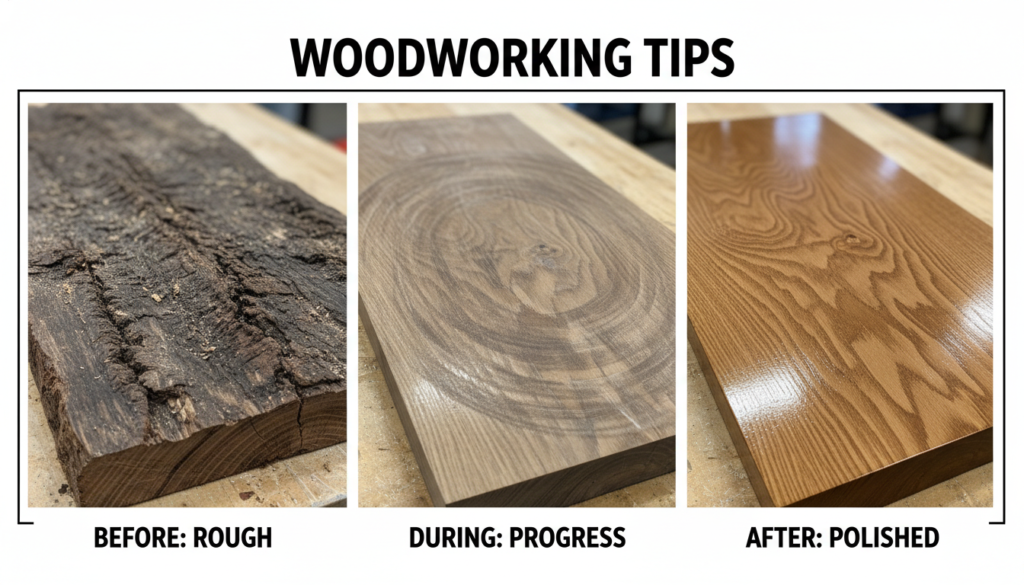
Apply finish in thin, even coats for best results. Multiple thin coats build protection better than single thick applications. Sand lightly between coats with fine grit paper for smoothness.
Common Mistakes to Avoid
Learning from common errors saves time and materials. Most beginners make similar mistakes when starting woodworking. Understanding these pitfalls helps you avoid frustration and wasted effort.
Planning and Preparation Errors
Skipping the planning stage leads to measurement errors and material waste. Create cut lists before purchasing lumber. Draw simple sketches showing assembly order and joint locations.
Buying lumber without verifying dimensions causes project delays. Wood labeled as certain size actually measures smaller after milling. Account for actual dimensions rather than nominal sizes in your plans.
Starting projects without proper workspace setup creates safety hazards. Clear adequate room for assembly and finishing. Ensure good lighting and ventilation before beginning work.
Tool Usage and Technique Issues
Using dull blades and bits produces poor results and safety risks. Sharp tools cut cleaner with less force required. Replace or sharpen cutting edges regularly throughout projects.
Rushing cuts and measurements leads to mistakes requiring fixes. Work at a steady, controlled pace. Taking extra time during setup saves considerable effort correcting errors.
Neglecting grain direction affects both strength and appearance. Cut and assemble pieces with grain running the correct way. Pay attention to how grain will look on visible surfaces.
Assembly and Finishing Problems
Applying glue to both surfaces wastes adhesive and creates mess. Spread glue on one surface only for most joints. Use just enough to create a thin, consistent layer.
Insufficient clamping pressure results in weak joints and gaps. Use enough clamps to close joints completely along entire length. Wipe away squeeze-out immediately for easier cleanup.
Applying finish without proper surface preparation shows every flaw. Complete all sanding before applying stain or topcoat. Remove all dust thoroughly using tack cloths or vacuum.
Finding Inspiration and Expanding Skills
Continuous learning keeps woodworking interesting and improves results. Many resources help you discover new projects and techniques. The woodworking community shares knowledge generously across multiple platforms.
Online Communities and Learning Platforms
Video tutorials demonstrate techniques more clearly than written instructions alone. Watch skilled woodworkers work through complete builds. Pause and replay sections when learning new methods.
Woodworking forums connect you with experienced builders willing to answer questions. Search existing threads before posting to find quick answers. Share your projects to receive constructive feedback.
Social media platforms showcase inspiring finished projects daily. Follow accounts matching your style preferences and skill level. Save ideas to reference when planning your next build.
Books and Traditional Resources
Comprehensive woodworking books cover fundamental techniques thoroughly. Keep reference books in your workshop for quick consultation. Classic titles remain relevant despite publishing years ago.
Magazine subscriptions deliver fresh project ideas regularly. Seasonal issues often feature timely builds and gift ideas. Archive back issues create a valuable reference library over time.
Local woodworking clubs provide hands-on learning and mentorship opportunities. Members share tools, workspace, and expertise freely. The social aspect makes learning enjoyable and builds lasting friendships.
Developing Your Signature Style
Experiment with different design styles to discover your preferences. Try modern, rustic, traditional, and contemporary approaches. Your natural inclinations emerge through varied project experience.
Modify existing plans to suit your needs and aesthetic vision. Change dimensions, add details, or simplify complex elements. Customization makes projects uniquely yours while building confidence.
Document your projects through photos and notes. Track techniques used, materials consumed, and time invested. This personal reference improves future planning and showcases your progress over time.
Start Building Your Woodworking Journey Today
The world of diy wood projects offers endless creative possibilities for every skill level. From simple shelves to complex furniture, each completed build develops new abilities. Your first project might feel challenging, but confidence grows with every cut and assembly.
Start with beginner-friendly builds that teach essential skills without overwhelming complexity. A basic shelf or cutting board provides satisfaction while establishing fundamental techniques. These foundational projects prepare you for increasingly ambitious builds.
The beauty of woodworking lies in creating functional items that enhance your home and garden. Custom pieces fit your exact space requirements and style preferences. Nothing purchased matches the pride of displaying something you built yourself.
Your workshop doesn’t require expensive tools or large space initially. Many woodworkers create impressive projects in small areas with modest equipment. Focus on quality over quantity when acquiring tools and materials.
Remember that every experienced woodworker started as a complete beginner. Mistakes happen to everyone and often teach the most valuable lessons. Embrace the learning process and celebrate each completed project regardless of perfection.
Transform Your Woodworking Dreams Into Reality
Access the most comprehensive collection of woodworking plans, tutorials, and expert guidance available. From your first simple project to advanced furniture builds, get step-by-step instructions that guarantee success. Join thousands of satisfied DIY woodworkers who’ve discovered their creative potential.
The satisfaction of completing your first woodworking project creates momentum for continued learning. Each build improves your skills and expands what you believe possible. Your journey in woodworking opens doors to lifelong creativity and accomplishment.