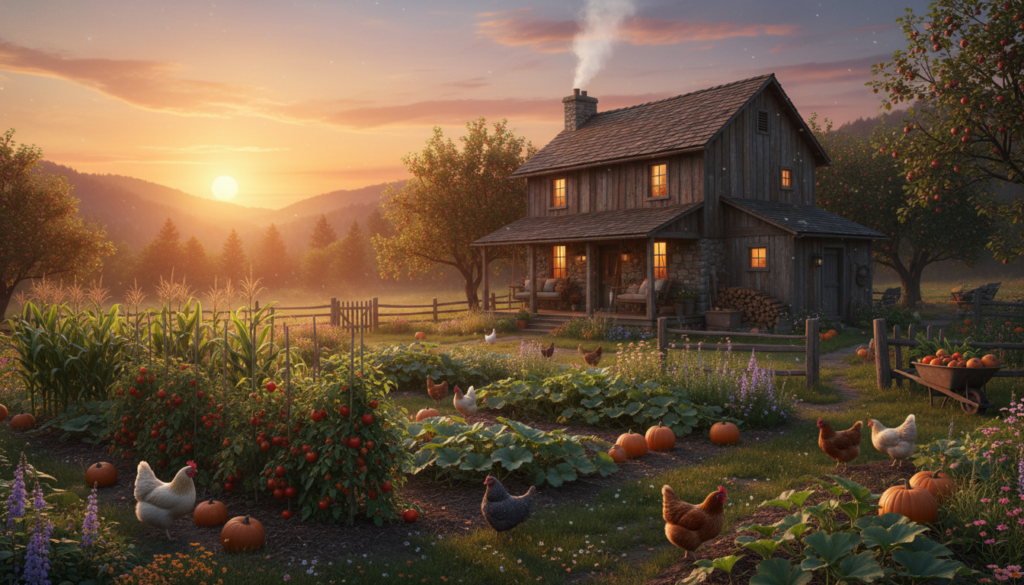
Starting your homesteading journey can feel overwhelming. The dream of growing your own food, raising animals, and living closer to nature is wonderful. But where do you actually begin?
This Website contains affiliate links. That means I may earn a small commission if you purchase through my links, at no extra cost to you.
This guide breaks down everything you need to know. You’ll discover practical skills that work for beginners. These are the same steps countless people used to transform their lives.
Whether you have five acres or a small backyard, you can start homesteading today. The key is taking one step at a time.
What Is Homesteading and Why Start Now
Homesteading means creating a self-sufficient lifestyle on your property. People who embrace this way of life produce their own food. They reduce dependence on commercial systems.
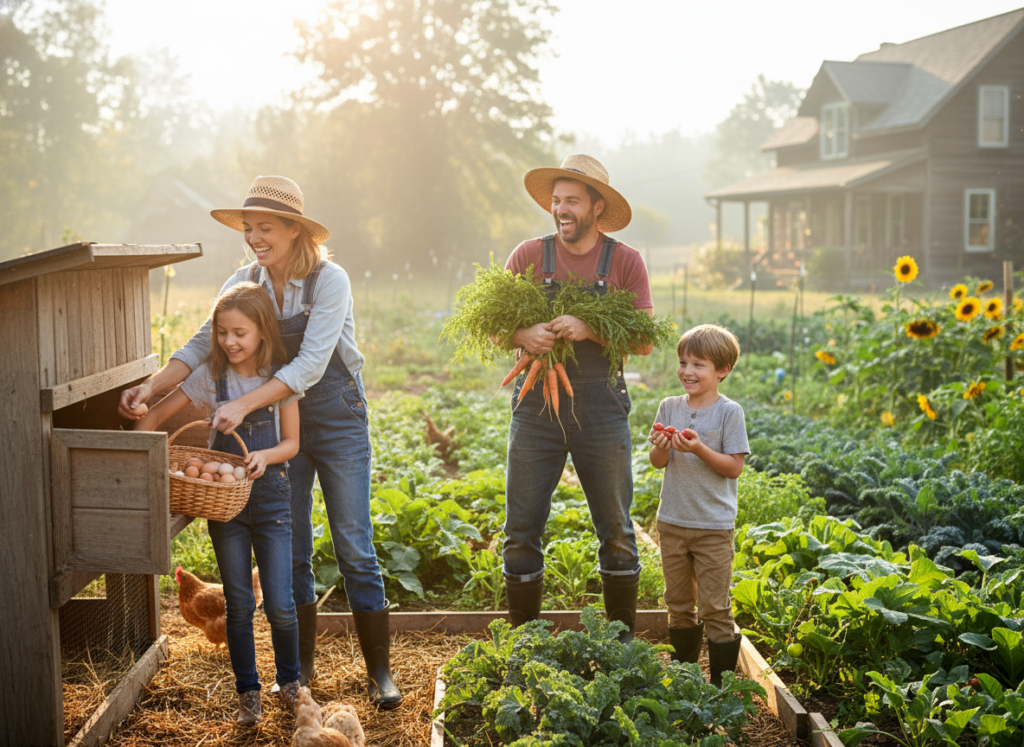
The homestead lifestyle connects you with nature. You learn skills your grandparents knew. Growing vegetables, preserving food, and raising chickens become part of daily life.
Modern Homesteading Benefits
Today’s homesteaders enjoy fresh, organic food. They know exactly what goes into their meals. Many families save money on groceries within the first year.
The lifestyle offers more than financial benefits. You gain practical skills that last a lifetime. Children learn responsibility through daily chores. The whole family works together toward common goals.
Mental health improves when you spend time outdoors. The physical work keeps you active. Many homesteaders report feeling more fulfilled than ever before.
Food security becomes real instead of theoretical. You control your food supply from ground to table. This independence brings peace of mind in uncertain times.
Essential First Steps for New Homesteaders
Beginning your homestead requires planning and realistic expectations. Start small to avoid burnout. Many beginners make the mistake of doing too much too fast.
Assess Your Current Space and Resources
Look at what you have right now. How much land can you dedicate to homesteading? Even a small area produces surprising amounts of food.
Consider your available time honestly. Homesteading takes work, especially during growing season. Start with projects that fit your schedule. You can always expand later.
Check your local zoning laws and regulations. Some areas restrict livestock or garden structures. Knowing the rules prevents costly mistakes down the road.
Set Realistic Goals for Your First Year
Choose one or two projects for your first year. Maybe start a small garden and learn food preservation. Or raise a few chickens for eggs.
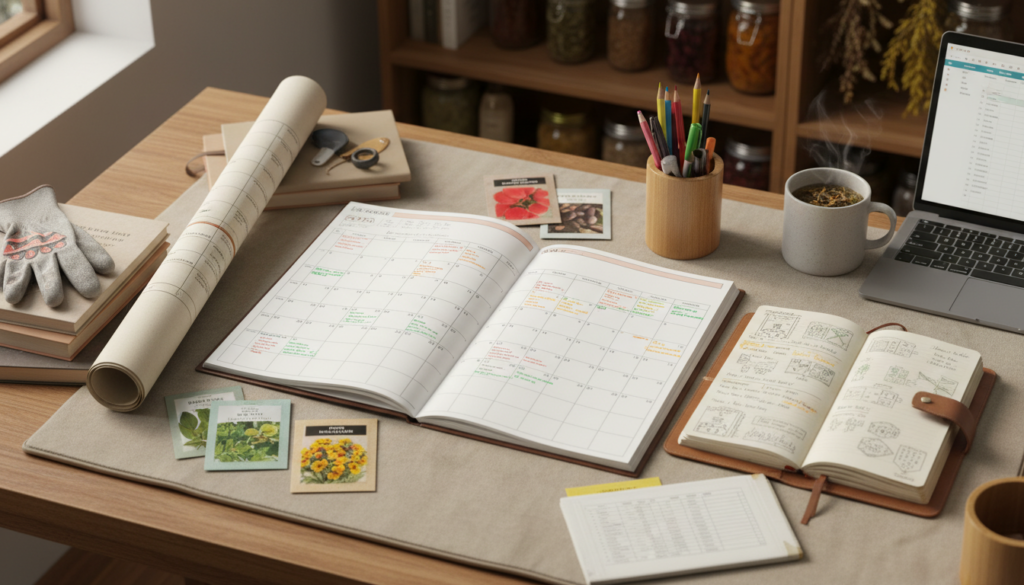
Write down specific, achievable goals. “Grow tomatoes” is vague. “Plant six tomato plants and harvest enough to can sauce” gives you a clear target.
Track your progress throughout the year. Note what works and what doesn’t. This information becomes invaluable for planning future seasons.
Ready to Create Your Homesteading Blueprint?
Get the complete step-by-step system that eliminates guesswork and helps you build your dream homestead with confidence. Perfect for absolute beginners who want to avoid costly mistakes.
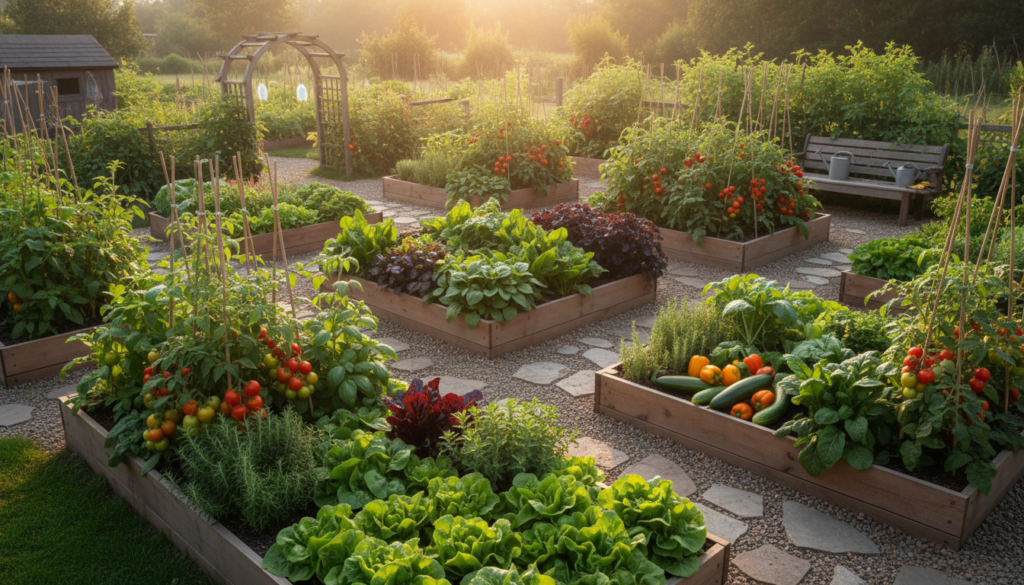
A productive garden forms the foundation of most homesteads. Fresh vegetables provide nutrition and reduce grocery bills. The satisfaction of eating food you grew yourself is incredible.
Choose the Right Location
Your garden needs at least six hours of direct sunlight daily. Most vegetables require full sun to thrive. Observe your property throughout the day before choosing a spot.
Access to water makes gardening easier. Locate your garden near a water source. Dragging hoses across your property gets old quickly.
Good soil drainage prevents root rot and disease. Avoid low areas where water pools after rain. If your soil drains poorly, raised beds solve the problem.
Start with Easy Vegetables
Some vegetables practically grow themselves. Tomatoes, lettuce, and radishes succeed for most beginners. These crops forgive small mistakes while you learn.
Plant things your family actually eats. Growing exotic vegetables sounds fun, but stick to favorites first. You’ll use more of what you harvest.
Tomatoes produce abundantly in most climates
Lettuce grows quickly and tolerates partial shade
Radishes mature in just three to four weeks
Green beans provide multiple harvests per season
Zucchini produces so much you’ll share with neighbors
Soil Preparation Makes the Difference
Healthy soil grows healthy plants. Test your soil before planting. Most extension offices offer inexpensive testing services.
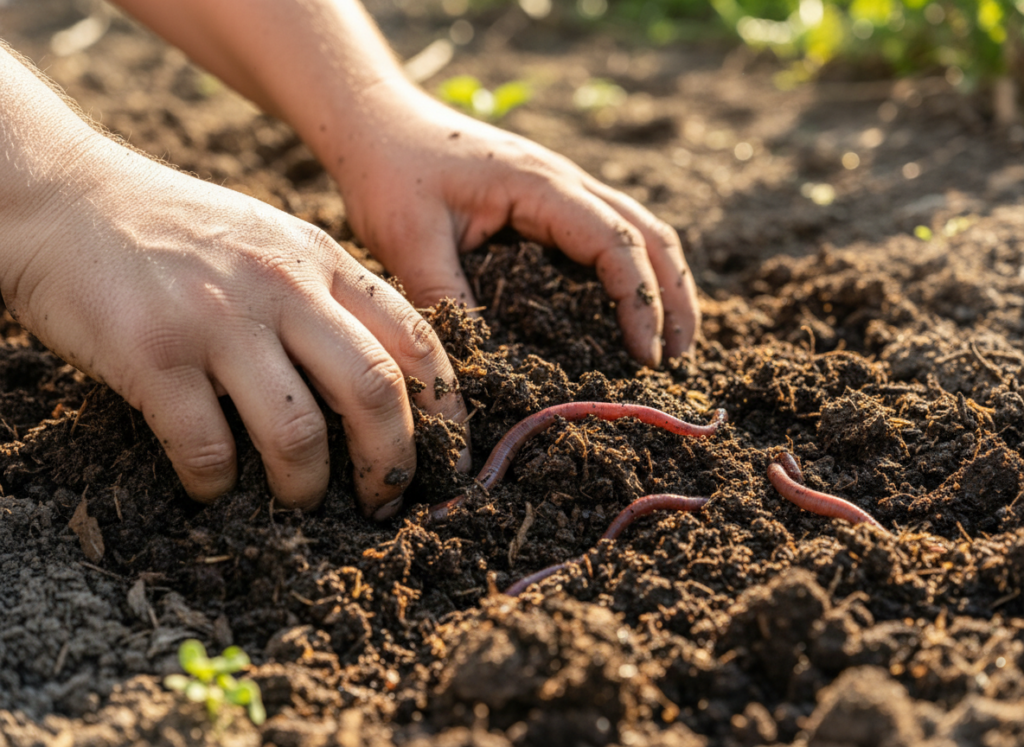
Add organic matter to improve any soil type. Compost, aged manure, and leaf mold work wonders. Work these materials into the ground several weeks before planting.
Build raised beds if your native soil is poor. Fill them with quality garden soil mixed with compost. This gives your plants the best possible start.
Learn Season Extension Techniques
Extend your growing season with simple methods. Cold frames protect plants from early and late frosts. Row covers keep vegetables producing longer.
In warm climates, shade cloth prevents heat stress. Many vegetables bolt in extreme heat. A little protection keeps them productive through summer.
Plan for succession planting throughout the season. Plant small amounts of quick-maturing crops every few weeks. This strategy provides continuous harvests rather than feast or famine.
Design Your Most Productive Garden Ever
Maximize every square foot with proven garden layouts and planting schedules. This comprehensive system shows you exactly what to plant, when to plant it, and how to care for each crop for maximum yields.
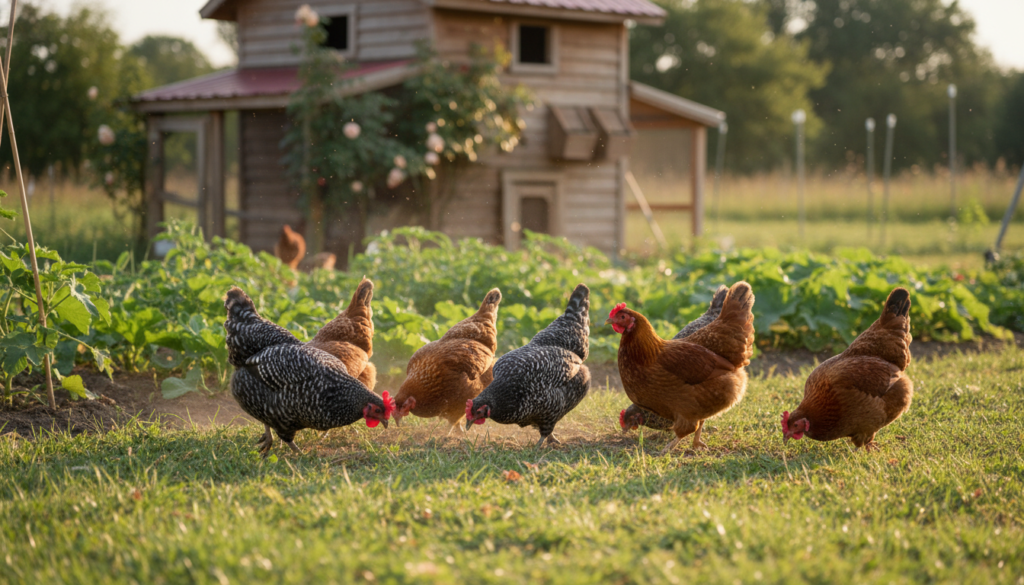
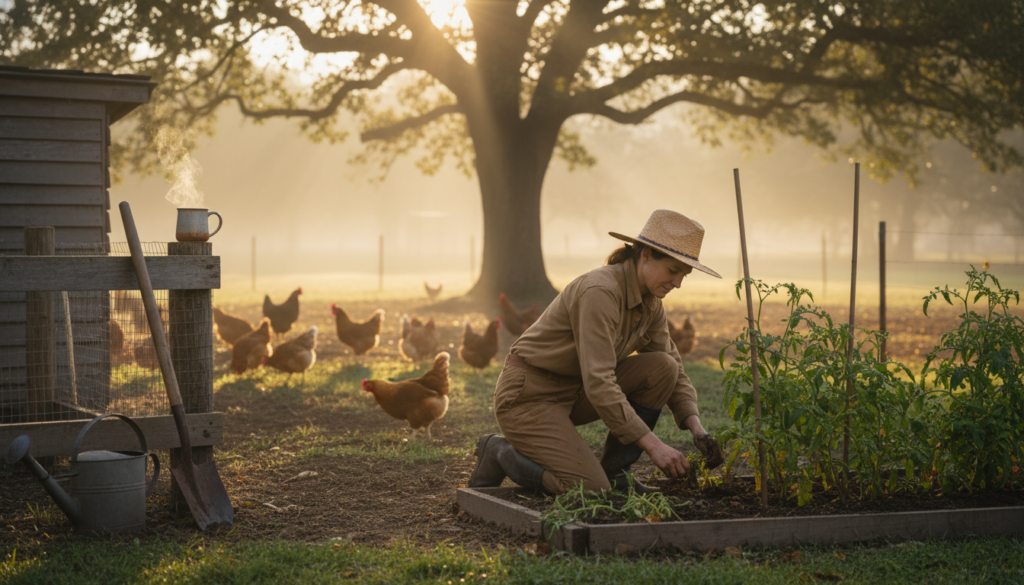
Chickens make excellent starter livestock for homesteaders. These birds provide fresh eggs daily. They’re relatively easy to care for and don’t require huge amounts of space.
Understanding Chicken Basics
Each chicken needs about four square feet inside the coop. They require more space in the run where they spend daytime hours. Crowded chickens develop behavior problems and get sick more easily.
Fresh water must be available at all times. Chickens drink surprising amounts, especially in hot weather. Clean their waterers regularly to prevent disease.
A balanced diet keeps chickens healthy and productive. Quality layer feed provides most nutritional needs. Supplement with kitchen scraps and garden produce.
Housing Requirements
Build or buy a secure coop before bringing chickens home. Predators pose serious threats, even in urban areas.
Solid walls and roof
Secure doors and windows
Roosting bars for sleeping
Nesting boxes for eggs
Daily Care Tasks
Chickens need consistent care every single day. These tasks become quick routine after a few weeks.
Provide fresh food and water
Collect eggs
Check for health issues
Secure coop at night
Choosing Your Breeds
Different breeds suit different purposes. Research before buying to match birds with your goals.
Rhode Island Reds for eggs
Orpingtons for dual purpose
Silkies for brooding
Plymouth Rocks for beginners
Egg Production Expectations
Most hens lay four to six eggs per week during peak production. Production decreases in winter when daylight hours shorten. This is natural and healthy for the birds.
Hens typically produce well for two to three years. After that, egg production gradually declines. Many homesteaders keep older hens as pets even after laying slows.
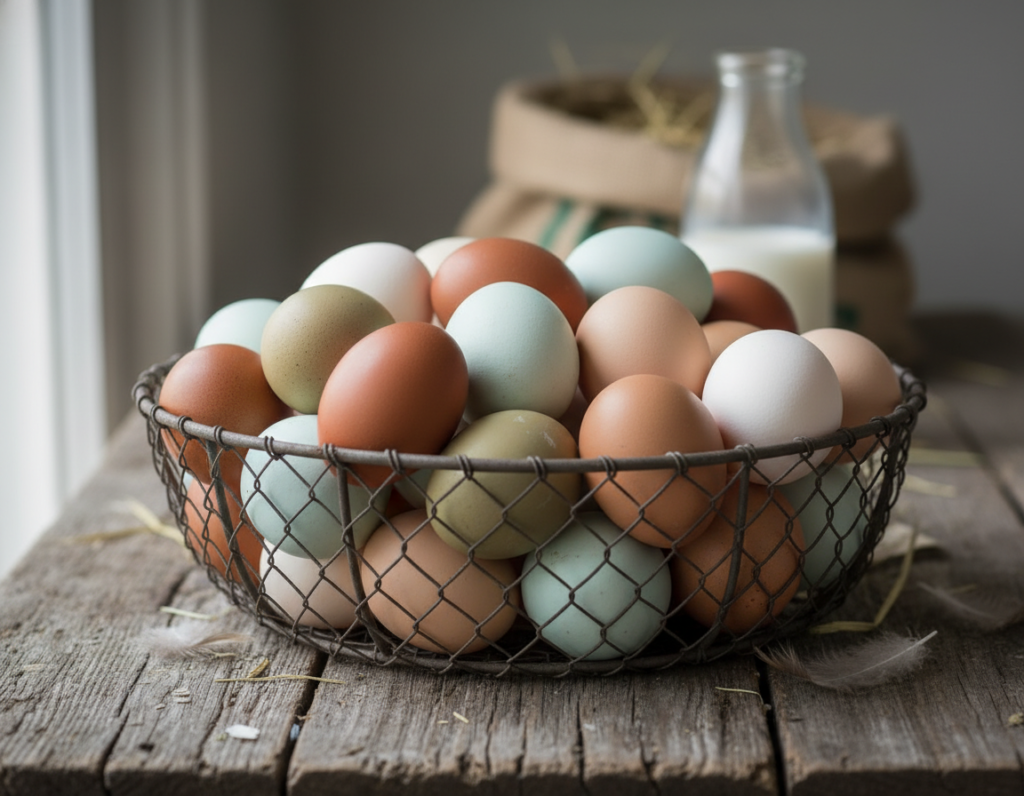
Egg quality from backyard chickens surpasses store-bought. The yolks are darker and richer. Fresh eggs taste noticeably better in cooking and baking.
Expanding to Other Livestock
After mastering chickens, consider other animals. Rabbits require minimal space and provide meat. Goats offer milk for families willing to commit to daily milking.
Ducks lay eggs reliably and forage for bugs. They need access to water for swimming and cleaning. Some homesteaders prefer ducks over chickens for their hardiness.
Larger livestock like cows and pigs demand more resources. Wait until you have experience and proper facilities. These animals represent significant time and financial investments.
Master Livestock Care with Expert Guidance
Avoid expensive mistakes and keep your animals healthy with comprehensive care guides. Learn proper feeding, housing, breeding, and health management from experienced homesteaders.
Success in homesteading requires developing practical skills. These abilities save money and increase self-sufficiency. Most can be learned through practice and patience.
Food Preservation Methods
Preserving your harvest extends garden benefits year-round. Canning, freezing, and dehydrating each have advantages. Learn multiple methods for flexibility.
Water bath canning works for high-acid foods like tomatoes and pickles. The process is straightforward and requires minimal equipment. Start with simple recipes before attempting complex preserves.
Pressure canning handles low-acid vegetables and meat safely. This method requires more investment in equipment. Take a class or follow tested recipes exactly for food safety.
Freezing preserves nutrients and flavor effectively
Dehydrating concentrates flavors and saves storage space
Fermentation adds probiotics and unique tastes
Root cellaring requires no energy for storage
Basic Carpentry and Repairs
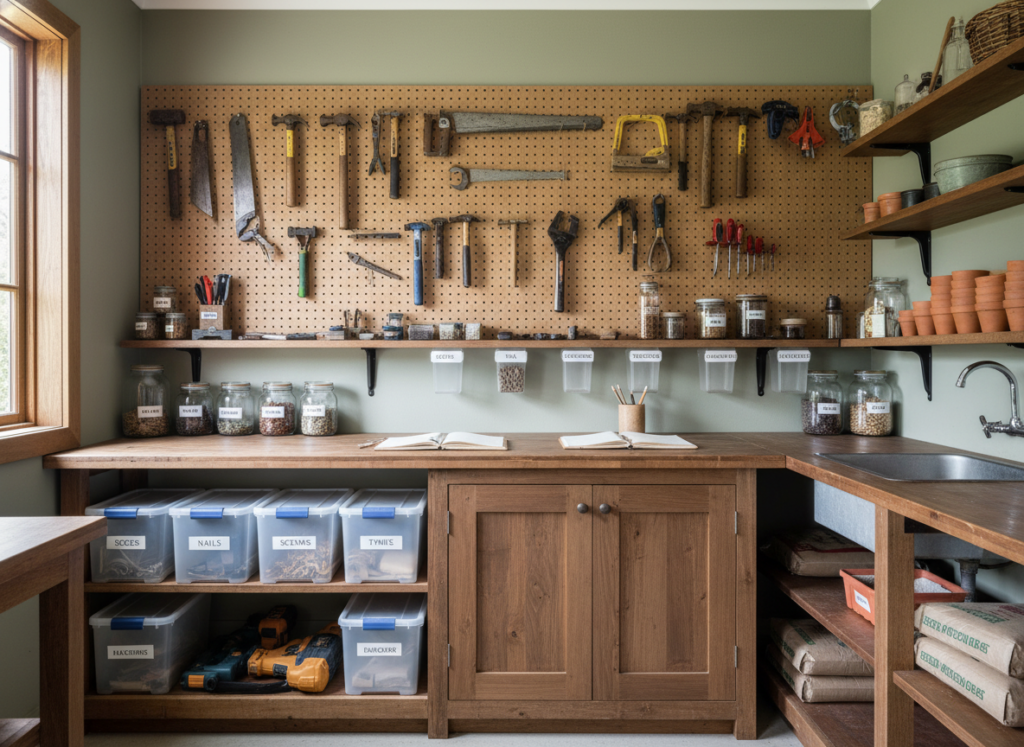
Homesteading involves constant building and fixing. Learn basic carpentry to save money on projects. You’ll build coops, raised beds, and storage structures.
Start with simple projects using quality materials. Cheap lumber often costs more in the long run. Invest in basic tools that last for years.
Water Management
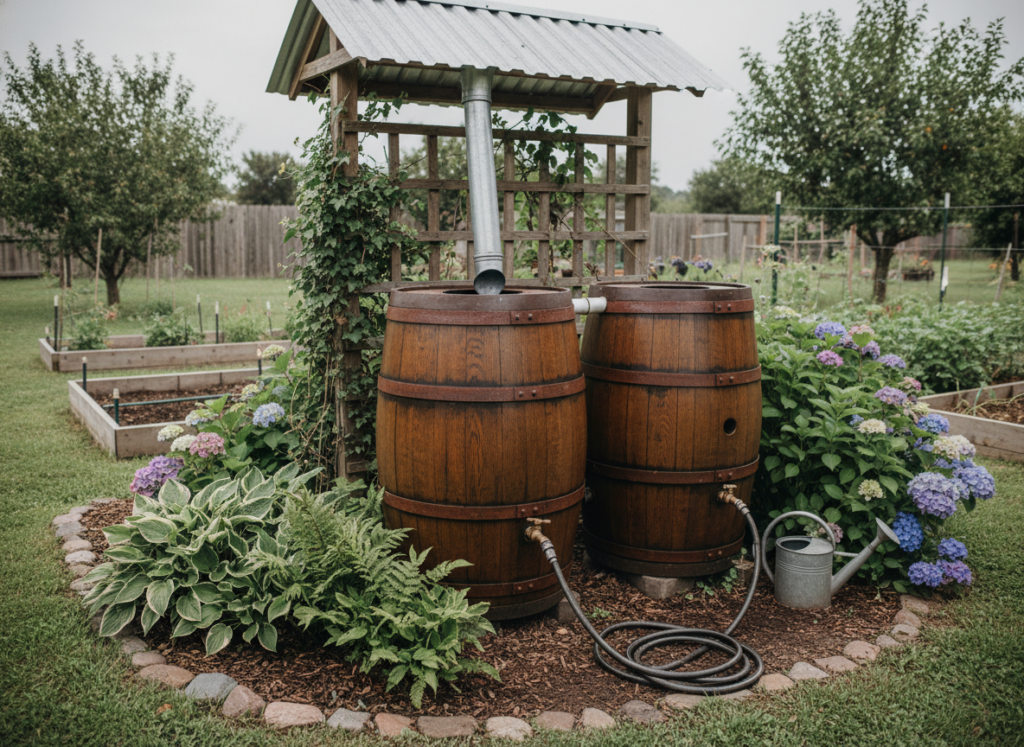
Efficient water use matters on any homestead. Collect rainwater in barrels for irrigation. This free resource reduces water bills significantly.
Drip irrigation systems deliver water directly to plant roots. They use less water than sprinklers and prevent disease. Set timers to automate watering during busy seasons.
Mulching around plants conserves soil moisture. This simple technique reduces watering frequency. It also suppresses weeds and improves soil over time.
Composting and Soil Building
Healthy soil produces abundant food. Composting turns waste into garden gold. Kitchen scraps, yard waste, and animal manure become valuable fertilizer.
Start a simple compost pile in an out-of-the-way area. Layer green materials like food scraps with brown materials like leaves. Keep it moist and turn it occasionally.
Compost improves soil structure in addition to adding nutrients. Clay soil drains better with compost. Sandy soil holds moisture and nutrients more effectively.
Natural Pest Management
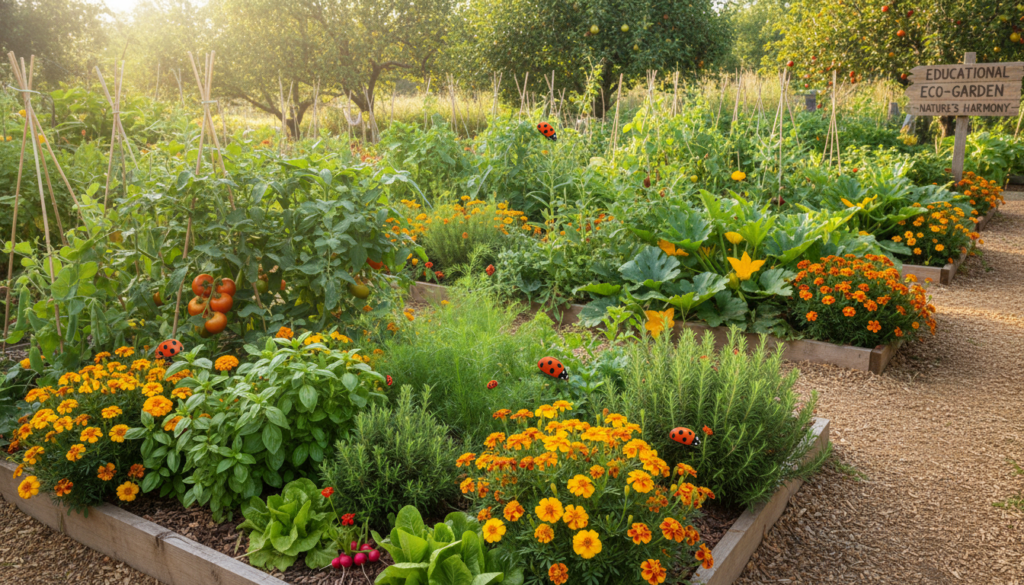
Protecting your crops without harsh chemicals is possible. Beneficial insects eat pests that damage plants. Attract them with flowers and diverse plantings.
Physical barriers prevent many pest problems. Row covers keep insects off vegetables. Fencing excludes deer and rabbits from gardens.
Companion planting confuses or repels pests naturally. Marigolds planted near tomatoes deter certain insects. Basil grown with tomatoes improves flavor and health.
Planning Your Homestead Layout
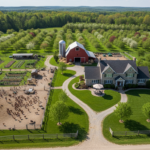
Thoughtful property layout increases efficiency and enjoyment. Consider how different areas relate to each other. Good planning reduces wasted time and effort.
Zone Your Property by Use
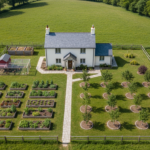
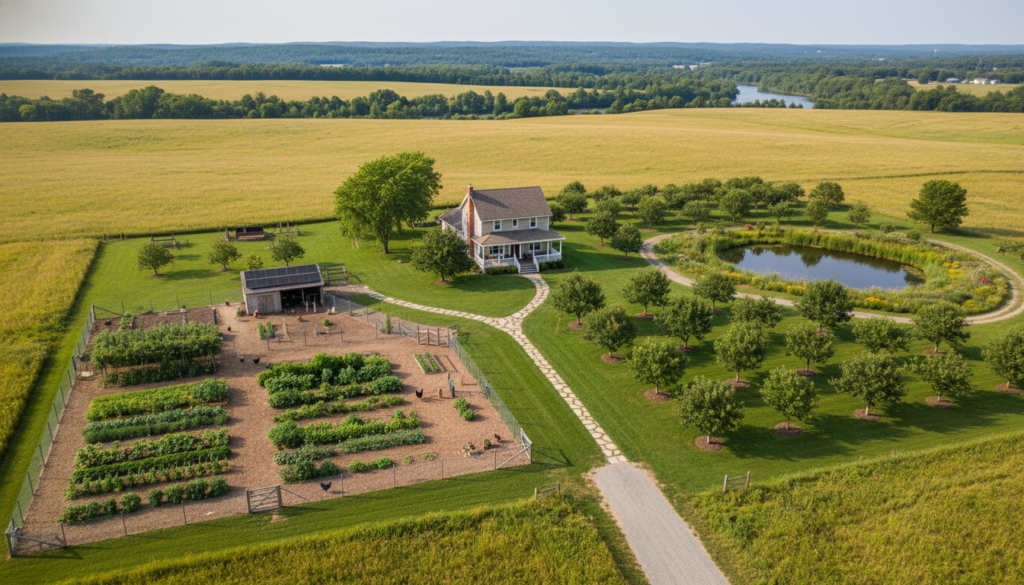
Place frequently visited areas close to your house. Gardens you check daily belong near the kitchen door. Chicken coops you visit twice daily should be convenient.
Put messy or noisy activities farther from living spaces. Compost piles and livestock areas work better away from patios. This separation keeps your living area pleasant.
Consider sun exposure when placing gardens and structures. South-facing slopes warm earlier in spring. Northern slopes stay cooler in summer heat.
Water and Drainage Considerations
Map water flow across your property during rain. Low spots may flood and damage structures. High areas might need extra irrigation.
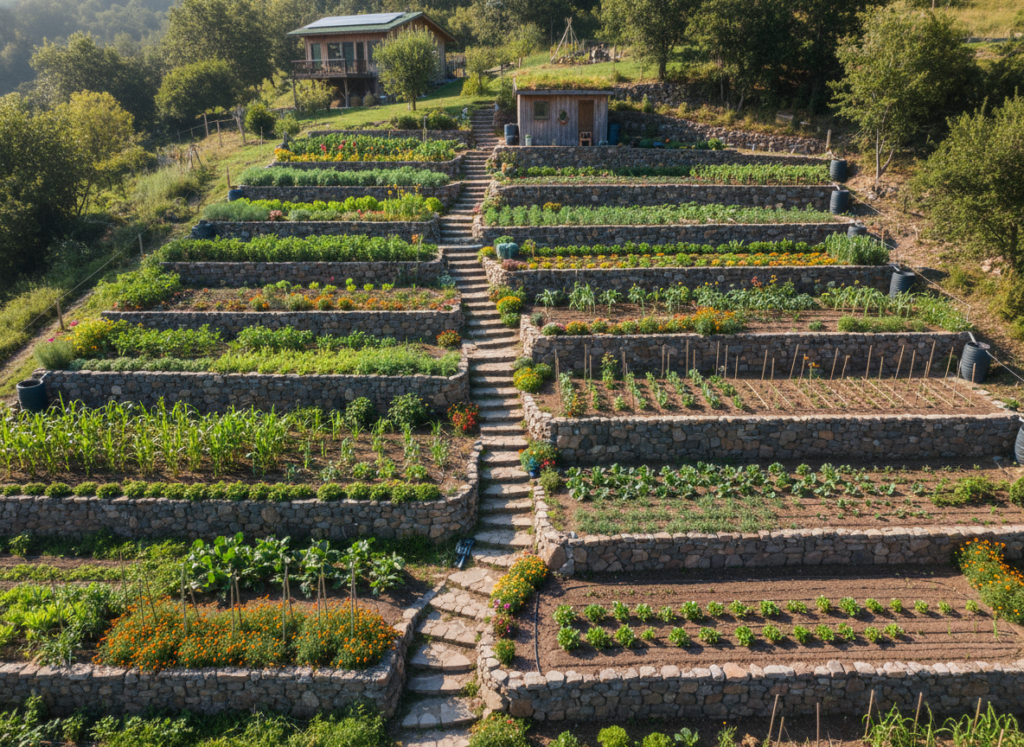
Slope gardens slightly for drainage without erosion. Terracing steep areas creates usable planting space. These modifications prevent soil loss during heavy rain.
Creating Functional Pathways
Design wide, permanent paths between growing areas. You’ll push wheelbarrows and carry harvest baskets. Narrow paths create frustration during busy seasons.
Mulch pathways to suppress weeds and improve appearance. Wood chips, straw, or gravel work well. Maintain paths yearly to prevent overgrowth.
Plan for vehicle access to areas needing deliveries. Soil, mulch, and lumber arrive in trucks. A clear path saves hours of hauling by hand.
Building for the Future
Start small but plan for expansion. Leave space between structures for future growth. Moving established gardens or buildings is difficult and expensive.
Plant perennial crops in permanent locations. Fruit trees, berry bushes, and asparagus beds last for years. Place them where they won’t interfere with future plans.
Consider wind direction when siting buildings and windbreaks. Structures on the windward side block cold winds. Trees planted strategically reduce heating costs.
Budgeting and Financial Planning
Homesteading can save money long-term, but requires initial investment. Plan expenses carefully to avoid financial stress. Track costs to understand your return on investment.
Initial Setup Costs
Budget for basic infrastructure before you begin. Fencing, coops, garden beds, and tools add up quickly. Prioritize projects based on your goals.
Buy quality tools that last for years. Cheap tools break and need replacement. Good tools become long-term investments in your homestead.
Money-Saving Strategies
Start with small, manageable projects
Buy used equipment in good condition
Share tools and resources with neighbors
Save seeds from your own plants
Build structures from reclaimed materials
Learn skills instead of hiring out
Common Money Traps
Buying too many animals at once
Purchasing unnecessary equipment
Starting too many projects simultaneously
Choosing trendy over practical
Skipping important maintenance
Impulse buying at feed stores
Generating Income from Your Homestead
Many homesteaders offset costs by selling excess production. Extra eggs, vegetables, and meat find ready markets. Start small to test demand before expanding.
Check local regulations before selling products. Cottage food laws vary by location. Some items require licenses or inspections.
Farm stands, farmers markets, and CSA programs connect you with customers. Online platforms expand your reach beyond local area. Build relationships with regular customers who value quality.
Sell extra eggs to neighbors and coworkers
Grow specialty crops for restaurants
Offer farm tours and educational workshops
Create value-added products like jams and soaps
Raise meat birds for direct sales
Tracking Expenses and Income
Keep detailed records from the beginning. Note what you spend on each project. Track harvest amounts and sales if applicable.
Review your records annually to identify patterns. Some projects may cost more than they return. Others exceed expectations and deserve expansion.
Calculate cost per unit for products you could buy. Homegrown tomatoes might cost more than store-bought the first year. By year three, your investment pays off significantly.
Managing Time on Your Homestead
Homesteading requires consistent time investment throughout the year. Balancing homestead work with other responsibilities takes planning. Efficient routines make everything easier.
Creating Daily and Weekly Routines
Establish consistent times for animal care and garden checks. Animals thrive on routine feeding schedules. Regular observation catches problems early.
Morning and evening chores anchor most homesteaders’ days. These sessions ensure nothing gets neglected. Quick daily attention prevents bigger problems later.
Schedule weekly tasks like deep coop cleaning and garden weeding. Dedicating specific time prevents these jobs from overwhelming you. Break large tasks into manageable chunks.
Seasonal Workload Planning
Understand that workload fluctuates throughout the year. Spring and fall demand intense effort. Summer requires consistent maintenance. Winter offers time for planning and rest.
Prepare for busy seasons by completing projects early. Build next year’s beds in fall. Order seeds in winter when you have time to research.
Don’t overcommit during peak seasons. You can’t plant the garden, build a coop, and start new livestock simultaneously. Space major projects throughout the year.
Efficient Task Batching
Group similar tasks to save time and energy. Harvest everything ready on one trip through the garden. Do all weekly animal care tasks together.
Prepare multiple meals when you cook from scratch. Double recipes and freeze portions. This approach saves energy and time on busy days.
Building in Rest and Flexibility
Schedule downtime before you need it desperately. Homesteading marathons lead to burnout. Regular rest keeps you energized and enthusiastic.
Build flexibility into your plans for unexpected events. Weather, illness, and emergencies disrupt schedules. Systems that allow some slack reduce stress.
Don’t let perfectionism slow you down. Done is better than perfect in most homesteading tasks. Focus on progress rather than perfection.
Learning Resources and Community
Successful homesteaders never stop learning. New challenges require new knowledge and skills. Fortunately, abundant resources help you grow.
Books and Online Resources
Build a reference library of trusted homesteading books. Physical books work when internet fails. Classic titles offer time-tested wisdom.
Online forums and social media groups connect you with experienced homesteaders. Ask questions and share your own experiences. The homesteading community generally welcomes beginners.
Video tutorials demonstrate techniques better than text alone. Watch experts perform skills before attempting them yourself. Replay confusing sections until you understand.
Local Classes and Workshops
Extension offices offer classes on gardening, food preservation, and livestock care. These programs usually cost little or nothing. Instructors understand local conditions and challenges.
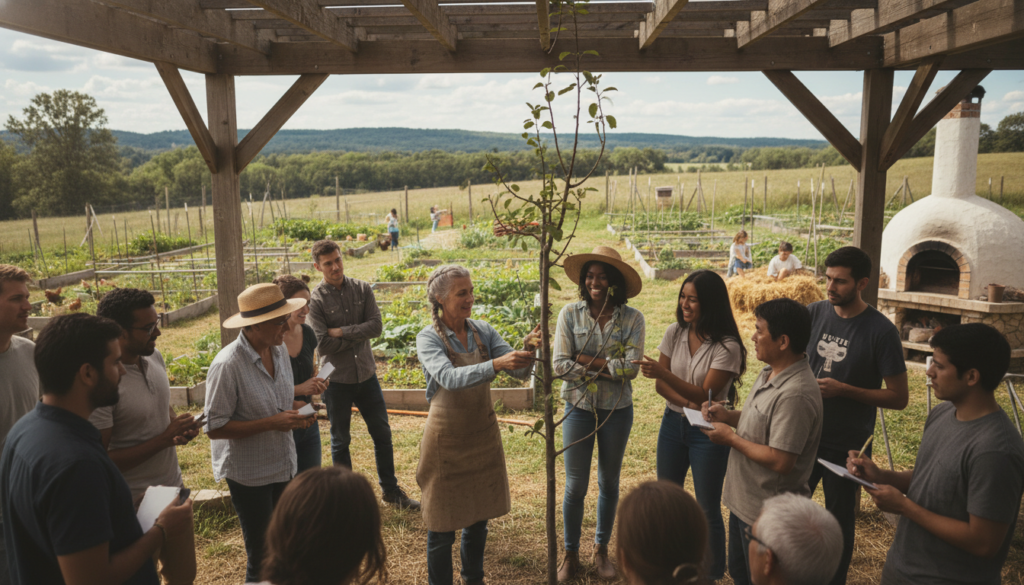
Local farms sometimes host workshops and open houses. Tour established homesteads to see different approaches. Talk with experienced people about their successes and failures.
Join or start a homesteading group in your area. Share resources, knowledge, and labor. Neighbors can feed animals when you travel.
Mentorship Opportunities
Find an experienced homesteader willing to mentor you. Learn through observation and conversation. Offer to help with projects in exchange for guidance.
Volunteer at local farms during busy seasons. Hands-on experience teaches more than reading. You’ll gain skills while helping others.
Consider formal internship programs on established homesteads. Some farms offer room and board in exchange for work. These immersive experiences accelerate learning.
Common Mistakes and How to Avoid Them
Learning from others’ mistakes saves time, money, and frustration. Most beginners make similar errors. Awareness helps you sidestep these common pitfalls.
Starting Too Big Too Fast
The most common mistake is overwhelming yourself initially. Enthusiasm leads people to attempt everything at once. This approach typically ends in burnout and abandoned projects.
Start with one garden bed and three chickens instead of acres and dozens of animals. Master basics before expanding. Small successes build confidence and skills.
Remember that homesteading is a journey, not a destination. You have years to develop your property. Rushing creates stress and poor results.
Red Flags You’re Doing Too Much
Pay attention to these warning signs that indicate you’ve taken on more than you can handle sustainably. Addressing these issues early prevents burnout and failure.
Dreading daily chores instead of enjoying them
Neglecting animals or plants regularly
Losing sleep over homestead tasks
Ignoring family and personal time
Watching projects deteriorate from lack of attention
Neglecting to Research Before Buying
Impulse purchases lead to regret on homesteads. That cute chick grows into a rooster you can’t keep. Research thoroughly before adding animals or making major purchases.
Understand space, time, and money requirements for any project. Know what you’re getting into before you commit. Ask experienced homesteaders about hidden challenges.
Ignoring Seasonal Timing
Working against the seasons creates unnecessary difficulty. Plant tomatoes in spring, not fall. Start chicks early enough to lay before winter.
Learn your local frost dates and growing season length. These factors determine what grows successfully in your area. Pushing plants beyond their limits wastes effort.
Order supplies well before you need them. Spring chick demand often exceeds supply. Seed companies may sell out of popular varieties.
Skipping Infrastructure Before Adding Animals
Have housing ready before bringing animals home. Building a coop with chickens underfoot creates chaos. Prepare properly to reduce stress for everyone.
Test fencing before adding livestock. Nothing teaches fence weakness like motivated animals. Walk perimeters and fix problems proactively.
Set up feeding and watering systems in advance. Experiment with placement and height. Making adjustments is easier without animals present.
Your Path Forward in Homesteading
Starting your homestead journey is exciting and achievable. You now understand the essential components of beginning successfully. The key is taking that first step.
Choose one project that excites you most. Maybe it’s planting your first garden bed. Perhaps raising a few chickens appeals to you. Start there and build on your success.
Remember that every experienced homesteader was once a beginner. They learned through doing and made plenty of mistakes along the way. Your journey will include challenges, but also incredible rewards.
The homesteading lifestyle connects you with natural rhythms and real food. Your family will learn valuable skills. You’ll gain independence and resilience.
Take time to enjoy the process. Celebrate small victories like your first ripe tomato or collecting your first egg. These moments make homesteading worthwhile.
Connect with other beginners and experienced homesteaders. Share knowledge, resources, and encouragement. The community aspect enriches this lifestyle immensely.
Start planning today for next season. Write down your goals and create a realistic timeline. Break large projects into small, manageable steps.
Build Your Complete Self-Sufficient Homestead System
Stop piecing together information from dozens of sources. Get the complete, step-by-step blueprint that covers everything from garden planning to livestock care, food preservation to income generation. Join thousands of successful homesteaders who started exactly where you are now.
Creating an aesthetic room that reflects your personality while staying on-trend has become increasingly popular, especially on platforms like Pinterest and…