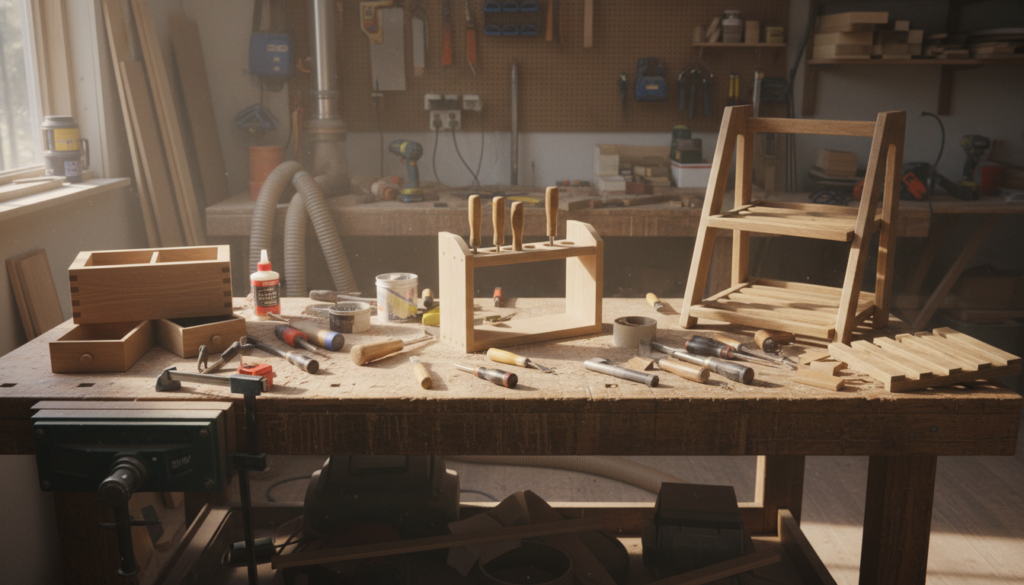
Starting your woodworking adventure doesn’t require fancy equipment or years of experience. Simple wood projects for beginners can transform your creative ideas into beautiful, functional pieces you’ll be proud to display.
This Website contains affiliate links. That means I may earn a small commission if you purchase through my links, at no extra cost to you.
This guide walks you through beginner-friendly projects that build your confidence one step at a time.
Each project uses basic tools and common materials you can find at any hardware store. You’ll discover how satisfying it feels to create something with your own hands.
Ready to Start Building Today?
Get access to detailed blueprints and step-by-step plans for over 16,000 woodworking projects perfect for beginners. Every project includes measurements, materials lists, and clear instructions.
Woodworking projects for beginners offer an accessible way to learn a valuable skill. Unlike other crafts, you can start with minimal investment and still create impressive results.
Working with wood builds practical skills you’ll use for years. Each project teaches you something new about measurements, cuts, and finishes.
The satisfaction of completing your first wood project creates momentum for bigger challenges. You’ll develop problem-solving abilities as you work through each design.
Benefits of Learning Woodworking
Develops patience and attention to detail
Creates useful items for your home
Provides stress relief through hands-on work
Builds confidence in your abilities
Opens doors to creative expression
Saves money on furniture and gifts
Essential Tools to Start Your First Wood Project
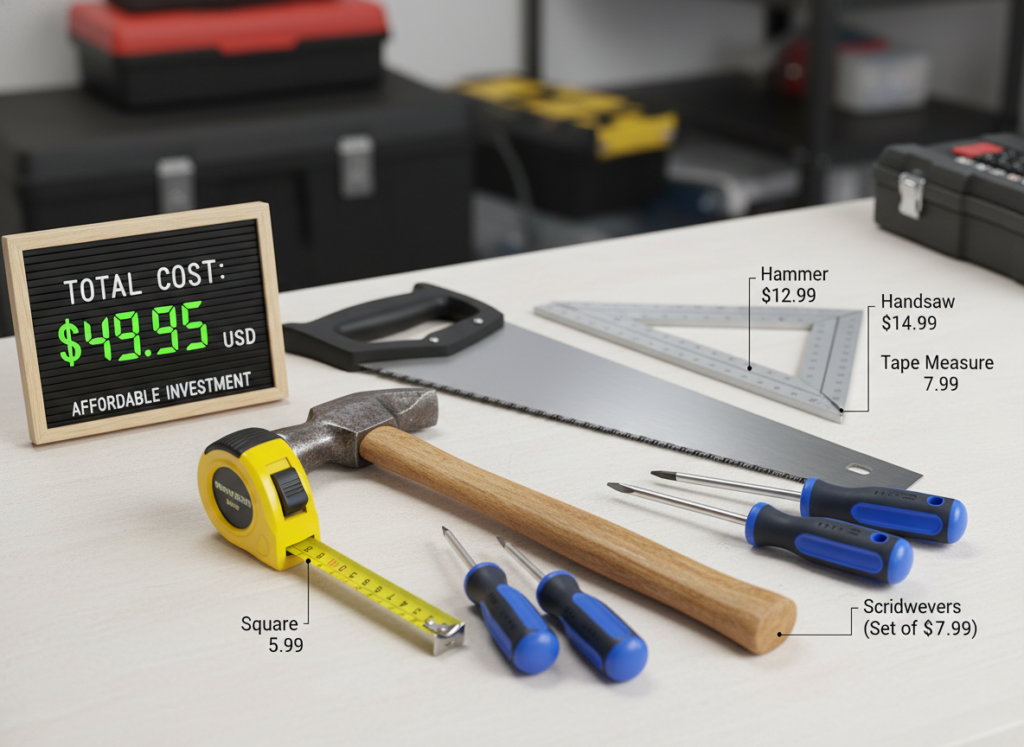
You don’t need a fully equipped workshop to begin. Most wood projects for beginners require just a handful of basic tools.
Starting with hand tools helps you understand fundamental techniques. You can always add power tools as your skills and project ambitions grow.
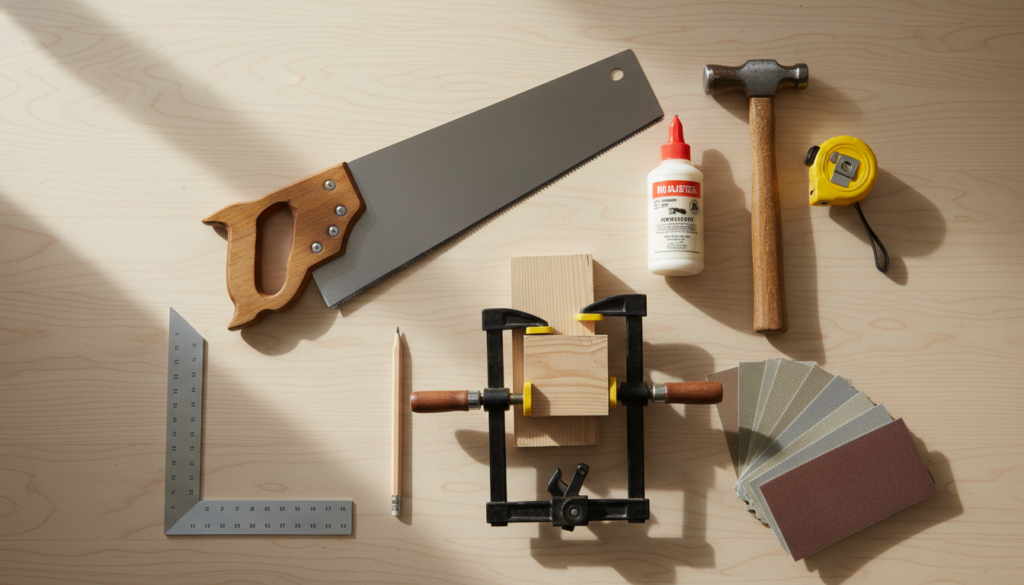
Must-Have Tools for Beginners
Tape measure for accurate dimensions
Combination square for marking straight lines
Handsaw or circular saw for cutting
Hammer for assembly work
Screwdriver set for fastening pieces
Wood glue for strong bonds
Clamps to hold pieces while drying
Sandpaper in various grits for smooth finishes
Safety glasses to protect your eyes
Work gloves for hand protection
These basic tools handle most beginner projects. You’ll spend less than the cost of one piece of furniture to get started.
Master Every Tool with Expert Guidance
Learn the right way to use each tool with professional video tutorials and detailed guides. Avoid common mistakes and build skills faster with expert instruction.
The type of wood you select impacts how easy your project will be. Beginners should start with softer woods that cut and sand easily.
Pine remains the top choice for beginners because of its affordability and workability. It’s forgiving when you make mistakes and widely available at any home improvement store.
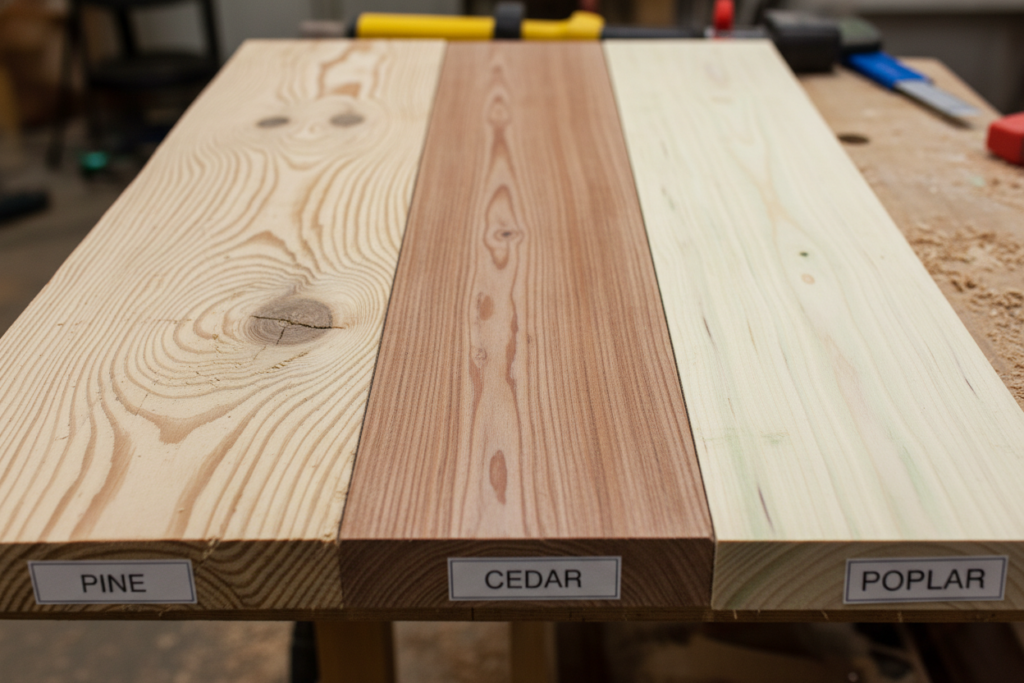
Best Wood Types for Beginners
Pine
Soft, inexpensive, and easy to work with. Perfect for learning basic techniques without breaking your budget.
Cuts smoothly with hand tools
Takes paint and stain well
Available in many sizes
Poplar
Slightly harder than pine but still beginner-friendly. Offers a smoother finish and more consistent grain pattern.
Minimal knots for cleaner look
Great for painted projects
Stable and won’t warp easily
Cedar
Naturally weather-resistant wood ideal for outdoor projects. Has a pleasant aroma and beautiful reddish color.
Perfect for garden projects
Resists rot and insects
Lightweight and easy to handle
Plywood
Engineered wood that’s stable and cost-effective. Excellent for larger panels and backing pieces.
Won’t split or crack
Available in large sheets
Good for shelving projects
Start with standard dimensional lumber from your local hardware store. These pre-cut boards save time and eliminate the need for advanced cutting equipment.
Simple Wood Projects to Build Your Skills
These starter projects help you practice fundamental woodworking techniques. Each one builds on skills you’ll use in more complex designs later.
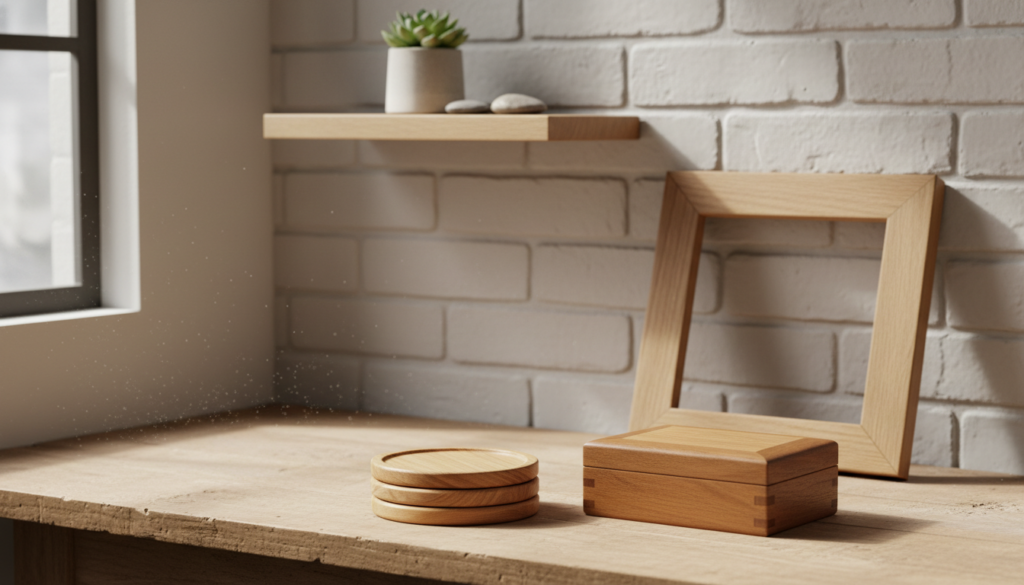
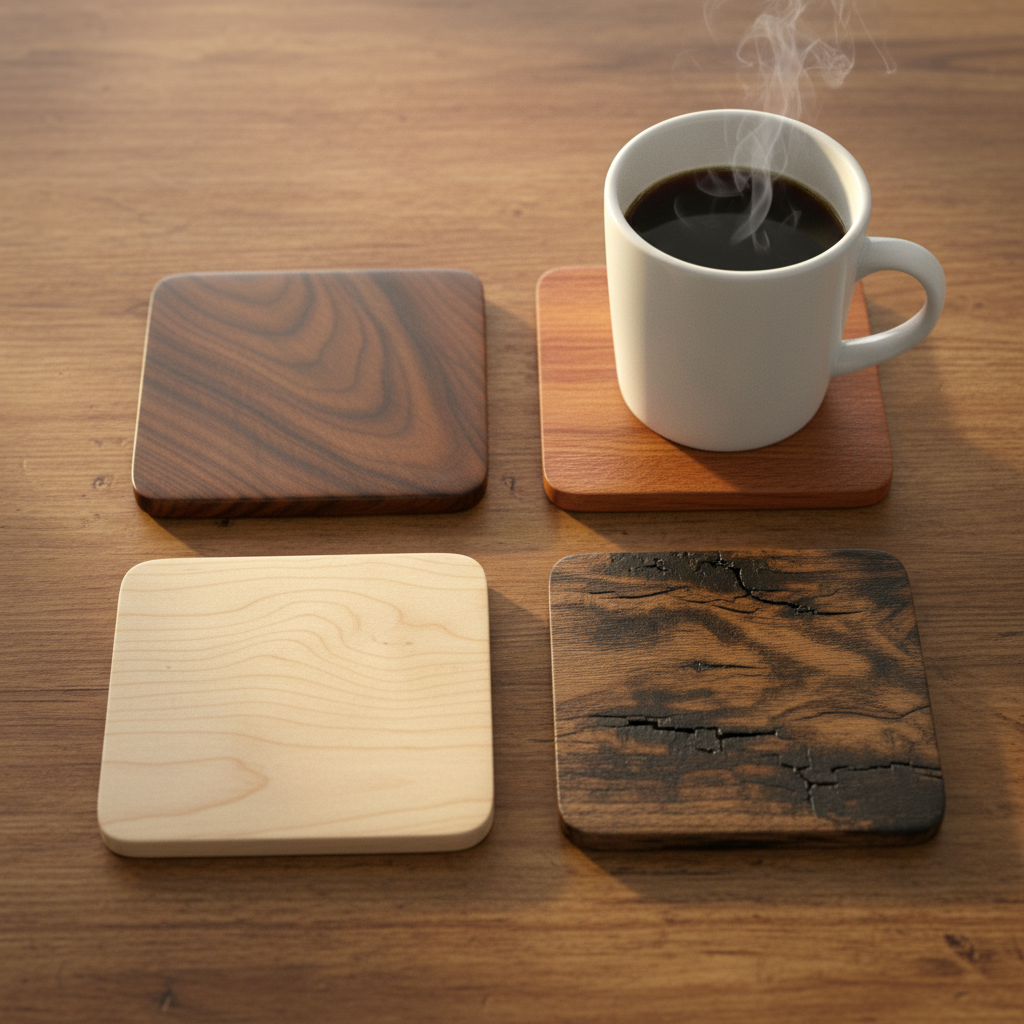
Wooden Coasters
Coasters make an ideal first wood project. You’ll learn to measure, cut, and sand while creating something useful for your home.
Cut four-inch squares from a one-inch thick board. Sand all edges smooth to prevent splinters. Apply a waterproof finish to protect the wood from moisture.
This project takes about one hour to complete. You can personalize coasters with wood burning designs or leave them natural to showcase the wood grain.
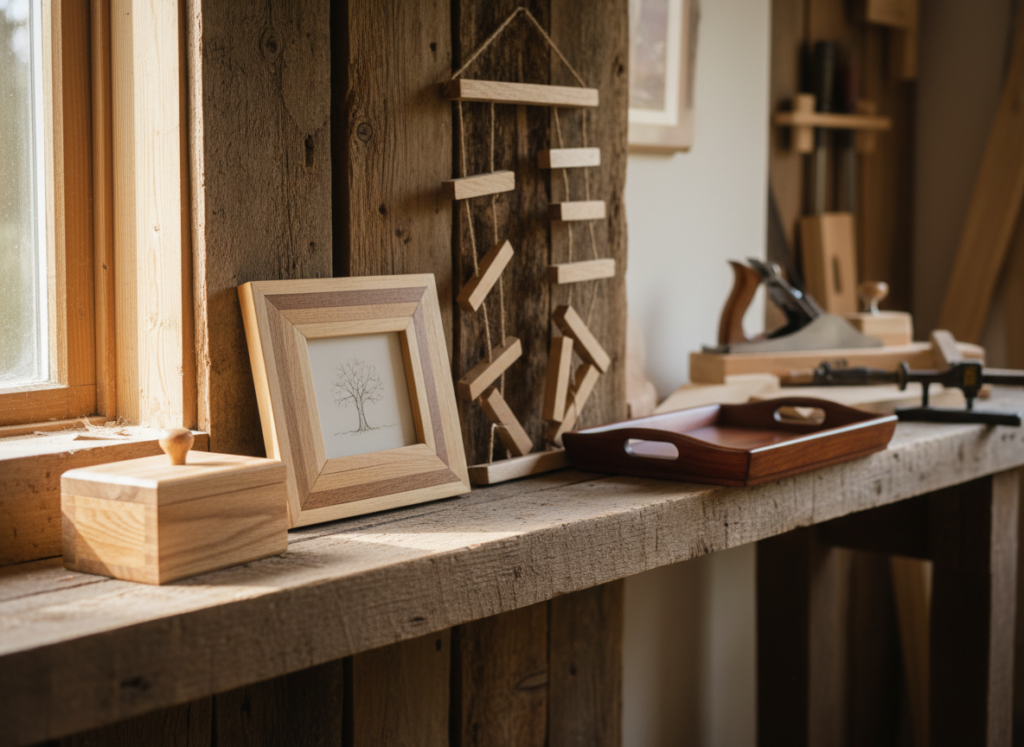
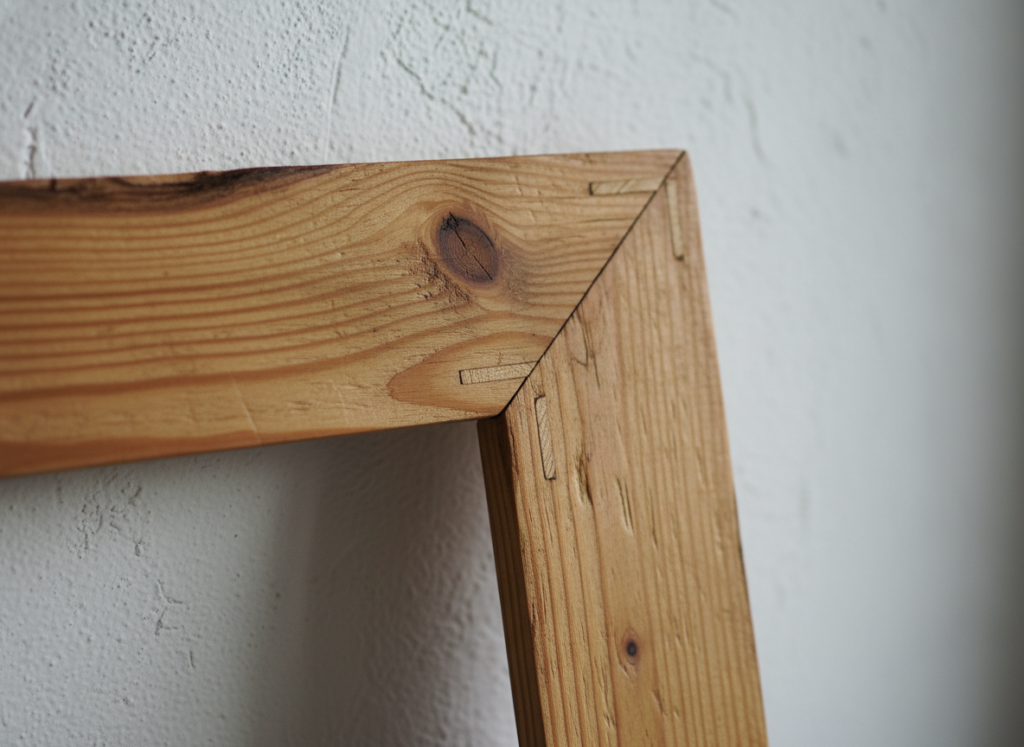
Building a picture frame teaches you how to create precise corner joints. This skill applies to countless future woodworking projects.
Measure and cut four pieces at 45-degree angles for the corners. Use wood glue and small nails to secure the joints. Sand the frame smooth before applying stain or paint.
The frame provides a beautiful way to display your favorite photos. You’ll feel proud every time you see your handmade creation on the wall.
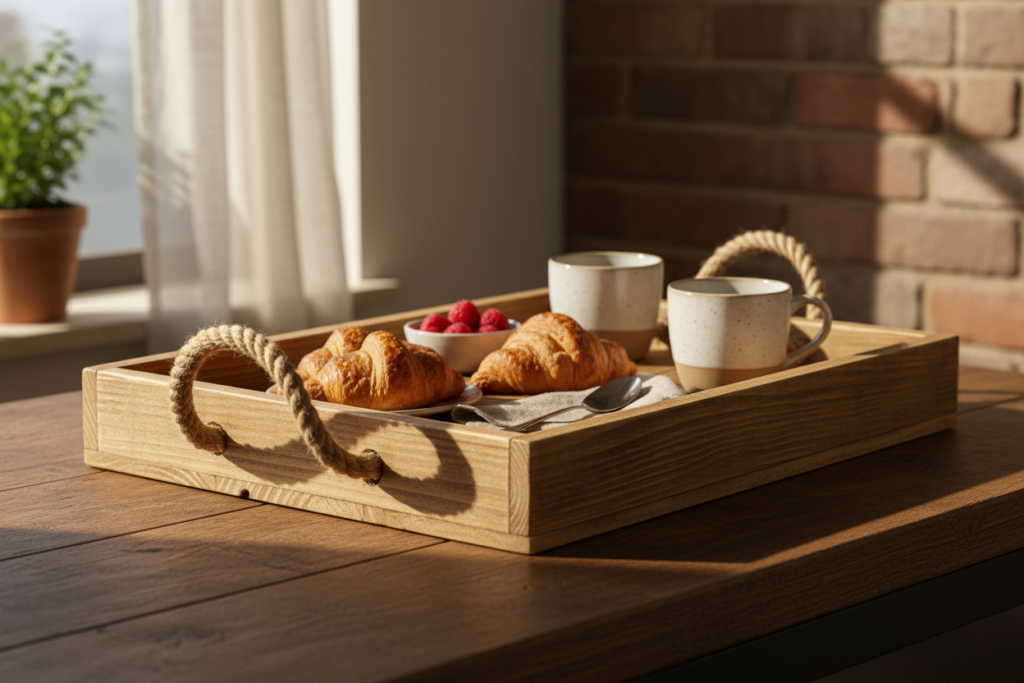
A serving tray combines basic assembly with the addition of handles. This project introduces you to working with multiple wood pieces.
Cut a rectangular base and four side pieces to create the tray walls. Attach handles using rope through drilled holes or wooden dowels. Sand everything smooth and apply food-safe finish.
The tray serves breakfast in bed or carries drinks to the patio. It’s one of those wood projects that gets used almost every day.
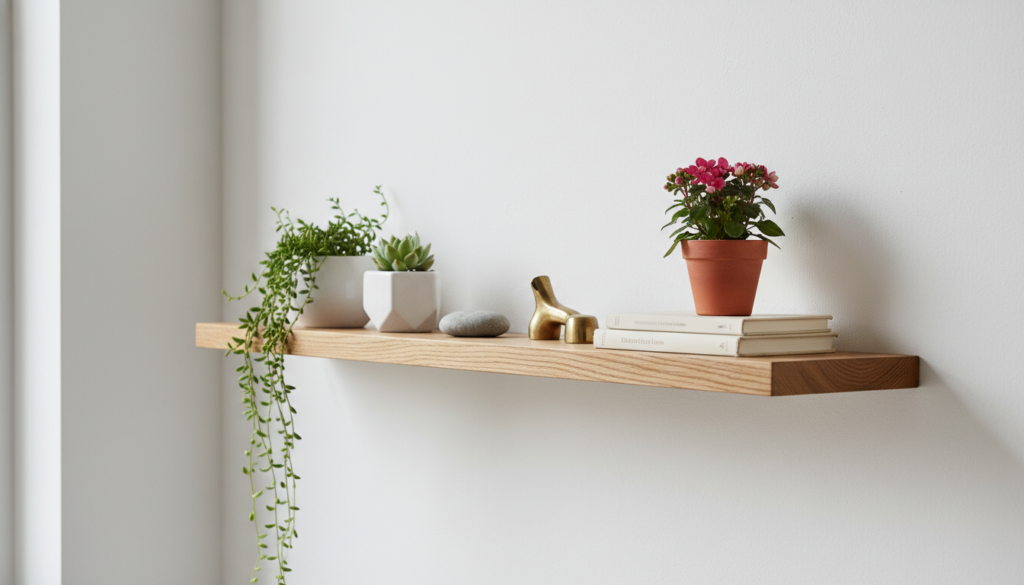
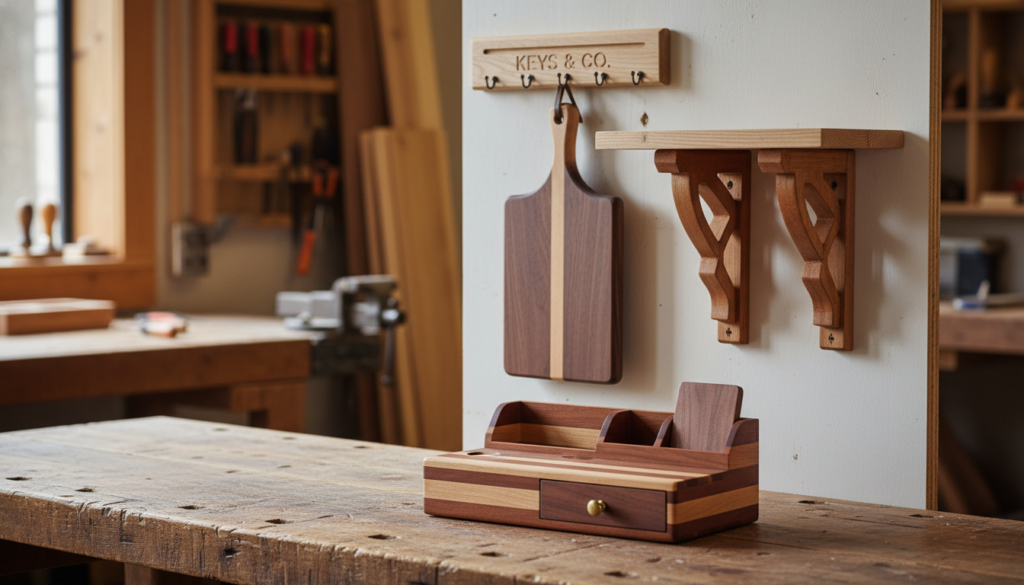
Simple Wall Shelf
A basic wall shelf teaches you about structural support and weight distribution. You’ll learn how to attach brackets securely for safe mounting.
Cut a board to your desired length and sand all surfaces smooth. Attach metal brackets or make wooden brackets for a custom look. Mount securely into wall studs for maximum strength.
This shelf provides practical storage space while showcasing your growing woodworking skills. Add multiple shelves to create a complete display system.
Step Up with These Intermediate Diy Wood Projects
Once you’ve completed a few basic projects, these intermediate designs challenge you to refine your techniques. Each one introduces new skills while remaining achievable for beginners.
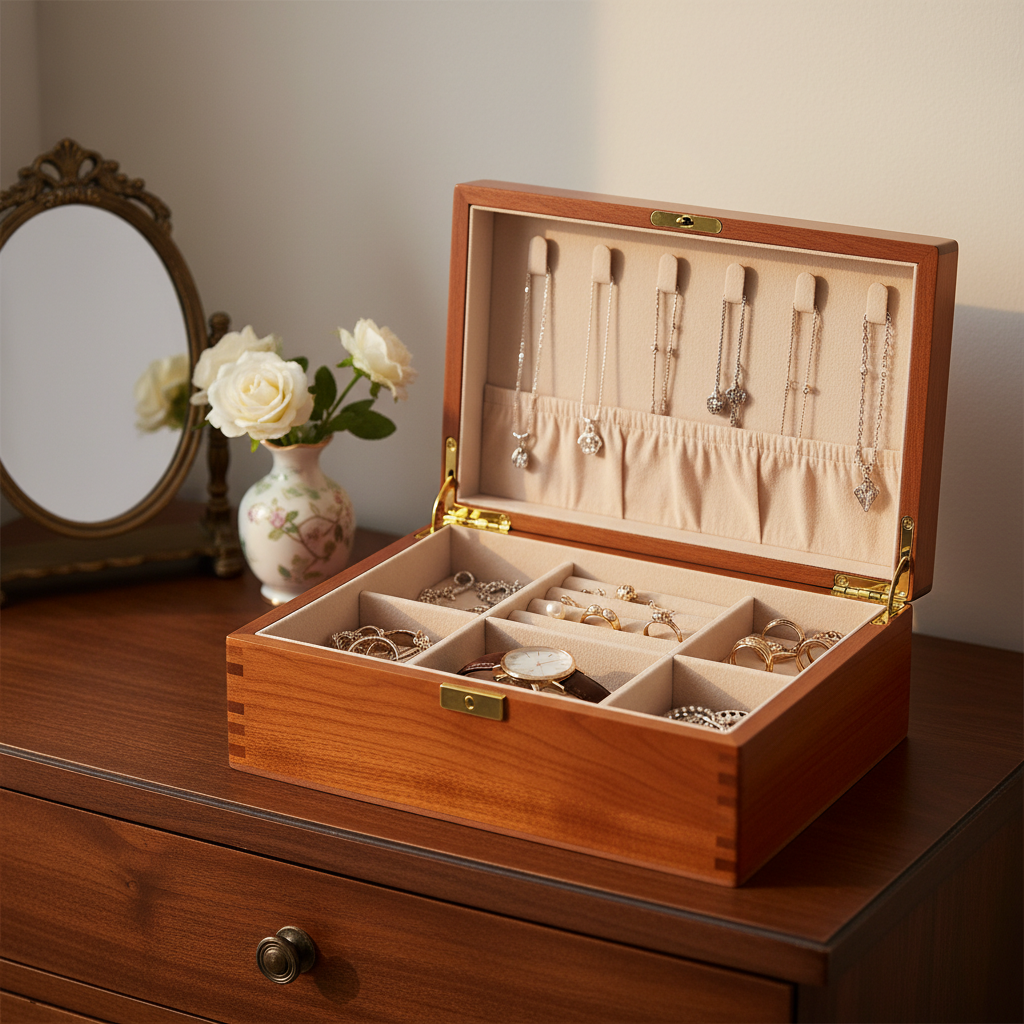
Jewelry Box
A jewelry box requires precise measurements and careful assembly. You’ll practice creating a hinged lid and small compartments for organization.
Cut pieces for the base, sides, and lid from quality hardwood. Create dividers inside for different types of jewelry. Add a small latch or magnetic closure to keep the lid secure.
This makes an exceptional gift for loved ones. The recipient will treasure both the jewelry box and the thought you put into creating it.
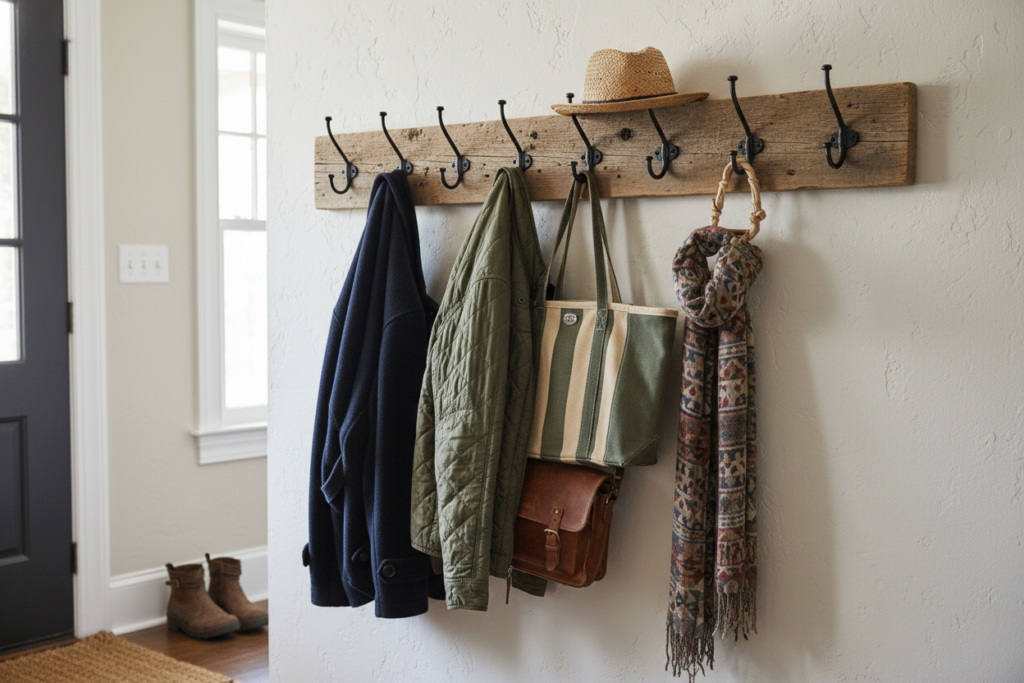
Wall-Mounted Coat Hooks
Coat hooks combine form and function in a simple design. You’ll learn about spacing, balance, and creating a piece that handles daily use.
Cut a backing board and sand it smooth. Mark even spacing for your hooks before drilling pilot holes. Attach decorative or functional hooks at each mark.
Mount the board near your entryway for convenient storage. This practical addition keeps your space organized while adding rustic charm to your wall.
Unlock Hundreds of Project Plans
Stop searching for ideas. Get instant access to a massive library of tested woodworking projects with complete instructions, cut lists, and material estimates for every skill level.
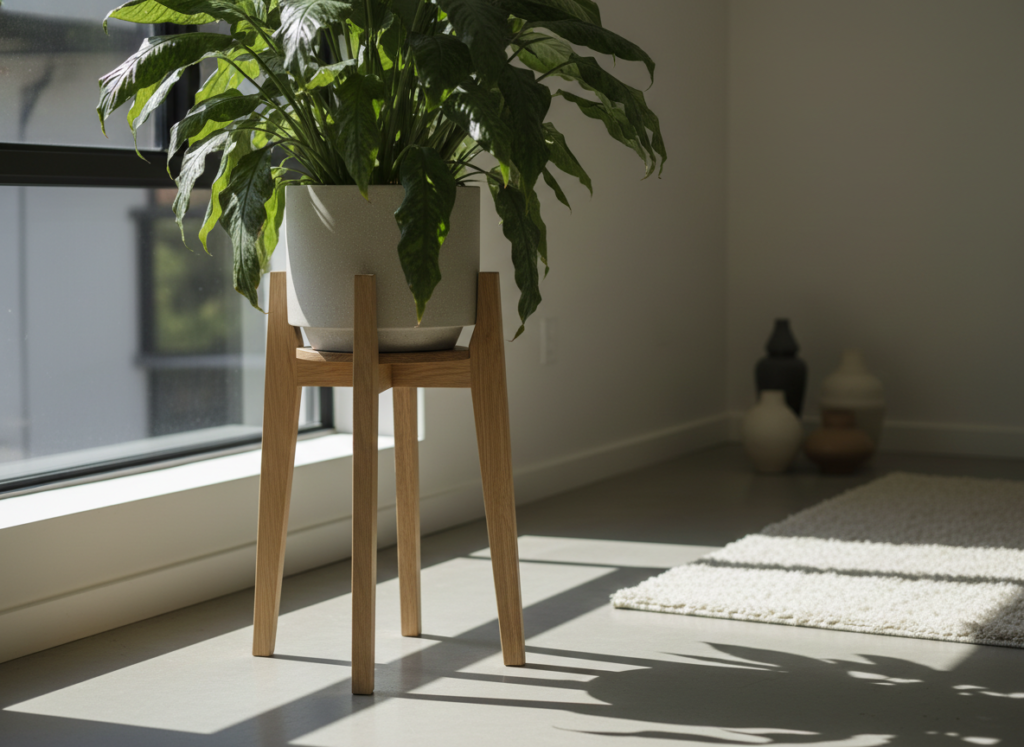
A plant stand introduces you to creating legs and ensuring stability. This project teaches important lessons about balance and structural integrity.
Cut four legs to equal length and create a top platform for the plant. Join the legs with cross-supports for added strength. Sand everything smooth and apply outdoor finish if using outside.
The stand elevates your plants for better light exposure and creates visual interest in any space. Build several in different heights for a stunning plant display.
Tool Holder
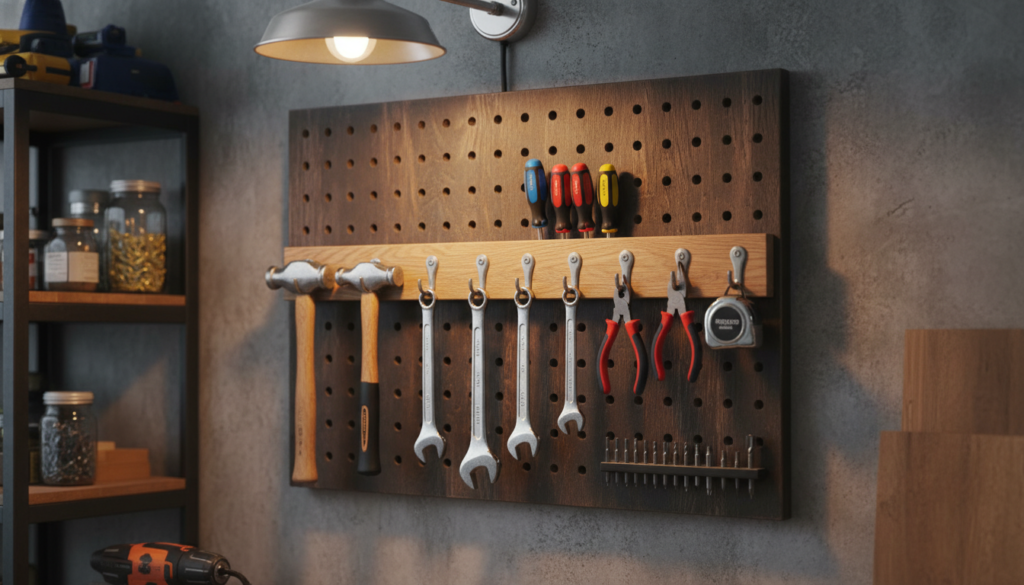
Organize your workshop with a custom tool holder. This project helps you think about design that serves specific practical purposes.
Measure your most-used tools and design slots or hooks accordingly. Cut the backing board and add compartments for different tool types. Mount it on your workshop wall for easy access.
A well-organized workspace makes every project easier. You’ll spend less time searching for tools and more time creating.
Wooden Curtain Rod
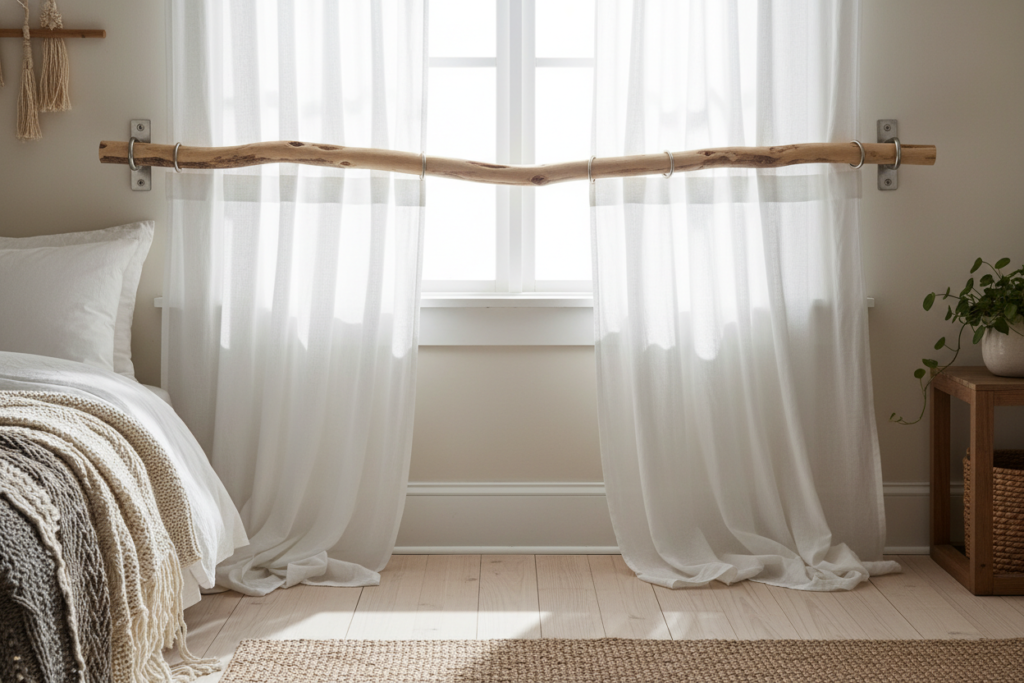
Creating a curtain rod teaches you about working with longer pieces of wood. You’ll practice sanding, staining, and installing hardware.
Select a straight dowel or branch in the diameter you prefer. Sand it until completely smooth, then apply your chosen finish. Install brackets at the window frame and rest the rod on top.
The natural wood adds warmth to your windows. This simple upgrade costs a fraction of store-bought curtain rods and looks far more unique.
Seasonal Wood Projects Throughout the Year
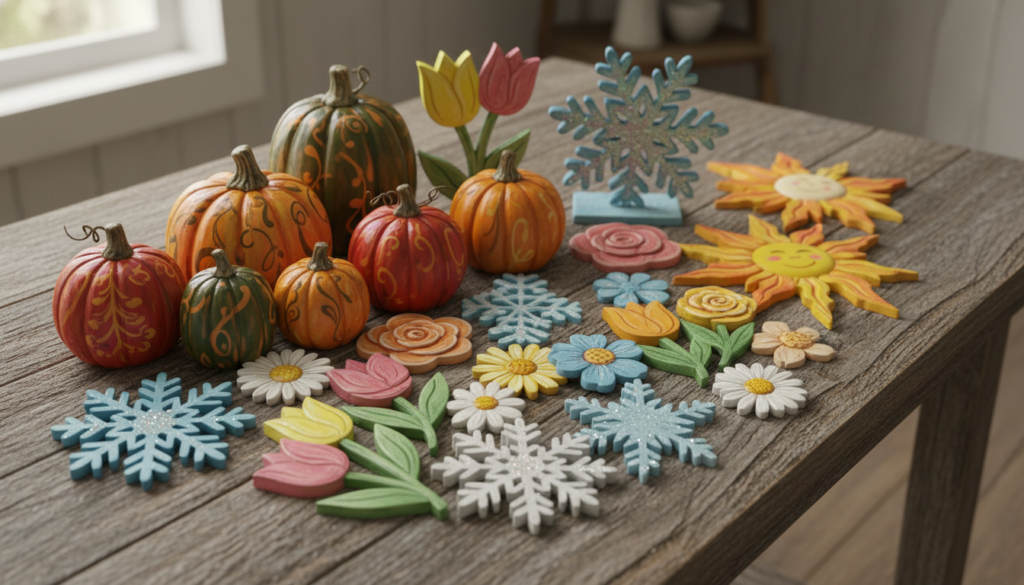
Woodworking projects for beginners adapt beautifully to each season. Create decorations and gifts that celebrate the time of year.
Summer Projects
Summer brings opportunities for outdoor wood projects. The warm weather and longer days provide ideal conditions for building and finishing.
Garden planters for herbs and flowers
Outdoor side table for the patio
Drink caddy for summer parties
Bird feeder to attract wildlife
Wooden lawn games for family gatherings
These projects enhance your outdoor living space. Many can be completed in a single weekend and provide enjoyment all summer long.
Holiday Projects
The holiday season inspires countless woodworking ideas. Handmade wooden gifts carry special meaning that store-bought items can’t match.
Ornaments for the Christmas tree
Decorative wooden stars for the wall
Gift boxes personalized for recipients
Candleholders for festive ambiance
Advent calendar for counting down days
Start these projects early to avoid last-minute stress. The handmade quality makes each gift truly special to the receiver.
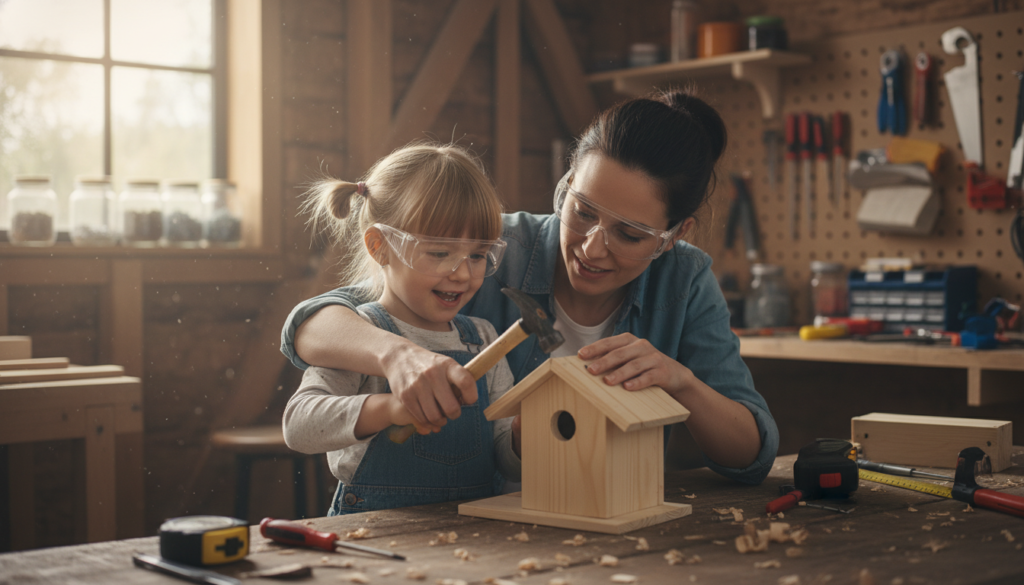
Working on wood projects with kids creates lasting memories. These beginner-friendly designs teach children valuable skills while spending quality time together.
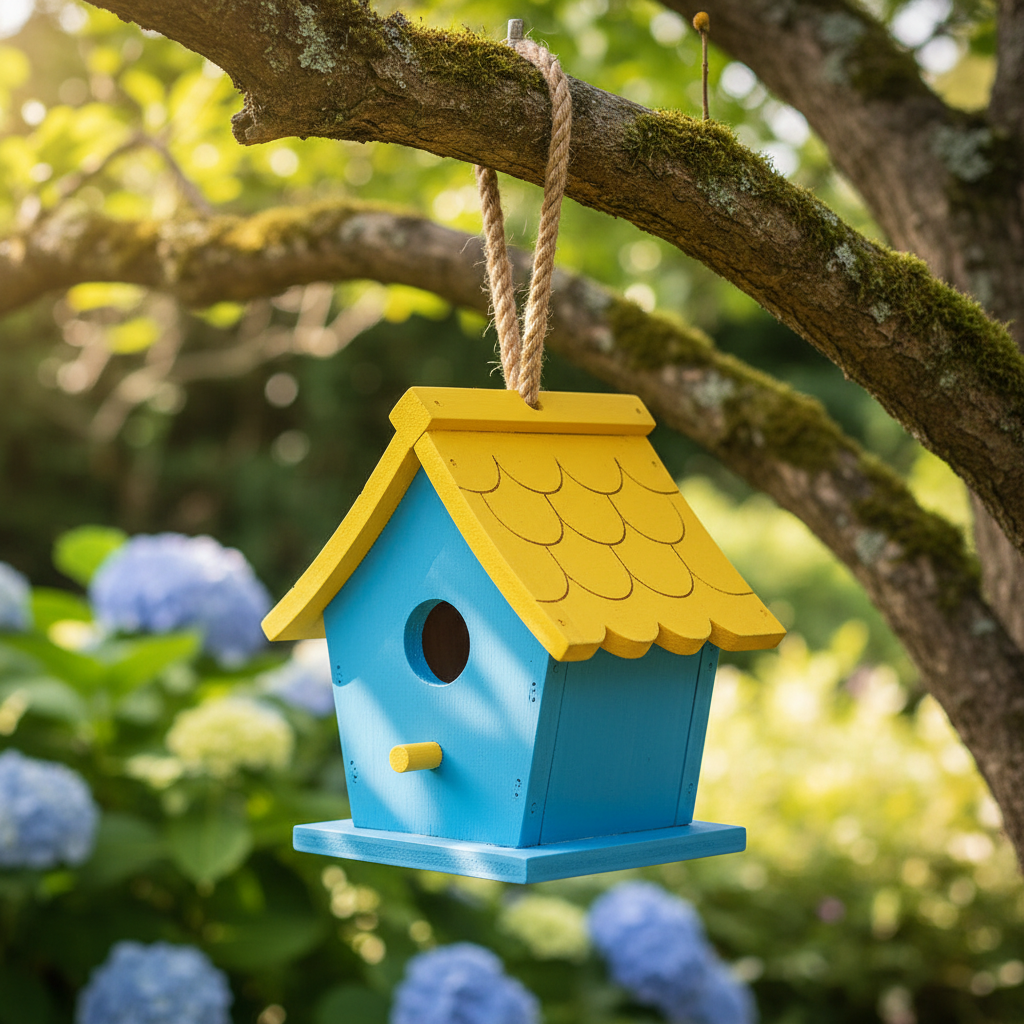
Birdhouse
Building a birdhouse introduces kids to basic construction concepts. They’ll love watching birds use something they created with their own hands.
Cut simple shapes for the walls, roof, and base. Let kids help sand the pieces smooth. Assemble with wood glue and nails, then let children paint their unique design.
Hang the finished birdhouse in your yard and observe which birds make it their home. This project connects kids to nature while teaching construction basics.
Toy Box
A toy box provides practical storage while giving kids pride in their organized space. This larger project works well for older children with supervision.
Build a rectangular box with a hinged lid for safety. Add soft-close hinges to prevent pinched fingers. Let kids customize it with paint, stickers, or wood burning.
The toy box teaches responsibility for keeping spaces tidy. Children feel invested in cleaning up when they store toys in something they helped build.
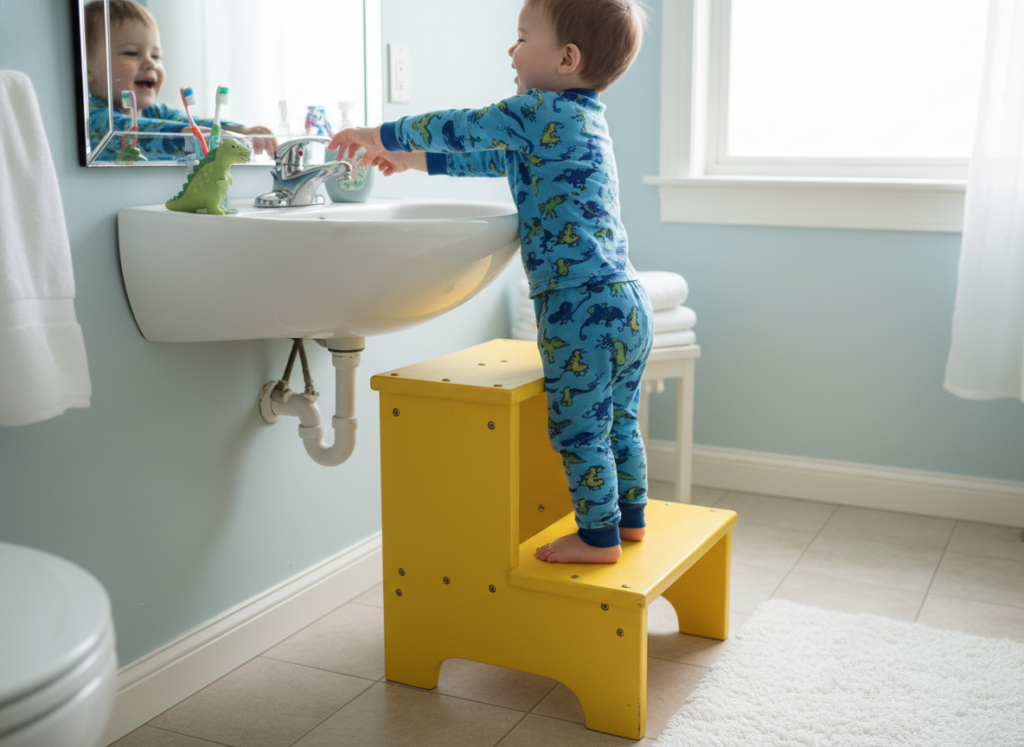
Step Stool
A small step stool helps kids reach sinks and counters independently. This functional project builds confidence through practical everyday use.
Cut two side pieces and two steps from strong wood. Assemble with screws for maximum strength and stability. Sand all edges thoroughly to prevent splinters.
Test the stool’s weight capacity before letting children use it. This project prioritizes safety while teaching valuable construction techniques.
Advanced Beginner Woodworking Projects
These projects push your skills further while remaining achievable. You’ll combine techniques learned from earlier projects into more complex designs.
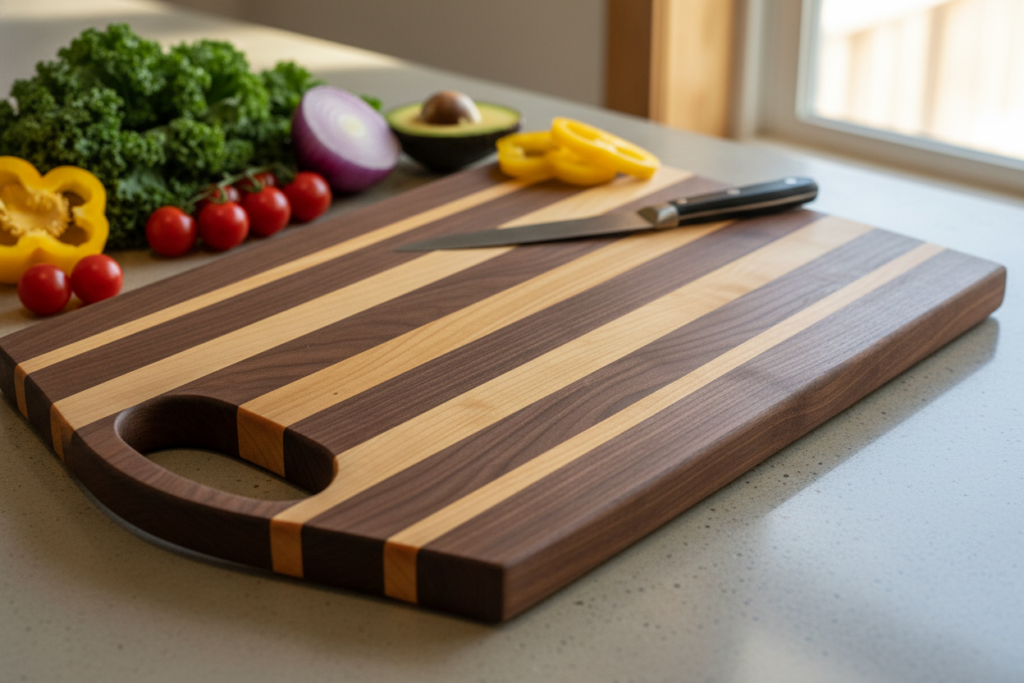
Cutting Board
A cutting board requires attention to food-safe materials and finishes. You’ll practice creating smooth surfaces and applying appropriate sealers.
Select hardwood like maple or walnut for durability. Cut to your desired shape and sand progressively through finer grits. Apply food-safe mineral oil to seal and protect the wood.
A handmade cutting board makes an excellent gift for anyone who enjoys cooking. The quality surpasses most store-bought options at a fraction of the cost.
Book Shelf
Building a bookshelf teaches you about weight-bearing structures. You’ll consider both aesthetics and functionality in your design.
Design a simple shelf with three to five levels. Cut side pieces and shelves to match your space. Assemble with strong joints or brackets for stability.
The finished shelf organizes books while displaying your growing woodworking abilities. Consider building matching shelves for a cohesive look throughout your home.
Take Your Skills to the Next Level
Ready for more challenging projects? Access advanced techniques, joinery methods, and professional finishing tips that transform good projects into exceptional pieces.
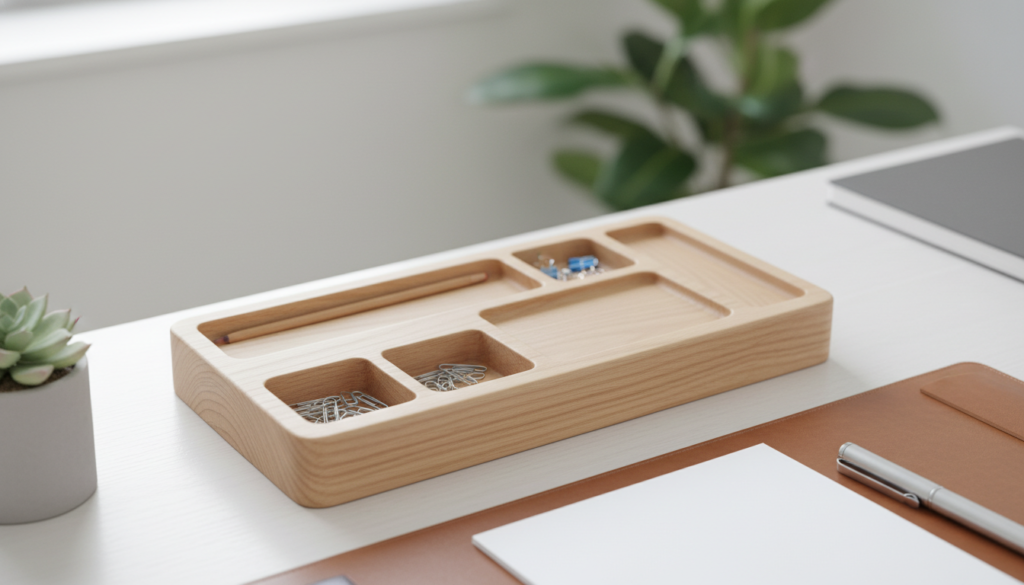
A desk organizer with multiple compartments challenges you to think about space efficiency. You’ll practice creating dividers and small-scale precise cuts.
Measure your desktop items to design appropriate compartment sizes. Cut pieces for the base, dividers, and sides. Assemble everything with careful attention to square corners.
The organizer keeps your workspace tidy and efficient. It demonstrates how woodworking solves everyday problems with custom solutions.
Wall Art Display
Creating a wood-based wall art piece lets you express creativity beyond functional items. You’ll explore design elements like shape, texture, and visual balance.
Cut geometric shapes or organic forms from contrasting wood types. Arrange them in an appealing composition before securing to a backing board. Apply finishes that highlight the wood’s natural beauty.
This project has no strict rules, encouraging experimentation. The finished piece becomes a conversation starter that showcases your unique artistic vision.
Personalized Wood Projects with Engraving
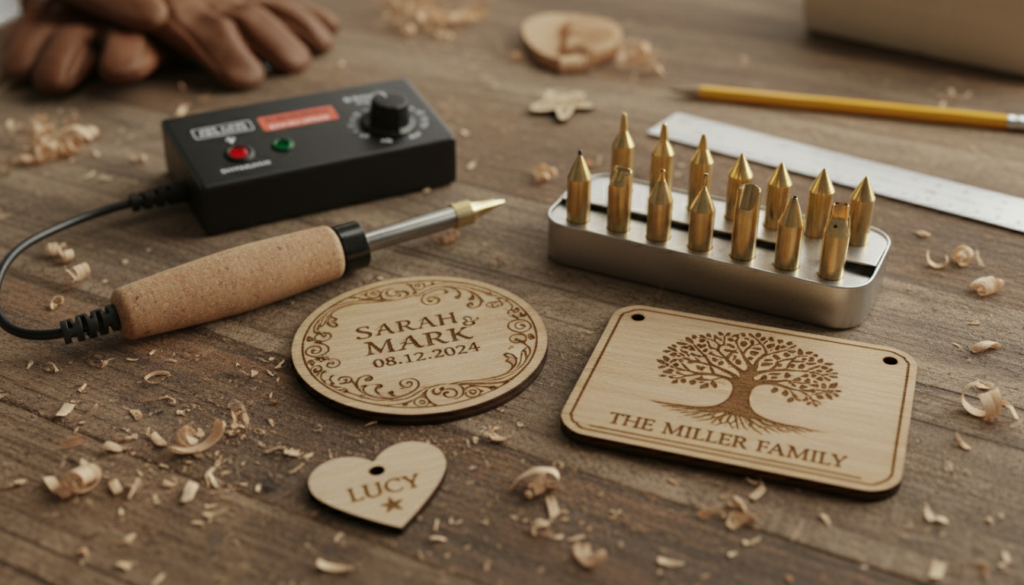
Adding engraving takes your wood projects to a professional level. Simple hand tools or wood burning kits create custom designs that make gifts extra special.
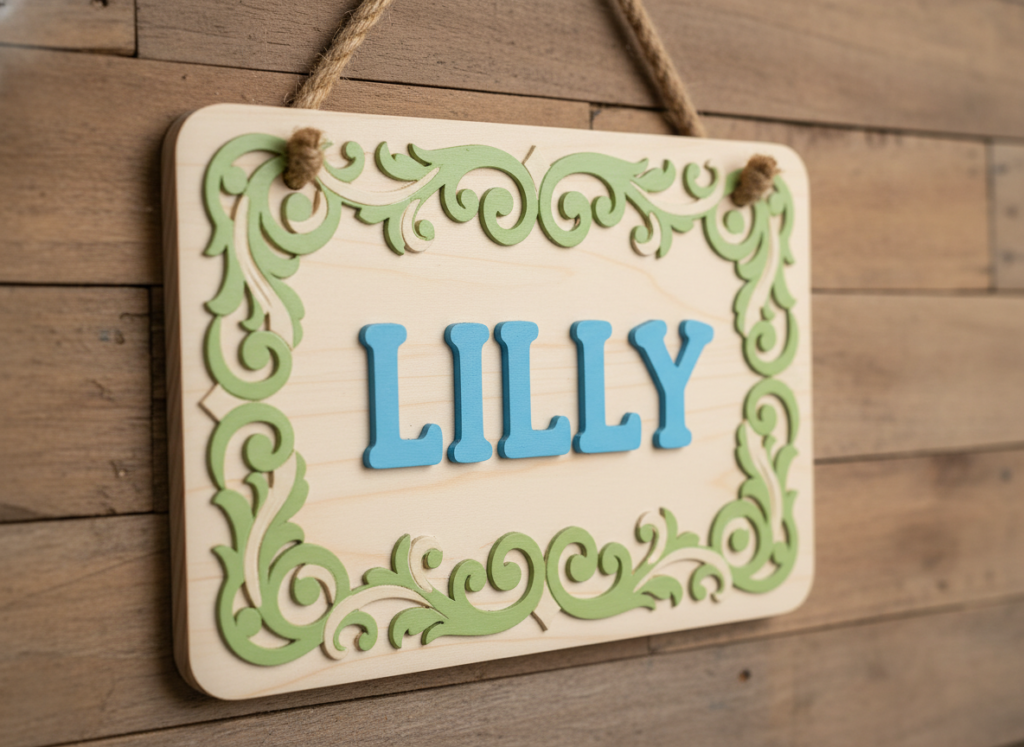
Personalized Name Signs
Name signs work perfectly for bedroom doors or nursery decor. The engraving adds a custom touch that makes each piece one-of-a-kind.
Cut a plaque to size and sand it completely smooth. Transfer your design using carbon paper or freehand drawing. Use a wood burning tool or engraving bit to create the letters.
Paint the engraved areas in contrasting colors for added visual impact. These signs make thoughtful gifts for baby showers or new homeowners.
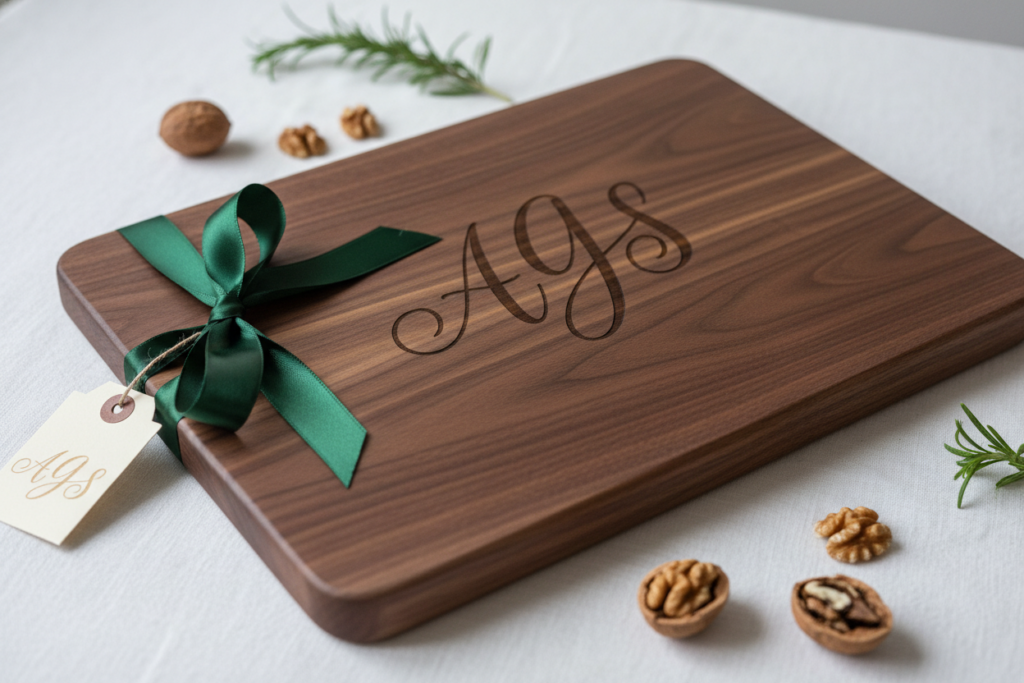
Monogrammed Cutting Board
Combining function with personalization creates meaningful gifts. A monogrammed cutting board elevates a practical item into a treasured keepsake.
Create a quality cutting board following food-safe practices. Add a monogram or family name using wood burning or engraving tools. Finish with food-safe oil to protect your design.
Recipients use these boards for special occasions rather than daily cutting. The personalization transforms a simple project into a family heirloom.
Wood Finishing Techniques for Beginners
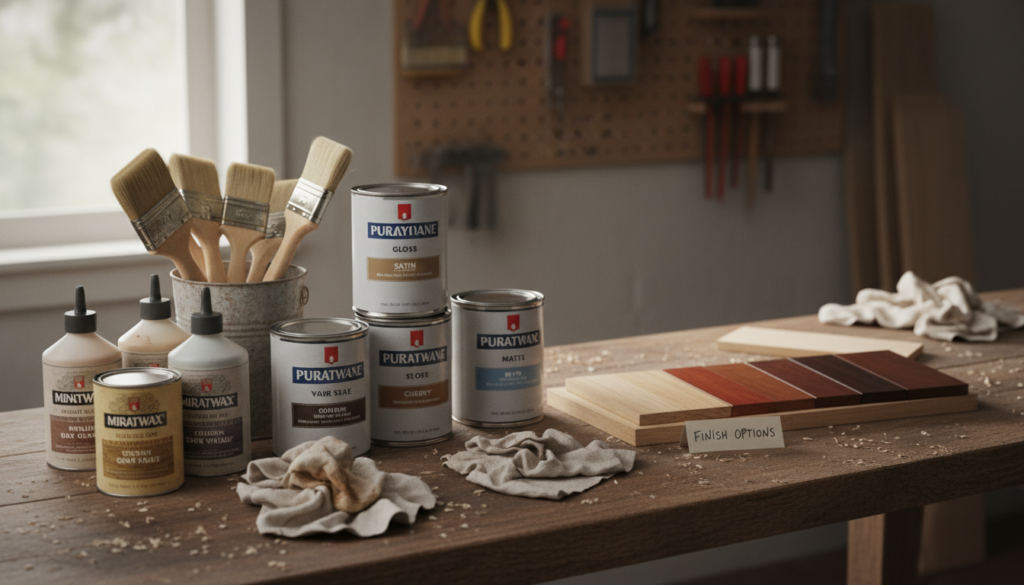
The finish you apply protects your work and enhances its appearance. Learning proper finishing techniques makes the difference between amateur and professional-looking projects.
Sanding Basics
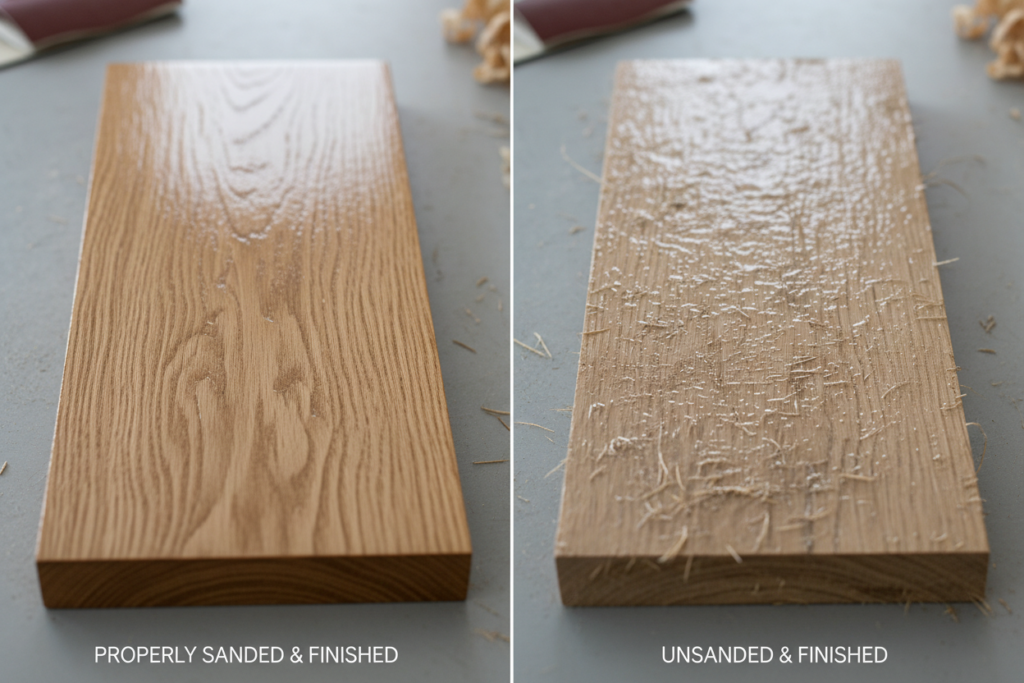
Proper sanding creates the foundation for beautiful finishes. Start with coarser grits and progress to finer ones for silky smooth results.
Start with 80-grit for rough shaping
Move to 120-grit for general smoothing
Finish with 220-grit for final preparation
Always sand in the direction of the grain
Remove all dust between grit changes
Never skip grit levels in your progression. Each grit removes scratches from the previous one, creating increasingly smooth surfaces.
Staining Wood
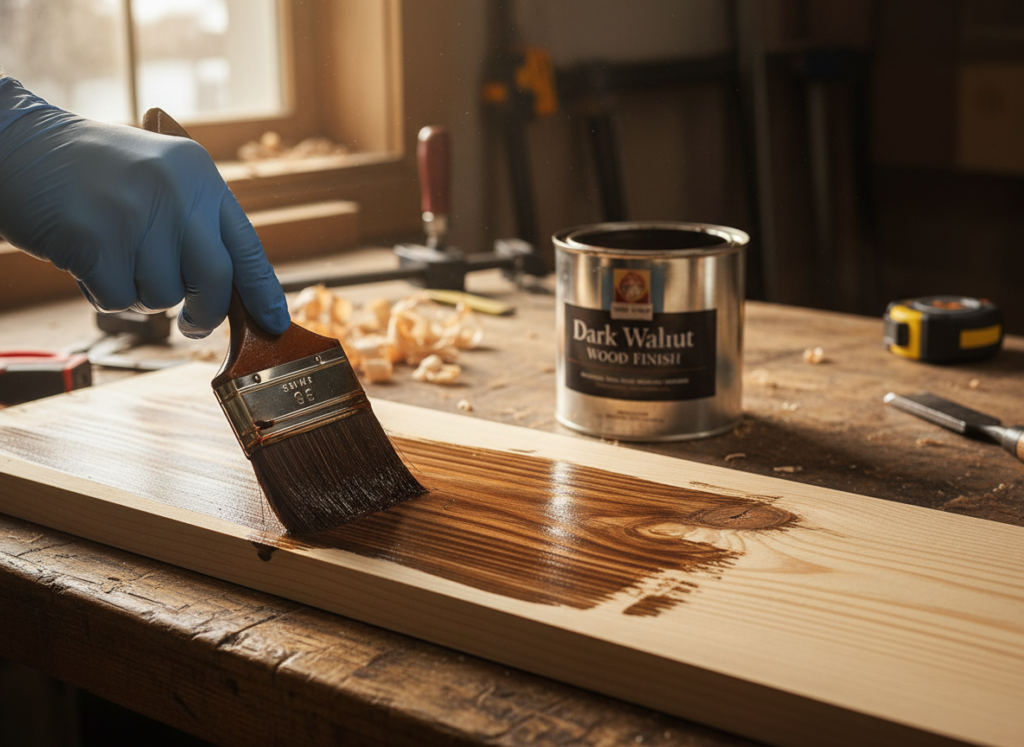
Stain adds color while letting the wood grain show through. Test your chosen stain on scrap pieces before applying it to your project.
Apply stain with a brush or cloth in long, even strokes. Let it penetrate for the recommended time before wiping away excess. Multiple thin coats create richer color than one thick application.
Some woods like pine can absorb stain unevenly. Use pre-stain conditioner on these woods for more consistent results.
Protective Topcoats
A topcoat seals your work against moisture, stains, and wear. Choose the right product based on how you’ll use the finished piece.
Polyurethane for high-traffic surfaces
Tung oil for natural-looking finishes
Wax for easy maintenance and repair
Water-based finishes for low odor
Food-safe oil for cutting boards and bowls
Apply thin coats and sand lightly between applications. Three to four coats provide excellent protection for most projects.
Safety should always come first in your workshop. Following basic precautions prevents injuries and makes woodworking more enjoyable.
Personal Protective Equipment
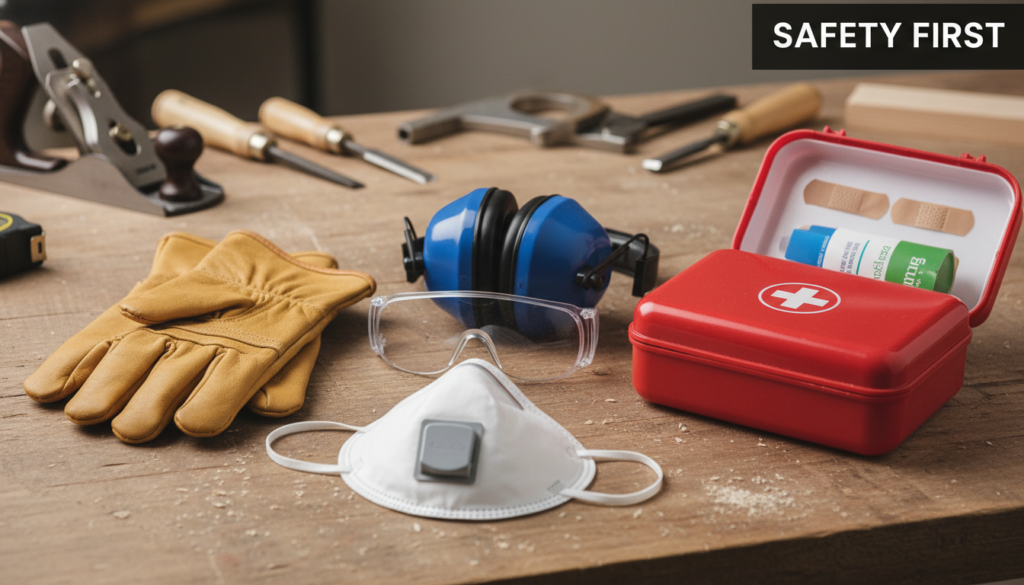
Always wear appropriate safety gear before starting any wood project. These simple items prevent most common workshop injuries.
Safety glasses protect your eyes from sawdust and debris
Dust masks prevent inhaling fine particles
Hearing protection reduces noise damage from power tools
Work gloves shield your hands from splinters
Closed-toe shoes protect feet from dropped tools
Keep safety equipment easily accessible in your workspace. When it’s convenient to use, you’re more likely to wear it consistently.
Workshop Organization
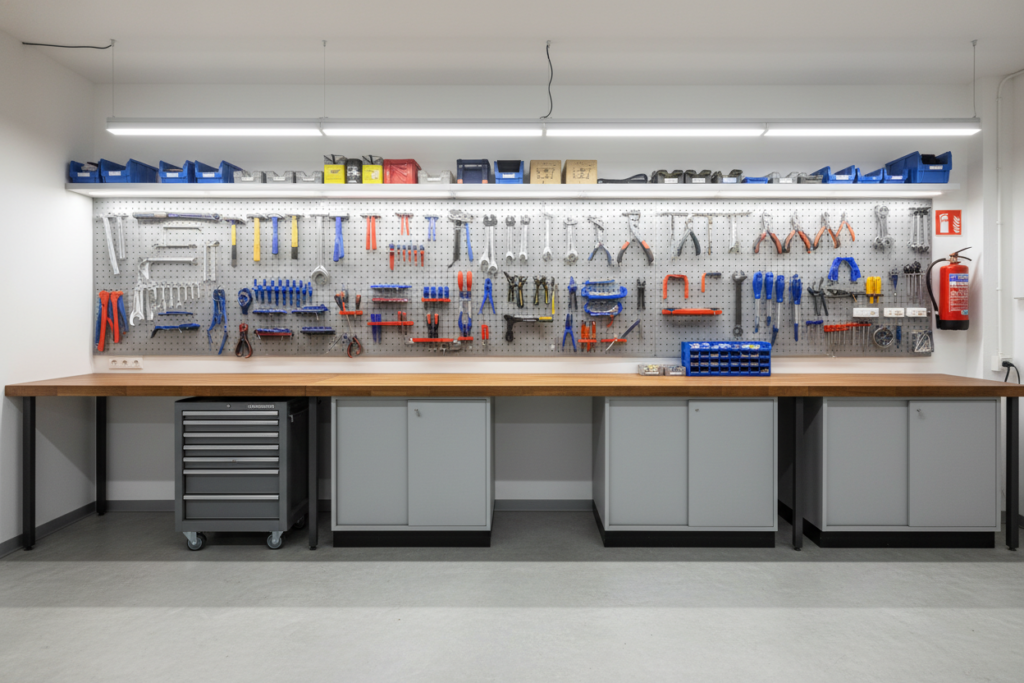
A clean, organized workspace prevents accidents. Develop habits that keep your area safe and efficient.
Store tools in designated spots after use
Keep walkways clear of lumber and debris
Ensure adequate lighting in all work areas
Maintain sharp tools for safer, cleaner cuts
Know where your first aid kit is located
Good organization saves time and reduces frustration. You’ll complete projects faster when you can find tools quickly.
Tool Safety Practices
Understanding how to use each tool properly prevents most accidents. Take time to learn correct techniques before starting projects.
Read instruction manuals for all power tools
Keep fingers away from cutting paths
Unplug tools when changing blades or bits
Use clamps instead of holding small pieces by hand
Never remove safety guards from equipment
Rushing leads to mistakes and injuries. Work at a comfortable pace that allows you to maintain focus and control.
Starting Woodworking on a Budget
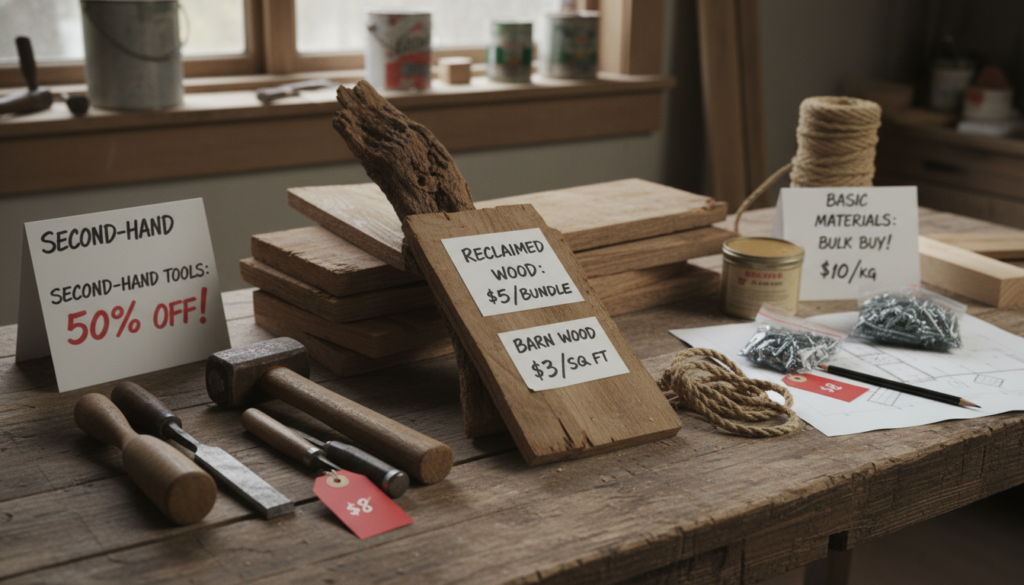
You don’t need expensive equipment to create beautiful wood projects. Smart shopping and resourcefulness keep costs manageable while learning.
Finding Affordable Materials
Wood costs add up quickly if you’re not careful. These strategies help you build without breaking the bank.
Check scrap bins at lumber yards for small pieces
Ask contractors for leftover materials from jobs
Browse online marketplaces for free pallets
Visit habitat restore for donated lumber
Buy dimensional lumber instead of premium hardwoods
Many beautiful projects use humble materials. Pine projects can look just as impressive as expensive hardwoods with proper design and finishing.
Building Your Tool Collection
Start with essential hand tools before investing in power equipment. You can complete most beginner projects with basic tools.
Buy quality versions of tools you’ll use frequently. For specialized tools needed occasionally, consider borrowing from friends or renting from hardware stores.
Watch for sales at home improvement stores throughout the year. Black Friday and seasonal clearances offer significant savings on woodworking supplies.
Maximizing Material Usage
Planning your cuts carefully reduces waste and stretches your budget. Every scrap piece has potential for smaller projects.
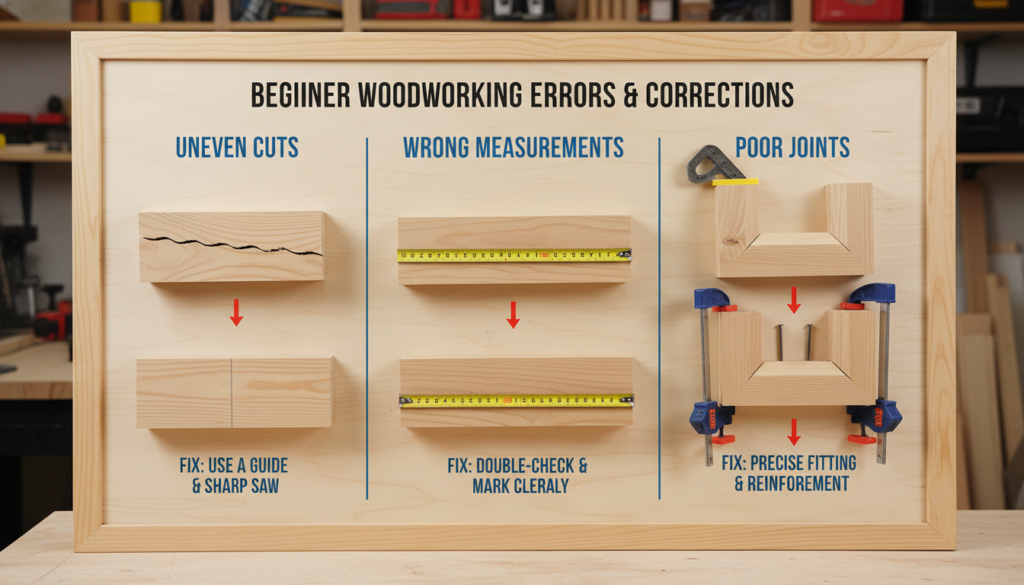
Measure twice and cut once to avoid mistakes
Plan projects that use standard lumber dimensions
Save cutoffs for coasters, ornaments, or small gifts
Design projects around materials you already have
Join woodworking communities to trade unused materials
Experience teaches you to see possibilities in every piece of wood. Even odd-shaped scraps can become components of future creations.
Start Building Without Breaking the Bank
Get budget-friendly project plans designed specifically for beginners. Every plan includes cost-saving tips and alternatives for expensive materials.
Every woodworker makes mistakes when starting out. Learning from common errors helps you progress faster and waste less material.
Measurement Errors
Inaccurate measurements cause more project failures than any other mistake. Developing good measuring habits prevents frustration.
Always use the same measuring tool throughout a project. Tape measures can vary slightly, leading to cumulative errors in complex builds.
Mark your measurements clearly with a sharp pencil. A thick or smudged line makes precise cuts impossible to achieve.
Skipping Sanding Steps
Rushing through sanding shows in the final result. Rough surfaces telegraph every imperfection through stain and finish.
Take your time with progressive sanding. Each grit level removes scratches from the previous step, building toward a glass-smooth surface.
Sand in the direction of the grain to avoid visible cross-grain scratches. These become especially noticeable under stain.
Using Dull Tools
Dull cutting tools require more force and produce rougher cuts. They’re also more dangerous because they can slip or bind unexpectedly.
Replace saw blades when cuts become difficult
Sharpen chisels regularly for clean work
Change sandpaper when it stops cutting efficiently
Keep drill bits sharp for clean holes
Sharp tools make woodworking easier and safer. The small investment in replacement blades pays dividends in better results.
Not Testing Finishes First
Applying untested stain or finish directly to your project risks ruining hours of work. Different woods absorb products differently.
Always test finishes on scrap pieces of the same wood. Let them dry completely to see the true color and appearance.
Save test pieces for future reference when choosing finishes for new projects. Build a library of samples showing different products on various woods.
Your Woodworking Journey Continues
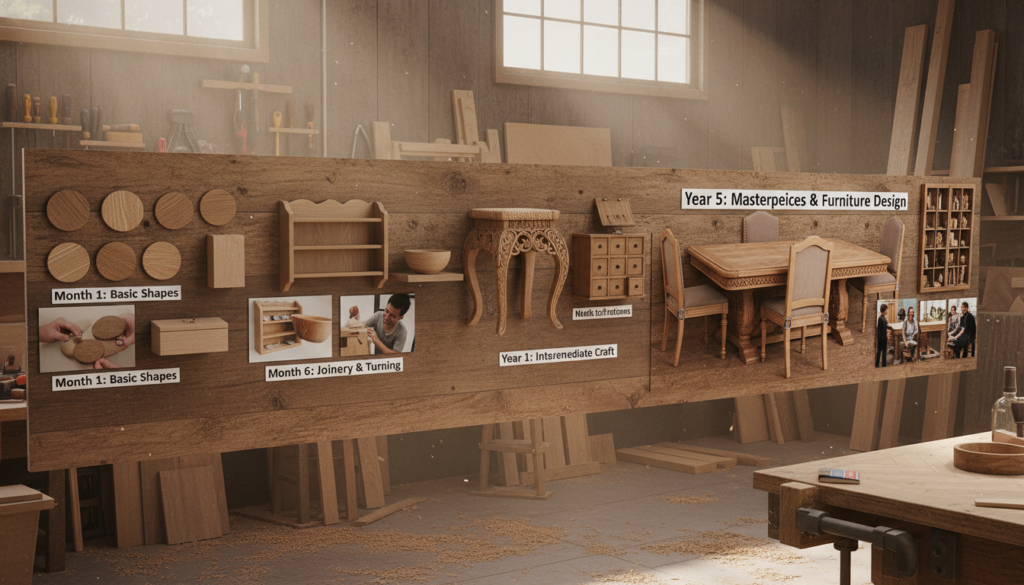
Starting with simple wood projects for beginners builds the foundation for a lifetime of creative making. Each completed project teaches you new skills and builds your confidence.
Don’t worry about perfection in your early projects. Focus on learning and enjoying the process as you develop your abilities.
Join online woodworking communities to share your work and learn from others. The woodworking community welcomes beginners and freely shares knowledge.
Resources for Continued Learning
Watch video tutorials for visual demonstrations
Subscribe to woodworking magazines for inspiration
Visit local woodworking clubs to meet mentors
Take weekend classes at community centers
Follow experienced woodworkers on social media
Document your projects to track improvement
Setting Workshop Goals
Complete one new project monthly
Learn one new technique each quarter
Build confidence with hand tools first
Add power tools as skills develop
Challenge yourself with harder designs gradually
Share your work to inspire others
The experience you gain from each wood project compounds over time. Skills that seem difficult now will become second nature with practice.
Remember that every master woodworker started exactly where you are today. Your journey of a thousand projects begins with a single cut.
Transform Your Woodworking Dreams into Reality
Stop wondering what you’re capable of creating. Get instant access to thousands of proven plans, expert instruction, and a supportive community of fellow woodworkers. Your next masterpiece is waiting.
Wood projects for beginners offer an accessible path to developing a valuable and rewarding skill. You have everything you need to start creating beautiful, functional pieces right now.
Start with simple designs that match your current skill level. Each completed project builds your abilities and prepares you for more complex challenges.
The woodworking community awaits your unique creations. Share your progress, learn from mistakes, and celebrate every success along the way.
Your first project might not be perfect, but it will be yours. That sense of accomplishment fuels your passion for creating with wood.
Pick a project from this guide that excites you. Gather your materials, set aside some time, and start building today.