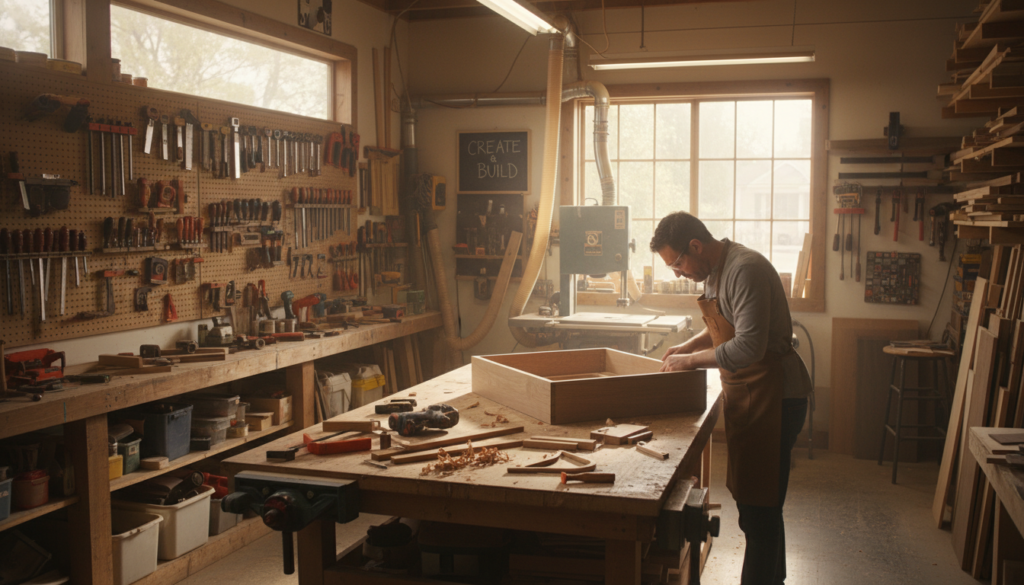
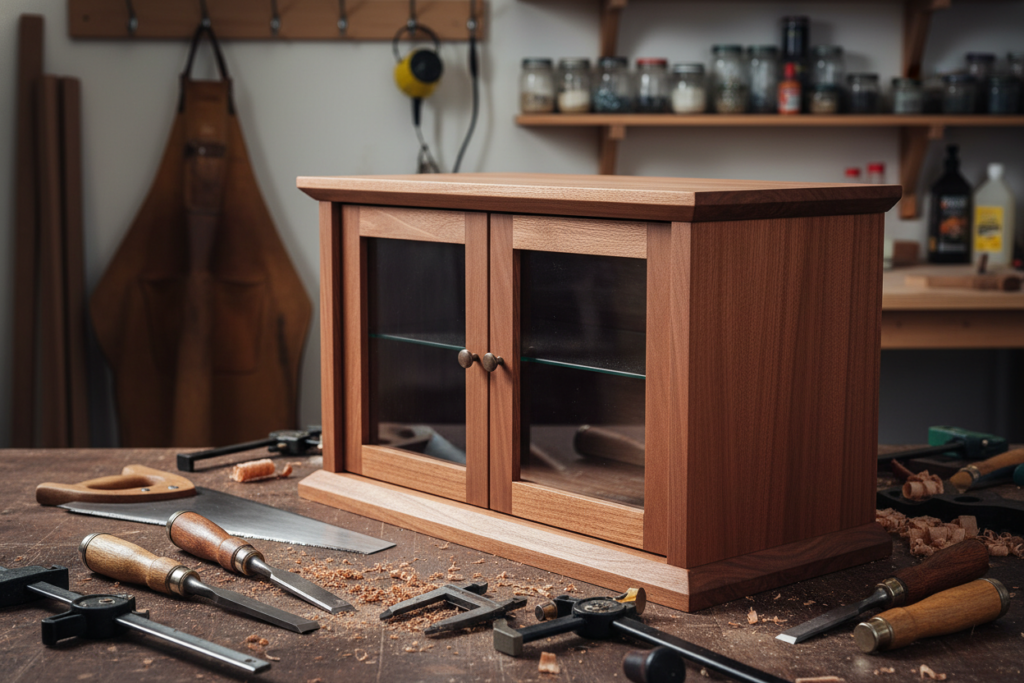
Starting your woodworking journey feels exciting and overwhelming at the same time. The right woodworking tools transform raw lumber into beautiful furniture, décor, and functional pieces. Whether you’re building your first workbench or crafting intricate joinery, having quality tools makes all the difference.
This Website contains affiliate links. That means I may earn a small commission if you purchase through my links, at no extra cost to you.
This comprehensive guide walks you through essential woodworking tools for every skill level. You’ll discover which tools deserve space in your workshop and which ones to add as your skills grow. From basic hand tools to power equipment, we’ll cover everything you need to know.
Essential Hand Tools for Woodworking Projects
Hand tools form the foundation of woodworking. These reliable instruments give you precision control and work without electricity. Every woodworker needs a solid collection of hand tools regardless of how many power tools they own.
Measuring and Marking Tools
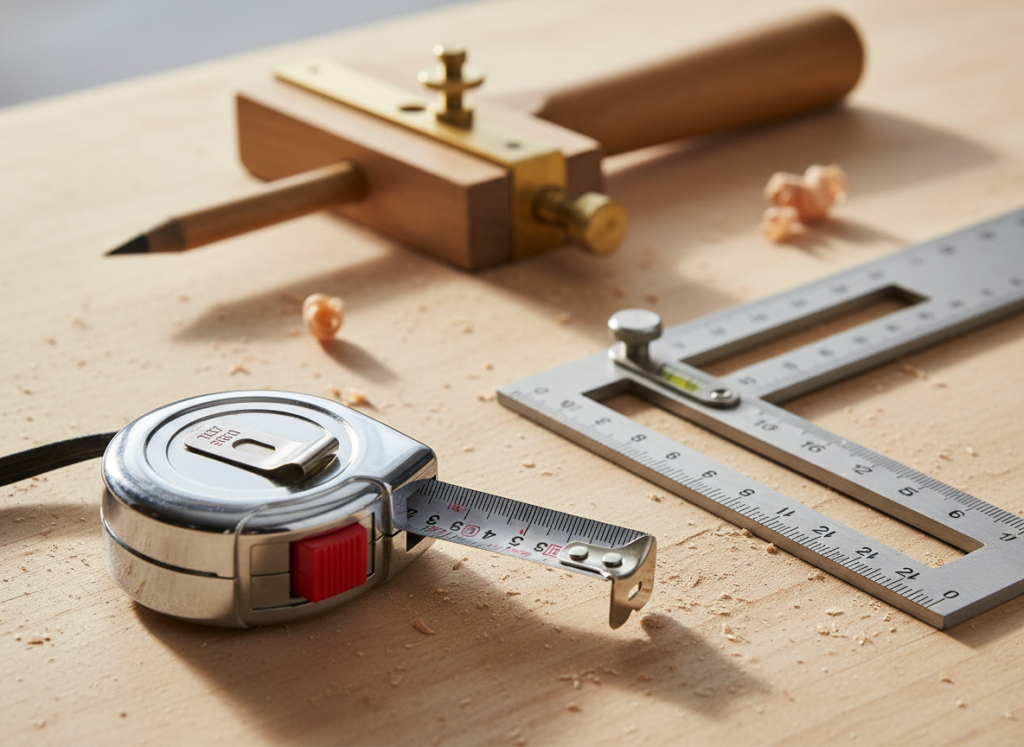
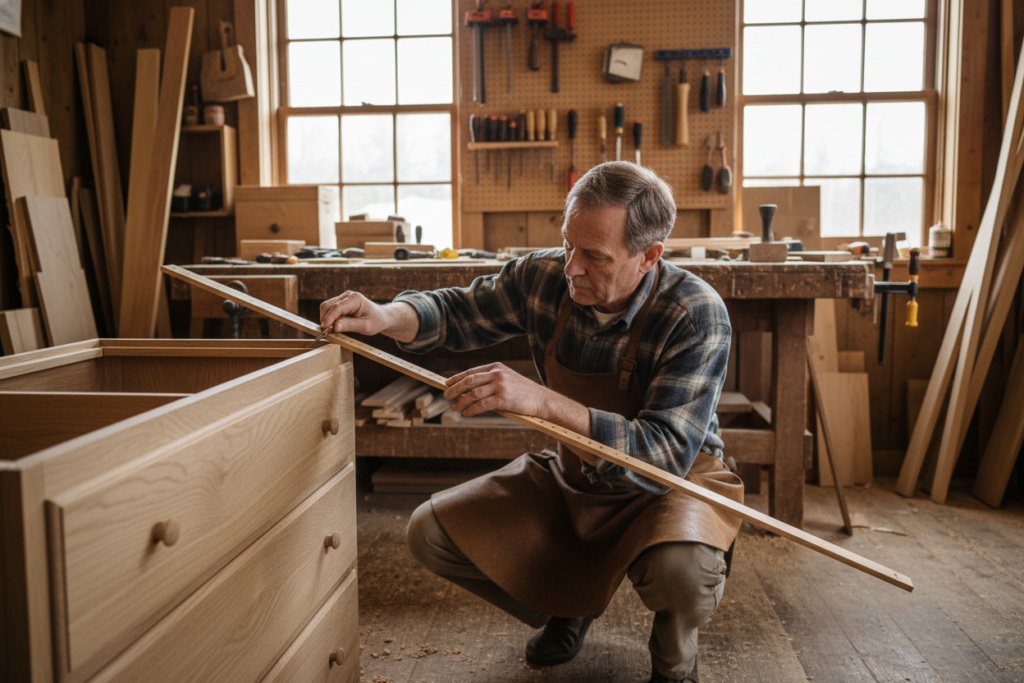
Accurate measurements prevent costly mistakes. A quality tape measure, combination square, and marking gauge are non-negotiable essentials. These tools help you transfer dimensions and create precise layouts on your wood.
The marking knife creates cleaner lines than pencils. It scores the wood fibers for exact cuts. Professional woodworkers prefer marking knives because they never need sharpening like pencils do.
Tape Measures
Choose a 25-foot tape measure with clear markings. The blade should lock firmly in place.
This versatile tool checks 90-degree and 45-degree angles. The ruler slides along the head for depth measurements.
Built-in level bubble
Scribing capabilities
Hardened steel blade
Accurate angle verification
Marking Gauges
Set precise distances from edges with this traditional tool. The sharp pin scores consistent lines.
Parallel line creation
Adjustable fence system
Mortise marking capability
Brass or steel construction
Speed Squares
Triangular layout tools work great for framing and roofing angles. They’re nearly indestructible.
Quick angle measurements
Saw guide functionality
Rafter calculations included
Aluminum construction
Cutting and Shaping Hand Tools
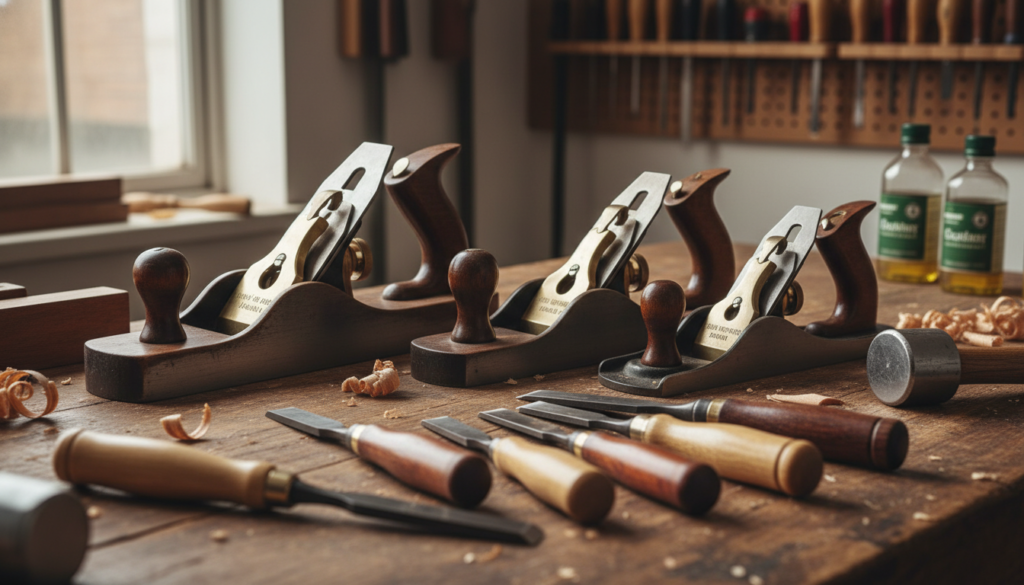
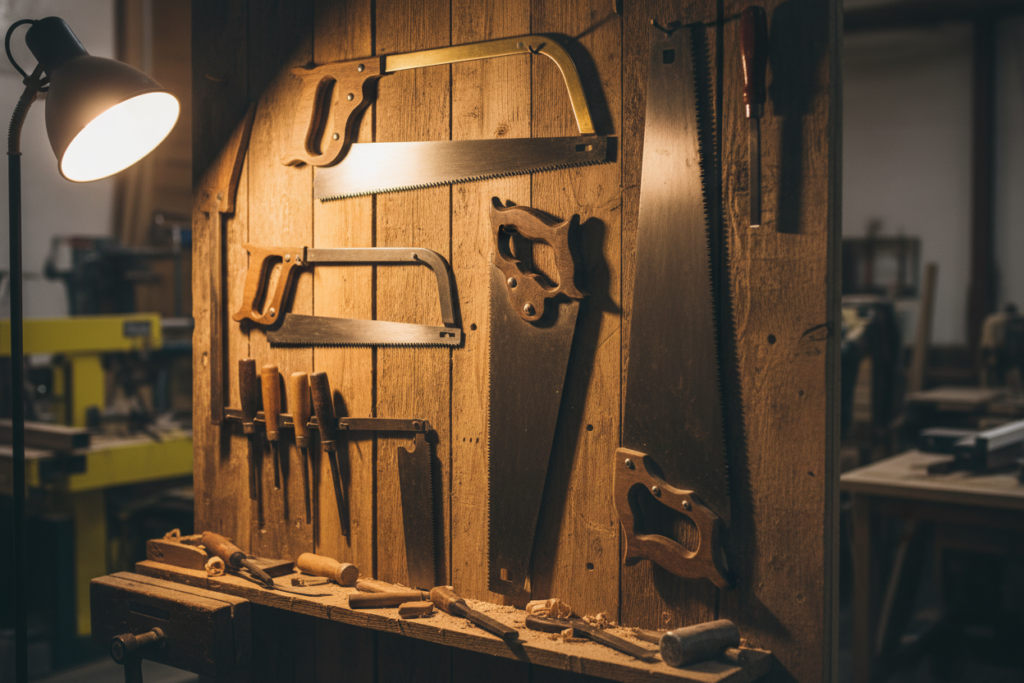
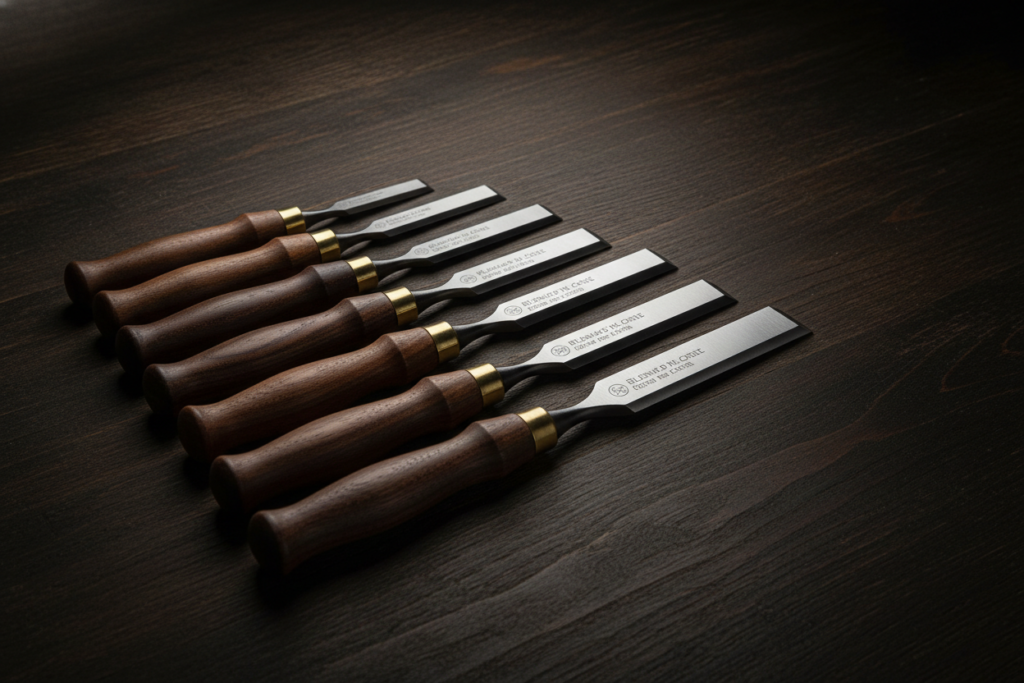
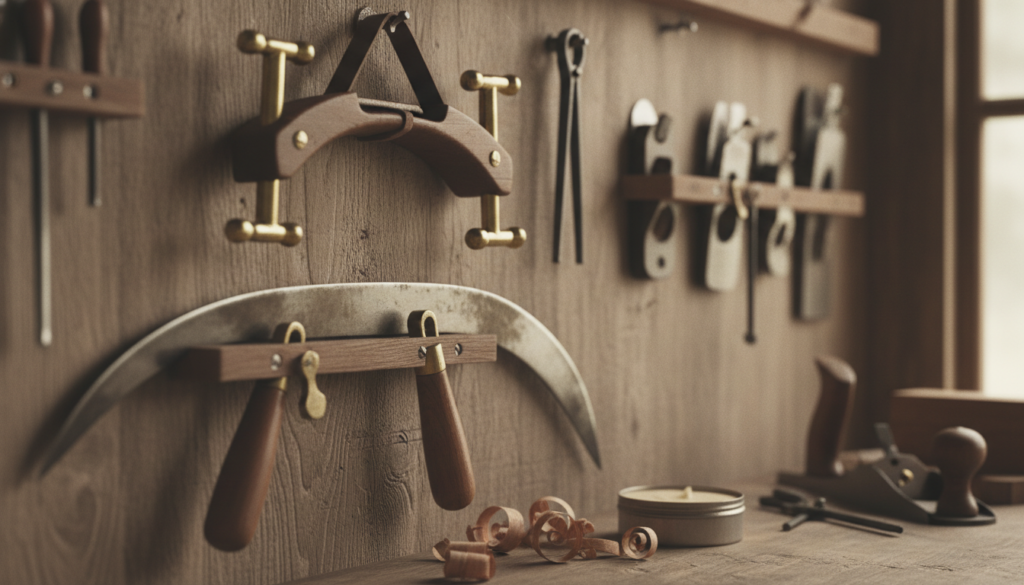
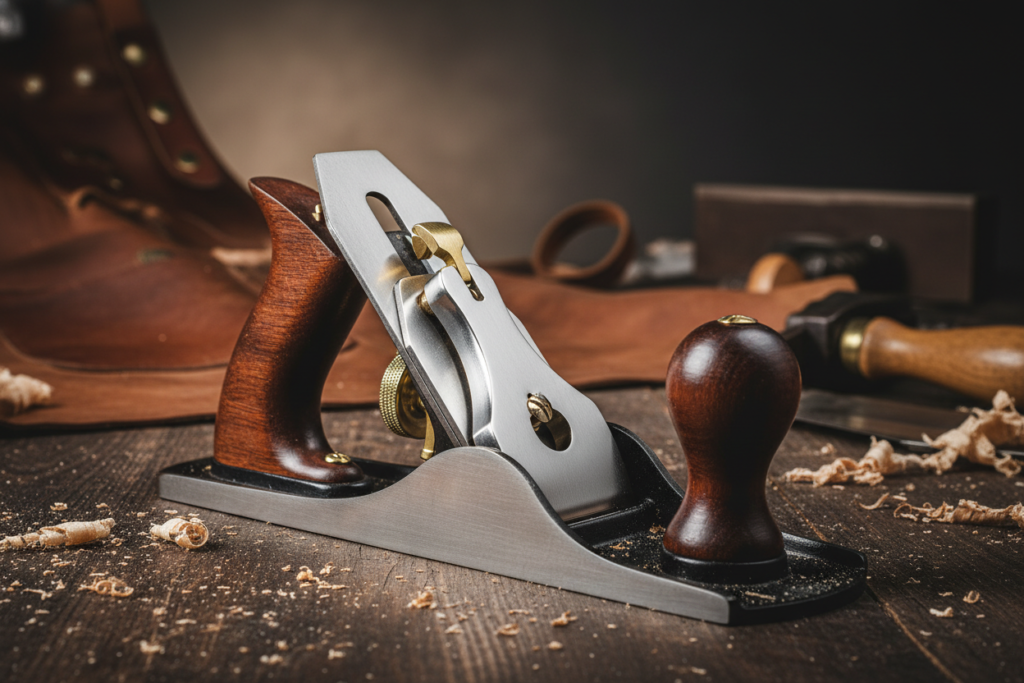
Sharp cutting tools produce clean results. Hand saws give you control for detailed work. Chisels carve mortises and clean up joinery. A quality hand plane smooths surfaces better than sandpaper alone.
Japanese pull saws cut on the pull stroke rather than the push. This design allows thinner blades and cleaner cuts. Many woodworkers switch to Japanese saws after trying them once.
Ready to Build Like a Pro?
Access thousands of detailed woodworking plans and expert techniques. This comprehensive guide shows you exactly which tools to buy and how to use them effectively.
Power tools speed up woodworking dramatically. They handle heavy-duty tasks that would exhaust you with hand tools. Building your power tool collection wisely prevents wasted money on tools you rarely use.
Essential Power Tool Starting Set
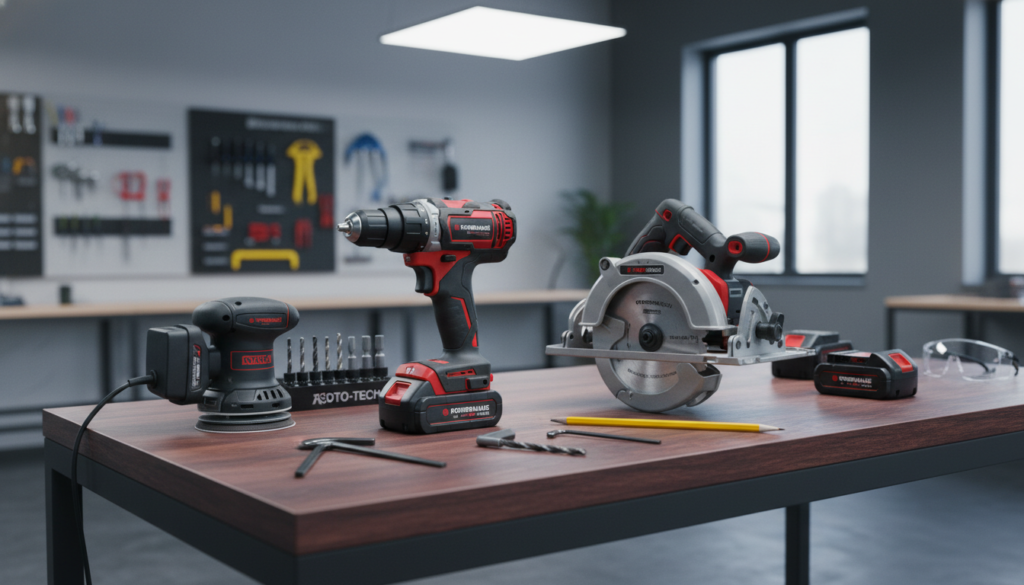
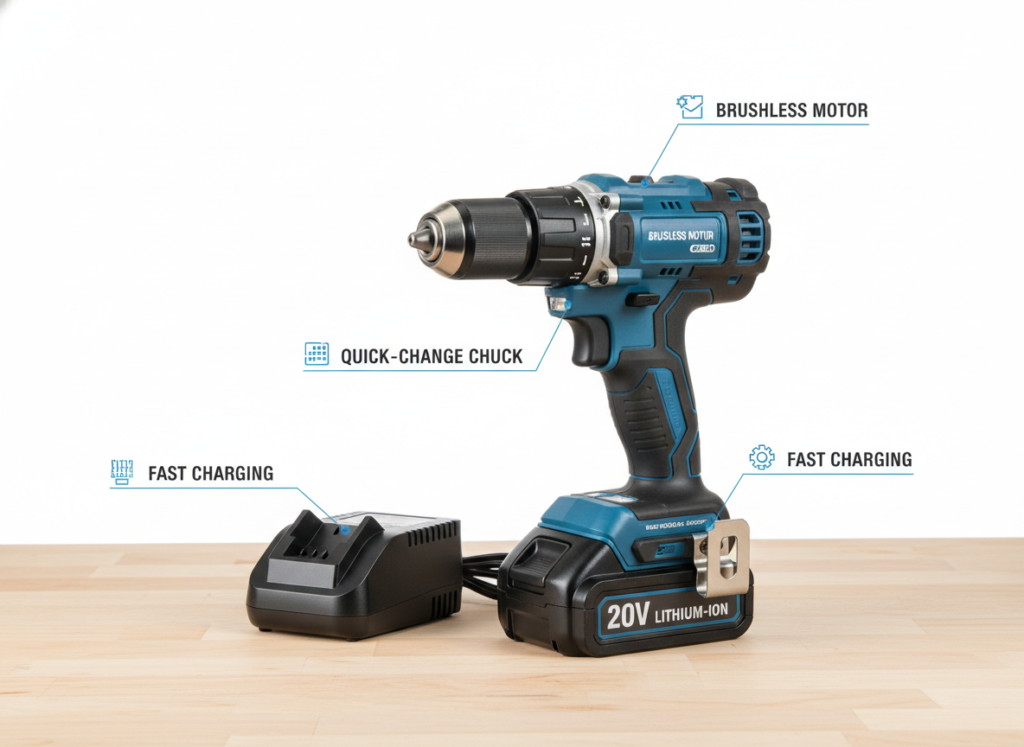
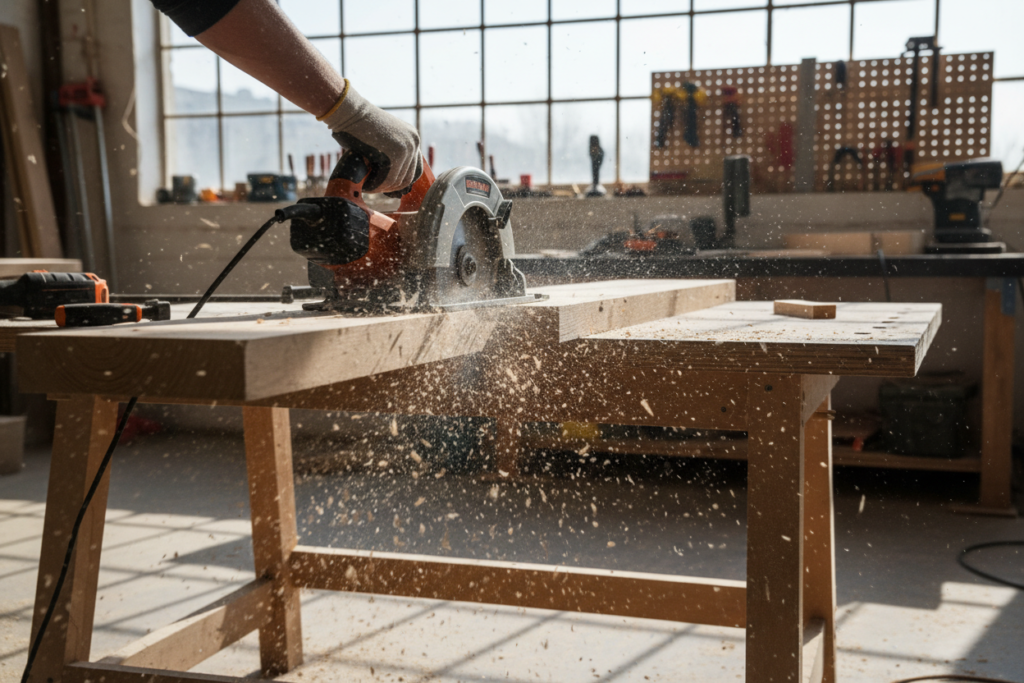
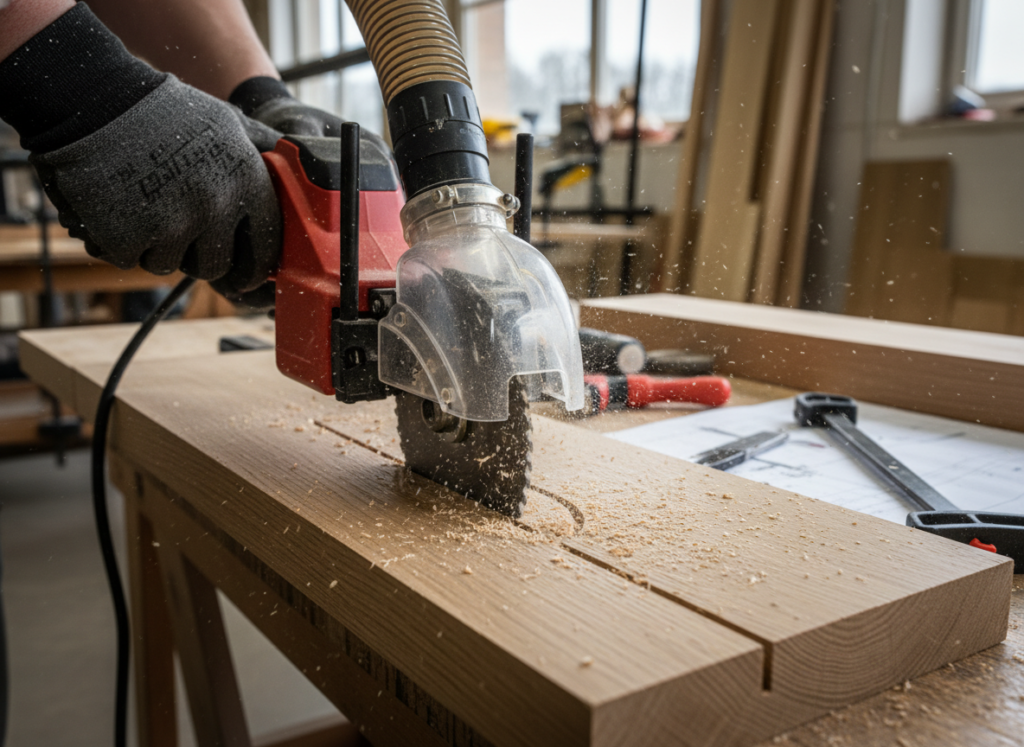
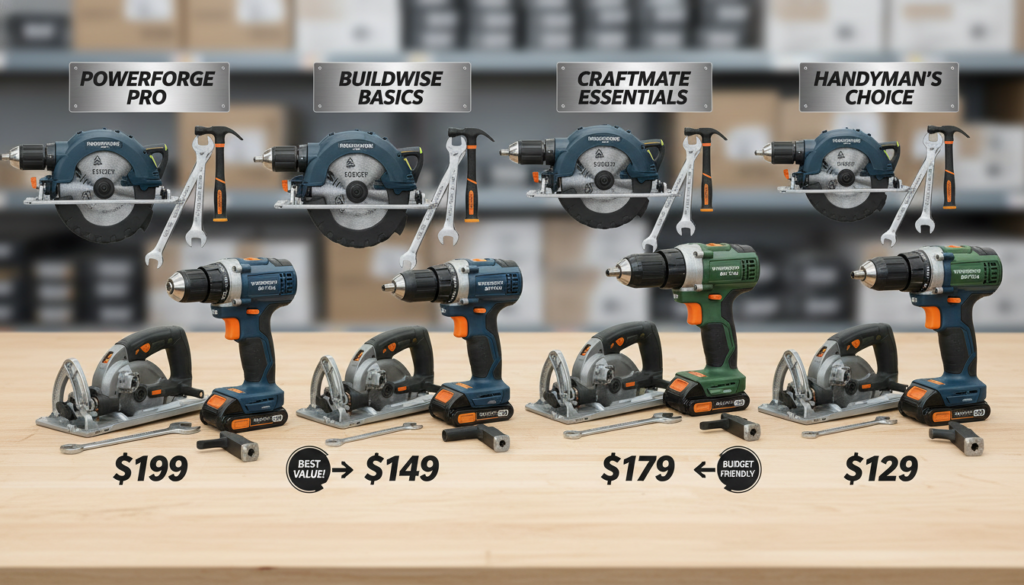
Start with versatile tools that handle multiple tasks. A quality cordless drill driver ranks as the most-used power tool in any shop. The circular saw cuts lumber to length quickly and accurately.
Random orbital sanders smooth surfaces faster than hand sanding. The circular motion prevents visible scratches. Choose a five-inch model for general work and three-inch for detail areas.
Cordless drill driver with impact driver
Circular saw for straight cuts
Random orbital sander for finishing
Jigsaw for curved cuts
Router for edges and joinery
Advanced Power Tools Worth the Investment
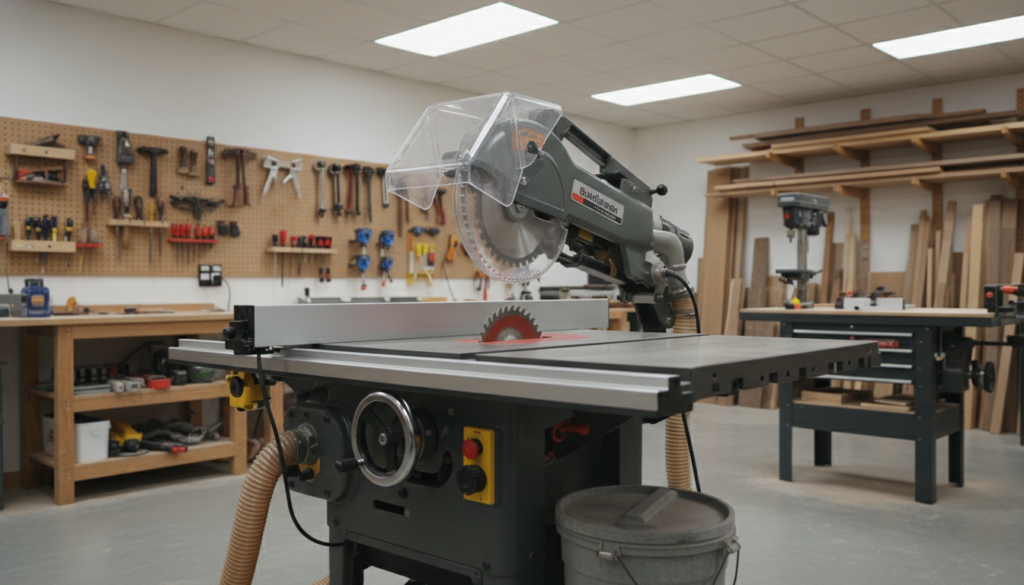
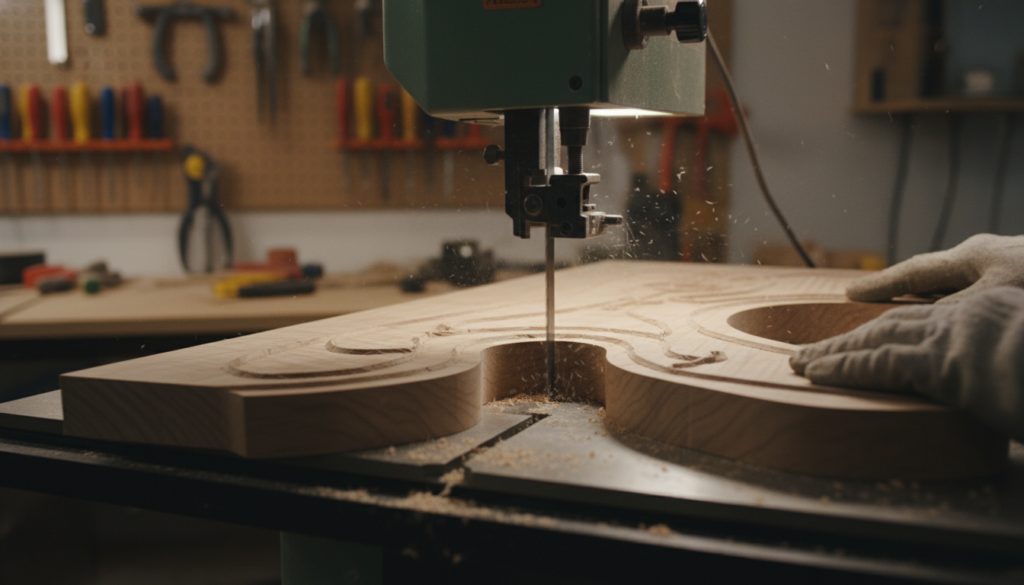
Once you master basic tools, advanced equipment opens new possibilities. Table saws deliver accurate rip cuts and crosscuts. The bandsaw handles resawing thick lumber and cutting curves.
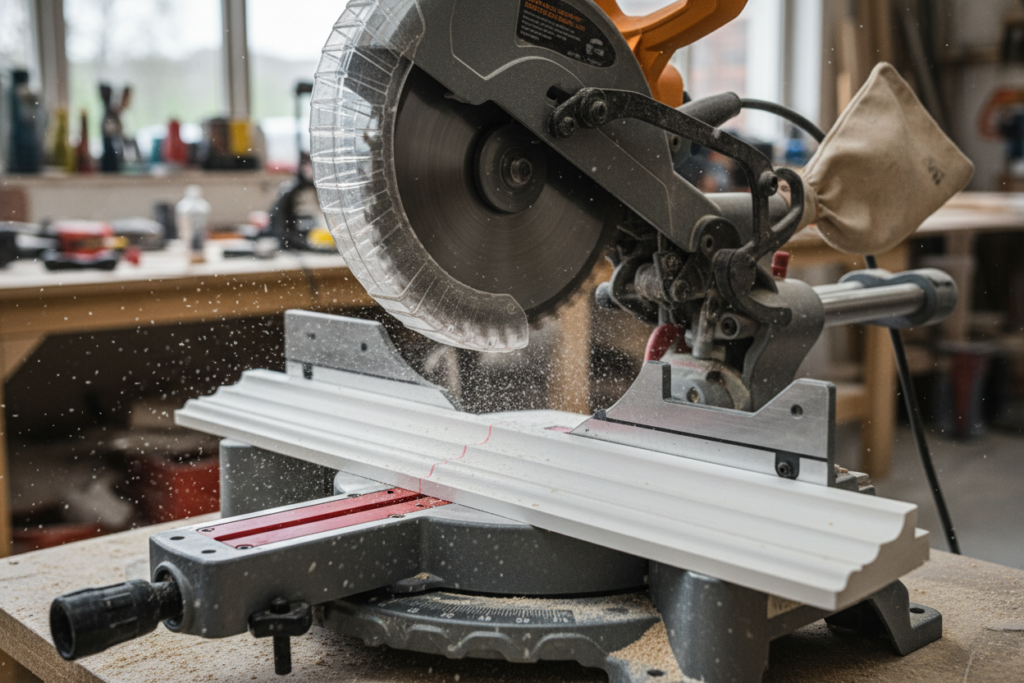
The miter saw excels at cutting angles for frames and trim. Its pivoting head creates precise miter and bevel cuts. Woodworkers who build furniture use miter saws constantly.
Table Saw Selection
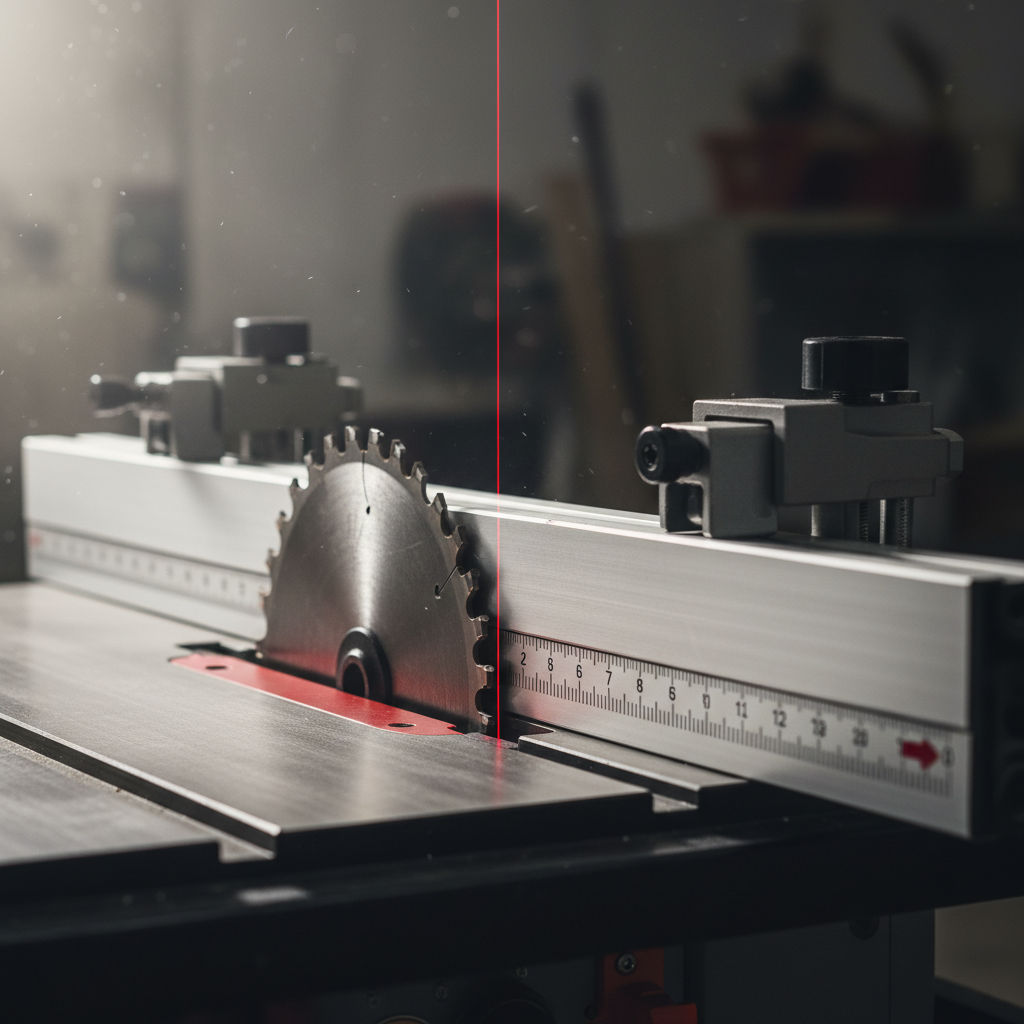
The table saw serves as the workshop centerpiece. Contractor saws offer portability while cabinet saws provide ultimate power and precision.
Router Applications
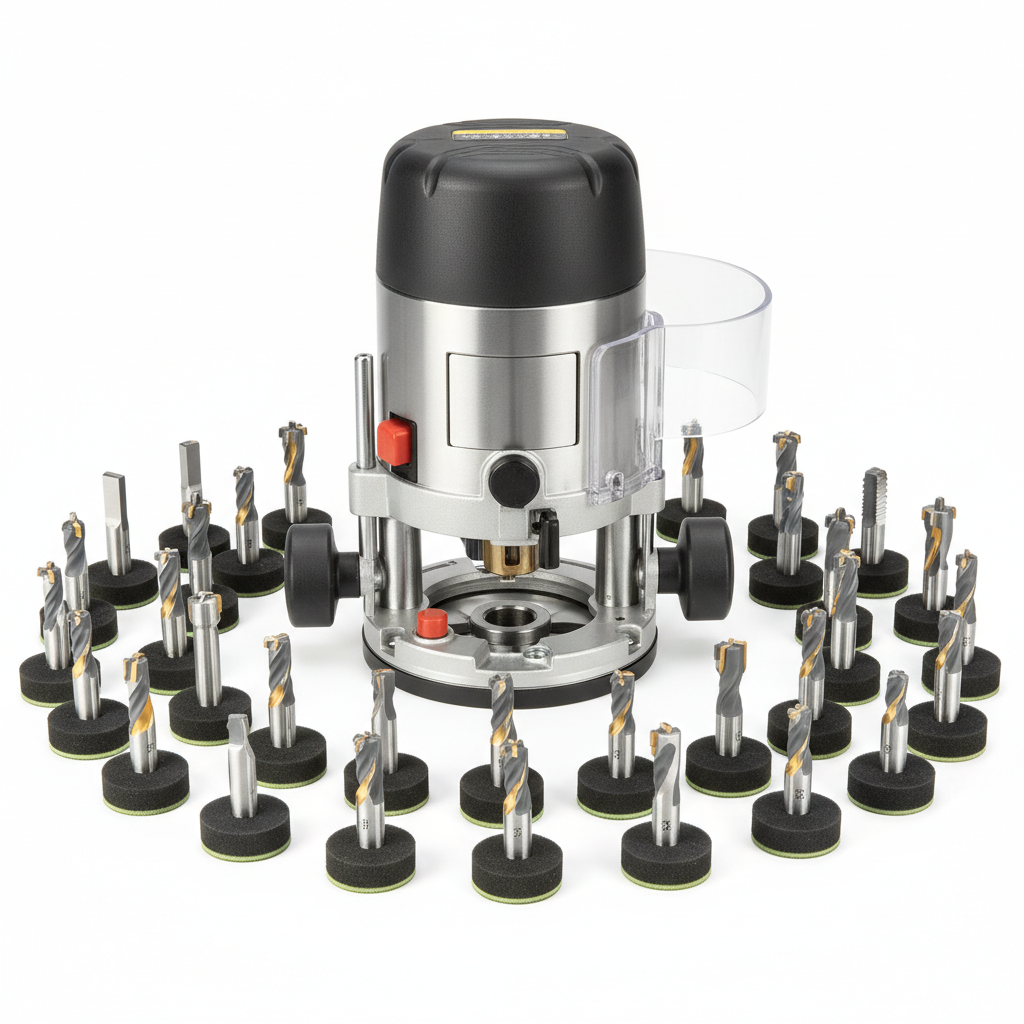
Routers shape edges, cut grooves, and create decorative profiles. Fixed-base and plunge routers serve different purposes in the shop.
Master Advanced Woodworking Techniques
Learn professional methods for using every tool in your workshop. Step-by-step video tutorials and detailed project plans help you build confidence and skill.
Specialized tools solve specific woodworking challenges. These items might not get daily use, but they excel at particular tasks. Building your collection gradually makes sense as projects demand new capabilities.
Joinery Tools
Strong joints define quality furniture. Biscuit joiners cut slots for biscuit-shaped wafers that strengthen joints. Pocket hole jigs create angled screw holes for quick assembly.
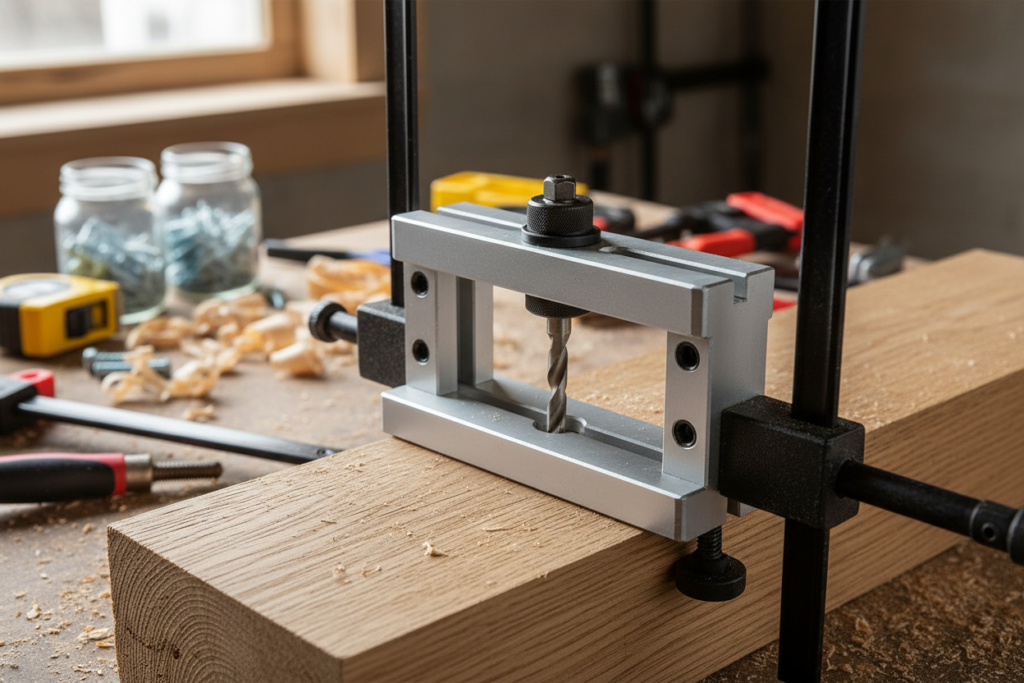
Doweling jigs ensure perfectly aligned holes for dowel joints. These mechanical joints work great when you want invisible fasteners. The jig guarantees holes line up exactly.
Sharpening Equipment
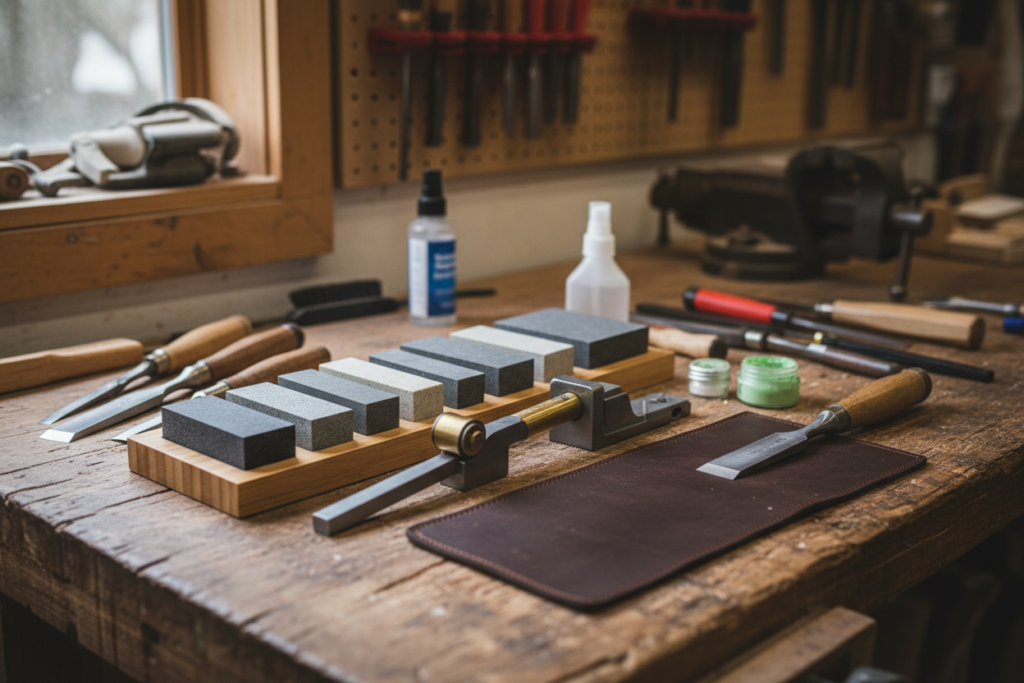
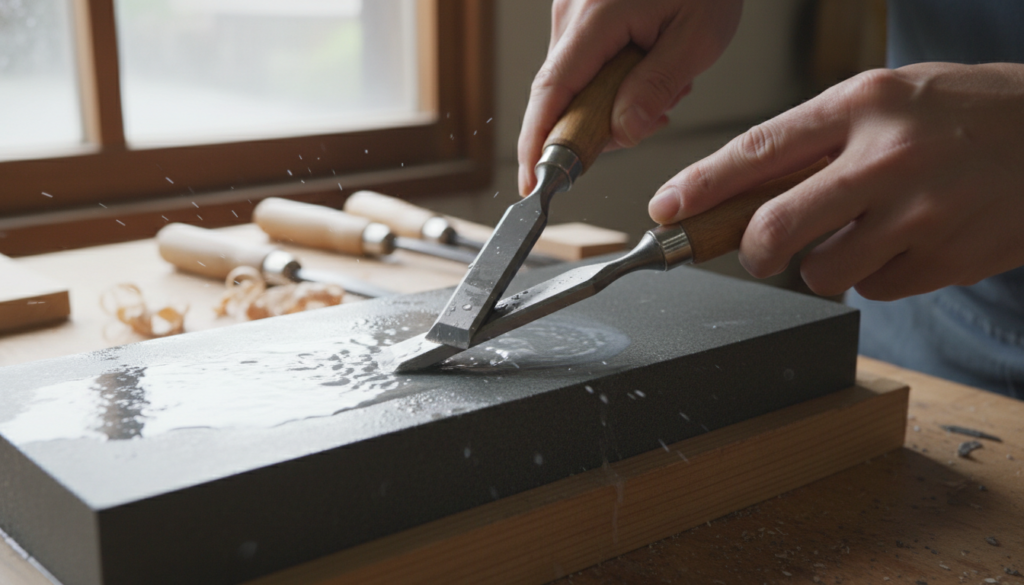
Dull tools frustrate woodworkers and create dangerous situations. Proper sharpening equipment keeps cutting edges razor-sharp. Whetstones, honing guides, and powered grinders each have advantages.
Diamond stones cut faster than traditional waterstones. They stay flat longer and need no soaking. Many professional woodworkers switched to diamond stones for daily sharpening.
Combination whetstones with multiple grits
Honing guide for consistent angles
Leather strop for final polishing
Diamond plates for fast cutting
Bench grinder for major reshaping
Layout and Design Tools
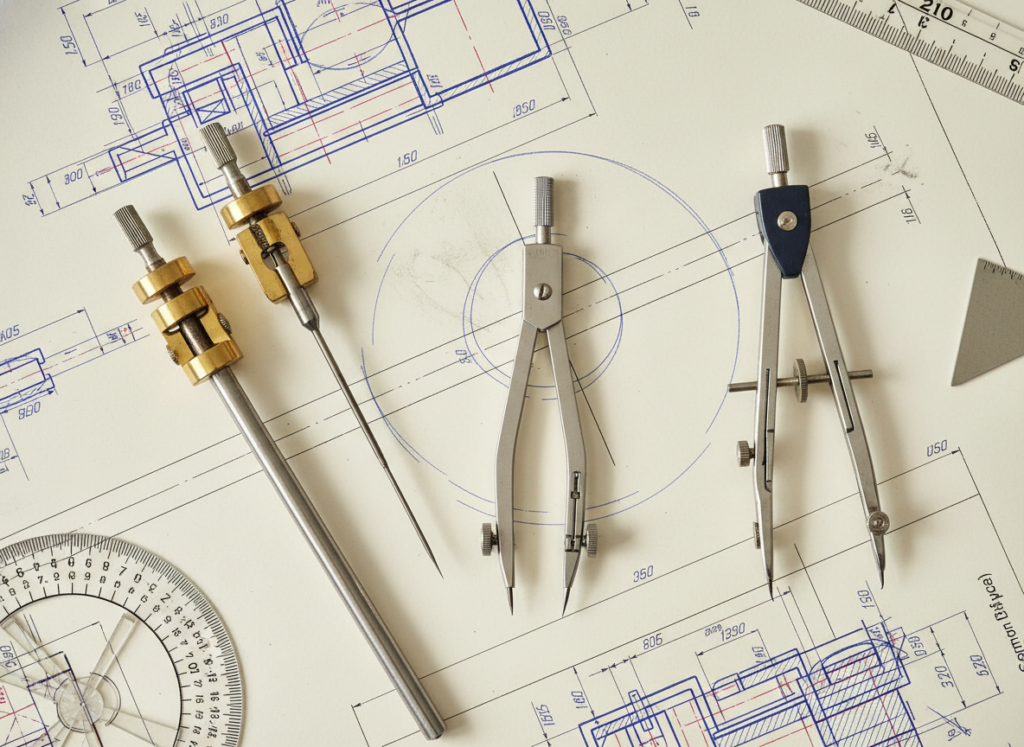
Complex projects require careful planning. Dividers transfer measurements and scribe arcs. Trammel points extend your compass capabilities for large circles.
Story sticks record measurements directly from one project piece to another. This traditional method eliminates measurement errors. You simply transfer marks instead of reading numbers.
Organizing Your Woodworking Tools Efficiently
Tool organization saves time and protects your investment. Knowing exactly where each tool lives prevents frustration during projects. Good storage also extends tool life by protecting against moisture and damage.
Workshop Storage Solutions
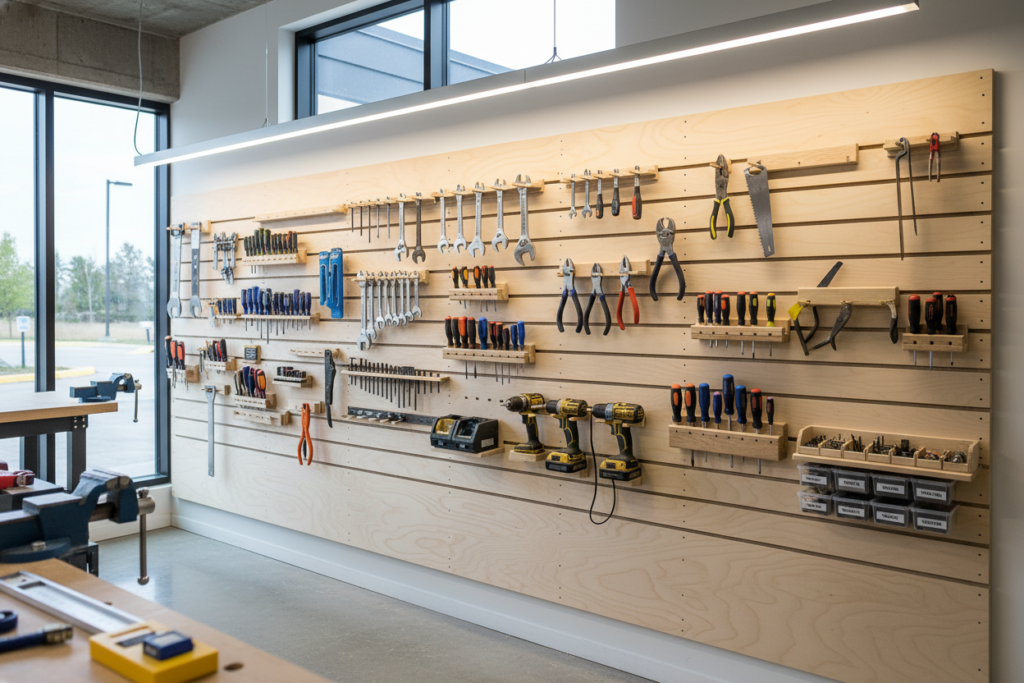
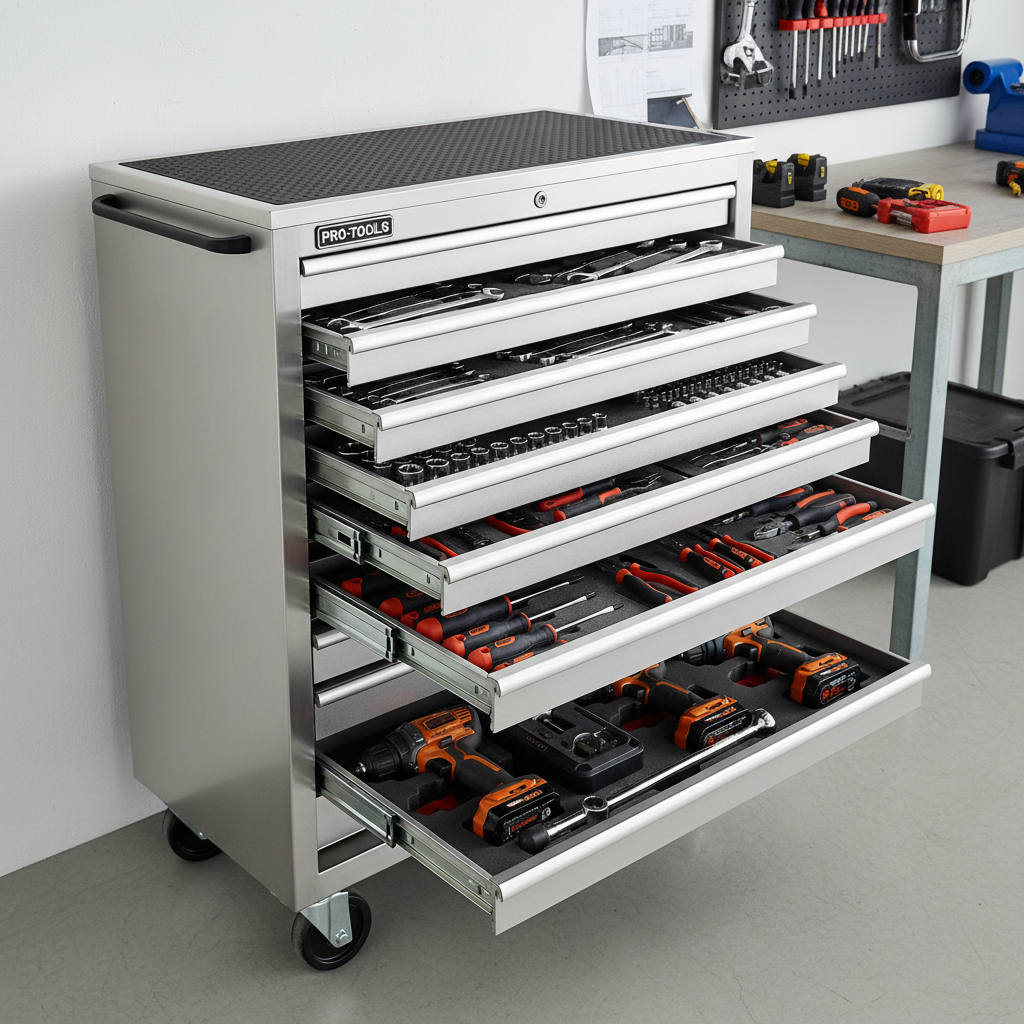
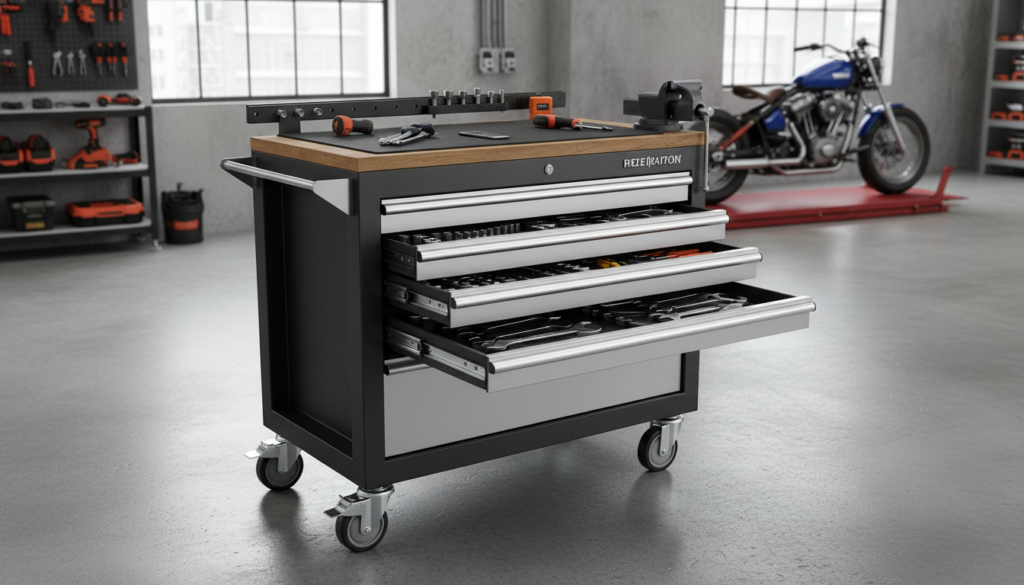
Wall-mounted storage keeps tools visible and accessible. French cleat systems allow flexible rearrangement as your collection grows. Rolling tool carts bring tools to your workpiece.
Dedicated drawers protect hand tools from dust and humidity. Felt-lined drawers prevent tools from sliding around. Label each drawer clearly so family members know where tools belong.
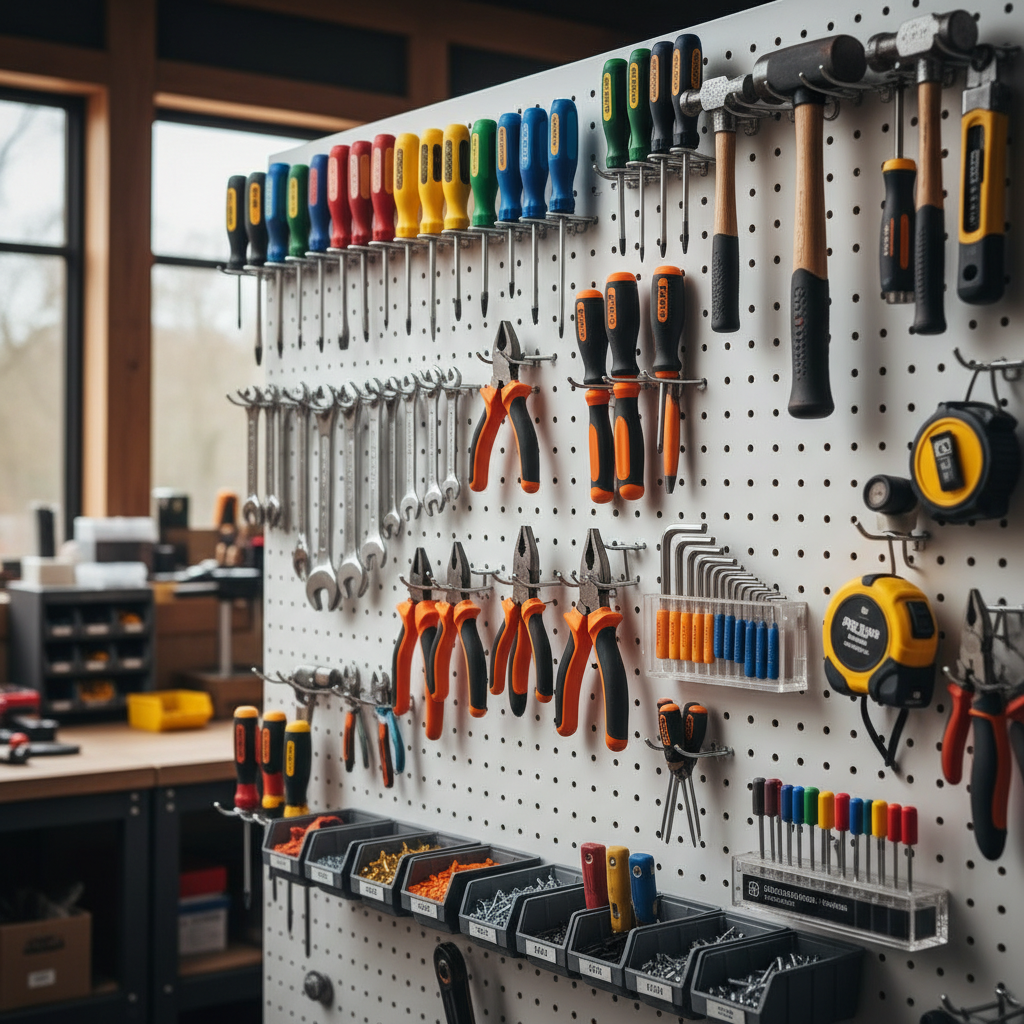
Pegboard Systems
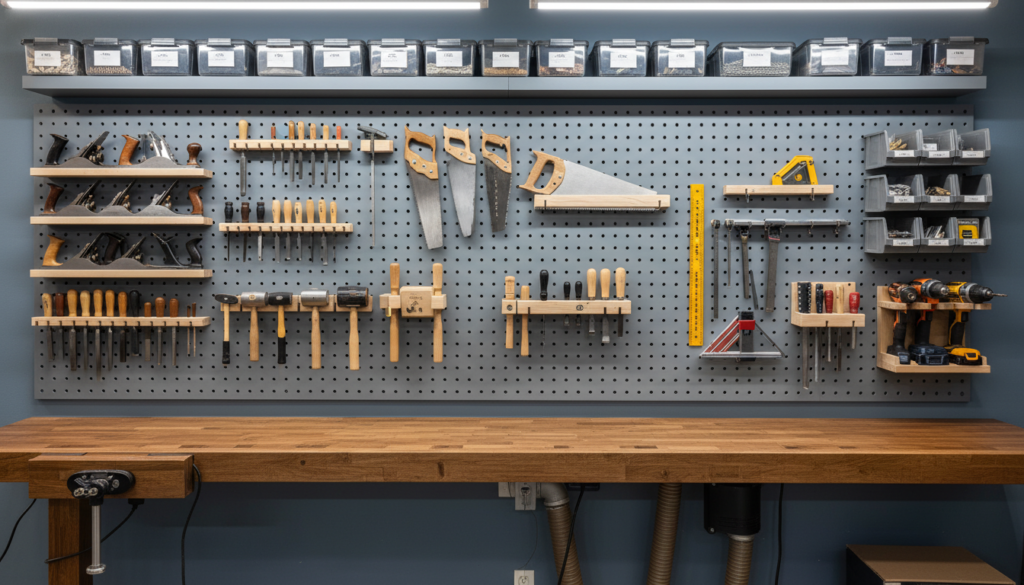
Classic pegboard remains popular for good reason. Hooks accommodate various tool shapes and sizes.
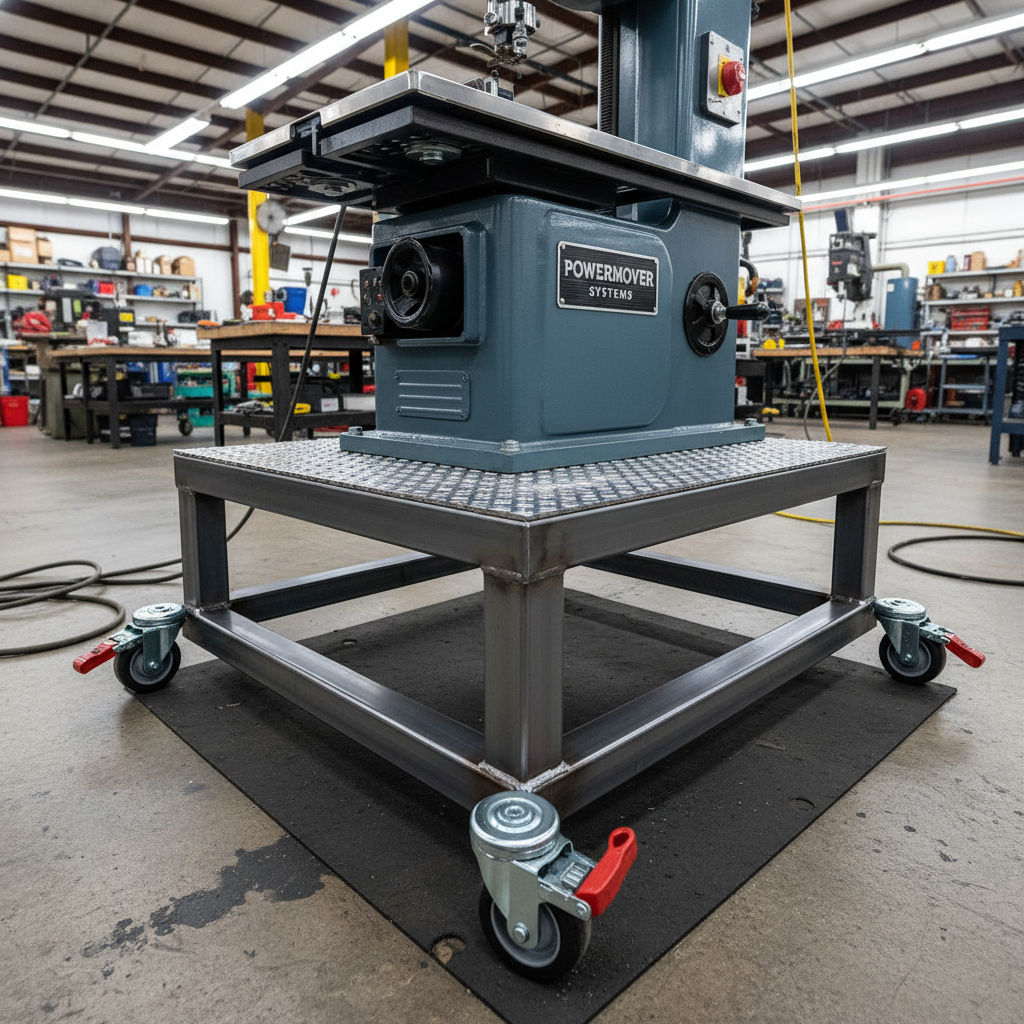
Add wheels to stationary tools for flexible workshop layouts. Lock wheels during use for stability.
Maximize small shop space
Heavy-duty caster options
Retractable wheel systems
Protecting Tools from Rust
Humidity causes tool rust quickly in some climates. Tool coatings like paste wax provide protection. Silica gel packets absorb moisture inside tool chests.
Climate-controlled workshops prevent rust problems entirely. Even a small dehumidifier makes a significant difference. Check tools regularly for early rust spots you can remove easily.
Essential Safety Equipment and Accessories
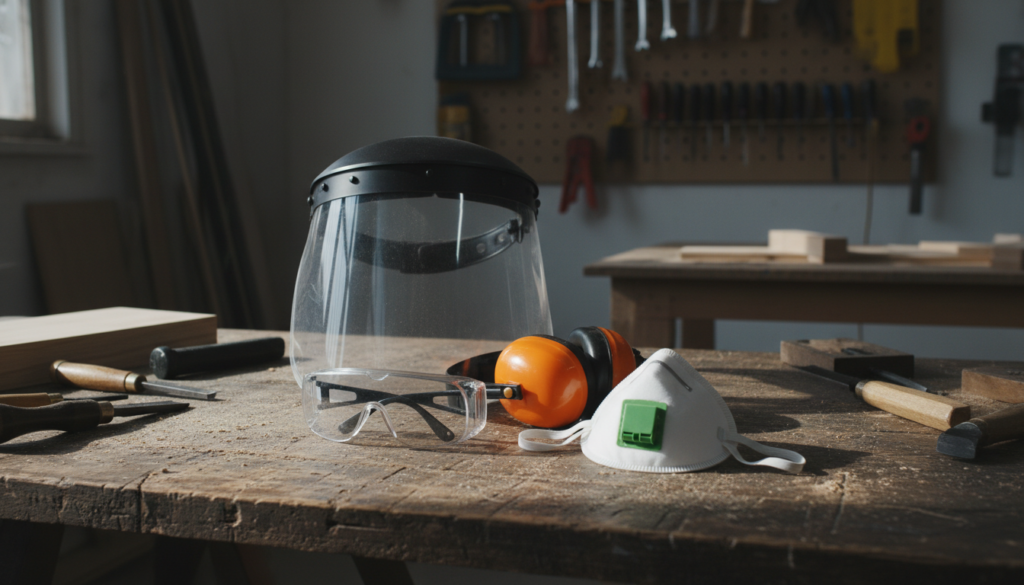
Safety gear protects you from workshop hazards. Woodworking creates noise, dust, and flying debris. Proper protection prevents injuries and long-term health problems.
Personal Protective Equipment
Safety glasses rank as the most critical protection. Flying wood chips can cause permanent eye damage. Choose glasses that fit comfortably for all-day wear.
Hearing protection prevents gradual hearing loss from loud power tools. Foam earplugs work but quality earmuffs protect better. Electronic earmuffs let you hear conversations while blocking harmful noise.
Impact-resistant safety glasses
Hearing protection rated for workshop noise
Dust masks or respirators for fine particles
Work gloves for handling rough lumber
Steel-toed boots for heavy tool areas
Workshop Safety Equipment
Dust collection systems remove harmful particles from the air. Even small shops benefit from portable dust collectors. Good collection also keeps your workshop cleaner.
Fire extinguishers belong near workshop exits. Wood dust can ignite from sparks or static electricity. Keep a clearly marked extinguisher within easy reach always.
Build Your Dream Workshop Today
Get instant access to complete tool selection guides, workshop setup plans, and safety checklists. Everything you need to create a professional woodworking space at home.
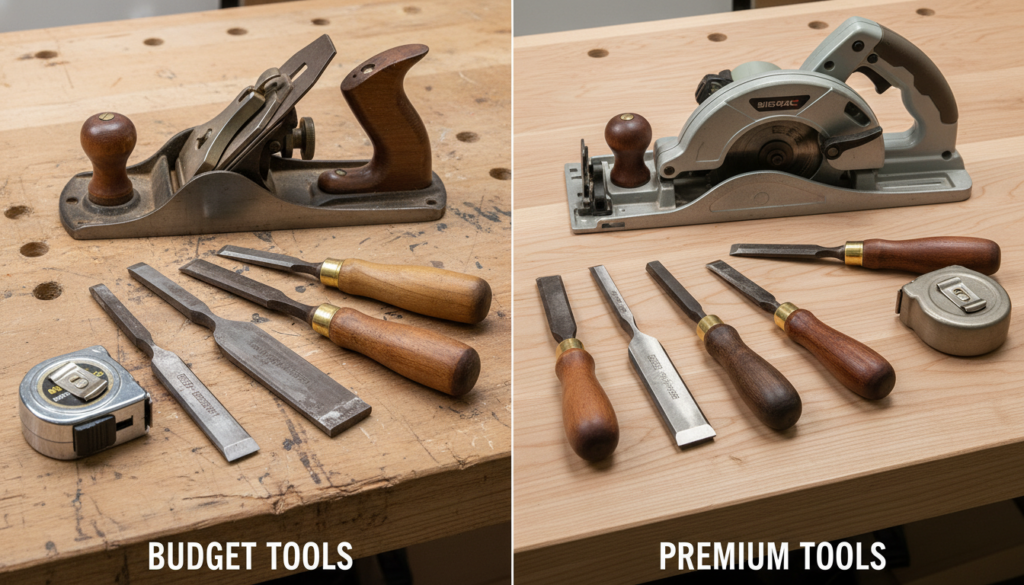
Buying quality tools saves money long-term. Cheap tools break quickly and perform poorly. However, you don’t need the most expensive option either.
New Versus Used Tools
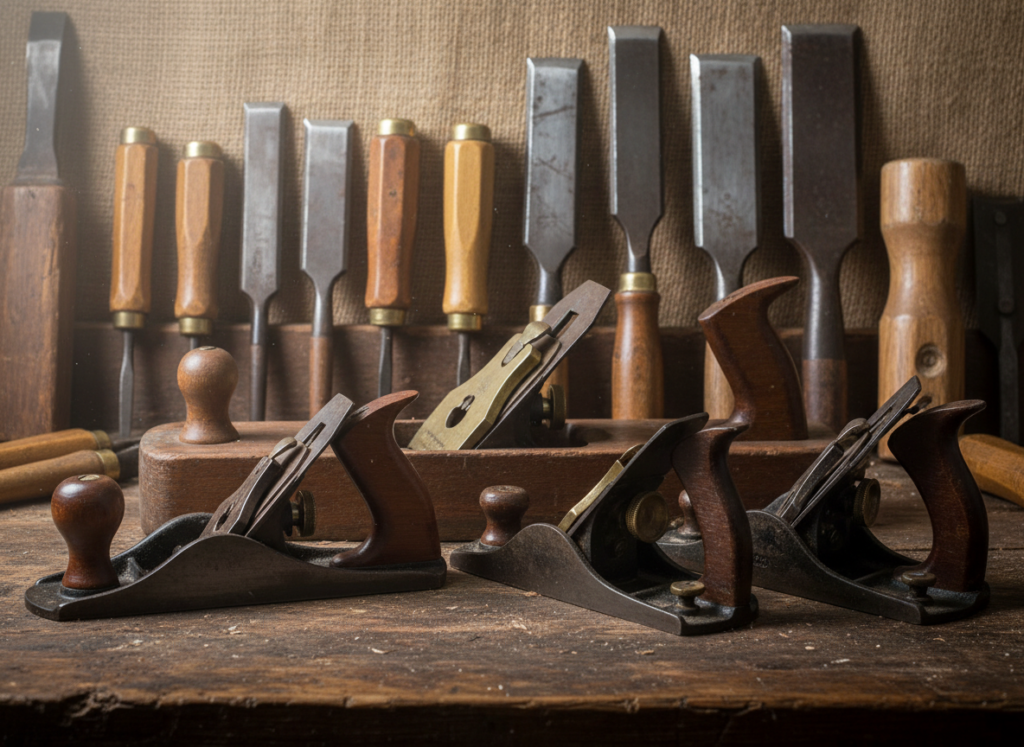
Used hand tools often match new tool quality at fraction of the price. Vintage hand planes sometimes surpass modern versions. Check for damage before purchasing any used tool.
Power tools depreciate quickly, making used options attractive. Test used power tools before buying when possible. Verify all safety features work correctly.
Benefits of Used Tools
Significant cost savings
Vintage quality often superior
Environmental sustainability
Unique finds unavailable new
Already broken-in and proven
Used Tool Drawbacks
No warranty coverage
May need restoration work
Unknown usage history
Parts may be unavailable
Hidden damage possible
Reading Tool Reviews Effectively
Online reviews help identify quality tools and avoid problems. Look for reviews from actual woodworkers, not just casual users. Pay attention to long-term durability reports.
Professional tool review sites test equipment thoroughly. They often compare multiple brands in the same category. These comprehensive reviews save research time.
4.6
Average Tool Satisfaction Rating
Build Quality
4.6/5
Performance
4.4/5
Value for Money
4.3/5
Ease of Use
4.5/5
Durability
4.7/5
Budget-Friendly Tool Brands
Several brands offer excellent value without premium prices. These mid-range tools handle hobby use perfectly. Save premium brands for tools you’ll use daily.
Store brands from major hardware retailers often surprise buyers with their quality. These tools carry decent warranties and perform well. Many actually come from the same factories as name brands.
Maintaining Your Woodworking Tools for Longevity
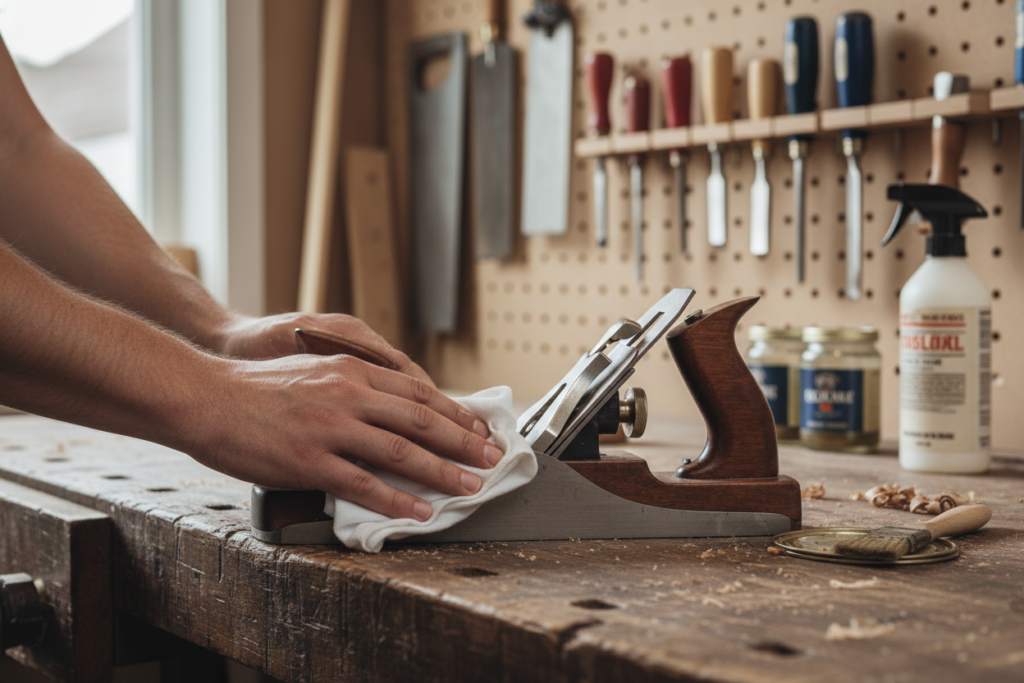
Regular maintenance extends tool life dramatically. Clean tools work better and safer than neglected ones. Simple care routines prevent expensive repairs or replacements.
Daily Tool Care Habits
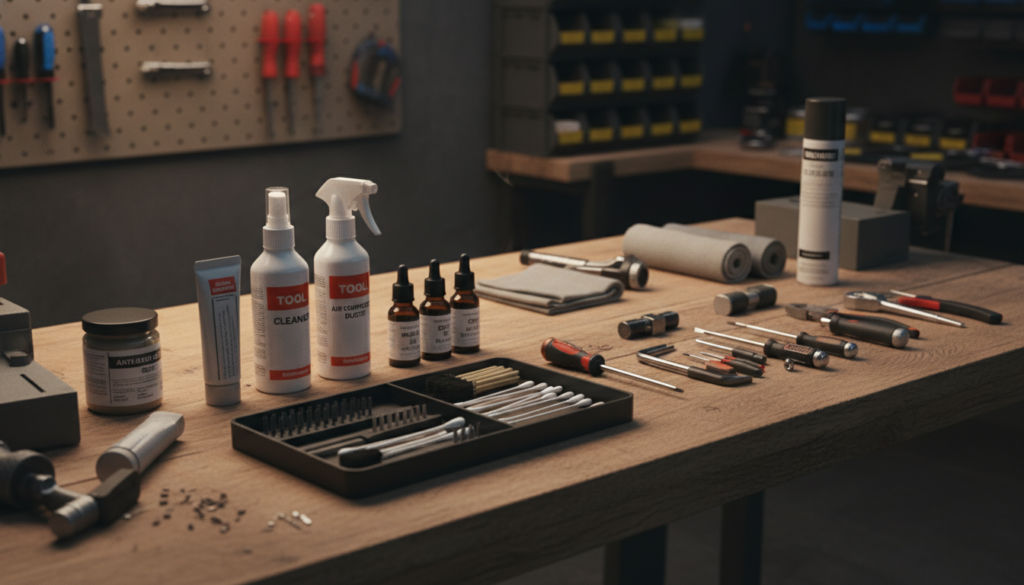
Wipe down tools after each use to remove dust and moisture. This simple habit prevents most rust problems. Keep a clean rag handy near your work area.
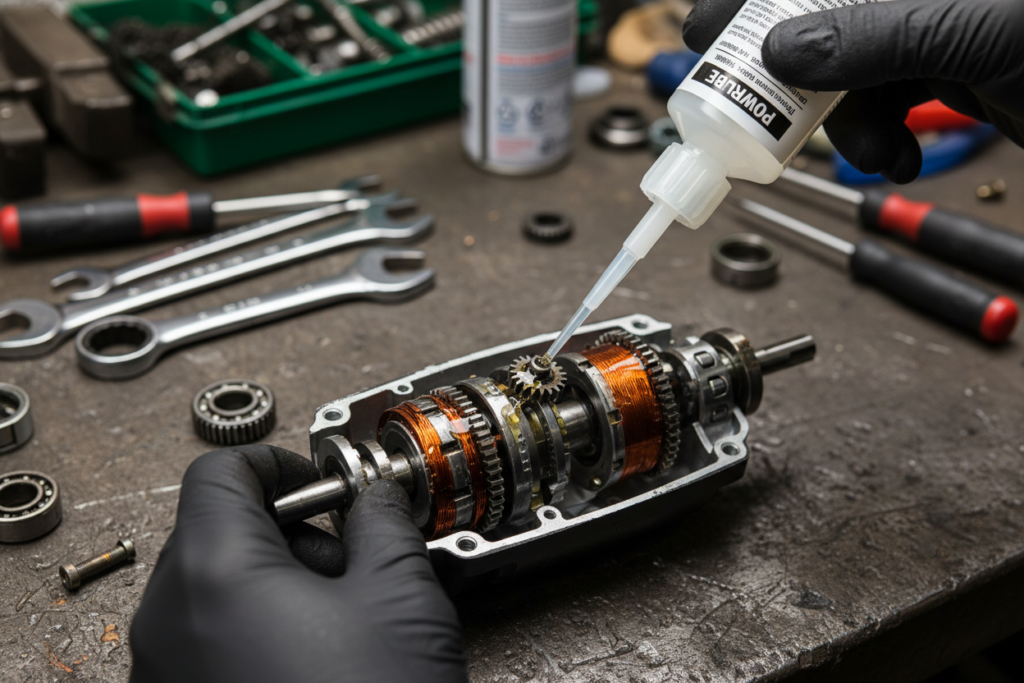
Blow out power tools with compressed air regularly. Sawdust buildup causes motors to overheat. Clear ventilation slots before putting tools away.
Clean all surfaces after each use
Check for loose screws or parts
Apply protective oil to metal surfaces
Store in dry location away from moisture
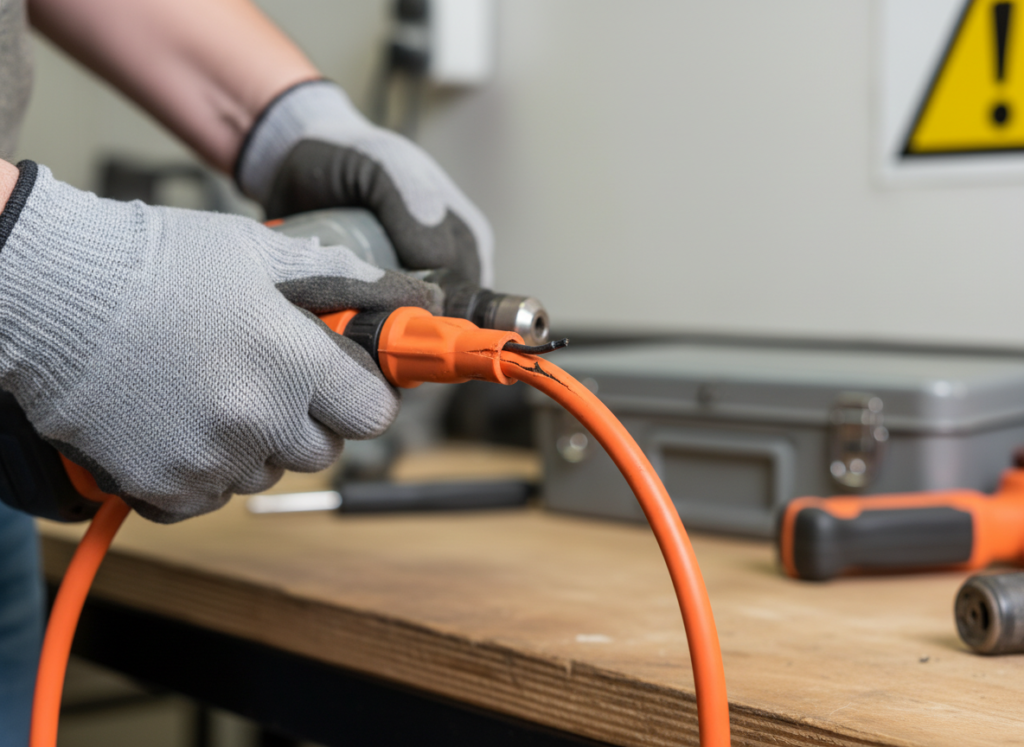
Inspect power cords for damage
Sharpen cutting edges regularly
Seasonal Workshop Maintenance
Deep clean your workshop quarterly at minimum. Check all tools for problems during these sessions. Replace worn parts before they cause bigger issues.
Inspect electrical cords and plugs carefully. Damaged cords create serious fire hazards. Replace any cord showing exposed wire or cracked insulation immediately.
Building Your Complete Woodworking Tool Collection
Your woodworking journey begins with the right tools. Start with quality basics and expand gradually. Each new tool opens creative possibilities for projects.
Remember that tools serve your creativity. The most expensive equipment won’t make you a better woodworker alone. Practice and patience develop skills that matter most.
Focus on learning proper techniques for each tool. Safe operation protects you while producing better results. Take time to master fundamentals before rushing into complex projects.
Your workshop will evolve as your skills grow. Don’t feel pressured to buy everything immediately. Thoughtful tool selection based on actual project needs makes financial sense.
Transform Your Woodworking Skills Today
Join thousands of successful woodworkers who learned professional techniques through comprehensive guides and detailed plans. Get lifetime access to expert instruction, project blueprints, and tool recommendations.
Quality woodworking tools represent an investment in your craft. They’ll serve you for decades with proper care. Start building your collection today and enjoy the satisfaction of creating beautiful work with your hands.
There’s something undeniably enchanting about a French country backyard. The rustic elegance, weathered textures, and natural beauty combine to create a…