Starting your woodworking journey feels overwhelming when you see complex furniture builds online. The truth is much simpler. You can create beautiful, functional pieces with just a few basic tools and some scrap wood from your local hardware store.
This Website contains affiliate links. That means I may earn a small commission if you purchase through my links, at no extra cost to you.
These simple woodworking projects prove that beginners can build impressive items without years of experience. Each project takes just a couple hours and requires minimal investment. You’ll gain confidence with every piece you complete.
The projects ahead focus on practical items you’ll actually use. From storage solutions to decorative pieces, each one teaches fundamental skills while delivering real results.
Essential Tools to Get Started With Wood Projects
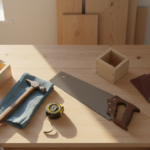
You don’t need a workshop full of expensive power tools to begin. Most simple woodworking projects require just a handful of basic items. A measuring tape, saw, drill, and sandpaper cover about eighty percent of beginner projects.
Wood glue holds pieces together stronger than you might expect. Many projects rely entirely on glue joints without a single screw. This approach saves money and creates clean lines in your finished piece.
Hand Tools You’ll Use Constantly
Measuring tape and square for accurate cuts
Hand saw or circular saw for cutting board to size
Sandpaper in various grits for smooth finish
Hammer for assembling pieces securely
Clamps to hold wood while glue dries
Power Tools Worth the Investment
Cordless drill for making holes and driving screws
Table saw for straight, precise cuts (optional but helpful)
Random orbital sander for faster finishing work
Miter saw for angled cuts on trim projects
Safety gear matters more than fancy tools. Eye protection and dust masks protect you during every project. A lot of beginners skip this step and regret it later.
Access comprehensive woodworking plans with detailed measurements, cut lists, and step-by-step instructions that eliminate guesswork and guarantee success on your first try.
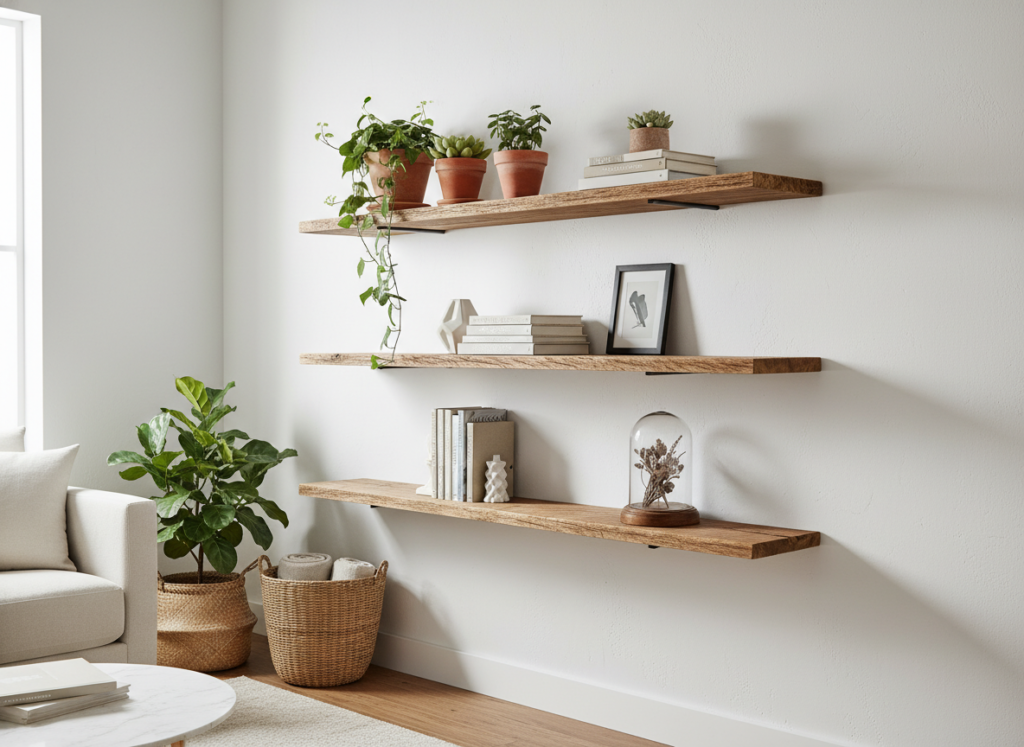
Shelves rank among the most practical woodworking projects for beginners. They require straight cuts, basic assembly, and deliver immediate value in your home. A simple floating shelf takes about an hour to build and transforms empty wall space into functional storage.
Basic Wall Shelf With Brackets
This starter project teaches you how to cut wood to size and attach brackets properly. You’ll need one board cut to your desired length, two metal brackets, and wood screws. The entire project takes less than an hour from start to finish.
Cut your board to the length you want using a saw. Sand all edges until smooth to prevent splinters. Attach the brackets to the wall first, ensuring they’re level. Then simply set your shelf board on top and secure it with screws from underneath.
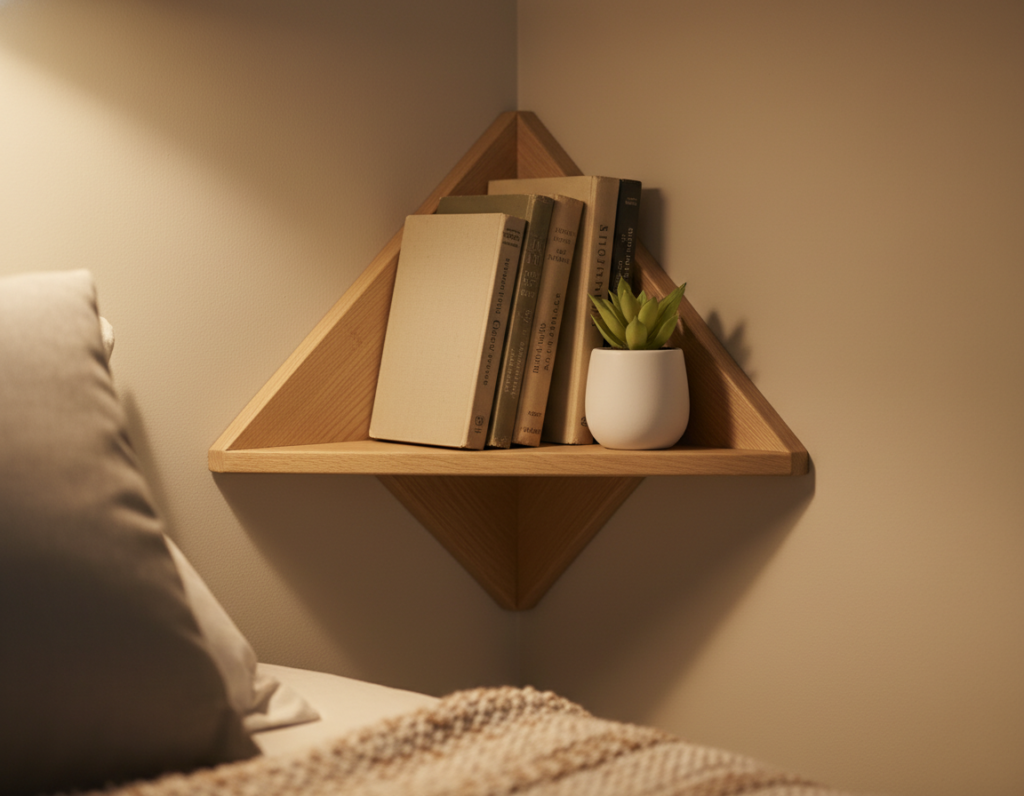
Corner Shelf for Small Spaces
Corner shelves maximize unused space in any room. This woodworking project requires cutting a triangular piece of wood to fit snugly in a corner. Two side pieces provide support and create a floating effect.
Measure your corner carefully before cutting. The wood pieces must fit precisely for a professional look. Apply wood glue to all joints and reinforce with small finishing nails. A couple coats of finish protect the wood and enhance its natural beauty.
Rustic Pipe Shelf System
Industrial pipe shelves combine wood and metal for a modern look. You’ll mount iron pipes to the wall as brackets, then slide wooden boards onto them. This design supports heavier items than standard brackets.
Purchase pre-threaded pipe sections from any hardware store. The wood boards should be about an inch thick for stability. Drill holes slightly larger than the pipe diameter at each end of your boards. Finish the wood before assembly to avoid marking the walls.
Easy Wood Storage Rack Designs That Organize Everything
Storage racks solve clutter problems throughout your home. These simple woodworking projects use basic construction techniques that beginners master quickly. Each rack design adapts to different storage needs and available space.
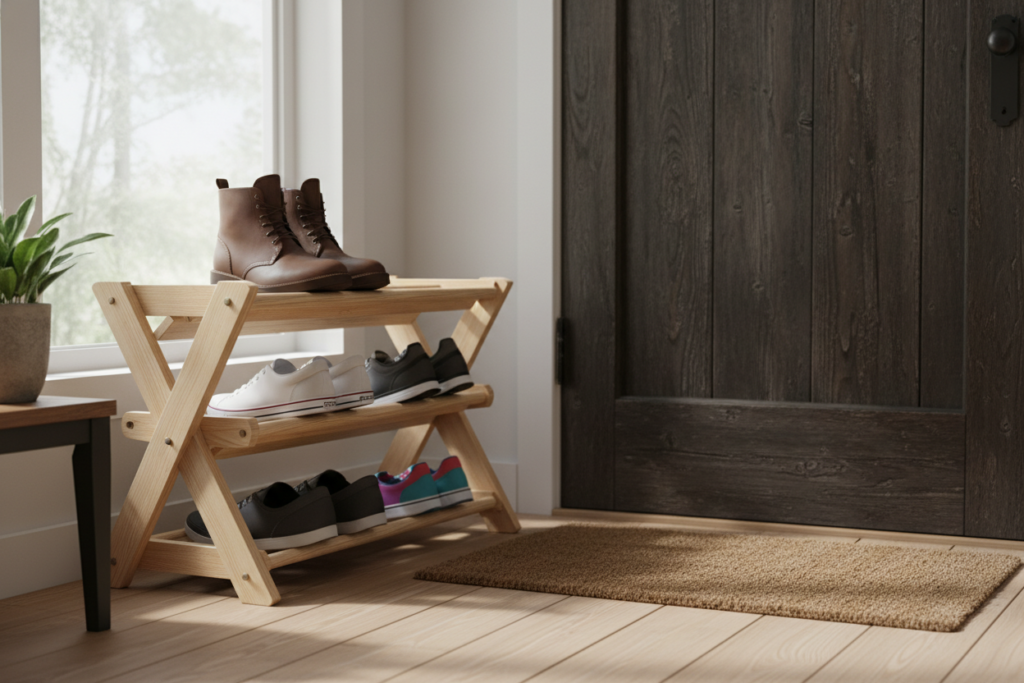
Entryway Shoe Rack
A shoe rack keeps your entryway organized and protects your floors. This project uses four side pieces and three horizontal slats. The angled design lets air circulate around shoes while keeping them off the floor.
Cut your side pieces at a slight angle for stability. Space the horizontal slats evenly to accommodate different shoe sizes. Wood glue and screws create a sturdy connection at each joint. Sand all surfaces smooth before applying your chosen finish.
Wall-Mounted Coat Rack
This wall rack provides a designated spot for coats, bags, and hats. A single board mounted horizontally serves as the base. Add decorative hooks at regular intervals along its length.
Choose a board that matches your home’s style. A piece of reclaimed wood adds rustic charm, while painted pine creates a clean, modern look. Pre-drill holes for the hooks to prevent the wood from splitting. Mount the rack at a comfortable height using sturdy wall anchors.
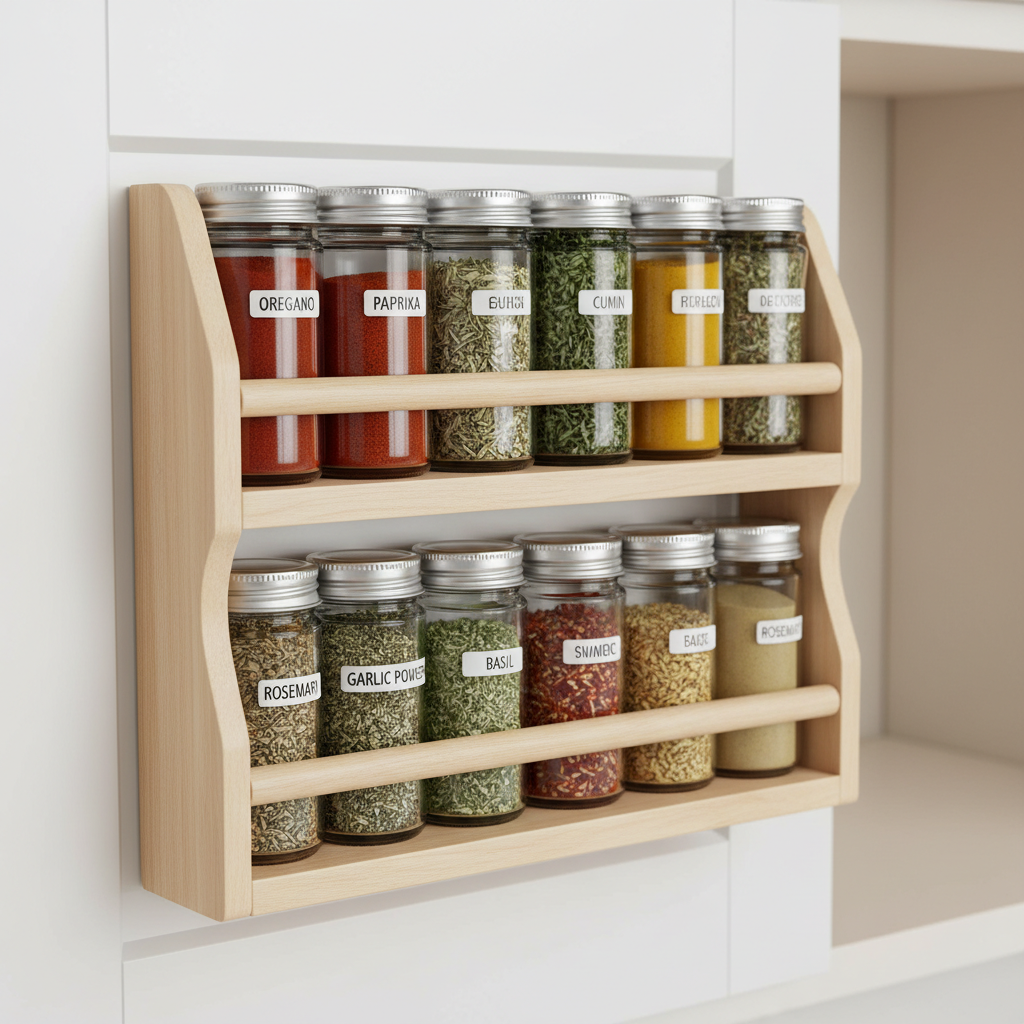
Kitchen Spice Rack
Organize your spices with a simple three-tier rack that mounts inside a cabinet door. Three narrow shelves hold standard spice jars perfectly. This woodworking project takes about an hour and uses scrap wood pieces.
Cut shelves slightly shorter than your cabinet door width. The front lip on each shelf prevents jars from falling when you open the door. Attach the rack to the door with small screws, positioning it where it won’t interfere with existing shelves.
Wine Rack for Countertop Display
This elegant rack stores wine bottles horizontally to keep corks moist. The design uses wooden dowels inserted through side pieces to create individual bottle slots. Each slot holds one standard wine bottle securely.
Drill holes at a slight upward angle to prevent bottles from rolling out. Space the dowels to accommodate bottle width plus a bit of clearance. Apply a food-safe finish to protect the wood from moisture and wine stains.
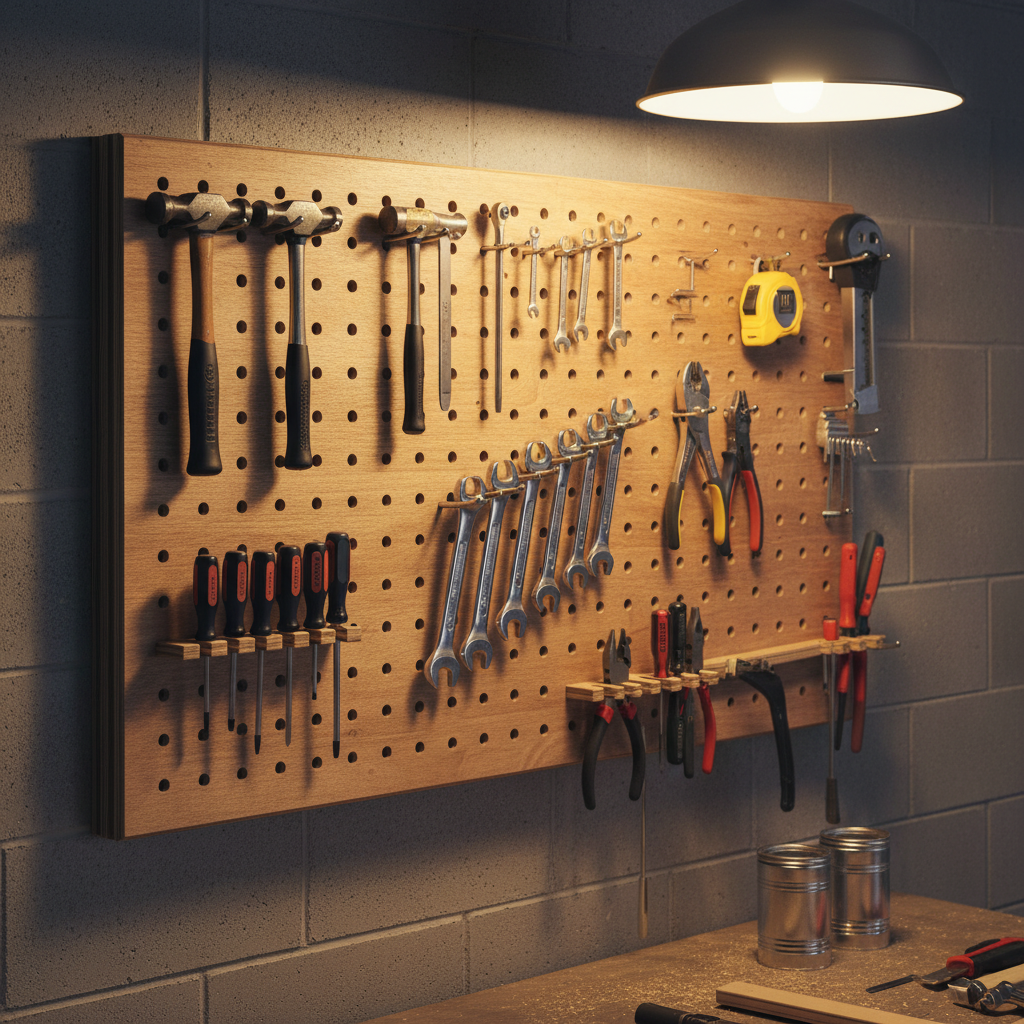
Garage Tool Rack System
Keep your workshop organized with a custom tool rack. This project adapts to your specific tools and available wall space. Vertical boards create slots for handled tools, while horizontal shelves hold power tools.
Plan your layout before cutting any wood. Measure your largest tools first to ensure adequate spacing. Add small shelves or hooks for accessories like drill bits and sandpaper. A coat of paint protects the wood from garage humidity.
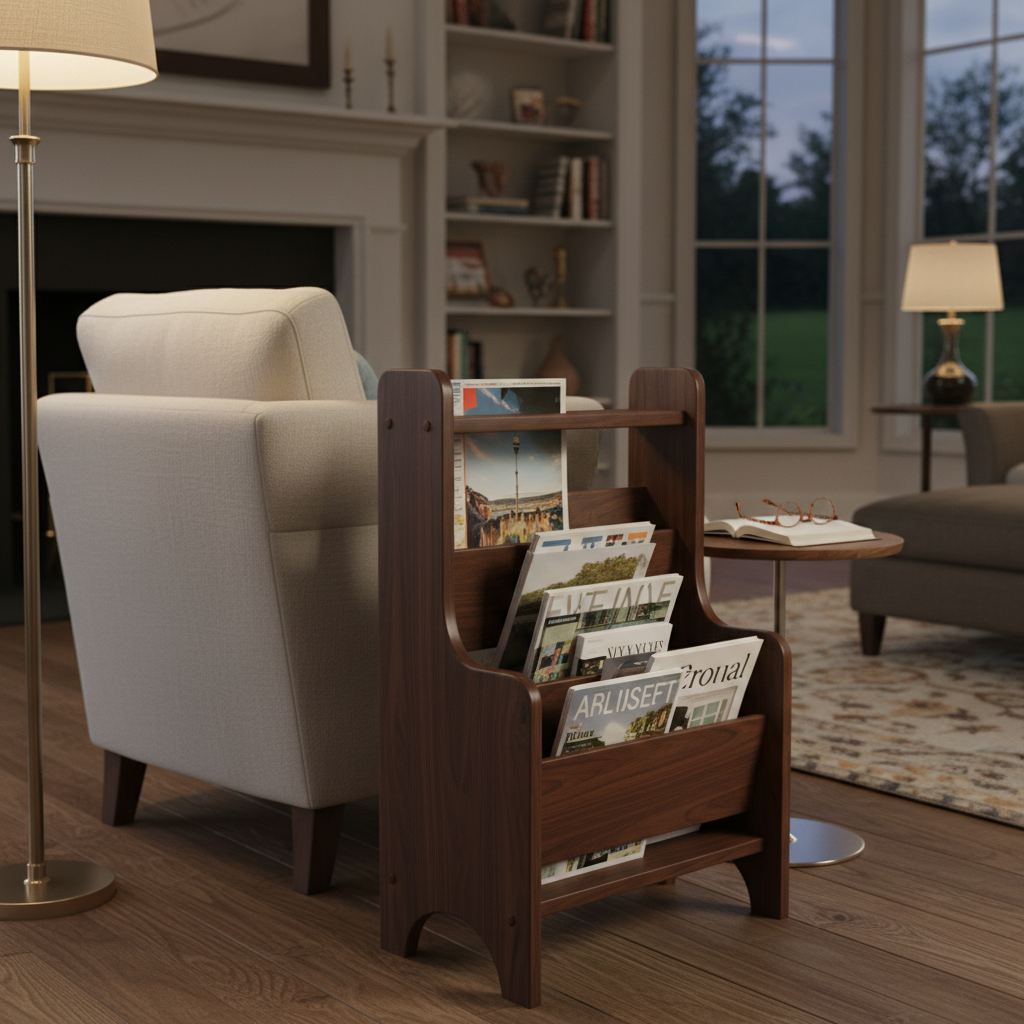
Living Room Magazine Rack
This freestanding rack keeps reading material organized and accessible. The design uses two side panels connected by dowels or thin boards that create individual slots. Each slot holds several magazines upright.
Sand all pieces thoroughly before assembly. Smooth edges prevent damage to magazines and make handling safer. Wood glue provides sufficient strength for this lightweight project. Add felt pads to the bottom to protect your floors.
Simple Table Projects From Side Tables to Coffee Tables
Tables represent a significant step up in woodworking projects. These builds teach joinery techniques and structural stability. Start with smaller tables before attempting larger furniture pieces.
Basic Side Table With Shelf
This two-tier side table provides surface space plus storage underneath. Four legs support a top surface and a lower shelf. The simple design requires only straight cuts and basic joinery.
Cut all four legs to identical length for a level table. The top and shelf pieces should measure the same size. Connect the legs with support boards that run around the perimeter. Wood glue and pocket screws create strong, hidden joints.
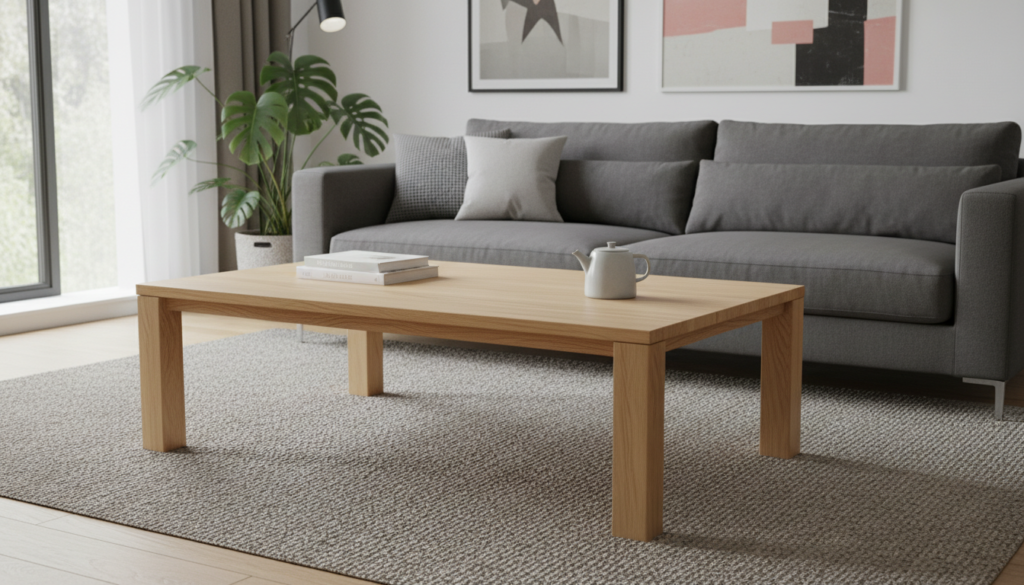
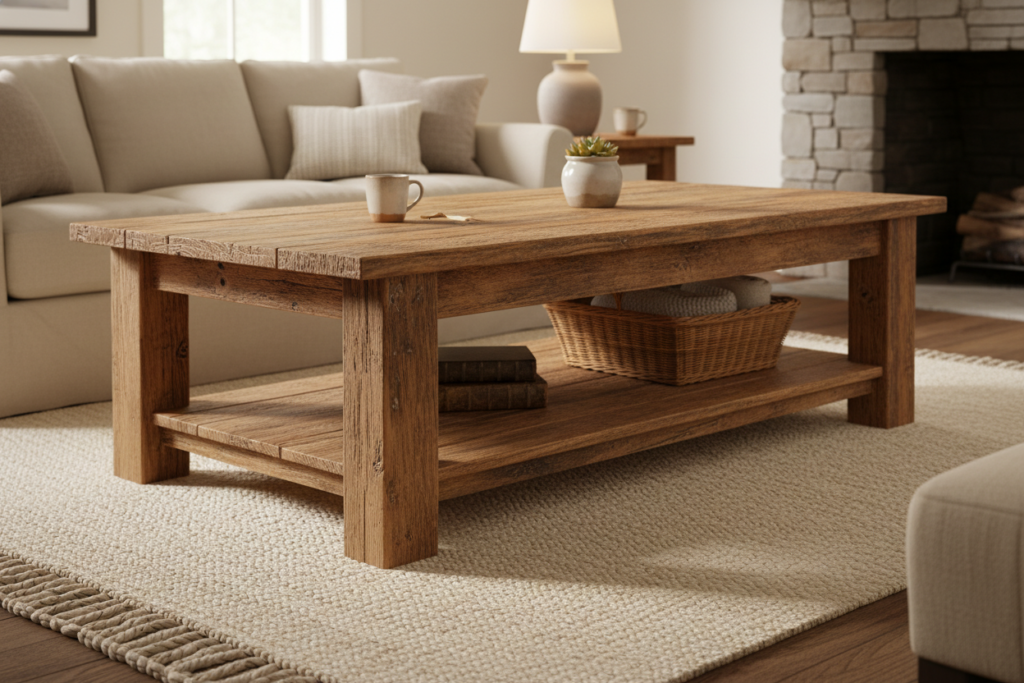
Rustic Coffee Table
A coffee table anchors your living room and showcases your woodworking skills. This project uses thicker boards for a substantial, sturdy piece. The table saw makes quick work of cutting large pieces to size.
Choose your wood carefully for this visible project. Pine offers an affordable option, while hardwoods like oak provide durability and beauty. Plan for a lower shelf to add strength and storage space. Apply multiple coats of finish to protect the surface from water rings and scratches.
End Table With Drawer
Adding a drawer elevates this woodworking project beyond basic builds. The drawer provides hidden storage while teaching you drawer construction techniques. This skill transfers to countless future projects.
Build the table frame first to establish exact drawer dimensions. The drawer should slide smoothly with just a bit of clearance on all sides. Simple wooden runners guide the drawer, though you can upgrade to metal slides later. Sand the drawer edges especially smooth for easy operation.
Step Stool Designs for Kitchen and Workshop Use
Step stools combine function with safety. These simple woodworking projects must support weight reliably, so construction quality matters. The basic design scales up or down depending on the height you need.
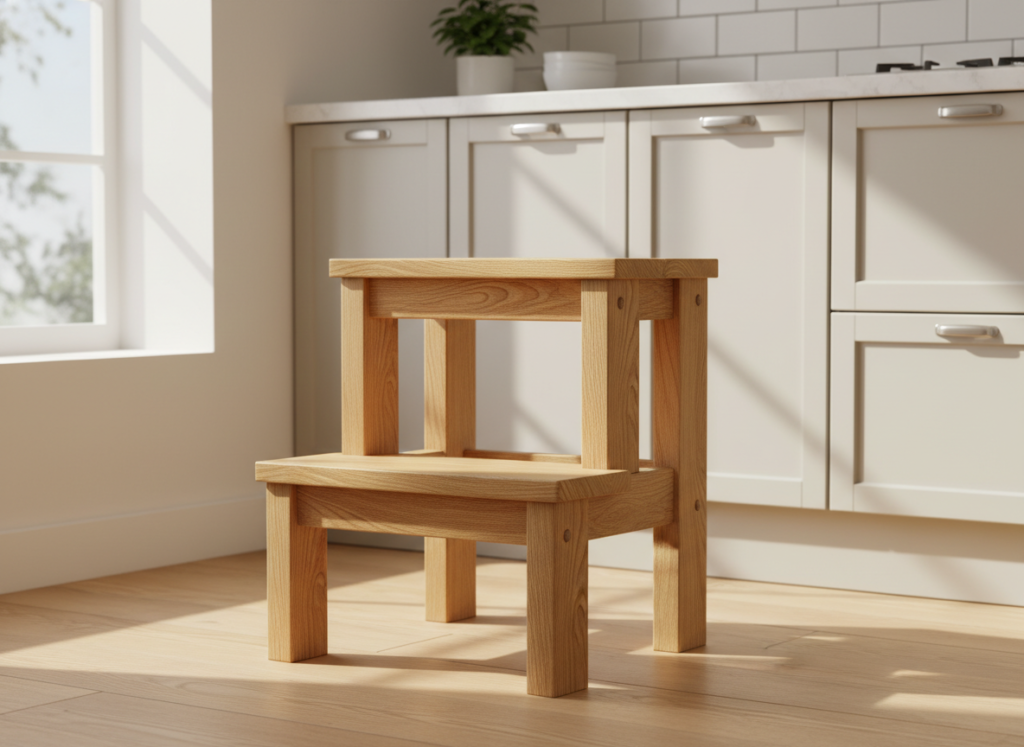
Two-Step Kitchen Stool
This essential kitchen helper reaches those high shelves safely. Two wide steps provide stable footing. The design uses thick boards for strength and angled side supports for stability.
Cut the steps from one-inch thick wood for adequate strength. Each step should measure at least ten inches deep for secure foot placement. Angled braces connect the steps to the side pieces. Apply wood glue to all joints and reinforce with screws driven from underneath where they won’t show.
Folding Step Stool
This space-saving design folds flat for storage. Two pieces of wood form the steps, connected by a hinge at the top. Cross braces lock the stool open when in use.
Choose sturdy hinges rated for the weight you’ll place on the stool. The locking mechanism keeps the stool from collapsing accidentally. Sand all edges smooth and round over the corners slightly. Test the folding action several times before applying finish to ensure smooth operation.
Workshop Step Stool With Tool Storage
Add storage to your step stool for frequently used tools. A compartment built into the top step holds screwdrivers, pencils, and measuring tools. This woodworking project serves double duty in your workspace.
The storage compartment shouldn’t compromise the step surface. Leave adequate room for your feet while creating useful storage space. A hinged lid keeps tools secure and provides a flat surface when closed. Add a small handle to make the stool easy to move around your workshop.
Transform Your Skills With Expert Guidance
Stop guessing and start building confidently. Get instant access to professional blueprints, material lists, and video tutorials that show you exactly how to complete each project successfully.
Decorative pieces let you experiment with design while creating attractive items for your home. These simple woodworking projects focus on appearance as much as function. Small decorative items make great gifts and help you practice finishing techniques.
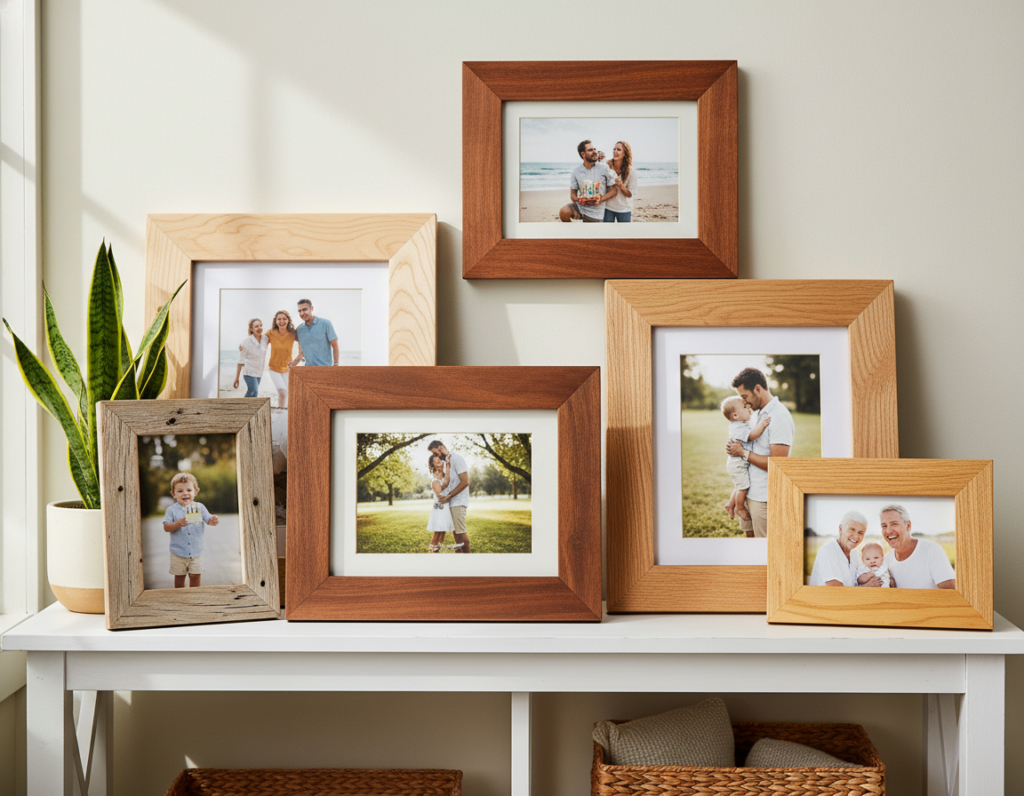
Picture Frame From Scrap Wood
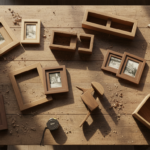
Picture frames use small pieces of wood, making them perfect scrap wood projects. Four pieces cut at forty-five degree angles join at the corners. This project teaches miter cuts and precise measuring.
Measure your photo or artwork before cutting the frame pieces. The inside dimensions must match your picture size exactly. Cut each piece with mitered ends using a miter saw or miter box. Wood glue holds the corners together. Small finishing nails add strength once the glue dries.
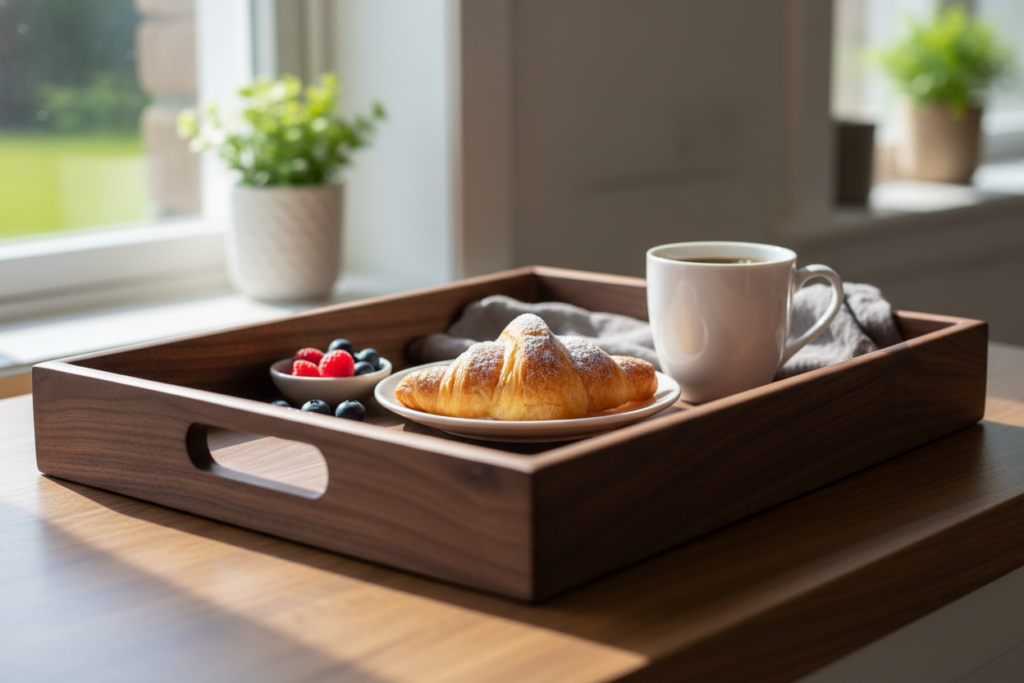
Wooden Serving Tray
A serving tray combines function with decorative appeal. The base piece of wood forms the tray bottom. Four side pieces create raised edges. Handles cut into the end pieces make carrying easy.
Choose an attractive wood species for this visible project. Sand the surface extra smooth since it will contact dishes and glasses. Apply a food-safe finish to protect the wood from moisture. Consider adding rubber feet to the bottom to protect furniture surfaces.
Wall-Mounted Key Holder
This small project keeps keys organized near your door. A board mounted to the wall provides the base. Small hooks screwed into the bottom edge hold key rings. A shelf across the top offers space for mail or sunglasses.
Customize the size to fit your available wall space. Paint or stain the board to match your home’s decor. The hooks can be simple screw hooks or decorative ones from a hardware store. Add a backing piece behind the hooks to protect your wall from scratches.
Outdoor Wood Projects Built to Weather the Elements
Outdoor projects require weather-resistant wood and appropriate finishes. Cedar and pressure-treated lumber stand up to moisture and temperature changes. These woodworking projects enhance your outdoor living spaces.
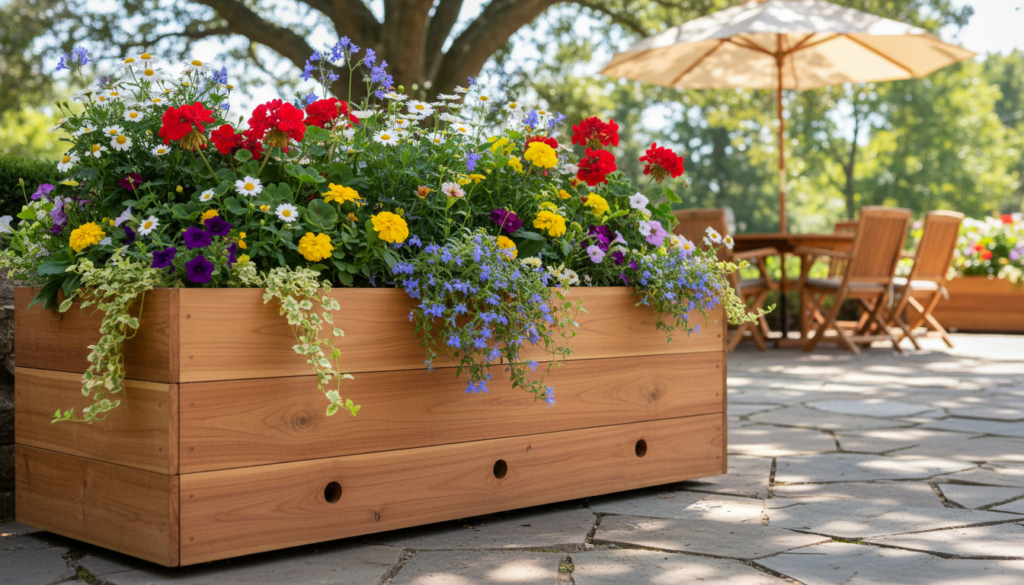
Simple Planter Box
Planter boxes add greenery to patios and balconies. This box design uses five pieces of wood to create a rectangular container. Drainage holes in the bottom prevent water from collecting and rotting the wood.
Cut four side pieces to create the box walls. The bottom piece should fit inside the walls. Drill several half-inch holes through the bottom for drainage. Assemble the box with exterior wood screws that resist rust. Apply an exterior wood finish or let cedar weather naturally to a silver-gray color.
Garden Tool Storage Box
Keep garden tools organized and protected with a simple storage box. This lidded box sits on your patio or in your garden shed. The design scales to fit your tools and available space.
Use thicker wood for this project since it holds heavy tools. The lid should overhang the box sides slightly to shed rain. Add a simple hasp and padlock if security matters. Raise the box off the ground with short legs to prevent the bottom from rotting.
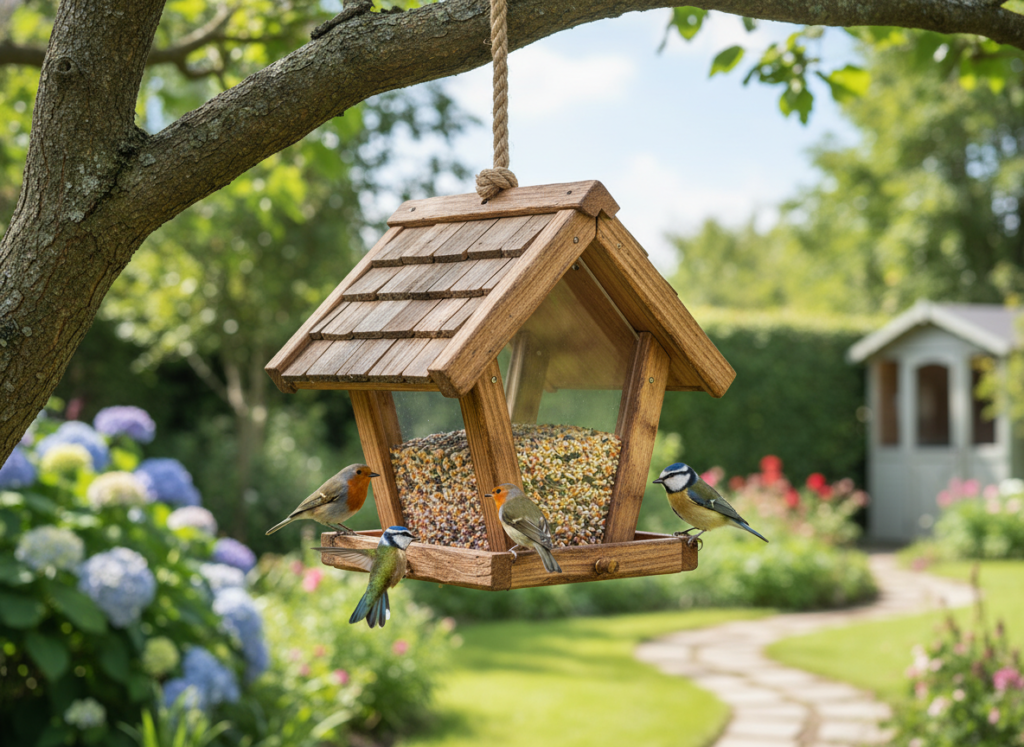
Bird Feeder for Your Yard
A wooden bird feeder attracts wildlife while showcasing your skills. This project includes a seed tray, roof, and perches. Clear acrylic sides let you monitor seed levels.
The roof overhangs the seed area to keep food dry. Drill small drainage holes in the tray bottom so rain doesn’t collect. Mount the feeder on a pole or hang it from a tree branch. Use weather-resistant wood glue and stainless steel screws for all joints.
Learn Advanced Outdoor Building Techniques
Discover professional methods for creating weather-resistant outdoor projects that last for years. Master the techniques for selecting lumber, applying protective finishes, and building structures that withstand the elements.
Essential Tips That Make Every Project Easier
Success in woodworking comes from good habits and smart techniques. These tips help beginners avoid common mistakes and build confidence with each project.
Measure Twice, Cut Once
This old woodworking wisdom saves money and materials. Double-check every measurement before making cuts. A small measuring error multiplies when you cut multiple pieces.
Write measurements on the wood piece itself
Use a square to mark perfectly straight lines
Measure from the same end for consistency
Account for saw blade thickness in your measurements
Choose the Right Wood
Wood selection affects project difficulty and final appearance. Pine costs less and cuts easily, making it ideal for practice projects. Hardwoods like oak require more effort but deliver beautiful results.
Pine works well for painted projects
Cedar resists rot for outdoor pieces
Plywood creates smooth, stable surfaces
Inspect boards for warping before purchasing
Sand Between Coats
Professional-looking finishes require patience between coats. Light sanding after each coat of stain or finish removes dust particles and creates a smooth surface for the next application.
Use fine-grit sandpaper for finish coats
Wipe away sanding dust with a tack cloth
Allow adequate drying time between coats
Apply thin coats rather than thick ones
Invest in Quality Basics
You don’t need every tool, but buy quality versions of the tools you use frequently. A sharp saw makes cleaner cuts with less effort. Good clamps hold pieces steady during assembly.
Sharp blades cut safer than dull ones
Quality measuring tools ensure accuracy
Several clamps give you flexibility
Proper safety gear protects your health
Master Wood Glue Application
Wood glue creates incredibly strong joints when applied correctly. Spread a thin, even layer on both surfaces. Clamp the joint until the glue dries completely. Excess glue squeezed from the joint should be wiped away immediately with a damp cloth.
Different glues suit different projects. Yellow carpenter’s glue works for most indoor projects. Waterproof glue protects outdoor pieces from moisture. Polyurethane glue expands to fill gaps but requires careful application.
Practice Cuts on Scrap Wood
Before cutting your project pieces, make practice cuts on scrap wood. This approach helps you adjust saw settings and technique. You’ll waste a small scrap piece instead of ruining expensive project lumber.
Keep a collection of scrap pieces in various sizes. These scraps serve as test pieces for finishes too. Try your stain color and application technique on scrap before committing to your project.
Pro Tip: Start Your Project Collection
Build one simple project each month to steadily improve your skills. Take photos of each completed piece to track your progress. You’ll see dramatic improvement in your technique and confidence over just a few months. Many beginners find they can tackle intermediate projects within six months of starting.
Wood Finishing Techniques for Beautiful Results
The finish protects your wood and enhances its natural beauty. Proper finishing makes the difference between an amateur project and professional-looking work. Take your time with this final step.
Prepare the Surface Properly
Finish only adheres well to properly prepared wood. Sand the entire piece starting with coarse grit sandpaper and progressing to fine grit. Each sanding removes scratches from the previous grit.
Remove all sanding dust before applying finish. A vacuum followed by a tack cloth picks up fine particles. Any dust left on the surface shows in your final finish as rough spots.
Apply Stain Evenly
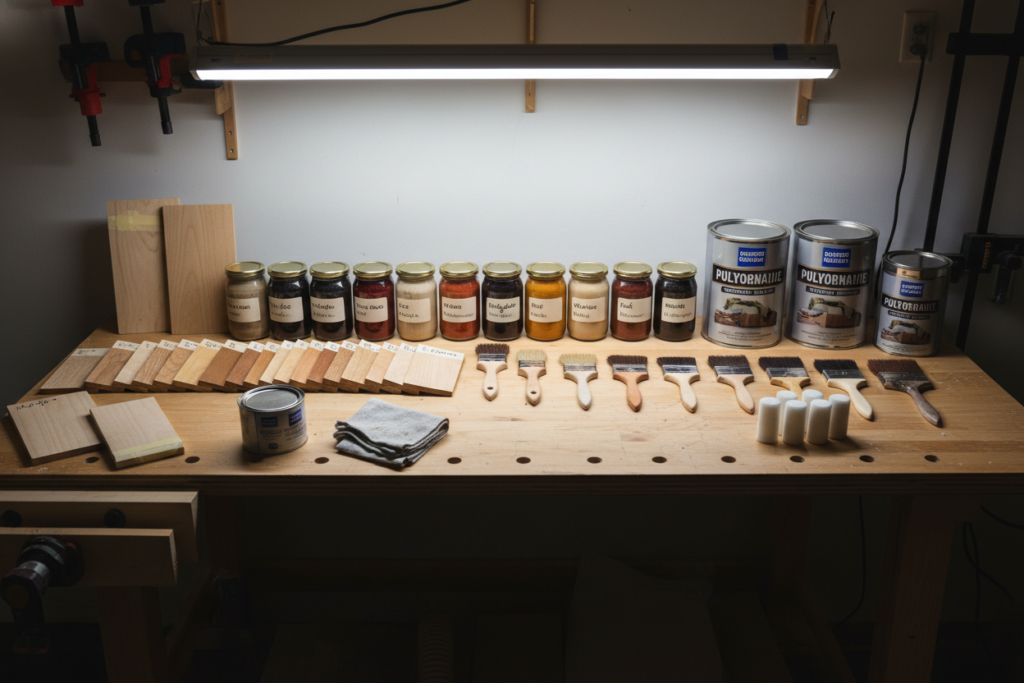
Stain changes wood color while letting the grain show through. Apply stain with a brush or cloth, working in the direction of the grain. Wipe off excess stain after a few minutes to control color intensity.
Test your stain color on scrap wood first. Different wood species absorb stain differently. End grain absorbs more stain and appears darker. Pre-treating end grain with wood conditioner creates more even color.
Protect With Clear Finish
Clear finishes like polyurethane protect wood from moisture, scratches, and daily wear. Apply thin coats with a brush, allowing each coat to dry completely. Light sanding between coats creates a glass-smooth final surface.
Water-based polyurethane dries quickly and cleans up with water. Oil-based versions provide deeper color and excellent durability. Choose based on your project needs and working preferences.
Build Your Dream Projects With Confidence
Join thousands of successful woodworkers who started as complete beginners. Get lifetime access to comprehensive plans, expert tips, and a supportive community ready to help you succeed with every project.
These simple woodworking projects prove that beginners can create beautiful, functional pieces without years of experience. Each project builds your skills while delivering items you’ll use and enjoy in your home.
Start with a single project that excites you. Gather your materials and tools. Take your time with each step. The satisfaction of completing your first project motivates you to tackle the next one.
Your skills will grow with every piece you build. Projects that seem challenging now will become simple in a few months. The wood projects you create today represent the beginning of a rewarding hobby that lasts a lifetime.
Remember that every experienced woodworker started exactly where you are now. They made mistakes, learned from them, and kept building. Your journey follows the same path. The difference between a beginner and an expert is simply the number of projects completed.
The right vanity lighting can completely transform your bathroom or dressing area from ordinary to extraordinary. Beyond just illuminating your space,…
Florida’s unique climate offers both challenges and incredible opportunities for creating stunning outdoor spaces. With year-round warmth, abundant sunshine, and occasional…