Small Woodworking Projects: 50+ Easy Beginner Ideas
This Website contains affiliate links. That means I may earn a small commission if you purchase through my links, at no extra cost to you.
Starting your woodworking journey feels exciting yet overwhelming. You want to create beautiful things with your hands. You imagine custom furniture filling your room with character.
Small woodworking projects offer the perfect entry point. They require minimal tools and lumber. Most projects take just a couple of hours to complete.
This guide shares practical wood projects for every skill level. You’ll discover shelf designs, organizer builds, and decorative crafts. Each project helps you practice essential woodworking skills while creating useful items.
Essential Tools and Materials for Small Wood Projects
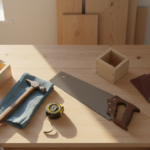
Your first project doesn’t require a garage full of power tools. Basic hand tools let you complete most beginner builds. A saw, drill, and sandpaper form your starter kit.
Scrap wood works perfectly for practice projects. Many lumber yards sell small boards at discount prices. Pine remains affordable and easy to work with for beginners.
Different wood types serve different purposes. Softwoods like pine cost less and cut easily. Hardwoods like oak provide durability for furniture projects.
Start with dimensional lumber from your local home improvement store. These boards come pre-surfaced and ready to use. Common sizes include 1×4, 1×6, and 1×8 boards.
Master Woodworking Techniques Like a Pro
Skip years of trial and error. Get instant access to professional woodworking plans and step-by-step video tutorials. Learn proper tool techniques, joinery methods, and finishing secrets that transform beginner projects into heirloom-quality pieces.
Shelves provide practical storage while teaching fundamental woodworking skills. These projects require basic cuts and simple assembly. You’ll practice measuring, cutting, and finishing techniques.
Floating shelves appear to hover against your wall without visible brackets. The secret lies in a hidden mounting system. This project takes about two hours to complete.
Cut your shelf board to desired length. Sand all surfaces smooth, working through progressively finer grits. Apply finish before mounting for best results.
Corner Shelf Unit
Maximize unused corner space with this triangular shelf design. Perfect for plants, books, or decorative items. Requires only basic cuts and simple mounting hardware.
Bracket-Style Wall Shelf
Traditional shelf design using decorative metal brackets. This beginner-friendly project teaches proper wall mounting techniques. Customize size to fit any wall space.
Bathroom Storage Shelf
Create organized bathroom storage with this moisture-resistant shelf project. Add towel bars for extra functionality. Water-resistant finish protects against humidity.
Plant Stand Shelving Systems
Plant stands elevate your greenery while adding visual interest to any room. These projects combine shelf construction with decorative elements. Multiple tier designs create stunning displays.
Build a simple ladder-style plant stand using 1×4 boards. Space shelves at varying heights to accommodate different plant sizes. Natural wood finish complements organic plant aesthetics.
Practical Storage and Organizer Builds
Workshop organization makes woodworking more enjoyable. Storage projects serve double duty as practice pieces. Build organizers for tools, craft supplies, or everyday items.
These projects teach precision cutting and assembly techniques. Many designs use scrap wood pieces, saving money while reducing waste. Customize dimensions to fit your specific storage needs.
Workshop Tool Organizer
A wall-mounted tool organizer keeps frequently used tools within easy reach. Design custom slots for each tool type. This project introduces dado joints and precise spacing.
Use pegboard backing for flexible storage options. Add wooden bins for small hardware. Paint or stain to match your garage workshop aesthetic.
Desktop Organizer Box
Keep your workspace tidy with compartmentalized desk organizer. Multiple sections hold pens, pencils, and office supplies. Simple box joints make assembly straightforward.
Kitchen Utensil Holder
Store cooking utensils in this freestanding wooden caddy. Divided sections separate spoons, spatulas, and whisks. Food-safe finish ensures kitchen safety.
Build Professional-Quality Storage Solutions
Transform your organization skills with expert-designed storage project plans. Access detailed blueprints, cut lists, and assembly instructions for over 500 practical woodworking projects. Perfect your joinery techniques and create custom storage that fits your exact needs.
Small furniture pieces build confidence before tackling larger builds. Start with simple designs using basic joinery. These projects teach structural integrity and proper assembly.
A basic stool makes an excellent first furniture project. Simple side tables add functionality to any room. Coffee table builds introduce larger-scale construction techniques.
Simple Step Stool Construction
A step stool serves countless household purposes. This project requires only basic cuts and screws. Build it in an afternoon using common lumber sizes.
Cut legs from 2×4 lumber for stability. Add a wide top step for safe standing. Sand all edges smooth to prevent splinters.
Side Table Build
Create a functional side table using basic butt joints. Perfect size for bedside or living room use. This project introduces furniture-scale construction principles.
Entryway Bench
Build a welcoming entryway bench for your home. Sturdy construction supports daily use. Add a shoe storage shelf underneath for extra functionality.
Coffee Table Design
Construct a simple coffee table that becomes a room centerpiece. Practice creating stable leg assemblies. Lower shelf provides additional storage space.
Plant Stand and Display Tables
Elevated plant stands showcase your botanical collection. These projects combine form and function beautifully. Vary heights to create dynamic displays throughout your home.
Build tall stands for floor plants or small tabletop versions. Add decorative edge details as your skill improves. Waterproof finishes protect against moisture damage.
Decorative Wood Crafts and Home Accents
Decorative projects let creativity shine while practicing woodworking fundamentals. These smaller builds make perfect gifts or home accents. Experiment with different finishes and paint techniques.
Picture frames showcase your favorite photos in custom wood. Wooden signs add personalized touches to any room. Candle holders create ambient lighting with rustic charm.
Custom Picture Frame Construction
Handmade picture frames add character to cherished photographs. This project teaches precise miter cuts and corner joinery. Choose wood species that complement your home decor.
Cut frame pieces at perfect 45-degree angles. Use a miter box for accurate cuts without power tools. Glue corners and reinforce with small nails.
Wooden Sign Projects
Create custom wooden signs for home or garden display. Paint or burn lettering for personalized messages. Weather-resistant finishes allow outdoor placement. This craft project builds freehand routing skills.
Candle Holder Designs
Turn small wood blocks into elegant candle holders. Drill centered holes sized for standard candles. Group multiple holders for stunning table centerpieces. Sand smooth to prevent wax buildup.
Creative Scrap Wood Project Ideas
Leftover wood pieces become treasure instead of trash. Scrap wood projects minimize waste while maximizing creativity. These builds cost almost nothing to complete.
Small cutting boards use up narrow board remnants. Coasters protect furniture surfaces from drink rings. Key holders organize entryway essentials using minimal materials.
Small Cutting Board Construction
A cutting board makes an ideal first project using scrap wood. Select hardwood pieces like maple or walnut. These dense woods withstand knife cuts better than softwoods.
Cut boards to uniform thickness for flat surfaces. Glue pieces edge-to-edge for wider boards. Apply food-safe mineral oil finish to protect wood.
Wooden Coaster Set
Protect tables with handmade wooden coasters. Cut uniform squares from scrap pieces. Apply waterproof finish to prevent moisture damage. Bundle sets as thoughtful gifts.
Key Holder Board
Never lose keys again with this simple wall-mounted organizer. Add decorative hooks to a small board. Include a shelf for mail or sunglasses.
Phone Stand Project
Build a practical phone stand for your desk. Cut a slot to hold your device at perfect viewing angle. This quick project takes less than an hour.
Never Waste Scrap Wood Again
Discover hundreds of clever scrap wood projects that turn leftovers into profit. Learn professional techniques for small-piece joinery, efficient material usage, and quick-build designs. Start creating marketable items from your workshop scraps today.
Outdoor projects require weather-resistant wood and finishes. Cedar and pressure-treated lumber withstand moisture and temperature changes. These builds enhance your outdoor living spaces.
Garden planters contain soil for vegetables or flowers. Bird feeders attract wildlife to your yard. Outdoor benches create comfortable seating areas.
Cedar Planter Box Build
A planter box elevates garden beds for easier maintenance. Cedar naturally resists rot and insect damage. This project introduces basic box construction with drainage considerations.
Cut boards for box sides and bottom. Drill drainage holes in the bottom piece. Assemble with outdoor wood screws for lasting durability.
Bird Feeder Station
Welcome birds to your yard with a handmade feeder. Simple hopper design dispenses seeds automatically. Add a roof to protect feed from rain. Mount on post or hang from tree branch.
Garden Tool Rack
Organize garden tools with this wall-mounted rack. Add hooks for hanging shovels and rakes. Include shelf for smaller hand tools. Protects tools from ground moisture.
Woodworking Projects for Kids and Toys
Building toys creates lasting memories and teaches children about craftsmanship. These projects must prioritize safety with smooth edges and non-toxic finishes. Simple designs work best for young woodworkers.
Wooden blocks encourage creative play for years. Toy cars delight children of all ages. Step stools help kids reach sinks and counters safely.
Classic Wooden Block Set
Wooden blocks remain timeless toys that inspire imagination. Cut various shapes from scrap lumber. Sand all surfaces completely smooth to protect small hands.
Create cubes, rectangles, triangles, and cylinders. Use non-toxic paint or leave natural. Store blocks in a handmade wooden box.
Simple Toy Car
Craft a push-along toy car that delights toddlers. Attach wheels with dowel axles. Round all edges for safety. Finish with child-safe paint or wax.
Shape Puzzle Board
Build an educational puzzle toy that teaches shapes. Cut geometric pieces that fit corresponding holes. Bright colors attract young children’s attention.
Kids’ Step Stool
Help children gain independence with their own step stool. Build lower and wider than adult versions for stability. Add non-slip feet for safety.
Kitchen and Dining Room Wood Projects
Kitchen projects combine functionality with food-safe requirements. Use hardwoods that resist moisture and bacteria. Proper finish selection ensures safety around food preparation.
Cutting boards see daily use in busy kitchens. Serving trays make entertaining elegant. Utensil holders organize drawer contents efficiently.
End-Grain Cutting Board
End-grain boards protect knife edges better than edge-grain designs. This intermediate project teaches precise cutting and gluing techniques. Multiple wood species create beautiful checkerboard patterns.
Cut wood into uniform strips, then crosscut into squares. Rotate pieces 90 degrees to expose end grain. Glue together and clamp overnight.
Serving Tray Design
Create elegant serving trays for entertaining guests. Add handles for easy carrying. Raised edges prevent items from sliding off. Apply food-safe finish for protection. These make excellent wedding gifts.
Knife Block Organizer
Store kitchen knives safely in a custom block. Cut angled slots sized for different blade widths. Hardwood construction protects blade edges. Keeps dangerous tools away from children.
Bedroom Furniture and Décor Projects
Bedroom projects create personal spaces that reflect individual style. Small furniture pieces make rooms more functional. Decorative elements add warmth and character.
Nightstands provide bedside storage and surfaces. Jewelry boxes organize accessories beautifully. Wall-mounted coat racks save floor space.
Simple Nightstand Build
A basic nightstand offers essential bedside storage. This project scales up from smaller builds you’ve completed. Include a drawer or shelf for books and devices.
Construct a sturdy frame using 1×3 boards. Add a top and shelf using 1×12 lumber. Finish matches bedroom furniture style.
Jewelry Box Project
Organize precious accessories in a handmade jewelry box. Add compartments for rings, bracelets, and necklaces. Line interior with felt fabric. Hinged lid keeps contents secure.
Wall Coat Rack
Mount a stylish coat rack for bedroom organization. Space hooks evenly for multiple garments. Add a top shelf for hats or bags. Choose decorative hooks that match décor.
Bedside Caddy
Build a convenient bedside caddy that hangs from mattress. Keep phone, glasses, and books within arm’s reach. Takes up no floor space. Perfect for small bedrooms.
Create Furniture That Lasts Generations
Ready to build real furniture that becomes family heirlooms? Access comprehensive furniture-building courses with professional joinery techniques, finishing secrets, and design principles. Learn to create nightstands, tables, chairs, and cabinets with confidence.
Bathroom projects must withstand high humidity and moisture exposure. Select water-resistant wood species or apply protective finishes. These builds maximize limited bathroom space.
Towel racks provide convenient storage near showers. Medicine cabinets hide toiletries behind mirrors. Toilet paper holders add functional décor.
Towel Ladder Rack
A leaning towel ladder offers stylish bathroom storage. This trendy design requires minimal wall space. Multiple rungs hold several towels simultaneously.
Cut two long boards for ladder sides. Space crosspiece rungs evenly. Angle legs for stable leaning position against wall.
Wall-Mounted Shelf Unit
Install floating shelves above toilet for extra storage. Multiple tiers hold toiletries and decorative items. Water-resistant finish protects against humidity. Simple mounting makes installation easy.
Toilet Paper Holder
Replace plastic holders with handmade wooden versions. Mount to wall at convenient height. Add shelf on top for phone or small items. Choose finish that matches bathroom fixtures.
Home Office and Desk Organization Projects
Home office projects improve productivity through better organization. Desk accessories keep supplies accessible yet tidy. Custom builds fit specific workspace dimensions.
Monitor stands elevate screens to ergonomic heights. Desktop organizers corral pens and papers. Cable management systems tame cord chaos.
Monitor Stand with Storage
Raise your monitor while adding storage underneath. This dual-purpose project improves posture and desk organization. Space beneath holds keyboard when not in use.
Build a simple box frame sized for your monitor. Add a shelf inside for additional storage. Finish matches existing desk furniture.
Desk Drawer Organizer
Create custom drawer dividers for perfect organization. Size compartments for specific supplies. Prevents items from shifting around. Makes finding things quick and easy.
Business Card Holder
Display contact cards in an elegant wooden holder. Angled slot shows cards clearly. Professional appearance impresses clients. Quick afternoon project using scrap wood.
Cable Management Box
Hide unsightly cables in a stylish box. Drill holes for cords to enter and exit. Keeps power strips out of sight. Reduces desk clutter significantly.
Seasonal and Gift Project Ideas
Handmade wooden gifts carry special meaning that store-bought items lack. Seasonal projects celebrate holidays throughout the year. These builds make thoughtful presents for friends and family.
Create personalized ornaments that become family traditions. Cut simple shapes from thin wood. Drill holes for hanging string.
Paint festive designs or leave natural with wood-burned details. Date each ornament to mark the year. Recipients treasure these homemade decorations forever.
Kitchen Wooden Spoons
Carve wooden spoons that last generations. Choose hardwoods like cherry or maple. Shape handles comfortably for extended use. Food-safe finish protects wood. Perfect gifts for wedding showers or housewarmings.
Photo Display Stand
Build a unique photo holder for desks or shelves. Cut slot to grip photo bottom. Add base for stability. Natural wood complements any photograph. Makes thoughtful personalized gifts.
Turn Your Hobby Into Income
Discover which woodworking projects sell best and how to price them for profit. Learn marketing strategies, production workflows, and business fundamentals for woodworking entrepreneurs. Start earning money from your craft today.
Proper finishing protects wood while enhancing natural beauty. Different projects require specific finish types. Understanding finish options helps you choose correctly.
Sanding creates smooth surfaces that accept finish evenly. Stains alter wood color while showing grain patterns. Topcoats seal wood against moisture and damage.
Progressive Sanding Method
Start sanding with coarse grit paper to remove rough spots. Progress through medium grits smoothing surfaces. Finish with fine grit for glass-smooth results.
Always sand with the grain direction to avoid scratches. Wipe dust between grit changes. Feel surface with your hand to detect rough areas.
Staining Wood Projects
Test stain colors on scrap wood first
Apply pre-stain conditioner to softwoods like pine
Wipe stain evenly in direction of grain
Remove excess stain after recommended time
Allow complete drying before topcoat application
Multiple coats deepen color intensity
Protective Topcoat Options
Polyurethane provides durable protection for furniture and surfaces. Oil finishes penetrate wood fibers enhancing grain. Wax creates soft luster for decorative pieces.
Water-based finishes dry quickly with minimal odor. Oil-based products offer superior durability. Choose based on project use and personal preferences.
Finish Type
Best For
Durability
Drying Time
Polyurethane
Tables, furniture, high-traffic items
Excellent
2-4 hours between coats
Tung Oil
Cutting boards, natural look projects
Good
24 hours between coats
Paste Wax
Decorative items, toys
Moderate
30 minutes buffing time
Lacquer
Small crafts, quick projects
Good
30 minutes between coats
Danish Oil
General purpose, easy application
Good
8-12 hours between coats
Basic Joinery Methods for Small Projects
Strong joints create furniture that withstands years of use. Different joint types suit specific applications. Learning basic joinery expands project possibilities significantly.
Butt joints offer simplest assembly for beginners. Pocket holes create strong connections quickly. Traditional joints like mortise-and-tenon provide superior strength.
Pocket Hole Joinery System
Pocket holes revolutionize woodworking for beginners. This system creates strong joints without complex cuts. A jig guides drill at correct angle.
Drill angled holes through one board edge. Drive special screws into adjoining piece. Joints remain hidden from view when positioned correctly.
Butt Joint Assembly
Simplest joint type for beginning woodworkers. Join two boards at right angles. Reinforce with screws, nails, or biscuits. Adequate strength for many small projects.
Dowel Joint Method
Dowels create stronger joints than simple butt connections. Drill matching holes in both pieces. Insert glued dowels for alignment and strength. Requires precise drilling.
Lap Joint Connection
Remove half thickness from each board where they overlap. Creates flush surface when joined. Perfect for frame construction. Increases glue surface area.
Wood Glue Application Tips
Quality wood glue creates bonds stronger than wood itself. Apply thin, even coats to both surfaces. Clamp joints firmly while glue dries.
Wipe excess glue immediately with damp cloth. Allow full curing time before removing clamps. Keep glue bottle cap clean to prevent clogging.
Workshop Safety and Best Practices
Safe woodworking practices prevent injuries and accidents. Establish good habits from your first project onward. Respect tools and materials at all times.
Personal protective equipment shields against common hazards. Proper tool technique reduces accident risk. A clean workshop prevents trips and falls.
Essential Safety Equipment
Safety glasses protect eyes from flying debris. Dust masks prevent inhalation of wood particles. Hearing protection guards against loud tool noise.
Wear close-fitting clothing that won’t catch on machinery. Remove jewelry that could get snagged. Keep long hair tied back securely.
Safety Checklist Before Starting
Inspect all tools for damage or defects
Secure workpiece firmly before cutting
Clear workspace of clutter and obstacles
Ensure adequate lighting in work area
Keep first aid kit readily accessible
Never rush through cuts or operations
Maintain sharp tools for safer cutting
Unplug power tools when changing bits
Tool Maintenance Fundamentals
Sharp tools work safer and more efficiently than dull ones. Clean tools after each use to prevent rust. Store tools properly to protect cutting edges.
Oil moving parts regularly for smooth operation. Tighten loose screws and bolts before using tools. Replace worn blades and bits promptly.
Planning Your First Woodworking Project
Successful projects begin with thorough planning. Choose appropriate designs for your skill level. Gather all materials before starting construction.
Measure twice and cut once prevents costly mistakes. Create a cut list organizing all required pieces. Visualize assembly sequence before gluing anything.
Reading and Modifying Plans
Woodworking plans provide detailed construction roadmaps. Study dimensions carefully before purchasing lumber. Understand how pieces fit together.
Modify plans to suit available materials or desired size. Scale projects up or down maintaining proper proportions. Sketch modifications before cutting wood.
Material Selection Guide
Choose wood species appropriate for project type and budget. Hardwoods cost more but offer superior durability and appearance. Softwoods work well for painted projects or practice builds.
Inspect boards carefully before purchasing lumber. Avoid pieces with excessive knots, cracks, or warping. Straight grain boards machine and finish more easily.
Calculate required lumber using your cut list. Add 10-20% extra for mistakes or defects. Buy all material at once ensuring consistent color and grain.
Beginner Project Selection Tips
Start with projects using common lumber sizes
Choose designs requiring few different tools
Select projects that finish in a couple hours
Avoid complex joints until basic skills develop
Pick practical items you’ll actually use
Build multiple similar projects for practice
Taking Your Woodworking Skills Further
Completed projects build confidence and capability. Each build teaches new techniques and problem-solving skills. Challenge yourself with progressively complex designs.
Join woodworking communities for inspiration and advice. Local makerspaces offer access to expensive tools and equipment. Online forums connect you with experienced craftspeople worldwide.
Building a Project Portfolio
Document finished projects with photographs from multiple angles. Note what worked well and what you’d change. Track time spent and materials costs.
This portfolio demonstrates skill progression over time. Share projects on social media for feedback. Some hobbyists eventually sell creations at craft fairs.
Expanding Your Tool Collection
Add tools gradually as projects require them. Quality hand tools last generations with proper care. Research purchases thoroughly before investing in power tools.
Buy the best quality you can afford for frequently used tools. Budget options work fine for occasional-use items. Used tools from estate sales offer excellent value.
Your Woodworking Journey Starts Now
Transform from complete beginner to confident craftsperson with structured learning paths designed specifically for new woodworkers. Access thousands of project plans, video tutorials, and expert guidance. Join a community of makers supporting each other’s growth. Start building things that matter today.
Small woodworking projects open doors to lifelong creativity and satisfaction. Every completed build reinforces fundamental skills. Mistakes teach lessons that prevent future errors.
The first project always feels challenging. Your tenth build flows naturally from muscle memory. Years from now, you’ll look back amazed at your progress.
Start today with a simple shelf or cutting board. Gather your tools and materials. Take that first cut with confidence knowing every master woodworker started exactly where you stand now.
Your home will fill with custom creations that reflect personal style. Friends and family will treasure handmade gifts. Most importantly, you’ll experience the deep satisfaction that comes from building something with your own two hands.